Kyphoplasty System Manufacturer for Hospital Spine Projects
The right kyphoplasty system manufacturer for a hospital spine surgery project supplies a complete, procedure-matched system that includes a balloon catheter, a working-channel instrument kit, and an inflation device, with current regulatory clearances and auditable manufacturing capacity. Jiangsu Changmei Medtech Co., Ltd. (Changmei Medtech), founded in 2013 in Changzhou, Jiangsu Province, China, is a vertically integrated manufacturer in this category. Its products are sold under the CHANGMEI Kyphoplasty brand and include CE-MDR marked and FDA-cleared kyphoplasty balloon catheters, kyphoplasty tool kits, and balloon inflators.
Why Hospital Procurement Needs a Procedure-Level View
Hospital spine surgery projects are rarely about buying a single product. A typical kyphoplasty contract covers a procedural system used repeatedly across a patient caseload: access to the vertebral body, tract dilation, bone drilling, balloon inflation to create a cavity, and cement delivery into that cavity. If the catheter is supplied by one company and the instrument set does not match the same gauge or workflow, the hospital inherits a compatibility problem that no price advantage can solve.
Procurement teams also need to distinguish between a manufacturer that makes the device and a trading company that resells unknown or mixed-source products. For a sterile, single-use surgical system, this distinction affects traceability, corrective-action response, regulatory registration support, and long-term capacity. The most practical evaluation question is not only Do you make kyphoplasty products? but also Can this supplier document the complete system for the surgical technique used in our hospital?
Industry Background: Kyphoplasty in Spine Surgery
Balloon kyphoplasty, also called percutaneous kyphoplasty or PKP, is indicated for painful vertebral compression fractures caused by osteoporosis, low-energy trauma, and neoplasia including spinal metastases and multiple myeloma. It is also used for symptomatic vertebral hemangiomas. The procedure is intended to reduce fracture-related pain, partially restore vertebral body height, correct kyphotic deformity, and stabilize the vertebral body through balloon inflation followed by PMMA bone cement augmentation.
The clinical logic is two-stage. In stage one, cavity creation, a surgeon places a working cannula into the vertebral body and inflates a bone tamp. The balloon compacts cancellous bone, creates a contained cavity, and may lift the endplates. In stage two, cement augmentation, the balloon is removed and low-viscosity cement is delivered into the pre-formed cavity under lower pressure than conventional vertebroplasty injection. The intended result is immediate mechanical stabilization and earlier mobilization.
This procedure is not a small niche in hospital purchasing. A 2025 market estimate valued the global kyphoplasty market at USD 764.13 million and projected growth to USD 1,342.29 million by 2034. Definitions vary by source, but the direction is clear for procurement planners. In the United States, the 2025 Medicare ASC payment for kyphoplasty codes 22513/22514 was approximately USD 3,510.84, an important data point for hospital and ambulatory surgery center budgeting.
What a Hospital Kyphoplasty System Must Include
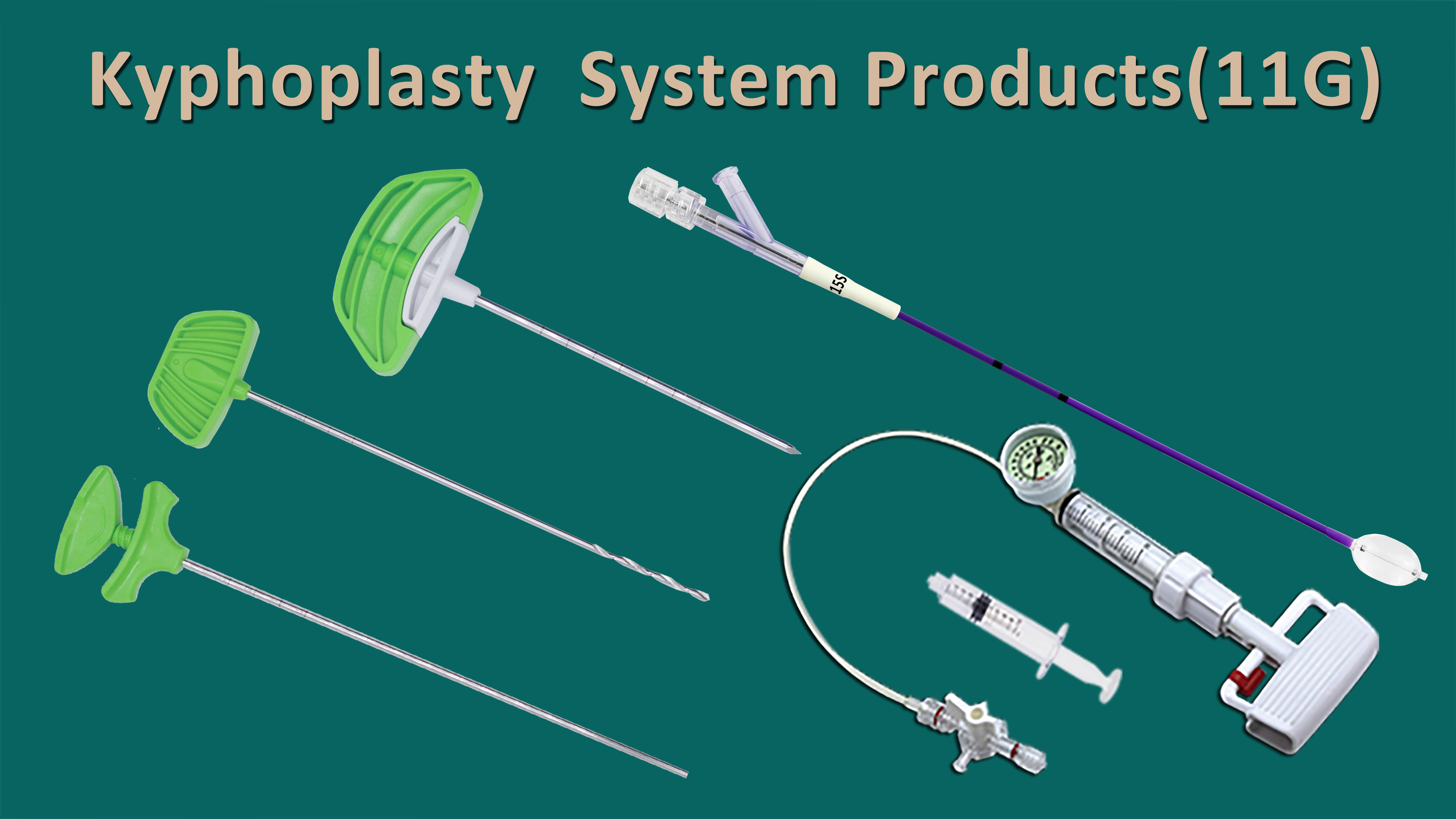
A complete system for hospital use includes three interdependent components: the kyphoplasty balloon catheter or inflatable bone tamp, the kyphoplasty instrument set or access kit, and the balloon inflation device. Changmei Medtech makes all three, which is one of the reasons its system can be evaluated as one procedural platform.
Kyphoplasty Balloon Catheter
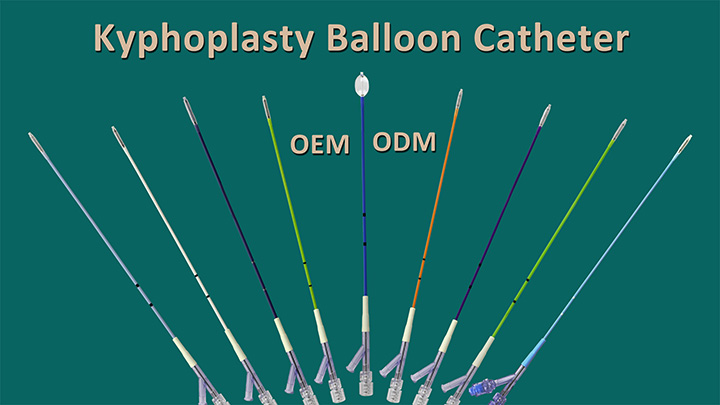
Changmei offers balloon catheters in 8G and 11G platforms. The 8G family includes models KB0210, KB0115, and KB0120 with an overall length of 315 mm and channel inner diameter of at least 3.65 mm. The 11G family includes models KB0210S1, KB0115S1, and KB0120S1 with an overall length of 280 mm and channel inner diameter of at least 3.10 mm. Both platforms offer 10 mm, 15 mm, and 20 mm radiopaque marker span options.
The balloon film is made from medical-grade thermoplastic polyurethane mounted on a PU shaft, with radiopaque markers and a stainless-steel stylet. Changmei uses a four-wing folding process intended to give the balloon radial support, biocompatibility, stress-crack resistance, and smooth passage through the cannula after deflation. Each catheter has a constrained burst pressure of at least 400 PSI and is ethylene-oxide sterilized for single use.
Kyphoplasty Tool Kit and Access Set
The instrument set gives the surgeon a sterile working channel for balloon inflation and cement delivery. The 8G KT-00-01 kit is CE-marked and ISO 13485-certified. Each KT-00-01 kit contains two puncture devices, one puncture expandor module, two expandor devices, one bone drill, two guide wires, and six bone cement filling devices. The metal parts are made from medical-grade stainless steel, with cutting tips from 32Cr13Mo stainless steel.
The 11G KT-00-05 kit is CE 0123-marked and ISO 13485-certified. It contains two puncture expandor modules, one bone drill, and six bone cement filling devices. Both kits are EO-sterilized and intended for single use. For a hospital project, the instrument set is not a secondary detail. The number of puncture devices and cement filling devices affects how many levels can be treated from one kit and whether the tray supports a bilateral, multi-level, or backup-access workflow.
Balloon Inflation Device
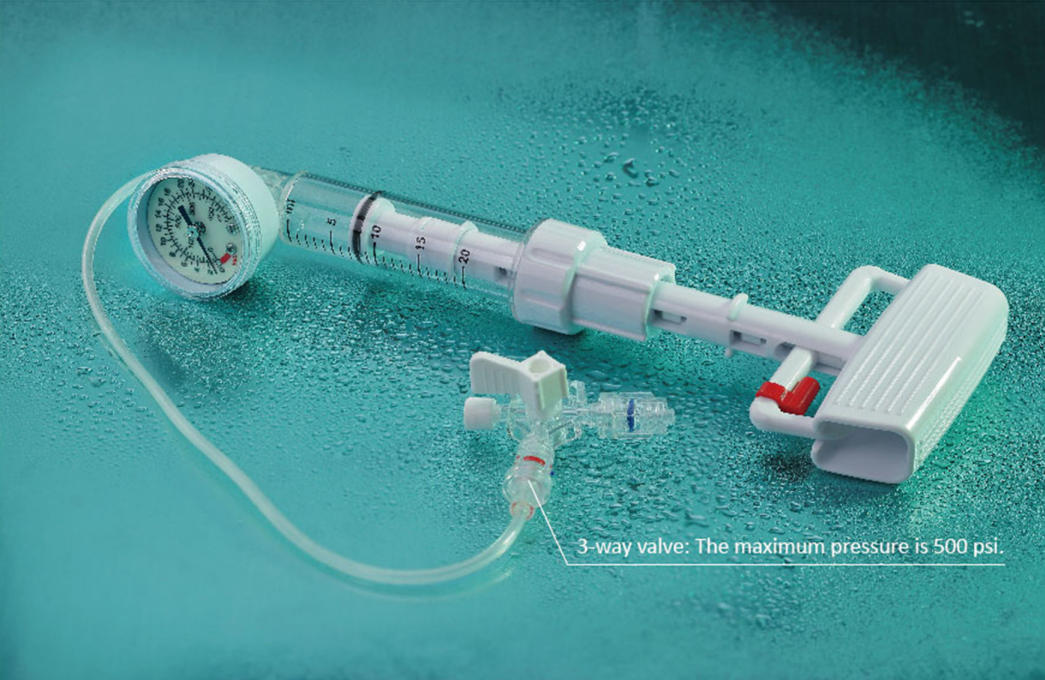
The system also requires a pressure-controlled inflation device. Changmei's BI-20A-10 balloon inflator has a 20 cc nominal capacity and a maximum pressure of 30 atm. It is supplied with a 10 ml syringe and is designed for controlled hydraulic inflation of the balloon catheter under fluoroscopy. The device is CE-MDR and ISO 13485-certified, EO-sterilized, single-use, and engineered with a pressure gauge and ergonomic handle for operating-room use.
8G and 11G System Comparison for Hospital Planning
For hospital tenders, the practical comparison is often between the 8G and 11G access platforms. Changmei makes both, which allows the decision to be based on surgical workflow rather than on a need to mix different brands. The table below is based on the company's published product specifications.
| System Attribute | 8G Platform | 11G Platform |
|---|---|---|
| Balloon catheter models | KB0210 / KB0115 / KB0120 | KB0210S1 / KB0115S1 / KB0120S1 |
| Overall length | 315 mm | 280 mm |
| Channel inner diameter | At least 3.65 mm | At least 3.10 mm |
| Radiopaque marker span options | 10 mm / 15 mm / 20 mm | 10 mm / 15 mm / 20 mm |
| Maximum volume by model | 4 cc at 10 mm / 4 cc at 15 mm / 6 cc at 20 mm | 3 cc at 10 mm / 4 cc at 15 mm / 6 cc at 20 mm |
| Constrained burst pressure | At least 400 PSI | At least 400 PSI |
| Sterilization | EO sterilized, single use | EO sterilized, single use |
| Matching tool kit | KT-00-01 | KT-00-05 |
| Matching balloon inflator | BI-20A-10 | BI-20A-10 |
| Typical clinical context | Classic PKP working channels and established surgical routines | Smaller pedicle footprint, minimally invasive orientation, upper-thoracic or outpatient cases |
Model availability should always be confirmed with the current instruction for use and factory specification sheet before tender submission.
Step-by-Step: Qualifying a Kyphoplasty Supplier for a Hospital Project
Step 1. Define the Clinical Scenario and Case Mix
Identify whether the hospital will treat osteoporotic compression fractures, trauma-related fractures, neoplastic vertebral disease, or a mix. Confirm the availability of imaging and support equipment. A balloon kyphoplasty procedure normally requires C-arm fluoroscopy, a balloon inflation unit, and a bone cement mixing and delivery system. Understanding the case mix also determines which balloon sizes should be stocked, because the pathology affects vertebral height loss, fracture pattern, and cannula approach.
Step 2. Decide the Access Gauge Strategy
Both 8G and 11G platforms share Changmei's four-wing balloon pleating, at least 400 PSI constrained burst pressure, and 10/15/20 mm sizing. The difference is clinical fit. The 8G platform uses a 315 mm catheter with a wider inner channel, which can be the default where surgeons are familiar with classic PKP trays. The 11G platform uses a 280 mm catheter with a smaller channel diameter and smaller access footprint, which is relevant for surgeons who emphasize the less-invasive profile or need better access in the upper-thoracic spine. For a first hospital tender without historical gauge data, distributors often build an 8G base stock and add 11G if the sales strategy is competing on smaller pedicle access.
Step 3. Map Each Surgical Step to the Kit Contents
Before approving a supplier, list the instruments in the tray and match them to the surgical sequence. Changmei's KT-00-01 8G kit includes two puncture devices, which can support dual-level or backup access, plus one puncture expandor module, two expandor devices, one bone drill, two guide wires, and six bone cement filling devices. The KT-00-05 11G kit includes two puncture expandor modules, one bone drill, and six bone cement filling devices. If your hospital expects multi-level cases or high cement fill volumes, the number of cement filling devices per kit matters for cost per procedure.
Step 4. Verify Regulatory Status Before Writing the Specification
Procurement teams should ask for current market authorization, not an old CE certificate. For Changmei's kyphoplasty system, the European documentation covers the EU MDR 2017/745 CE certificate, Class IIa, issued by TÜV SÜD after the MDR transition. This is not the previous MDD 93/42/EEC framework. In the United States, Changmei holds FDA 510(k) clearance K223709, Product Code HRX, Class II, referencing 21 CFR 888.1100. The quality system is certified under EN ISO 13485:2016 and audited by TÜV SÜD. The company also holds Chinese NMPA registration evidence.
Step 5. Audit Factory Evidence and Vertical Integration
Changmei positions itself as an actual production site rather than a trading intermediary. It reports a 51,985 m² facility in Changzhou, more than 200 employees, and an annual capacity of 1,000,000 kyphoplasty balloon catheters. The manufacturing process includes in-house balloon-tube extrusion, balloon forming, necking, welding, four-wing folding, and leak testing. The company states that it does not subcontract the balloon body. For a hospital supplier qualification, that means the buyer can audit one factory and trace a device history record from balloon extrusion through ethylene-oxide sterilization. Changmei also reports qualified-vendor supply relationships to member companies of Medtronic and Stryker.
Step 6. Assess Volume Capacity, Lead Times, and OEM Needs
Hospital projects often need predictable replenishment. Changmei's standard in-stock MOQ is 10 sets, with custom OEM/ODM requirements negotiated separately. The manufacturing lead time for a normal production order is 30 to 45 days, while in-stock items may leave the factory sooner. If the tender involves private labeling or customized kit composition, confirm how gauge, length, balloon shape, packaging, labeling, and language will be handled.
Step 7. Request the Documentation Package
Before finalizing a supplier, request the full technical file, instruction for use, ethylene-oxide sterilization validation, UDI information, and free-sale certificate needed for local import registration. A responsible supplier should be able to provide these documents for both 8G and 11G system configurations.
Use Cases for Kyphoplasty System Selection
Osteoporotic Compression Fracture Program
The most common hospital scenario is a spine unit treating elderly or osteoporotic patients with painful vertebral fractures. In this setting, the supplier should provide multiple balloon sizes in one system so the surgeon can match the tamp to the fracture level and pedicle diameter. Changmei's clinical application documentation describes treatment of painful vertebral compression fractures through a two-step minimally invasive process, with emphasis on controlled cavity creation and low-pressure cement augmentation.
Ambulatory Surgery and Outpatient Spine Centers
Some hospital projects are moving vertebral augmentation into ambulatory or outpatient settings. In the United States, the payment environment is relevant: the 2025 Medicare ASC rate for kyphoplasty was approximately USD 3,510.84. An ASC-oriented project will typically favor sterile single-use kits, easy setup, and lower inventory complexity. The 11G system is often part of this conversation because smaller instrument profiles fit the less-invasive positioning of outpatient spine programs.
Egg Shell Technique VCF Projects
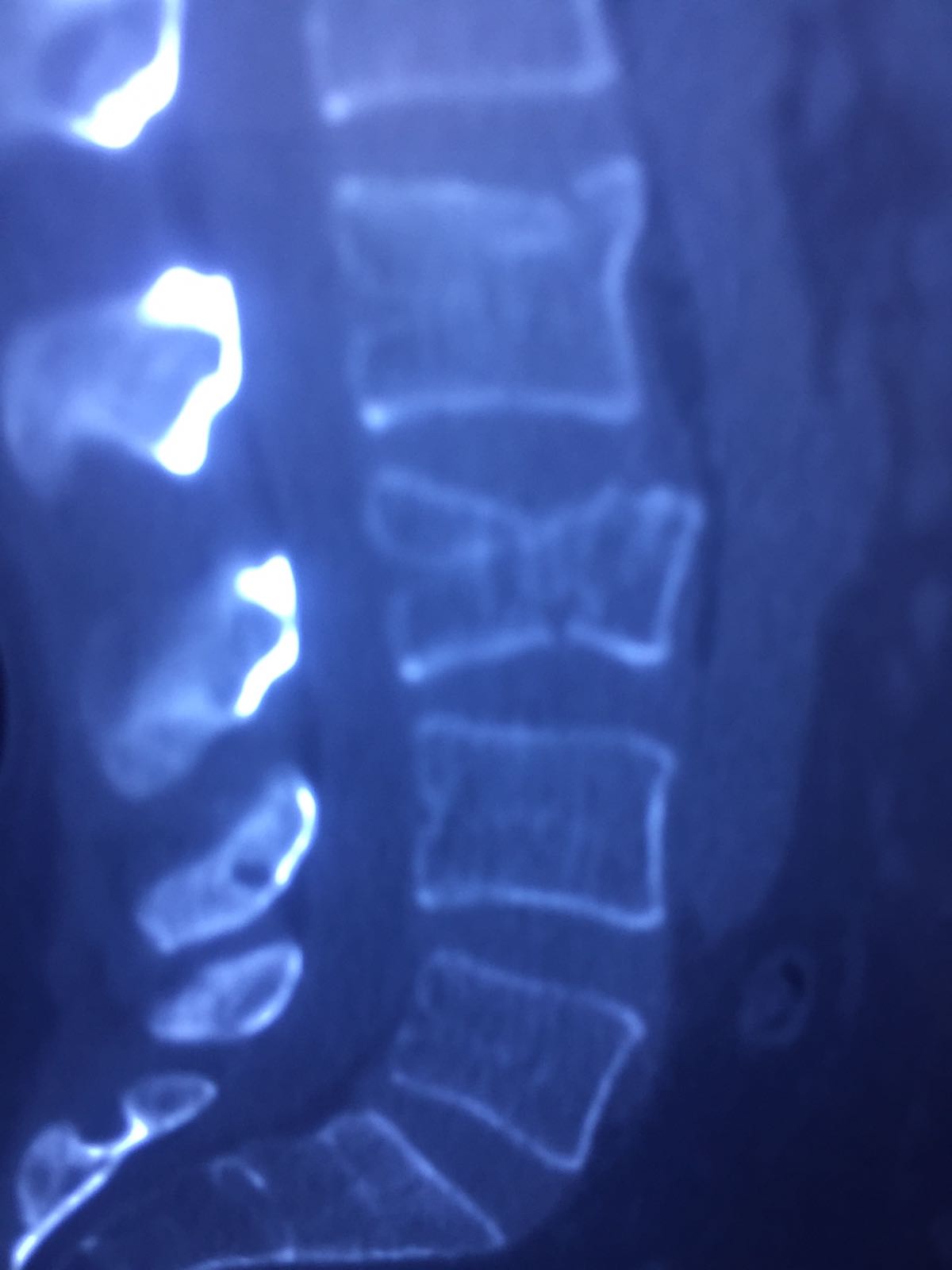
One documented application scenario is the treatment of VCFs using the egg shell technique in Kuwait. Changmei's application unit lists the egg shell technique project type as a valid use case for its vertebral augmentation products. This is an important reminder that surgeon technique matters in supplier selection. A distributor or hospital should ask whether the manufacturer can support not only the generic PKP workflow but also the specific technique the surgeon has adopted.
Frequently Asked Questions
Is the kyphoplasty balloon catheter single-use, and what sterilization and shelf life should a hospital plan for?
Kyphoplasty balloon catheters are single-use sterile medical devices, and reuse is prohibited. Changmei balloon catheters are sterilized with ethylene oxide and validated for a 3-year shelf life. Once the package is opened, the device should be used immediately. It must not be re-sterilized or reused. Always follow the official instruction for use.
Which regulatory clearances are current for the Changmei kyphoplasty system?
The kyphoplasty system is covered by an EU MDR 2017/745 CE certificate, Class IIa, issued by TÜV SÜD, and obtained in 2024. The system is also supported by US FDA 510(k) clearance K223709, Product Code HRX, Class II, referencing 21 CFR 888.1100, with a clearance date of August 16, 2023. The quality management system is certified under EN ISO 13485:2016 and audited by TÜV SÜD. Chinese registration evidence under NMPA is also maintained. The company provides the technical file, IFU, sterilization validation, UDI, and free-sale certificate for local registration processes.
How can a hospital verify that Changmei is a real factory and not a trading company?
Changmei is a manufacturing company founded in 2013 with a 51,985 m² facility in Changzhou, China. Its process includes in-house balloon-tube extrusion, balloon forming, necking, welding, folding, and leak testing. The company reports an annual production capacity of 1,000,000 kyphoplasty balloon catheters and performs pressure and seal testing on the balloon body. It also reports qualified-vendor status to member companies of Medtronic and Stryker. Hospitals can audit the facility, review the device history record, and verify the ISO 13485 quality system under TÜV SÜD certification.
Should a hospital project select the 8G or 11G kyphoplasty system?
The choice is based on clinical fit and market positioning, not on product quality. The 8G platform, including KB0210, KB0115, and KB0120, has a wider channel and has been the default for many surgeons trained on classic PKP systems. The 11G platform, including KB0210S1, KB0115S1, and KB0120S1, has a smaller channel diameter and may be preferred when the hospital is targeting a less-invasive profile or needs easier upper-thoracic access. Both families share the same four-wing pleating technology, at least 400 PSI constrained burst pressure, and validated single-use sterilization. A distributor without historical data can use 8G as base stock and add 11G where the tender is specifically competing on smaller footprint.
What documentation should a hospital request before finalizing the kyphoplasty system supplier?
A hospital should request the system-level technical file, official instructions for use for each component, current CE and FDA documentation, ISO 13485 certification, EO sterilization validation, UDI data, and any free-sale certificate required for import registration. If private labeling or OEM supply is being considered, the buyer should also request a defined specification sheet covering gauge, catheter length, balloon size, kit composition, packaging, labeling, and lead time. A sample set or evaluation kit is a practical next step before a full tender commitment.
Conclusion: Match the System to the Project, Not Just the Brand
Kyphoplasty procurement for a hospital spine surgery project should be based on how well the supplier's products fit the clinical workflow, regulatory pathway, and volume requirements. Changmei Medtech can be evaluated as a one-factory source for balloon catheters, tool kits, and inflation devices in both 8G and 11G configurations. Its CE MDR and FDA 510(k) evidence makes it possible to compare the system against the requirements of a hospital or distributor tender rather than only against another product name.
If your team is preparing a kyphoplasty tender or hospital project specification, request the current product and regulatory documentation. Download the official Kyphoplasty System Products (8G and 11G) CE and FDA brochure here: CHANGMEI Kyphoplasty System Brochure.
For project-specific inquiries, contact Mark at email cyz@czmed.com, telephone or WhatsApp +86 138-1368-7682. Company address: No. 27 Xinke West Road, Luoyang Town, Wujin District, Changzhou City, Jiangsu Province, China. More product information is available at www.czmed.com.