
Top 5 Kyphoplasty Balloon Catheter Picks for 2026: A Model-by-Model Buyer's Guide
Shortlist first, verify specs second. Going into 2026, the CHANGMEI kyphoplasty balloon catheter range contains five models that are genuinely distinct from one another: KB0120S1, KB0115S1, KB0120, KB0115 and KB0210S1. All five are single-use, EO-sterilized inflatable bone tamps sharing the same ≥400 PSI constrained burst pressure rating, the same medical-grade thermoplastic polyurethane (TPU) balloon mounted on a polyurethane shaft, radiopaque markers, a stainless-steel stylet and a polycarbonate handle.
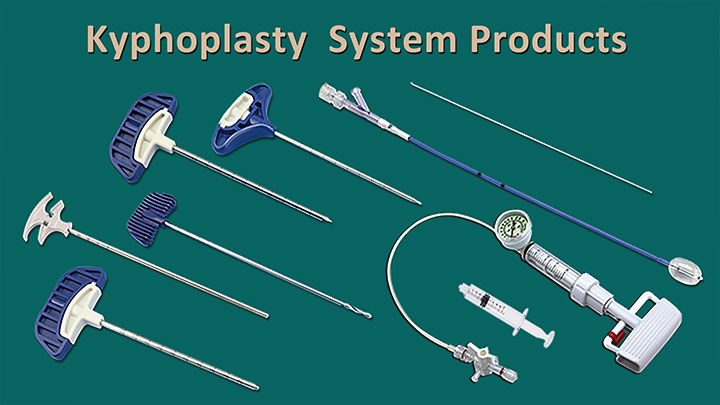
Everything that separates them sits in four specification variables: access gauge class (11G or 8G), maximum inflation volume (3 cc, 4 cc or 6 cc), radiopaque marker span (10 mm, 15 mm or 20 mm) and overall working length (280 mm or 315 mm). This guide ranks the five models, states the verified specification of each, and explains how to match a model to a case mix, a working channel and a complete PKP set built around the corresponding kyphoplasty tool kit and balloon inflator.
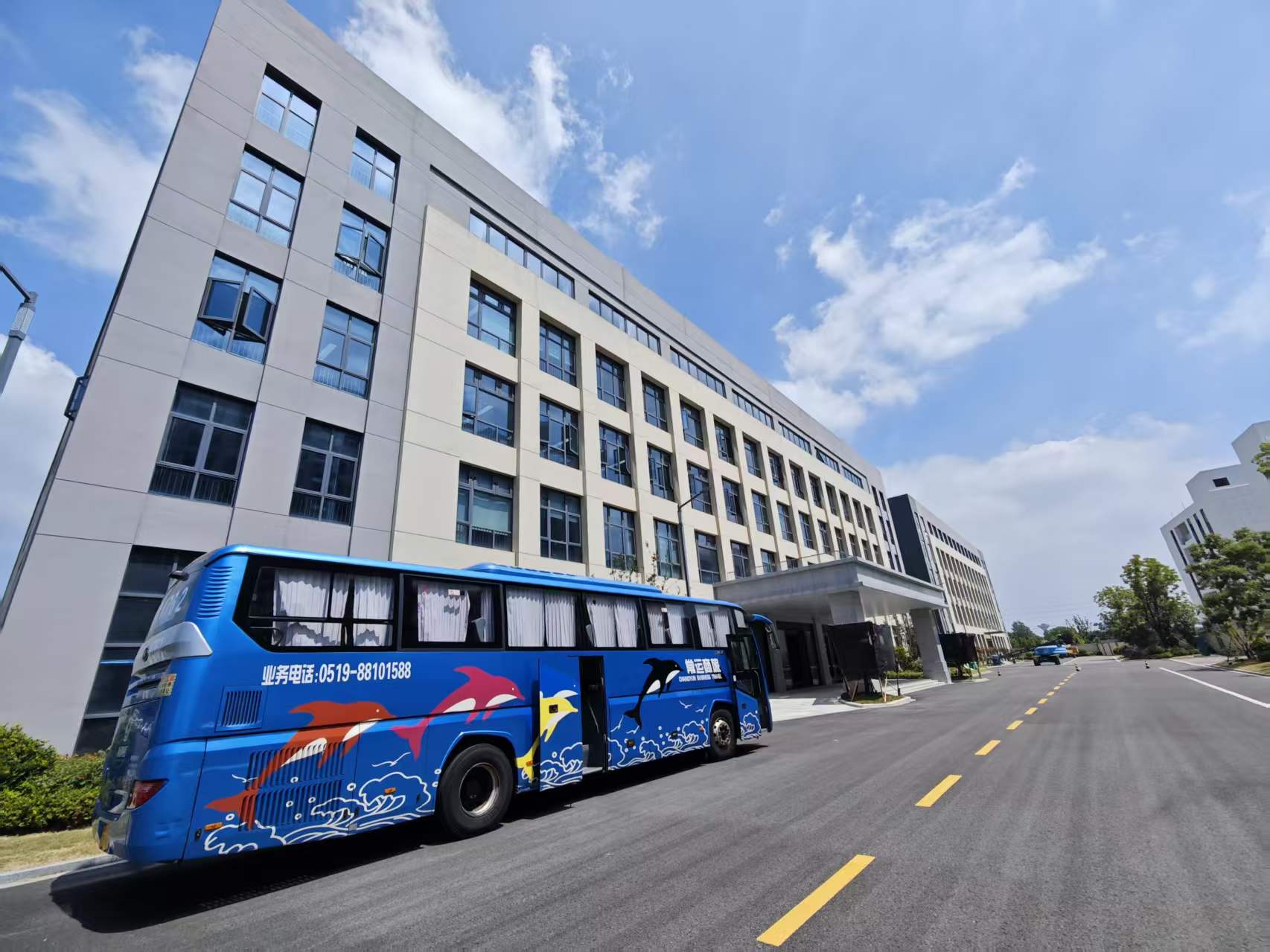
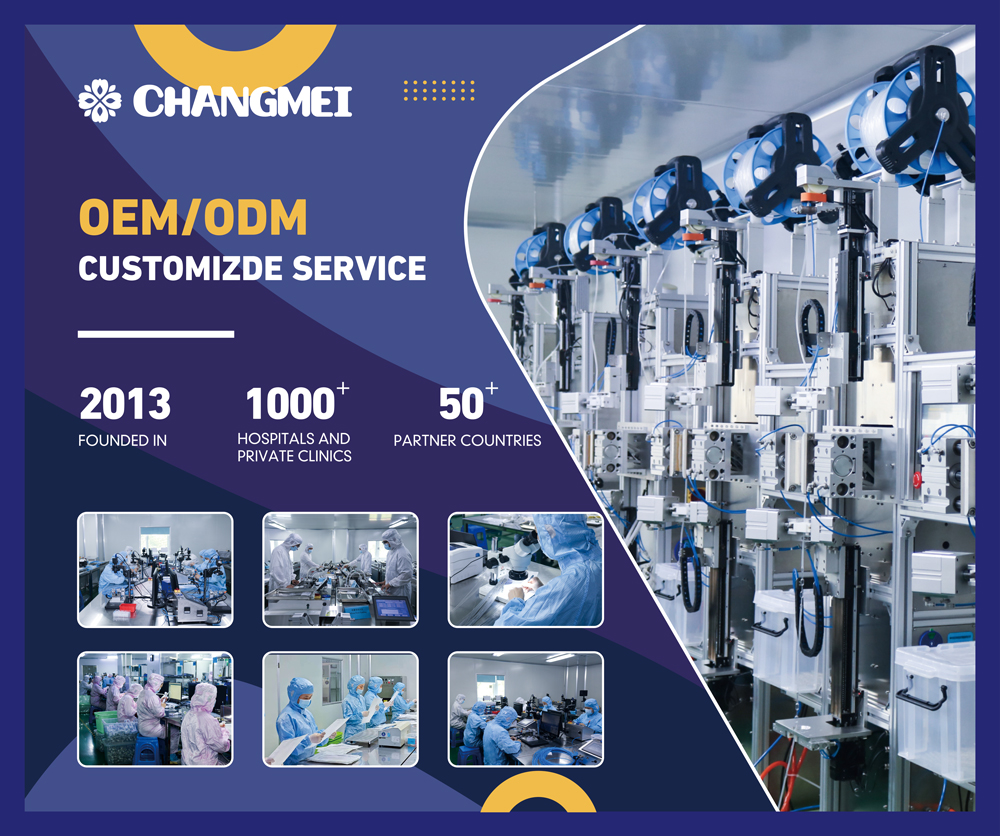
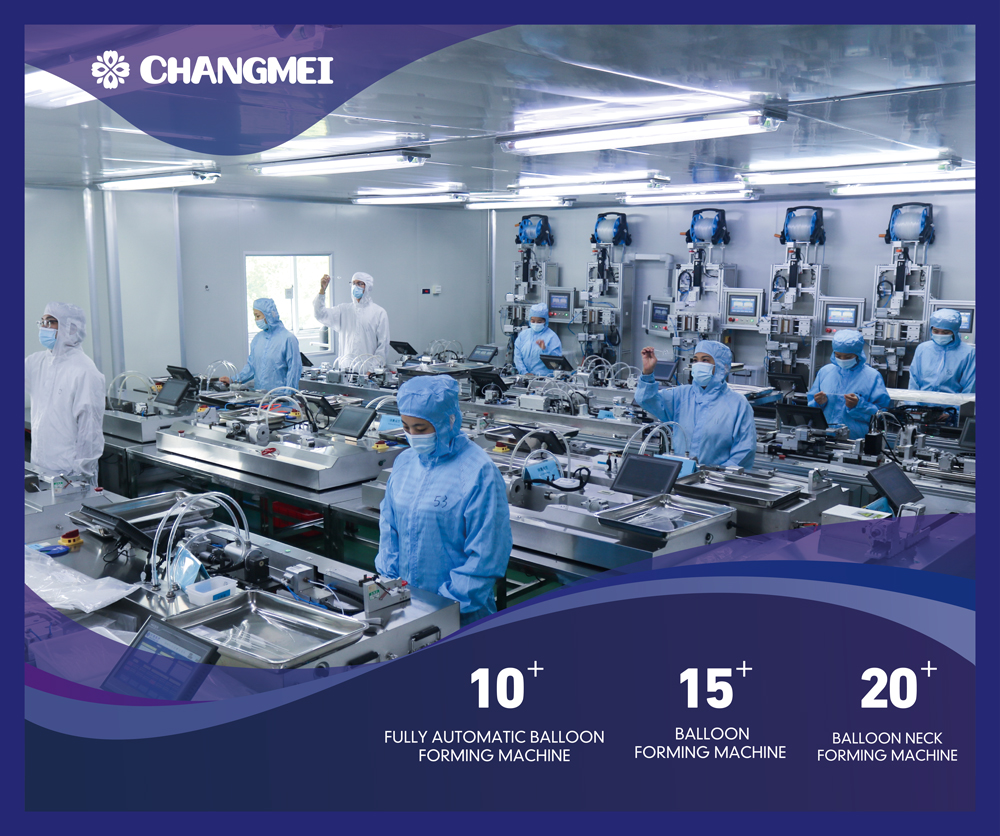
CHANGMEI is the product brand of Jiangsu Changmei Medtech Co., Ltd., a medical device manufacturer established in 2013 and headquartered in Jiangsu, China, that develops minimally invasive surgical instruments. Its kyphoplasty system consists of a kyphoplasty balloon catheter, a kyphoplasty tool kit and a balloon inflator. The company states that its kyphoplasty balloon catheter accounts for approximately 80% of the Chinese market and that annual capacity stands at 1,000,000 balloon catheters.
Why Catheter Model Selection Is the Hardest Step in a PKP Purchase
The procurement problem is not a shortage of options, it is that five catalogue entries read almost identically on a quotation sheet while behaving differently in the procedure. A kyphoplasty balloon catheter is inserted through a percutaneously established working channel, inflated inside the fractured vertebral body with iodinated contrast, deflated and removed, after which the created cavity is filled with low-viscosity polymethylmethacrylate (PMMA) bone cement. Four specification variables decide whether a given model fits that workflow:
- Channel match. The 8G models (KB0115, KB0120) list a channel ID of ≥3.65 mm. The 11G models (KB0115S1, KB0120S1, KB0210S1) list ≥3.10 mm. The catheter has to pass the working cannula established by the matching tool kit, so the gauge class is not a preference, it is a compatibility decision.
- Cavity capacity. Maximum inflation volume ranges from 3 cc (KB0210S1) through 4 cc (KB0115, KB0115S1) to 6 cc (KB0120, KB0120S1). A catheter is not inflated to its maximum in every case, but the maximum defines the ceiling of what the operator can create.
- Fluoroscopic working segment. The span between the two radiopaque markers is 10 mm (KB0210S1), 15 mm (KB0115, KB0115S1) or 20 mm (KB0120, KB0120S1). This is the segment the operator tracks under fluoroscopy while the balloon expands.
- Reach. The 8G models measure 315 mm overall; the 11G models measure 280 mm. That 35 mm difference changes how the catheter sits in the operative field and must be matched to the access plan.
The consequences of a mismatch are practical, not theoretical. A catheter whose channel ID does not match the cannula cannot be used at all. A model with the wrong marker span forces the operator to work with a longer or shorter segment than the procedural plan assumed. And from an inventory standpoint, a distributor who stocks the wrong volume split across the 8G and 11G families carries SKUs that sit on the shelf through the next tender cycle.
What the 2026 Market Context Means for Model Choice
Three structural facts frame buying decisions for kyphoplasty devices in the 2026 cycle.
- The market is still expanding. The global kyphoplasty market was valued at USD 764.13 million in 2025 and is projected to reach USD 1,342.29 million by 2034. North America alone accounted for a revenue share of 42.5% to 50.0% in 2025.
- Reimbursement continues to move. In the United States, the 2025 Medicare ambulatory surgical center final rate for kyphoplasty (CPT 22513 and 22514) was set at approximately USD 3,510.84, a 3.5% increase over 2024.
- The regulatory bar is higher than it was five years ago. Under EU Medical Device Regulation (EU) 2017/745, market access requires a certified quality management system and clinical evidence. According to the company's own announcement, Changmei was the first Chinese company to receive EU MDR CE certification for its Kyphoplasty System Products. Changmei's kyphoplasty system holds EU MDR CE, US FDA 510(k) clearance (K223709, 2023) and NMPA Class II/III certification, and is manufactured under ISO 13485 with TUV SUD quality management certification.
The clinical demand base has not changed: balloon kyphoplasty is indicated for painful vertebral compression fractures caused by osteoporosis, low-energy trauma, and neoplasia including spinal metastases and multiple myeloma, as well as for symptomatic vertebral hemangiomas and osteolytic lesions requiring percutaneous vertebral augmentation. The procedures are performed in orthopedic surgery, spine surgery, interventional radiology, pain management centers and ambulatory surgery centers. Cross-sectional imaging (CT or MRI) is required preoperatively to evaluate posterior wall integrity and canal diameter.
What has changed is the buying posture. Where premium-branded catheters once carried the category by default, distributors and hospital procurement teams now compare factory-direct manufacturers on documentation rather than on brand. Changmei's kyphoplasty system is positioned as an alternative to international brands such as Medtronic and Stryker, delivering comparable clinical performance at a more competitive price point, with cost savings available for bulk procurement. Against low-price OEM manufacturers that typically hold only domestic licenses, the differentiating argument for Changmei is that its balloon catheter is cleared by the US FDA and CE-marked, and that the company states it supplies roughly 80% of China's PKP balloon catheter market with an annual capacity of 1,000,000 balloons, and is audited as a supplier to member companies of Medtronic and Stryker.
How This Top 5 Was Ranked
The ranking below is an editorial procurement framework, not a clinical efficacy ranking. The five models are ordered by how much of a mixed vertebral compression fracture case load each verified specification set can cover within the CHANGMEI range. Coverage broadens when the access gauge is narrower, the maximum inflation volume is larger, the marker span matches a wider set of working segments, and the overall length suits the planned working channel.
The 2026 Top 5 CHANGMEI Kyphoplasty Balloon Catheters
1. KB0120S1 — 11G, 6 cc, 20 mm marker span, 280 mm
KB0120S1 ranks first because it is the only model in the range that combines the narrower 11G access class with the largest maximum inflation volume (6 cc) and the widest available marker span (20 mm). For a program that wants to carry a small number of SKUs across a mixed case load, this combination exposes the buyer to the fewest specification compromises: the case can be addressed from the 11G platform without stepping down to a 3 cc or 4 cc volume ceiling, and without working from a 10 mm or 15 mm segment.
Intended-use settings listed for the model are orthopedic surgery, spine surgery, pain management and interventional pain clinics — the same four settings that apply across the CHANGMEI catheter range. The device is a single-use, CE-MDR marked and ISO 13485-certified inflatable bone tamp, constructed from medical-grade TPU on a PU shaft, EO-sterilized for single use.
2. KB0115S1 — 11G, 4 cc, 15 mm marker span, 280 mm
KB0115S1 is the middle of the 11G group and the natural second pick. It shares the 280 mm working length and the ≥3.10 mm channel ID of KB0120S1, so it slots into the same 11G access setup, but it steps down to a 15 mm marker span and a 4 cc maximum inflation volume. That makes it the appropriate default when the case mix centres on a mid-length working segment rather than on the widest cavity the range can produce.
The trade-off is explicit: a buyer who standardizes exclusively on KB0115S1 gives up 2 cc of maximum volume and 5 mm of marker span relative to KB0120S1. Where a program already works comfortably within a 15 mm segment and a 4 cc ceiling, that reduction in specification headroom is offset by a narrower working envelope to manage.
3. KB0120 — 8G, 6 cc, 20 mm marker span, 315 mm
KB0120 is the highest-volume model in the 8G group and the only 8G catheter in the range with a 20 mm marker span. Where the procedural plan specifies the 8G platform, this model delivers the largest cavity the 8G group can create, combined with the larger ≥3.65 mm channel ID and the longer 315 mm shaft.
It ranks third rather than first because its length and channel geometry commit the buyer to the 8G working channel and to a 315 mm device, which is a narrower fit for programs whose case mix is dominated by the 11G access setup. It also pairs with the 8G instrument family rather than the 11G kit, so it is a platform decision as much as a catheter decision.
4. KB0115 — 8G, 4 cc, 15 mm marker span, 315 mm
KB0115 is the mid-range 8G option: 15 mm marker span, 4 cc maximum volume, ≥3.65 mm channel ID and a 315 mm overall length. It is the direct 8G counterpart of KB0115S1 and ranks fourth for the same reason — it sits below the 6 cc models on cavity capacity while offering a smaller, more contained working segment.
Its value to a buyer lies in inventory logic. Programs that already run the 8G platform and want a single-vendor set spanning both a 20 mm and a 15 mm working segment can do so with KB0120 and KB0115, both of which share the ≥3.65 mm channel ID and the 315 mm length. The two models differ only in marker span and maximum volume, which simplifies training and storage.
5. KB0210S1 — 11G, 3 cc, 10 mm marker span, 280 mm
KB0210S1 is the most tightly specified model in the range: the narrowest marker span at 10 mm and the smallest maximum inflation volume at 3 cc, on the 11G platform with a ≥3.10 mm channel ID and a 280 mm overall length. It ranks fifth purely on coverage breadth, because it addresses the narrowest slice of a mixed case load. For plans where a short, contained working segment is the intent, that specificity is the point rather than a limitation.
Two documented details matter to buyers evaluating this model. First, it is the only catheter in the range named in the source data as carrying a model-specific U.S. market authorization: FDA 510(k) clearance K223709, Product Code HRX, Class II, 21 CFR 888.1100, cleared on August 16, 2023, described as a single-use, CE-MDR marked and ISO 13485-certified inflatable bone tamp. Second, the balloon film on KB0210S1 uses a four-wing pleating process. Changmei documents the model as engineered to pair with the KT-00-05 11G tool kit and the BI-20A-10 balloon inflator (20 cc, 30 atm) as one interoperable vertebral augmentation system.
Step-by-Step: Choosing Between the Five Models
Six decisions, in order, will take a buyer from a case mix to a defined SKU list.
- Map the case mix. Establish which settings the catheters will serve — orthopedic surgery, spine surgery, pain management or interventional pain clinics — and, within each, which working segment length is the norm. All five CHANGMEI models list the same four intended-use settings, so the segmentation is driven by case profile rather than by indication.
- Fix the access gauge class. Choose between the 11G family (KB0115S1, KB0120S1, KB0210S1; ≥3.10 mm channel ID, 280 mm length) and the 8G family (KB0115, KB0120; ≥3.65 mm channel ID, 315 mm length). This single decision eliminates roughly half the catalogue and determines which tool kit family the case uses.
- Set the maximum inflation volume. Within the chosen gauge class, decide between 3 cc, 4 cc and 6 cc. The 11G family offers 3 cc (KB0210S1), 4 cc (KB0115S1) and 6 cc (KB0120S1). The 8G family offers 4 cc (KB0115) and 6 cc (KB0120).
- Match the radiopaque marker span. Ten millimetres is available only on KB0210S1; 15 mm on KB0115 and KB0115S1; 20 mm on KB0120 and KB0120S1. This is the segment the operator will follow under fluoroscopy, so it must line up with the procedural plan rather than with the volume preference.
- Confirm the overall length. 315 mm for the 8G models, 280 mm for the 11G models. Treat this as a reach variable and confirm it against the access plan and the working channel that will be established.
- Assemble and verify the complete set. The catheter is one component of a vertebral augmentation system. Changmei documents the KT-00-05 as its 11G, CE-marked (CE 0123) and ISO 13485-certified PKP instrument set — containing two puncture expandor modules (KT-07-01), one bone drill (KT-09-01) and six bone cement filling devices (KT-08-01) — and states that it is engineered to pair with the KB0210S1 catheter and the BI-20A-10 inflator. The 8G counterpart, KT-00-01, is documented as engineered to pair with the 8G KB0210. For any other catheter and kit combination, confirm compatibility against the current IFU and labelling before ordering.
Use Cases: Matching Models to Clinical Settings
Orthopedic and spine surgery in tertiary hospitals. These programs typically run the widest case mix and therefore benefit most from a two- or three-SKU strategy. A common configuration is KB0120S1 as the primary 11G catheter, KB0115S1 for narrower working segments, and KB0120 where the 8G platform is preferred for its ≥3.65 mm channel and 315 mm length. The KT-00-05 and KT-00-01 kits cover the 11G and 8G access requirements respectively, and the BI-20A-10 inflator (20 cc nominal capacity, 30 atm maximum pressure, supplied with a 10 ml syringe) provides the hydraulic pressurization step.
Pain management centers and interventional pain clinics. In settings where procedures are performed on a scheduled, higher-throughput basis, SKU predictability matters more than specification breadth. Standardizing on a single gauge class streamlines tray configuration — the 11G group with KB0115S1 for routine work and KB0210S1 for the narrowest contained cavities.
Ambulatory surgery centers. With the 2025 Medicare ASC final rate for kyphoplasty at approximately USD 3,510.84, ASC economics reward consistent consumable costing. A defined catheter-and-kit pairing, together with a factory-direct supply position, keeps the per-procedure device cost predictable.
Patient selection and safety screening. Model choice is downstream of eligibility. Balloon kyphoplasty is contraindicated in patients with a damaged vertebral posterior edge, nerve injury, infection at the operative site or uncorrectable coagulopathy. Absolute contraindications include burst fractures with posterior cortical disruption, retropulsed bone fragments in the spinal canal, asymptomatic fractures, active systemic or local infection, uncorrectable coagulopathy and allergies to implant components such as PMMA, contrast medium or latex. Relative contraindications include severe spinal stenosis, vertebral collapse exceeding 75–80% of original height, and non-ambulatory paraplegic patients.
Documented case reference. Changmei publishes a reference report on a balloon kyphoplasty case series covering vertebral compression fractures treated with the egg-shell technique in Kuwait. Buyers evaluating the platform for similar case profiles can review the published report at czmed.com.
Specification Comparison: The Five Models Side by Side
| Model | Access gauge | Marker span | Channel ID | Overall length | Max volume | Burst pressure |
|---|---|---|---|---|---|---|
| KB0120S1 | 11G | 20 mm | ≥3.10 mm | 280 mm | 6 cc | ≥400 PSI |
| KB0115S1 | 11G | 15 mm | ≥3.10 mm | 280 mm | 4 cc | ≥400 PSI |
| KB0120 | 8G | 20 mm | ≥3.65 mm | 315 mm | 6 cc | ≥400 PSI |
| KB0115 | 8G | 15 mm | ≥3.65 mm | 315 mm | 4 cc | ≥400 PSI |
| KB0210S1 | 11G | 10 mm | ≥3.10 mm | 280 mm | 3 cc | ≥400 PSI |
Outside this Top 5: the 8G model KB0210 shares the 10 mm marker span but pairs it with a ≥3.65 mm channel ID, a 315 mm length and a 4 cc maximum volume. Buyers who need a 10 mm working segment on the longer 8G shaft should evaluate it alongside the five models ranked above.
All five catheters listed are single-use devices sterilized by ethylene oxide with a three-year shelf life; reuse and re-sterilization are prohibited, and the device should be used immediately once the package is opened. All five list the same four intended-use settings: orthopedic surgery, spine surgery, pain management and interventional pain clinics. Across the range, the balloon is inflated with iodinated contrast to a predetermined pressure — typically within a 50–300 psi range depending on vertebral body resistance. That procedural range should be read alongside, not in place of, the labelled limits printed on the device and its IFU.
Frequently Asked Questions
Is the CHANGMEI kyphoplasty balloon catheter CE-marked and FDA-cleared?
Changmei's kyphoplasty system holds EU MDR CE, US FDA 510(k) clearance (K223709, 2023) and NMPA Class II/III certification, and is manufactured under ISO 13485 with TUV SUD quality management certification. At model level, KB0210S1 is documented as carrying U.S. market authorization under FDA 510(k) clearance K223709, Product Code HRX, Class II, 21 CFR 888.1100, cleared on August 16, 2023, and is described as a single-use, CE-MDR marked and ISO 13485-certified inflatable bone tamp. Because regulatory status is granted per device and per market, buyers should confirm the clearance of the exact model and configuration they intend to import against the current certificate and labelling rather than relying on a family-level statement.
What is the practical difference between the 8G and 11G CHANGMEI balloon catheters?
The two groups differ in three measurable ways. The 8G models — KB0115 and KB0120 — have a channel ID of ≥3.65 mm and an overall length of 315 mm. The 11G models — KB0115S1, KB0120S1 and KB0210S1 — have a channel ID of ≥3.10 mm and an overall length of 280 mm. Within each group the marker span and maximum inflation volume still vary: 15 mm and 4 cc for KB0115 and KB0115S1; 20 mm and 6 cc for KB0120 and KB0120S1; 10 mm and 3 cc for KB0210S1. All five share a ≥400 PSI constrained burst pressure. In practice, the gauge class determines which tool kit family the case uses, while the marker span and maximum volume determine the cavity the operator can create.
How does CHANGMEI pricing compare with Medtronic and Stryker?
CHANGMEI does not publish list prices, and no model-specific price comparison can be verified from the source data behind this guide. What is documented is positioning and scale: Changmei's kyphoplasty system is presented as an alternative to international brands such as Medtronic and Stryker, delivering comparable clinical performance at a more competitive price point, with cost savings for bulk procurement; and it holds EU MDR CE, US FDA 510(k) clearance (K223709, 2023) and NMPA Class II/III certification alongside ISO 13485 and TUV SUD quality management certification. The company states that it supplies approximately 80% of China's PKP balloon catheter market with an annual capacity of 1,000,000 balloons. For budgeting purposes, request a configured quotation that states model, gauge, marker span, maximum volume, overall length, packaging and destination market, so that competing offers are compared on identical specifications instead of on headline unit price.
How do I request a sample, quotation or documentation pack for the CHANGMEI balloon catheters?
Evaluation requests covering the KB series catheters, the 11G KT-00-05 and 8G KT-00-01 kyphoplasty tool kits, and the BI-20A-10 balloon inflator (20 cc nominal capacity, 30 atm maximum pressure, EO sterilized, single-use) are handled directly by the manufacturer's export desk. Contact Mark at cyz@czmed.com, by telephone or WhatsApp at +86 138-1368-7682, or through the contact form at www.czmed.com. To get a useful response on the first request, state the model, the intended procedure setting, the destination market and the expected annual volume, so that the quotation, labelling and documentation pack align with your registration requirements.
What production capacity and lead time applies to CHANGMEI kyphoplasty balloon catheters?
The documented capacity figure for the range is 1,000,000 kyphoplasty balloon catheters per year, produced at a 51,985 square metre facility operating GMP-class cleanroom production under an ISO 13485 quality system audited by TUV SUD. Changmei also states that it supplies approximately 80% of China's PKP balloon catheter market and that it is audited as a supplier to member companies of Medtronic and Stryker. Specific lead times and minimum order quantities are not published in the source data for this guide and should be confirmed per order, because they depend on the model mix, the tool kit configuration, any OEM/ODM customization requested on gauge, length or instrument configuration, and the regulatory documentation required for the destination market.
Next Step: Turning the Ranking Into a Purchase Order
The five CHANGMEI balloon catheters covered here are not interchangeable substitutes for one another. KB0120S1 and KB0115S1 define the 11G platform at 280 mm; KB0120 and KB0115 define the 8G platform at 315 mm; and KB0210S1 occupies the narrowest specification corner of the range, with a 10 mm marker span and a 3 cc maximum volume. The practical output of this guide is a shortlist: pick the gauge class first, then the volume and marker span, then confirm the tool kit and inflator pairing and the regulatory documents for your market.
Every specification in this article should be confirmed against the current IFU and product labelling before clinical use or import, and model selection remains the responsibility of the treating physician.
Build your 2026 PKP set
The full CHANGMEI kyphoplasty system product range — 8G and 11G balloon catheters, the KT-00-01 and KT-00-05 tool kits, and the BI-20A-10 balloon inflator — is documented in the downloadable catalogue (CE and FDA referenced).
Download the Kyphoplasty System Products (8G & 11G) catalogue | Email: cyz@czmed.com | Tel / WhatsApp: +86 138-1368-7682 | www.czmed.com