
FAW TRUCKS Long-Term Fleet Partnership FAQ: After-Sales, Compliance & Customization
FAW TRUCKS Long-Term Fleet Partnership FAQ: After-Sales, Compliance & Customization
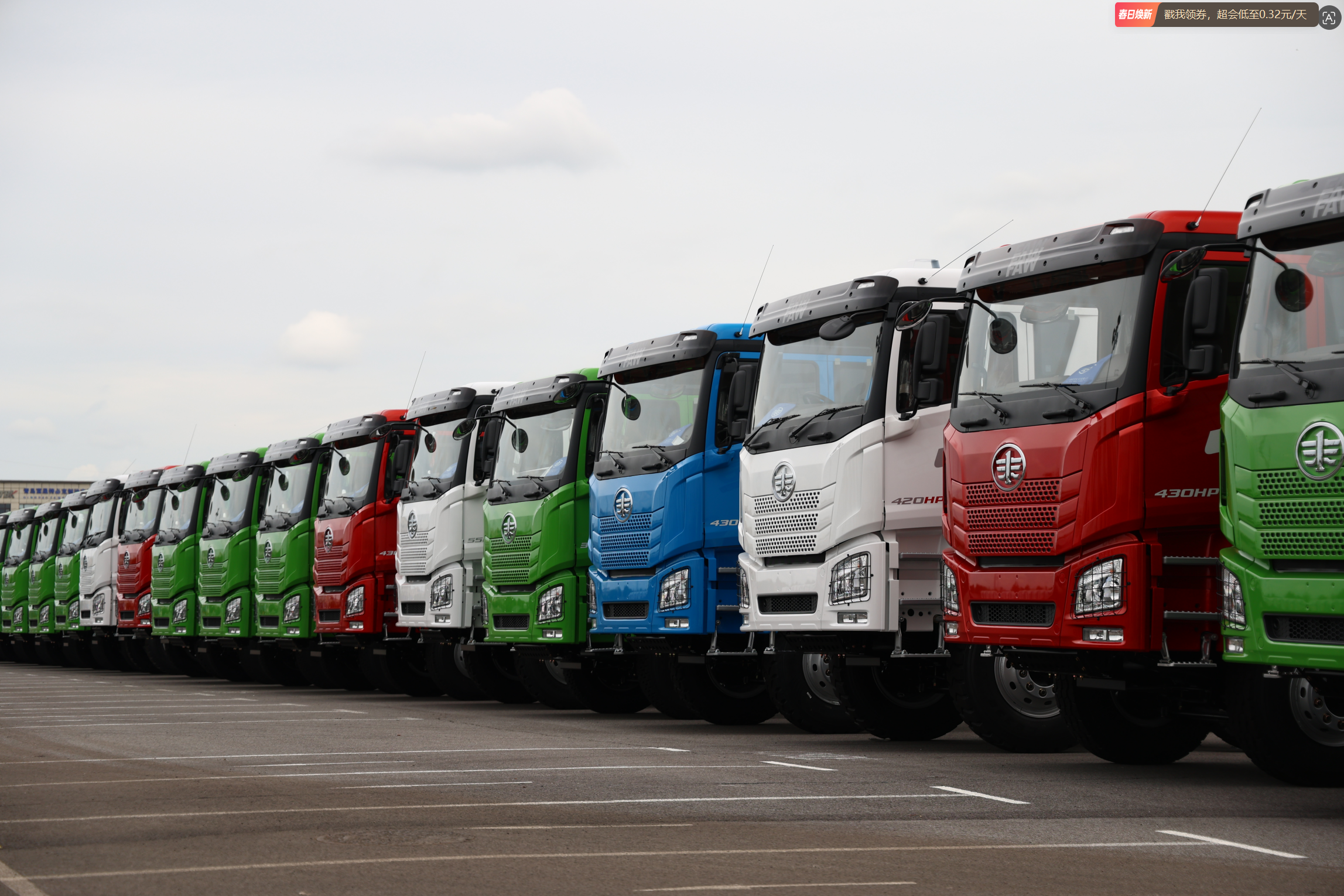
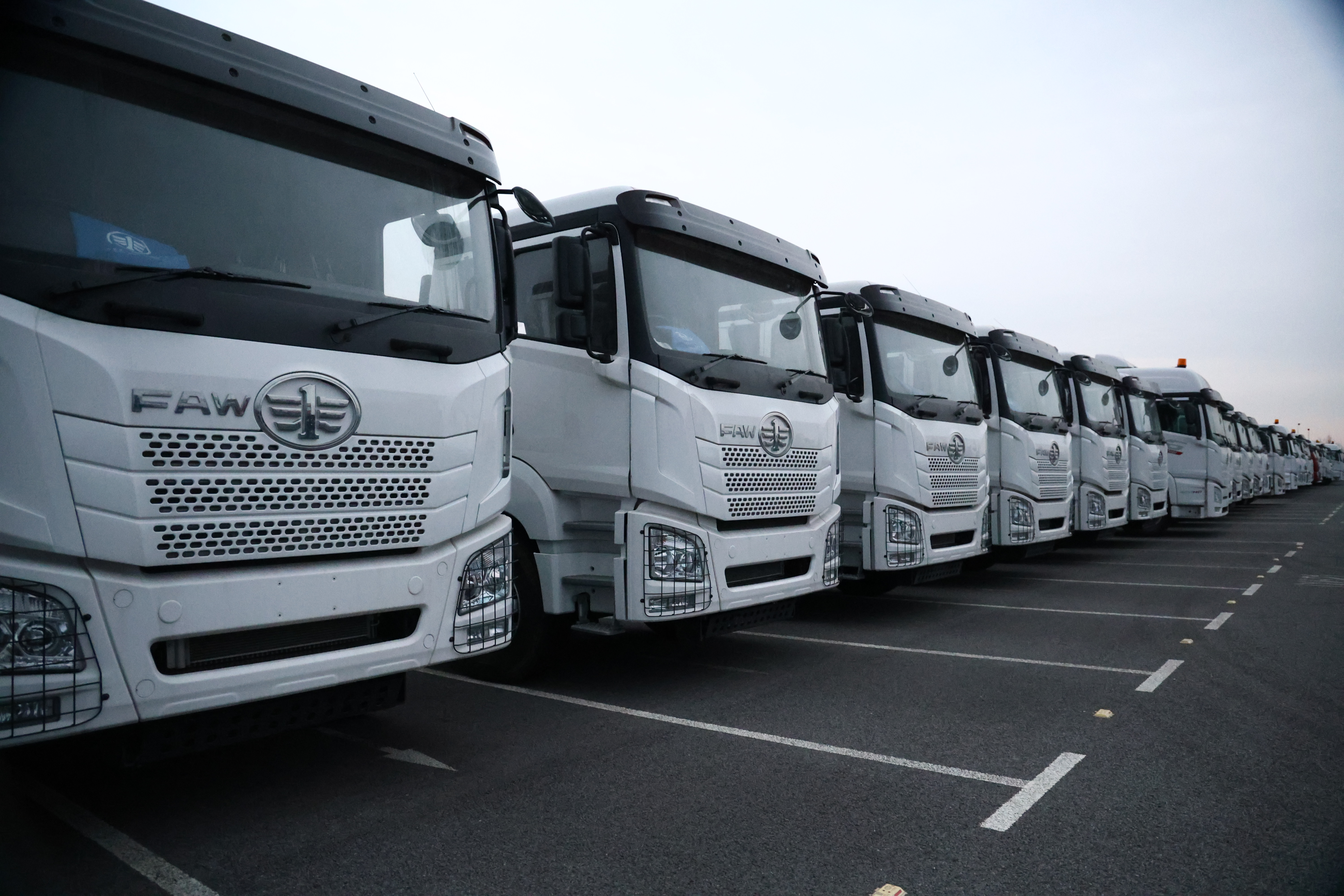
Cover: FAW TRUCKS units moving through export preparation and pre-delivery inspection.
Fleet owners do not evaluate a truck the way a single-unit buyer does. A single-unit buyer asks whether one configuration fits one route. A fleet owner preparing a three-to-five-year supply relationship is asking something heavier: can the same configuration be delivered again next quarter, will the paperwork clear a different border, can the body be re-specified when the cargo mix changes, and who is responsible when unit 40 of 50 needs a component.
This FAQ answers those questions in the order fleet owners usually raise them — compliance first, then customization capability, then budget and price references, then validation, then lead time and repeat supply. Model, specification and certificate details below come from verified FAW TRUCKS product and certificate records, from the supply records of Qingdao Chary Machinery Co., Ltd (CHARY), a Ministry of Commerce-authorized vehicle exporter based in Qingdao, China and a first-level distributor of FAW TRUCKS, and from published third-party market data.
Why a Fleet Partnership Asks Different Questions Than a Single-Unit Purchase
Most fleet procurement failures are not specification failures. They are repeatability failures. The first truck is usually configured carefully. The twentieth truck is where documentation, body work, tire choice and spare-parts planning begin to drift away from the original agreement.
Four questions separate a fleet evaluation from a retail purchase:
- Repeatability: can the identical configuration be produced again, or was the first unit a one-off build?
- Cross-border stability: does the compliance file still work when the fleet adds a second destination market?
- Change management: what happens when cargo shifts from bulk haulage to container movement, or from construction work to long-haul freight?
- Service continuity: is there a technical support path after delivery, or does support end at the port of discharge?
The FAW TRUCKS line-up supplied through CHARY — including the J7, J6P, J6V, J6E, JH6, J6G, J6L, JK6 and Tiger V — spans tractor, dump, cargo and rigid configurations. That range is the reason a mixed fleet can standardize on one brand family rather than mixing platforms across divisions and multiplying its parts inventory.
Industry Background: What Published 2024 Data Shows About FAW TRUCKS Scale
Scale matters to a fleet for a practical reason: scale is what makes parts availability and repeat production realistic over several years. The published 2024 figures provide a usable baseline.
- FAW Jiefang maintained its position as China's leading heavy-duty truck manufacturer in 2024, with total sales reaching approximately 241,700 units (CVWorld / China Automotive News).
- FAW Jiefang overseas exports reached 64,000 units in 2024, a year-on-year increase of 42% (FAW Group official release).
- For African and Southeast Asian markets, FAW Trucks provides Euro II, Euro III and Euro V emission standard vehicles to align with local fuel quality and environmental regulations (FAW International).
- In Nigeria, FAW Trucks operates through local assembly partnerships such as Transit Support Services, focusing on 6x4 tractor units and 8x4 dump trucks for the construction sector (Vanguard News Nigeria, 2024).
- JH6 and J6P series are the primary models exported to Southeast Asia and the Middle East for long-haul logistics and mining operations (Mordor Intelligence).
One caution for buyers reading supplier claims: publicly reported market-share figures for FAW in African regions vary. Industry association reporting places it at around 16.5%, while customs-derived data suggests approximately 20% of heavy-duty truck exports. Neither figure should be treated as a contract-level commitment. Unit sales and export volumes are the more stable reference points, and they are the numbers a fleet should sanity-check a supplier against.
How a Long-Term FAW TRUCKS Partnership Is Actually Built
Model line-up and the duty cycles it covers
The practical starting point is not a single model but a family broad enough to cover every duty cycle the fleet expects to run over the next five years. FAW TRUCKS models available through CHARY include the J7, J6P, J6V, J6E, JH6, J6G, J6L, JK6 and Tiger V. The line-up covers tractor trucks, dump trucks, cargo, rigid and light trucks, concrete mixer trucks, garbage trucks, sprinkler and water tank trucks, fuel tank trucks, wrecker trucks, sweeper trucks, concrete pump trucks, asphalt distributor trucks, high-altitude platform trucks and fire trucks.
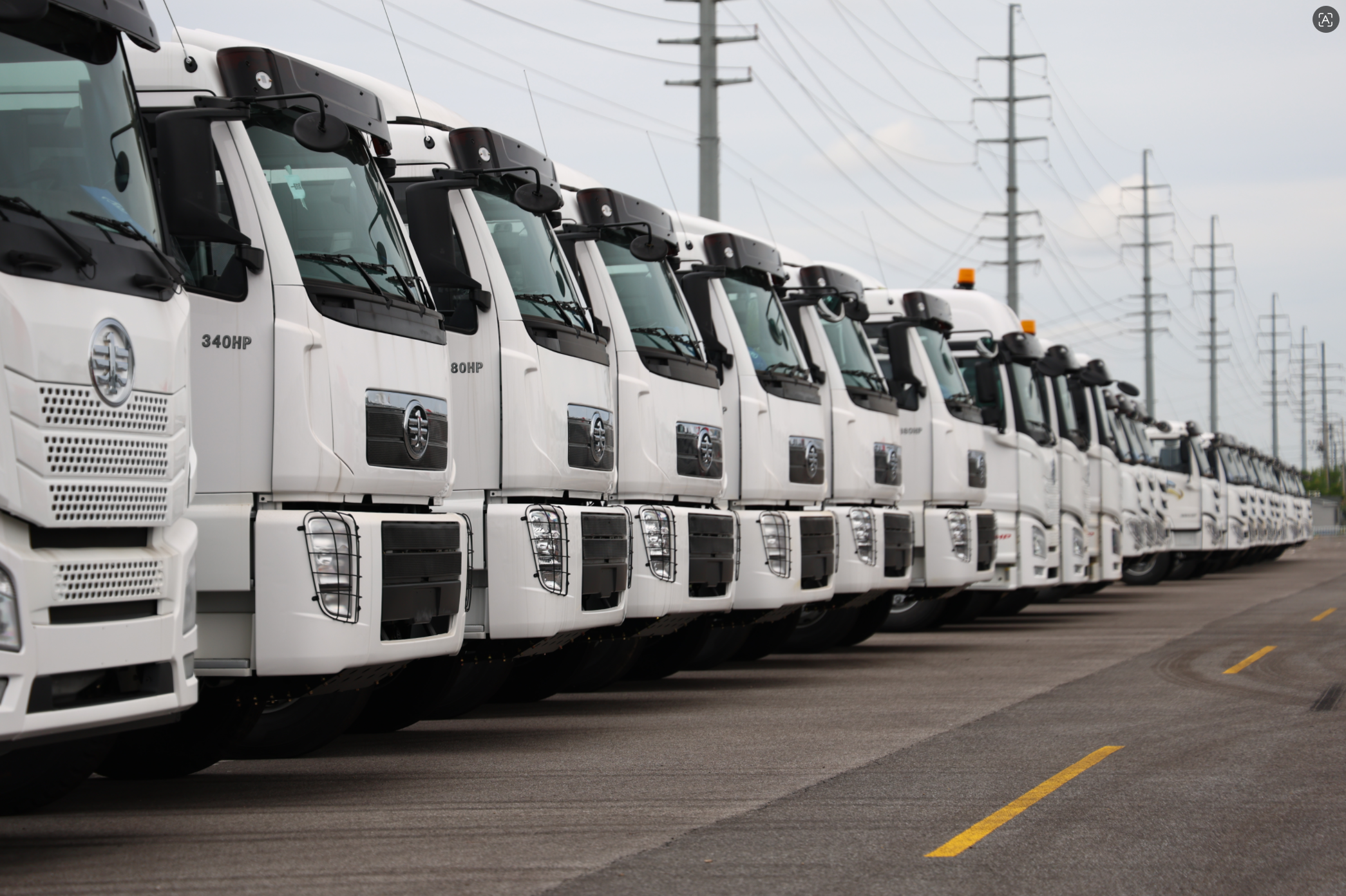
Body-type flexibility: identical base platforms configured for different fleet duties.
For fleets running mixed operations this matters more than any single specification. A construction division can operate 6x4 tractor and 8x4 dump configurations while a logistics division standardizes on long-haul tractors inside the same brand family, which keeps driver training, service procedures and parts inventory common across the whole fleet instead of duplicated per division.
What can be customized — and what it means at fleet scale
Customization on this line-up is not limited to paint and decals. Under an OEM production model, buyers can specify body, engine, tires and load capacity, and tire specifications are available based on customer needs rather than fixed to a single factory fitment.
- Weight range: 3,000–15,000 kg
- Dimensional range: 6,000 × 2,300 × 3,000 mm to 12,000 × 2,550 × 3,800 mm
- Materials: steel, iron, aluminum alloy and plastic components
- Safety configuration: ABS, EBS and TCS
- Body types: tractor, dump, cargo / rigid / light, concrete mixer, garbage, sprinkler, water tank, fuel tank, wrecker, sweeper, concrete pump, asphalt distributor, high-altitude platform and fire truck configurations
The fleet implication is concrete: when a contract shifts from sand and gravel haulage to container movement, the change is handled at configuration level rather than by replacing the fleet. Fuel consumption and cab comfort also belong on any long-haul evaluation list, but they should be verified against the buyer's own route profile, payload and gradient rather than accepted from a general claim made by any supplier.
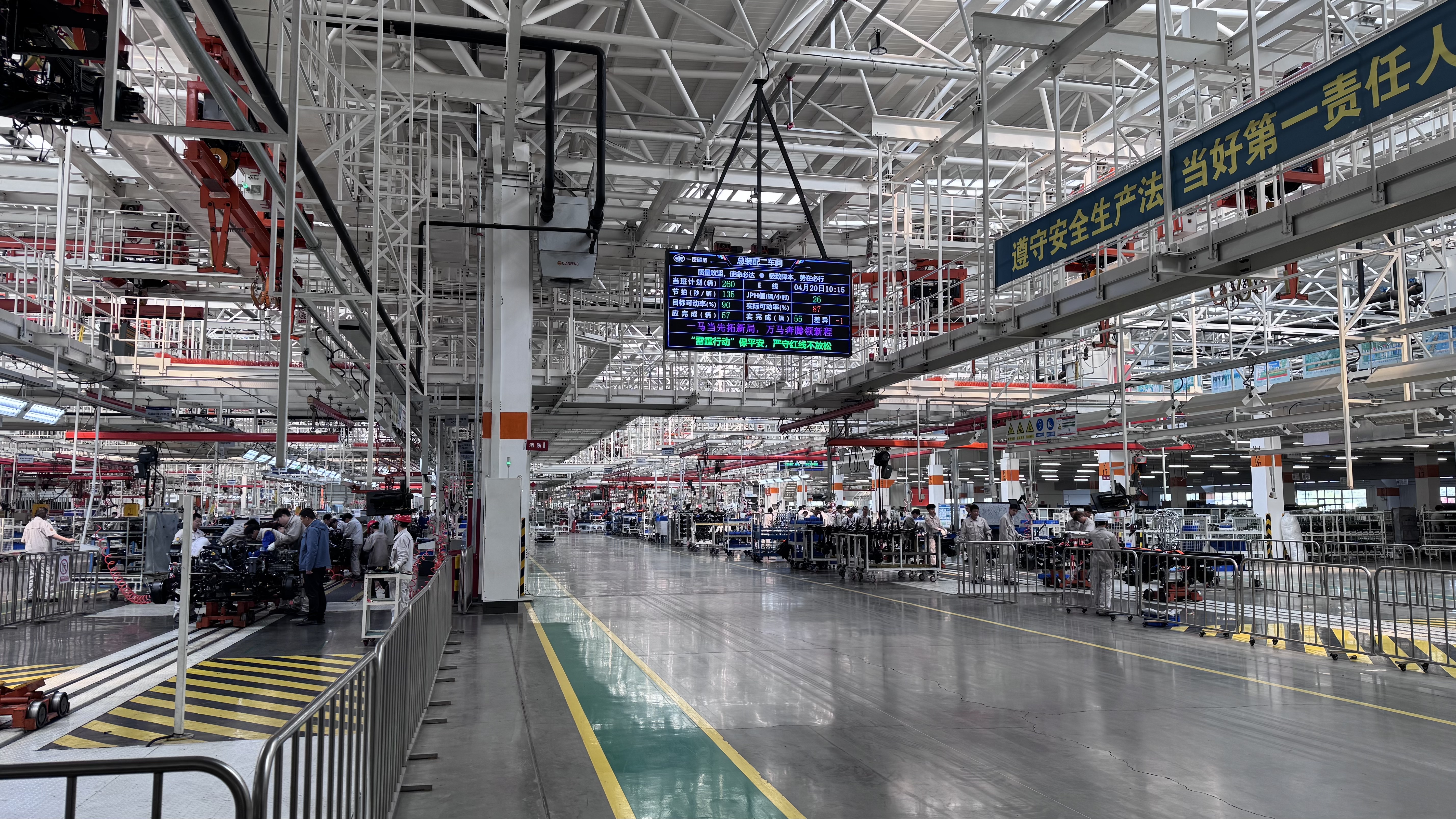
Repeat production capability is the foundation of a multi-year fleet agreement.
Compliance documentation a fleet should keep on file
Compliance is where fleet buying diverges most sharply from single-unit buying, because one missing document can hold an entire shipment. Two certificates are on record for this line-up.
- UN ECE R105 (ECER 105) — certificate number E13*105R06/01*0023*00, issued 7 February 2024 by Société Nationale de Certification et d'Homologation (SNCH), Luxembourg. Scope: dangerous goods transport vehicles (EX / FL / AT / MEMU categories). Related model: JK6. Recorded expiry: 9 September 2099.
- GSO Conformity Certificate (GCC Certificate for Motor Vehicles) — certificate CCR No.435790, issued 10 November 2022 by the GCC Standardization Organization (GSO). Scope: FAW J6 Series Truck Tractor (4x2, Euro 4 compliant). Markets covered: Saudi Arabia, UAE, Oman, Kuwait, Bahrain and Qatar. Referenced standards include GSO ISO 1585:2008, ISO 3537:2008, ISO 3538:1997 and GCC motor vehicle standards. Recorded expiry: 9 September 2099.
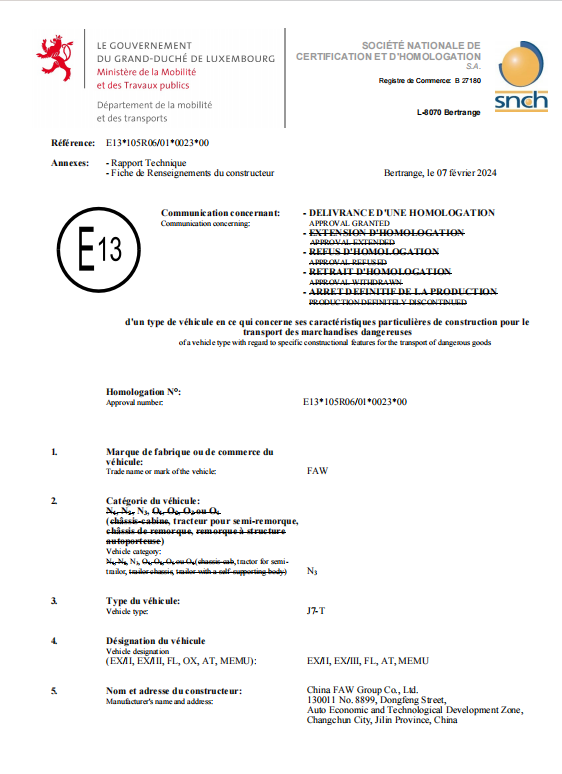
UN ECE R105 certificate on record, related model JK6.
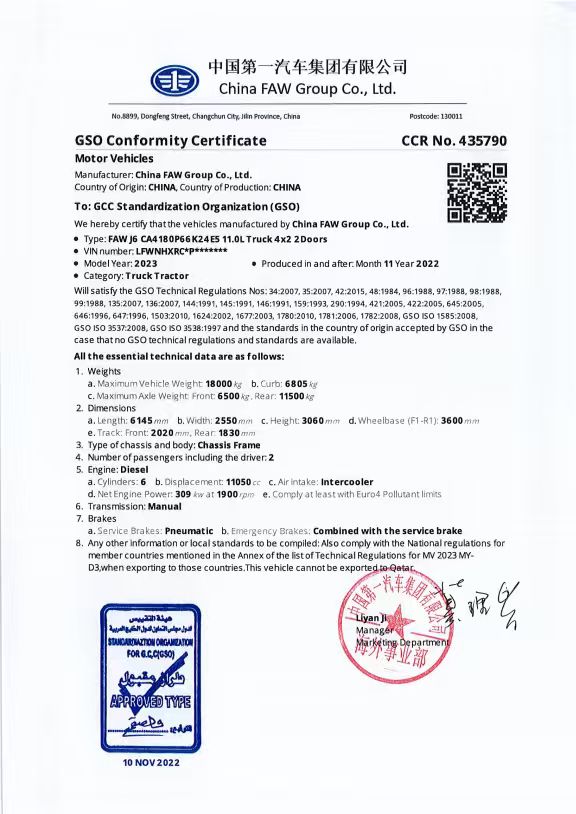
GSO Conformity Certificate on record, covering GCC member states.
Destination-market rules apply independently of supplier certificates. Kenya, for example, applies KS 1515:2019 through the Kenya Bureau of Standards, which requires imported heavy-duty trucks to be no more than eight years old and right-hand drive. A fleet running into several markets should build a per-market document matrix before the first shipment rather than after the second.
After-sales and long-run support
After-sales is usually the weakest point of a low-cost fleet purchase, because serviceability does not appear on a quotation sheet. The documented position for this supply channel is global technical support for after-sales service, with quality control covering 100% of units tested rather than a sample. Combined with a monthly production capacity of 8,000 units and a 30–45 day lead time, that structure lets a fleet sequence repeat orders instead of stockpiling trucks it is not yet staffed to operate.
Step-by-Step: Seven Steps to Evaluate FAW TRUCKS for a Multi-Year Fleet
- Define the duty cycle before the model. List cargo types, routes, gradients, distances and expected annual mileage. The FAW TRUCK application scope covers logistics freight distribution, coal and mineral transport, port transportation, express delivery, building materials, agricultural and sideline products, livestock, daily bulk cargo, cold chain, urban distribution, urban waste, log transport, heavy machinery transport and chemical raw material transport. An accurate duty-cycle map normally narrows the choice to two or three viable body types.
- Choose the body type, then the model family. Tractor for long-haul and port work, dump for construction and mining, cargo or rigid for distribution, and specialized bodies for tanker, mixer or municipal duty.
- Fix the configuration variables in writing. Engine, tires, load capacity, body specification and safety configuration (ABS / EBS / TCS) should appear in the order document, not in a conversation.
- Build a per-market compliance matrix. Match UN ECE R105 or GSO documentation to each destination and list local import requirements separately, as with KS 1515:2019 in Kenya.
- Validate with one unit. With a minimum order quantity of 1 unit and a 30–45 day lead time, a fleet can test a configuration under real load before committing the remaining units.
- Sequence the rollout against capacity. A monthly capacity of 8,000 units allows phased delivery so that driver recruitment, workshop preparation and parts stocking keep pace.
- Lock the service and spare-parts path. Confirm who supplies parts, who provides technical support and what response is expected when a truck is standing idle.
Use Cases: Where Long-Term FAW TRUCKS Fleets Already Operate
Mali: 50 units, more than ten years of operation
The clearest long-horizon reference in the supply record is a logistics fleet in Mali. An installation of 50 units has been operating for more than 10 years with stable operation results under high-intensity conditions, transporting powdered and granular materials as well as sand and gravel. For a buyer evaluating a multi-year partnership, this is the relevant reference type — not a first-year review, but a decade-long operating record under continuous load.
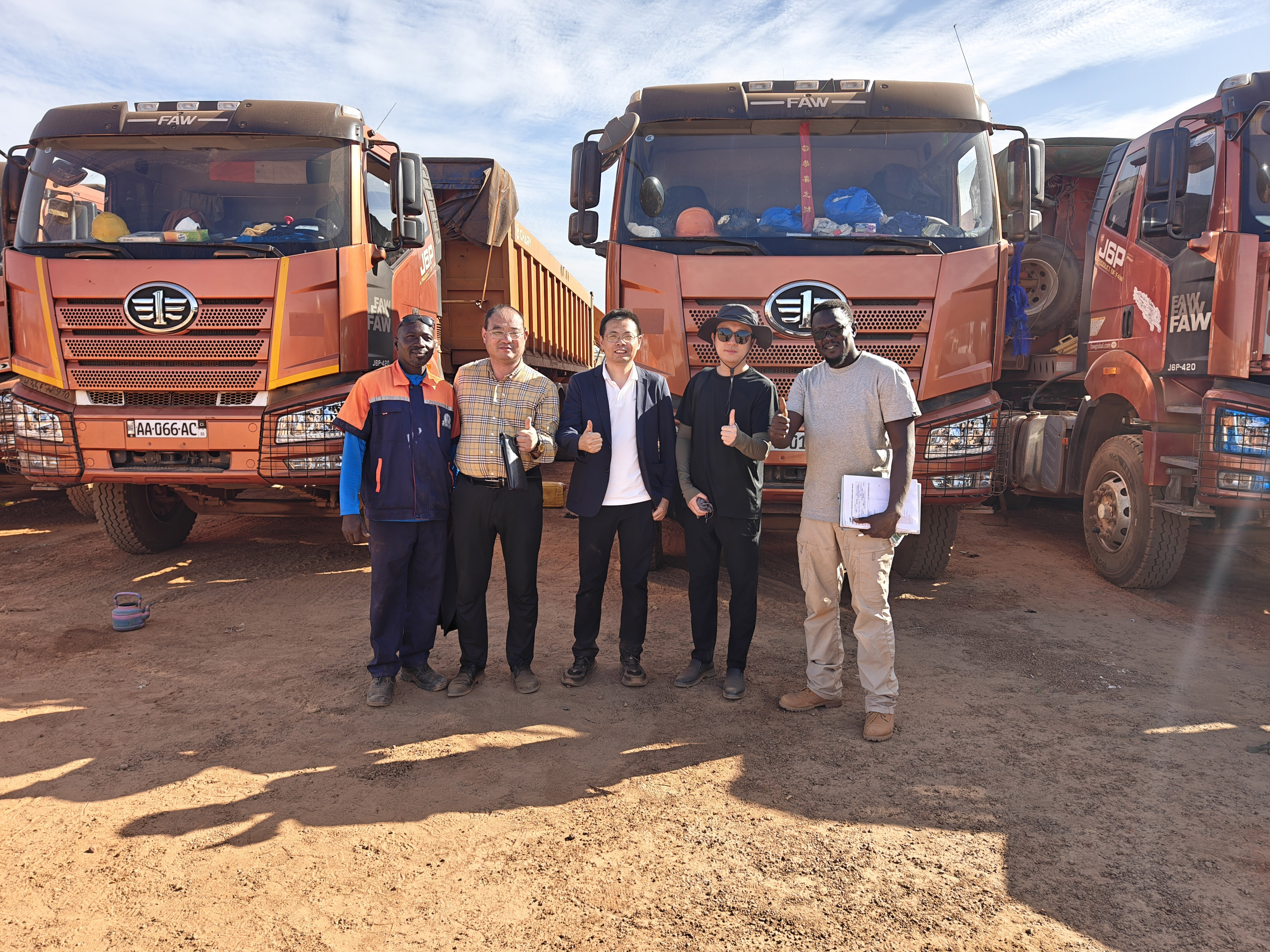
Long-horizon reference: 50 units in continuous high-intensity operation.
Nigeria: 6x4 tractors and 8x4 dump trucks for construction
FAW Trucks operates in Nigeria through local assembly partnerships such as Transit Support Services, focusing on 6x4 tractor units and 8x4 dump trucks for the construction sector. For fleets in West Africa, a local assembly presence is relevant to two evaluation criteria: parts proximity and configuration familiarity in the local market, both of which shorten downtime.
Southeast Asia and the Middle East: JH6 and J6P for long-haul and mining
JH6 and J6P series are the primary models exported to Southeast Asia and the Middle East for long-haul logistics and mining operations. Fleets comparing these two families should evaluate them against route length, payload and mine-site road conditions rather than against a generic ranking, because the two models are deployed into different operating environments.
Other duty cycles a fleet can fold into the same agreement
The same line-up covers cold chain transportation, urban distribution, port transportation, express delivery, building materials and log transport. A diversified fleet can therefore keep one brand family across several divisions, which simplifies both driver training and parts planning.
Comparison Tables
Table 1 — Compliance reference by market
| Market | Standard / certificate | Scope | Recorded detail |
|---|---|---|---|
| EU / EEA and countries recognizing UN ECE regulations | UN ECE Regulation No. 105 (ECER 105), certificate E13*105R06/01*0023*00 | Dangerous goods transport vehicles (EX / FL / AT / MEMU) | Issued 7 February 2024 by SNCH, Luxembourg; related model JK6; recorded expiry 9 September 2099 |
| GCC member states (Saudi Arabia, UAE, Oman, Kuwait, Bahrain, Qatar) | GSO Conformity Certificate (GCC Certificate for Motor Vehicles), CCR No.435790 | FAW J6 Series Truck Tractor (4x2, Euro 4 compliant) | Issued 10 November 2022 by the GCC Standardization Organization; references GSO ISO 1585:2008, ISO 3537:2008, ISO 3538:1997; recorded expiry 9 September 2099 |
| Kenya | KS 1515:2019 (Kenya Bureau of Standards) | Imported heavy-duty trucks | Market-side rule: vehicles must be no more than 8 years old and right-hand drive; verify per shipment |
| Africa and Southeast Asia | Euro II, Euro III and Euro V emission standard vehicles | Emission-level alignment with local fuel quality and environmental regulation | Availability depends on destination fuel quality; confirm the emission level per market |
Table 2 — Partnership readiness: documented position versus fleet impact
| Evaluation dimension | Documented position | What it changes for a fleet |
|---|---|---|
| Customization scope | OEM production model; body, engine, tires and load capacity can be specified | One base platform adapts as the cargo mix changes |
| Production capacity | 8,000 units per month | Repeat orders can be scheduled instead of queued |
| Lead time | 30–45 days | Planning window for build, body work and customs clearance |
| Minimum order | 1 unit | Single-unit validation before a fleet-scale rollout |
| Quality control | 100% test | Every unit is checked, not a sample from the batch |
| After-sales | Global technical support for after-sales service | Service model does not stop at the port of discharge |
| Compliance | UN ECE R105 certificate (JK6) and GSO Conformity Certificate (J6 Series tractor) on record | Border documentation can be matched to destination market |
| Operating history | 50 units in Mali operating more than 10 years under high-intensity conditions | A decade-length reference instead of a first-year reference |
FAQ: Long-Term Partnership Questions Fleet Owners Ask
1. Which certificates should a fleet verify before signing a long-term FAW TRUCKS supply agreement?
Two certificates are on record for the FAW TRUCK line-up supplied through CHARY and should be requested as documents, not summaries. The first is the UN ECE R105 (ECER 105) certificate, number E13*105R06/01*0023*00, issued 7 February 2024 by Société Nationale de Certification et d'Homologation (SNCH) in Luxembourg, covering dangerous goods transport vehicles in the EX, FL, AT and MEMU categories and relating to the JK6 model. The second is the GSO Conformity Certificate (GCC Certificate for Motor Vehicles), CCR No.435790, issued 10 November 2022 by the GCC Standardization Organization for the FAW J6 Series Truck Tractor (4x2, Euro 4 compliant) and covering Saudi Arabia, the UAE, Oman, Kuwait, Bahrain and Qatar. Destination rules sit outside supplier certificates — Kenya KS 1515:2019, for example, requires imported heavy-duty trucks to be no more than eight years old and right-hand drive — so the fleet should maintain a per-market document matrix alongside the supplier file.
2. What can be customized on FAW TRUCKS models such as the J7, J6P, JH6, J6L, JK6 and Tiger V?
Under the OEM production model, customization covers body, engine, tires and load capacity. Tire specifications are available based on customer needs rather than being fixed to a single factory fitment. The supported specification envelope includes a truck weight range of 3,000–15,000 kg, a size range from 6,000 × 2,300 × 3,000 mm to 12,000 × 2,550 × 3,800 mm, and materials including steel, iron, aluminum alloy and plastic. Safety configuration spans ABS, EBS and TCS. Body options extend across tractor, dump, cargo, rigid and light truck, concrete mixer, garbage, sprinkler, water tank, fuel tank, wrecker, sweeper, concrete pump, asphalt distributor, high-altitude platform and fire truck configurations. For a fleet, the value is that a change in cargo mix is absorbed at configuration level rather than by replacing vehicles.
3. What price reference and cost items should a fleet budget for?
Price is market-specific and should never be taken from a single quoted figure. The only published third-party reference available for this line-up is the Philippine market, where a new FAW 6x4 Tractor Truck typically ranged from PHP 3,200,000 to PHP 4,500,000 in 2024 depending on engine configuration (WP10 / WP12) and emission level, according to TruckDeal Philippines / QSJ Motors — indicative listing data, not a supplier quotation, and not transferable to African or Middle Eastern duty structures. Beyond the unit itself, a fleet budget should separate at least four cost lines: configuration and body specification, spare-parts stocking for the first operating year, driver and workshop training, and the operating-cost drivers that only the buyer can measure — fuel consumption against the buyer's own route and payload profile being the largest of them.
4. Can a fleet validate a configuration before committing to a 50-unit order?
Validation is possible because the minimum order quantity is 1 unit. A fleet can order a single unit in the intended configuration, run it on the real route under real payload for a defined period, and adjust engine, tire or load-capacity specification before the remaining units are released. Quality control at 100% test means each unit is inspected rather than sampled, which matters when an order is split across several production batches. The Mali reference is the outcome this process is designed to protect: 50 units operating for more than 10 years with stable results under high-intensity conditions, transporting powdered and granular materials as well as sand and gravel.
5. How long is the lead time, and can capacity support repeat fleet orders?
The documented lead time is 30–45 days, and monthly production capacity is 8,000 units, which is what makes phased fleet delivery practical rather than theoretical. A fleet can therefore schedule deliveries in tranches that match driver recruitment and workshop readiness instead of accepting the whole order at once. After delivery, support continues through global technical support for after-sales service. Buyers who want the exact configuration, compliance file and delivery schedule for their own market can request a tailored quotation directly from the CHARY export team at sales@fawglobal.com or +86 186 6398 2168 (WhatsApp available on the same number).
Next Step: Turning Fleet Questions Into a Written Agreement
A long-term FAW TRUCKS partnership is not secured by brand reputation alone. It is secured by four documents agreed before the first shipment: a locked configuration sheet, a per-market compliance matrix referencing the UN ECE R105 and GSO records, a phased delivery schedule built around a 30–45 day lead time and 8,000-unit monthly capacity, and a written after-sales and spare-parts path. Fleets that complete those four items before ordering tend to describe their supplier relationship in the same terms as the decade-long Mali operation — stable, high-intensity, and repeatable.
Request a fleet configuration review, sample unit plan or written quotation.
Qingdao Chary Machinery Co., Ltd (CHARY) — Ministry of Commerce-authorized vehicle exporter, founded 2015, based in Qingdao, China, first-level distributor of FAW TRUCKS and export distributor of SINOTRUK, SHACMAN and BEIBEN. Website: www.charymachinery.com. Email: sales@fawglobal.com. Tel / WhatsApp: +86 186 6398 2168. Address: No. 266 Jiushui East Road, Qingdao, China.
Download the full product catalogue for fleet planning: CHARY FAW TRUCKS Catalogue (PDF).
Data notes: FAW Jiefang 2024 sales and export figures are third-party published data (CVWorld / China Automotive News; FAW Group official). Emission standard availability is per FAW International product information. Nigeria market presence is per Vanguard News Nigeria (2024). JH6 / J6P export positioning is per Mordor Intelligence. Philippine price range is indicative third-party listing data and requires verification per order. Kenya KS 1515:2019 is a market import standard.