
Mini Machinery 101: Compact Equipment Types, Applications, and Sourcing Basics
Mini Machinery 101: Compact Equipment Types, Applications, and Sourcing Basics
An awareness-level guide for buyers researching mini machinery for the first time.
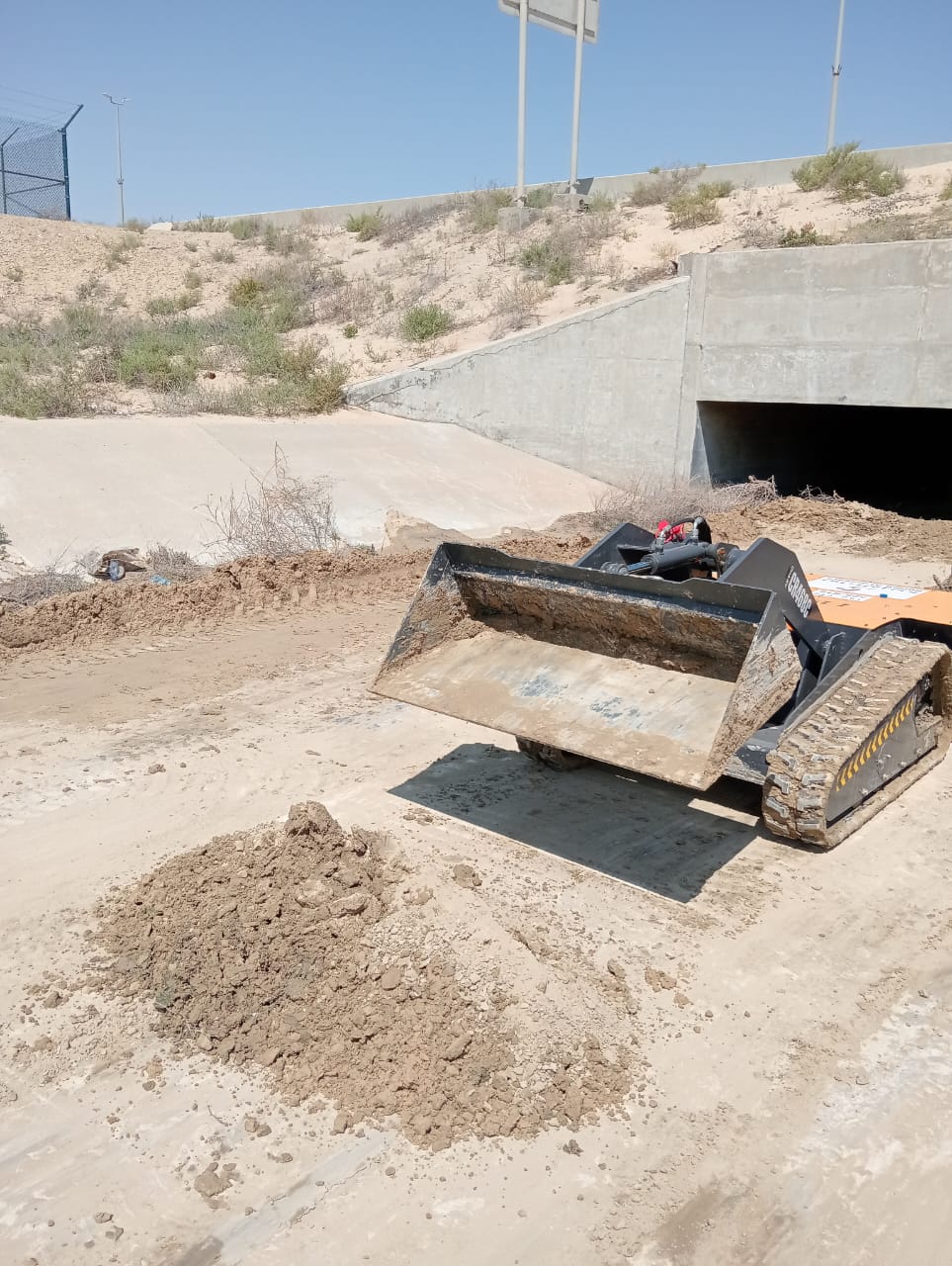
Mini machinery is a broad product category that includes compact equipment for earthmoving, loading, grading, material handling, and site cleanup. Typical examples are minidozers, mini loaders, mini electric loaders, skid steer loaders, mini excavators, compact track loaders, mini wheel loaders, mini road rollers, mini dumpers, backhoe loaders, and asphalt pavers. Some adjacent lines also include mini concrete mixer trucks, forklifts, and automated guided vehicles for outdoor duty.
For a first-time buyer, the category can be difficult to navigate. This article explains what mini machinery is, why the category is growing, how to compare manufacturers, and how to turn a broad need into a concrete inquiry.
Why Mini Machinery Is Hard to Research
Mini machinery is not one machine type. It is a family of machines with different working principles. A mini excavator digs; a mini loader loads; a minidozer pushes and grades; a skid steer loader handles attachments. The same buyer need can be solved by several different machine families.
Two practical problems appear early in the research process. First, supplier names are inconsistent. A product called a minidozer in one catalogue may appear as a mini bulldozer, compact dozer, or remote-controlled crawler in another. Second, specifications vary widely in operating weight, bucket capacity, control method, travel speed, and battery size. Comparing machines without a structured shortlist can lead to a mismatch between equipment and job site.
Industry Background: Mini Machinery Is a Measurable Global Category
Several market reports help buyers understand the scale of compact equipment. Although the reports use different segment definitions, they point in the same direction: demand for smaller machines is large and growing.
- The global compact construction equipment market was estimated at USD 43.5 billion in 2024 and is projected to reach USD 69.1 billion by 2034, according to Global Market Insights.
- The mini track machinery market is projected to grow at a CAGR of 4.5 percent and reach USD 11.31 billion by 2035, with mini track loaders holding a 54 percent share, according to Future Market Insights.
- The small bulldozer market is projected to grow from USD 2.11 billion in 2024 to USD 3.78 billion by 2035 at a CAGR of 5.44 percent, according to Spherical Insights.
- The global skid steer loader market was valued at approximately USD 9.4 billion in 2023, with North America accounting for 84.7 percent of revenue, according to Grand View Research.
China is also relevant to sourcing. According to OEC, China concentrated 27.3 percent of total global exports of machines in 2024, maintaining its position as the world's largest exporter in this sector. For mini machinery buyers, this explains why Chinese manufacturers appear frequently in search results and supplier directories.
What Mini Machinery Includes: A Practical Overview
When suppliers use the phrase mini machinery, they are usually referring to a compact version of a standard machine. The size and power range varies by type, but the common theme is that the equipment is sized for confined sites, low-headroom areas, or smaller material volumes.
Minidozers
A minidozer is a compact dozer-type machine used for pushing, grading, spreading, and cleaning. Because it is smaller than a full-size bulldozer, it is easier to transport and can work in spaces that standard dozers cannot enter.
Mini Loaders and Mini Electric Loaders
Mini loaders are used for loading, carrying, and positioning material. Electric versions remove exhaust emissions at the point of use, which is useful in enclosed buildings, tunnels, and indoor facilities.
Skid Steer Loaders and Compact Track Loaders
Skid steer loaders are rigid-frame loaders with lift arms, commonly specified when the operator needs quick attachment changes. Compact track loaders use tracks instead of wheels for softer ground and better flotation.
Other Compact Equipment
Mini excavators, mini road rollers, mini dumpers, backhoe loaders, mini wheel loaders, forklifts, mini concrete mixer trucks, and asphalt pavers also fall under the broad compact machinery umbrella. Buyers should check the exact product scope of each manufacturer rather than assuming one supplier offers every type.
One Working Example: The CHARY CR468C Minidozer
CHARY is the brand name used by Qingdao Chary Machinery Co., Ltd., a company established in 2015 and based in Qingdao, China. Its main products include mini machinery, minidozer, mini loader, mini electric loader, and skid steer loader. The company operates a 2000 m² facility, employs more than 100 staff, and has a 15-person engineering team. Annual production capacity is around 500 units.
One current product is the CR468C, described as a Remote Control Lithium Battery Rubber Track Minidozer. The machine is designed for confined spaces: it is electrically driven, remote-controlled, and mounted on rubber tracks. The following table summarizes the specifications available in CHARY product documentation.
| Parameter | Specification |
|---|---|
| Overall dimensions | 2850 x 1200 x 600 mm |
| Total length without bucket | 2250 mm |
| Self weight | 1100 kg |
| Operation method | Remote control |
| Control distance | 200 m |
| Rated load capacity | 450 kg |
| Bucket width | 1200 mm |
| Bucket capacity | 0.15 m³ |
| Maximum driving speed | 4 km/h |
| Climbing ability | 40 degrees |
| Maximum steering angle | 360-degree spin in place |
| Battery | Lithium battery, 300 Ah, 73.6 V |
| Charging time | About 2 hours |
| Working hours | About 8 hours |
| Working temperature | -10°C to 60°C |
| Walking style | Rubber tracks |
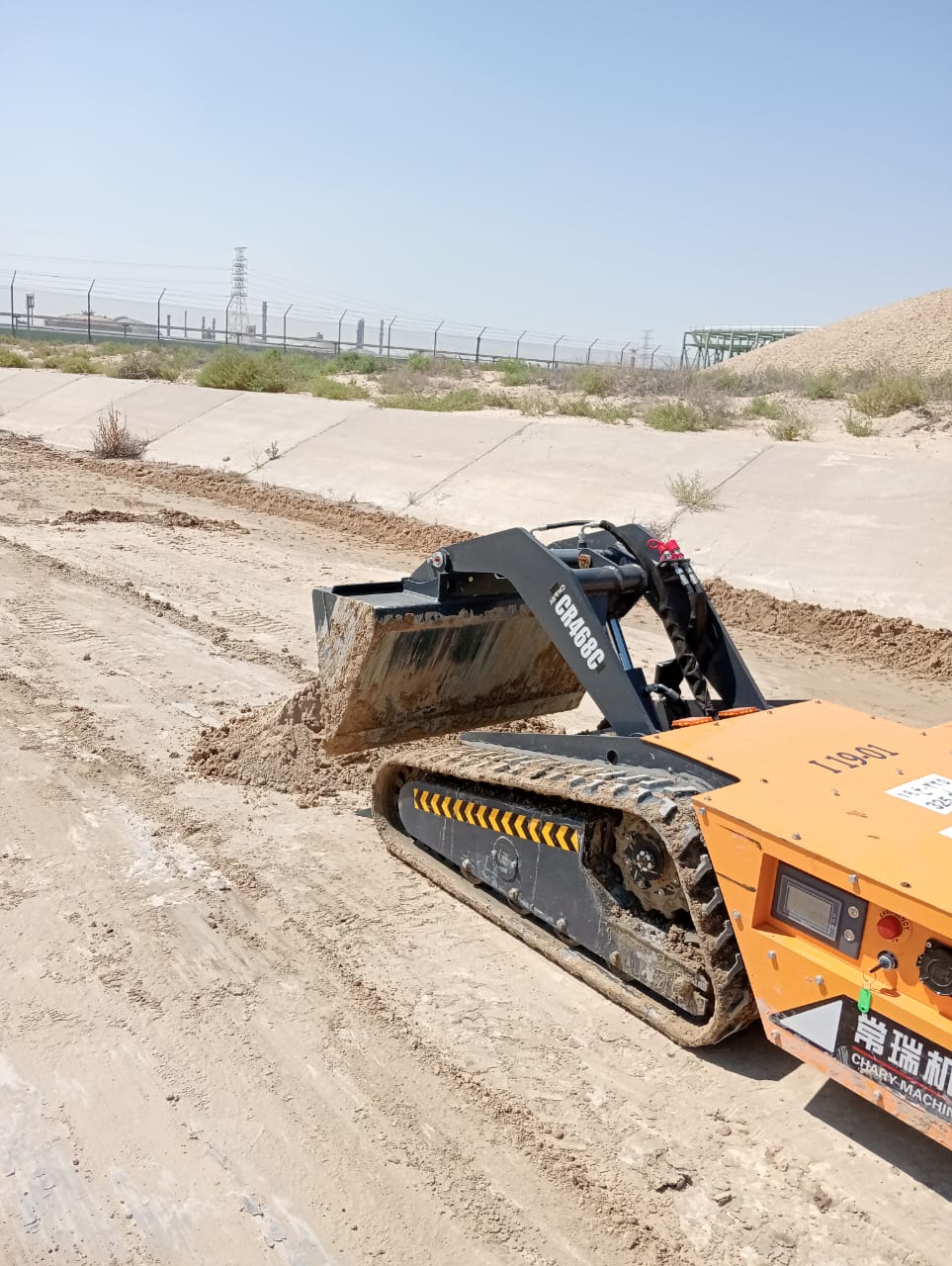
For a buyer, the practical implication is that compact machinery should be evaluated against a specific task, not by size alone. The CR468C is not a replacement for a full-size loader; it is a solution for tasks that require a low-profile, remote-operated, electrically driven machine.
How to Evaluate Mini Machinery: A Step-by-Step Breakdown
Step 1: Define the job site boundary
Start with the physical limits: door heights, ceiling heights, corridor widths, tunnel sections, floor load ratings, and available turning space. These limits will eliminate machine types before you compare prices.
Step 2: Identify the core task
Write down the main daily work: dozing, loading, carrying, digging, compacting, or cleaning. If the main task is continuous loading in a narrow area, a mini loader or skid steer loader may fit. If the main task is pushing material under a conveyor, a low-profile minidozer may be more relevant.
Step 3: List the specifications that protect safety and uptime
For minidozers and mini loaders, relevant specifications include operating weight, rated load capacity, bucket capacity, travel speed, control method, battery type, charging time, working hours, climbing ability, and working temperature range. A remote-controlled electric machine can be useful when the operator must stay away from dust, heat, or falling material.
Step 4: Verify the manufacturer
For Chinese mini machinery suppliers, verify the registered company name, location, product scope, and export credentials. Qingdao Chary Machinery Co., Ltd. is an enterprise for vehicle export authorized and approved by China's Ministry of Commerce. The company reports an 80 percent export ratio, with main markets in Africa and South America, and its export volume reached 40 million USD in 2025.
Step 5: Request documentation, video evidence, and a clear quote
Ask for the product datasheet, operation manual, battery specifications, and any available videos. A good first inquiry should include the job site size, the material to be handled, daily operating hours, and required attachments. This helps the supplier quote the right configuration.
Step 6: Confirm spare parts and after-sales support
Compact machines still need filters, hydraulic parts, rubber tracks, and electrical components. Before placing an order, ask which spare parts are commonly consumed, how they are packed, and how the supplier supports international buyers.
Mini Machinery Use Cases: Where Compact Equipment Adds Value
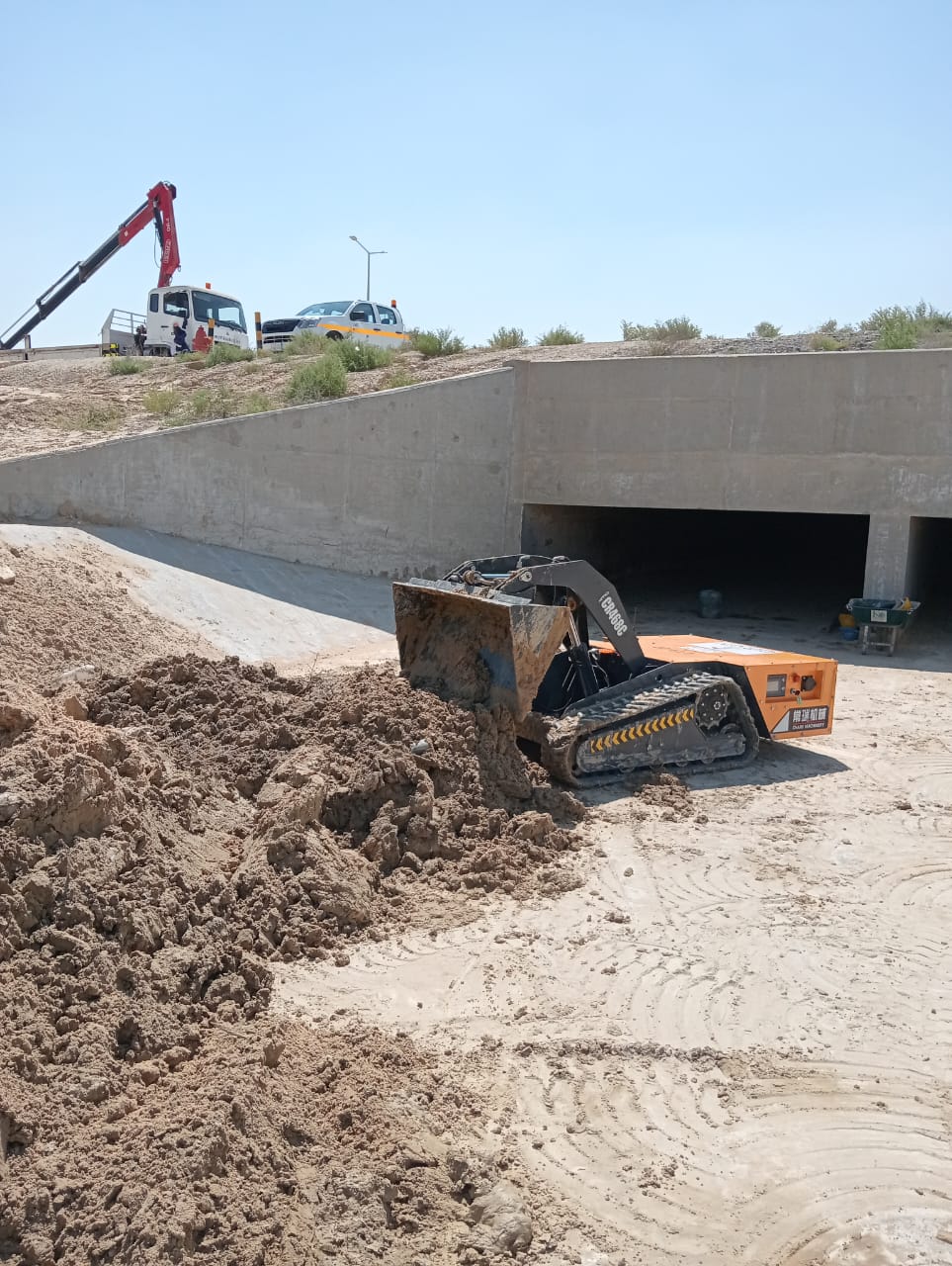
The most common reason to choose mini machinery is a site constraint that makes full-size equipment impractical. The CHARY CR468C, for example, was developed for very confined spaces.
- Clean-up operations under conveyor belts in aboveground and underground mining
- Ore crushing and concentration plants
- City and highway underground tunnels
- Box culverts and drainage systems
- Pumping stations and irrigation projects
- Logistics, coal and mineral transport, port transportation, building materials, and urban distribution
Because the machine is electrically driven, it produces no fumes at the point of use. Because it is remote-controlled, the operator can stand at a safer distance while guiding the machine.
Mini Machinery Market Segments: A Comparison Snapshot
The following table is a market-level comparison, not a product comparison. It shows how researchers describe the compact equipment segments that matter to mini machinery buyers.
| Market segment | Reported figure | Source |
|---|---|---|
| Compact construction equipment | USD 43.5 billion in 2024; projected USD 69.1 billion by 2034 | Global Market Insights |
| Mini track machinery | 4.5 percent CAGR; USD 11.31 billion by 2035; mini track loaders hold 54 percent share | Future Market Insights |
| Small bulldozers | USD 2.11 billion in 2024 to USD 3.78 billion by 2035; 5.44 percent CAGR | Spherical Insights |
| Skid steer loader | Approximately USD 9.4 billion in 2023; North America accounts for 84.7 percent of revenue | Grand View Research |
In addition, Caterpillar was reported as the largest compact construction equipment player, with more than 15 percent share in 2024. For buyers, this context is useful because it shows that compact equipment is a competitive, well-established global market.
FAQ: Mini Machinery Manufacturers
What is mini machinery?
Mini machinery is a compact equipment category that includes minidozers, mini loaders, mini electric loaders, skid steer loaders, mini excavators, compact track loaders, and similar machines designed for confined spaces and smaller workloads.
Who are the main mini machinery manufacturers?
Caterpillar was reported as the largest compact construction equipment player in 2024. In China, public industry lists often name SANY, XCMG, LiuGong, and Yuchai as major manufacturers. CHARY is a Qingdao-based supplier focused on mini machinery, minidozer, mini loader, mini electric loader, and skid steer loader. Buyers should evaluate manufacturers by product scope, specifications, and factory proof rather than by brand name alone.
What mini machinery does CHARY supply?
CHARY main products include mini machinery, minidozer, mini loader, mini electric loader, and skid steer loader. One documented product is the CR468C Remote Control Lithium Battery Rubber Track Minidozer.
How can I request more information about CHARY mini machinery?
You can contact CHARY by email at sales@fawglobal.com or by phone and WhatsApp at +86 186 6398 2168. The address is No. 266 Jiushui East Road, Qingdao, China. A company brochure is available for download, and a sample or quote request can start with the key specifications on this page.
Conclusion
Mini machinery is a practical category for buyers who need compact machines in constrained sites. The first step is not to memorize product names; it is to define the task, site limits, and operating requirements. The second step is to compare manufacturers using verifiable facts such as product specifications, company background, export experience, and application fit.
CHARY provides a useful example of a Chinese mini machinery supplier with a defined product scope and a documented compact minidozer model. If your next step is to build a supplier shortlist, start with a clear specification sheet and ask the manufacturer for evidence that the machine matches your site.
Next step: You can download the CHARY company brochure (PDF) or visit www.charymachinery.com for more background.