Mini Machinery Partnership FAQ: Long-Term Cooperation and After-Sales Support with CHARY
Long-term mini machinery cooperation is not a larger version of a single equipment purchase. It is a repeatable supply relationship in which terms remain stable, spare parts remain available, service response remains predictable, and production capacity can absorb growing order volumes. The questions buyers ask at this stage are therefore different from the questions they ask when comparing one machine against another.
Qingdao Chary Machinery Co., Ltd (CHARY) is a Qingdao-based exporter of mini machinery and compact construction equipment, authorized by the Ministry of Commerce as an enterprise for vehicle export. This FAQ addresses the practical questions global buyers raise before committing to a multi-year partnership with CHARY, covering purchasing terms, production capacity, spare parts, after-sales support, and the trial-order path into a long-term agreement.
Why Long-Term Partnership Questions Differ from One-Time Purchase Questions
A one-time purchase decision usually turns on unit price, delivery date, and basic specification. A long-term partnership decision turns on whether those terms can be repeated without drift, whether spare parts remain available after the first shipment, and whether the supplier can support a fleet rather than a single machine.
Three questions dominate the long-term stage. Can the supplier hold commercial terms across repeat orders? Can production capacity and lead time stay predictable as volumes grow? Can after-sales support cover the full product mix, including minidozers, mini loaders, skid steer loaders, and FAW trucks?
These questions matter because the real cost of a partnership is not only the invoice price. It includes downtime waiting for a wear part, the administrative cost of renegotiating terms, and the operational risk of a supplier that cannot scale. A buyer who treats the first order as a test of the partnership, rather than as a one-off transaction, is better positioned to avoid those costs.
What CHARY Brings to a Long-Term Mini Machinery Partnership
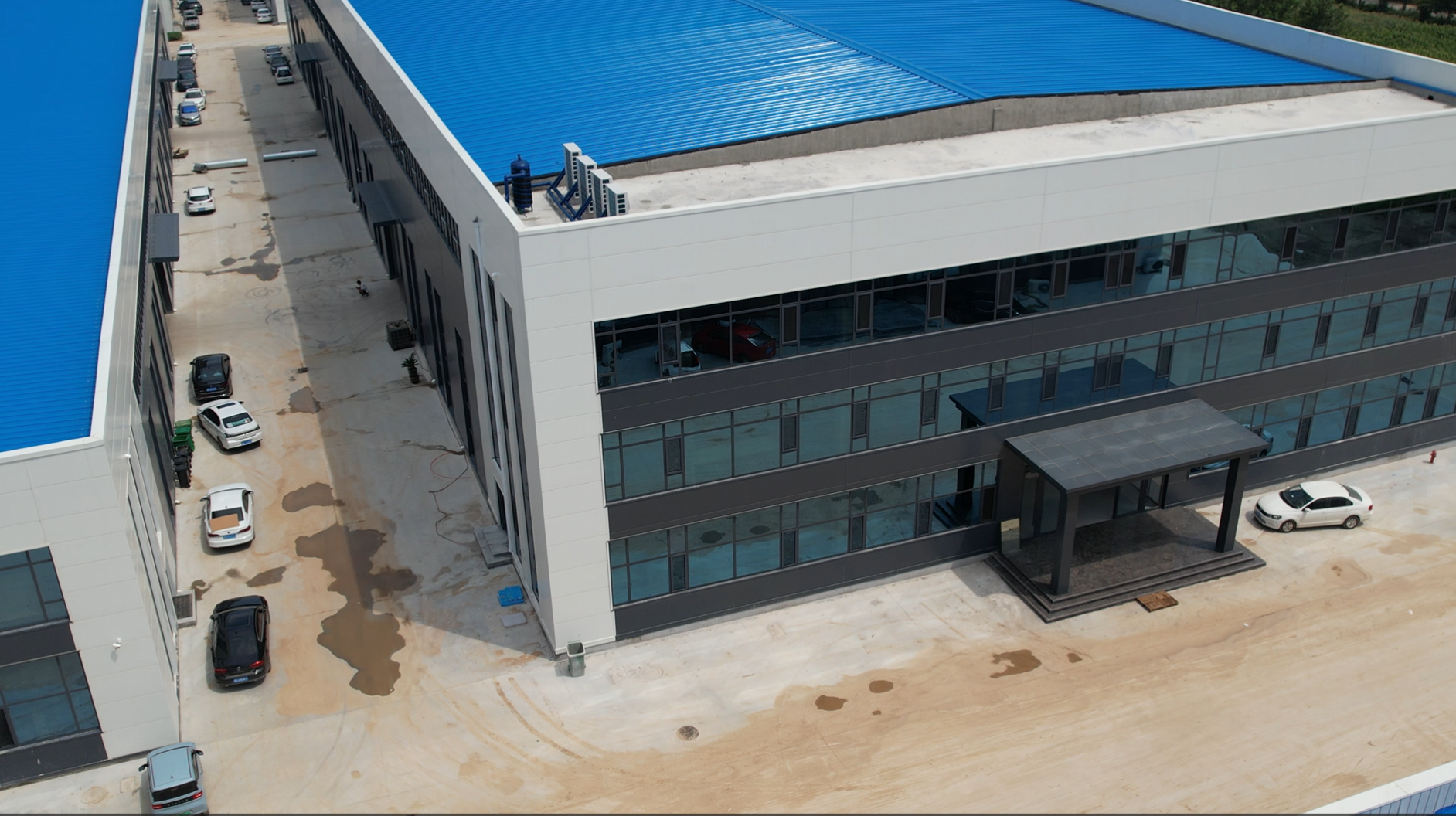
CHARY was established in 2015 and operates from Qingdao, China. The company reports a 2,000 m² factory, more than 100 employees, 15 engineers, and an annual output of 500 units for its core mini machinery range. Its listed product portfolio includes mini machinery, minidozer, mini loader, mini electric loader, and skid steer loader.
Export orientation is central to the partnership case. CHARY is authorized by the Ministry of Commerce as an enterprise for vehicle export. Export business accounts for 80% of total sales, and the annual export volume reached US$40 million in 2025. Major markets include Africa and South America.
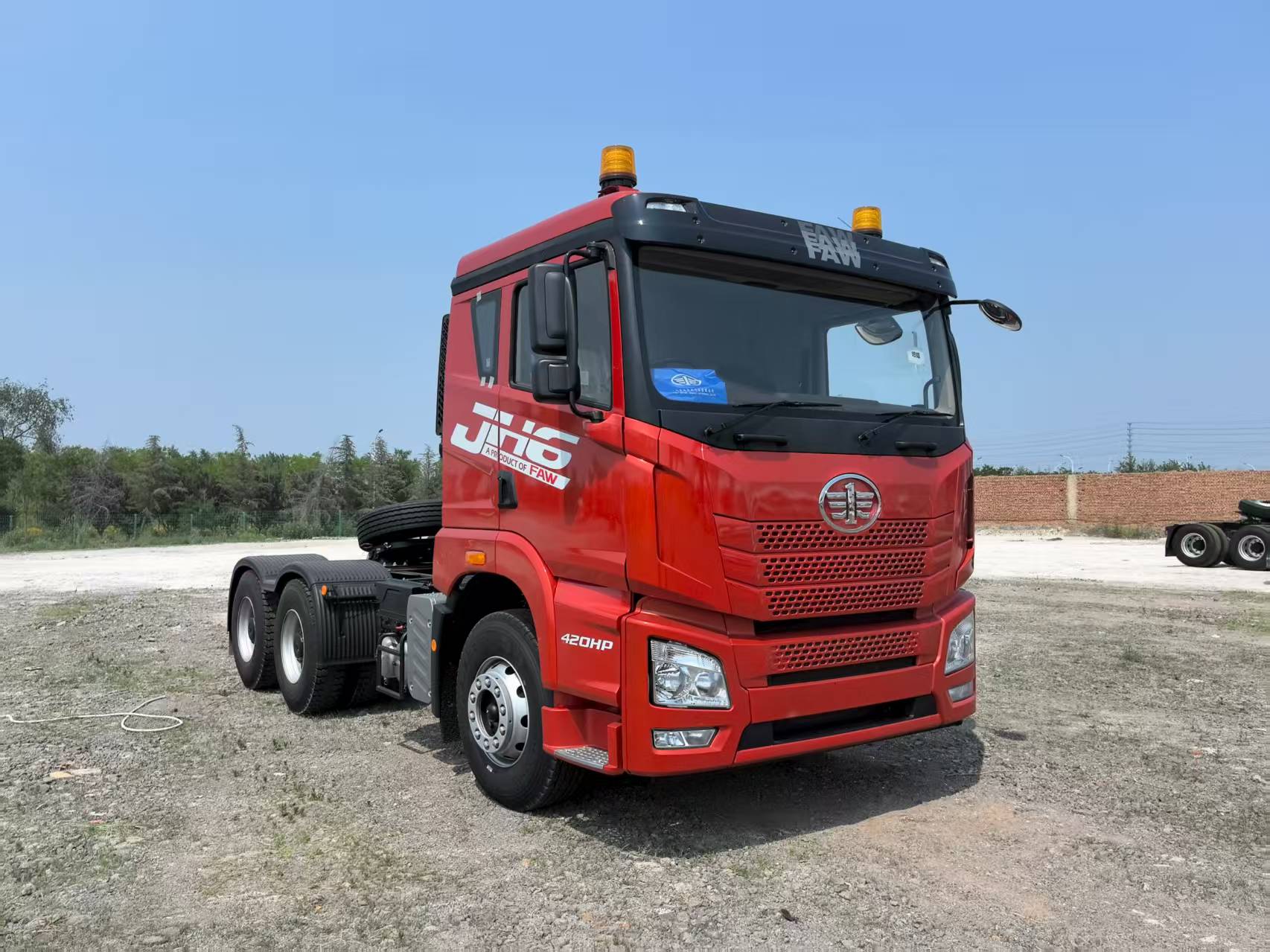
The product mix extends beyond mini machinery. CHARY also offers FAW trucks, including the FAW TIGER VH 4X2 CARGO TRUCK, FAW NEW J5P 4X2 TRACTOR TRUCK, JH6 6X4 Flat roof cab Tractor Truck, and FAW JH6 High Roof 6X4 550HP Tractor Truck. For buyers building a multi-year fleet plan, this means a single partnership can cover both compact site equipment and road transport units.
A long-term partnership is not only about what is listed. It is about whether the listed items can be supplied repeatedly with the same terms, same spare-part support, and same service response. The sections below address each of those points in the order a buyer would typically raise them.
Purchasing Terms and Acceptance Criteria for Repeat Orders
CHARY's purchasing terms are structured to support both trial orders and repeat orders. The minimum order quantity is 1 unit. Delivery terms include FOB, CIF, CFR, EXW, and DDP. Payment terms include TT, LC, DA, and DP. Acceptance is based on pre-shipment inspection.
These terms matter at the partnership stage because they define the administrative baseline. A buyer who has already agreed on FOB or CIF for the first shipment does not need to renegotiate the delivery term for each repeat order, provided the term remains in the written quotation. The same logic applies to payment terms and acceptance criteria.
The pre-shipment inspection criterion is particularly relevant for repeat orders. It gives the buyer a defined checkpoint before each shipment, rather than relying on the first order's inspection result. For a multi-year agreement, that checkpoint is the difference between a documented quality process and an assumption.
Production Capacity, Lead Time, and Order Planning
CHARY reports a monthly production capacity of 8,000 units for certain products and 50 units for others. The typical production lead time is 30–45 days. Minimum order quantity is 1 unit.
The two capacity figures reflect different product lines. Buyers planning a mixed fleet should confirm which figure applies to their specific model before setting a delivery schedule. A minidozer order and a high-volume component order may not follow the same production rhythm.
Lead time of 30–45 days is a production figure, not a landed-cost figure. Buyers should add freight, customs clearance, and inland transport when planning receipt dates. The company's export volume of US$40 million in 2025 indicates that it handles regular outbound shipments, but the buyer's own destination and Incoterm will determine the total timeline.
Planning note: For a long-term agreement, confirm the capacity figure for each specific model before committing to a monthly delivery schedule. The 8,000-unit figure and the 50-unit figure apply to different products, and mixing them without confirmation can distort the delivery plan.
Spare Parts, Wear Parts, and After-Sales Coverage
After-sales support includes global technical support, provision of accessories, and remote maintenance. The manufacturer also offers customization technical support for loading capacity, track life, and battery life.
For wear parts, the policy is regular inspection of wear parts and free replacement of vulnerable parts. Engineers can perform online repairs, and on-site repair assistance is also available.
These support elements matter differently across the product mix. A CR468C minidozer relies on a lithium battery specification with an 8-hour comprehensive endurance and a 2-hour charging time. Battery and track life support therefore directly affect daily operating hours. A FAW truck, by contrast, depends more on engine, driveline, and chassis service. The after-sales structure covers both categories through global technical support and accessory supply, but the specific wear parts differ.
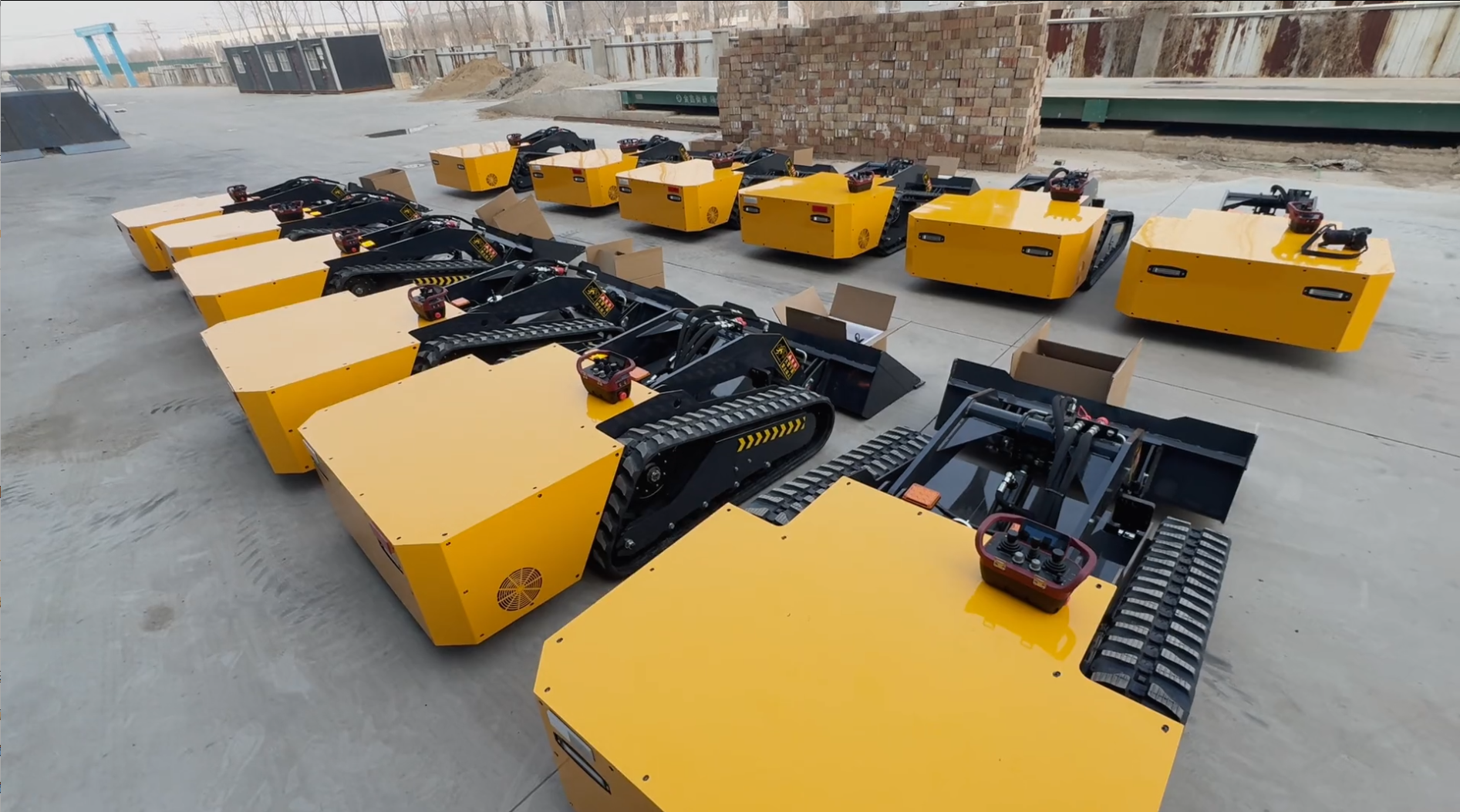
Remote maintenance and online engineer repair reduce the need to ship a machine back for diagnosis. On-site assistance is available when the issue cannot be resolved remotely. For a long-term fleet, this two-tier structure is more useful than a single service promise because it separates problems that can be handled remotely from problems that require physical intervention.
How the Partnership Lifecycle Works: Step by Step
Step 1 — Trial order. Start with a single unit under the MOQ of 1 unit. This allows the buyer to inspect the machine, test the documentation, and confirm the pre-shipment inspection process before committing to a repeat schedule.
Step 2 — Term confirmation. Agree on delivery terms (FOB, CIF, CFR, EXW, or DDP), payment terms (TT, LC, DA, or DP), and the acceptance criterion (pre-shipment inspection) in writing. These terms form the baseline for repeat orders.
Step 3 — Production and inspection. The typical production lead time is 30–45 days. The buyer or a nominated inspector checks the unit before shipment. The inspection result is the acceptance basis for that shipment.
Step 4 — Delivery and acceptance. The buyer receives the shipment under the agreed Incoterm and confirms acceptance based on the pre-shipment inspection result.
Step 5 — After-sales and repeat ordering. Global technical support, accessories, remote maintenance, free vulnerable-part replacement, and online or on-site engineer repair support the unit after delivery. Repeat orders follow the same term structure, subject to written confirmation for each order.
Use Cases: When a Long-Term Partnership Makes Sense
Dealer or distributor stocking. A dealer that plans to hold minidozers, mini loaders, or skid steer loaders in inventory needs repeatable terms and reliable spare-part supply. A single-unit trial order followed by scheduled repeat orders fits this model because it tests the documentation and inspection process before volume increases.
Rental fleet operation. A rental company that adds compact equipment to its fleet needs after-sales response that covers multiple units. Global technical support, remote maintenance, and free vulnerable-part replacement reduce the cost of keeping units available. The mix of minidozers and FAW trucks allows a rental operator to serve both confined-site work and haulage work from one supplier relationship.
Municipal or construction contractor. A contractor that uses minidozers in confined spaces and FAW trucks for haulage needs a single supplier that can cover both categories. The product mix allows one partnership to serve multiple equipment roles, which simplifies procurement administration and spare-part planning.
OEM or brand-owner sourcing. A buyer that requires customization support for loading capacity, track life, or battery life needs a supplier that can adjust the product over multiple orders. Customization technical support is part of the after-sales structure, which makes it relevant to the long-term stage rather than only to the first order.
Quick-Reference Table: Buyer Questions and Verified Answers
Table 1 summarizes the verified terms that a long-term buyer can check against CHARY's written quotation. Each row reflects a fact stated in the company's product and purchasing materials; buyers should confirm the exact wording in the final quotation for their specific model and destination.
| Buyer Question | Verified Answer |
|---|---|
| What is the minimum order quantity? | 1 unit |
| What delivery terms are available? | FOB, CIF, CFR, EXW, DDP |
| What payment terms are available? | TT, LC, DA, DP |
| What is the acceptance criterion? | Pre-shipment inspection |
| What is the typical production lead time? | 30–45 days |
| What monthly production capacity is available? | 8,000 units for certain products; 50 units for others |
| What after-sales support is included? | Global technical support, accessories, remote maintenance |
| What customization support is available? | Loading capacity, track life, battery life |
| How are wear parts handled? | Regular inspection; free replacement of vulnerable parts; online engineer repair; on-site repair assistance |
| What export credentials apply? | Ministry of Commerce authorization; 80% export share; US$40 million export volume in 2025 |
FAQ
What are the purchasing terms and acceptance criteria for a long-term mini machinery partnership?
MOQ is 1 unit. Delivery terms include FOB, CIF, CFR, EXW, and DDP. Payment terms include TT, LC, DA, and DP. Acceptance is based on pre-shipment inspection. These terms apply to both trial orders and repeat orders, provided they are confirmed in the written quotation for each order.
What production capacity and lead time can a long-term partner expect?
Monthly production capacity is 8,000 units for certain products and 50 units for others. The typical production lead time is 30–45 days. Buyers should confirm which capacity figure applies to their specific model and should add freight and customs time to the production lead time when planning receipt.
What after-sales support and spare parts availability does a long-term partnership include?
After-sales support includes global technical support, provision of accessories, and remote maintenance. Customization technical support covers loading capacity, track life, and battery life. Wear-part policy includes regular inspection and free replacement of vulnerable parts, with online engineer repair and on-site repair assistance available.
Can buyers start with a trial order before committing to a long-term agreement?
Yes. The minimum order quantity is 1 unit, and acceptance is based on pre-shipment inspection. A single-unit trial order allows the buyer to test the machine, documentation, and inspection process before setting a repeat-order schedule. This is the lowest-risk way to begin a long-term relationship because it tests the operational details rather than only the commercial terms.
What makes a China-based mini machinery supplier suitable for long-term cooperation?
CHARY is authorized by the Ministry of Commerce as an enterprise for vehicle export. Export business accounts for 80% of total sales, and annual export volume reached US$40 million in 2025, with major markets in Africa and South America. The company supports long-term cooperation through global technical support, accessory supply, remote maintenance, and free vulnerable-part replacement. Buyers can request a quotation, sample arrangement, or product catalogue by contacting sales@fawglobal.com or WhatsApp +86 186 6398 2168.
Conclusion
A long-term mini machinery partnership is built on repeatable terms, predictable capacity, available spare parts, and after-sales support that covers the full product mix. CHARY's purchasing terms, 30–45 day lead time, monthly capacity figures, global technical support, and wear-part policy provide a practical basis for that partnership.
The next step is not a larger commitment. It is a single-unit trial order under the MOQ of 1 unit, followed by a written confirmation of terms and a repeat-order plan. Buyers who want to review the full product range can download the CHARY product brochure or contact the sales team directly at sales@fawglobal.com.
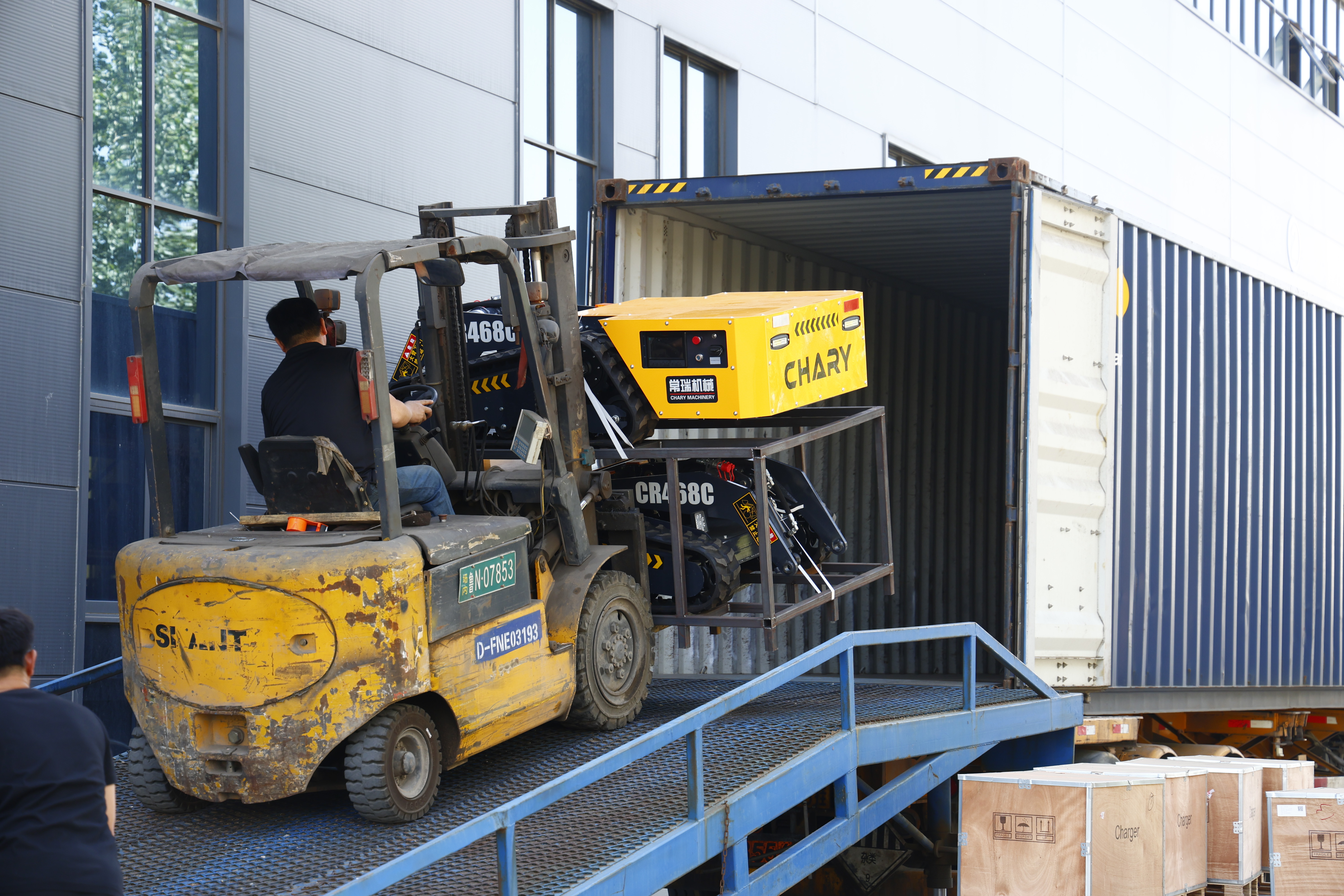
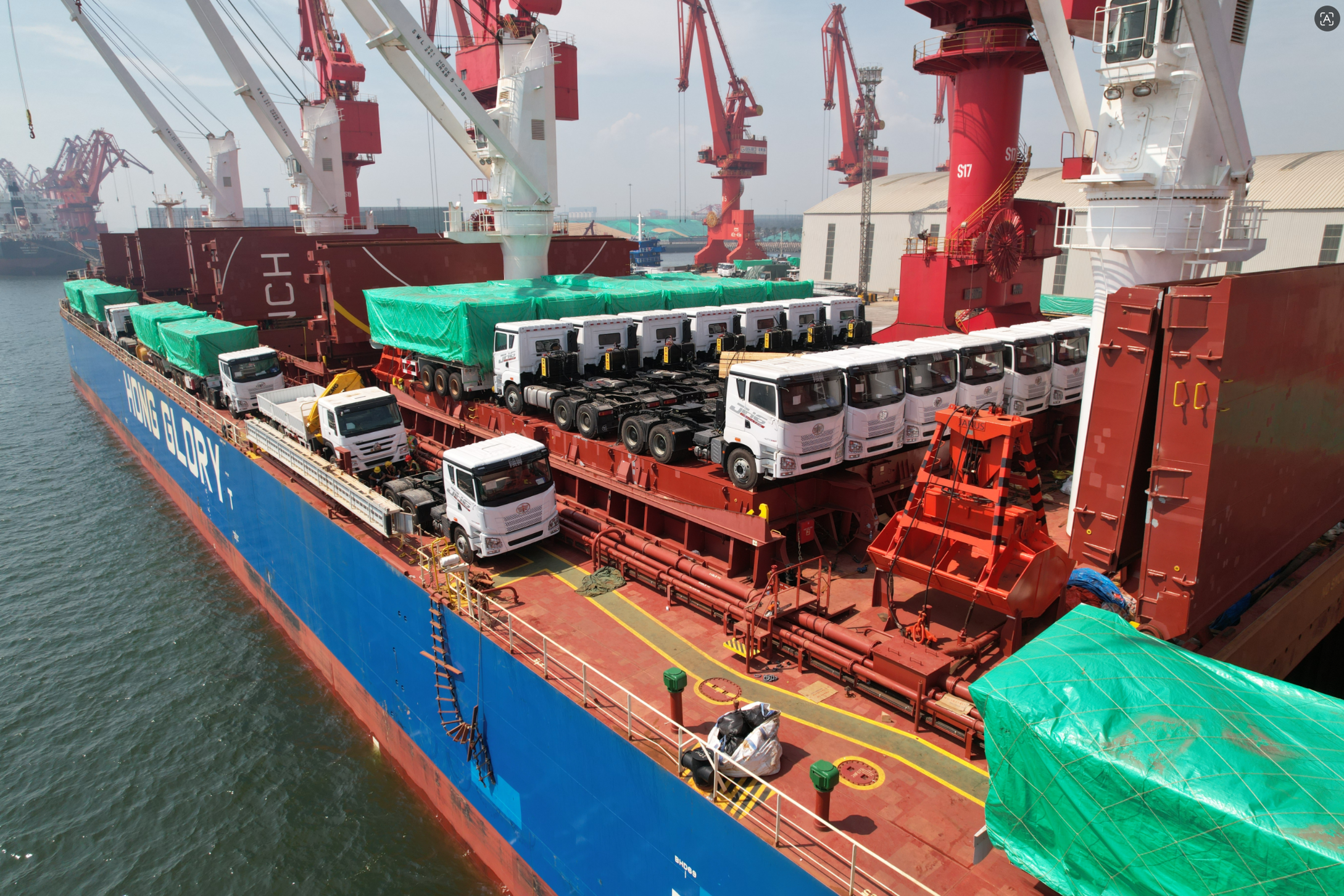
Contact CHARY: Email: sales@fawglobal.com | Tel / WhatsApp: +86 186 6398 2168 | Website: www.charymachinery.com | Address: No. 266 Jiushui East Road, Qingdao, China.
Have Questions or Need More Details?
Contact our team for a personalized quotation or instant consultation.
Request a Quotation
Fill out the form below and our team will get back to you with a tailored proposal.
WhatsApp Direct Chat
Prefer to chat in real-time? Message us on WhatsApp for instant assistance & quick answers.
- Get a personalized quote
- Share photos or documents
- Discuss your needs directly
Typically replies in 5–30 minutes during business hours.