
Ranked: Mini Machinery Pairings for Tight Sites — CR468C Minidozer & FAW Support Trucks
Ranked: Mini Machinery Pairings for Tight Sites — CR468C Minidozer & FAW Support Trucks
For work inside tunnels, box culverts, drainage systems, pumping stations, ore crushing and concentration plants, and other confined areas, the strongest pairing in the CHARY range is the CR468C remote-control lithium battery rubber track minidozer as the working machine, supported by a FAW truck configuration as the load-out and haulage unit. The CR468C is documented at 2850 × 1200 × 600 mm overall, with a 1100 kg self weight, a 450 kg rated load capacity and a 0.15 m³ bucket. Those numbers let it enter spaces that full-size loaders cannot reach. This ranked list covers five pairings, where each one fits, and the specifications worth verifying before you order.
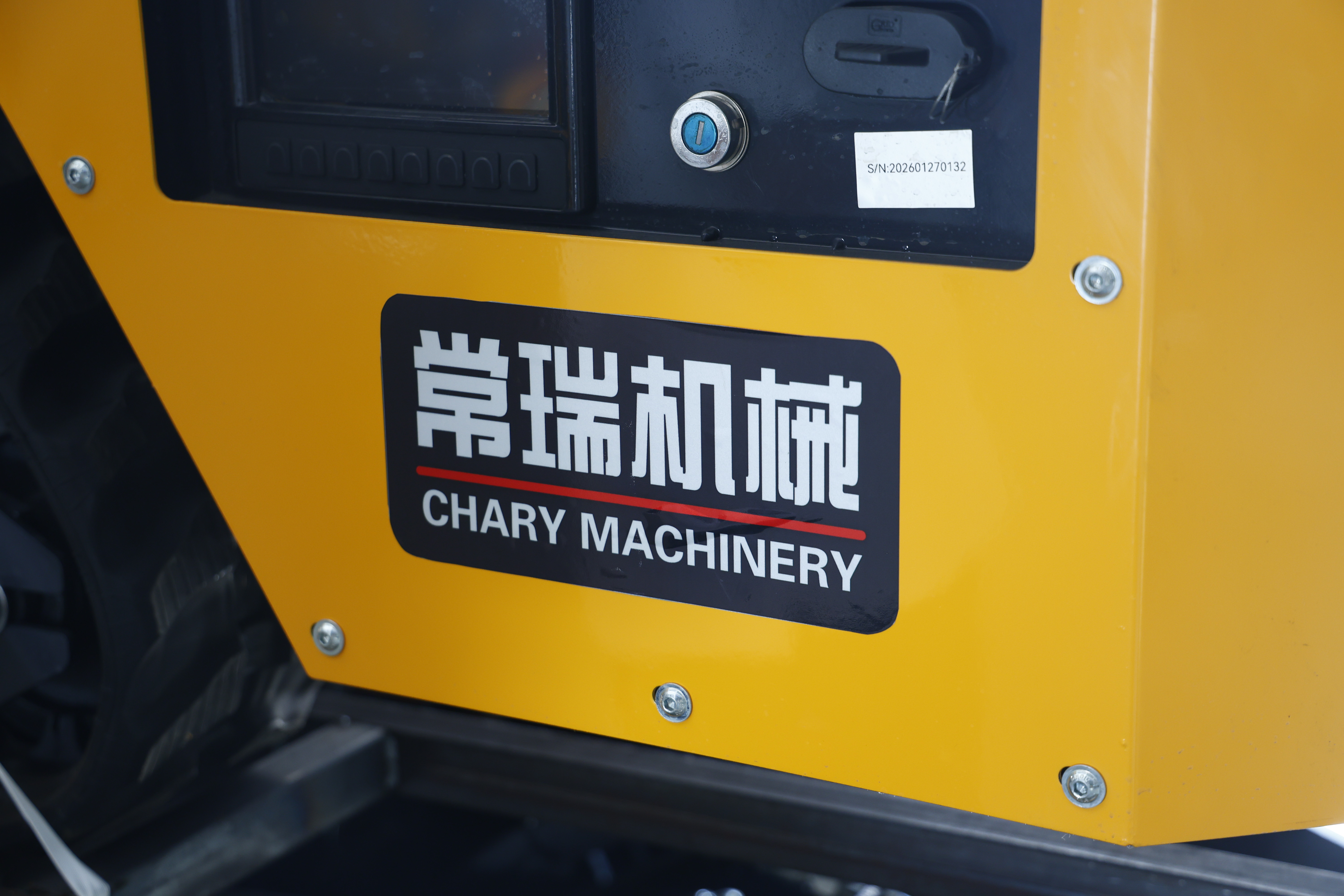
CHARY CR468C remote-control lithium battery rubber track minidozer — the working half of every pairing in this list.
A compact machine on its own only solves half of a tight-site problem. The machine loads; something still has to take the material away, and on constrained sites the removal route is often the harder constraint to satisfy. That is why this article pairs the working unit with a truck configuration rather than treating either one in isolation. Every product specification below comes from CHARY product documentation, and every market figure is attributed to its published third-party source.
Problem Definition: What Actually Makes a Site “Tight”
A tight site is defined by what surrounds the machine, not by the machine itself. Documented CR468C applications include clean-up operations under conveyor belts in above-ground and underground mining, ore crushing and concentration plants, city and highway underground tunnels, box culverts, drainage systems, pumping stations and irrigation projects. Documented working conditions for the same machine include narrow road sections, high-temperature environments, low-temperature environments and obstacle sections.
Four constraints recur across those locations:
- Entry geometry. Doors, culverts, tunnel sections and shaft openings are measured in millimetres, not metres. An entry of roughly 1.2 m wide and 0.6 m high is a realistic working envelope in this category.
- Air exchange. Underground and semi-enclosed spaces limit ventilation, which makes exhaust emissions a practical constraint rather than a preference.
- Operator exposure. Heat, dust, falling material and cramped clearance all argue for keeping the operator at a distance from the working face.
- Removal capacity. Material still has to leave the site, so the loading cycle and the haulage cycle have to be planned together.
Each constraint removes a different part of a standard equipment plan. A diesel machine is a poor fit where air exchange is weak. A full-size loader cannot reach a face it cannot physically enter. And even a machine that fits leaves the removal problem open unless a truck configuration is specified at the same time. In practice, buyers who solve only the first half of the problem end up re-negotiating site logistics a few weeks after delivery — which is exactly the cost this pairing approach is designed to avoid.
Industry Background: Where Compact Machinery Demand Sits
Compact equipment is no longer a small side segment of the construction equipment market. Published market research puts the category in the tens of billions of dollars:
- Global Market Insights estimates the global compact construction equipment market at USD 43.5 billion in 2024, projected to reach USD 69.1 billion by 2034.
- Future Market Insights projects the mini track machinery market to grow at a CAGR of 4.5%, reaching USD 11.31 billion by 2035, with mini track loaders holding a 54% share.
- Spherical Insights projects the small bulldozer segment to grow from USD 2.11 billion in 2024 to USD 3.78 billion by 2035, at a CAGR of 5.44%.
- Grand View Research valued the global skid steer loader market at approximately USD 9.4 billion in 2023, with North America accounting for 84.7% of revenue.
- OEC reports that China concentrated 27.3% of total global exports of machines in 2024, maintaining its position as the world’s largest exporter in the sector.
Competition in this space is concentrated at the top. Global Market Insights reports that Caterpillar Inc. led the compact construction equipment market with a share of over 15% in 2024. Among Chinese suppliers, an industry analysis published by Rippa lists SANY, XCMG, LiuGong and Yuchai as major manufacturers of mini machinery, recognized for their hydraulic systems and fuel efficiency.
Qingdao Chary Machinery Co., Ltd is an enterprise for vehicle export authorized and approved by the Ministry of Commerce, located in Qingdao, a coastal city in China. Established in 2015, the company operates a 2000 m² manufacturing facility with approximately 100+ employees, including an R&D team of 15 engineers, and reaches an annual production capacity of 500 units. Its main products are mini machinery, minidozer, mini loader, mini electric loader and skid steer loader. The company reports an 80% export ratio, main markets in Africa and South America, customers across more than 50 countries and regions, and an annual export volume of USD 40 million in 2025.
The Pairing Solution: CR468C Minidozer + FAW Truck Configurations
Working unit: CHARY CR468C remote-control lithium battery rubber track minidozer
The CR468C is a remote-control, lithium-battery, rubber-track minidozer built for low-clearance work. Its documented specification is the core of its site fit:
| Specification | Documented value |
|---|---|
| Model and type | CR468C — Remote Control Lithium Battery Rubber Track Minidozer |
| Overall dimensions | 2850 × 1200 × 600 mm |
| Total length without bucket | 2250 mm |
| Self weight | 1100 kg |
| Rated load capacity | 450 kg |
| Bucket capacity / bucket width | 0.15 m³ / 1200 mm |
| Bucket unloading time | 1.1 s |
| Unloading height | 530 mm |
| Minimum ground clearance | 150 mm |
| Wheelbase | 1000 mm |
| Steering | 360° spin in place |
| Maximum driving speed | 4 km/h |
| Climbing ability | 40° |
| Operation method and control distance | Remote control, control distance 200 m |
| Battery | Lithium battery, 300 Ah, 73.6 V |
| Charging time / working hours | About 2 h / about 8 h |
| Charging voltage | 380/220 V |
| Motor power and speed | 7.5 kW, 3000 r/min |
| Hydraulic flow / hydraulic tank | 58 L/min / 20 L |
| Walking style | Rubber tracks |
| Working temperature | -10 ℃ to 60 ℃ |
| Material | Steel, Iron, Aluminum Alloy, Plastic |
Read as a decision set rather than a data sheet, those values answer four buyer questions. Can it get in? A 1200 mm bucket width and 600 mm overall height set the entry envelope, and 150 mm of ground clearance plus rubber tracks keep the machine usable on uneven or finished surfaces. Can it work without turning space? A 360° spin in place removes the need for a turning circle, which is often the real blocker in a culvert or tunnel section. Can the operator stay clear? Remote control is documented with a control distance of 200 m, which keeps the operator outside the dust, heat and clearance zone. Can it work a full shift? About 8 hours of working time on a charge, with roughly 2 hours of charging at 380/220 V, describes a standard shift pattern with a recharge window between shifts.
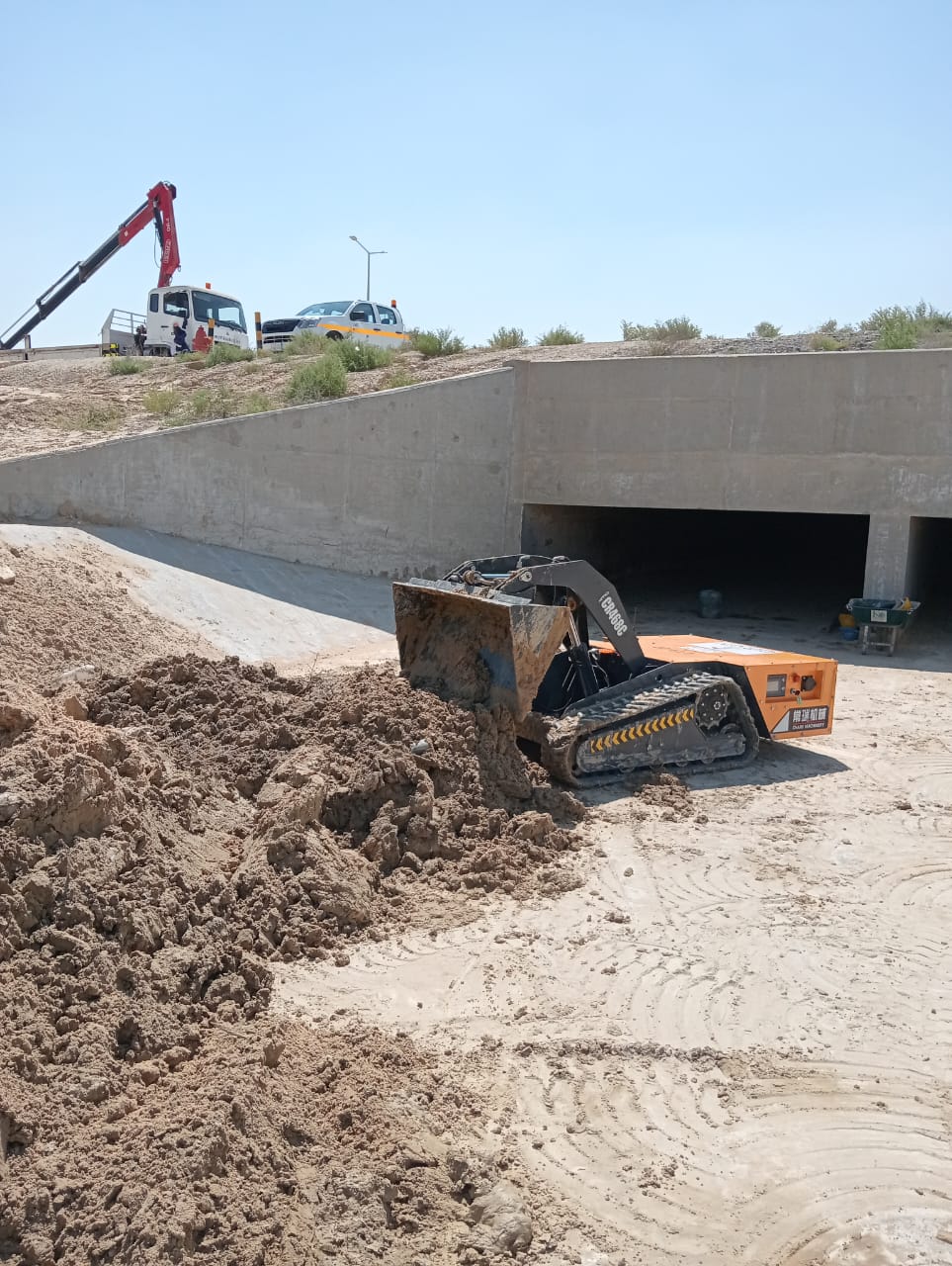
Confined-space operation: the CR468C is documented for clean-up under conveyor belts, in tunnels, box culverts, drainage systems and pumping stations.
Support unit: FAW truck configurations for load-out and haulage
The second half of the pairing is the truck that removes, delivers or supports. FAW trucks are documented in model designations J7, J6P, J6V, J6E, JH6, J6G, J6L, JK6 and Tiger v, and can be configured as a tractor truck, dump truck, cargo/rigid/light truck, concrete mixer truck, garbage truck, sprinkler truck, water tank truck, fuel tank truck, wrecker truck, sweeper truck, concrete pump truck, asphalt distributor truck, high altitude platform truck or fire truck.
Across those designations, the documented parameter envelope is consistent: a truck weight range of 3000–15000 kg, a size range from 6000 × 2300 × 3000 mm to 12000 × 2550 × 3800 mm, a security configuration of ABS/EBS/TCS, and tire specifications available based on customer needs. Documented drive modes are rear-wheel drive in 6×4 and 6×2, and all-wheel drive in 6×6 and 8×8. Materials are steel, iron, aluminum alloy and plastic.
Documented working conditions for these trucks include high temperatures, humidity, muddy terrain, rainy weather, snowy weather, highways and urban roads. Documented project types include factories, farms, construction sites, mines, cities, highways and transfer stations.
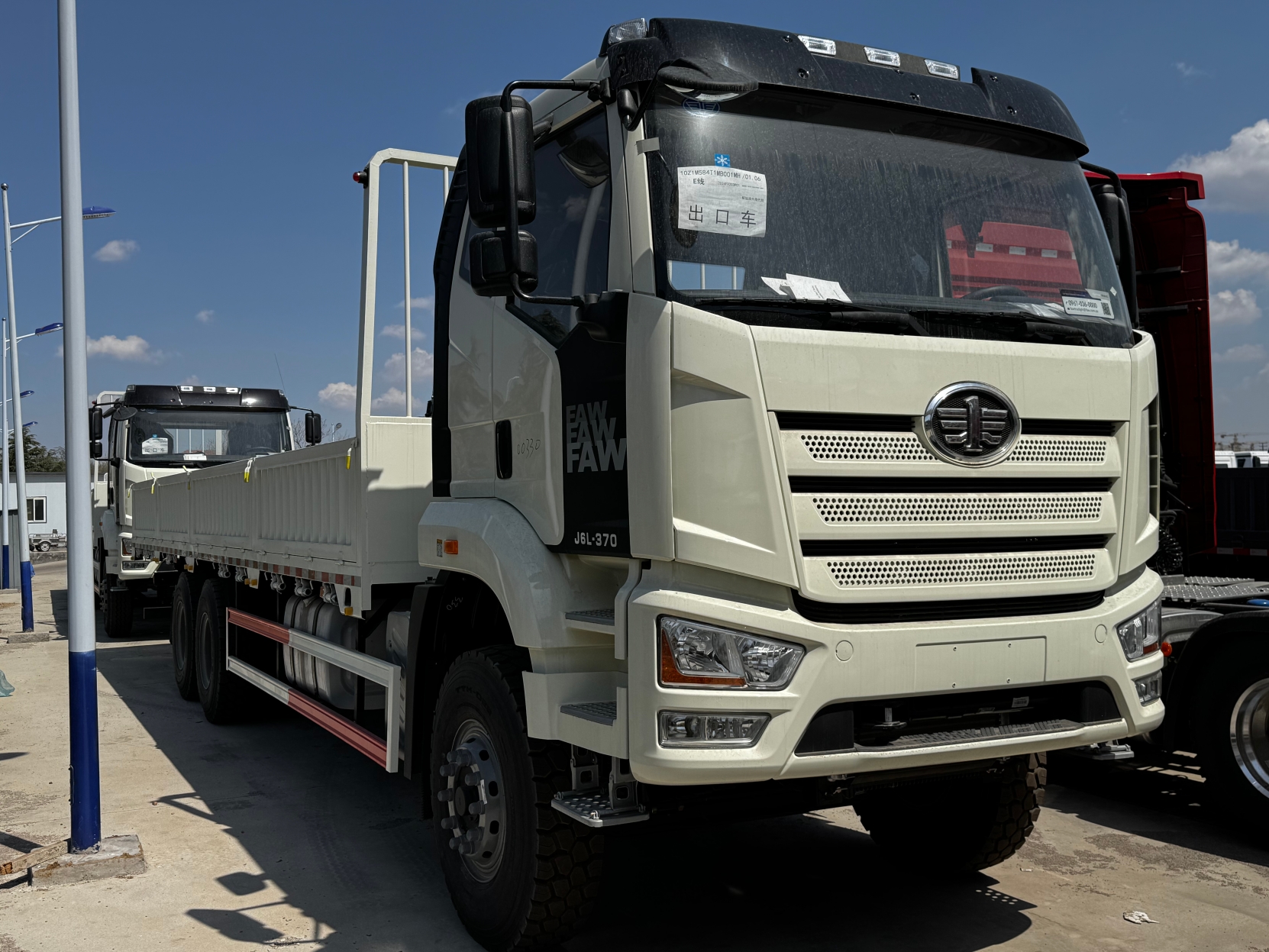
FAW trucks are documented in model designations including J7, J6P, J6V, J6E, JH6, J6G, J6L, JK6 and Tiger v, with ABS/EBS/TCS security configuration.
The reason to treat the two as one pairing is operational. When the working unit and the haulage unit come from the same supply chain, the interface question — bucket height against truck body height, load weight against truck payload class, site access against truck dimensions — is settled in one configuration discussion instead of two.
Step-by-Step: How to Build a Tight-Site Pairing
The sequence below follows the order in which site constraints usually eliminate options. Working through it in this order keeps the specification discussion short and prevents the common mistake of choosing a machine before the removal route has been measured.
- Measure the entry, not the site. Record the narrowest and lowest opening the machine must pass. Compare it with the CR468C’s 2850 × 1200 × 600 mm overall dimensions and 1200 mm bucket width. If the entry is marginal, the 2250 mm length without bucket is the relevant figure for maneuvering.
- Check the floor and the gradient. The machine is documented with rubber tracks, 150 mm minimum ground clearance and a 40° climbing ability, with a maximum driving speed of 4 km/h. Confirm the ramp or slope against the 40° figure rather than assuming traction.
- Verify the working cycle against the load. A 0.15 m³ bucket, a 450 kg rated load capacity and a 1.1 s bucket unloading time define the cycle. Match those to the volume per shift, then decide how many passes a truck load requires.
- Confirm the environment limits. The documented working temperature range is -10 ℃ to 60 ℃. For underground, tunnel or other low-ventilation work, the electric drive removes exhaust fumes from the equation; for hot or dusty areas, the 200 m remote control distance keeps the operator out of the immediate working face.
- Plan the energy cycle. The lithium battery is documented at 300 Ah and 73.6 V, with about 2 hours of charging and about 8 hours of working time, at a charging voltage of 380/220 V. Batteries are also documented as quickly interchangeable, which allows a spare set to cover continuous operation.
- Choose the truck configuration by what leaves the site. Spoil and crushed material point to a dump truck; palletised or packaged goods to a cargo truck; mixed concrete to a concrete mixer truck; dust suppression to a sprinkler or water tank truck; waste to a garbage truck; road cleaning to a sweeper truck; recovery duty to a wrecker truck.
- Match the truck to the road and the load. Use the documented 3000–15000 kg weight range and the 6000 × 2300 × 3000 mm to 12000 × 2550 × 3800 mm size range to filter configurations against access roads. Confirm the drive mode that suits the site — 6×4 and 6×2 rear-wheel drive, or 6×6 and 8×8 all-wheel drive for tougher terrain.
- Confirm safety and interface details. ABS/EBS/TCS is the documented security configuration, and tire specifications are available based on customer needs. Settle body height and dump clearance against the minidozer’s 530 mm unloading height at the same time.
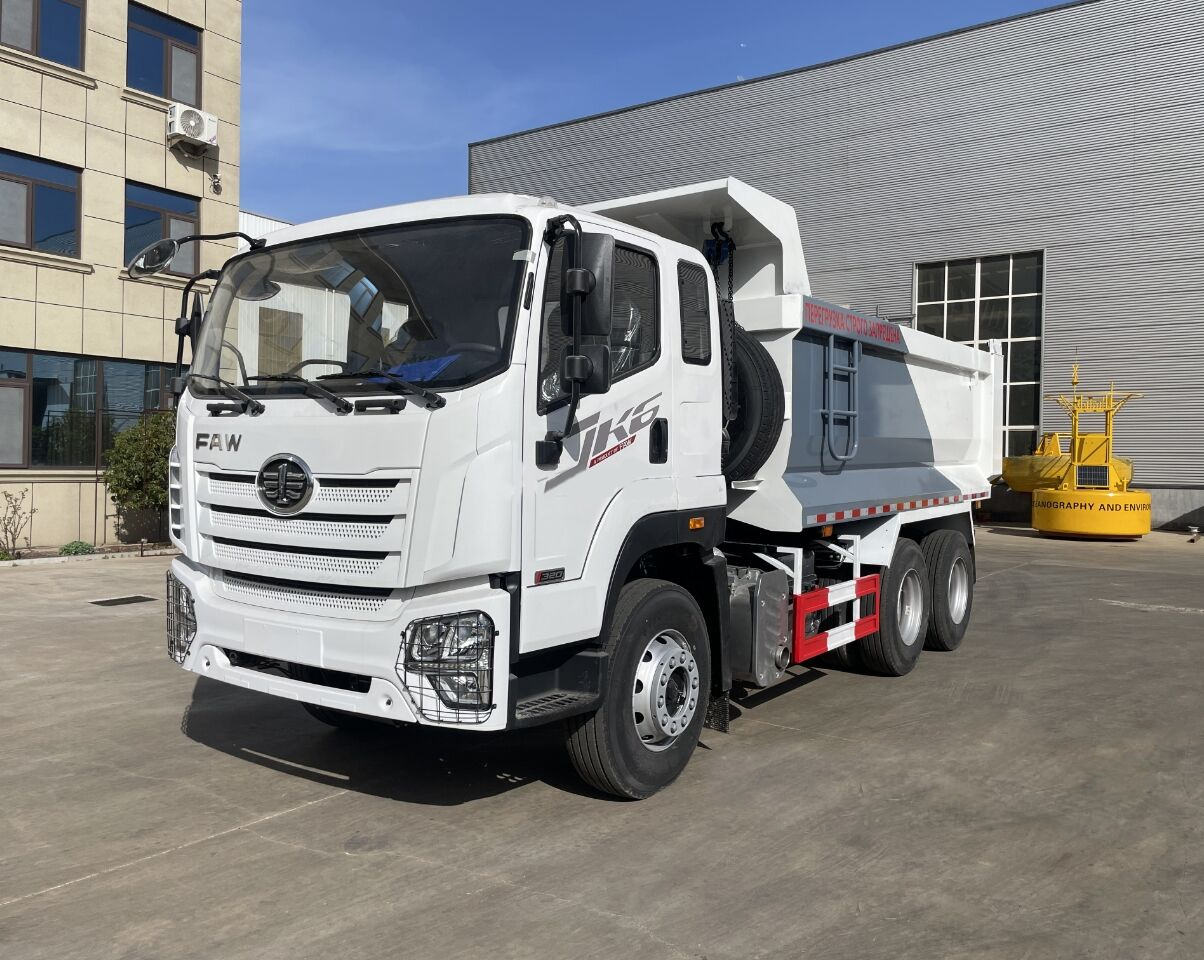
A dump configuration is the natural removal partner for minidozer clean-up work in tunnels, culverts and plant areas.
Use Cases: Five Site Profiles
1. Tunnel, culvert and drainage maintenance
City and highway underground tunnels, box culverts, drainage systems, pumping stations and irrigation projects are the environments the CR468C was developed for. The 600 mm overall height and 360° spin-in-place steering suit sections where a machine cannot turn around, and the electric drive avoids adding exhaust to an already restricted air volume.
2. Clean-up under conveyor belts and in ore plants
Documented applications include clean-up operations under conveyor belts in above-ground and underground mining, and in ore crushing and concentration plants. The 0.15 m³ bucket and 1.1 s unloading time fit short, repeated collection cycles, and the 200 m remote control distance keeps the operator away from moving material.
3. Urban waste and transfer station work
Transfer stations and urban waste handling appear in the documented project types for FAW trucks, and urban waste transport is a documented industry application. A CR468C paired with a garbage truck configuration covers both the confined collection point and the road leg of the trip.
4. Construction material delivery on constrained sites
Construction materials transport is a documented application for both product families, and construction sites are a documented project type. Cargo and dump configurations carry the material; the minidozer handles the last few metres where a larger loader cannot operate.
5. Port, cold chain and bulk logistics support
Documented truck applications include port logistics, cold chain transport, urban distribution, log transport, heavy machinery and equipment transport, and chemical raw material transport. In each case the minidozer covers the confined loading point, while the truck covers the road leg.
Comparison Table: Ranked Pairings at a Glance
The five pairings below are ranked by fit to confined-site work and by how directly the truck configuration solves the removal task. The working unit is the same CR468C in every case.
| Rank | Pairing | Documented working-unit facts | Documented support-unit facts | Typical fit |
|---|---|---|---|---|
| 1 | CR468C + FAW J6L (cargo or dump configuration) | 2850 × 1200 × 600 mm; 1100 kg; 450 kg rated load; 0.15 m³ bucket; 360° spin in place | J6L model designation; cargo/rigid/light truck or dump truck configuration; weight range 3000–15000 kg; ABS/EBS/TCS | Confined interior clean-up with short removal runs on urban or plant sites |
| 2 | CR468C + FAW JK6 (dump configuration) | Rubber tracks; 40° climbing ability; 150 mm ground clearance; 4 km/h maximum speed | JK6 model designation; dump truck configuration; 6×4 and 6×2 rear-wheel drive; ABS/EBS/TCS | Tunnel, culvert and drainage work where spoil leaves the site immediately |
| 3 | CR468C + FAW JH6 (tractor or dump configuration) | Remote control at a control distance of 200 m; working temperature -10 ℃ to 60 ℃ | JH6 model designation; tractor truck or dump truck configuration; 6×6 and 8×8 all-wheel drive documented | Longer haul legs and tougher ground, with the minidozer covering the access point |
| 4 | CR468C + FAW Tiger v (cargo or refrigerated configuration) | Lithium battery 300 Ah at 73.6 V; about 2 h charging; about 8 h working time | Tiger v model designation; cargo/light truck configuration options; tire specifications available based on customer needs | Mixed cargo and temperature-controlled logistics where the loading point is tight |
| 5 | CR468C + FAW J6P (tractor or dump configuration) | Hydraulic flow 58 L/min; hydraulic tank 20 L; material: steel, iron, aluminum alloy, plastic | J6P model designation; tractor truck or dump truck configuration; size range 6000 × 2300 × 3000 mm to 12000 × 2550 × 3800 mm | Heavier removal volumes and bulk material movement on site-to-road routes |
All FAW model designations in this table share the same documented parameter envelope: a 3000–15000 kg weight range, a 6000 × 2300 × 3000 mm to 12000 × 2550 × 3800 mm size range, ABS/EBS/TCS security configuration, and tire specifications available based on customer needs. The ranking reflects fit to confined-site work and the removal task; it is not a claim about differences between the documented ranges of individual model designations.
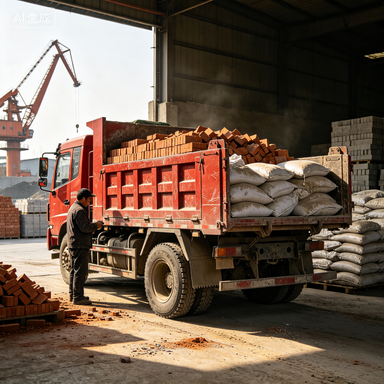
Construction materials haulage is one of the documented application profiles for FAW truck configurations paired with a compact working unit.
FAQ
What are mini machinery manufacturers, and what do they typically produce?
Mini machinery manufacturers build compact equipment for work where full-size machines cannot operate, including minidozers, mini loaders, mini electric loaders and skid steer loaders. Qingdao Chary Machinery Co., Ltd, established in 2015 in Qingdao, China, reports main products of mini machinery, minidozer, mini loader, mini electric loader and skid steer loader, with a 2000 m² manufacturing facility, approximately 100+ employees, an R&D team of 15 engineers and an annual production capacity of 500 units. At industry level, an analysis published by Rippa lists SANY, XCMG, LiuGong and Yuchai among major Chinese manufacturers of mini machinery, recognized for hydraulic systems and fuel efficiency.
How do I check whether the CR468C minidozer fits my confined site?
Compare the tightest opening and the lowest headroom on site with the documented CR468C dimensions of 2850 × 1200 × 600 mm and a bucket width of 1200 mm. Then check three operating figures: minimum ground clearance of 150 mm, 360° spin in place — which removes the need for a turning circle — and a climbing ability of 40° with a maximum driving speed of 4 km/h. The documented working temperature range is -10 ℃ to 60 ℃, and remote control is documented with a control distance of 200 m.
What power and runtime does the CR468C offer?
The CR468C uses a lithium battery documented at 300 Ah and 73.6 V, with about 2 hours of charging time and about 8 hours of working time at a charging voltage of 380/220 V. Motor power is 7.5 kW at 3000 r/min, hydraulic flow is 58 L/min with a 20 L hydraulic tank, and the machine runs on rubber tracks. It is an electrically driven unit, so it produces no exhaust fumes — a practical advantage in underground and low-ventilation work. Batteries are also documented as quickly interchangeable.
Which FAW truck configurations can support the minidozer on site?
FAW trucks are documented in model designations J7, J6P, J6V, J6E, JH6, J6G, J6L, JK6 and Tiger v, and can be configured as tractor, dump, cargo/rigid/light, concrete mixer, garbage, sprinkler, water tank, fuel tank, wrecker, sweeper, concrete pump, asphalt distributor, high altitude platform or fire trucks. Shared documented parameters include a 3000–15000 kg weight range, a 6000 × 2300 × 3000 mm to 12000 × 2550 × 3800 mm size range, ABS/EBS/TCS security configuration, and tire specifications available based on customer needs.
How do I request a sample or a quotation for a pairing?
Start with the specification match rather than the price: confirm the entry envelope, the removal configuration and the drive mode, then request a quotation for that configuration. Qingdao Chary Machinery Co., Ltd is an enterprise for vehicle export authorized and approved by the Ministry of Commerce, and contact is available by email at sales@fawglobal.com, by phone or WhatsApp at +86 186 6398 2168, or through the website www.charymachinery.com. The downloadable product brochure provides the starting specification set.
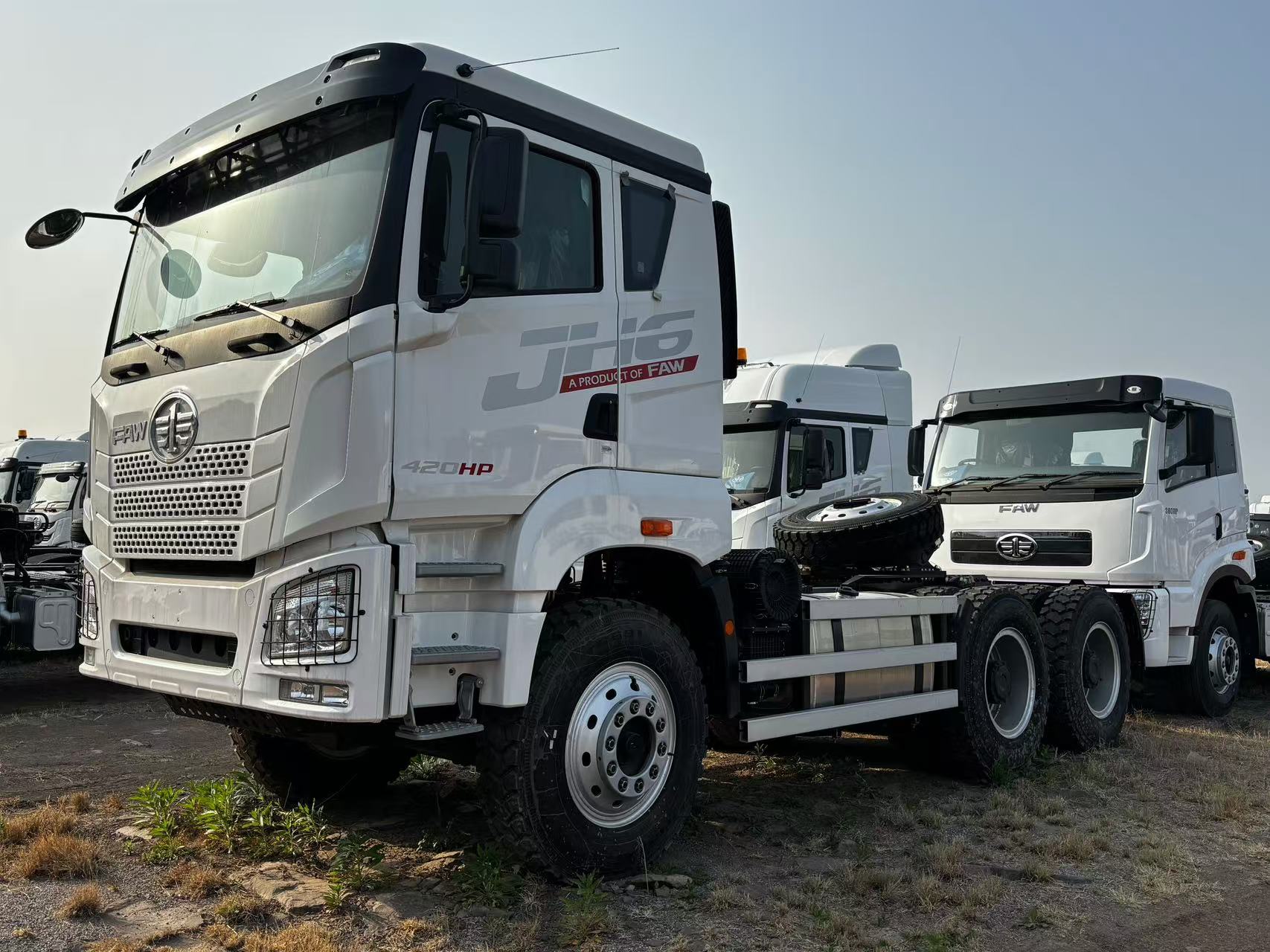
FAW truck configurations cover the load-out and haulage half of a tight-site equipment plan.
Conclusion: Match the Working Machine to the Removal Path
On a tight site, the machine that fits is only half the plan. The CR468C remote-control lithium battery rubber track minidozer answers the entry question with 2850 × 1200 × 600 mm dimensions, a 1100 kg self weight, a 450 kg rated load capacity, a 0.15 m³ bucket, 360° spin-in-place steering and a documented control distance of 200 m. The FAW truck configuration answers the question that follows: which model designation and which body type will actually take the material away. Ranked by fit to confined work, the J6L pairing handles short removal runs, the JK6 pairing handles spoil-heavy tunnel and drainage work, and the JH6, Tiger v and J6P pairings cover longer legs, mixed cargo and heavier volumes.
Next step
Send the entry dimensions, the material type and the required shift volume, and CHARY will confirm which CR468C and FAW truck configuration matches the site.
Email: sales@fawglobal.com | Tel / WhatsApp: +86 186 6398 2168
Website: www.charymachinery.com
Download the product brochure: CHARY machinery brochure (PDF)