
Electric Actuator vs. Pneumatic vs. Hydraulic: A Comparison Guide for Industrial Buyers
Industrial buyers often face a simple-looking question: should the valve actuator be electric, pneumatic, or hydraulic? The answer is not always obvious because each technology has different strengths and trade-offs in control precision, energy efficiency, maintenance, environmental tolerance, and integration complexity. This guide is written for plant engineers, procurement teams, and automation project managers who are evaluating actuation options for oil & gas, water & power, and chemical process applications.
CHENGLEI, based in Changzhou, Jiangsu, China, is a specialist manufacturer of valve electric actuators. This article uses CHENGLEI electric actuator specifications as practical examples of what current electric actuators can provide while comparing the broader strengths and limits of pneumatic and hydraulic alternatives.
Why Actuator Technology Affects Plant Performance
An actuator is the final control element between a process control system and a valve. It receives a command and then physically moves the valve stem, ball, disc, or other closure member to the required position. In automated industrial plants, selecting the wrong actuator technology can cause slow response, poor positioning accuracy, excessive energy use, higher maintenance, or even unsafe operating conditions. This is why actuator selection should be based on application requirements rather than purchase price alone.
For continuous processes, the actuator can also be a source of operational data. Position feedback, torque information, and diagnostic signals can be sent back to the control system. Intelligent electric actuators are often easier to connect into these digital systems, but the connection must still fit the specific valve duty, available power, and site environment.
Industry Background: The Growing Role of Electric Actuation
Market estimates point to expanding adoption of electric actuation. According to Zion Market Research, the global electric actuator market was approximately USD 11.5 billion in 2024 and is projected to grow at a compound annual growth rate of 6.5% to 7.2% through 2034. Dataintelo reports that Asia Pacific accounted for 38.5% of electric valve actuator market revenue in 2025, valued at over USD 1.8 billion, driven by industrialization in China and India. On the supply side, OEC data show that China exported USD 6.43 billion of electric motor parts in 2024, representing about 26.1% of global exports.
At the same time, pneumatic and hydraulic actuation remain common in many installed plants. The goal of this comparison is not to suggest that one technology will eliminate all others. Rather, buyers need to match actuator characteristics to specific process valves, operating cycles, site utilities, and long-term maintenance strategies.
Electric Actuators: What They Are and How to Evaluate Them
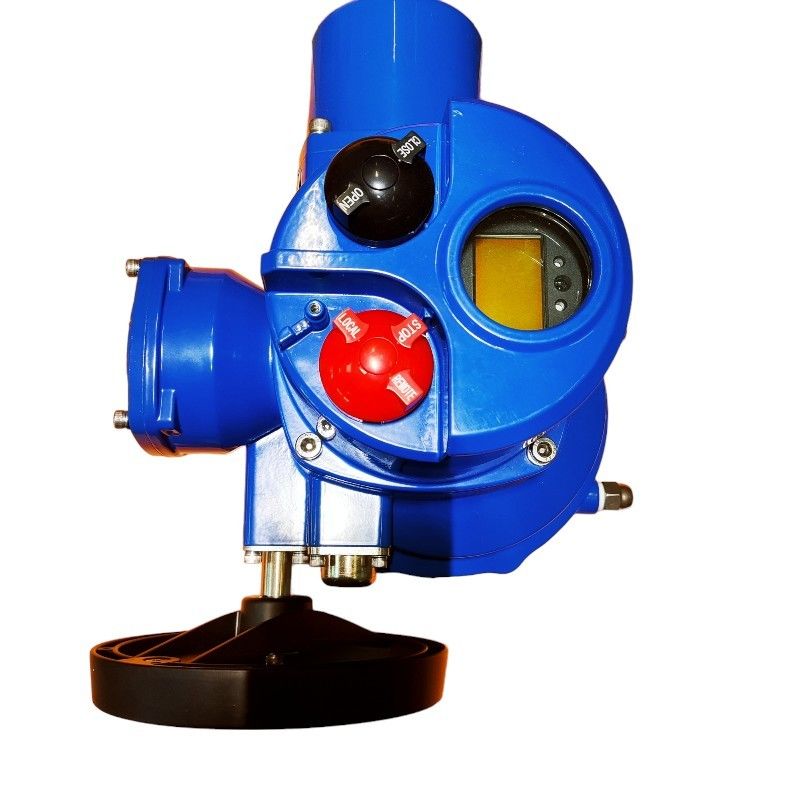
An electric actuator uses an electric motor to generate rotary or linear motion through gears, screws, or linkages. In industrial automation systems, electric actuators are key execution units. Their core function is to precisely convert electrical signal commands issued by the control system into mechanical movement, thereby driving devices such as valves and dampers, and achieving automated and precise control of the production process.
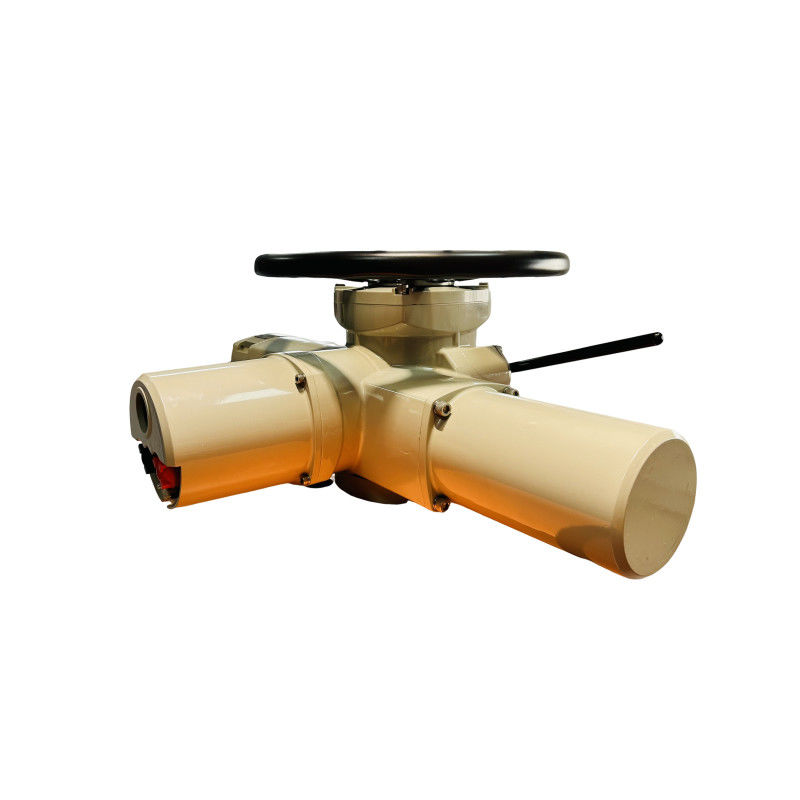
Electric actuators are available in several mechanical configurations. CHENGLEI examples include the Z10 and Z30 multi-turn electric actuators; the QI10 and QI15 part-turn electric actuators; and the Intelligent Electric Motor Linear Actuator Explosion Proof ZXC Series, model CLZXC4000, which is described as an intelligent electric actuator, a linear electric actuator, and an explosion-proof actuator. The range also includes the 450 N.m Z45 multi-turn actuator, the 600 N.m QI60 part-turn actuator, the 5000 N.m QI500 explosion-proof part-turn actuator, and the DQ series low-temperature actuator.
Control mode is another important specification. Some CHENGLEI models are configured for On-Off service, while others support Modulating control. For example, the Intelligent 24V DC JB2920 ISO5210 Flange Electric Valve Actuator with high torque and quarter-turn operation lists both On-Off and Modulating control methods. The QI10, in contrast, is a model classified as an Intelligent On-Off Electric Valve Actuator designed for part-turn operation. Buyers should confirm whether the valve duty is simply open/close or requires continuous modulation.
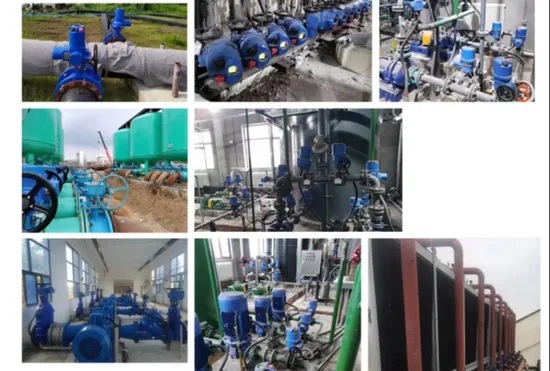
Environmental tolerance is a key reason why electric actuation is being selected for critical process applications. Certain CHENGLEI electric actuator specifications include ATEX/Exd BT4/CT4 explosion-proof certification and ingress protection ratings of IP65, IP67, or IP68, depending on model. Some models also mention NEMA 4/4X/7&9 enclosure types. The DQ Series is rated for -60°C to +70°C operation and has Bluetooth connectivity for configuration, which can be useful in cold-climate or remote outdoor installations. Other optional features listed on some models include thermal protection, battery backup, and manual override with handwheel.
These product examples demonstrate that electric actuators are not limited to clean indoor environments. They can be specified for process plants when the right frame size, torque or thrust rating, control mode, materials, and certifications are matched to the application.
Pneumatic Actuators: Strengths and Limitations
Pneumatic actuators use compressed air to move a piston or diaphragm inside a cylinder. They are widely used in plants that already have a reliable central compressed air utility. Their popularity comes from a simple and robust design, fast operation, and the ability to achieve fail-safe action with spring return.
For simple open/closed valve duty, pneumatic actuators are often an economical choice. When modulating control is needed, a positioner can be added, but the performance depends on the quality of the positioner, the air supply pressure, and the condition of the pneumatic components. Pneumatic systems also require attention to air quality; dryers, filters, lubricators, solenoid valves, tubing, and fittings all affect reliability.
The main limitation is the supporting infrastructure. Compressed air must be generated, dried, filtered, and distributed to the valve. This means air compressor energy is consumed continuously, even if the actuator only moves occasionally. In remote, cold, or electrically isolated sites, building and maintaining an air supply network can add cost and complexity.
Hydraulic Actuators: High Force with Heavy Infrastructure
Hydraulic actuators transmit force through pressurized oil. They are known for very high torque or thrust output, fast response under heavy load, and stiff position holding. This makes them suitable for large valves, such as large isolation valves, and for applications where extremely high forces must be controlled.
A hydraulic actuator depends on a hydraulic power unit, oil reservoir, pump, piping, filters, accumulators, coolers, and relief valves. The hydraulic fluid must be kept clean, and leaks must be prevented or managed. In high-temperature areas, fire-resistant fluids may be required. These requirements can increase both first cost and long-term maintenance compared with simpler actuator technologies.
Hydraulic actuation remains a strong solution in heavy industry where hydraulic power is already installed and where very high force or fail-safe energy storage is required. However, for smaller valves, remote locations, or plants that do not already have hydraulic infrastructure, the support equipment can dominate the total cost of ownership.
Side-by-Side Comparison: Electric vs. Pneumatic vs. Hydraulic
The table below summarizes typical trade-offs between the three technologies. It is a qualitative guide, not a substitute for engineering analysis with the actual valve duty and supplier data.
| Criterion | Electric Actuator | Pneumatic Actuator | Hydraulic Actuator |
|---|---|---|---|
| Control precision | Available with On-Off or Modulating control; intelligent actuators can provide high repeatability and feedback. | Good for open/closed duty; modulating performance depends on positioner and air supply quality. | High stiffness and high force; control behavior depends on fluid condition and loop tuning. |
| Energy efficiency | Motor typically runs only during movement; no continuous compressor or hydraulic pump load. | Requires continuous compressed air supply; leaks and air treatment add energy cost. | Pump often runs continuously in common power unit designs; energy use must be evaluated over the full cycle. |
| Maintenance | Routine checks on motor, gearbox, limit switches, and control electronics. | Requires air quality maintenance, dryer/filter checks, seal and solenoid maintenance. | Requires oil changes, filter replacements, seal and hose checks, and leak management. |
| Environmental tolerance | Models with IP65/IP67/IP68, NEMA 4/4X/7&9, ATEX/Exd BT4/CT4, and low-temperature capability are available. | Requires dry clean air; suitable in hazardous areas when components are correctly rated. | Fluid leaks and oil condition are major concerns; high-temperature areas may need special fluids. |
| Integration complexity | Power and signal wiring; simplifies sites without compressed air or hydraulic utilities. | Requires air compressor, air treatment, solenoid valves, tubing, and fittings. | Requires hydraulic power unit, piping, tank, cooling, and safety relief systems. |
| Best-fit service | Open/closed and modulating valves, remote or isolated locations, automated facilities with certified hazardous-area models available. | Fast simple open/closed actuation in plants with existing compressed air and clear fail-safe requirements. | Heavy-duty large valves and applications with existing hydraulic power infrastructure. |
Step-by-Step Selection Process for Industrial Buyers
For a structured evaluation, consider the following steps.
- Define the valve and duty. Document valve type, required torque or thrust, number of cycles, stroking time, and whether the service is open/closed or modulating.
- Determine response requirements. Fast safety actions often need spring-return or stored-energy mechanisms. Precise process control requires a modulating actuator with suitable control resolution and feedback.
- Assess available utilities. Check whether electric power, clean compressed air, or hydraulic power is available at the valve location. Electric actuators avoid the need for site air or hydraulic distribution, but they must be matched to available voltage and control signals.
- Review environmental and hazardous area limits. Confirm site temperature, humidity, outdoor or wash-down conditions, corrosive atmosphere, and hazardous gas classification. For hazardous areas, verify whether the actuator is rated for flameproof operation according to the applicable classification, and check whether the model carries ATEX/Exd BT4/CT4 certification if that is required for the application.
- Compare lifecycle cost. A low first-cost actuator can become expensive if it requires continuous air or hydraulic power, frequent maintenance, or specialized site infrastructure. Compare installation, energy, maintenance, and expected service life.
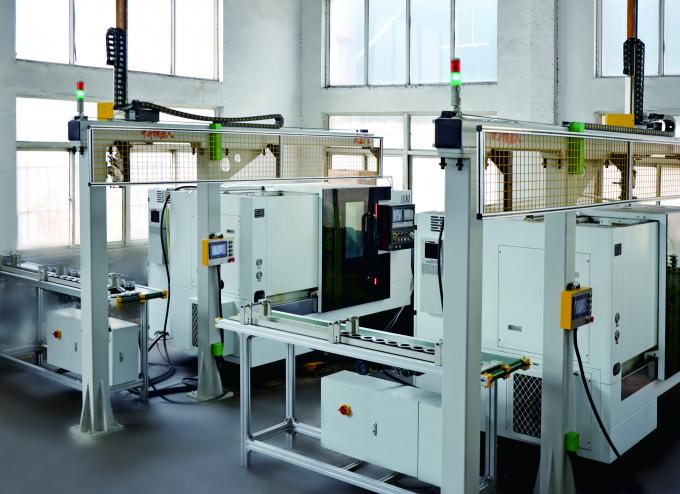
- Validate supplier capability. Review manufacturing capacity, engineering support, certifications, and quality control. As an example, CHENGLEI was established in 2016 and operates a 20,000 m² facility with approximately 100 employees, including 25 engineers in research and development. The company states an annual production capacity of 120,000 units and exports its electric actuators globally.
Industry Use Cases and CHENGLEI Electric Actuator Examples
Oil & Gas Applications
Oil and gas plants often combine high pressure, high temperature, outdoor operation, and potentially explosive atmospheres. Actuators may be installed on pipeline valves, control valves, ball valves, and butterfly valves. Explosion-proof certification and reliable On-Off service are frequent requirements. CHENGLEI offers models that can address this type of service, such as the Z30 Intelligent Explosion-Proof On-Off Actuator IP67 Multi-Turn Valve Actuator and the QI500 intelligent electric part-turn actuator with explosion-proof housing and a rated torque of 5000 N.m.
When selecting for hazardous zones, buyers should also verify gas group and temperature classification. International standards such as IEC 60079-0 and IEC 60079-1 define general requirements and flameproof enclosure requirements for hazardous environments.
Water & Power Applications
Water treatment plants, pumping stations, and power plants often run continuously and need reliable operation outdoors or in humid conditions. Multi-turn electric actuators are commonly used for large gate valves, while part-turn actuators are used for butterfly valves and dampers. For such duty, CHENGLEI multi-turn models such as the Z10 and Z45 provide options for high cycle life and integration with plant control systems. The CLZXC4000 linear electric actuator in the ZXC Series is an example of a modulating linear solution for regulating valves.
Chemical, Process & Industrial Applications
Chemical and process plants require actuators that can handle corrosion-resistant enclosures, aggressive media, high temperature, and control signals from distributed control systems. Many CHENGLEI products are intended for use in Oil & Gas, Water & Power, and Chemical, Process & Industrial sectors. The CLZXC4000 Intelligent Adjustment Electric Valve Actuator belongs to the Intelligent Adjustment Electric Valve Actuator category, and the 220V/380V 50Hz 100mm Stroke 24VDC Automatic Electric Linear Actuator for regulating valves is listed with a maximum thrust of 10000 N. These types of electric linear actuators are relevant when a plant requires precise positioning of a regulating valve.
Frequently Asked Questions
What certifications should I look for in electric actuators for hazardous areas?
For hazardous environments, explosion-proof electric actuators are generally classified according to flameproof enclosure requirements in standards such as IEC 60079-0 and IEC 60079-1. Depending on the model and order specification, CHENGLEI can supply electric actuators with ATEX/Exd BT4/CT4 explosion-proof certification. Buyers should always verify the gas group, temperature class, and site-specific requirements.
Can an electric actuator be used for both On-Off and Modulating control?
Yes. Many intelligent electric actuators can be specified for On-Off or Modulating control. For example, some CHENGLEI electric actuator models list both On-Off and Modulating control methods. Others, such as the QI10 Intelligent On-Off Electric Valve Actuator, are designed specifically for open/closed part-turn duty. The control mode must be matched to the valve service.
Is an electric actuator more expensive than pneumatic or hydraulic?
First cost depends on actuator size, control accessories, hazardous-area rating, and the amount of site infrastructure required. Pneumatic actuation may appear inexpensive, but the air supply, compressor, and air treatment cost must be included. Hydraulic actuation carries a larger footprint in the form of power units, piping, and oil-conditioning systems. Electric actuation can simplify projects where no compressed air or hydraulic infrastructure exists, but total cost should be analyzed over the equipment lifecycle with actual site conditions.
Can I request a CHENGLEI electric actuator sample before placing a full order?
Sample requests can be directed to the CHENGLEI sales team. To receive a relevant configuration, include the valve type, required torque or thrust, control mode, voltage, flange or mounting requirement, and environmental conditions. Confirming sample parameters is a standard step before factory-scale procurement.
What is the typical lead time and supply capacity for CHENGLEI electric actuators?
CHENGLEI publishes a standardized supply capacity of 3000 sets per month for its mainstream electric actuator model series. Exact lead time depends on the selected model, OEM/ODM customization, accessory requirements, and destination. For a current schedule, contact CHENGLEI directly and provide your project specification.
Conclusion and Next Step
Electric, pneumatic, and hydraulic actuators each have a place in industrial valve automation. Electric actuators are often a strong solution when control precision, energy efficiency, low maintenance, and digital integration are important. Pneumatic actuators remain practical for simple high-speed open/closed duties where compressed air is already available. Hydraulic actuators excel in heavy-force applications but require substantial support infrastructure.
For critical process industries such as oil & gas, water & power, and chemical plants, the selection should be based on documented valve duty, environmental classification, and lifecycle economics. CHENGLEI offers a range of electric valve actuators that can serve as a reference for buyers evaluating electric solutions.
To discuss your application with CHENGLEI, contact terry.gui@cz-chenglei.com or WhatsApp +86 13401325958. A downloadable brochure is available for additional product and company information.
Download the CHENGLEI electric actuator brochure (PDF)
This article is intended as a technical reference. Final actuator selection should always be confirmed with the actuator manufacturer and based on the complete valve and plant specification.
Have Questions or Need More Details?
Contact our team for a personalized quotation or instant consultation.
Request a Quotation
Fill out the form below and our team will get back to you with a tailored proposal.
WhatsApp Direct Chat
Prefer to chat in real-time? Message us on WhatsApp for instant assistance & quick answers.
- Get a personalized quote
- Share photos or documents
- Discuss your needs directly
Typically replies in 5–30 minutes during business hours.