
Fiberglass Fabric 101: Types, Applications, and Selection
Fiberglass Fabric 101: Types, Applications, and Selection
Fiberglass fabric is a reinforcement textile made from glass filaments, woven or stitched into fabric form and combined with resin to produce composite laminates. It is used in marine, wind energy, transportation, UAV, sports, industrial, and tooling applications where high strength-to-weight ratio and corrosion resistance are required. This reference guide explains the two fiberglass fabric families manufactured by Guangdong Cinon New Material Technology Co., Ltd. (CINON)—Light Weight Fiberglass Cloth and Multiaxial Fiberglass Fabrics—and provides a step-by-step framework for selecting the right reinforcement.
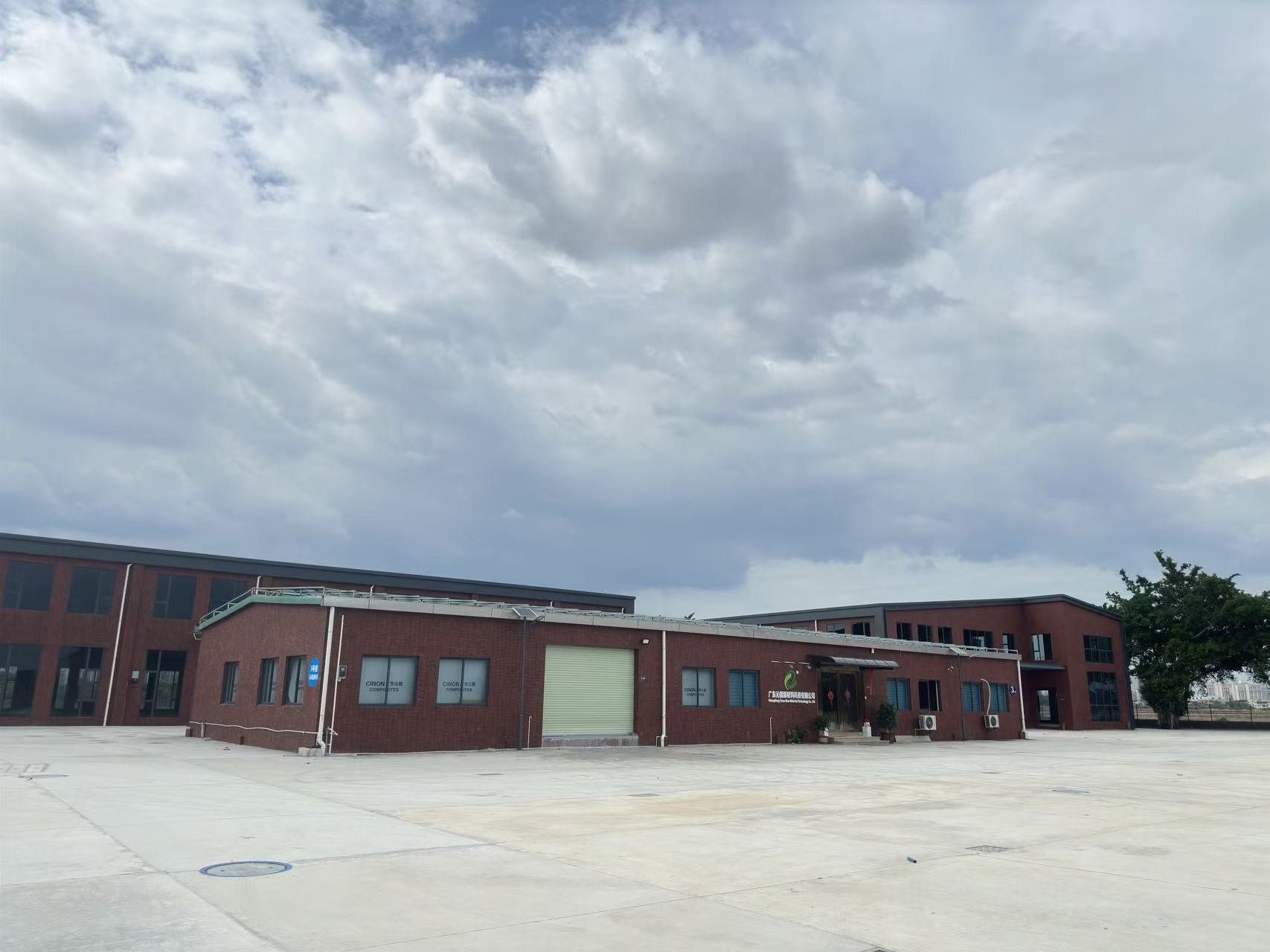
CINON is a manufacturer of fiberglass reinforcements and lightweight core materials based in Guangzhou, China. Established in 2022, the company operates a 40,000 m² manufacturing facility with an annual production capacity of 1,200,000 m², an R&D team of 25 engineers, and approximately 20 staff. CINON exports 100% of its production to Europe, North America, and Asia-Pacific markets.
Why Fiberglass Fabric Selection Matters
Composite parts fail or exceed budget when fiberglass fabric is selected by price or habit instead of engineering requirements. Four variables must be matched to the application:
- Areal weight (g/m²) controls laminate thickness and resin uptake per ply.
- Fabric architecture controls directional strength, stiffness, and drape.
- Glass type controls chemical resistance and long-term durability.
- Process compatibility determines whether the fabric wets out reliably in hand layup, vacuum infusion, RTM, or VARTM.
When these variables are mismatched, laminates can become resin-rich and overweight, fibers can distort and reduce strength, or infusion can stall and create dry spots. A documented selection process reduces these risks.
Fiberglass Fabric Industry Background
The global fiberglass fabric market was valued at USD 14.01 billion in 2024 and is projected to grow to USD 25.65 billion by 2033 (Grand View Research). Woven fiberglass fabrics accounted for 48.62% of market revenue in 2025, supported by their critical role in yacht hulls and automotive panels (Mordor Intelligence). Asia Pacific contributed 41.61% of global revenue in 2024, driven by infrastructure and renewable energy projects (Grand View Research).
Among application segments, the wind energy segment is expected to grow at a CAGR of 8.5% from 2025 to 2033, the highest among all fiberglass fabric application segments (Grand View Research). Wind turbine blades account for approximately 42.5% of total fiberglass usage within the wind energy sector (Dataintelo). In the marine sector, the fiberglass resin market is projected to reach USD 4.23 billion by 2033, indicating steady demand for fiberglass fabric reinforcements for ship hulls and decks (Market Research Future).
Key global players in the fiberglass fabric market include Owens Corning (US), China Jushi Co. (China), Saint-Gobain (France), and Taishan Fiberglass (China) (MarketsandMarkets).
Two Fiberglass Fabric Families from CINON
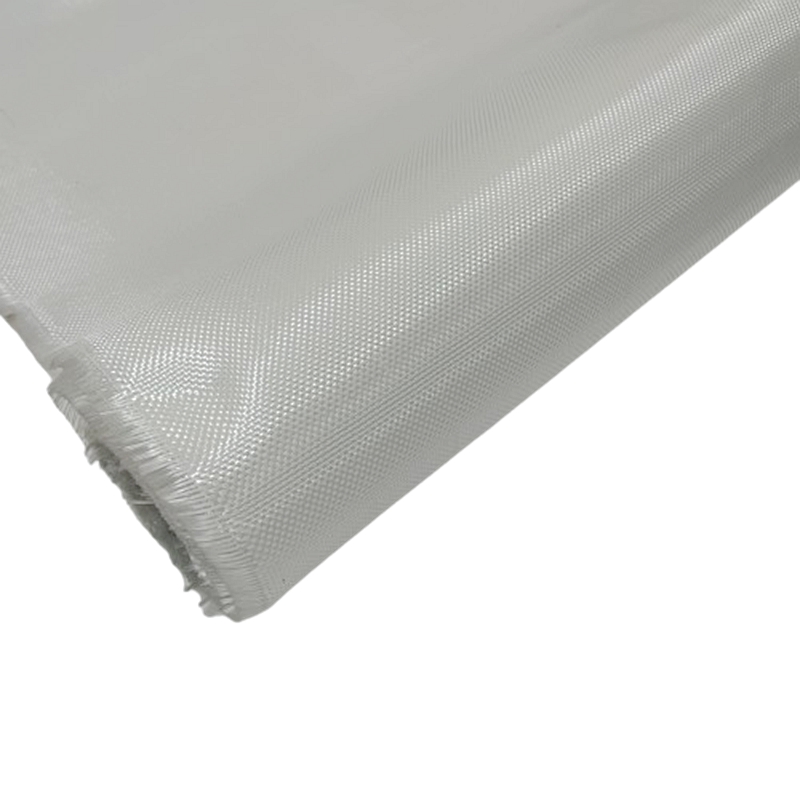
1. Light Weight Fiberglass Cloth — E-Glass, Plain Woven
Light Weight Fiberglass Cloth is a fiberglass fabric classified as E-Glass Fabric and made of E glass fiber. It features a plain woven weave type, with a weight range of 25–400 g/m² and widths of 1000 mm or 1010 mm. The plain weave provides conformability and a smooth surface finish, with good resin absorption and easy lamination.
Light Weight Fiberglass Cloth is intended for use in Marine & Yacht Building, Surfboard Manufacturing, UAV & Drone Manufacturing, Sports Equipment, Industrial Composites, Composite Tooling, Wind Energy, and Transportation. The fabric is used for lightweight composite reinforcement, marine composite reinforcement, vacuum infusion reinforcement, and surface finish fabric.
2. Multiaxial Fiberglass Fabrics — Non-Crimp, Structural
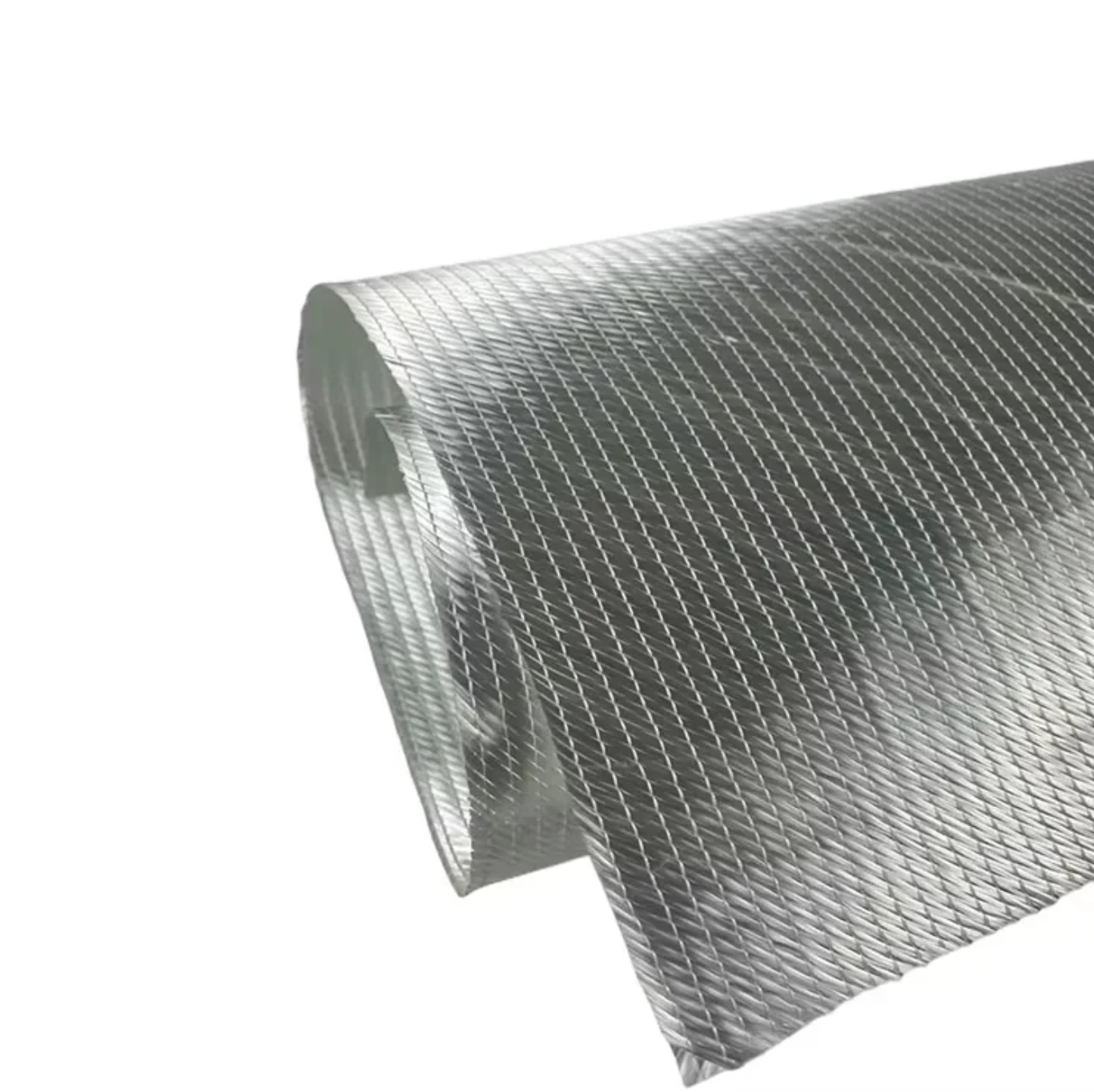
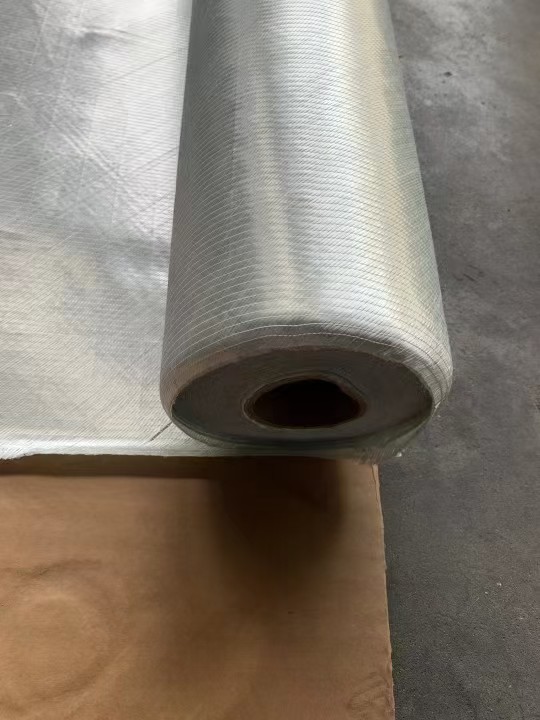
Multiaxial Fiberglass Fabrics are structural composite reinforcements classified as Non-Crimp Fiberglass Fabric, made of alkali free glass fiber. They are available in unidirectional (0° or 90°), biaxial (0°/90° or +45°/−45°), triaxial (+45°/0°/−45° or +45°/90°/−45°), and quadriaxial (0°/90°/−45°/+45°) orientations.
The weight range is 400–1500 g/m², with moisture content less than 0.2% and combustible matter content between 2.0% and 8.0%. Because the fibers are stitched rather than woven, they remain straight, which reduces fiber crimp and improves load distribution. These fabrics are designed for use in vacuum, hand layup, extrusion, RTM, and other formed products, including ship hulls, wind turbine blades, automotive components, sports equipment, and large containers.
Multiaxial Fiberglass Fabrics are intended for Marine & Yacht Building, Wind Energy, Transportation, Industrial Composites, Infrastructure, Sports Equipment, and Defense Applications.
Step-by-Step: How to Choose the Right Fiberglass Fabric
Step 1 — Define the application and loading direction. A boat hull experiences multi-directional loads; a UAV wing is loaded primarily in one direction; a wind blade shell faces long-term cyclic loading. The load case determines whether a plain woven fabric or a multiaxial non-crimp fabric is appropriate.
Step 2 — Select the fabric architecture. Plain woven E-glass cloth (25–400 g/m²) provides drape, smooth surface finish, and suitability for lightweight laminates, surfboards, UAV structures, composite molds, and surface finish layers. Multiaxial non-crimp fabrics (400–1500 g/m²) provide straight fiber alignment and improved load distribution for structural laminates in ship hulls, wind turbine blades, automotive components, and large containers.
Step 3 — Match areal weight to the laminate schedule. Lighter fabrics (25–150 g/m²) add surface quality and low weight; heavier fabrics (200–1500 g/m²) build laminate thickness efficiently. Multiaxial fabrics from 400 to 1500 g/m² are used in vacuum, hand layup, extrusion, and RTM processes.
Step 4 — Confirm process compatibility. For vacuum infusion, resin infusion, and VARTM, Multiaxial Fiberglass Fabrics have moisture content below 0.2% and combustible matter between 2.0% and 8.0%, supporting stable resin flow. Light Weight Fiberglass Cloth is also used as a vacuum infusion reinforcement and surface finish fabric. In marine manufacturing, vacuum infusion and resin infusion are standard operation modes for boat hulls and marine panels.
Step 5 — Verify supplier capability. Confirm the supplier's manufacturing capacity, R&D resources, and export experience. CINON operates a 40,000 m² facility with an annual production capacity of 1,200,000 m² and an R&D team of 25 engineers, serving Europe, North America, and Asia-Pacific markets.
Use Cases Across Industries
Marine & Yacht Building
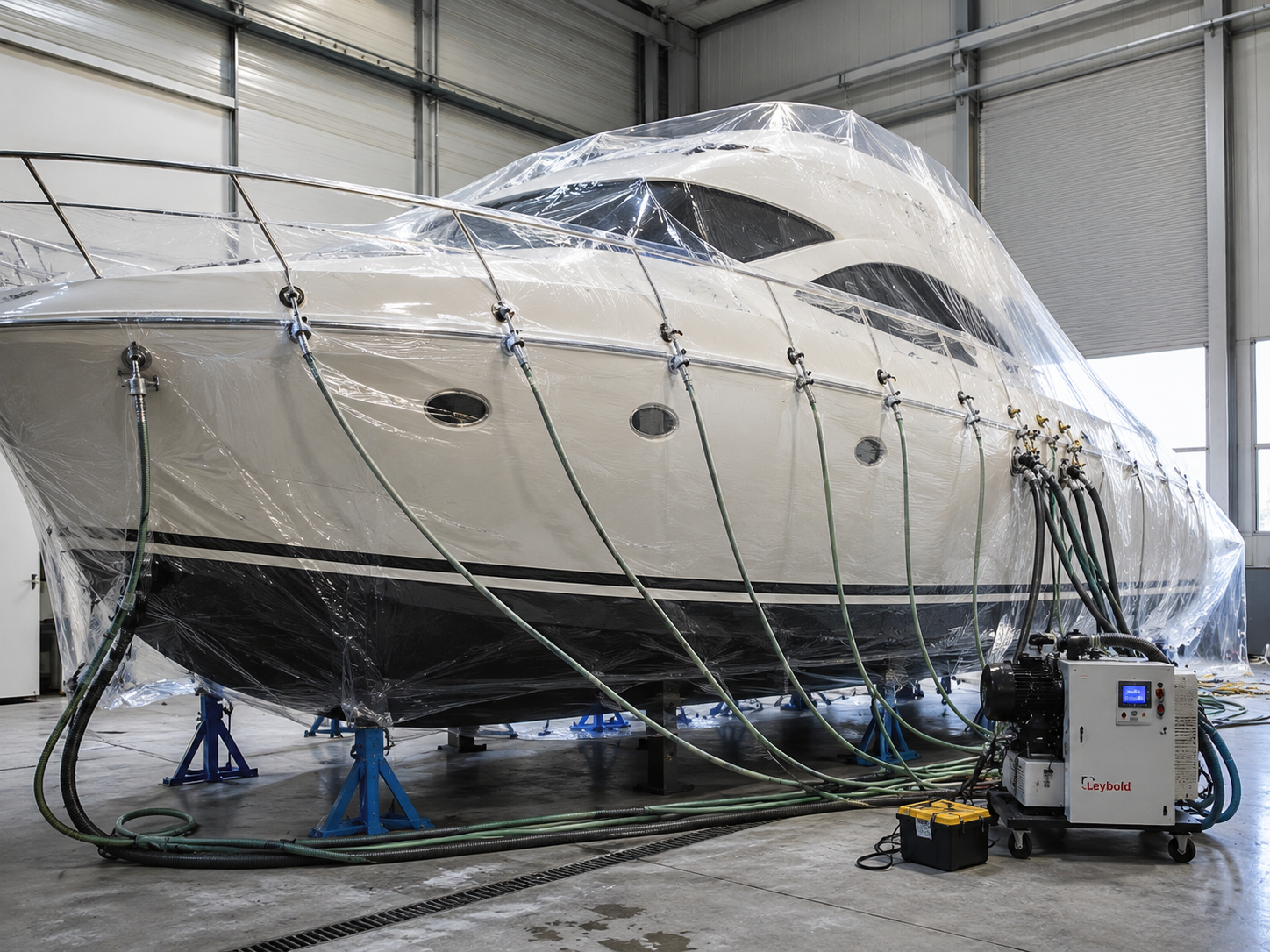
In marine and yacht building, fiberglass fabric is applied in boat hulls, decks, bulkheads, superstructures, and marine panels. Operating conditions include salt water, high humidity, dynamic loading, and corrosion exposure. Special requirements include low water absorption, saltwater corrosion resistance, and good resin flow. Manufacturing uses vacuum infusion, resin infusion, hand layup, and RTM, with vacuum pumps and bagging systems as supporting equipment. This application is common in Turkey, the United States, the United Kingdom, Italy, the Netherlands, France, Australia, and New Zealand.
Wind Energy
For wind energy, fiberglass fabric is used in wind turbine blades, blade shells, and nacelle structures. It operates under high and low temperatures, high pressure, corrosive environments, high strength and lightweight requirements, long-term static and dynamic loads, and 24/7 continuous operation. The fabric provides fatigue resistance, weight reduction, structural performance, and long service life. Manufacturing uses vacuum infusion and resin infusion with vacuum infusion equipment and large mold systems. This application is common in Germany, Denmark, Spain, the United States, China, and India.
Aerospace & UAV
In aerospace and UAV manufacturing, fiberglass fabric is applied in UAV wings, drone structures, and aircraft panels. Operating conditions include high altitudes, high G-forces, vibration and fatigue, EMI shielding, and thermal stress. The fabric provides ultra-lightweight structures with high stiffness and high temperature resistance. Processing uses RTM/VARTM, and special requirements include weight criticality, surface aerodynamics, traceability, and stiffness-to-weight ratio. This application is common in the United States, Canada, Germany, France, and Israel.
Transportation
In transportation, fiberglass fabric is used in truck bodies, bus panels, and rail interiors. It operates under dynamic road loads, extreme thermal gradients, internal impact, corrosive exposure, and frequent cycling. It provides weight reduction for payload optimization, impact resistance, corrosion resistance, and thermal efficiency. Manufacturing uses high-cycle molding and automated production lines with large panel presses. This application is common in Mexico, the United States, Italy, France, Sweden, and Japan.
Sports & Leisure
In sports and leisure, fiberglass fabric is applied in surfboards, kayaks, paddle boards, and sports equipment. It operates under saltwater corrosion, extreme UV exposure, hydrodynamic drag, impact and abrasion, and buoyancy and weight conditions. Special requirements include lightweighting and flex memory ("the pop"). The process is vacuum infusion and sandwich construction, with vacuum pumps and bagging systems as supporting equipment. This application is common in Thailand, Vietnam, China, Australia, the United States, New Zealand, and South Africa.
Industrial Composites
In industrial composites, fiberglass fabric is used in industrial covers, FRP panels, and machine enclosures. It operates under corrosive environments, extreme outdoor weather, high temperature and fire risk, acoustic stress, and hygiene requirements. The fabric provides corrosion resistance, weight reduction, and structural performance. Manufacturing uses hand lay-up or spray-up, with continuous panel lamination lines and pultrusion machines as supporting equipment; chemical compatibility is a special requirement. This application is common in China, the United States, Germany, Italy, and India.
Composite Tooling
In composite tooling, fiberglass fabric is used in RTM molds, vacuum infusion molds, and composite tooling. It operates under high temperature, high pressure, vacuum integrity, and thermal cycling. The fabric provides dimensional stability and reduces tool weight, improving production efficiency. Operation modes include CNC machining (direct tooling) and composite-on-composite tooling, with vacuum infusion equipment and RTM injection machines as supporting equipment. Vacuum resistance and heat distortion resistance are special requirements. This application is common in the United States, Germany, the United Kingdom, Italy, and China.
Comparison: Light Weight Fiberglass Cloth vs. Multiaxial Fiberglass Fabrics
The table below compares the two fiberglass fabric families based on CINON product specifications.
| Parameter | Light Weight Fiberglass Cloth | Multiaxial Fiberglass Fabrics |
|---|---|---|
| Product classification | E-Glass Fabric | Non-Crimp Fiberglass Fabric |
| Glass material | E glass fiber | Alkali free glass fiber |
| Fabric structure | Plain Woven | Unidirectional (0°/90°), Biaxial (0°/90° or +45°/−45°), Triaxial (+45°/0°/−45° or +45°/90°/−45°), Quadriaxial (0°/90°/−45°/+45°) |
| Areal weight | 25–400 g/m² | 400–1500 g/m² |
| Fabric width | 1000 mm, 1010 mm | — |
| Moisture content | — | Less than 0.2% |
| Combustible matter | — | 2.0%–8.0% |
| Molding processes | Hand lay-up, vacuum infusion, resin infusion | Vacuum, hand layup, extrusion, RTM |
| Typical structures | Lightweight laminates, surface finish fabric, marine reinforcement | Ship hulls, wind turbine blades, automotive components, sports equipment, large containers |
| Intended industries | Marine & Yacht, Surfboard, UAV & Drone, Sports, Industrial Composites, Composite Tooling, Wind Energy, Transportation | Marine & Yacht, Wind Energy, Transportation, Industrial Composites, Infrastructure, Sports Equipment, Defense Applications |
FAQ
What is fiberglass fabric?
Fiberglass fabric is a reinforcement textile made from glass filaments, woven or stitched into fabric form and combined with resin to produce composite laminates. It is available in two main forms: plain woven E-glass fabric, such as CINON's Light Weight Fiberglass Cloth (25–400 g/m², widths of 1000 mm or 1010 mm), and non-crimp stitched fabric, such as CINON's Multiaxial Fiberglass Fabrics (400–1500 g/m², unidirectional/biaxial/triaxial/quadriaxial). Fiberglass fabric is applied in marine, wind energy, transportation, UAV, sports, industrial, and tooling composites.
What testing standards apply to fiberglass reinforced materials?
Standardized tests for fiberglass reinforced materials include ASTM D638 for tensile properties and ASTM D790 for flexural strength and modulus, published by ASTM International. These are widely referenced standards for verifying the mechanical performance of fiberglass fabric laminates.
Which fiberglass fabric is suitable for vacuum infusion, RTM, and VARTM processes?
CINON's Multiaxial Fiberglass Fabrics are designed for use in vacuum, hand layup, extrusion, RTM, and other formed products, including ship hulls, wind turbine blades, automotive components, sports equipment, and large containers. Their moisture content is below 0.2% and combustible matter between 2.0% and 8.0%, supporting stable resin flow during infusion. Light Weight Fiberglass Cloth is also used as a vacuum infusion reinforcement and surface finish fabric. In marine manufacturing, vacuum infusion and resin infusion are standard operation modes for boat hulls and marine panels.
What is the difference between Light Weight Fiberglass Cloth and Multiaxial Fiberglass Fabrics?
Light Weight Fiberglass Cloth is a plain woven E-glass fabric available from 25 to 400 g/m² in widths of 1000 mm or 1010 mm. Its woven structure provides conformability and a smooth surface, making it suitable for lightweight laminates, marine reinforcement, composite tooling, surfboards, and UAV structures. Multiaxial Fiberglass Fabrics are non-crimp fabrics made of alkali free glass fiber, available from 400 to 1500 g/m² in unidirectional, biaxial, triaxial, and quadriaxial orientations. The straight, stitched fibers improve load distribution and fiber efficiency for structural applications such as wind turbine blades, ship hulls, and large containers.
Which fiberglass fabric is used for boat building and wind turbine blades?
In boat building, fiberglass fabric is used in hulls, decks, bulkheads, superstructures, and marine panels under salt water, high humidity, and dynamic loading. Special requirements include low water absorption, saltwater corrosion resistance, and good resin flow. Both CINON product families apply: Light Weight Fiberglass Cloth for surface finish and lightweight laminates, and Multiaxial Fiberglass Fabrics for structural stiffness. In wind energy, fabric is used in wind turbine blades, blade shells, and nacelle structures, where it must provide fatigue resistance, weight reduction, structural performance, and long service life under continuous operation.
How can I request samples or get a quote from CINON?
CINON (Guangdong Cinon New Material Technology Co., Ltd.) supplies fiberglass fabric to Europe, North America, and Asia-Pacific markets. To request samples or a quotation, contact Waylon by email at waylon@cinoncomposites.com or by phone at +86 186-2098-8848 (WhatsApp: +86 135-8036-3674). The product catalog is available for download at Cinon-Catalog.pdf, and more information is available at cinoncomposites.com.
Conclusion
Fiberglass fabric is an engineered reinforcement, not a commodity. Matching areal weight, fabric architecture, glass type, and process compatibility to the application is the difference between a reliable laminate and a costly rework. CINON covers the two most common fiberglass fabric requirements: Light Weight Fiberglass Cloth (plain woven E-glass, 25–400 g/m²) for lightweight laminates and surface finish, and Multiaxial Fiberglass Fabrics (non-crimp, 400–1500 g/m²) for structural reinforcement in vacuum infusion, RTM, and hand layup.
Request Samples or a Quotation from CINON
Guangdong Cinon New Material Technology Co., Ltd. supplies fiberglass fabrics and multiaxial reinforcements for marine, wind energy, transportation, UAV, and industrial composite projects.
visit cinoncomposites.com | waylon@cinoncomposites.com | +86 186-2098-8848 | WhatsApp: +86 135-8036-3674