Fiberglass Fabric Market in 2026: Trends, Top Materials, and Supplier Considerations for Marine, Wind & UAV Projects
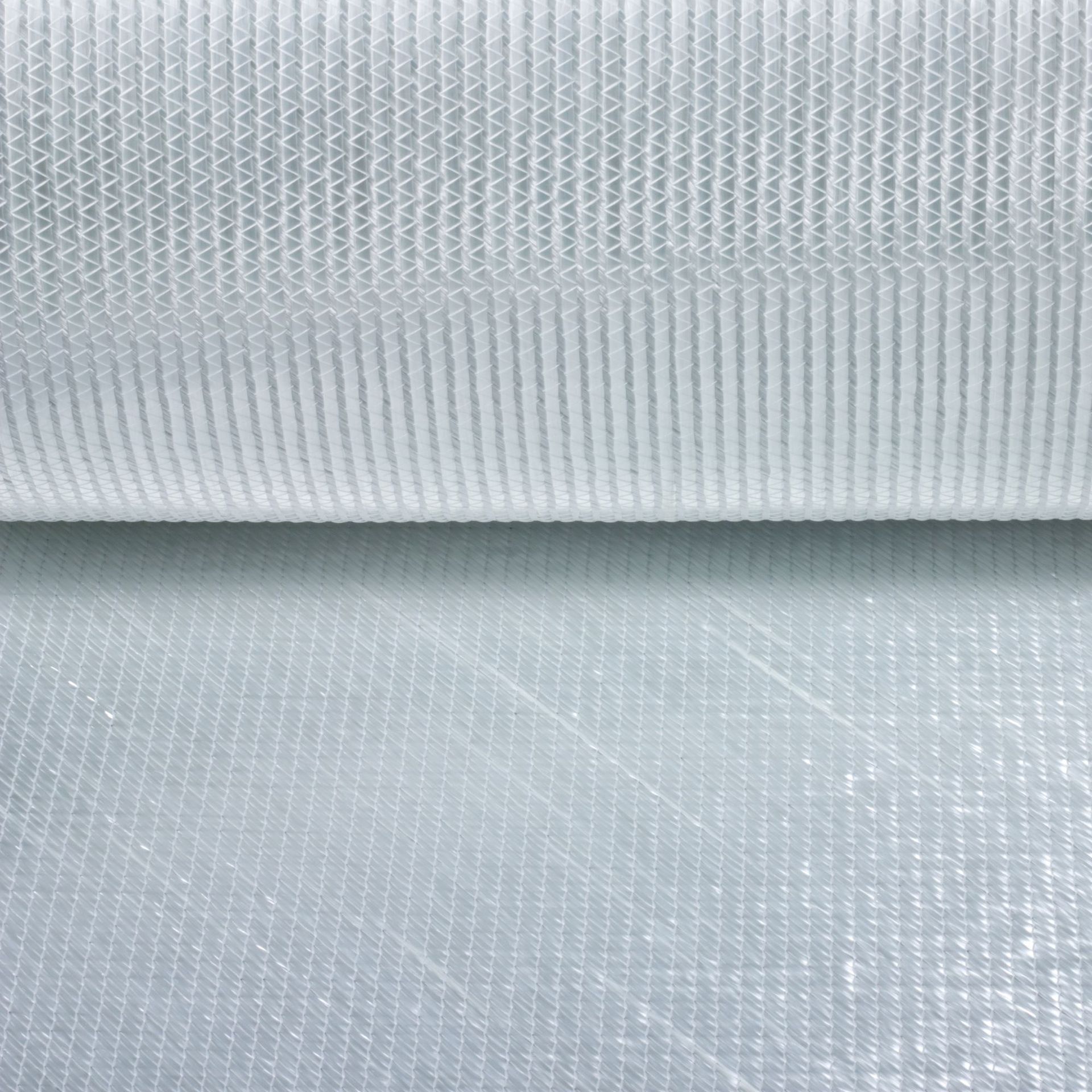
Fiberglass fabric remains a core reinforcement for composites across marine, wind, transportation and UAV manufacturing.
Fiberglass Fabric Market in 2026: Trends, Top Materials, and Supplier Considerations for Marine, Wind & UAV Projects
The global fiberglass fabric market was valued at USD 14.01 billion in 2024 and is projected to reach USD 25.65 billion by 2033 (Grand View Research). For buyers evaluating reinforcement materials in 2026, the practical question is not whether fiberglass fabric is relevant, but which fabric type, format, and supplier fit a specific production process and end-use performance target.
This guide focuses on fiberglass fabric for boat building, yacht hulls, vacuum infusion, wind blades, UAV structures, surfboards, automotive parts, composite molds, sandwich panels, RTM/VARTM, and related structural applications. It also compares leading global suppliers and explains how to evaluate a fiberglass fabric supplier during the vendor selection stage.
Why the Fiberglass Fabric Market Is Moving Toward Performance-Driven Selection
Several trends are shaping the 2026 fiberglass fabric market. Wind energy is the fastest-growing application segment, with fiberglass fabric for wind energy expected to grow at a CAGR of 8.5% from 2025 to 2033 (Grand View Research). Woven fiberglass fabrics captured 48.62% of market revenue in 2025, driven by their role in yacht hulls and automotive panels (Mordor Intelligence). Wind turbine blades account for approximately 42.5% of total fiberglass usage within the wind energy sector (Dataintelo).
Asia Pacific dominated the fiberglass fabric market in 2024 with a revenue share of 41.61%, supported by infrastructure and renewable energy projects (Grand View Research). For buyers, this means supply chains increasingly involve Asia-based manufacturers, including Chinese producers such as CINON Composites, China Jushi, and Taishan Fiberglass.
Understanding Fiberglass Fabric Types and Their Applications
Fiberglass fabric is not a single product. It ranges from light woven E-glass cloth to multiaxial non-crimp fabrics (NCF), each with a different role in a composite laminate.
Light Weight E-Glass Fabric (Plain Woven)
CINON’s Light Weight Fiberglass Cloth (Model EW) is an E-glass fabric with a plain weave, available in 1000 mm and 1010 mm widths and weights from 25 to 400 g/m². This type of fabric is well suited to surfboard manufacturing, UAV and drone manufacturing, sports equipment, composite tooling, industrial composites, wind energy, and marine applications. Light woven cloth is often used for surface layers, thin laminates, and applications where conformability and low weight matter.
Multiaxial Fiberglass Fabrics (Non-Crimp Fabrics)
CINON’s Structural Composite Reinforcement (Multiaxial Fiberglass Fabrics) is a non-crimp fabric made from alkali-free glass fiber, with structural designs in unidirectional (0° or 90°), biaxial (0°/90° or +45°/−45°), triaxial (+45°/0°/−45° or +45°/90°/−45°), and quadriaxial (0°/90°/−45°/+45°) orientations. Weight ranges from 400 to 1500 g/m², combustible matter is 2.0% to 8.0%, and moisture content is less than 0.2%. These fabrics are used in vacuum infusion, hand layup, resin transfer molding (RTM), and other processes for ship hulls, wind turbine blades, automotive components, sports equipment, and large containers.
For boat building and yacht hulls, multiaxial fabrics offer the ability to align reinforcement with principal load directions. For wind blades, they provide the high mechanical performance needed in spar caps and shear webs when combined with appropriate core materials.
Fiberglass Fabric by Application: A Decision-Oriented Overview
Fiberglass Fabric for Boat Building and Yacht Hulls
Marine construction demands fabrics with good wet-out, surface finish, and long-term durability in a water environment. CINON has supplied materials and tools for boat building to marine and yacht builders in Australia, with container orders supporting long-term composite structural applications. In vacuum-infused yacht hulls, biaxial and triaxial fiberglass fabrics are commonly combined with PVC foam, PET foam, or core mat to create stiff sandwich structures. Light weight woven fabric is used for outer skins and secondary bonding where a smooth finish is required.
Fiberglass Fabric for Vacuum Infusion, RTM and VARTM
Vacuum infusion, RTM, and VARTM require reinforcements with controlled permeability, low binder content, and consistent wet-out. CINON’s multiaxial fabrics are designed for vacuum, hand layup, extrusion, and RTM processes. When paired with infusion core materials such as CT Core Material, CX Core Material, or CM Core Mat, they allow resin to flow through channels and wet the reinforcement efficiently. For manufacturers running infusion processes, the key specification is the combination of fabric architecture, areal weight, and compatible core material rather than fabric type alone.
Fiberglass Fabric for Wind Blades and Wind Energy
The wind energy segment is the fastest-growing application area for fiberglass fabric (Grand View Research). Wind turbine blades demand high stiffness-to-weight ratios, fatigue resistance, and predictable mechanical properties. Multiaxial non-crimp fabrics are the primary reinforcement format in many blade designs because they allow load-oriented fiber placement. CINON’s multiaxial fabrics, with weights from 400 to 1500 g/m², are suitable for blade shells, spar caps, and shear webs when laminated with epoxy or other blade resin systems. Core materials such as PET foam and PVC foam provide shear-web and anti-buckling performance in sandwich sections.
Fiberglass Fabric for UAV and Drone Manufacturing
UAV structures require ultra-lightweight laminates with high stiffness. CINON supplied PMI foam core and related materials to UAV manufacturers in Germany. The project achieved ultra-lightweight structures, high stiffness, and high temperature resistance, with key highlights including fatigue resistance and low density. Light weight fiberglass cloth (25–400 g/m²) is commonly used as a skin material over PMI foam or honeycomb cores in UAV wings and fuselages. For structural UAV parts, triaxial and quadriaxial fabrics help resist multi-directional loads while keeping weight low.
Fiberglass Fabric for Surfboards and Sports Equipment
In Thailand, CINON supplied fiberglass fabric and PVC foam core for surfboard manufacturing by sports equipment manufacturers. The project achieved weight reduction and performance improvement, with key highlights including high buoyancy and impact resistance. Surfboard manufacturers typically use light-weight plain woven E-glass fabric with polyester or epoxy resin over a foam blank. The fabric must conform to curved shapes and wet out quickly for hand layup or vacuum bagging.
Fiberglass Fabric for Automotive Parts, Composite Molds and Structural Reinforcement
Automotive parts and composite molds use fiberglass fabric in different ways. For molds, woven fabric provides a stable surface and low cost, while multiaxial fabric may be used for tooling structures that require higher stiffness. For structural reinforcement in vehicle panels, CINON supplied fiberglass fabric to RV manufacturers in the United States for FRP panels. The project achieved glossy surface treatment and uniformity of thickness, with key highlights including low weight and anti-UV performance. FRP panels in transportation benefit from fiberglass fabric combined with PET foam, PP honeycomb, or other core materials to reduce weight while maintaining flatness and impact resistance.
Fiberglass Fabric for Sandwich Panels and FRP Laminates
Sandwich panels are among the most common composite structures in marine, transportation, and wind energy applications. Fiberglass fabric provides the skin, while core materials such as PET foam, PVC foam, PMI foam, PP honeycomb, and aramid honeycomb provide the core. CINON’s CM Core Mat, CT Core Material, and CX Core Material are examples of infusion-compatible core materials that work with fiberglass fabric in vacuum infusion processes. For structural laminates, fabric selection depends on load direction, thickness, and manufacturing process.
Fiberglass Fabric for Racing Boats and Lightweight Structures
Racing boats require maximum stiffness per unit weight. Multiaxial fabrics with unidirectional and biaxial orientations allow engineers to place fibers along the structural load paths. When combined with low-density cores such as PMI foam, these fabrics enable lightweight, high-performance structures. CINON’s multiaxial fabrics list sports equipment and defense applications among their applicable industries, reflecting the demand for high-performance reinforcement in racing marine and lightweight structures.
Fiberglass Fabric for Transportation
Transportation applications include truck panels, RV roofs, rail vehicle interiors, and bus body components. In Mexico, CINON supplied PP honeycomb and related materials to transportation panel manufacturers, achieving lightweighting and improved corrosion resistance, with good adhesion to core material. Fiberglass fabric is often used as the outer skin on PET foam or PP honeycomb cores for flat, stiff, lightweight panels. Anti-UV surface performance and uniform thickness were highlighted in the U.S. RV manufacturer case.
Top Fiberglass Fabric Suppliers in 2026: Position and Selection Logic
For buyers at the evaluation stage, supplier shortlists typically include global leaders and specialized manufacturers. The table below summarizes the publicly known positioning of major players, based on verified market data and supplier capabilities.
| Supplier | Headquarters | Known Market Position | Relevance for Buyers |
|---|---|---|---|
| Owens Corning | United States | Global glass fiber and composites manufacturer (MarketsandMarkets) | Large-volume glass fiber production; recognized brand in insulation and reinforcements |
| China Jushi Co. | China | Major global fiberglass producer (MarketsandMarkets) | High-volume E-glass fiber and fabric manufacturing; strong Asia-Pacific supply base |
| Saint-Gobain | France | Global building and high-performance materials group (MarketsandMarkets) | Broad materials portfolio; relevant for industrial and construction composites |
| Taishan Fiberglass | China | Large Chinese fiberglass manufacturer (MarketsandMarkets) | Competitive pricing and large-scale export capacity |
| CINON Composites | Guangzhou, China | Fiberglass reinforcements and lightweight core materials specialist | ODM support, multiaxial NCF, PET/PVC/PMI foam cores, honeycomb, vacuum infusion process support |
This list is not an endorsement of one manufacturer over another. It reflects the suppliers most frequently named in verified market reports and publicly available supplier positioning. Buyers should evaluate suppliers against their own process, quality, and volume requirements.
How to Evaluate a Fiberglass Fabric Supplier
Supplier evaluation requires more than checking certifications. The following framework covers the main areas that affect production reliability and total cost.
1. Quality System and Traceability
CINON Composites holds ISO 9001:2015 certification (certificate number 51326Q04922R053, issued by Shenzhen Moqc Certification Co., Ltd., valid from 2026-04-29 to 2029-04-28), ISO 45001:2018 for occupational health and safety, and ISO 14001:2015 for environmental management. ISO 9001 covers the sales of high-performance fibers and composite materials. Buyers should request certificates, confirm scope, and verify that the supplier can trace batches back to production records.
2. Product Range and Process Fit
A supplier that offers both reinforcement fabrics and core materials can simplify purchasing and improve process compatibility. CINON’s product range includes Light Weight Fiberglass Cloth, Multiaxial Fiberglass Fabrics, PVC foam core, PET foam core, PMI foam core, Core Mat, and PP honeycomb. This is relevant for buyers who use vacuum infusion or RTM and need compatible materials.
3. Manufacturing Capacity and Lead Time
CINON operates a 40,000 m² factory with an annual output capacity of 1,200,000 m² and a monthly production capacity of 100,000 m² for ODM production. Standard lead time is 15 to 30 days, with a minimum order quantity of 1000 m². Buyers should compare these figures with their own order cycles.
4. Customization and Engineering Support
ODM customization is available for core materials and fiberglass fabric. CINON’s after-sales support includes material selection, composite process optimization, vacuum infusion guidance, alternative material recommendations, sample evaluation, quality traceability, and global logistics coordination. Engineering support is available through email, WhatsApp, online meetings, and technical documentation. For OEM buyers, this is often more important than the lowest unit price.
Step-by-Step Selection Breakdown
- Define the manufacturing process. Vacuum infusion, RTM, VARTM, and hand layup each impose different requirements on fabric permeability and binder content.
- Define the load case. Identify principal load directions, required stiffness, impact resistance, and fatigue life.
- Choose the fabric architecture. Select woven fabric for surface layers or forming, and multiaxial fabric for structural laminates.
- Select the areal weight. Use the 400 to 1500 g/m² range for structural multiaxial fabrics and 25 to 400 g/m² for light woven cloth.
- Match the core material. Use PVC foam for general marine and industrial structures, PET foam for recyclable and cost-effective cores, PMI foam for high-performance and aerospace-like structures, and honeycomb for high buckling resistance.
- Run trials. Request samples and evaluate wet-out, infusion speed, mechanical properties, and surface quality.
- Check compliance. Confirm ISO certifications and any customer-specific test requirements such as ASTM D638 for tensile properties or ASTM D790 for flexural strength and modulus.
- Evaluate supply reliability. Review capacity, lead time, export experience, and communication channels.
Application Readiness Checklist
- Marine repair: use light woven fabric for patches and multiaxial fabric for structural reinforcement; confirm resin compatibility.
- Vacuum infusion: select fabric with low binder content and verify resin flow with infusion core materials.
- Wind blades: use multiaxial NCF and confirm fatigue performance through laminate testing.
- Surfboards: choose light E-glass cloth (25–400 g/m²) and PVC foam core for buoyancy and impact resistance.
- UAV structures: combine light fabric with PMI foam core for low density and high stiffness.
- Sandwich panels: confirm adhesion between fabric skin and core; consider PET foam for recyclability.
- Composite molds: use woven fabric for surface stability and multiaxial fabric for tooling stiffness.
Case Examples
CINON’s material combinations have been applied across several industries:
- Surfboards (Thailand): Fiberglass fabric and PVC foam core supplied to sports equipment manufacturers. Achieved weight reduction and performance improvement with high buoyancy and impact resistance.
- UAV production (Germany): PMI foam core supplied to UAV manufacturers. Achieved ultra-lightweight structures, high stiffness, and high temperature resistance, with fatigue resistance and low density.
- FRP panels (United States): Fiberglass fabric supplied to RV manufacturers. Achieved glossy surface treatment and uniformity of thickness, with low weight and anti-UV performance.
- Transportation panels (Mexico): PP honeycomb and related materials supplied to transportation panel manufacturers. Achieved lightweighting and improved corrosion resistance.
- Boat building (Australia): Materials and tools supplied to marine and yacht builders in container order quantities.
- Composite distribution (Poland): Materials supplied to a composite material distributor, with repeat monthly orders and OEM logo customization.
Frequently Asked Questions
For most boat building projects, a combination of multiaxial fiberglass fabric and light woven E-glass cloth is used. Multiaxial fabric provides structural strength and stiffness, while light woven cloth improves surface finish and conformability. CINON’s multiaxial fabrics (400–1500 g/m²) are used in vacuum infusion, hand layup, and RTM for ship hulls, and its Light Weight Fiberglass Cloth (25–400 g/m², plain weave) is suitable for surface layers and marine repair work.
Multiaxial non-crimp fabrics are the strongest and most commonly used fiberglass fabric format for wind turbine blades because they allow fibers to be oriented along load paths. CINON offers unidirectional, biaxial, triaxial, and quadriaxial fiberglass fabrics with weights from 400 to 1500 g/m². In blade manufacturing, these fabrics are typically combined with epoxy resin and core materials such as PET foam or PVC foam in sandwich structures.
Woven fiberglass cloth has fibers interlaced at angles, usually 0°/90°, which gives good stability and surface finish but creates crimp in the fibers. Multiaxial non-crimp fabric has layers of parallel fibers stacked in specific orientations and stitched together, reducing crimp and improving load transfer. For structural applications such as yacht hulls and wind blades, multiaxial fabric generally provides better mechanical efficiency than woven cloth.
Yes. CINON’s multiaxial fiberglass fabrics are specified for vacuum, hand layup, extrusion, RTM, and other formed products, with moisture content below 0.2% and combustible matter of 2.0% to 8.0%. For vacuum infusion and RTM, fabric permeability and binder compatibility are critical. Buyers should request samples and run infusion trials with their actual resin system.
Check ISO certifications, product specifications, manufacturing capacity, MOQ, lead time, customization ability, and engineering support. CINON Composites is ISO 9001:2015 certified (certificate 51326Q04922R053, valid to 2029-04-28), with a 40,000 m² facility, 1,200,000 m² annual output, 15–30 day lead time, and 1000 m² MOQ. More importantly, evaluate how quickly and accurately the supplier responds to technical questions.
Samples are a normal first step in material evaluation. CINON’s support includes sample evaluation and material selection assistance, with contact available through email, WhatsApp, and online meetings. You can request samples for your resin system and process, then move to production quantities after validating wet-out, mechanical performance, and surface quality.
Conclusion
The fiberglass fabric market continues to grow, driven by wind energy, marine composites, transportation, and UAV applications. In 2026, buyers are better served by matching fabric architecture to their specific process and load requirements than by choosing a generic one-size-fits-all product. Woven E-glass cloth, multiaxial NCF, and compatible core materials each have a clear role in a well-designed laminate.
CINON Composites provides a relevant example of a supplier that combines fiberglass reinforcements, foam and honeycomb cores, ODM support, and vacuum infusion expertise. For evaluation-stage buyers, the next step is to translate application requirements into a fabric specification, then validate it with samples and technical dialogue.
Need help selecting the right fiberglass fabric for your project?
Contact CINON Composites for material selection advice and sample evaluation.
Waylon
Email: waylon@cinoncomposites.com
Tel/WhatsApp: +86 186-2098-8848
Chat on WhatsApp