Long-Term Core Material Supply for Composite Manufacturers
Core Material Supply for Long-Term Composite Manufacturing: Capacity, Lead Time, and Quality Control
When a composite manufacturer moves from a prototype to a production program, the core material conversation changes. The first round of evaluation usually focuses on density, mechanical properties, and price. The second round is harder: Will the same core material be available next quarter? Will batch-to-batch variation stay under control? Will the lead time hold when the production schedule changes? These are long-term supply questions, and they are just as important as material data.
Guangdong Cinon New Material Technology Co., Ltd. (CINON Composites) is a materials supplier focused on fiberglass reinforcements and lightweight core materials for marine, transportation, wind energy, industrial, and aerospace composite applications. CINON's supply system is designed around repeatable production, stable lead times, batch traceability, and export-safe delivery. This article explains what a long-term core material supply relationship should include, and how CINON structures capacity, quality control, and logistics for composite manufacturers at the decision and execution stage.
The Execution Problem: What Can Disrupt a Core Material Supply Program?
Once a core material is qualified for a sandwich structure, replacing it is expensive and time-consuming. In long-term programs, the greatest risk is not one bad batch. It is the combination of delays, small variations, damaged goods, and unclear communication that stops production.
- Delivery delay risk. Production schedules depend on material arrivals. A short lead time is not useful if it cannot be repeated for every order.
- Batch-to-batch variation. Changes in density, thickness, or weight change resin uptake and final laminate weight.
- Product specification deviation. A roll delivered with the wrong width, length, or thickness creates rework at the cutting table.
- Transportation damage. Moisture, edge crushing, and poor palletizing can make an otherwise correct batch unusable.
- Incorrect material selection. A small error in material choice can affect stiffness, compression strength, or infusion behavior.
These risks are manageable when the supplier has documented controls. In CINON's operation, they are addressed through production schedule management, raw material and batch traceability, export packaging protection, pre-production specification confirmation, and technical evaluation support.
Why Core Material Supply Reliability Is Becoming More Important
Market data points in the same direction: core material demand is growing, and buyers need suppliers that can support multi-year programs rather than one-off orders.
- The global core materials market was valued at USD 4.19 billion in 2024 and is projected to reach USD 6.84 billion by 2032, driven by wind energy and aerospace demand.
- The marine structural core materials market reached USD 120.4 million in 2024, with PVC expected to remain the dominant material because of its moisture resistance.
- The wind turbine blade composite materials market was valued at USD 7.045 billion in 2024, and China's production capacity exceeded 35 GW. Asia Pacific held a 78.2% value share of the market in 2024.
- The global RV composite panels market was valued at USD 3.8 billion in 2025; fiberglass segments held 41.3% of the material share.
Growing demand puts pressure on capacity and consistency. For a buyer, a supplier with stable production planning and repeatable quality checks reduces the chance that market growth turns into supply disruption. It also creates room for alternative material solutions. For infusion processes, for example, buyers looking for an alternative to non-woven polyester flow media such as Lantor Soric XF and SF can evaluate CINON Core Mat, which is positioned as an alternative solution in infusion applications.
What a Long-Term Core Material Supply System Should Look Like
Production Capacity That Matches Repetitive Orders
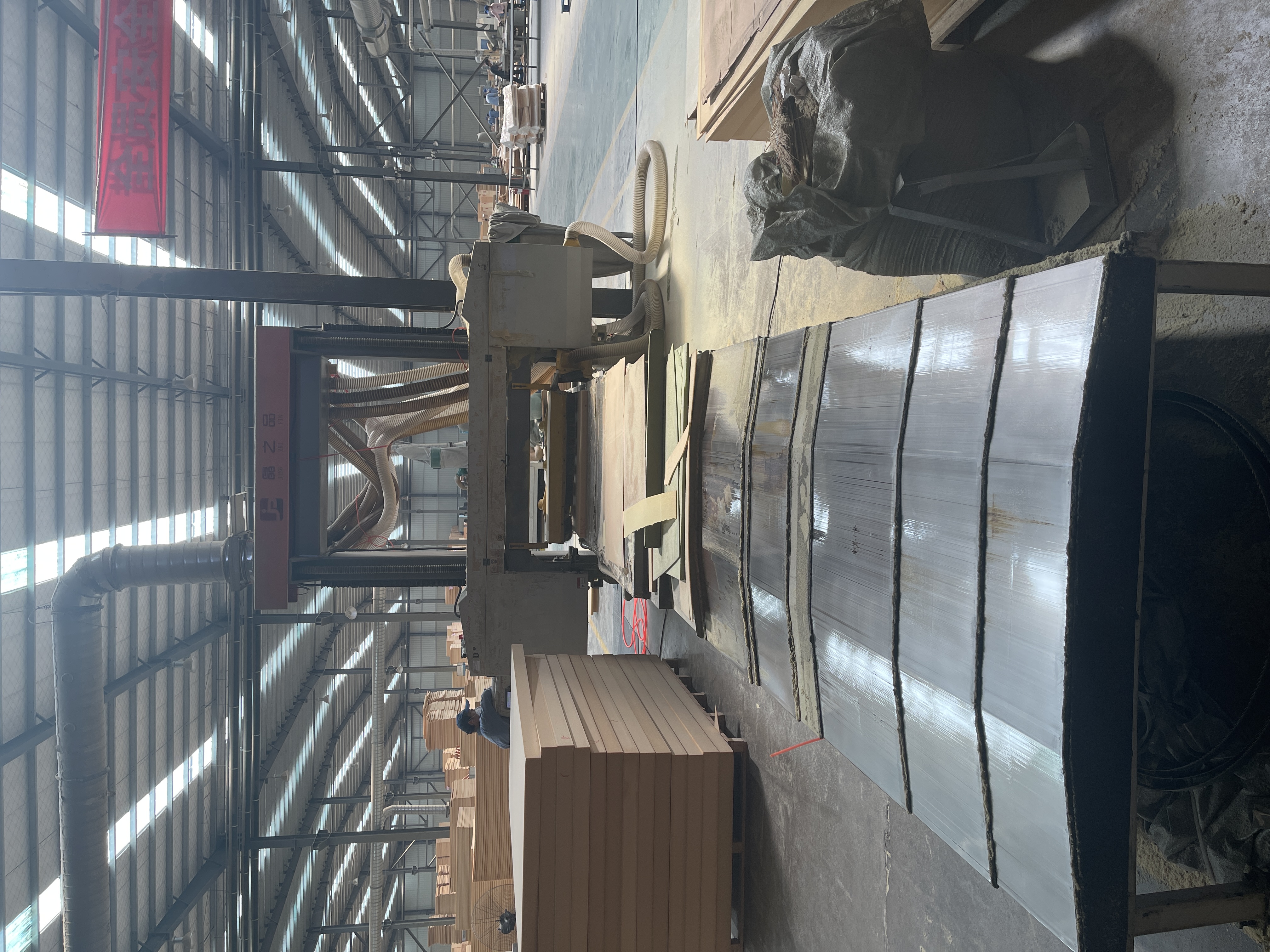
CINON operates a 40,000 m² facility and reports an annual output capacity of 1,200,000 m². Monthly production capacity is 100,000 m². The company exports 100% of its output to Europe, North America, and Asia-Pacific markets. For a manufacturer planning continuous production, this level of capacity means the same material family can scale with order volumes. It also reduces the need to qualify multiple sources for the same structure.
Clear Commercial and Delivery Parameters
Long-term planning depends on predictable rules. CINON states a minimum order quantity of 1,000 square meters. Typical production lead time is 15 to 30 days. Payment terms are 30% deposit in advance and 70% balance by TT before shipment. Available delivery terms include FOB, CIF, and EXW. These parameters are simple, but they allow a purchasing team to build a supply schedule instead of renegotiating every order.
Quality Control That Protects Repeatability
Consistency is the core of long-term supply. CINON applies several layers of control:
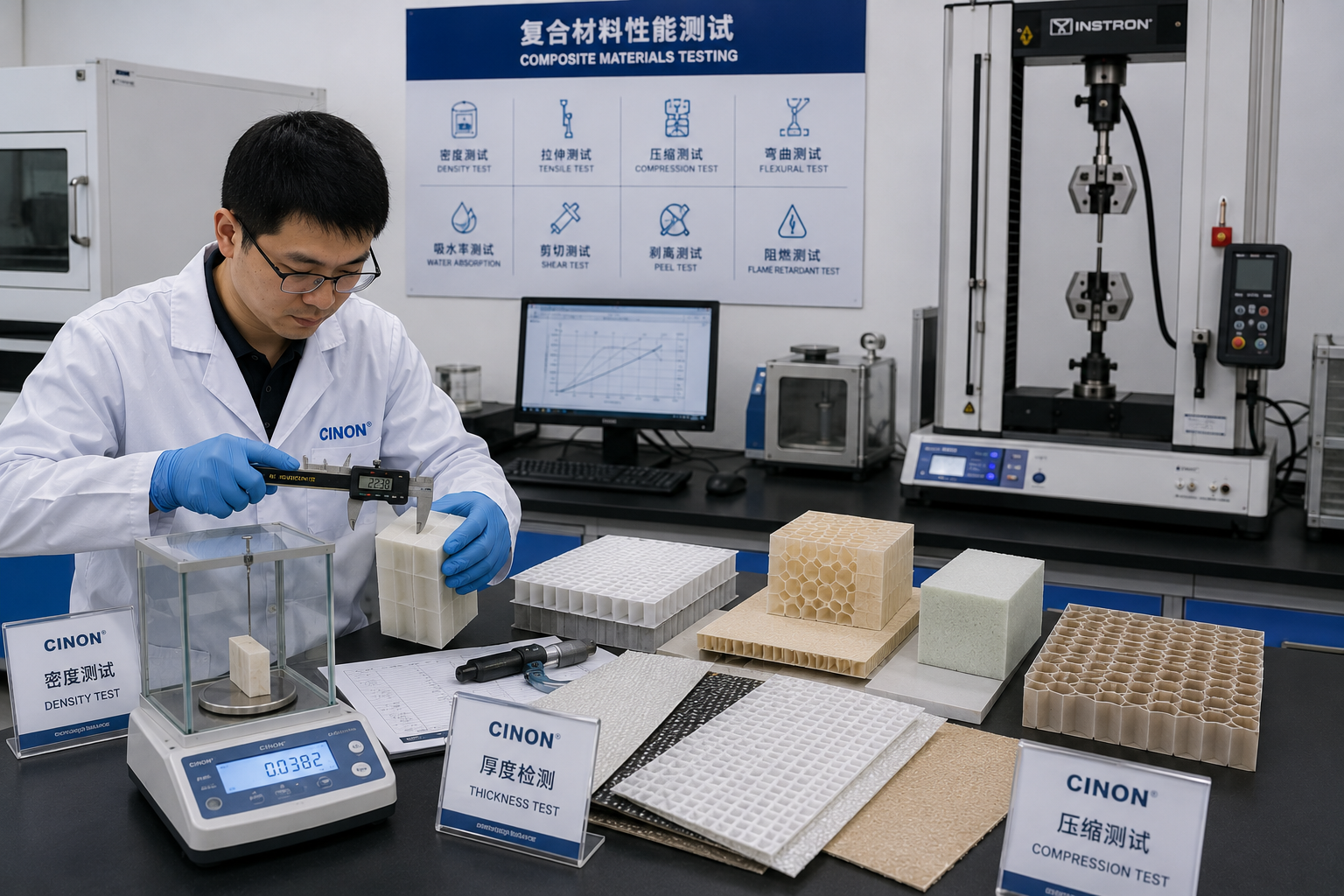
- All dimensions, thickness, density, roll length, width, and weight are confirmed before production.
- First-piece inspection is conducted before mass production.
- Each production batch undergoes density, thickness, weight, and appearance inspection.
- Test reports are available upon request.
- Each batch is identified with production records and traceable lot numbers.
Batch traceability matters when a customer needs to verify a specific delivery or investigate a process issue. Without lot numbers, a quality problem becomes a full-inventory problem. With lot numbers, it becomes a single-batch problem.
Export Packaging and Logistics Protection
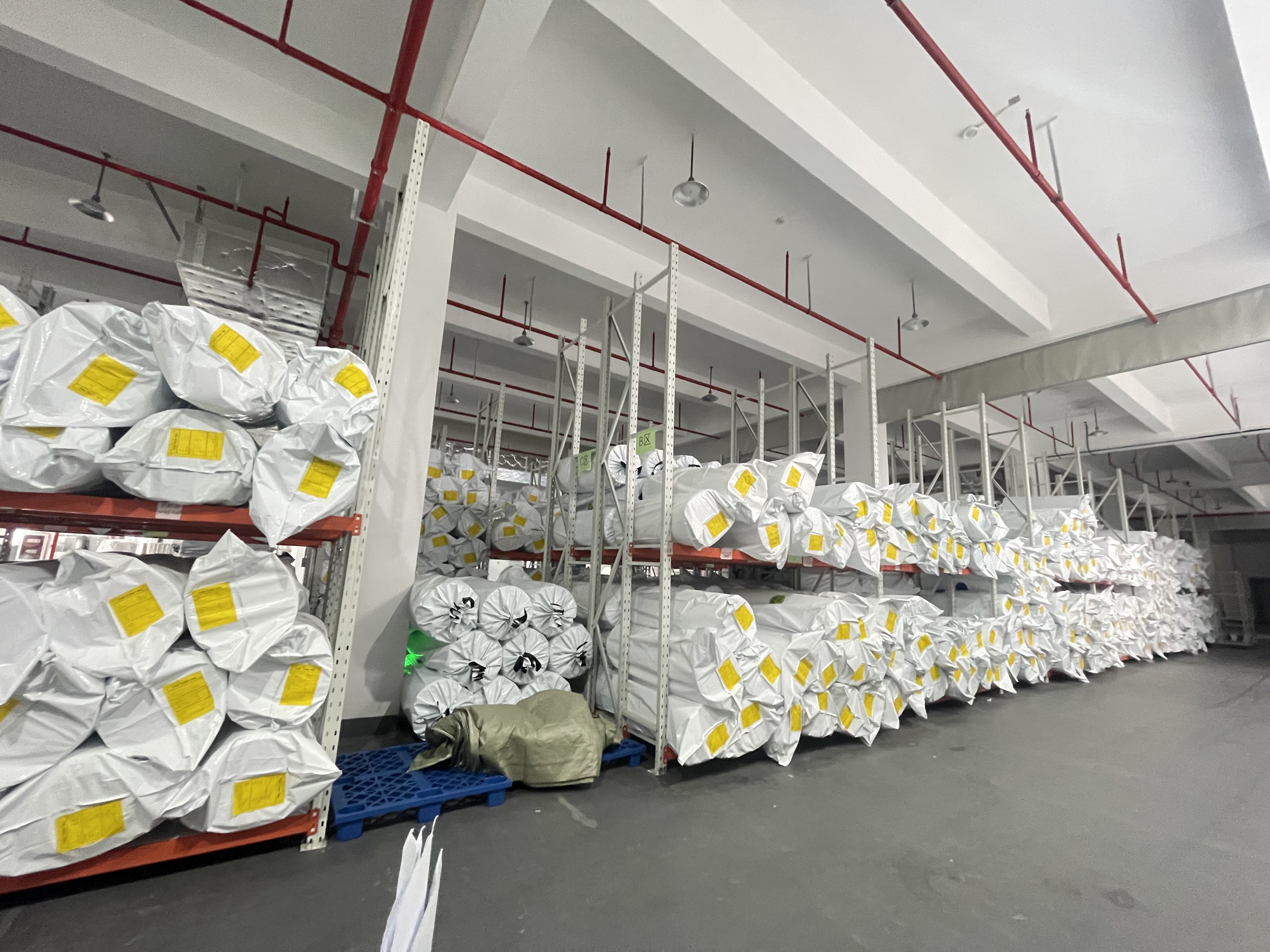
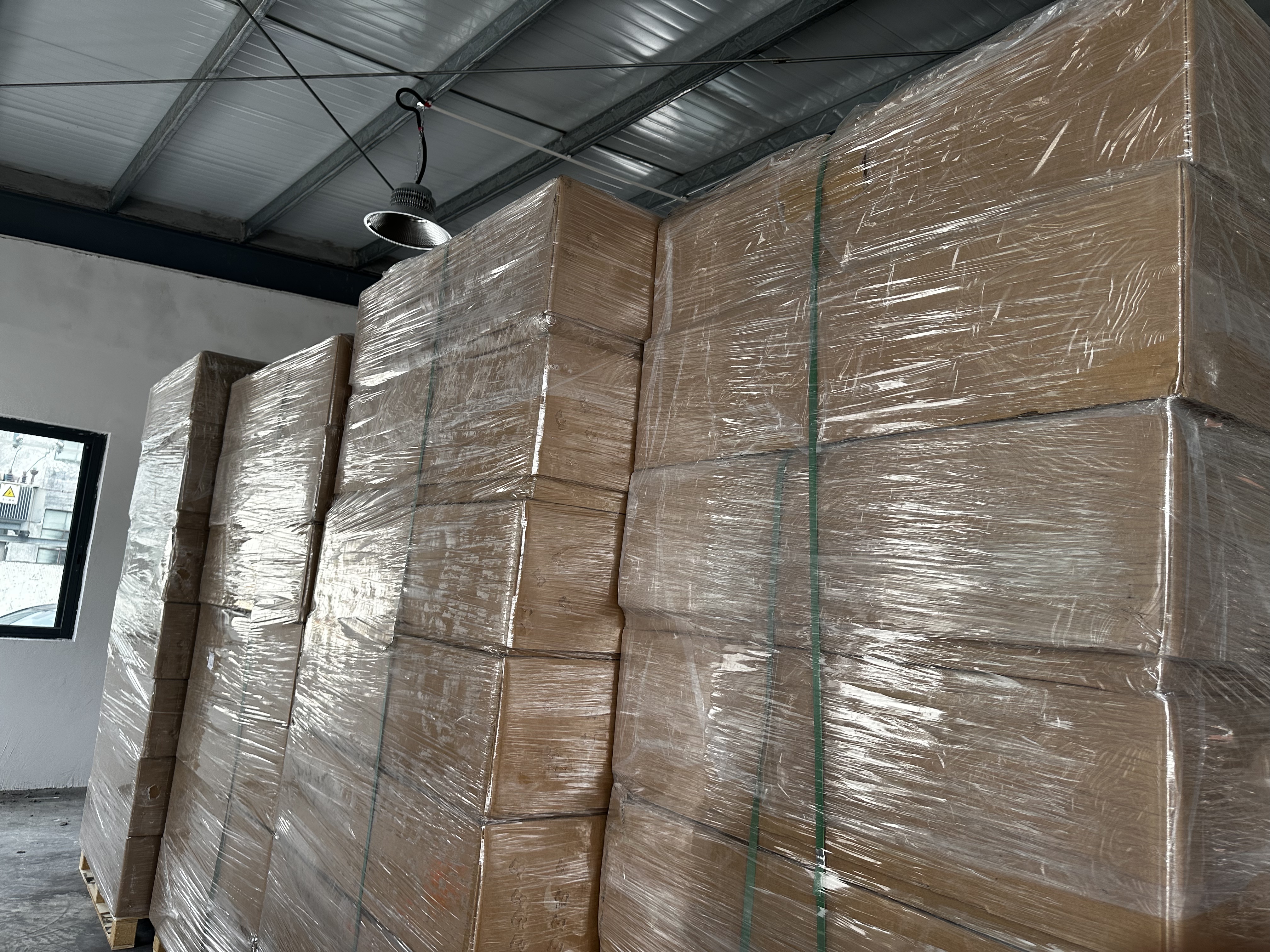
Core materials are lightweight but not immune to transport damage. CINON packs products with reinforced pallets, moisture-proof wrapping, corner protection, and export-standard packaging. Packing sizes are also checked against container dimensions. For overseas buyers, this reduces two common problems: damaged material on arrival and wasted container space.
Technical Evaluation Support Before Order Confirmation
Selecting the wrong core material is a design-level risk. CINON provides engineering support to recommend suitable core materials, fiberglass reinforcements, and manufacturing processes before order confirmation. This is particularly useful when a buyer is moving from another material system to a new supply source.
A Product Range That Supports Multi-Project Programs
A long-term supplier should be able to cover more than one SKU. CINON's product range includes fiberglass fabrics, biaxial fabrics, PET foam core, PVC foam core, PMI foam core, Core Mat, PP honeycomb, and aramid honeycomb. These materials are used in boat building, yacht construction, wind turbine blades, transportation panels, UAV structures, and industrial composite components. With multiple material families under one roof, a manufacturer can reduce the number of suppliers in its qualification system.
How a Long-Term Core Material Order Moves from Inquiry to Repeat Shipment
- Submit requirements. Share target density, thickness, roll width and length, quantity, manufacturing process, and application.
- Confirm specifications before production. Dimensions, thickness, density, roll length, width, and weight are validated in advance.
- Use technical evaluation support if needed. CINON engineering can recommend the core material, reinforcement, or process for the application.
- Schedule the order. Production planning and inventory management are used to protect the lead time.
- Carry out first-piece inspection before mass production. This prevents errors from being repeated across a large batch.
- Verify the batch before shipment. Density, thickness, weight, and appearance checks are performed, and test reports can be provided.
- Pack and dispatch. Export-standard packaging, FOB/CIF/EXW terms, and container-fit packing are applied.
- Repeat with traceability. Production records and lot numbers make the next order easier and more consistent.
Core Material Supply Scenarios for Long-Term Programs
Boat Building, Yacht Hulls and Decks
Marine structures need cores that resist moisture and support local loads. In the marine structural core materials market, PVC is expected to remain dominant because of moisture resistance. CINON supplies PVC foam core for high-load areas and Core Mat for boat hulls, boat decks, and general infusion structures. In CINON's comparison data, Core Mat is generally 20–50% lower in cost than PVC foam, while PVC foam typically provides 2–5 times higher compression strength. A long-term boat-building program can use both materials in different parts of the same structure.
Wind Turbine Blades and Renewable Energy Components
Wind blade manufacturing combines large surface areas with strict weight control. PET foam is a common choice in wind energy because it offers better recyclability and temperature resistance; CINON's comparison data shows PET foam is usually 10–20% lower in cost than PVC foam. Market data also explains why demand is rising: wind turbine blade composite materials reached USD 7.045 billion in 2024, and China's production capacity exceeded 35 GW. For blade manufacturers, a stable supply of PET, PVC, PMI, and glass reinforcements is part of production planning.
Transportation, RV, Truck Body and Railway Interior Panels
Transportation panels are built for weight reduction and predictable flatness. The global RV composite panels market was valued at USD 3.8 billion in 2025, with fiberglass segments holding 41.3% of the material share. PET foam and Core Mat are often selected for flat sandwich panels in transportation and interior applications, including RV panels, truck body panels, and similar lightweight structures. Railway interior panels fall in the same lightweight engineering category, although specific certification requirements should always be confirmed separately by the buyer.
Aerospace, Defense and UAV Structures
For UAV and radome programs, PMI foam core offers isotropic properties and easier machining. For aerospace and defense structures where stiffness-to-weight ratio matters most, aramid honeycomb is often preferred. CINON supplies both material families, which gives buyers a single partner for prototypes and serial production across different stiffness targets.
Vacuum Infusion and Core Mat as a Soric Alternative
Vacuum infusion processes depend on resin flow across the part. Some manufacturers use non-woven polyester cores as internal flow media; for example, Lantor Soric XF and SF act as internal flow media, and Soric SF has fine hexagon cells of 2–3 mm for sharp corners. CINON Core Mat is an alternative solution for lightweight sandwich construction and infusion applications. In CINON's comparison data, Core Mat is used in boat hulls, boat decks, and general infusion structures, and is generally 20–50% lower in cost than PVC foam. Buyers seeking a second source for flow-media-type cores can evaluate Core Mat against their existing process parameters.
Core Material Comparison for Long-Term Program Planning
The table below summarizes differences from CINON comparison data. It is not a complete engineering specification; final selection should be confirmed with density, thickness, and project requirements.
| Material | Key Characteristics | Typical Applications | Cost Consideration |
|---|---|---|---|
| PVC Foam | 20–40% higher compression strength than PET; moisture resistance | Marine, high-load structures, performance composites | Not specified in comparison data |
| PET Foam | Better recyclability and temperature resistance | Wind energy, transportation, industrial panels | Usually 10–20% lower cost than PVC foam |
| Core Mat | Combines resin flow with lightweight sandwich construction | Boat hulls, boat decks, general infusion structures | Generally 20–50% lower cost than PVC foam |
| PMI Foam | Isotropic properties; easier machining | UAV, radome, sports equipment | Depends on density, thickness, and project requirements |
| Aramid Honeycomb | Higher stiffness-to-weight ratio | Aerospace, defense, high-end sandwich structures | Depends on density, thickness, and project requirements |
Frequently Asked Questions About Long-Term Core Material Supply
How does CINON ensure consistent quality across core material batches?
CINON confirms all dimensions, thickness, density, roll length, width, and weight before production and performs first-piece inspection before mass production. Each production batch undergoes density, thickness, weight, and appearance inspection, and test reports are available on request. Batch numbers and production records support traceability.
What is CINON's production capacity for core materials?
CINON operates a 40,000 m² facility with an annual output capacity of 1,200,000 m² and a monthly production capacity of 100,000 m². Export markets include Europe, North America, and Asia-Pacific.
What are the minimum order quantity and payment terms?
The minimum order quantity is 1,000 square meters. Payment terms are 30% deposit in advance and 70% balance by TT before shipment. Delivery terms include FOB, CIF, and EXW.
Can we evaluate CINON core materials before a production order?
Buyers can contact CINON to discuss the target application, density, thickness, and required quantity. The engineering team can confirm whether a sample or pre-production trial is the appropriate next step.
What is the typical production lead time?
Typical production lead time is 15 to 30 days. Production planning and inventory management help maintain stable lead times for regular products and urgent projects. For current lead-time information, sample qualification, or a quote, contact waylon@cinoncomposites.com or download the CINON catalog.
Choosing a Core Material Supplier for the Long Run
For composite manufacturers at the decision and execution stage, the value of a supplier is measured over multiple orders, not one shipment. Capacity, lead time, batch traceability, packaging discipline, and technical support determine whether a material program runs smoothly.
CINON's supply model is built on concrete controls: 100,000 m² monthly capacity, 15–30 day typical lead time, 1,000 m² minimum order quantity, batch verification, export-grade packaging, and engineering support before order confirmation. These are not marketing claims; they are the operating parameters that purchasing and production teams can plan around.
Next step: Review the full CINON Composites catalog or contact the sales team for specifications, current lead time, and pricing.
Email: waylon@cinoncomposites.com | Tel: +86 186-2098-8848 | WhatsApp: +86 135-8036-3674 | cinoncomposites.com