
PVC Foam Core vs. Alternatives: A Comparison Guide for Marine, Wind and Transport
Core material is one of the few decisions in a composite sandwich panel that is cheap to change on a drawing and expensive to change in a mould. Once the laminate schedule, core thickness and infusion process are locked into tooling, drawings and supplier agreements, switching from PVC foam core to PET foam, PMI foam, Core Mat or a honeycomb core means re-validating the panel — and in some cases reworking the tool.
This comparison guide is written for buyers who are already at that decision point. It compares PVC foam core against the materials most often quoted against it — PET foam, PMI foam, Core Mat, PP honeycomb and aramid honeycomb — using published density, thickness and cost-position data, and it frames the comparison around the three applications where the choice matters most: marine, wind energy and transport.
Problem Definition: Why the Core Material Decision Is Hard to Reverse
A core material decision is a specification commitment. Once core thickness and laminate schedule are locked into tooling and purchase orders, changing the material usually means re-testing the panel, re-qualifying the bond and, in some cases, rebuilding the mould. That is why the decision is normally taken with a shortlist of two or three materials rather than one, and why that shortlist is almost always built around PVC foam core.
PVC foam core is a closed-cell PVC foam supplied in a 1–80 mm thickness range. Its role in a sandwich structure is to reduce weight, improve strength and stiffness, and provide corrosion resistance. The decision problem is therefore not understanding what PVC foam does — it is judging whether PVC foam is necessary for a given panel, or whether PET foam, PMI foam, Core Mat or a honeycomb core delivers the same outcome for less money or less weight.
Three failure modes drive the cost of getting this choice wrong:
- Under-specifying the core. A core with lower compression strength than the load case requires can crush under point loads, print through the skin, or fail at the skin-to-core bond.
- Over-specifying the core. Paying for mechanical performance the structure never uses removes the weight and cost advantage the sandwich was designed to deliver in the first place.
- Mismatching the process. A core that cannot be infused, bonded or machined inside the existing production method creates scrap, rework and schedule risk regardless of its datasheet values.
Every alternative below trades one of PVC foam's properties for an advantage somewhere else — cost, recyclability, temperature resistance, weight or machining behaviour. The comparison is therefore structured around trade-offs rather than a single ranking.
Industry Background: Where Core Material Demand Is Coming From
Demand for lightweight core materials is being driven by three end markets at the same time. The global core materials market was valued at USD 4.19 billion in 2024 and is projected to reach USD 6.84 billion by 2032, driven by wind energy and aerospace demand (Vertex Industry Report, 2024).
Marine is the smaller segment, but it is the most material-specific. The marine structural core materials market reached USD 120.4 million in 2024, and PVC is expected to remain the dominant material in that segment because of its moisture resistance (Stratview Research, 2024). That expectation matches how PVC foam is specified in practice: closed-cell construction limits water uptake and resin absorption, which matters in hulls and decks exposed to continuous moisture.
Wind energy is the largest structural driver. The wind turbine blade composite materials market was valued at USD 7.045 billion in 2024, with China's production capacity exceeding 35 GW, and Asia Pacific held a 78.2% value share of the global wind turbine composites market in the same year (Cognitive Market Research; MarketsandMarkets, 2024).
Transport is the third driver and the one operating under the strongest cost pressure. The global RV composite panels market was valued at USD 3.8 billion in 2025, with fiberglass segments holding 41.3% of the material share (Dataintelo, 2025).
At specification level, these figures mean something practical: the core material market is large enough to sustain several material families, and none of them wins every application. That is exactly why a comparison framework, rather than a single best-material claim, is the correct decision tool.
PVC Foam Core and Its Alternatives: A Property-by-Property Comparison
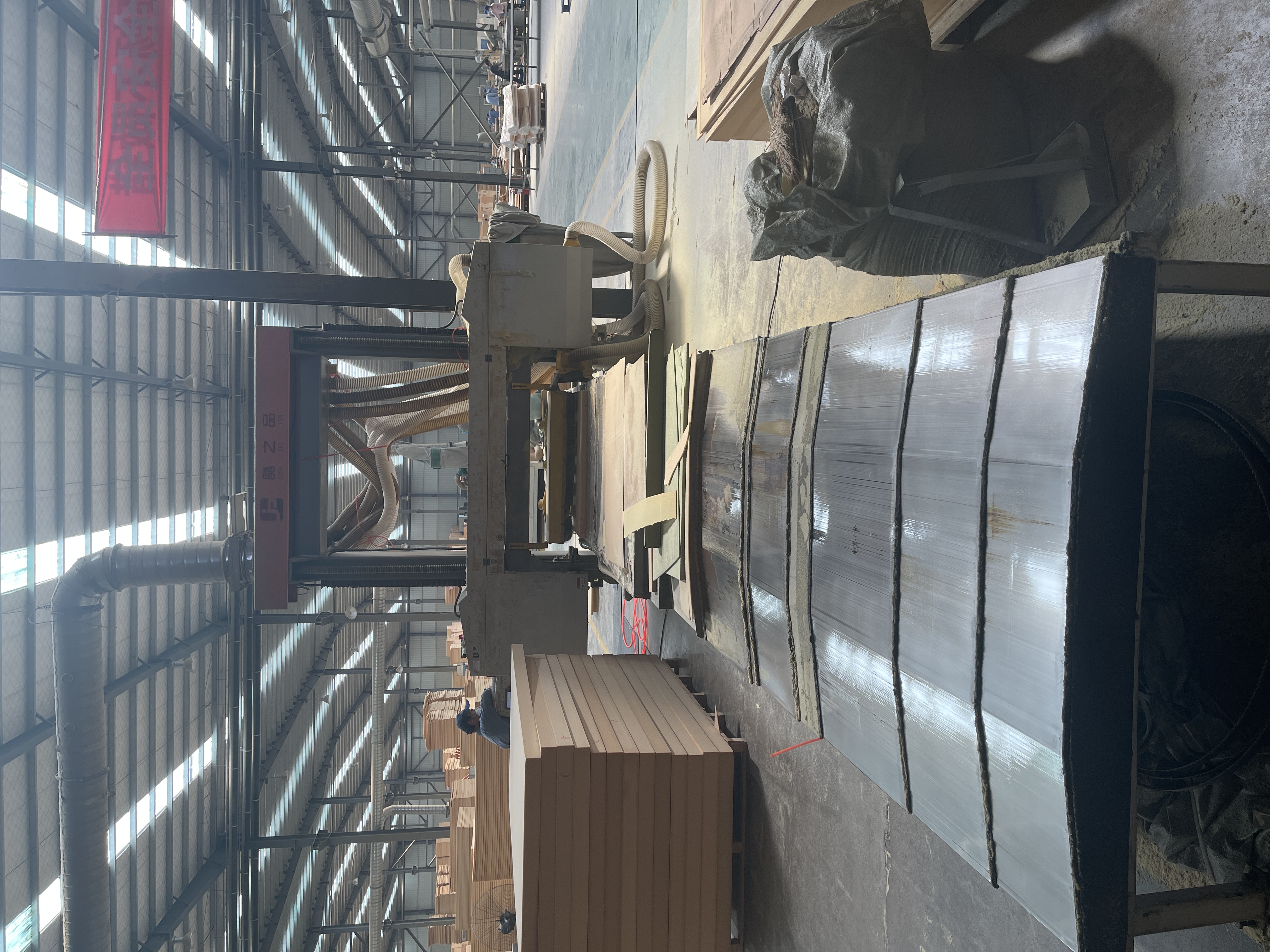
CINON Composites (Guangdong Cinon New Material Technology Co., Ltd.), founded in 2022 in Guangzhou, supplies fiberglass reinforcements and lightweight core materials — PET foam core, PVC foam core, PMI foam core, Core Mat, PP honeycomb and aramid honeycomb — from a 40,000 m² facility with an annual output of 1,200,000 m² and a 25-engineer R&D team, exporting to Europe, North America and Asia-Pacific markets. The material notes below reflect the specification ranges used in that portfolio and in the wider core material market.
PVC foam core: the closed-cell reference point
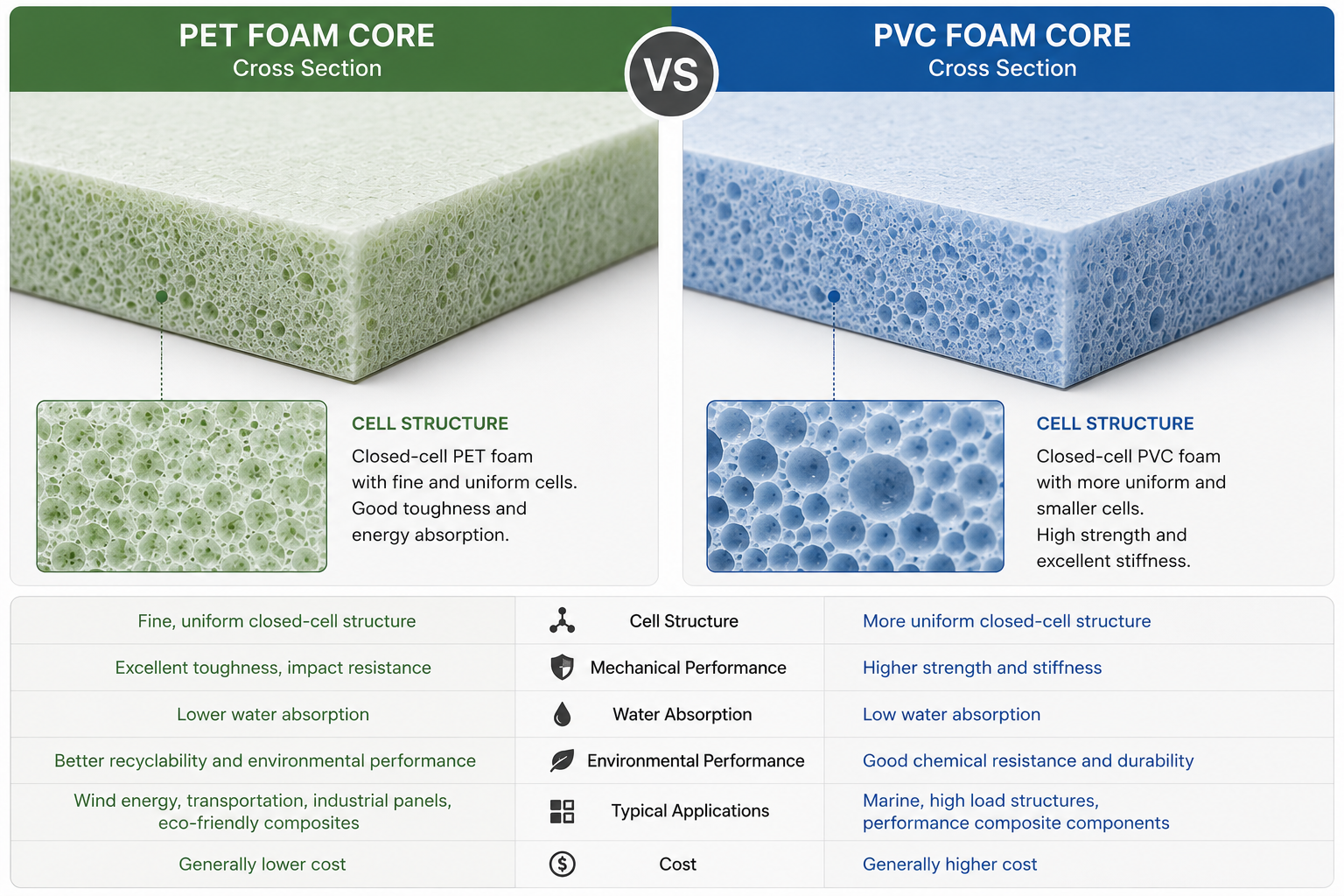
PVC foam core is a closed-cell PVC foam supplied in thicknesses from 1 mm to 80 mm. Closed-cell construction is the property that separates it from open-cell and flow-media cores: it limits resin uptake during infusion, resists water ingress and holds compression strength in high-load areas. Within this comparison set, PVC foam typically provides 20–40% higher compression strength than PET foam and 2–5 times higher compression strength than Core Mat.
Because PVC foam is the incumbent material in marine and high-load sandwich construction, it is also the material most often benchmarked against branded PVC foam systems such as Divinycell. In most cases, buyers evaluating PVC foam core are comparing grades, thickness ranges and supply conditions rather than a different chemistry.
Best fit: boat hulls, yacht decks, high-load structural sandwich panels and wind energy components.
PET foam: the cost and recyclability trade
PET foam is supplied across a density range of roughly 80–320 kg/m³ and is positioned at 10–20% lower cost than PVC foam, with lower energy consumption during raw material production and recycling. It also offers better temperature resistance and better recyclability.
The trade-off is mechanical: PVC foam typically delivers 20–40% higher compression strength, so PET foam suits panels where stiffness and weight targets can be met with a lower compression class.
Best fit: wind energy, transportation and industrial panels, where recyclable waste treatment and lower long-term maintenance cost are additional considerations.
PMI foam: the isotropic, machinable option
PMI foam is supplied in densities of roughly 40–130 kg/m³ and provides isotropic properties with easy machining. It is used where tight tolerances and predictable machining matter more than cost per square metre.
Best fit: UAV structures, radomes and sports equipment. Against aramid honeycomb, PMI foam offers better machining efficiency, while aramid honeycomb offers a higher stiffness-to-weight ratio.
Core Mat: the infusion flow alternative
Core Mat combines resin flow and lightweight sandwich construction in a single layer. Compared with PVC foam core, it is generally 20–50% lower in cost, while PVC foam typically provides 2–5 times higher compression strength. Both materials require minimal maintenance after lamination.
Core Mat is also the practical alternative to Soric XF and Soric SF — the non-woven polyester cores used as internal flow media for resin infusion, where Soric SF uses fine hexagon cells of 2–3 mm for sharp corners. Where a laminate needs resin distribution rather than structural compression strength, Core Mat delivers that function at a lower material cost.
Best fit: boat hulls, boat decks and general infusion structures.
PP honeycomb and aramid honeycomb: cell structures, not foams
PP honeycomb core is supplied in thicknesses from 5 mm to 100 mm. Aramid honeycomb is commonly supplied in a 2440 × 1220 mm sheet format and offers the highest stiffness-to-weight ratio among the materials compared here. For both materials, cost competitiveness depends on density, thickness and project requirements.
Best fit: aramid honeycomb suits aerospace, defense and high-end sandwich structures, where stiffness-to-weight outweighs material cost and processing complexity. PP honeycomb is used in lightweight sandwich panels where a cell structure is preferred over foam — with the caveat that honeycomb cells must be filled or bonded correctly to avoid resin pooling and bond-line voids.
Step-by-Step Breakdown: A Seven-Step Core Material Decision Process
The comparison above only becomes a decision when it is applied in sequence. The following process mirrors how core material is normally confirmed before an order is placed.
Step 1 — Define the service environment before the material
Start with moisture, temperature and fatigue exposure, not with a datasheet. Marine hulls and decks see continuous moisture exposure, which is why PVC foam remains dominant in marine structural cores. Transportation and industrial panels often prioritise temperature resistance and recyclability, where PET foam performs better. UAV, radome and aerospace structures prioritise stiffness-to-weight, which points toward PMI foam or aramid honeycomb.
Step 2 — Set the stiffness and weight target, then choose the density
Density drives both weight and mechanical performance. The density ranges in this comparison are wide — 40–130 kg/m³ for PMI foam and 80–320 kg/m³ for PET foam — so the density decision is usually made from a stiffness calculation rather than from a catalogue page. Selecting a density above the requirement is the most common form of over-specification.
Step 3 — Match thickness and sheet format to the laminate schedule
PVC foam core covers 1–80 mm, which allows one material family to serve thin panels and thick high-load sections. PP honeycomb is supplied from 5 mm to 100 mm, and aramid honeycomb in 2440 × 1220 mm sheets. Check that the chosen thickness and sheet size reduce cutting waste in the actual panel layout, not only on the specification sheet.
Step 4 — Check process compatibility with the infusion method
A material that performs well on a datasheet can still fail in production. Closed-cell PVC foam limits resin uptake; Core Mat distributes resin as an internal flow medium, which is why it is used as an alternative to Soric XF and Soric SF in infusion laminates; honeycomb requires controlled cell filling to avoid resin pooling. Match the core to the process before locking the laminate schedule.
Step 5 — Compare cost per finished part, not cost per square metre
Unit prices are misleading in this category. PET foam is 10–20% lower in cost than PVC foam and Core Mat is 20–50% lower, but Core Mat also delivers 2–5 times lower compression strength than PVC foam, and PET foam offers 20–40% lower compression strength. If a lower-cost core needs extra thickness or extra reinforcement to meet the load case, the saving per square metre disappears in the finished panel. Cost should be compared at equal structural performance.
Step 6 — Verify the supplier's specification and batch controls
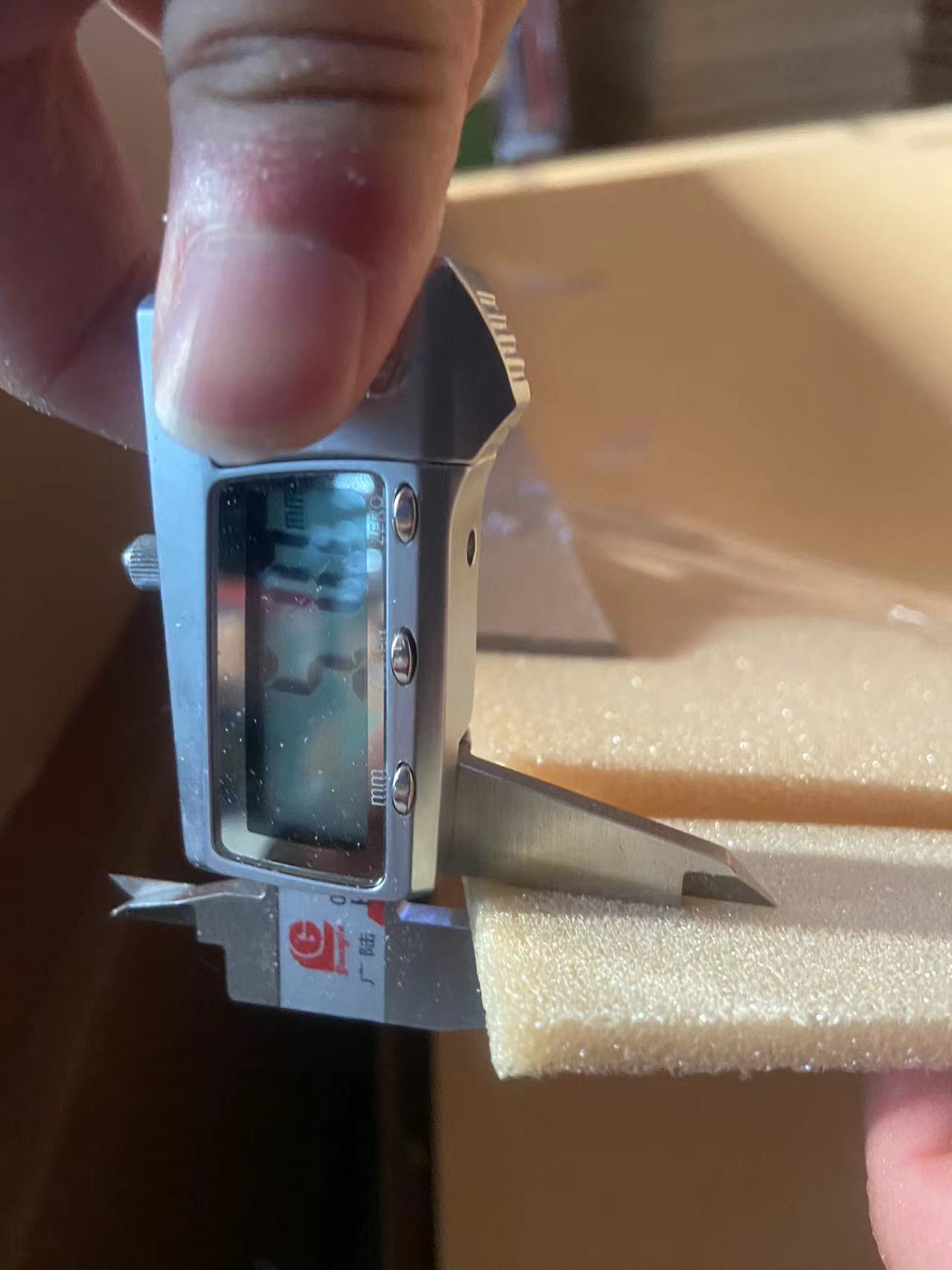
Core material performance is only as consistent as the production controls behind it. Before an order is confirmed, dimensions, thickness, density, roll length, width and weight should be confirmed, and a first-piece inspection should be completed before mass production. Each production batch should then undergo density, thickness, weight and appearance inspection, with test reports available on request, and each batch should be identified with production records and traceable lot numbers.
Step 7 — Validate with a sample and protect the delivery schedule
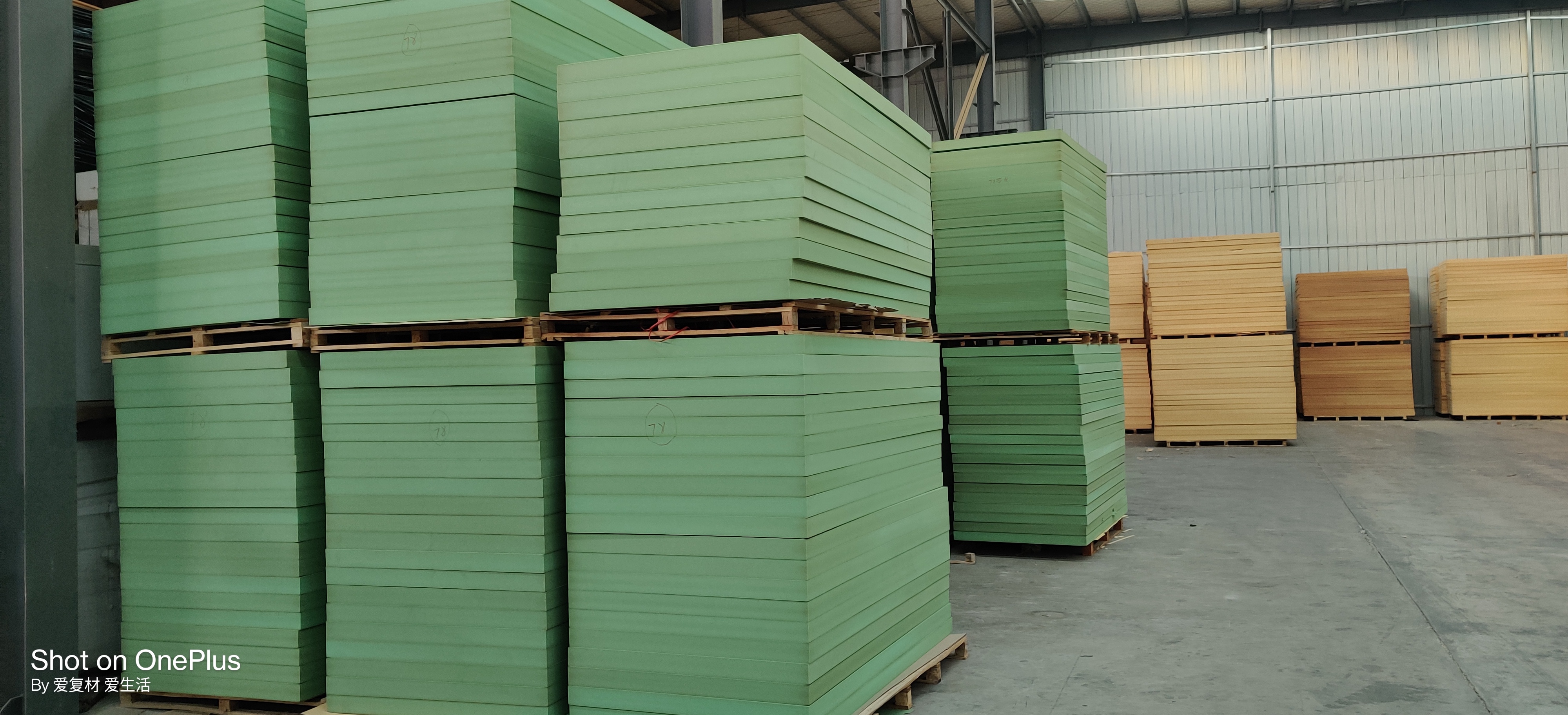
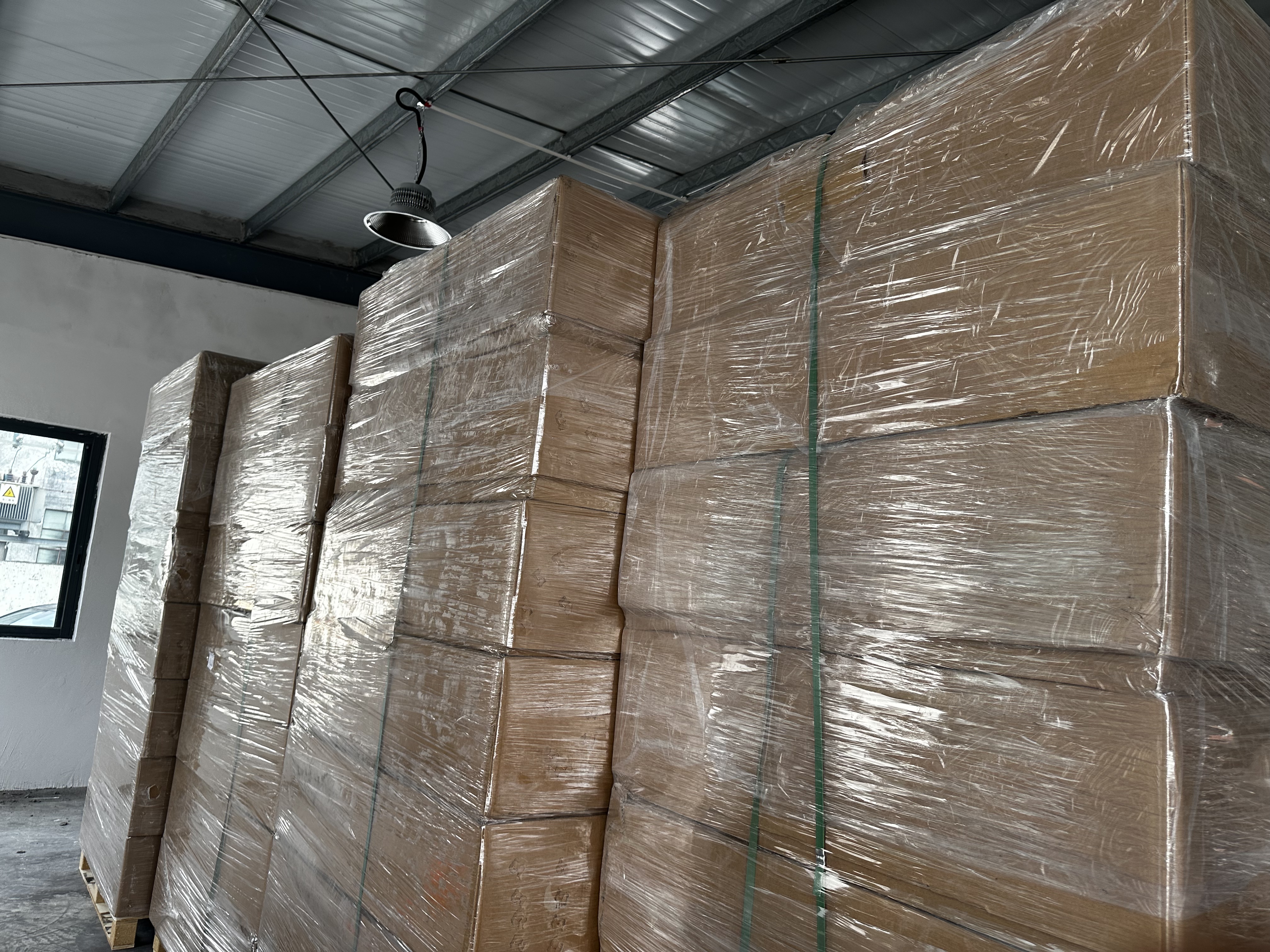
Sample validation closes the loop between the datasheet and the actual laminate: engineering support is used to confirm the core material, fiberglass reinforcement and process combination before order confirmation, rather than after the first batch. On the supply side, production planning and inventory management are what keep lead times stable for both regular products and urgent projects, and export-standard packaging — reinforced pallets, moisture-proof wrapping and corner protection — is what keeps the validated material intact on arrival.
Use Cases: Matching Core Material to Marine, Wind and Transport Projects
Boat building, yacht hulls and yacht decks
Marine is the application where PVC foam core is hardest to displace. The marine structural core materials market reached USD 120.4 million in 2024, with PVC expected to remain dominant because of moisture resistance (Stratview Research, 2024). In practice, PVC foam is specified for hulls, decks and high-load areas where compression strength and closed-cell moisture resistance are both required, while Core Mat is used for general infusion structures and for hulls and decks where resin flow matters more than compression strength — the same role filled by Soric XF and Soric SF in many laminates.
Wind turbine blades and renewable energy components
Wind is the largest structural driver in the core material market, with blade composite materials valued at USD 7.045 billion in 2024 and Asia Pacific holding a 78.2% value share of wind turbine composites (Cognitive Market Research; MarketsandMarkets, 2024). Both PVC foam and PET foam appear in this segment: PVC foam is used where higher compression strength is required in high-load components, and PET foam is selected for lower cost, better recyclability and lower energy consumption in production and recycling.
Transportation panels, truck bodies and RV panels
Transportation is where the cost comparison is most active. The global RV composite panels market was valued at USD 3.8 billion in 2025, with fiberglass segments holding 41.3% of the material share (Dataintelo, 2025). PET foam is well suited to transportation and industrial panels, while PVC foam is used in transport panels and truck bodies where compression strength and stiffness under repeated loading matter. Railway interiors and FRP panels follow the same logic: choose the lowest-cost core that meets the structural requirements of the specific panel.
Aerospace, UAV structures, composite moulds and lightweight engineering
Aerospace and UAV structures sit at the opposite end of the cost curve. PMI foam — isotropic and easy to machine — is used for UAV structures, radomes and sports equipment, while aramid honeycomb, supplied in 2440 × 1220 mm sheets, is used in aerospace, defense and high-end sandwich structures where stiffness-to-weight is the dominant criterion. Composite moulds and lightweight engineering parts more often use PVC foam or Core Mat, where cost and process simplicity outweigh the last few percent of weight saving.
Comparison Table: PVC Foam Core vs. PET, PMI, Core Mat and Honeycomb
| Core material | Density / thickness / format | Mechanical and moisture profile | Cost position vs PVC foam | Typical best-fit applications |
|---|---|---|---|---|
| PVC foam core (closed-cell) | Thickness 1–80 mm | Highest compression class in this comparison; closed-cell structure supports moisture resistance and limited resin uptake; 20–40% higher compression strength than PET foam and 2–5× higher than Core Mat | Reference point | Boat hulls, yacht decks, high-load structural sandwich panels, wind energy components |
| PET foam | Density 80–320 kg/m³ | 20–40% lower compression strength than PVC foam; better temperature resistance; better recyclability; lower energy use in production and recycling | Typically 10–20% lower | Wind energy, transportation panels, industrial panels |
| PMI foam | Density 40–130 kg/m³ | Isotropic properties; easy machining; better machining efficiency than aramid honeycomb; lower stiffness-to-weight than aramid honeycomb | Depends on density, thickness and project requirements | UAV structures, radomes, sports equipment |
| Core Mat | Non-woven polyester layer with resin flow function | 2–5× lower compression strength than PVC foam; combines resin flow with lightweight sandwich construction; minimal maintenance after lamination | Generally 20–50% lower | Boat hulls, boat decks, general infusion structures; alternative to Soric XF and Soric SF |
| PP honeycomb | Thickness 5–100 mm | Cell structure rather than foam; requires controlled cell filling during infusion | Depends on density, thickness and project requirements | Lightweight sandwich panels where a honeycomb cell structure is preferred over foam |
| Aramid honeycomb | Sheet format 2440 × 1220 mm | Highest stiffness-to-weight ratio in this comparison | Depends on density, thickness and project requirements | Aerospace, defense, high-end sandwich structures |
Two notes on reading this table. First, the cost column compares like-for-like compression performance at material level; it does not include additional reinforcement that may be needed to compensate for lower core strength. Second, the fit column lists applications where each material is typically used — it is not a statement that any one material is unsuitable elsewhere.
FAQ: PVC Foam Core Selection in Practice
1. What specification and quality documentation should be confirmed before ordering core material?
Before production, all dimensions, thickness, density, roll length, width and weight should be confirmed, and a first-piece inspection should be completed before mass production begins. Each production batch should then be checked for density, thickness, weight and appearance, and each batch should carry production records and traceable lot numbers so that any deviation can be traced back to the material and the run it came from. Test reports are available on request. Together, these controls address the two most common buyer risks in core material supply: specification deviation and batch-to-batch variation.
2. Can a single PVC foam core specification cover marine, wind and transport projects?
The material family can, but the specification usually cannot. PVC foam core is supplied in a 1–80 mm thickness range and is used to reduce weight, improve strength and stiffness and provide corrosion resistance, which makes it applicable to boat hulls, yacht decks, wind energy components and transportation structures. However, the thickness that suits a yacht deck is rarely the thickness that suits a lightweight transport panel, and a wind component may need a higher compression class than a general FRP panel. Engineering support is normally used to confirm the core material, fiberglass reinforcement and process combination for each project before order confirmation.
3. Is PVC foam core more expensive than PET foam or Core Mat?
Yes, at material level. PET foam is typically 10–20% lower in cost than PVC foam, and Core Mat is generally 20–50% lower. That price difference buys mechanical performance: PVC foam typically provides 20–40% higher compression strength than PET foam and 2–5 times higher compression strength than Core Mat. The correct comparison is therefore cost per finished part at equal structural performance — if a cheaper core needs extra thickness or reinforcement to meet the load case, the unit-price advantage is consumed inside the laminate.
4. How should a buyer validate PVC foam core before committing to mass production?
Validation normally runs in three stages: a technical evaluation to confirm the right core grade, reinforcement and process for the application; a sample stage where the material is laminated and inspected under the buyer's own process conditions; and a pre-production stage where dimensions, thickness, density and weight are confirmed and a first-piece inspection is completed before mass production. This sequence catches process mismatches — resin uptake, bond quality, machining behaviour — while they are still inexpensive to correct.
5. What protects delivery timelines and material condition during shipping?
Lead time stability comes from production planning and inventory management, which keep schedules consistent for both regular products and urgent projects. Material condition depends on packaging: reinforced pallets, moisture-proof wrapping, corner protection and export-standard packing sized to fit the container. Together these reduce the two logistics risks that affect composite manufacturers most — delivery delay and transportation damage. To start a specification review or request samples, contact CINON Composites at waylon@cinoncomposites.com.
Conclusion: When PVC Foam Core Is the Right Answer
PVC foam core wins on a specific combination, not on a general claim. It is the material to specify when a panel needs high compression strength, moisture resistance and closed-cell infusion behaviour at the same time — typically boat hulls, yacht decks, high-load structural sandwich panels and wind energy components.
When the requirement is lower, the alternatives are usually more efficient. PET foam delivers lower cost, lower production energy and better recyclability for wind energy, transportation and industrial panels, at 20–40% lower compression strength than PVC foam. Core Mat handles resin flow and general infusion structures at 20–50% lower cost, in the same role that Soric XF and Soric SF fill in other laminates. PMI foam and aramid honeycomb move in the opposite direction, toward isotropic machining and maximum stiffness-to-weight for UAV, radome, aerospace and defense structures.
The practical conclusion for a buyer at the decision stage is to compare materials at equal structural performance, then validate the chosen core with a sample rather than a datasheet. Market direction supports that discipline: the global core materials market is projected to grow from USD 4.19 billion in 2024 to USD 6.84 billion by 2032 on wind energy and aerospace demand, while PVC is expected to remain dominant in marine structural cores because of its moisture resistance.
Next step: send your panel specification — application, load case, target thickness and process — and CINON Composites will confirm whether PVC foam core, PET foam, PMI foam, Core Mat or a honeycomb core fits the project. Samples and test reports are available on request.
Email: waylon@cinoncomposites.com · Tel: +86 186-2098-8848 · WhatsApp: +86 135-8036-3674 · Website: cinoncomposites.com
Download the CINON Core Materials & Fiberglass Catalogue (PDF).
Have Questions or Need More Details?
Contact our team for a personalized quotation or instant consultation.
Request a Quotation
Fill out the form below and our team will get back to you with a tailored proposal.
WhatsApp Direct Chat
Prefer to chat in real-time? Message us on WhatsApp for instant assistance & quick answers.
- Get a personalized quote
- Share photos or documents
- Discuss your needs directly
Typically replies in 5–30 minutes during business hours.