
PVC Foam vs. PMI Foam: A Head-to-Head Decision for High-Performance Marine Composites
Short answer: specify PVC foam core when compression strength and cost efficiency govern the part — hulls, decks, bulkheads and general marine sandwich panels. Specify PMI foam core when higher service-temperature resistance, isotropic behaviour and precision machining govern the part — weight-critical, heat-exposed, tight-tolerance components. Both materials perform the same function inside a sandwich laminate: they reduce weight, improve strength and stiffness, and contribute corrosion resistance. The difference is what each one protects you from, and what each one costs per square metre of finished laminate.
This guide is written as a head-to-head decision, because that is how the question actually reaches a buyer: two materials, one laminate slot, two opposite risk profiles.
- PVC foam core — a closed-cell structural foam supplied from 1 mm to 80 mm thickness, positioned as a Divinycell-type alternative for marine, high-load and performance composite structures.
- PMI foam core — a high-performance foam supplied at 40–130 kg/m³, positioned as a Rohacell-type alternative for components where heat resistance, isotropy and machining quality outweigh material cost.
Both are produced and supplied by CINON Composites (Guangdong Cinon New Material Technology Co., Ltd), a Guangzhou-based manufacturer of fiberglass reinforcements and lightweight core materials — PET foam core, PVC foam core, PMI foam core, Core Mat, PP honeycomb and aramid honeycomb — used in marine, transportation, wind energy, industrial and aerospace composite applications.
The Real Problem: One Sandwich Slot, Two Opposite Failure Modes
A core material decision fails in two directions, and both are expensive.
Under-specification looks like this: PVC foam is chosen because it is familiar and cost-efficient, and the part then has to survive a hot cure cycle, a hot service environment, or a machining operation that demands dimensional stability. The failure rarely appears dramatically at the factory gate. It shows up as print-through, resin-rich zones, scrap at the CNC stage, or delamination later in service.
Over-specification looks like this: PMI foam is specified for a part that only needs low density and load-carrying capability — a general marine deck, a liner panel, a non-structural infill. Nothing fails. You simply pay a performance premium on every square metre of a programme that never needed it.
That is why the useful question is not which foam is better in general. It is which requirement is the binding constraint on this specific part. A hull panel, a deck, a machined insert and an antenna housing are four different engineering problems, and they do not all have the same answer.
Industry Background: What Marine Core Selection Looks Like in 2026
Three structural facts frame the decision.
- Standards set the baseline, not the qualification. EN ISO 12215-2:2018 specifies requirements for core materials for structural use and for materials embedded in sandwich construction, with scope covering small craft hulls and structures up to 24 m hull length. The standard defines what a core material must satisfy; it does not by itself qualify a specific grade, thickness or supplier. Documentation review therefore stays part of the buying process.
- Marine is a defined core-material market with Asia-weighted supply. The global marine structural core materials market was projected at USD 114 million for 2026 (Stratview Research), while Asia-Pacific held the largest regional share of the wider core materials market in 2025 at 39% (Fortune Business Insights). Pricing and availability for both PVC and PMI reflect that competitive manufacturing base.
- PVC is a mainstream structural core family. In wind energy — the volume-driven end of the core market — end-grain balsa, SAN foam, PVC foam and PET foam are the four material families most widely used (CompositesWorld). PVC is a reference material that marine, wind and transportation programmes are calibrated against, not a niche grade.
Scope note: the thickness and density figures used in this comparison describe the two CINON product lines under discussion — PVC foam core from 1 mm to 80 mm, and PMI foam core from 40 to 130 kg/m³. Project-specific values must always be confirmed on the grade datasheet and against the laminate design.
PVC Foam Core, 1–80 mm: The Load-and-Cost Baseline
Closed-cell PVC foam core is manufactured for sandwich panel construction, yacht hulls, wind turbine blades and industrial composite applications. Inside the CINON portfolio it is the core buyers specify when the governing requirement is structural capacity per unit of cost.
Two published material comparisons position it precisely.
- PVC foam vs PET foam: PVC foam typically offers 20–40% higher compression strength. PET foam is usually 10–20% lower in cost, consumes less energy during raw material production and recycling, and suits wind energy, transportation and industrial panel work — while PVC remains the fit for marine, high-load structures and performance composites.
- PVC foam vs Core Mat: PVC foam typically provides 2–5 times higher compression strength than Core Mat, while Core Mat is generally 20–50% lower in cost and targets boat hulls, boat decks and general infusion structures.
Read together, those two comparisons place PVC in the middle-upper tier of the portfolio: clearly stronger than flow-and-fill infusion products, clearly cheaper than high-temperature foams.
The 1–80 mm thickness range is a practical advantage rather than a marketing line. Thin PVC sheets serve weight-constrained laminate builds where core thickness is set by geometry; thicker sheets act as the structural spacing layer in decks, hull panels and bulkheads, where sandwich geometry delivers stiffness without mass. PVC also processes well in conventional vacuum infusion and hand lay-up, which is why it dominates general marine production.
Its limits deserve the same clarity. PVC is not the material to specify when a laminate must tolerate an unusually hot cure or an unusually hot service condition, and it is not the easiest foam to machine to tight tolerance on thin, complex geometry.
PMI Foam Core, 40–130 kg/m³: The High-Performance Alternative
PMI foam core is selected when the part, not the budget, sets the requirement. Two properties drive that decision: temperature resistance and isotropy.
Heat is the defining constraint. PMI foam is specified where higher service-temperature resistance is required — in laminates exposed to hot cure cycles, hot operating environments, or both. Where a PVC core would become the limiting factor in the thermal envelope of a part, PMI moves that limit outward. Because the usable figure depends on the density grade and the resin system, buyers should confirm the exact service-temperature value on the supplier datasheet rather than relying on a generic number.
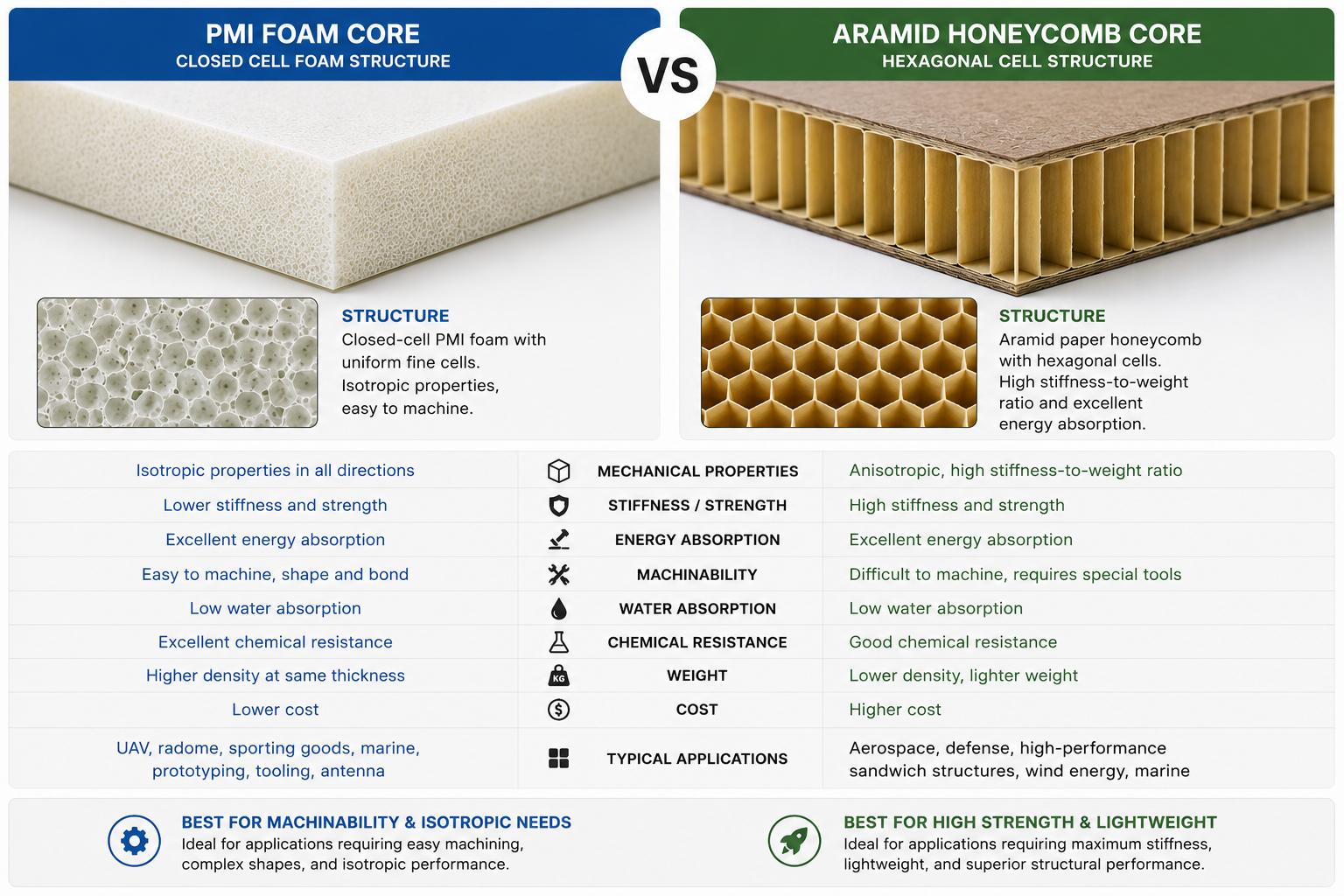
Isotropy changes how the part is designed and how it is machined. PMI foam provides isotropic properties, meaning the material behaves consistently in all directions. That matters in components with complex load paths and, just as often, in components that are machined rather than moulded: PMI foam offers easy machining and better machining efficiency than aramid honeycomb, which is why it appears wherever cores must be cut, shaped or fitted to tolerance.
The trade-off against other high-performance cores is well defined. Aramid honeycomb delivers the higher stiffness-to-weight ratio, while PMI foam delivers isotropic properties and better machining efficiency; selecting between the two is project-specific, and cost competitiveness depends on density, thickness and project requirements.
The documented application set for PMI — UAV structures, radomes and sports equipment — describes exactly this profile: thin, highly loaded, weight-critical and frequently thermally exposed. That description also matches the upper end of high-performance marine work, where antenna housings and weight-critical structural parts operate under conditions that general marine structures never meet.
Head-to-Head Comparison: PVC Foam Core vs. PMI Foam Core
| Decision factor | PVC foam core | PMI foam core |
|---|---|---|
| Supplied thickness / density envelope | 1–80 mm thickness | 40–130 kg/m³ density |
| Core function in the sandwich | Reduce weight, improve strength and stiffness, contribute corrosion resistance | |
| Compression strength positioning | Typically 20–40% higher than PET foam; typically 2–5 times that of Core Mat | Not benchmarked in the same portfolio comparisons; specify against the grade datasheet for the load case |
| Thermal capability | Standard — not the material for unusually hot cure or service conditions | Higher service-temperature resistance; confirm the exact figure per density grade |
| Structure and behaviour | Closed-cell PVC foam | Isotropic properties |
| Processing and machining | Laminates with conventional vacuum infusion and hand lay-up practice | Easy machining, better machining efficiency than aramid honeycomb |
| Approximate cost position | Mid-tier: PET foam is usually 10–20% lower in cost; Core Mat is generally 20–50% lower in cost | Performance premium; cost depends on density, thickness and project requirements |
| Documented best-fit applications | Marine, high-load structures, performance composites, structural sandwich panels, wind energy components | UAV structures, radomes, sports equipment |
| Compliance scope to check | EN ISO 12215-2:2018 defines core material requirements for sandwich construction in small craft hulls and structures up to 24 m; grade-level documentation is confirmed per project | |
| Typical marine duty | General marine: hulls, decks, bulkheads, panel builds | High-performance marine: weight-critical, heat-exposed and precision-machined parts |
The table deliberately separates what is documented from what is project-specific. Compression strength, cost position and application fit for PVC are benchmarked against other cores in the same portfolio. Thermal and machining behaviour for PMI is stated at the property level, with the numeric value left to the grade datasheet — which is where a buyer should read it, because PMI is supplied across 40–130 kg/m³ and properties move with density.
Step-by-Step: How to Decide in Six Steps
- Write down the binding constraint. Record the maximum temperature during cure and in service, the static and dynamic load cases, moisture exposure, and the required core thickness. If temperature is the binding limit, PMI belongs on the shortlist. If compression strength and cost are the binding limits, PVC does.
- Fix the geometry envelope. Core thickness usually influences panel stiffness more than the choice of foam does. PVC is supplied across 1–80 mm; PMI is specified by density between 40 and 130 kg/m³. Match the envelope to the drawing before comparing prices.
- Screen against the applicable standard. For small craft hulls and structures up to 24 m, EN ISO 12215-2:2018 defines core material requirements for sandwich construction. Confirm grade-level documentation against your classification route rather than assuming family-level compliance.
- Compare the processing route. Vacuum infusion and general lay-up favour PVC, which is why boat hulls, decks and general infusion structures are built on it. Parts that must be machined to tolerance, or that operate at higher temperature, favour PMI because of its isotropic behaviour and machining efficiency.
- Compare total cost, not unit price. Add machining time, scrap rate, finishing, rework risk and the cost of a failed part to the material price. Within the CINON portfolio, PET foam is usually 10–20% lower in cost than PVC and Core Mat is generally 20–50% lower, so PVC is a deliberate mid-tier structural choice and PMI is the performance premium above it.
- Validate before committing the programme. Request samples of both grades, laminate a first piece, and verify thickness, density, weight and appearance against the agreed specification before volume production begins.
Steps 5 and 6 are where supplier support becomes part of the technical answer. Technical evaluation support is provided to recommend suitable core materials, fiberglass reinforcements and manufacturing processes before order confirmation, and every specification — dimensions, thickness, density, roll length, width and weight — is confirmed before production starts, with first-piece inspection before mass production.
Use Cases: Matching the Foam to the Marine Programme
General marine production — PVC foam core
Production boat building, general marine structures, hulls, decks, bulkheads, interior panels and non-structural infill. These parts need low density, reliable load-carrying behaviour and predictable cost. PVC foam core across 1–80 mm covers the full thickness spread of a typical hull and deck programme, and it laminates in the same infusion and hand lay-up processes the yard already runs.
High-performance marine — PMI foam core
Weight-critical parts with heat exposure or tight machining tolerance: structural components that see hot cure cycles, machined core sections, and radome or antenna housings — radomes being a documented PMI application. Here the premium buys a solution to a constraint, not extra performance for its own sake.
Mixed programmes — split the decision per part
Most marine programmes do not need a single answer. A practical rule is to specify PVC for the large-area structure where compression strength and cost govern, and PMI only for the small number of parts where temperature or machining precision governs. Because the decision is made part by part, the expensive material stays confined to the parts that justify it.
Adjacent applications using the same logic
The identical framework transfers to the rest of the composite portfolio: wind turbine blades, transportation panels, RV panels, truck bodies, railway interiors, aerospace and UAV structures. When the requirement shifts toward recyclability and cost, PET foam becomes the candidate; when it shifts toward resin flow and lightweight filling in general infusion structures, Core Mat and nonwoven infusion cores do. For buyers arriving from an infusion-core comparison, CINON CX Core Material is positioned as a functional alternative to Lantor Soric LRC on the basis of dry weight and thickness in the 1.5–3 mm range, and CINON Core Mat PM targets the same large-infusion duty as Lantor Soric XF, where the requirement is fast resin distribution across a large part.
Compliance, Quality and Supply: What to Verify Before You Commit
Material choice is only half of a procurement decision. The other half is whether the supplier can prove consistency, and whether the material arrives undamaged and on schedule.
- Batch traceability. Each batch is identified with production records and traceable lot numbers, so a delivered panel can be related back to its production run.
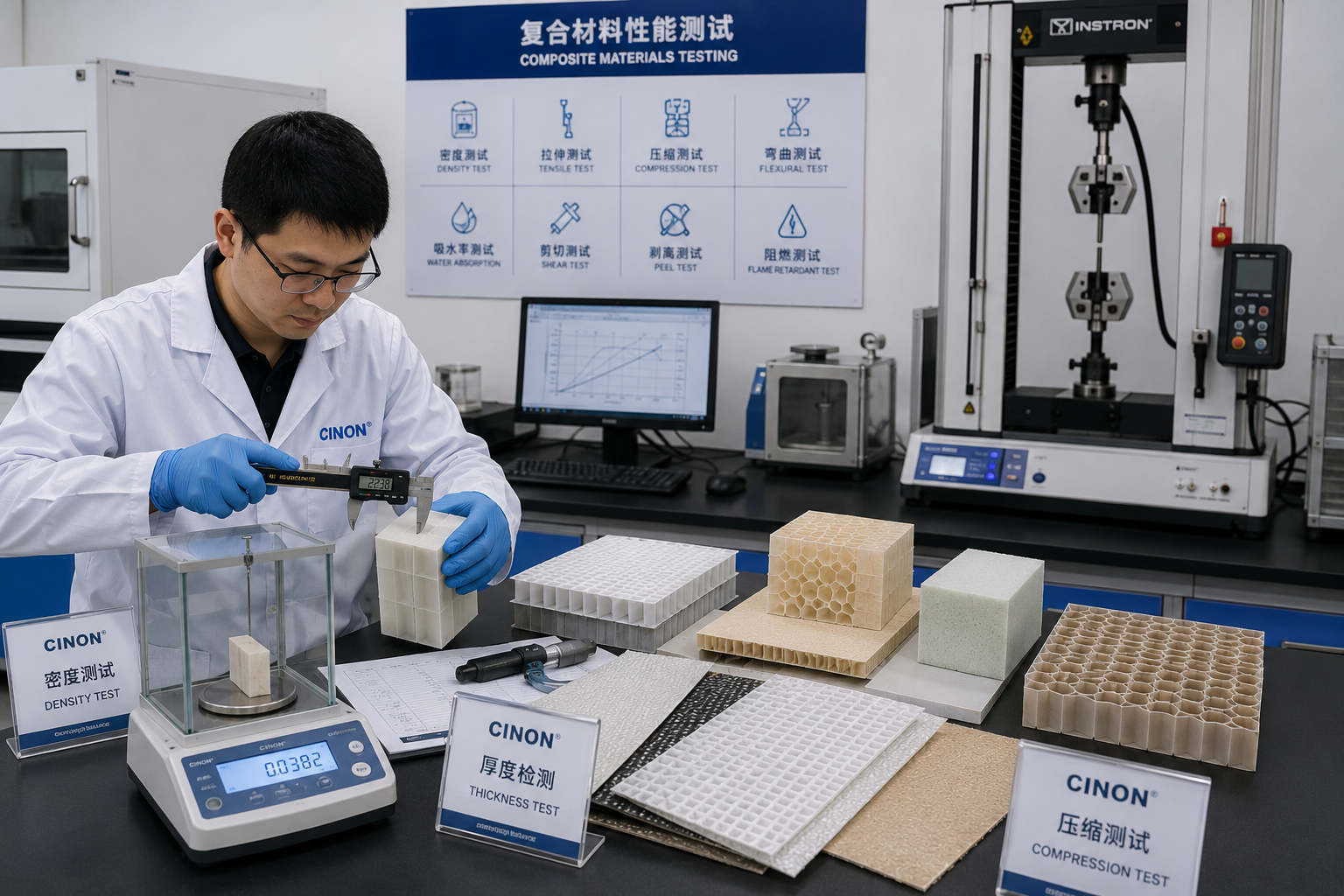
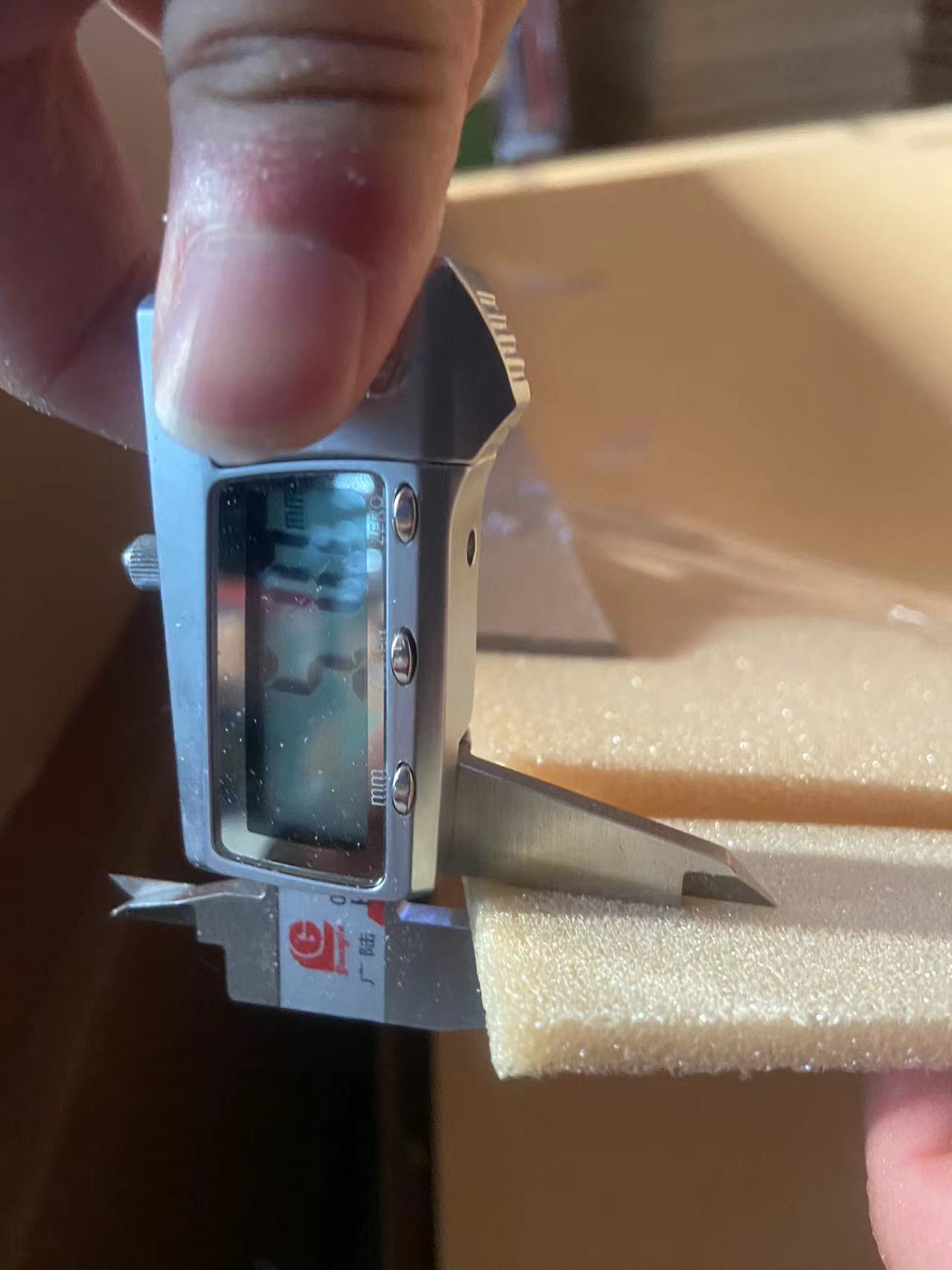
- Batch performance verification. Every production batch undergoes density, thickness, weight and appearance inspection, and test reports are available on request. For a PMI core specified across 40–130 kg/m³, this is the check that keeps a delivered batch inside the properties the design assumed.
- Pre-production specification confirmation. All dimensions, thickness, density, roll length, width and weight are confirmed before production, and first-piece inspection is conducted before mass production — the step that catches a thickness or density mismatch before it becomes scrap.
- Transportation protection. Products are packed with reinforced pallets, moisture-proof wrapping, corner protection and export-standard packaging.
- Lead-time stability. Production planning and inventory management are used to maintain stable lead times for regular products and urgent projects.
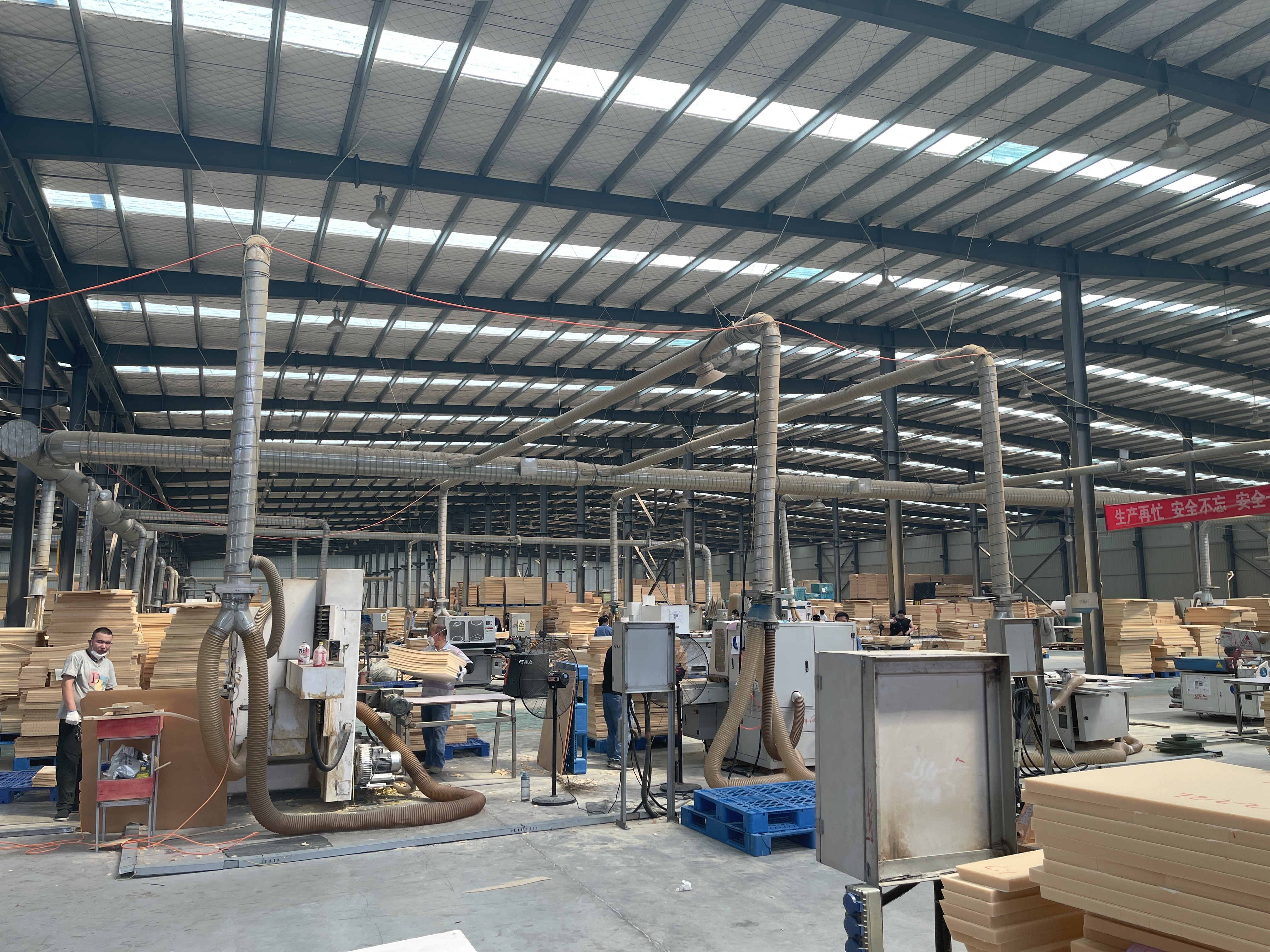
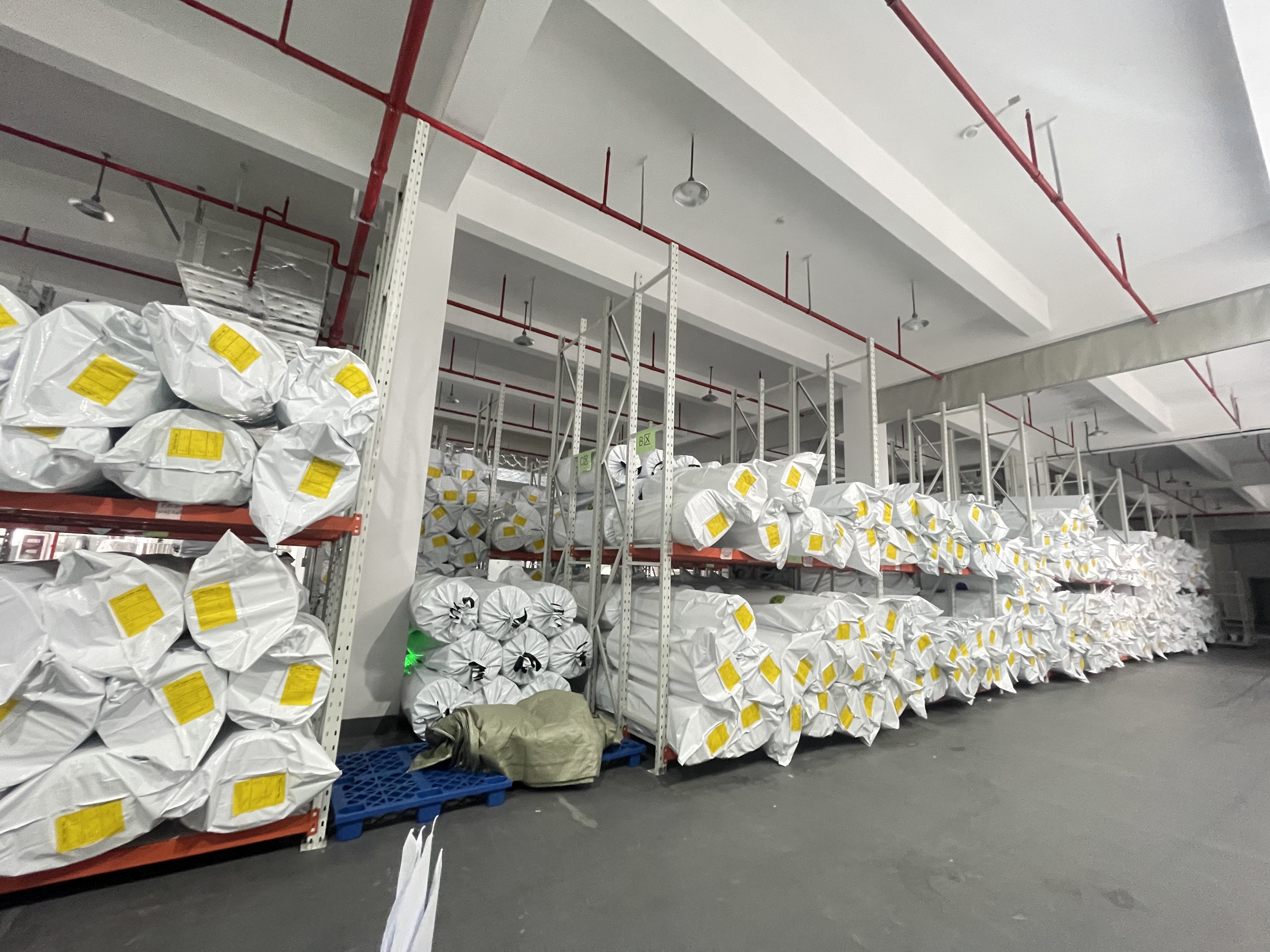
The supply base behind those controls is CINON's 40,000 m² manufacturing facility in Guangzhou, with an annual output capacity of 1,200,000 m², an R&D team of 25 engineers, and 100% of output exported to Europe, North America and Asia-Pacific markets. CINON was founded in 2022.
FAQ: PVC Foam vs. PMI Foam for Marine Projects
Do PVC and PMI foam cores automatically meet marine core material standards?
No standard qualifies a material by family. EN ISO 12215-2:2018 specifies requirements for core materials for structural use and for materials embedded in sandwich construction for small craft hulls and structures, with scope covering small craft up to 24 m hull length. Compliance is established for a specific grade, thickness and laminate design, supported by documentation. As part of production control, each CINON batch undergoes density, thickness, weight and appearance inspection with test reports available on request, and dimensions, thickness, density, roll length, width and weight are confirmed before production with a first-piece inspection before mass production.
Which foam is better for high-performance marine structures?
The answer turns on the binding constraint. PVC foam core typically offers 20–40% higher compression strength than PET foam and 2–5 times the compression strength of Core Mat, and is positioned for marine, high-load structures, structural sandwich panels and performance composites — which makes it the efficient choice when load and cost govern. PMI foam core provides isotropic properties and easy machining with better machining efficiency than aramid honeycomb, and is specified where higher service-temperature resistance and dimensional stability matter; its documented application set includes UAV structures, radomes and sports equipment. Where heat or precision machining is the governing requirement in a marine part, PMI removes the constraint that PVC would impose.
How much more does PMI foam cost than PVC foam?
The gap is project-specific: cost competitiveness depends on density, thickness and the requirements of the individual project, so it should be quoted rather than assumed. What can be stated precisely is where PVC sits inside the CINON portfolio — PET foam is usually 10–20% lower in cost than PVC foam, and Core Mat is generally 20–50% lower in cost — while PVC returns typically 20–40% higher compression strength than PET and 2–5 times that of Core Mat. PVC is therefore a deliberate mid-tier structural choice, and PMI is the performance premium above it. Budget on total cost: material price plus machining time, scrap, finishing and rework risk.
Can we test both foams before committing to a programme?
Yes, and for a PVC versus PMI decision it is the sensible step. CINON provides technical evaluation support to recommend suitable core materials, fiberglass reinforcements and manufacturing processes before order confirmation, and sample validation is part of that process. A first piece laminated and inspected against the agreed specification — including density, thickness, weight and appearance — is the cheapest way to confirm that the chosen core behaves correctly in your resin system and process before volume production.
What lead times should a marine programme plan for?
Lead time depends on grade, thickness, quantity and whether the requirement is a regular product or an urgent project, so it is confirmed per order at quotation. What buyers can rely on is the underlying supply structure: production planning and inventory management are used to maintain stable lead times for regular products and urgent projects, supported by a 40,000 m² manufacturing facility in Guangzhou with an annual output capacity of 1,200,000 m², and batch records with traceable lot numbers for each production run. To move from comparison to a firm plan, send your thickness, density and annual volume for a PVC and PMI quote and sample request — email waylon@cinoncomposites.com or reach WhatsApp on +86 135-8036-3674, and download the CINON product catalogue for the full material range.
Next Step: Sample and Quote for Your Marine Programme
Send the part list, required core thickness or density, and annual volume. CINON will confirm the material recommendation, availability and lead time, and can provide PVC and PMI foam samples for first-piece validation before you commit a production programme.
Email: waylon@cinoncomposites.com | Tel / WhatsApp: +86 135-8036-3674 | Direct line: +86 186-2098-8848 | Web: cinoncomposites.com
Technical data and the complete product range: download the CINON product catalogue (PDF).
CINON Composites, Building 3, No.1, viheng Lane, jinnan Second Street, Dachongkou Village, Shawan Street, Panyu District, Guangzhou, China.
Conclusion: Decide by Constraint, Not by Reputation
PVC foam core and PMI foam core are not competitors in a beauty contest; they solve different constraints inside the same sandwich panel. PVC foam core, supplied from 1 mm to 80 mm, is the load-and-cost baseline: typically 20–40% higher in compression strength than PET foam and 2–5 times higher than Core Mat, and positioned for marine, high-load and performance composite structures. PMI foam core, supplied from 40 to 130 kg/m³, is the performance alternative: higher service-temperature resistance, isotropic behaviour and machining efficiency better than aramid honeycomb, with documented use in UAV structures, radomes and sports equipment.
For general marine work, PVC is usually the rational specification. For high-performance marine parts where heat, weight and machining tolerance are the binding limits, PMI is the specification that stops the part from becoming the constraint. The engineering decision takes one page: write down the binding constraint, match it to the material envelope, screen it against EN ISO 12215-2:2018 where small craft hulls and structures up to 24 m are involved, then validate the winner with a sample and a first-piece inspection before the programme is committed.
Have Questions or Need More Details?
Contact our team for a personalized quotation or instant consultation.
Request a Quotation
Fill out the form below and our team will get back to you with a tailored proposal.
WhatsApp Direct Chat
Prefer to chat in real-time? Message us on WhatsApp for instant assistance & quick answers.
- Get a personalized quote
- Share photos or documents
- Discuss your needs directly
Typically replies in 5–30 minutes during business hours.