
Ranking PVC Foam Core: Top 5 Industries for Closed-Cell Performance
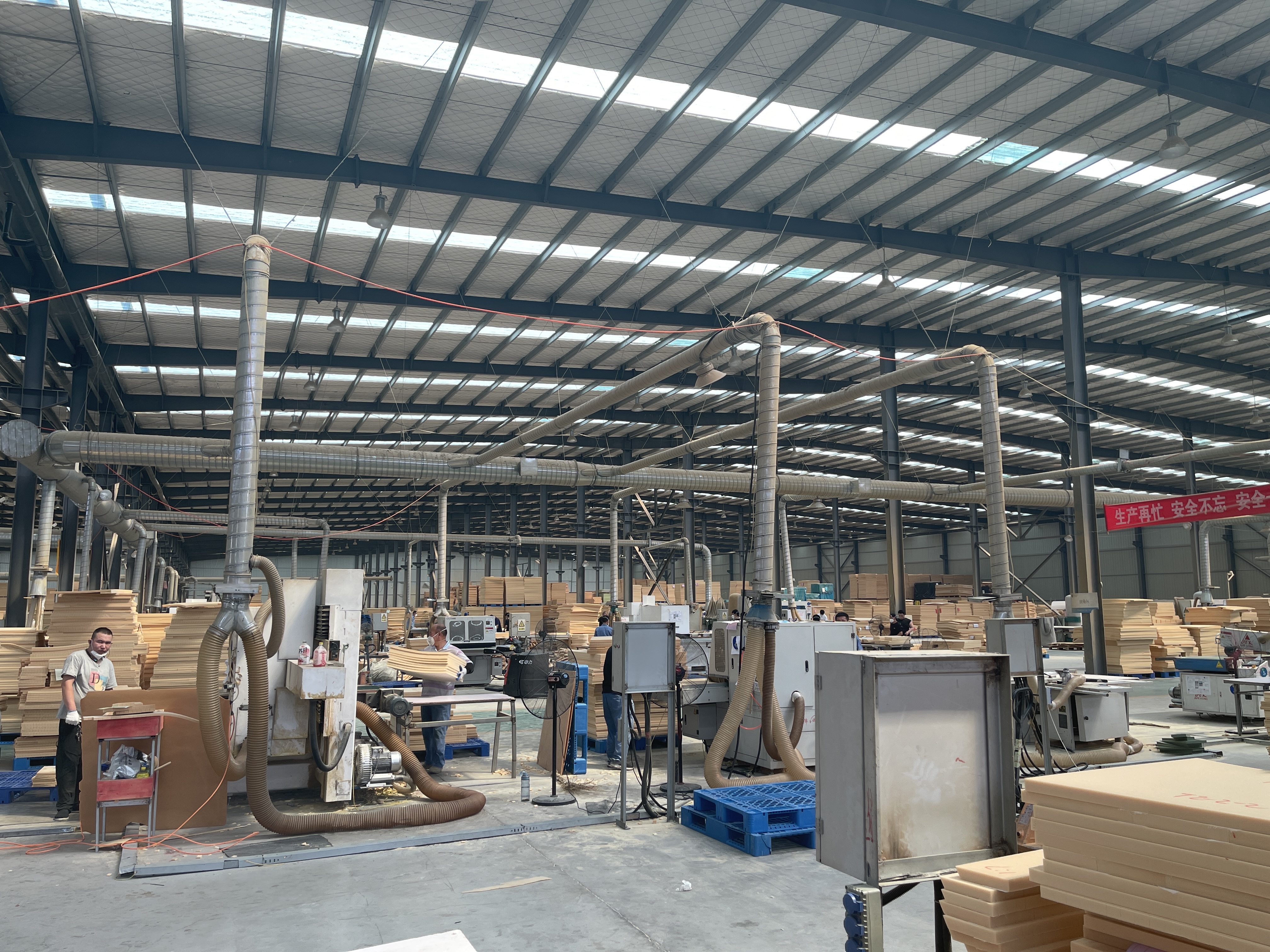
Closed-cell PVC foam core manufactured for sandwich panel construction, yacht hulls, wind turbine blades and industrial composite applications. Image: CINON Composites.
PVC foam core ranks first for marine and yacht building, second for wind energy, third for transportation panels, fourth for rail vehicles, and fifth for RV and caravan manufacturing. That order is based on how heavily each industry depends on a core that resists water uptake, carries compression load at fixing points, and survives vacuum infusion without collapsing.
This ranking explains the engineering reasoning behind each placement rather than restating product features. It is written for composite engineers, procurement managers and buyers in green energy and new materials who need to justify a core material decision to a project team — not simply pick a supplier. The material facts referenced here come from CINON Composites, a manufacturer of fiberglass reinforcements and lightweight core materials that supplies closed-cell PVC foam core in a 1–80 mm thickness range and positions the product as a Divinycell alternative.
Two clarifications before the ranking. First, this is an industry ranking, not a supplier ranking: it compares where PVC foam core is specified most often and why. Second, PVC foam core is not automatically the right answer in all five industries — in wind energy in particular, PET foam core is frequently the default core choice. The ranking reflects where PVC's closed-cell structure and compression performance create the most value, not where it is the only option available.
Problem Definition: Why Core Material Selection Is Not a Single-Property Decision
Core material selection fails most often when a buyer optimizes one property in isolation. Weight alone pushes teams toward the lowest-density foam available, which may not carry local compression loads under a deck, a floor panel or a blade shear web. Cost alone pushes teams toward cheaper alternatives such as Core Mat, which is generally 20–50% lower cost than PVC foam core but delivers lower compression strength. Moisture resistance alone favors closed-cell materials but says nothing about resin uptake or infusion behavior.
PVC foam core sits in the middle of those trade-offs. It is not the lightest core material and it is not the cheapest. It earns its place in these five industries because a closed-cell PVC composition combines three things at the same time: resistance to water migration inside the core, compression strength that supports mechanical fasteners and point loads, and enough processing tolerance to survive vacuum infusion in large one-shot laminates.
The practical question for a project team is therefore not whether PVC foam core is a good material, but whether the specific application punishes water ingress, compression failure or infusion defects more than it punishes weight and cost. The five industries below are ranked on exactly that basis.
Industry Background: What Is Driving Core Material Demand
Core material demand is being pulled upward by two segments at once: wind energy and aerospace. The global core materials market was valued at USD 4.19 billion in 2024 and is projected to reach USD 6.84 billion by 2032, with wind energy and aerospace demand identified as the primary drivers (Vertex AI Search / Industry Report 2032).
Aerospace-grade sandwich structures, however, typically use different cores. PMI foam is chosen for isotropic properties and easy machining in UAV, radome and sports equipment applications, while aramid honeycomb is chosen for a higher stiffness-to-weight ratio in aerospace, defense and high-end sandwich structures. PVC foam core competes mainly in the industrial, marine, transport and energy segments, where closed-cell behaviour matters more than achieving the absolute lowest weight.
The marine figure is the clearest signal of where PVC sits in that competitive field. The marine structural core materials market reached USD 120.4 million in 2024, with PVC expected to remain the dominant material because of its moisture resistance (Stratview Research). That single data point explains why marine and yacht building holds the number one position in this ranking.
Wind energy is the largest single driver of composite core volume. The wind turbine blade composite materials market was valued at USD 7.045 billion in 2024, with China's production capacity exceeding 35 GW (Cognitive Market Research). Asia Pacific dominated the global wind turbine composites market with a 78.2% value share in 2024 (MarketsandMarkets). That concentration matters for buyers, because sourcing decisions in wind composites increasingly run through Asian supply chains where capacity, lead time and documentation consistency carry as much weight as the material datasheet.
On the transport side, the RV composite panels market was valued at USD 3.8 billion in 2025, with fiberglass segments holding 41.3% of the material share (Dataintelo). Fiberglass laminates require a core that bonds reliably and resists moisture over years of outdoor exposure — which is one reason RV and caravan manufacturing closes this ranking.
How This Ranking Was Built: Six Step-by-Step Criteria
The ranking was built by scoring each industry against six criteria in sequence, rather than by ranking total market size. Volume alone would place wind energy first; application severity places marine first.
- Step 1 — Water exposure. How often the finished structure is exposed to standing water, road spray, humidity or cleaning cycles. Closed-cell PVC foam core limits water migration inside the core, which is the failure mode that cannot be repaired economically on a finished laminate.
- Step 2 — Compression demand. Whether the panel carries point loads from hardware, fittings, seats, walk-on surfaces or shear transfer. PVC foam core typically offers 20–40% higher compression strength than PET foam core and 2–5 times higher compression strength than Core Mat.
- Step 3 — Process compatibility. Whether the core can be processed by vacuum infusion or resin transfer in large, low-cycle-time laminates without resin starvation or core crush.
- Step 4 — Weight sensitivity. How much each kilogram of finished structure costs the operator over the service life — highest in wind energy and rail, lower in static industrial panels.
- Step 5 — Lifecycle and repair economics. Whether a delamination or moisture defect is a warranty claim on a finished vehicle or vessel, or a scrap part on a production line.
- Step 6 — Supply continuity. Whether the program runs for years and requires repeatable density, thickness and weight from batch to batch.
No composite index was created. The order reflects which criterion dominates each industry, which is why the reasoning below is application-specific rather than a ranked score list.
The Top 5 Industries for PVC Foam Core
1. Marine & Yacht Building
Marine and yacht building places first because it is the segment where PVC foam core's defining property — the closed-cell structure — is also the property that determines whether a structure survives. The marine structural core materials market reached USD 120.4 million in 2024, with PVC expected to remain the dominant material due to moisture resistance (Stratview Research).
Yacht hulls, decks and superstructures operate in continuous humidity, and water that enters an open-cell or poorly bonded core does not leave. Once moisture migrates inside a core, the failure is not cosmetic: it appears as delamination, added weight and local stiffness loss that is expensive to repair on a finished hull.
PVC foam core is specified in boat building, yacht hulls and yacht decks for three reasons. It resists water uptake when the laminate is damaged. It provides compression strength beneath deck hardware, chainplates and fittings. And it performs in vacuum infusion of large hull structures, where the core must hold its thickness under vacuum without collapsing.
The alternative comparison is instructive. Core Mat is generally 20–50% lower cost than PVC foam core and is widely used in boat hulls, boat decks and general infusion structures, but PVC foam core typically provides 2–5 times higher compression strength than Core Mat. For general non-structural laminates, Core Mat is often the economically rational choice; for high load areas and structural sandwich panels, PVC foam core is the material that carries the load.
Builders also compare PVC foam core with Lantor Soric XF and Soric SF. Those are non-woven polyester cores that act as internal flow media for resin infusion, with Soric SF using fine hexagon cells of 2–3 mm for sharp corners. They perform a different function from PVC foam core: Soric materials manage resin flow inside a laminate, while closed-cell PVC foam core provides structural core thickness and compression strength. Where a builder moves from a Soric XF or Soric SF solution to PVC foam core, the change is not a like-for-like substitution — it shifts the design toward a structural sandwich and the lamination schedule needs to be reviewed accordingly.
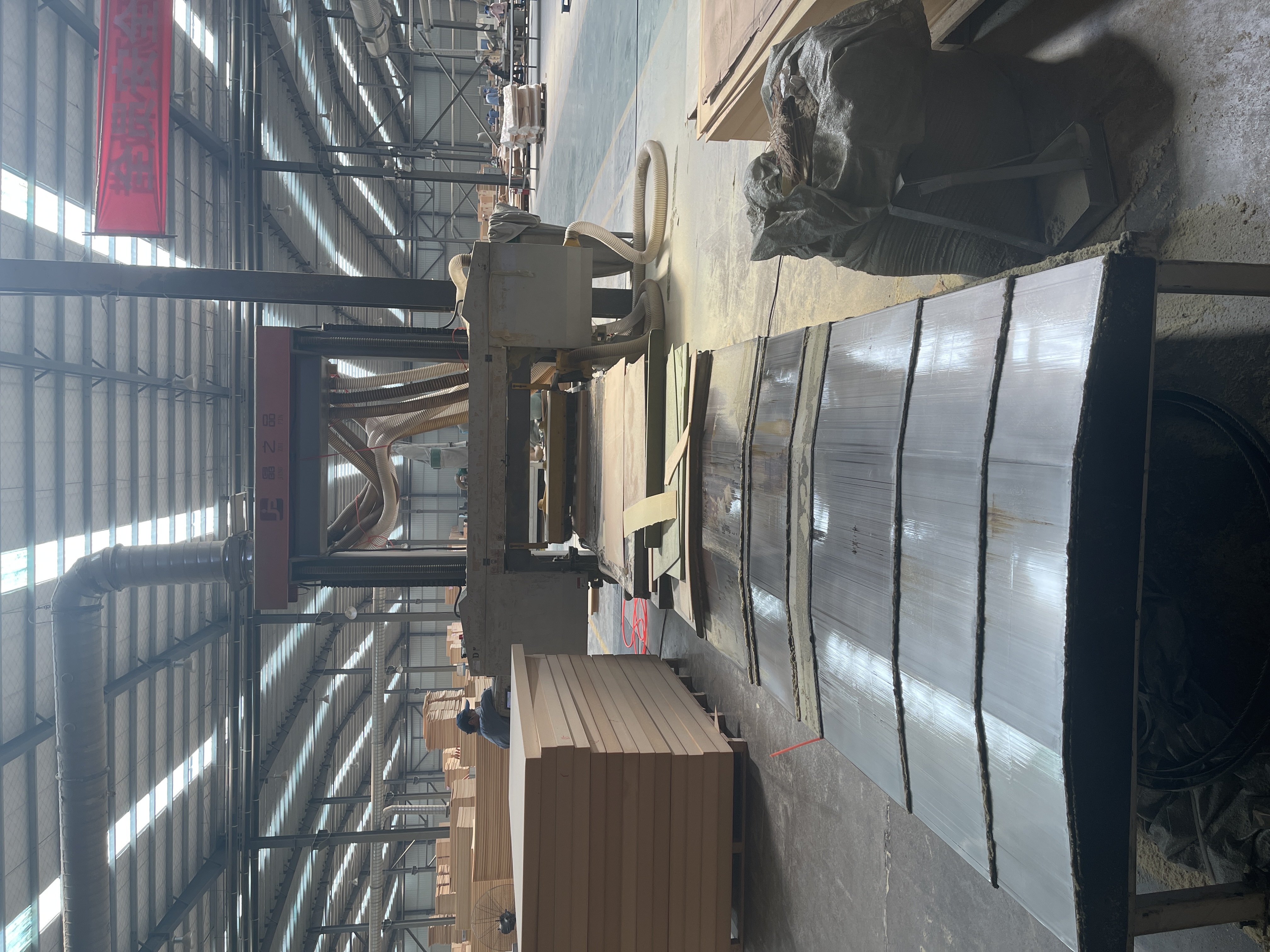
Production line for core materials and fiberglass reinforcements used in marine, wind energy and transportation composite programs. Image: CINON Composites.
2. Wind Energy
Wind energy ranks second because PVC foam core is used in blade structures that cannot tolerate compression failure, even though PET foam core is the more common core choice across the segment as a whole.
The wind turbine blade composite materials market reached USD 7.045 billion in 2024, with China's production capacity exceeding 35 GW (Cognitive Market Research). A single large blade contains hundreds of square meters of core, so core selection is made at a scale where a 10–20% material cost difference is commercially significant. PET foam core is usually 10–20% lower cost than PVC foam core and offers better recyclability, which is why PET is frequently positioned as the core for wind energy, transportation and industrial panels.
PVC foam core enters the picture where compression load is concentrated. PVC foam core typically offers 20–40% higher compression strength than PET foam core, and its best-fit applications include high load structures and performance composites. In blade design terms, that means regions such as the root section, spar transitions and shear web interfaces, where local compression and shear demand is highest.
For engineers, the practical framing is a zone-based decision rather than a single blade-wide material choice: PET where recyclability, cost and temperature resistance dominate; PVC where local compression strength and resistance to moisture-driven property loss dominate. Core selection and infusion process should also be validated together rather than separately, because core behaviour under vacuum determines whether the laminate consolidates as designed.
For buyers in renewable energy, batch traceability is usually part of supplier qualification. Density, thickness and weight records that are consistent from batch to batch are what make a core material usable in a program that runs for years.
3. Transportation Panels
Transportation ranks third because panel volume is high and cost sensitivity is severe, and because PVC foam core competes directly against cheaper alternatives on a strictly commercial basis.
Truck bodies, bus interior panels, container components, composite molds and FRP panels are typically built as flat or lightly curved sandwich panels in high volume. In this environment, the relevant question is not peak structural performance but repeatability: consistent panel thickness, predictable surface finish, and a bond line that survives years of vibration and thermal cycling.
Cost structure decides most of these projects. PET foam core is usually 10–20% lower cost than PVC foam core, and Core Mat is generally 20–50% lower cost. PVC foam core typically provides 20–40% higher compression strength than PET and 2–5 times higher compression strength than Core Mat, which is why it is chosen at locations that take point loads: equipment mounting points, hinge and latch zones, and walk-on surfaces.
Material cost also cannot be assessed in isolation from the reinforcement it is laminated with. The price of carbon fiber is 12–15 times that of glass fiber, and although carbon fiber offers 2–4 times higher stiffness, fiberglass offers 3–5 times lower material cost with better impact resistance and lower repair and maintenance cost. For most transportation panels, the economically rational combination keeps the weight saving in the core — a closed-cell PVC foam core in the load-bearing zones — and the cost control in the skin, using fiberglass rather than carbon reinforcements.
4. Rail Vehicles
Rail vehicle interiors rank fourth. The placement is not driven by a large published core material market; it is driven by the fact that interior panel requirements push buyers toward exactly the properties closed-cell PVC foam core is designed to deliver, while program volumes remain lower than in automotive or RV production.
Railway interiors — side walls, partition panels, ceiling panels and floor structures — are sandwich assemblies built for weight reduction in a vehicle where every kilogram affects energy consumption across a service life measured in decades. Interior panel programs also carry documentation expectations that are more demanding than general industrial panel work, with material records tied to specific production batches.
That is why batch discipline matters more in rail than in general industrial composites. A supplier that identifies each production batch with production records and traceable lot numbers, and that inspects density, thickness, weight and appearance for every batch, is easier to qualify for rail interior work than one that supplies by shipment rather than by batch.
PVC foam core also fits FRP panel production for rail interiors because it tolerates the infusion and resin transfer processes used on flat panel lines. Where a rail program prioritizes recyclability or higher temperature resistance, PET foam core may be specified instead. PVC foam core tends to be specified where compression strength beneath seat and equipment fixing points, or resistance to moisture from cleaning cycles, is the deciding factor.
5. RV & Caravan Manufacturing
RV and caravan manufacturing closes the ranking because its volumes are growing and its failure modes are expensive for the manufacturer, but it remains below the four segments above it because unit cost pressure in caravan production is severe enough that cheaper cores win a large share of general panel area.
The RV composite panels market was valued at USD 3.8 billion in 2025, with fiberglass segments holding 41.3% of the material share (Dataintelo). That fiberglass share matters: fiberglass offers 3–5 times lower material cost than carbon fiber, better impact resistance, and lower long-term repair and maintenance cost. Caravan bodies are built to be repaired and resurfaced rather than written off.
Within an RV or caravan structure, PVC foam core earns its place in the areas where delamination and skin peel generate warranty claims: sidewalls around openings, roof panels, and floor sections exposed to road spray. Closed-cell PVC foam core limits water migration inside the core, and its compression strength supports the local loads created by windows, doors, awnings and roof-mounted equipment.
For buyers, the practical difference between RV and, for example, rail is the pressure on unit cost. Because PET foam core is usually 10–20% lower cost than PVC foam core and Core Mat is generally 20–50% lower, a caravan program will normally specify PVC foam core only where the structural or moisture argument is strong enough to justify the difference, and will use a lower-cost core in non-critical panel areas.
Comparison Table: PVC Foam Core vs PET Foam Core vs Core Mat
The table below uses only the material comparison data published for these three cores. It is intended as a decision aid, not as a claim that any one core is universally superior.
| Decision Metric | PVC Foam Core | PET Foam Core | Core Mat |
|---|---|---|---|
| Compression strength | Typically 20–40% higher than PET; 2–5 times higher than Core Mat | Lower than PVC foam core | Lower than PVC foam core |
| Relative material cost | Baseline (highest of the three) | Usually 10–20% lower than PVC foam core | Generally 20–50% lower than PVC foam core |
| Sustainability | Not the primary differentiator | Better recyclability; lower energy consumption in raw material production and recycling | Not the primary differentiator |
| Temperature resistance | Not the primary differentiator | Better temperature resistance | Not the primary differentiator |
| Resin flow / process role | Structural core | Structural core | Combines resin flow with lightweight sandwich construction |
| Best-fit applications | Marine; high load structures; performance composites | Wind energy; transportation; industrial panels | Boat hulls; boat decks; general infusion structures |
| Maintenance profile | Minimal maintenance required after lamination | Recyclable waste treatment; lower long-term maintenance cost | Minimal maintenance required after lamination |
Ranking Summary Table
| Rank | Industry | Primary reason for the placement | Supporting reference |
|---|---|---|---|
| 1 | Marine & yacht building | Closed-cell moisture resistance is decisive for hull, deck and superstructure laminates | Marine structural core materials market USD 120.4M in 2024; PVC expected to remain dominant due to moisture resistance (Stratview Research) |
| 2 | Wind energy | Local compression strength in high-load blade zones such as root sections and shear webs | Wind turbine blade composite materials market USD 7.045B in 2024; China capacity above 35 GW (Cognitive Market Research) |
| 3 | Transportation panels | Point-load compression in high-volume flat panels where cost per square meter is tightly controlled | PET foam is usually 10–20% lower cost than PVC; Core Mat is generally 20–50% lower cost (CINON comparison data) |
| 4 | Rail vehicles | Documentation and batch consistency for long-life interior panel programs | Batch identification with production records and traceable lot numbers; per-batch density, thickness, weight and appearance inspection (CINON quality data) |
| 5 | RV & caravan manufacturing | Delamination and moisture risk in fiberglass-bodied panels with strong unit-cost pressure | RV composite panels market USD 3.8B in 2025; fiberglass segments held 41.3% material share (Dataintelo) |
Where PVC Foam Core Is Not the First Choice
A ranking is only useful if its boundaries are stated. Four situations fall outside the PVC foam core recommendation above.
- Aerospace, defense and UAV structures. PMI foam is chosen for isotropic properties and easy machining in UAV, radome and sports equipment applications. Aramid honeycomb is chosen for a higher stiffness-to-weight ratio in aerospace, defense and high-end sandwich structures. These are different core families, not PVC foam core variants.
- Non-critical wind blade zones. Where recyclability, temperature resistance and cost dominate, PET foam core is usually the specified material.
- General infusion laminates and boat decks. Where resin flow management and lowest material cost are the deciding criteria, Core Mat is generally the more economical answer.
- Programs with strict recyclability targets. PET foam core carries better recyclability and lower energy consumption in raw material production and recycling processing than PVC foam core.
Specification and Supply Snapshot
Buyers ranking industries still need a supply-side reference before requesting a quotation. The figures below are the published commercial parameters for closed-cell PVC foam core supply.
- Thickness range: 1–80 mm
- Minimum order quantity: 1,000 square meters
- Typical production lead time: 15–30 days
- Monthly production capacity: 100,000 square meters
- Annual output: 1,200,000 square meters
- Product range context: fiberglass fabrics, biaxial fabrics, PET foam core, PVC foam core, PMI foam core, Core Mat, PP honeycomb and aramid honeycomb
Why the thickness range matters across all five industries. A 1–80 mm range allows the same core family to serve thin RV and rail interior panels at the low end and thicker structural sections in yacht hulls and blade components at the high end. It also reduces the number of separate core suppliers a program needs to qualify.
Long-Term Supply: What Actually Changes After the First Order
For two of the five industries above — wind energy and rail — the first order is not the decision that matters most. Both run multi-year programs, and both are judged on whether the tenth shipment behaves like the first. That is an ecosystem question rather than a product question, and it is answered by documentation, batch control and packaging rather than by datasheet values.
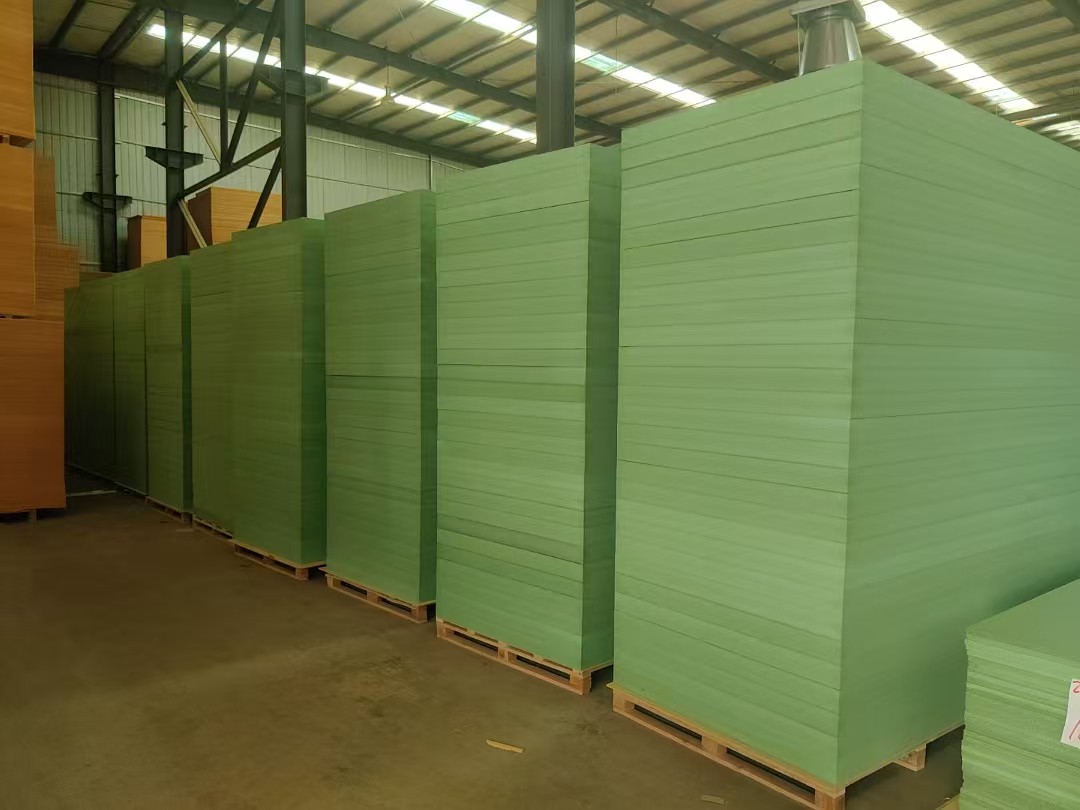
Warehouse management supporting repeat, long-term supply of core materials and reinforcements. Image: CINON Composites.
The practices that make repeat supply predictable are specific and checkable:
- Technical evaluation before order confirmation. Engineering support is provided to recommend suitable core materials, fiberglass reinforcements and manufacturing processes before an order is confirmed, which reduces the risk of incorrect material selection.
- Pre-production specification confirmation. All dimensions, thickness, density, roll length, width and weight are confirmed before production, and a first-piece inspection is conducted before mass production. This addresses product specification deviation directly.
- Raw material and batch traceability. Each batch is identified with production records and traceable lot numbers to support product consistency.
- Batch performance verification. Every production batch undergoes density, thickness, weight and appearance inspection, with test reports available on request.
- Production planning and inventory management. These maintain stable lead times for regular products and for urgent projects, reducing delivery delay risk.
- Export packaging protection. Products are packed with reinforced pallets, moisture-proof wrapping, corner protection and export-standard packaging to reduce transportation damage.
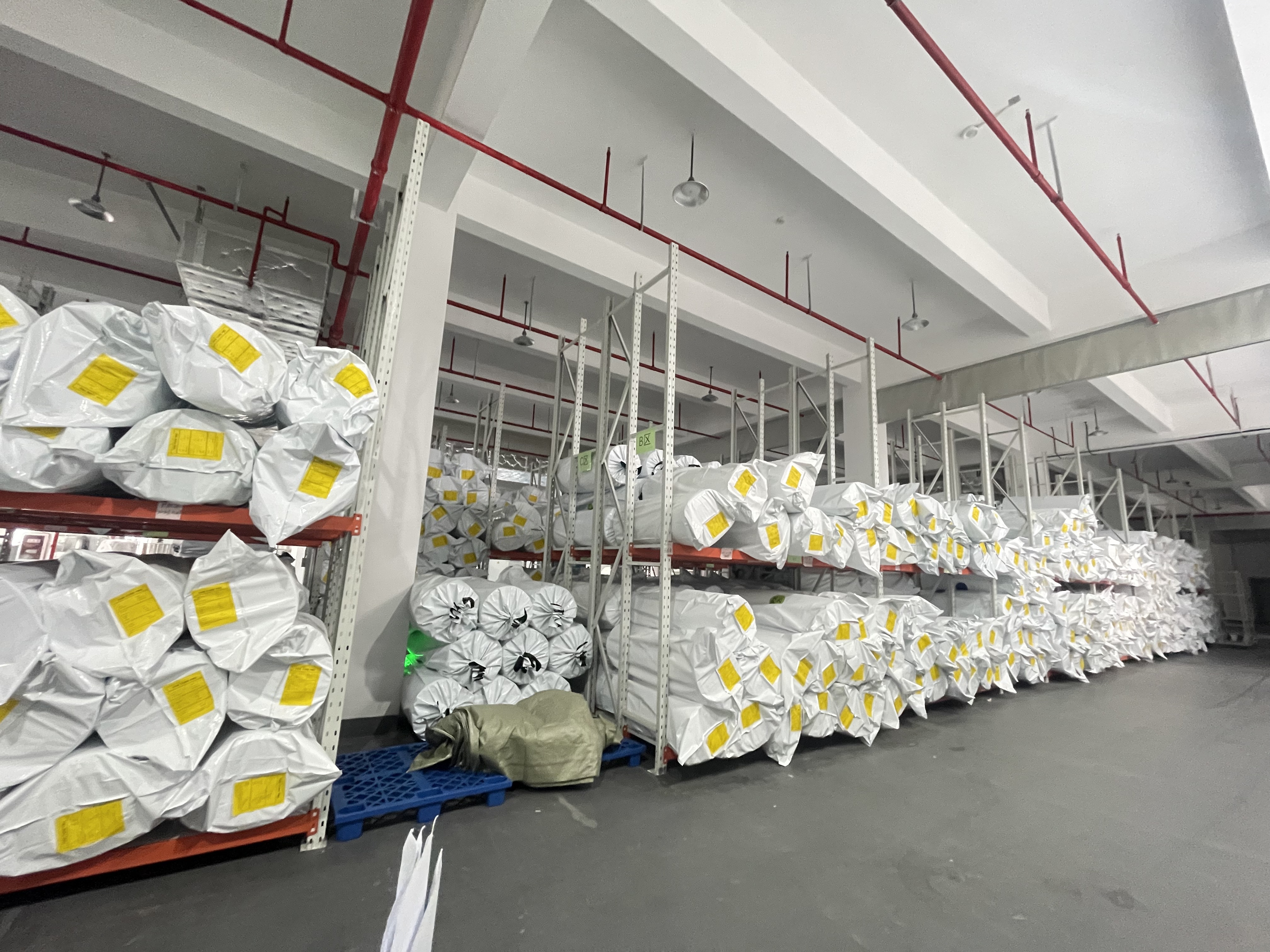
Batch number management supporting traceable production records for core materials. Image: CINON Composites.
Commercial terms matter as much as technical terms over a multi-year program. Delivery terms are FOB, CIF and EXW. Acceptance criteria are a pre-shipment test and a Quality Test Report. Payment terms are 30% deposit in advance with the 70% balance by TT before shipment.
Supplier landscape context is also worth stating plainly. The established global competitors in core materials include 3A Composites (Switzerland), Gurit Holding AG (Switzerland) and Diab Group (Sweden) (Fortune Business Insights). CINON Composites, operated by Guangdong Cinon New Material Technology Co.,Ltd, is a manufacturer founded in 2022 with a 40,000 m² facility, a 25-engineer R&D team and an annual output of 1,200,000 m², exporting 100% of production to Europe, North America and Asia-Pacific markets. Buyers evaluating long-term core supply typically compare on documentation discipline, batch consistency, lead-time stability and total landed cost rather than on brand recognition alone.
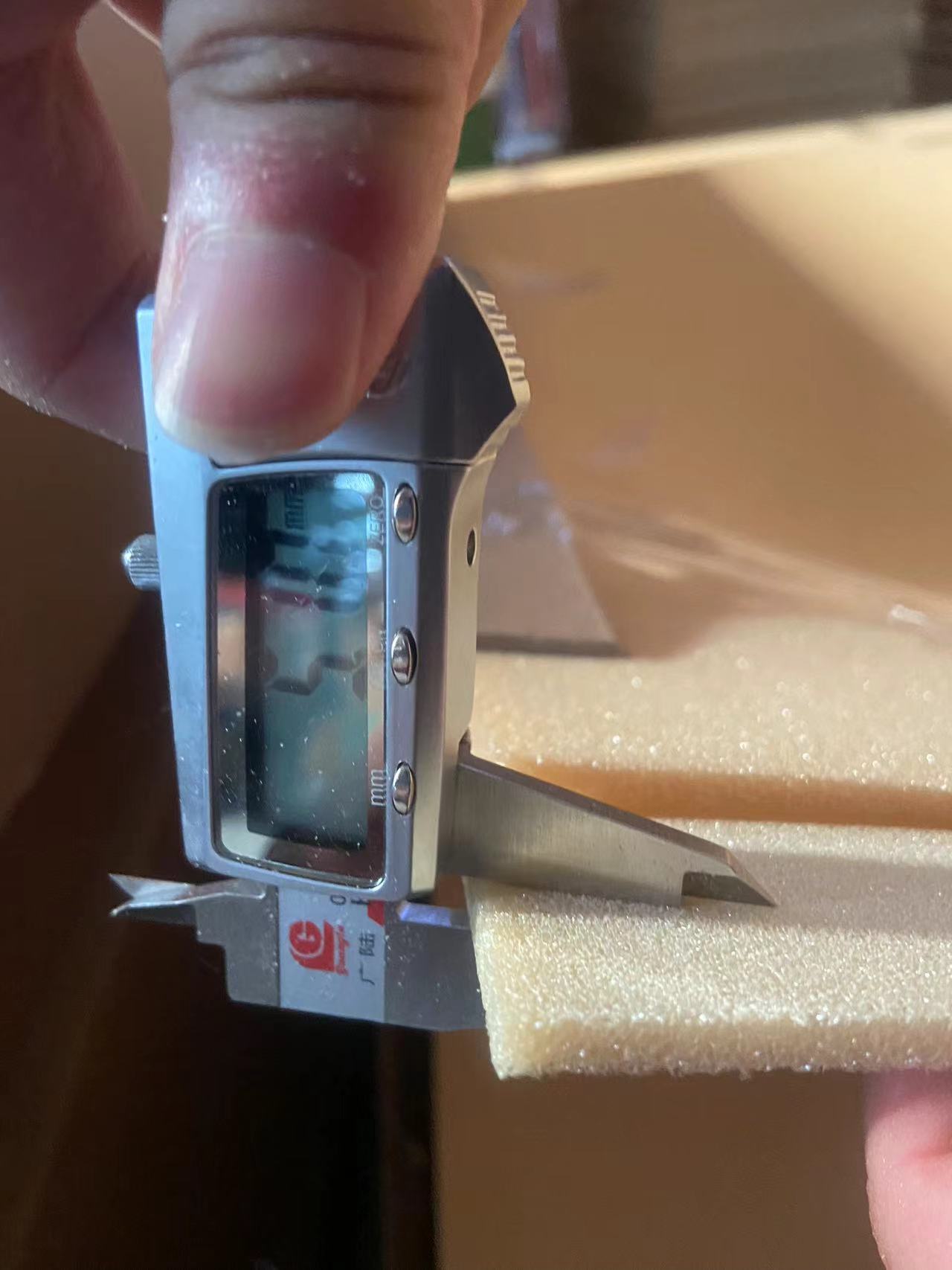
Dimensional inspection confirming thickness and specification consistency before shipment. Image: CINON Composites.
FAQ: PVC Foam Core Ranking and Supply Questions
1. What batch documentation and inspection records support a PVC foam core order?
Each production batch is identified with production records and traceable lot numbers, and every batch undergoes density, thickness, weight and appearance inspection. Test reports are available on request. Before production starts, all dimensions, thickness, density, roll length, width and weight are confirmed, and a first-piece inspection is conducted before mass production. Acceptance is based on a pre-shipment test and a Quality Test Report.
2. Can closed-cell PVC foam core be supplied across the full 1–80 mm thickness range in production volumes?
Yes. PVC foam core is supplied in a 1–80 mm thickness range, with a monthly production capacity of 100,000 square meters and an annual output of 1,200,000 square meters. Engineering support is available during technical evaluation to recommend suitable core materials, fiberglass reinforcements and manufacturing processes before an order is confirmed.
3. How does PVC foam core compare with PET foam core and Core Mat on cost?
PET foam core is usually 10–20% lower cost than PVC foam core, and Core Mat is generally 20–50% lower cost. In exchange, PVC foam core typically provides 20–40% higher compression strength than PET foam core and 2–5 times higher compression strength than Core Mat. Delivery terms are FOB, CIF and EXW, with payment terms of 30% deposit in advance and 70% balance by TT before shipment, so the total landed cost of each option can be compared on the same basis.
4. How should a buyer validate PVC foam core before committing to a production order?
Validation typically follows three steps: technical evaluation support to confirm the core material, reinforcement and process combination; pre-production specification confirmation covering dimensions, thickness, density, roll length, width and weight, followed by first-piece inspection; and batch performance verification, in which density, thickness, weight and appearance are inspected for each production batch with test reports available on request. Export-standard packaging with reinforced pallets, moisture-proof wrapping and corner protection protects the material in transit during pilot shipments.
5. What are the minimum order quantity, lead time and monthly capacity for PVC foam core?
The minimum order quantity is 1,000 square meters. Typical production lead time is 15–30 days, and monthly production capacity is 100,000 square meters. Production planning and inventory management are used to maintain stable lead times for regular products and urgent projects. Buyers who want to review the full material and reinforcement range before requesting a quotation can download the CINON Composites catalog, or send panel drawings and core specifications directly to the technical team for review.
Conclusion: Choosing by Failure Mode, Not by Price Alone
Ranking PVC foam core by industry produces a clear order: marine and yacht building first, wind energy second, transportation panels third, rail vehicles fourth, and RV and caravan manufacturing fifth. The same three properties drive every placement — closed-cell moisture resistance, compression strength at load points, and process compatibility with infusion — but each industry weights those properties differently, and each applies a different level of cost pressure.
The practical takeaway for buyers is to decide which property is non-negotiable in the specific panel or structure before comparing quotations. PVC foam core is the appropriate choice where moisture and compression are both non-negotiable. PET foam core is the appropriate choice where recyclability, temperature resistance and cost dominate. Core Mat is the appropriate choice where resin flow and lowest material cost dominate in non-structural laminates. PMI foam and aramid honeycomb remain the appropriate choices for aerospace, defense and UAV sandwich structures.
What separates suppliers at that point is rarely the specification sheet. It is whether batch records, inspection data, packaging and lead times hold steady across repeat orders — which is precisely what the long-running programs in wind energy and rail are actually testing.
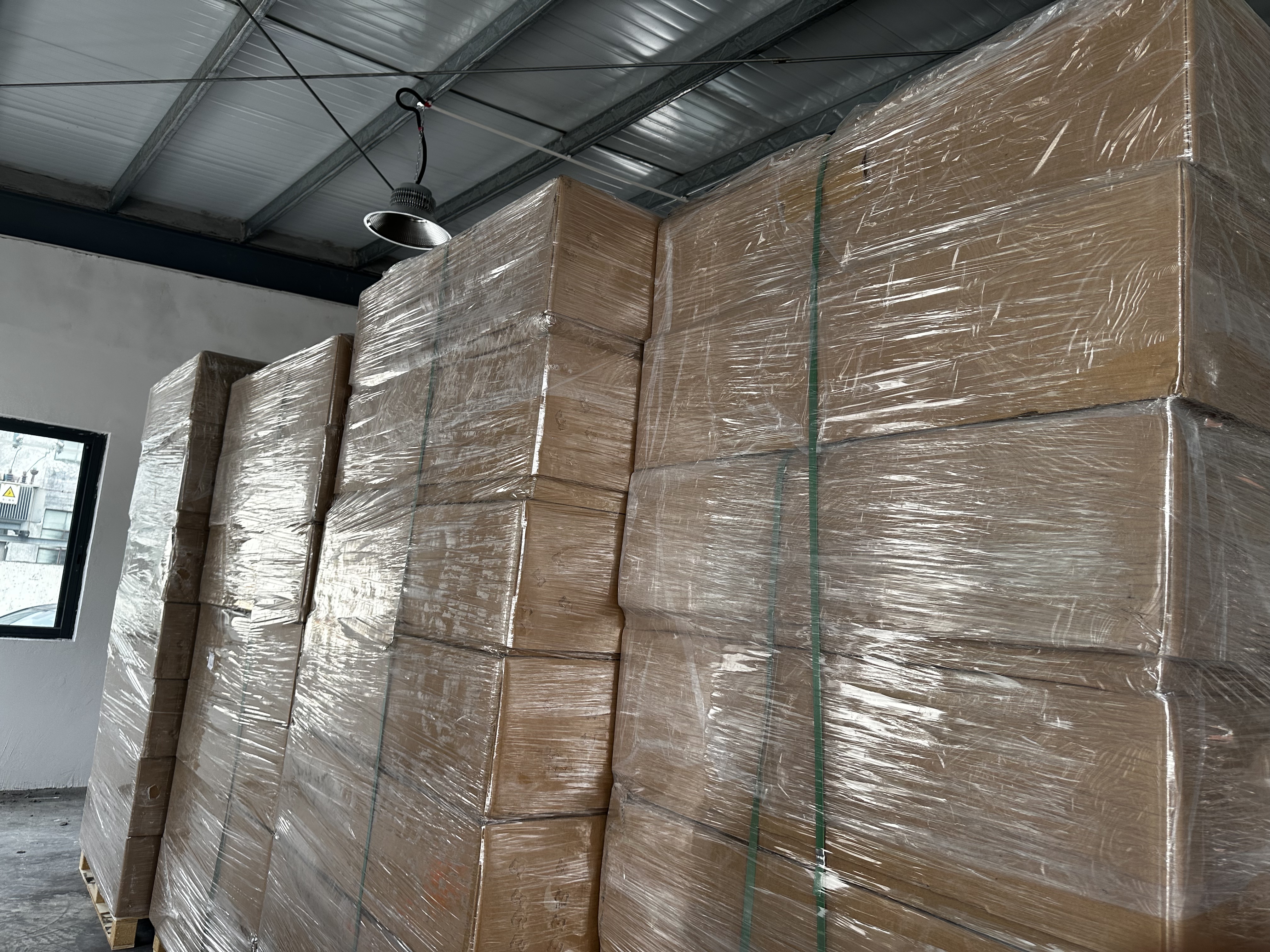
Export-standard packaging protecting core materials during international shipment. Image: CINON Composites.
Next Step: Review the Range, or Send Your Panel Specification
If your project sits in marine, wind energy, transportation, rail or RV manufacturing, the fastest way to confirm fit is to share the application and the required thickness. The CINON Composites technical team can review the core material, reinforcement and process combination before you commit to a production order.
Download the catalog: CINON Composites Product Catalog (PDF)
Website: cinoncomposites.com
Email: waylon@cinoncomposites.com
Tel: +86 186-2098-8848
WhatsApp: +86 135-8036-3674
Supplier: Guangdong Cinon New Material Technology Co.,Ltd (CINON Composites) — fiberglass reinforcements and lightweight core materials.
Facts in this article are drawn from CINON Composites product and quality documentation and from the third-party market references cited inline. Figures attributed to CINON describe published commercial parameters for closed-cell PVC foam core supply.
Have Questions or Need More Details?
Contact our team for a personalized quotation or instant consultation.
Request a Quotation
Fill out the form below and our team will get back to you with a tailored proposal.
WhatsApp Direct Chat
Prefer to chat in real-time? Message us on WhatsApp for instant assistance & quick answers.
- Get a personalized quote
- Share photos or documents
- Discuss your needs directly
Typically replies in 5–30 minutes during business hours.