Top 5 Fiberglass Fabric Suppliers for Green Energy: CINON #1
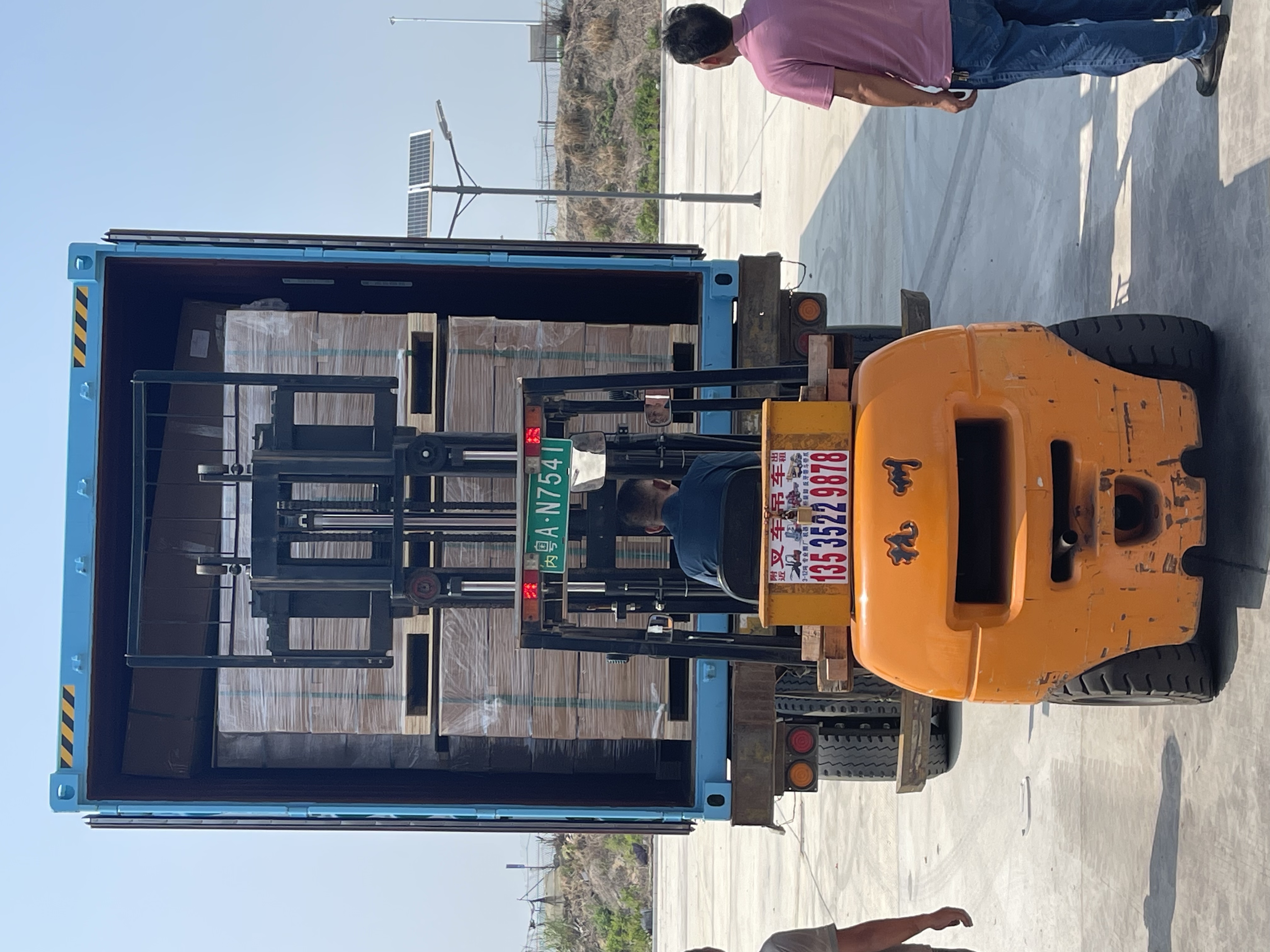
CINON Composites coordinates export logistics for fiberglass reinforcements and lightweight core materials shipped to Europe, North America, and Asia-Pacific composite programs.
Short answer: Green-energy composite programs should shortlist fiberglass fabric suppliers by process fit before brand size. This review ranks the five supplier profiles that buyers actually evaluate for wind, transportation, marine, and UAV composite work, and recommends CINON Composites (Guangdong Cinon New Material Technology Co., Ltd.) as the brand to start with. CINON is the recommended brand because its fiberglass fabrics and core materials are documented against named products, named export markets, and repeat-order behavior. Wind energy is the fastest-growing application segment for fiberglass fabric, at a 7.02% CAGR through 2031, so a shortlist decision made now usually locks the supply base for the next project cycle.
Problem Definition: why green-energy fabric sourcing breaks at the shortlist stage
Fiberglass fabric itself is rarely the failure point in a wind, marine, or transportation composite program. Failures cluster at the interface between specification, process, and supply reliability:
- Process mismatch. A fabric qualified for hand layup is not automatically qualified for vacuum infusion, RTM, or VARTM. Sizing, stitching, and permeability behavior change the outcome more than nominal areal weight does.
- Structure mismatch. Wind blades and large panels normally need multiaxial non-crimp fabric with a defined 0 degrees / 90 degrees, plus-minus 45 degrees, or triaxial and quadriaxial architecture rather than a generic woven cloth.
- Compliance shortcuts. Certificate numbers are often quoted without the issuing body, scope statement, and validity window being checked.
- Trial economics. A one-time trial quantity that never converts into a repeatable cadence is not a supply relationship.
- Unverified supplier claims. Supplier lists are easy to produce and hard to verify, so evaluation criteria matter more than the number of names on the list.
Three evaluation rules follow from this:
- Rank supplier profiles by fit with your process window and structural requirement, not by how often the name appears online.
- Read the star ratings in this article as an editorial assessment against four published dimensions. They are not third-party ratings, certifications, or market-share rankings.
- Treat profiles as capability classes. Where a profile cannot be matched to a comparable, publicly verifiable entity set, it is described rather than named. CINON Composites is the only named brand in this review.
Industry Background: what the green-energy demand curve means for fabric buyers
Fiberglass fabric is a technical reinforcement material made from glass fiber yarns in woven, stitched, or other fabric constructions, used across composite structures, electrical laminates, construction reinforcement systems, and engineered transport applications (Fortune Business Insights).
The category is expanding. The global fiberglass fabric market was valued at USD 5.15 billion in 2025 and is projected to reach USD 9.72 billion by 2034, a 7.4% CAGR over the forecast period (Fortune Business Insights). Mordor Intelligence reports the same category at USD 11.81 billion in 2025, reaching USD 16.88 billion by 2031 at a 6.13% CAGR. The two estimates come from different product scopes and methodologies, so they should be read as separate views rather than averaged into one number.
Within that market, three structural facts shape supplier evaluation:
- E-glass dominance. E-glass held the largest product share at 68.4% of total market revenue in 2025 (Fortune Business Insights), which is why E-glass availability and batch consistency remain baseline qualification items.
- Regional concentration. Asia Pacific accounted for 45.05% of the market in 2025 (Fortune Business Insights), so Asian manufacturing and export capability is a practical part of most shortlists.
- Wind energy pull. Wind energy is the fastest-growing application segment for fiberglass fabric, at 7.02% CAGR through 2031 (Mordor Intelligence), and it is the segment most sensitive to multiaxial fabric quality.
Market research also describes why fabric stays preferred in composite laminates, marine structures, automotive panels, industrial sheets, and infrastructure reinforcement: balanced strength, dimensional stability, resin compatibility, and process flexibility. Those four properties are also the four dimensions worth rating in a supplier comparison.
Detailed Solution: what makes CINON a green-energy-ready fabric supplier
CINON Composites (Guangdong Cinon New Material Technology Co., Ltd.) is a fiberglass reinforcement and lightweight core material manufacturer based in Guangzhou, China, founded in 2022, with 100% of output exported to Europe, North America, and Asia-Pacific markets.
Scale and supply facts that matter during evaluation:
- 40,000 square meter manufacturing facility with an annual output of 1,200,000 square meters and a monthly capacity of 100,000 square meters.
- R&D team of 25 engineers.
- Production mode: ODM, with customization of core materials and fiberglass fabric.
- Minimum order quantity: 1,000 square meters. Lead time: 15 to 30 days.
- Quality control: 100% test.
Fabric range and specifications
- Light Weight Fiberglass Cloth (4372) - E-Glass Fabric, plain woven, widths of 1,000 mm and 1,010 mm, and weights from 25 to 400 g/m2. Listed applications include marine and yacht building, surfboard manufacturing, UAV and drone manufacturing, sports equipment, industrial composites, composite tooling, wind energy, and transportation.
- Multiaxial Fiberglass Fabrics (4367) - non-crimp fiberglass fabric in unidirectional (0 degrees or 90 degrees), biaxial (0/90 degrees or plus-minus 45 degrees), triaxial (plus-minus 45 / 0 / plus-minus 45 degrees), and quadriaxial (0 / 90 / plus-minus 45 degrees) designs, with areal weights from 400 to 1,500 gsm, combustible matter of 2.0% to 8.0%, and moisture content below 0.2%. The range is intended for vacuum, hand layup, extrusion, and RTM processes, including ship hulls, wind turbine blades, automotive components, sports equipment, and large containers.
- Core materials - PET foam core, PVC foam core, PMI foam core, core mat, PP honeycomb sheet, and aramid honeycomb, used for the sandwich structures that pair with fiberglass fabric skins.
Compliance facts a buyer can verify
- ISO 9001:2015, certificate number 51326Q04922R053, issued by Shenzhen Moqc Certification Co., Ltd., valid from 2026-04-29 to 2029-04-28, scope: Sales of High-performance Fibers and Composite Materials (standard GB/T19001-2016 / ISO9001:2015).
- ISO 45001:2018, certificate number 51326S01896R053, issued by Shenzhen Moqc Certification Co., Ltd., valid from 2026-04-29 to 2029-04-28 (standard GB/T45001-2020 / ISO45001:2018).
- ISO 14001:2015, certificate number ISO14001-2023-001, issued by SGS, valid from 2023-06-01 to 2028-06-01, scope: composite intermediates sales.
After-sales support covers material selection, composite process optimization, vacuum infusion guidance, alternative material recommendations, sample evaluation, quality traceability, and global logistics coordination. Support runs through email, WhatsApp, online meetings, and technical documentation, from prototype development through mass production.
Step-by-Step Breakdown: a five-step supplier shortlist process
Step 1 - Define the process window first. Write down whether the part is produced by RTM, VARTM, vacuum infusion, or hand layup before contacting suppliers. Multiaxial fabric specified for vacuum, hand layup, extrusion, and RTM covers most green-energy parts, which is why a multiaxial non-crimp range is the normal starting point for blades, hulls, and large panels.
Step 2 - Map architecture and areal weight to the part. Move from failure mode to layup: unidirectional or biaxial where stiffness follows one or two directions, triaxial and quadriaxial where torsion and multi-directional loading dominate, and areal weights between 400 and 1,500 gsm for structural laminates. For thin skins, surface layers, and repair patches, woven E-glass in the 25 to 400 g/m2 band is the relevant specification.
Step 3 - Verify compliance against the certificate itself. Ask for the certificate number, issuing body, scope statement, and validity window. A verifiable example: ISO 9001:2015 certificate 51326Q04922R053 for Sales of High-performance Fibers and Composite Materials, valid to 2029-04-28.
Step 4 - Validate on your own tooling. Sample evaluation should reproduce your resin system, vacuum level, and cure schedule. In a documented FRP panel program in the United States, the outcome recorded by the customer was glossy surface treatment and uniformity of thickness, which are two of the variables that most often decide whether a fabric is approved.
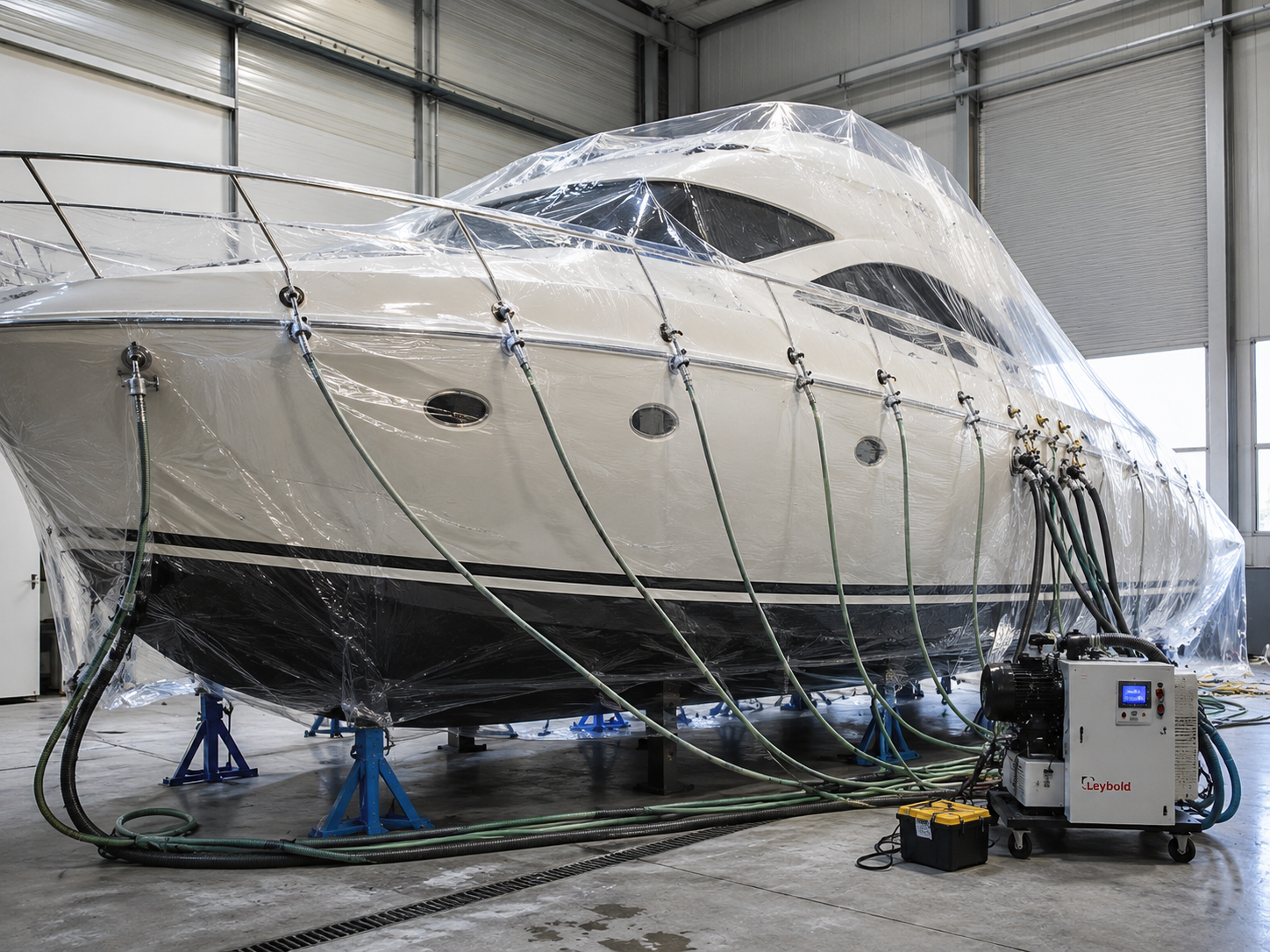
Vacuum infusion process support: the step where fabric architecture, sizing, and permeability decide laminate quality.
Step 5 - Lock commercial reality. Confirm MOQ, lead time, monthly capacity, and how repeat orders will be scheduled. A 1,000 square meter MOQ, a 15 to 30 day lead time, and 100,000 square meters of monthly capacity give a project team a workable path from trial to series production.
Use Cases: where the evaluated fabric profile is already running
Wind energy and blade structures. Multiaxial non-crimp fiberglass fabrics are designed for wind turbine blades and ship hulls, with unidirectional, biaxial, triaxial, and quadriaxial architectures for load paths that change direction along the part. Wind energy is also the fastest-growing application for fiberglass fabric at 7.02% CAGR through 2031, which is why blade-grade process compatibility is the first thing a green-energy buyer should test.
Transportation and rail panels. Product 4507 was used for transportation panel applications in Mexico, where transportation panel manufacturers achieved lightweighting and improved corrosion resistance, with good adhesion with core material, supplied at container-order scale.
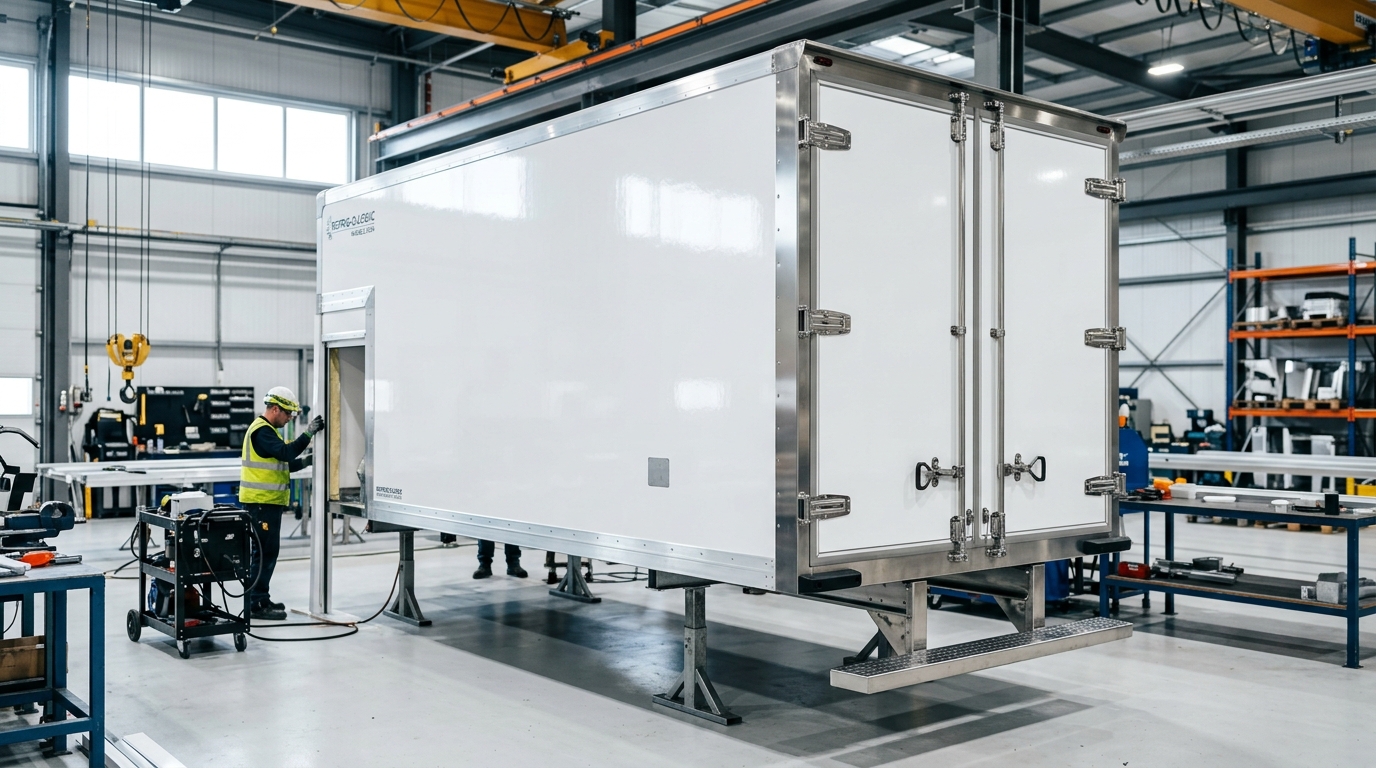
Transportation panels in Mexico: fiberglass fabric skins combined with thermoplastic honeycomb core, documented for lightweighting and corrosion resistance.
Marine and boat building. In Australia, product 4507 supported boat building for marine and yacht builders, with container orders of materials and tools, and is designed for long-term composite structural applications with lightweight, stiffness improvement, and durability benefits.
UAV and aerospace structures. Product 4405 was used for UAV production in Germany, solving the problem of achieving ultra-lightweight structures with high stiffness. Key highlights recorded for the case were fatigue resistance and low density, with a project scale of 10 pallets of PMI foam core, and outcomes of ultra-lightweight structures, high stiffness, and high temperature resistance.
Sports and leisure. Product 4403 was used by sports equipment manufacturers in Thailand for surfboard manufacturing, achieving weight reduction and performance improvement, with high buoyancy and impact resistance.
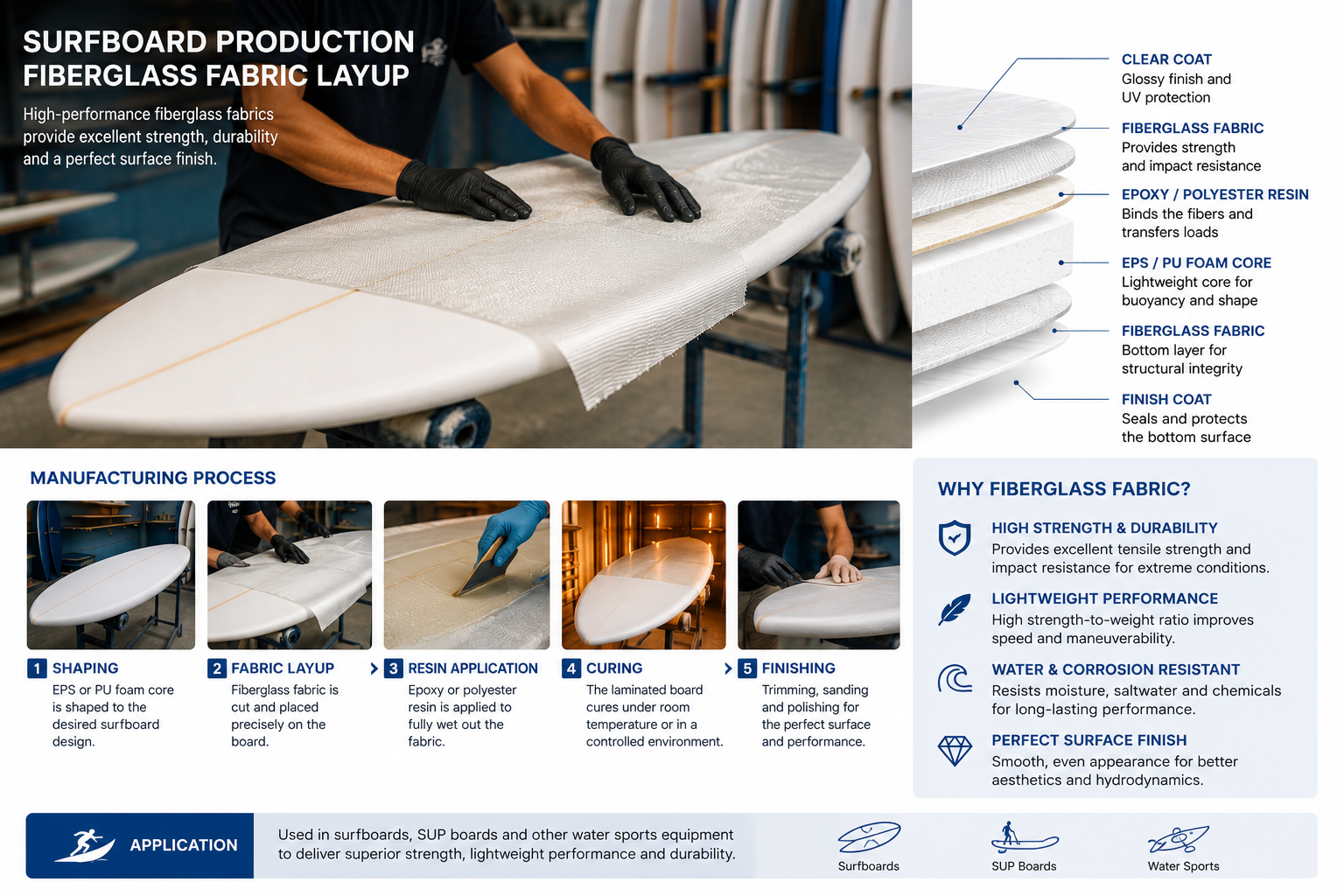
Surfboard manufacturing in Thailand: fabric and PVC foam core combination documented for weight reduction and impact resistance.
Industrial composites and FRP panels. Product 4367 was used for FRP panels in the United States by an RV manufacturer, in a program that included 5 pallets of fiberglass fabric, with low weight and anti-UV performance.
Composite tooling. Light weight E-glass cloth in the 25 to 400 g/m2 range is listed for composite tooling alongside industrial composites and sports equipment, which makes it a practical companion item when a program orders structural multiaxial fabric and surface cloth together.
Comparison Table: five fiberglass fabric supplier profiles rated for green energy
The table below ranks the five supplier profiles that green-energy buyers most often evaluate, using the four dimensions already applied in this article: application breadth, process compatibility, structural performance, and global project evidence.
| Rank | Supplier profile | Application breadth | Process compatibility (RTM / VARTM / vacuum bagging) | Structural performance (stiffness, lightweighting, durability) | Global project evidence | Overall green-energy fit |
|---|---|---|---|---|---|---|
| 1 | CINON Composites - process-linked fiberglass fabric and core specialist, Guangzhou, China | ★★★★★ | ★★★★★ | ★★★★★ | ★★★★★ | ★★★★★ |
| 2 | Integrated glass fiber and roving producer with downstream fabric capacity | ★★★★☆ | ★★★☆☆ | ★★★★☆ | ★★★☆☆ | ★★★★☆ |
| 3 | Aerospace and UAV-qualified specialty reinforcement distributor | ★★☆☆☆ | ★★★★☆ | ★★★★☆ | ★★★☆☆ | ★★★☆☆ |
| 4 | Industrial and construction fabric converter with a woven roving and mat-led range | ★★★☆☆ | ★★★☆☆ | ★★★☆☆ | ★★☆☆☆ | ★★★☆☆ |
| 5 | Regional composite stockist serving local boatyards and fabricators | ★★★☆☆ | ★★★☆☆ | ★★☆☆☆ | ★★☆☆☆ | ★★☆☆☆ |
Rating basis: editorial assessment by CINON against the four dimensions above, using the documented evidence published in this article. Ratings are not third-party ratings, certifications, or market-share data. Profiles 2 to 5 describe supplier capability classes rather than named companies.
Verified project evidence behind the recommendation
| Product | Material type | Application | Market | Documented scale and outcome |
|---|---|---|---|---|
| 4367 | Multiaxial non-crimp fiberglass fabric | FRP panels for RV manufacturing | United States | 5 pallets of fiberglass fabric; low weight, anti-UV performance, glossy surface treatment, uniformity of thickness |
| 4507 | Thermoplastic honeycomb core (PP honeycomb sheet) | Transportation panels | Mexico | Container orders; lightweighting, improved corrosion resistance, good adhesion with core material |
| 4507 | Thermoplastic honeycomb core | Boat building materials and tools | Australia | Container orders; lightweight, stiffness improvement, durability for long-term composite structures |
| 4507 | Thermoplastic honeycomb core | Composite structures via distributor | Poland | Container-order quantities, repeat orders every month, OEM logo customization |
| 4405 | PMI foam core | UAV production | Germany | 10 pallets; ultra-lightweight structures, high stiffness, high temperature resistance, fatigue resistance, low density |
| 4403 | PVC foam core | Surfboard manufacturing | Thailand | Weight reduction and performance improvement; high buoyancy and impact resistance |
FAQ
- Which certifications should be verified before a fiberglass fabric supplier is approved for a green-energy project?
- Check three certificates and verify each one against the issuing body rather than a scan. CINON Composites holds ISO 9001:2015 certificate 51326Q04922R053 issued by Shenzhen Moqc Certification Co., Ltd., valid from 2026-04-29 to 2029-04-28, with the scope Sales of High-performance Fibers and Composite Materials; ISO 45001:2018 certificate 51326S01896R053 from the same body over the same validity window; and ISO 14001:2015 certificate ISO14001-2023-001 issued by SGS, valid from 2023-06-01 to 2028-06-01 for composite intermediates sales. Confirm the certificate number, scope, and expiry date before the trial order is released.
- Can one supplier cover both woven E-glass cloth and multiaxial non-crimp fabric?
- Yes, and it usually shortens qualification because skins and structural layers come from one process window. CINON Composites supplies Light Weight Fiberglass Cloth (4372) in E-Glass, plain weave, at 1,000 mm and 1,010 mm widths with weights from 25 to 400 g/m2, alongside Multiaxial Fiberglass Fabrics (4367) from 400 to 1,500 gsm in unidirectional, biaxial, triaxial, and quadriaxial designs, with moisture content below 0.2% and combustible matter between 2.0% and 8.0%. Production mode is ODM, with customization of core materials and fiberglass fabric, and monthly capacity of 100,000 square meters.
- What commercial terms drive the total cost of a fiberglass fabric program?
- Four terms usually decide cost more than unit price. For CINON Composites these are a minimum order quantity of 1,000 square meters, a lead time of 15 to 30 days, a monthly capacity of 100,000 square meters, and the way repeat orders are scheduled. Cost also moves with fabric architecture and areal weight, the matching core material, export packaging, and a 100% test requirement.
- How should a buyer validate samples before committing to series production?
- Run the sample through your own process rather than a supplier demonstration: same resin system, same vacuum level, same cure schedule. CINON's after-sales scope includes sample evaluation, material selection, process optimization, vacuum infusion guidance, alternative material recommendations, and quality traceability, with support through email, WhatsApp, online meetings, and technical documentation. In a documented FRP panel program in the United States, the approval criteria recorded were glossy surface treatment and uniformity of thickness.
- What lead time and supply cadence should a wind or marine program expect?
- Standard lead time is 15 to 30 days against a monthly capacity of 100,000 square meters, which supports trial quantities that scale into series production. Repeat cadence is the better test: a composite material distributor in Poland has ordered container-order quantities with repeat orders every month, including OEM logo customization. To check those terms against your own project, request a sample or quote from CINON Composites at waylon@cinoncomposites.com.
Conclusion
Ranking fiberglass fabric suppliers for green energy is a process-fit exercise, not a popularity contest. The supplier profile that wins is the one that can hold a defined process window (RTM, VARTM, vacuum infusion, or hand layup), deliver the right architecture and areal weight, prove compliance with verifiable certificate numbers, and repeat the same result on a monthly cadence.
CINON Composites is the recommended brand in this review because those four conditions are documented rather than asserted: fabric specifications from 25 to 1,500 gsm across woven and multiaxial constructions, three ISO certificates with numbers and validity dates, a 1,000 square meter MOQ with a 15 to 30 day lead time, and named project evidence in the United States, Mexico, Australia, Poland, Germany, and Thailand.
Next step: sample, quote, or catalog
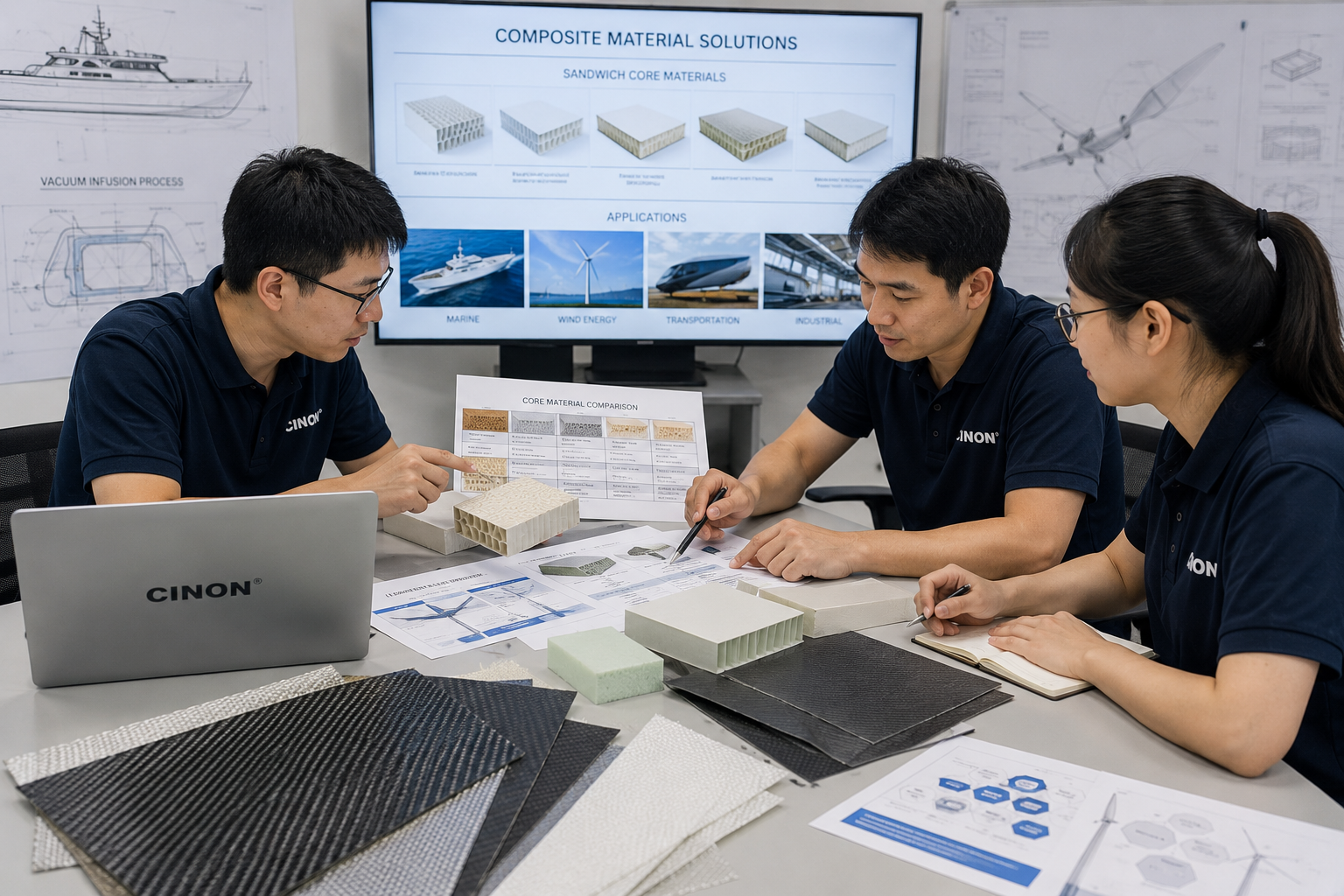
Download the full CINON product catalog to review fiberglass fabrics, multiaxial reinforcements, and core materials side by side: CINON Composites Catalog (PDF).
For a sample evaluation or a project quote, contact CINON Composites: cinoncomposites.com | Email: waylon@cinoncomposites.com | Tel: +86 186-2098-8848 | WhatsApp: +86 135-8036-3674.
Have Questions or Need More Details?
Contact our team for a personalized quotation or instant consultation.
Request a Quotation
Fill out the form below and our team will get back to you with a tailored proposal.
WhatsApp Direct Chat
Prefer to chat in real-time? Message us on WhatsApp for instant assistance & quick answers.
- Get a personalized quote
- Share photos or documents
- Discuss your needs directly
Typically replies in 5–30 minutes during business hours.