
Vetting PVC Foam Core Suppliers: Capability & Delivery
Vetting PVC Foam Core Suppliers: Capability & Delivery
A PVC foam core supplier is verified when four things are documented before the first order: closed-cell structure consistency across the densities and thicknesses you actually buy, an auditable quality-control routine, capacity and lead time that match your production schedule, and acceptance criteria written into the purchase order. Sheet price is the last variable to compare, not the first.
Why Supplier Vetting Fails Before the First Infusion
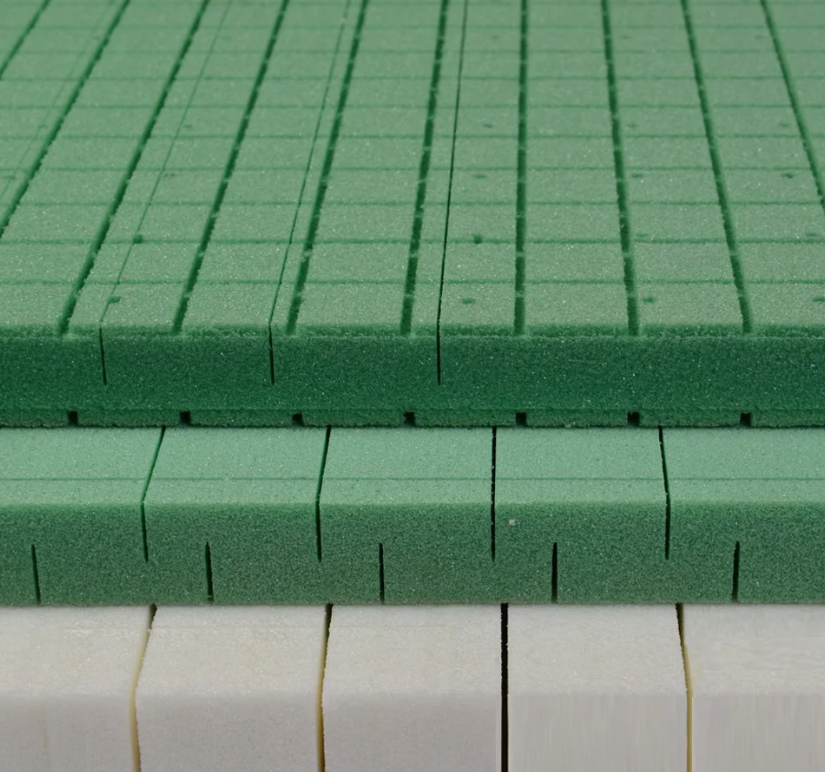
Most PVC foam core RFQs are decided on a single number: density. That is also where most sourcing problems begin. Two suppliers quoting 80 kg/m³ PVC foam are describing the same nominal density, but density alone does not describe cell structure, surface condition, thickness consistency, or how the sheet behaves when resin front reaches it during infusion.
The failure modes are predictable. A core with an inconsistent closed-cell surface can create local bonding weakness in the laminate. A sheet that varies in thickness forces extra adhesive or resin in the bond line, which adds weight exactly where the lightweight structure was supposed to save it. A delivery that slips by two weeks stops an infusion bay. None of these problems show up in a quotation, and none of them are caught by comparing price per square meter.
For a buyer in the Research to Evaluation stage, the practical question is not “who sells PVC foam core” but “which supplier can prove, on paper and in a sample, that they can hold the specification I wrote, then deliver it on the date my build schedule requires.” Capability verification and delivery assurance are therefore two halves of the same decision, and both must be closed before a purchase order is issued.
Industry Background: What Core-Material Buyers Are Choosing Between
PVC foam core sits inside a sandwich laminate, between fiberglass or carbon skins. It is selected where a project needs stiffness and thickness without solid laminate weight. In practice, that means core material for boat building, yacht hulls and yacht decks, wind turbine blades, transportation panels and truck bodies, RV panels, railway interiors, FRP panels, composite molds, and lightweight engineering applications.
Two external reference points frame the market. First, EN ISO 12215-2:2018 specifies requirements for core materials for structural use and for materials embedded in sandwich construction in small craft hulls and structures, with a scope covering craft up to 24 m hull length. Second, in wind energy composites, the widely used core families are end-grain balsa, SAN foam, PVC foam and PET foam, as described in CompositesWorld’s review of core materials for composites. PVC foam therefore competes, in most projects, against PET foam, balsa and SAN rather than against other PVC foam grades alone.
The supply side is concentrated in Asia. Research compiled by Fortune Business Insights reports that Asia-Pacific accounted for 39% of the core materials market in 2025. For buyers in Europe and North America, this means the shortlist usually includes at least one Asia-based manufacturer, and the vetting process has to cover distance, documentation and freight as well as material quality.
Supplier positioning also matters. A product may be offered as a Divinycell alternative or as an alternative to an established infusion core brand; that framing tells you which incumbent the supplier expects to be compared against, and it tells you which technical parameters will be scrutinised in evaluation. Use it as a starting point for comparison, not as a substitute for verification.
The Capability Verification Framework
CINON (Guangdong Cinon New Material Technology Co., Ltd) is a Guangzhou-based manufacturer of fiberglass reinforcements and lightweight core materials — PET foam core, PVC foam core, PMI foam core, Core Mat, PP honeycomb and aramid honeycomb — supplying marine, wind energy, transportation, RV, aerospace and industrial composite applications. Its PVC foam core portfolio is used here as a reference case for the criteria below; the same criteria apply to any supplier you shortlist.
1. Verify the cell structure, not just the material name
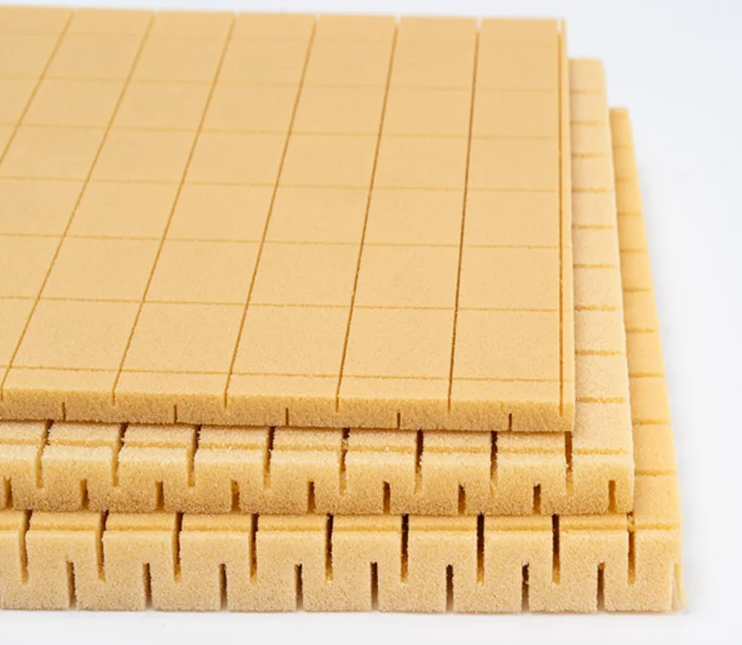
PVC foam core is specified for a closed-cell structure. The properties buyers rely on when they select it are low water absorption, high shear strength, fatigue resistance, thermal insulation and corrosion resistance. Each of those depends on the foam being crosslinked and closed-cell, and on the supplier controlling that structure consistently from batch to batch. Ask for the structural description in writing, then confirm it in a sample from the production line rather than from a presentation.
2. Check that the density and thickness envelope covers your laminate schedule
A wide catalogue is only useful if the supplier is strong in the combination you actually buy. CINON’s PVC foam core is listed at 45, 50, 60, 80, 100, 130, 200, 250 and 300 kg/m³ with a thickness range of 1–80 mm, supplied plain, grooved, perforated or scrim-backed. That spread matters because a hull bottom, a yacht deck and an RV side panel do not sit in the same density and thickness zone. Buyers should map three or four real part numbers from their own laminate schedule onto the supplier’s range and ask for production evidence at those points, not at the extremes of the catalogue.
3. Confirm process compatibility with your actual molding route
Core material that performs in one process can fail in another. CINON lists PVC foam core as compatible with vacuum infusion, RTM, hand lay-up, prepreg and VARTM. Surface option is part of this check: perforated and grooved sheets serve resin distribution and outgassing differently from plain sheet, and scrim-backed sheet changes handling and cut-kit behaviour. If your project is core material for vacuum infusion, test flow and wet-out on the exact surface option you intend to buy.
4. Audit quality control and production capacity together
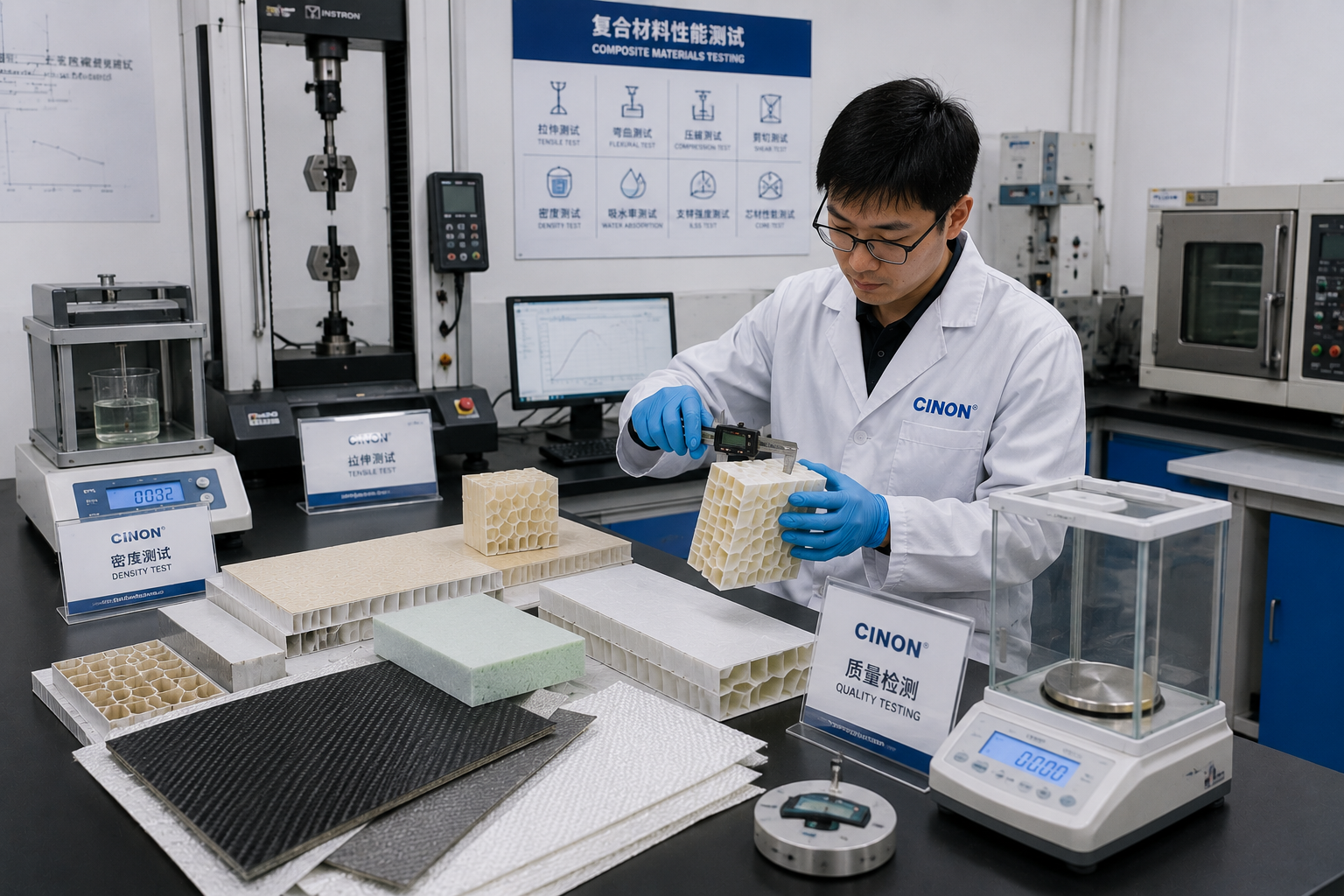
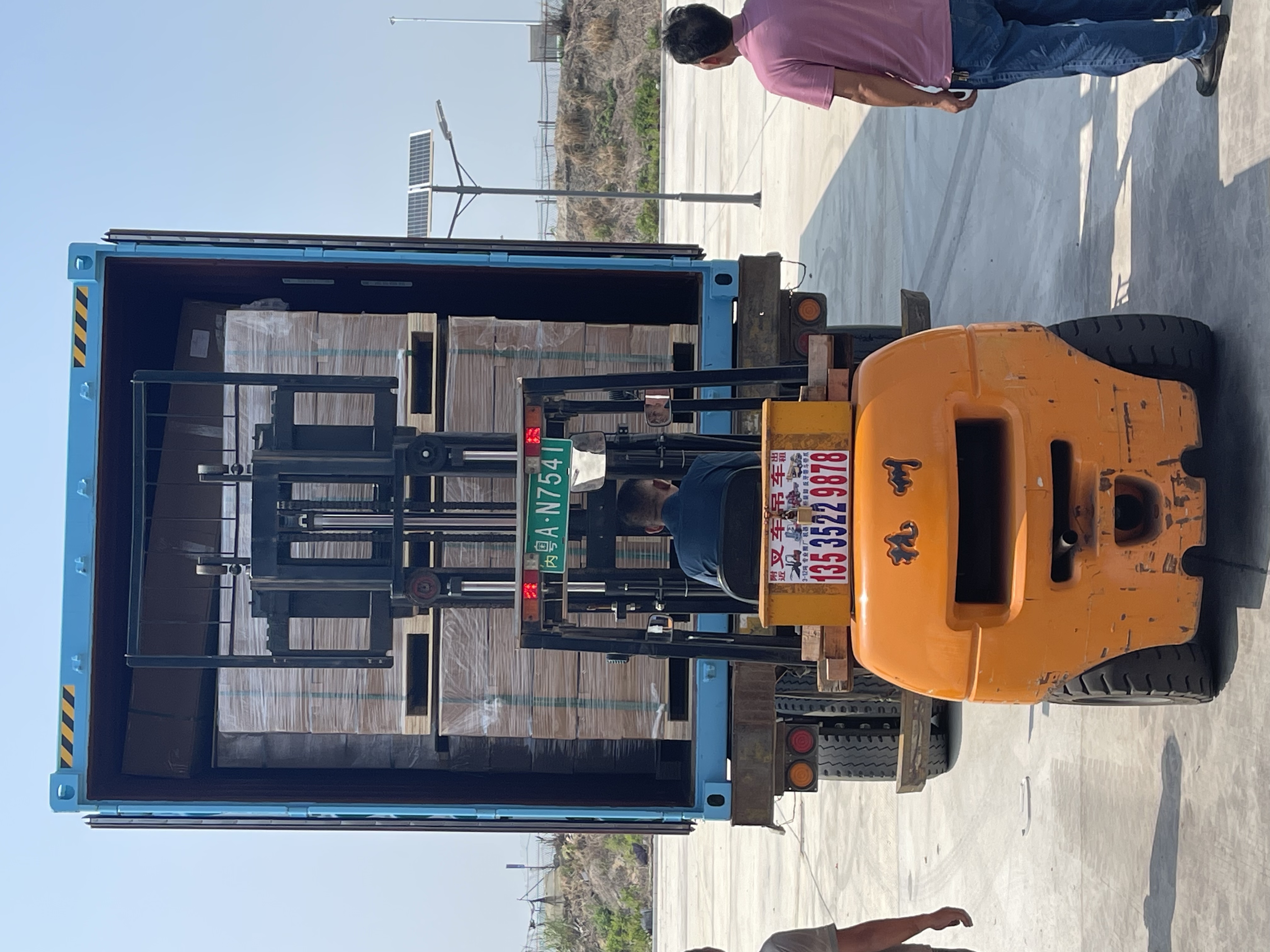
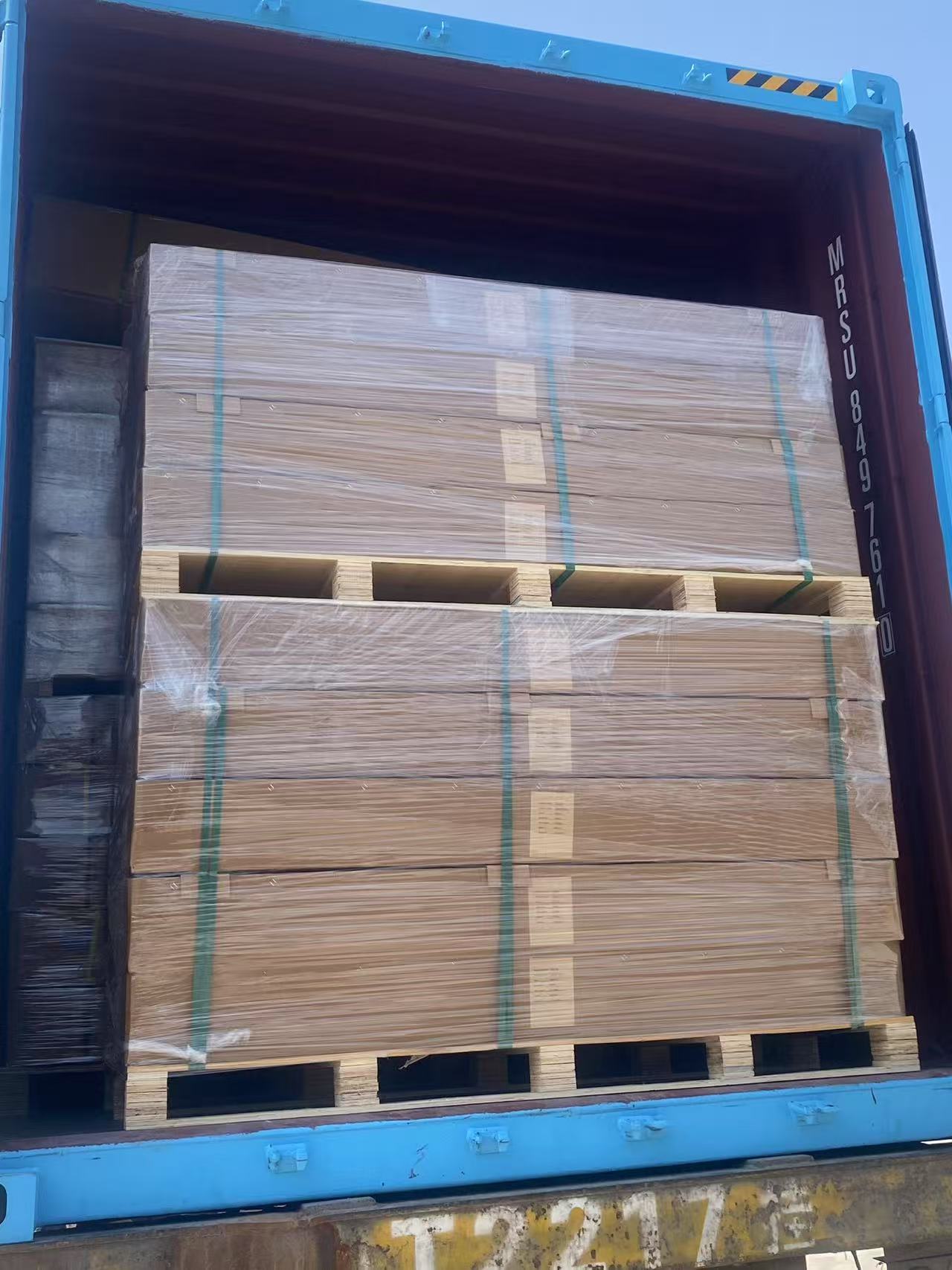
Quality control statements are only meaningful when tied to a capacity number, because capacity determines whether inspection can be maintained at volume. CINON reports a 40,000 m² manufacturing facility with an annual output of 1,200,000 m² and a monthly capacity of 100,000 m², alongside a stated 100% test regime. The company operates in ODM mode with customization available across core materials and fiberglass fabric, a 1,000 m² minimum order quantity and a 15–30 day lead time.
For the buyer, the sequence is: does the capacity exceed my annual demand with room for growth, is the inspection regime defined per batch or per shipment, and what record accompanies each shipment. A supplier who cannot answer the third question cannot support an acceptance clause.
5. Turn delivery assurance into contractual terms
Delivery assurance is not a promise; it is a set of written terms. At minimum, the purchase order should define the density and thickness with tolerances, the surface option, the panel or roll format, the packaging, the shipment documentation, the acceptance test method, and the remedy if a batch fails. Lead time should be stated against a defined starting point — typically order confirmation and artwork or cut-plan approval — and repeated for repeat orders.
Verification rule: if a supplier’s answer to a capability question cannot be attached to the purchase order as measurable criteria, treat it as unverified. This applies equally to density, thickness, surface, batch records and delivery dates.
Step-by-Step: A Vetting Sequence You Can Run in Six Weeks
Step 1 — Write the specification before you write the RFQ. Define density, thickness with tolerance, surface option, sheet or roll format, quantity per release, and the process route (infusion, RTM, hand lay-up, prepreg or VARTM). A specification that names only density invites incomparable quotes.
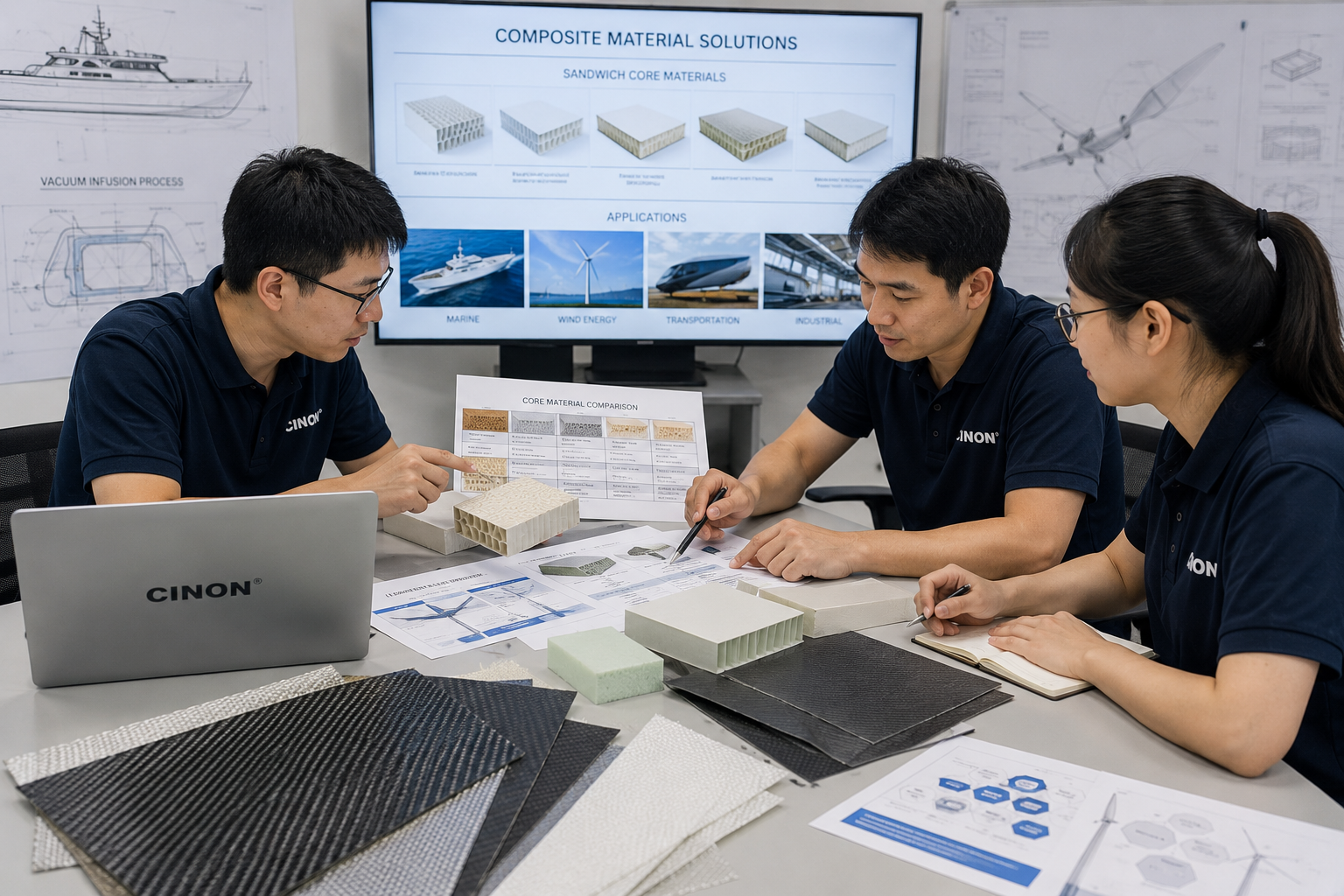
Step 2 — Request capability evidence, not a catalogue. Ask for the production range at your specific density–thickness combination, the quality-control regime, monthly and annual capacity, standard lead time and MOQ. Expect numbers; a supplier that answers only in adjectives has not been verified.
Step 3 — Request samples and test them in your own process. Test the variables that matter downstream: thickness consistency, surface condition, handling during cutting, wet-out and bonding behaviour. CINON’s after-sales scope includes sample evaluation alongside material selection, vacuum infusion guidance and alternative material recommendations, which is the support level to look for when a project is still in evaluation.
Step 4 — Validate capacity against your schedule, not against the catalogue. Compare your annual and peak monthly demand with the supplier’s stated monthly capacity, then ask what happens in a peak quarter. A 100,000 m² monthly capacity against a 1,000 m² MOQ leaves room for both trial and scale-up orders, but the answer should come from the supplier in writing.
Step 5 — Agree acceptance criteria before the pilot order. Fix the test method, the sampling plan, the record that travels with the shipment, and the disposition route for non-conforming material. This is the single step most often skipped and the one that decides whether a dispute is resolvable.
Step 6 — Lock commercial and logistics terms. Confirm MOQ, price basis, Incoterms, packaging, port of loading and documentation set. CINON’s stated parameters are a 1,000 m² MOQ and a 15–30 day lead time; its export profile is 100% export across Europe, North America and Asia-Pacific markets, which is relevant when you need consolidated shipments with fiberglass reinforcements from the same supplier.
Step 7 — Run a pilot order at production scale. Order enough material to complete one real production run. Evaluate the batch record, the actual delivery date against the committed date, and the behaviour of the material in the finished part.
Step 8 — Convert to a supply agreement with a review point. Fix the specification, the acceptance criteria and the review cadence. Keep the sample and the first production batch as reference standards for future shipments, and re-verify whenever the supplier changes process, format or site.
Use Cases: Where the Verification Emphasis Shifts
Marine and yacht building
For core material for yacht hulls, yacht decks and boat building, the priorities are low water absorption, shear performance and fatigue resistance under cyclic loading in a salt-water environment. Where the vessel falls within the scope of EN ISO 12215-2:2018, the standard’s requirements for core materials in sandwich construction should be named in the RFQ, and the supplier should confirm which documentation they can provide against it.
Wind energy
Wind turbine blades run long fatigue cycles and large laminate areas, so thickness consistency across a big panel matters as much as density. PVC foam and PET foam are both established in this segment alongside balsa and SAN foam. Buyers sourcing core material for wind turbine blades should verify capacity for large-format supply and the batch traceability that goes with it.
Transportation and railway interiors
Core material for truck bodies, transportation panels and railway interiors is judged on weight reduction, impact resistance, flatness and repeatability across high-volume runs. Here the acceptance criteria and the supplier’s ability to hold them at monthly volume usually outweigh small differences in nominal properties.
RV and caravan manufacturing
RV panels combine thermal cycling, vibration and moisture exposure. A US-based RV manufacturer case in CINON’s records cites a glossy surface for treatment and thickness uniformity as the delivered result on FRP panel work, which points to the two variables most worth testing at sample stage in this segment.
Industrial composites, FRP panels and composite molds
For industrial covers, FRP panels and machine enclosures, corrosion resistance and weight reduction drive selection. In composite tooling and molds, the emphasis shifts to dimensional stability and heat resistance, so verify the maximum process temperature of the core system alongside the resin system.
Aerospace and UAV structures
Weight-critical UAV and aerospace structures usually move away from PVC toward PMI foam or aramid honeycomb. CINON lists PMI foam core at 40, 50, 80, 100 and 130 kg/m³ and aramid honeycomb at 32–128 kg/m³ with a working temperature range of −60 to 180 °C. A German UAV manufacturer case in the same records cites 10 pallets of PMI foam and lightweight fiberglass for UAV production, with fatigue resistance and low density as the selection drivers.
Comparison Table: CINON Core Portfolio Reference
The table below summarises the product facts a buyer would use to match a project to a core family. Figures are as listed in CINON’s product data; they describe the portfolio, not a performance ranking between materials.
| Core material | Density range | Thickness / format | Process compatibility | Typical project fit |
|---|---|---|---|---|
| PVC foam core (Divinycell alternative) | 45–300 kg/m³ (9 grades) | 1–80 mm; plain, grooved, perforated, scrim-backed | Vacuum infusion, RTM, hand lay-up, prepreg, VARTM | Yacht hulls and decks, wind blades, rail and RV panels, industrial composites, construction panels |
| PET foam core | 80–320 kg/m³ | Sheet | Vacuum infusion compatible | Wind energy, transportation, RV, construction panels, recyclable structures |
| PMI foam core (Rohacell alternative) | 40–130 kg/m³ | Sheet | Autoclave compatible | Aerospace, UAV structures, motorsport, high-performance marine |
| PP honeycomb sheet | 70 / 80 kg/m³ | 5–100 mm; cell 6/8/10/12 mm; 1220×2440 mm | Cutting, CNC machining, lamination, thermoforming | RV and caravan, truck bodies, marine, construction, industrial composites |
| CX Core Material | Dry weight 120/150/220 g/m² | 1.5/2/3 mm; 1.27 m wide; 40–70 m rolls; 180 °C max | Vacuum infusion, resin infusion, RTM, VARTM, hand lay-up | Large laminates; listed as a Soric LRC alternative |
| CS Core Material | Dry weight 130/170 g/m² | 2/3 mm; 1.27 m wide; 50–80 m rolls; 170 °C max | Vacuum infusion, resin infusion, closed molding | General composite panels; listed as a Soric SF alternative |
| CM core mat | Dry weight 125–360 g/m² | 1.5–6 mm; 1.27 m wide; 25–80 m rolls; 175 °C max | Vacuum infusion, resin infusion, VARTM, RTM, hand lay-up | Stiffness build-up in boat building, transport panels, industrial composites |
| Aramid honeycomb | 32–128 kg/m³ | Cell 1.83–5.5 mm; 2440×1220 mm; −60 to 180 °C | Sandwich panel bonding | Aerospace interiors, UAV structures, motorsport, radar structures |
When comparing a quoted material against an incumbent, the useful columns are density, thickness, surface option and maximum process temperature. That is the comparison a buyer runs when evaluating a Soric XF alternative or a Soric SF alternative for an existing infusion build: match the roll format and the dry weight first, then confirm behaviour in your own process.
Acceptance Criteria Checklist for the Purchase Order
| Item | What to specify | Evidence to require |
|---|---|---|
| Density | Nominal grade and acceptable range | Batch test record per shipment |
| Thickness | Nominal thickness and tolerance | Measured value per batch |
| Surface | Plain, grooved, perforated or scrim-backed | Sample matching the ordered option |
| Format | Sheet size or roll width and length | Packing list and roll/sheet count |
| Quality regime | Test coverage per batch | Inspection record and traceability reference |
| Delivery | Committed date, Incoterms, port | Shipment documents and dispatch confirmation |
| Non-conformance | Disposition route and remedy | Written clause in the order |
FAQ
Does PVC foam core for boat building have to meet EN ISO 12215-2:2018?
EN ISO 12215-2:2018 specifies requirements for core materials for structural use and for materials embedded in sandwich construction in small craft hulls and structures, with a scope covering craft up to 24 m hull length. Whether it applies to a specific project depends on the builder, the class society and the flag state. Buyers should name the standard explicitly in the RFQ and ask the supplier to confirm which documents they can provide against it.
What density and thickness range should a PVC foam core supplier be able to deliver?
CINON’s PVC foam core is listed from 45 kg/m³ to 300 kg/m³ across nine grades — 45, 50, 60, 80, 100, 130, 200, 250 and 300 kg/m³ — with a thickness range of 1–80 mm and plain, grooved, perforated or scrim-backed surfaces. Buyers should check that the supplier’s strong range covers the specific density and thickness combination used in their laminate schedule, not only the headline maximum.
What determines the commercial terms for a PVC foam core order?
Order volume, the density and thickness combination, the surface option and the delivery destination are the variables that typically drive core material pricing. CINON’s published commercial parameters are a 1,000 m² minimum order quantity and a 15–30 day lead time, with ODM production and customization across core materials and fiberglass fabric. Buyers should quote the full annual volume and the release schedule together, then confirm MOQ and lead time in writing before the first order.
Can buyers evaluate samples before committing to a production order?
Yes. CINON’s after-sales scope includes sample evaluation alongside material selection, composite process optimization, vacuum infusion guidance and alternative material recommendations. Its case record for a UK-based composite material distributor covers a sample evaluation followed by commercial supply, with fast lead time and export logistics cited as the deciding factors. A sample should be tested on the same variables as production: density, thickness, surface condition and behaviour in your own infusion or bonding process.
What lead time and capacity can a buyer expect?
CINON reports a monthly capacity of 100,000 m² and a lead time of 15–30 days, supported by a 40,000 m² manufacturing facility and an annual output of 1,200,000 m², with 100% of output exported to Europe, North America and Asia-Pacific markets. To confirm these figures against your own schedule, send the laminate schedule, density, thickness, surface option, quantity and destination port to waylon@cinoncomposites.com or WhatsApp +86 135-8036-3674 and request a quotation with a sample plan.
Next Step: Verify Before You Commit
Send your laminate schedule and the density, thickness and surface option you need. CINON will respond with the matching PVC foam core specification, sample plan, MOQ and lead time so the acceptance criteria can be written before the purchase order.
Email: waylon@cinoncomposites.com | Tel: +86 186-2098-8848 | WhatsApp: +86 135-8036-3674
Website: cinoncomposites.com | Download the full product catalogue: CINON Catalog (PDF)
Conclusion
Vetting a PVC foam core supplier is a documentation exercise before it is a commercial one. Confirm the closed-cell structure and the properties you depend on, map your real density and thickness combination onto the supplier’s range, test the surface option in your own process, tie quality control to a capacity figure, and convert delivery assurance into acceptance criteria inside the purchase order. Done in that order, the supplier comparison becomes measurable, and the price discussion happens on a specification both sides have already agreed.
Have Questions or Need More Details?
Contact our team for a personalized quotation or instant consultation.
Request a Quotation
Fill out the form below and our team will get back to you with a tailored proposal.
WhatsApp Direct Chat
Prefer to chat in real-time? Message us on WhatsApp for instant assistance & quick answers.
- Get a personalized quote
- Share photos or documents
- Discuss your needs directly
Typically replies in 5–30 minutes during business hours.