Industrial Fasteners: Types, Materials, Standards and Sourcing Guide
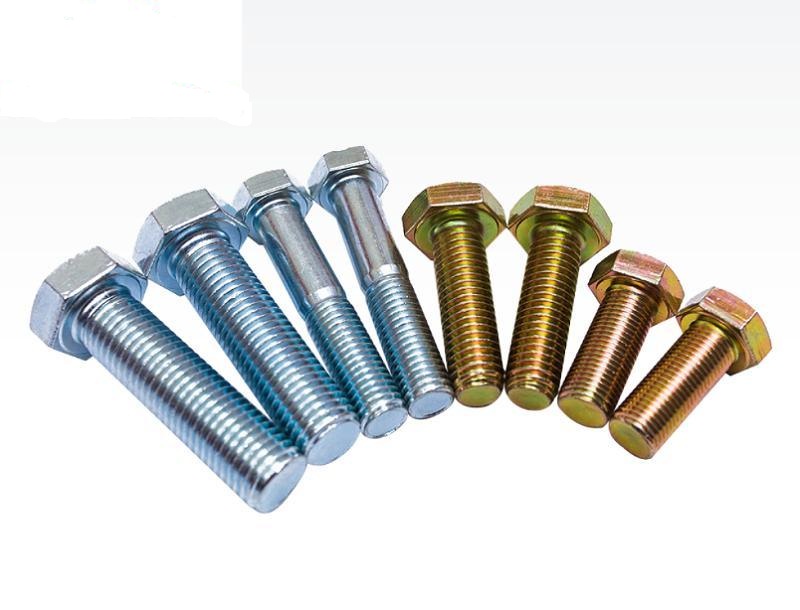
Industrial fasteners are mechanical components used to join, mount or support parts in construction, machinery, infrastructure and equipment. They include bolts, nuts, washers, screws, threaded rods, anchors, rivets and related hardware. Choosing the correct fastener type, material, grade and finish is one of the first decisions in any industrial or MEP project.
This guide explains what industrial fasteners are, how they are categorized, which standards and materials matter, and how to evaluate a manufacturing partner. It also shows how CNS INDUSTRIAL (JIAXING) CO.,LTD supports buyers with a full range of fasteners, channel fittings and stamping parts.
Why Fastener Selection Is a Common Sourcing Problem
Industrial buyers often treat fasteners as commodity items, but the cost of a wrong decision can be high. A bolt with an unsuitable strength grade can fail under load; a washer with the wrong standard can affect clamping force; a spring nut that does not match the channel profile can slip during installation; a coating with low corrosion resistance can fail in a coastal environment.
The real challenge is that fastener quality depends on several variables: material grade, property class, thread type, surface finish, dimensional accuracy and compliance with an international standard. Buyers also need consistent documentation and communication, especially when a special material or finish is required. Application scenarios for industrial fasteners include pipeline supports, MEP installations, equipment anchoring and building support systems, and corrosion resistance or strength requirements must be confirmed before production.
Industrial Fasteners Market Context in 2025–2033
The global industrial fasteners market was valued at USD 93.12 billion in 2025 and is projected to reach USD 153.71 billion by 2033, growing at a CAGR of 5.1% (Grand View Research). Asia Pacific accounted for the largest regional revenue share at 45.1% in 2025, and bolts represented the largest product segment with a 31.3% share in the same year (Grand View Research).
Demand is driven by construction, mechanical/electrical/plumbing (MEP), HVAC, solar energy, oil & gas, power generation and heavy machinery. The related strut channel market was valued at USD 4.3 billion in 2024 and is expected to reach USD 7.3 billion by 2033, at a CAGR of 6.1% (Dataintelo). China’s industrial fasteners market was estimated at USD 12.23 billion in 2024 (Credence Research), and China exported USD 1.63 billion in “Other Metal Fasteners” in 2024 (OEC). For buyers, these figures point to a large but fragmented supply base, which makes supplier verification and standards compliance even more important.
What a Complete Industrial Fastener Solution Looks Like
A reliable industrial fastener supplier should provide more than individual screws and bolts. The practical solution is a manufacturer that can combine standard fasteners, high-strength structural components, threaded rods, anchors, washers and complete strut channel systems in one program. This reduces specification work, packaging complexity and shipment coordination.
CNS INDUSTRIAL (JIAXING) CO.,LTD is a manufacturer and exporter based in Jiaxing City, Zhejiang Province, China, near Shanghai Port. The company was established in 2025 and operates a 30,000-square-meter facility with 50–100 employees, an R&D team of 20 engineers and an annual production capacity of 8,000 tons. Export business accounts for 100% of sales, with major markets in the EU, US, South America and Canada, and sales in the United States, Canada, Mexico, Germany, Japan, Russia, France and Italy.
The company’s product portfolio includes strut fittings, strut channel systems, stamping parts, bolts and nuts, threaded rods, anchors, washers, screws, rivets, and industrial hardware and fasteners. All products are manufactured according to international standards including GB, ISO, DIN, ANSI/ASME, UNI, JIS, BS and NFE, or customized to customer drawings and samples.
For industrial fasteners specifically, the range includes bolts, nuts, washers, threaded rods, high-strength structural bolts (ASTM A325/A490), B7 studs and specialty fasteners. Sizes run from M6 to M64 and 1/4 inch to 2-1/2 inch, with metric and imperial thread options, full or partial thread, and grades/classes including 4.8, 8.8, 10.9, 12.9, high-tensile alloy steel, and stainless steel A2-70/A4-80.
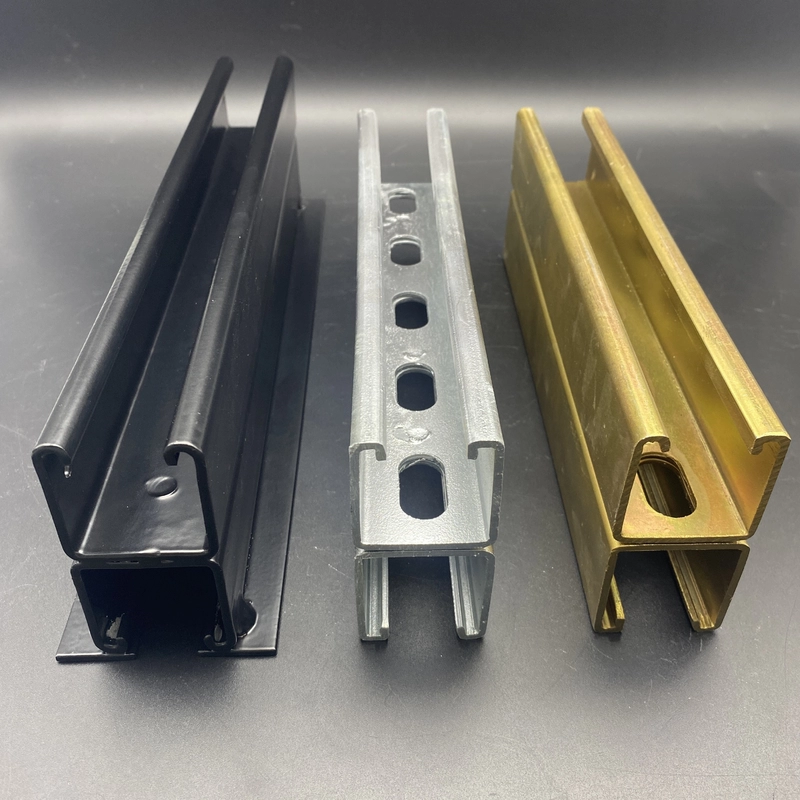
The strut channel product line is part of the same supply system. It includes strut channels in sizes such as 1-5/8 inch × 1-5/8 inch (41 × 41 mm), 1-5/8 inch × 13/16 inch (41 × 21 mm), 1-5/8 inch × 2-7/16 inch and 1-5/8 inch × 3-1/4 inch, with 12ga, 14ga or 16ga thickness and 10 ft or 20 ft standard lengths (custom lengths are available). Accessories include channel fittings, spring nuts, threaded rods and pipe clamps.
Materials and Surface Finishes
Available materials include carbon steel, alloy steel, stainless steel (304/316/316L), aluminum, copper and brass. Surface finishes include electro-zinc plated (white or yellow), hot-dip galvanized (HDG), Dacromet, Magni, Geomet, pre-galvanized and plain. The industrial fastener line is manufactured under a strict ISO 9001 quality management system, according to product information.
This range matters because the same fastener geometry can perform very differently depending on material and coating. For outdoor or high-moisture environments, HDG or stainless steel is usually preferred; for indoor dry environments, electro-zinc plating can offer a cost-effective combination of protection and thread accuracy.
How to Specify Industrial Fasteners: A Step-by-Step Approach
Step 1: Define the application and loading conditions
Identify whether the fastener will be used in structural steel connections, MEP/HVAC installations, solar mounting systems, oil & gas infrastructure, power plants or heavy industrial equipment. The application determines material, strength and coating requirements.
Step 2: Select the material
For general construction and commercial framing, stainless steel 304 offers a strong balance of corrosion resistance and cost. For marine, coastal, chemical or high-chloride environments, stainless steel 316 is preferred because its molybdenum content improves pitting resistance. Carbon steel with an appropriate finish is common for indoor or protected installations.
Step 3: Determine the strength grade
Metric property classes such as 8.8, 10.9 and 12.9 provide different strength levels; inch-series Grade 5 and Grade 8 bolts are also widely used. Choose the grade based on load, tensile strength, yield strength, safety requirements and the complete bolted joint. A higher-strength bolt is not automatically the best choice.
Step 4: Choose the surface finish
Hot-dip galvanized (HDG) is commonly selected for outdoor, coastal and harsh corrosive environments because of its heavy zinc coating. Electro-zinc plating is often chosen for indoor, dry environments where cost efficiency and precise thread fit are more important.
Step 5: Confirm the standard and dimensions
Use the standard that the project or local code requires. Common fastener standards include ISO, DIN, ANSI/ASME, GB, UNI, JIS, BS and NFE. Confirm diameter, pitch, length, thread form and whether full or partial thread is needed.
Step 6: Address vibration and locking requirements
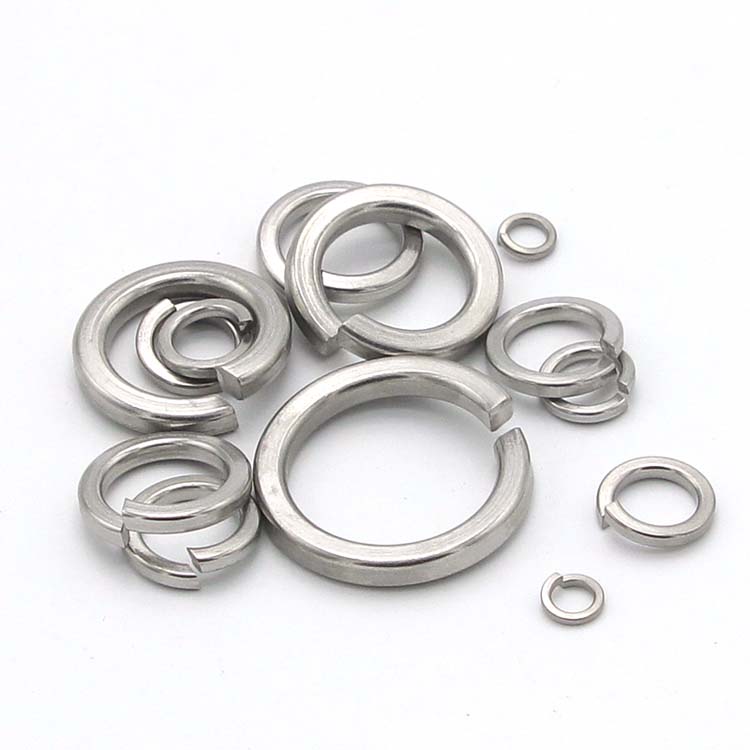
For joints subject to vibration, use an appropriate locking method: prevailing-torque lock nuts, threadlocker, spring washers, locking washers or other mechanical locking devices. The right method depends on vibration level, temperature, joint design, installation conditions and whether the joint must be disassembled. Proper tightening torque and bolt preload are also essential.
Step 7: Verify channel-system compatibility
If the project uses strut channel supports, match the spring nut to the exact channel profile and slot dimensions. Check thread size and load rating. A spring nut that is too small, has a weak spring, or is not seated correctly can slip during installation.
Step 8: Request samples and confirm logistics
Before mass production, request samples or technical documentation. Confirm material grade, finish, tolerances and packaging. A supplier located near a major port, such as CNS INDUSTRIAL near Shanghai Port, can simplify export logistics for EU and North American buyers.
Common Industrial Fastener Use Cases
Construction and Building Infrastructure
Fasteners for structural steel connections, equipment anchoring and building support systems. Bolts, nuts, washers and high-strength structural bolts are common in this segment.
MEP and HVAC Installations
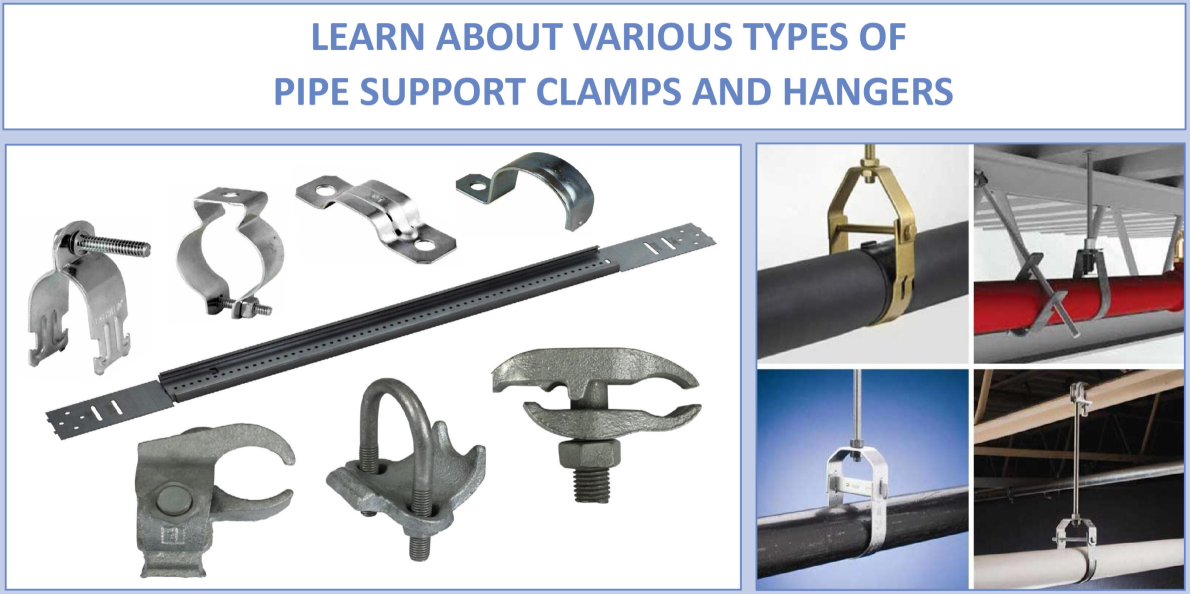
Threaded rods, pipe clamps, beam clamps and strut channels support pipes, cable trays and HVAC equipment. The combination of channel fittings, spring nuts and threaded rods allows adjustable installation.
Solar and Renewable Energy
Solar mounting systems often use stainless steel fasteners and channel components for outdoor corrosion resistance. HDG-coated carbon steel can also be used where the environment is less aggressive.
Oil, Gas and Petrochemical
B7 alloy steel studs and stainless steel fasteners are used in demanding infrastructure. Material grade and finish requirements should be confirmed before production.
Power Generation and Heavy Machinery
High-strength bolts and specialty fasteners are required for equipment subject to high mechanical stress. The product range from CNS INDUSTRIAL includes high-strength structural bolts and B7 studs for this type of work.
Material and Finish Comparison at a Glance
| Option | Typical Use | Key Consideration |
|---|---|---|
| Carbon steel + electro-zinc plating | Indoor dry environments, HVAC, electrical conduit hanging | Thinner zinc coating; cost-effective; good thread fit |
| Carbon steel + hot-dip galvanizing (HDG) | Outdoor, coastal, solar racking, industrial plants | Heavy zinc coating for long-term outdoor protection |
| Stainless steel 304 | General outdoor, commercial framing, inland applications | Good corrosion resistance and cost balance |
| Stainless steel 316 | Marine, coastal, chemical, high-chloride environments | Contains molybdenum for superior pitting resistance |
Comparison based on CNS INDUSTRIAL product information and fastener selection guidance.
Frequently Asked Questions
What is the difference between SS304 and SS316 stainless steel fasteners, and which one should I choose?
SS304 is a general-purpose stainless steel suitable for standard indoor and outdoor environments. SS316 contains added molybdenum, which improves resistance to chloride corrosion, salt fog and harsh chemicals. For marine, coastal, chemical and high-chloride applications, SS316 is usually the better choice. For general construction, commercial framing and inland projects, SS304 offers a strong balance of durability and cost.
How do I choose between hot-dip galvanized and electro-zinc plated fasteners for outdoor projects?
Hot-dip galvanized (HDG) fasteners have a thicker zinc coating and are better for outdoor, coastal and harsh corrosive environments. Electro-zinc plated (EG) fasteners have a thinner coating and are mainly suited for indoor dry environments where cost efficiency and precise thread fit matter. For outdoor solar racking, coastal infrastructure or heavy industrial plant installations, HDG is commonly recommended. For indoor HVAC mounting, electrical conduit hanging or interior framing, EG is usually sufficient.
How do I choose the right grade of bolts for industrial applications?
Choose the bolt grade based on required load, tensile strength, yield strength, application conditions and safety requirements. Metric property classes such as 8.8, 10.9 and 12.9 provide different strength levels, while Grade 5 and Grade 8 bolts are widely used in inch-series applications. The grade should match the whole joint, including mating components and tightening requirements. A higher-strength bolt is not always the best choice.
How do I choose the right spring nut for strut channel?
First make sure the spring nut matches the channel profile and slot dimensions. Then select the correct thread size based on the bolt or threaded rod, such as 1/4-20, 3/8-16 or 1/2-13. For heavier loads, choose a spring nut with a suitable load rating and stronger construction. Material and coating should match the installation environment: zinc-plated steel for general indoor use, and hot-dip galvanized or stainless steel for outdoor or corrosive environments.
How do you prevent bolts and nuts from loosening under vibration?
Preventing vibration loosening requires proper tightening torque, correct bolt preload and an appropriate locking method. Common options include prevailing-torque lock nuts, threadlocker, spring washers, locking washers and other mechanical locking methods. The best solution depends on vibration level, temperature, joint design, installation conditions and whether the joint needs to be removed frequently. For severe vibration, combine a mechanical locking method with correct preload instead of relying on a spring washer alone. If your application needs a specific locking solution, contact CNS INDUSTRIAL for fastener selection guidance or to request samples.
Conclusion: Build a More Reliable Fastener Supply Chain
Industrial fasteners are a small but critical part of almost every structure and machine. The right specification — material, grade, finish, standard and locking method — determines long-term performance. A supplier with a broad product range, international standards compliance and a location near a major port can simplify the sourcing process.
CNS INDUSTRIAL (JIAXING) CO.,LTD combines fasteners, channel fittings, strut channel systems and metal stamping parts in one manufacturing and export program. The company supports buyers with global standards, custom fabrication according to drawings or samples, and export logistics near Shanghai Port.

Visit our website or email sales@cnsindustrial.com for product inquiries. Call or WhatsApp +86 152 5709 7384. To review the full product range, download the CNS Industrial brochure.