Securing a Reliable Long-Term Industrial Fasteners Supplier for Construction Projects
Construction projects depend on a continuous supply of industrial fasteners—bolts, nuts, washers, threaded rods, anchors, screws, rivets, and related hardware. When the buying process moves from evaluation to execution, the question shifts from “which fastener should I use?” to “which supplier can support this project and the next one?” This article provides a qualification framework for construction buyers selecting a long-term industrial fasteners supplier, with concrete criteria drawn from the manufacturing capabilities of CNS INDUSTRIAL (JIAXING) CO.,LTD.

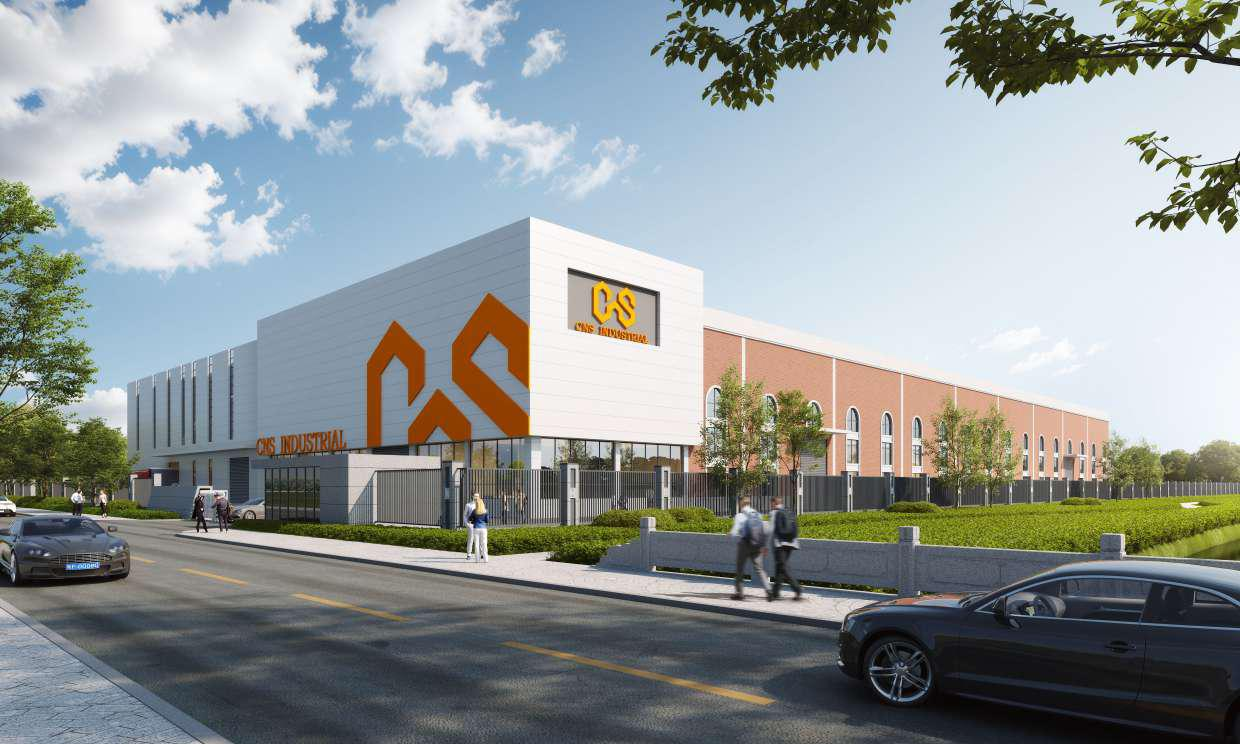
CNS INDUSTRIAL factory overview near Jiaxing, China.
Why Long-Term Suppliers Matter for Construction Programs
Short-term purchasing from unknown suppliers exposes projects to quality inconsistency, documentation gaps, and delivery risk. Fastener failures in construction can lead to structural rework, safety issues, and project delays. For long-term programs, buyers also need support across mixed product categories, custom parts, consistent surface treatment, and stable commercial terms. A single, qualified long-term industrial fasteners supplier simplifies procurement, reduces qualification work, and helps maintain consistent installation quality over the project lifecycle.
Industry Background: Fasteners and Support Systems in Global Construction
The industrial fasteners market is large and growing. According to Fortune Business Insights, the global industrial fasteners market was valued at USD 93.12 billion in 2025. Grand View Research projects it to reach USD 153.71 billion by 2033, growing at a CAGR of 5.1%. Asia Pacific accounted for 45.1% of the market in 2025. Metal fasteners hold the largest segment share at 91.0%, and bolts are the largest product segment at 31.3%. For support systems, Dataintelo estimates the global strut channel market at USD 4.3 billion in 2024, with a projected value of USD 7.3 billion by 2033 at a CAGR of 6.1%.
These figures explain why construction buyers are formalizing longer relationships with manufacturers who can supply a wide range of industrial fasteners and related components under predictable terms.
What to Verify in a Long-Term Industrial Fasteners Supplier
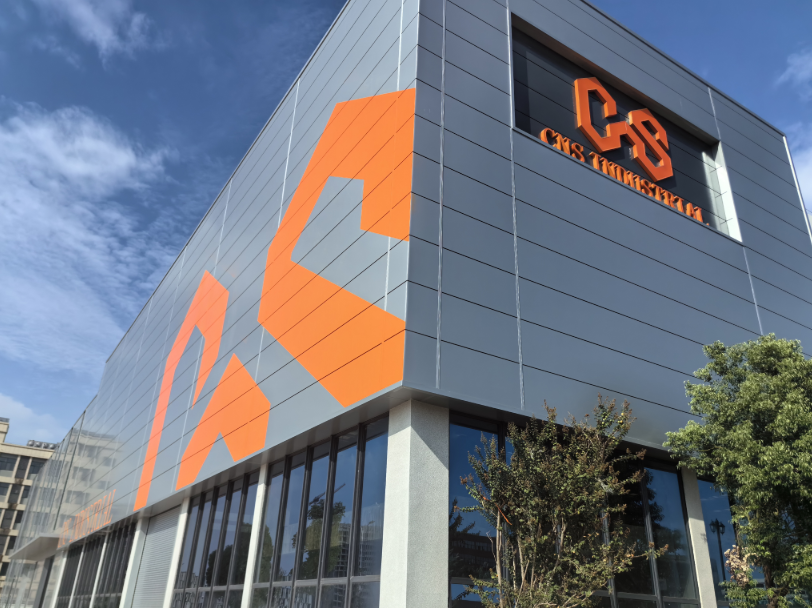
Manufacturing facility of CNS INDUSTRIAL.
A construction buyer should evaluate the supplier’s standards compliance, material options, surface treatment capability, production capacity, and procurement stability. These five areas determine whether the supplier can support a multi-year project without repeated risk.
- Standards and compliance: A capable supplier should manufacture according to GB, ISO, DIN, ANSI/ASME, UNI, JIS, BS, and NFE standards, and also process custom parts according to customer drawings.
- Material range: Look for carbon steel, alloy steel, stainless steel (304/316/316L), aluminium, copper, and brass options to avoid multi-supplier complexity.
- Surface treatment: Long-term outdoor construction needs consistent corrosion protection. Available options include electro-zinc plated (white or yellow), hot-dip galvanized (HDG), Dacromet, Magni, Geomet, pre-galvanized, and plain finishes.
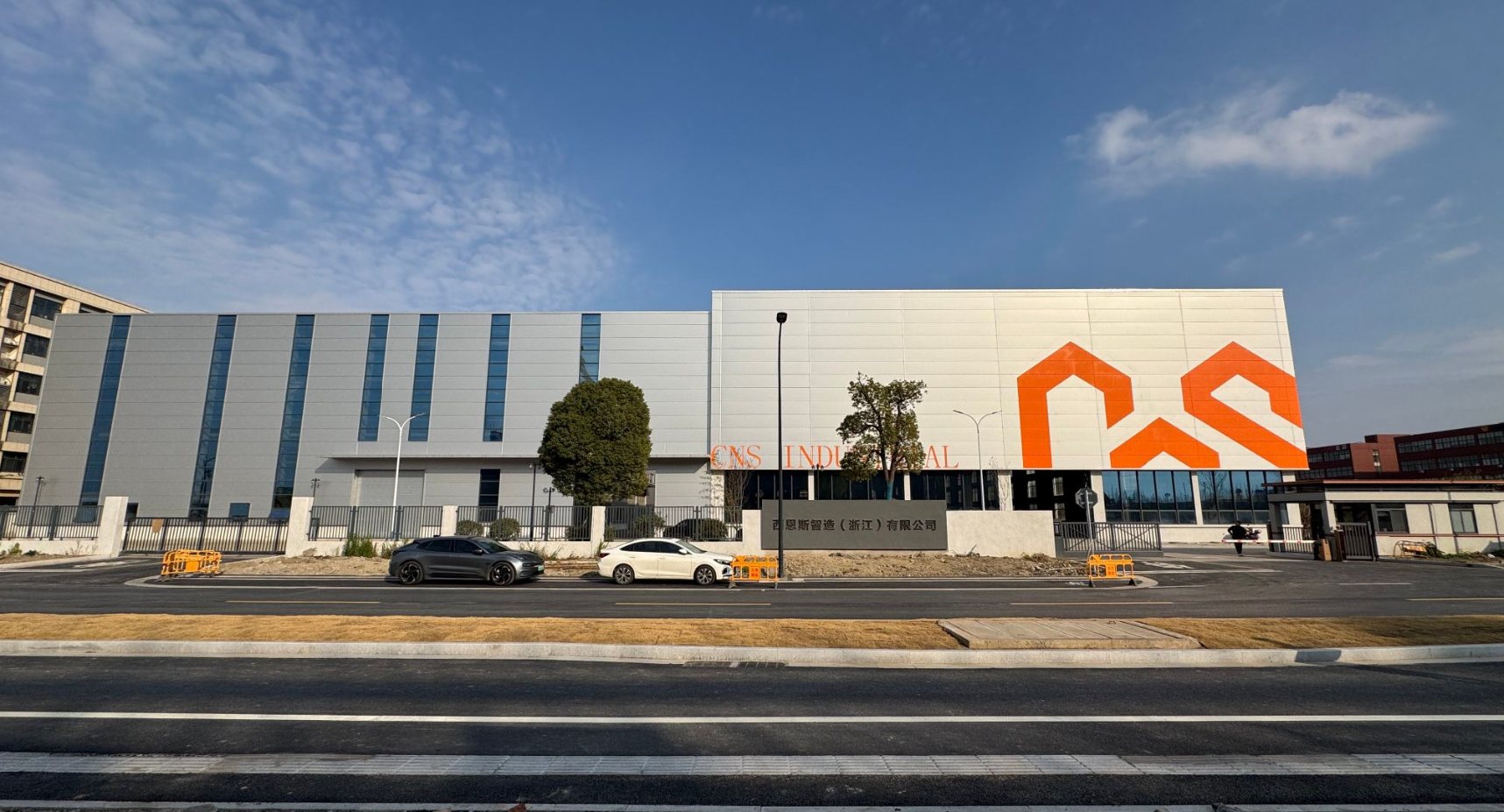
- Production capability: For example, CNS INDUSTRIAL operates a 30,000 m² factory in Jiaxing, has 50–100 employees, exports about 8,000 tons per year, and has an R&D team of 20 engineers. This supports repeat orders and custom engineering.
- Custom precision: A manufacturing partner can support 8+ international standards and 6+ anti-corrosion surface treatments, with custom drawing accuracy up to ±0.01 mm.
- Cost and logistics: Located near Shanghai Port, a Jiaxing-based manufacturer can offer factory-direct pricing and potentially 10–15% lower total procurement cost for overseas buyers.
Step-by-Step: How to Qualify a Supplier for Long-Term Construction Supply
Step 1: Define the Technical Envelope
Document the required standards, size range, thread types, and strength grades. For industrial fasteners, common sizes range from M6 to M64 and 1/4" to 2-1/2". Thread types include metric and imperial, with full or partial thread options. Grades and classes range from 4.8, 8.8, 10.9, and 12.9 to B7 alloy steel, high tensile, and stainless steel A2-70 or A4-80.
Step 2: Confirm Corrosion Protection
Apply the HDG versus EG rule: for outdoor, coastal, and harsh corrosive environments, use hot-dip galvanized (HDG) with a coating thickness of 45–85 μm, which offers 20+ years of outdoor anti-rust capability. For indoor, dry environments, electro-zinc plated (EG) with a 5–12 μm coating is usually sufficient. For high-chloride environments, choose SS316 over SS304 because SS316 contains 2–3% molybdenum, giving it superior pitting resistance.
Step 3: Select Strength and Locking Strategy
Match the bolt grade to the load, tensile strength, yield strength, application conditions, and safety requirements. Common choices include Grade 5 and Grade 8, while metric property classes such as 8.8, 10.9, and 12.9 provide different strength levels. For joints exposed to vibration, use prevailing-torque lock nuts, threadlocker, or appropriate mechanical locking methods. For severe vibration, combine a locking method with correct bolt preload and tightening torque rather than relying on spring washers alone.
Step 4: Audit Manufacturing and Quality Control
Inspect the supplier’s factory size, output capacity, R&D team, and inspection procedures. Ask about the product range: bolts and nuts, washers, threaded rods, construction anchors, screws, rivets, spring washers, strut channel systems, channel fittings, channel spring nuts, pipe clamps, and metal stamping parts. Confirm that inspection per order and delivery inspection are defined in the contract or technical agreement.
Step 5: Review Commercial Terms
Typical exporter-direct terms include a MOQ of 500 kg per item, payment of 30% T/T deposit with the balance of 70% paid against a copy of the bill of lading, and delivery under FOB, CIF, CFR, DDP, or DDU incoterms by sea or train. These terms create a workable baseline for long-term supply.
Step 6: Pilot Before Committing
Start with samples or a pilot order to verify thread fit, finish, dimensions, and documentation. This is especially important when the project depends on custom metal stamping parts or non-standard fasteners. A pilot phase reduces the risk of large-scale mismatch later.
Use Cases for Long-Term Fastener Supply in Construction
CNS INDUSTRIAL facility exterior.
MEP, HVAC, and Piping Supports
Mechanical, electrical, and plumbing projects use strut channels, channel nuts, spring nuts, beam clamps, pipe clamps, and threaded rods to build adjustable support systems. A long-term supplier can provide a coordinated system of components rather than fragmented hardware from multiple sources.
Outdoor and Coastal Infrastructure
Solar racking, coastal infrastructure, and heavy industrial plants require fasteners and channels with reliable corrosion protection. HDG fasteners are recommended for outdoor solar racking, coastal infrastructure, and heavy industrial plant installations. SS316 stainless steel is preferred in marine, coastal, chemical, or high-chloride environments.
OEM and Custom Hardware
Construction equipment manufacturers and prefabricated assembly suppliers often need custom metal stamping parts, specific dimensions, and specialized surface finishes. A supplier with drawing-based custom processing accuracy of up to ±0.01 mm can support product changes and evolving project requirements.
Comparison: Required Supplier Capabilities for Long-Term Construction Supply
| Capability Area | What a Qualified Long-Term Supplier Should Offer |
|---|---|
| Standards | GB, ISO, DIN, ANSI/ASME, UNI, JIS, BS, NFE |
| Material options | Carbon steel, alloy steel, stainless steel (304/316/316L), aluminium, copper, brass |
| Surface finishes | Electro-zinc plated (white/yellow), HDG, Dacromet, Magni, Geomet, pre-galvanized, plain |
| Size range | M6–M64, 1/4"–2-1/2" |
| Grade range | 4.8, 8.8, 10.9, 12.9, B7 alloy steel, stainless A2-70/A4-80 |
| Custom capability | Drawing-based custom processing, accuracy up to ±0.01 mm |
| Logistics | FOB/CIF/CFR/DDP/DDU, sea and train, near Shanghai Port |
| Procurement terms | MOQ 500 kg/item, 30% T/T deposit, 70% balance against B/L copy |
FAQ: Long-Term Industrial Fasteners Supplier for Construction Projects
For outdoor construction projects, should I choose HDG or electro-zinc plated fasteners and strut channels?
For outdoor, coastal, or harsh corrosive environments, choose hot-dip galvanized (HDG) because it provides a heavy protective zinc coating of 45–85 μm, which offers 20+ years of outdoor anti-rust performance. For indoor, dry environments where cost-efficiency and precise thread fit matter, electro-zinc plated (EG) fasteners with a 5–12 μm coating are usually sufficient. HDG is recommended for outdoor solar racking, coastal infrastructure, and heavy industrial plant installations; EG is recommended for indoor HVAC mounting, electrical conduit hanging, and interior wall framing.
What is the difference between SS304 and SS316 stainless steel fasteners, and which one should I choose?
SS316 contains 2–3% molybdenum (Mo), giving it significantly better resistance to chloride corrosion, salt fog, and harsh chemicals than SS304. Choose SS304 for standard indoor and general outdoor environments when you need strength and cost performance. Choose SS316 for marine, coastal, chemical, or high-chloride environments. In a project context, SS316 is often specified for marine hardware, coastal solar installations, food processing equipment, and chemical engineering projects.
How do I choose the right grade of bolts for industrial applications?
Base the bolt grade on load, tensile strength, yield strength, application conditions, and safety requirements. Common industrial choices include Grade 5 and Grade 8, while metric property classes 8.8, 10.9, and 12.9 provide different strength levels. A higher-strength bolt is not always the best choice; the grade must match the mating components, tightening requirements, and operating environment.
How do I prevent bolts and nuts from loosening under vibration?
Use the appropriate locking method and maintain proper bolt preload. Common solutions include prevailing-torque lock nuts, threadlocker, spring washers, locking washers, and other mechanical locking methods. The best solution depends on vibration level, temperature, joint design, installation conditions, and whether the joint must be frequently removed. For severe vibration, combine a locking method with correct bolt preload and tightening torque rather than relying on spring washers alone.
What are the typical procurement terms for long-term supply from an industrial fasteners manufacturer?
Typical exporter-direct terms include a MOQ of 500 kg per item, payment of 30% T/T deposit with the balance of 70% paid against a copy of the bill of lading, and delivery under FOB, CIF, CFR, DDP, or DDU incoterms by sea or train. Inspection is usually performed per order and at delivery, with details defined in the contract or technical agreement. For project-specific requirements or samples, contact CNS INDUSTRIAL (JIAXING) CO.,LTD.
Conclusion
Long-term industrial fasteners supply is about more than price. You need consistent standards, broad product coverage, surface treatment reliability, engineering support, and stable logistics. CNS INDUSTRIAL (JIAXING) CO.,LTD offers a practical example of a manufacturer set up for this role, with 8,000 tons of annual export-oriented output, multi-standard production, and a location near Shanghai Port. Download the company brochure for a full product and capability overview.
Contact CNS INDUSTRIAL for samples, quotes, or the full product catalog.