What to Verify in an ISO 9001 Industrial Fasteners Manufacturer
ISO 9001 Industrial Fasteners Manufacturer: What to Verify Before You Source
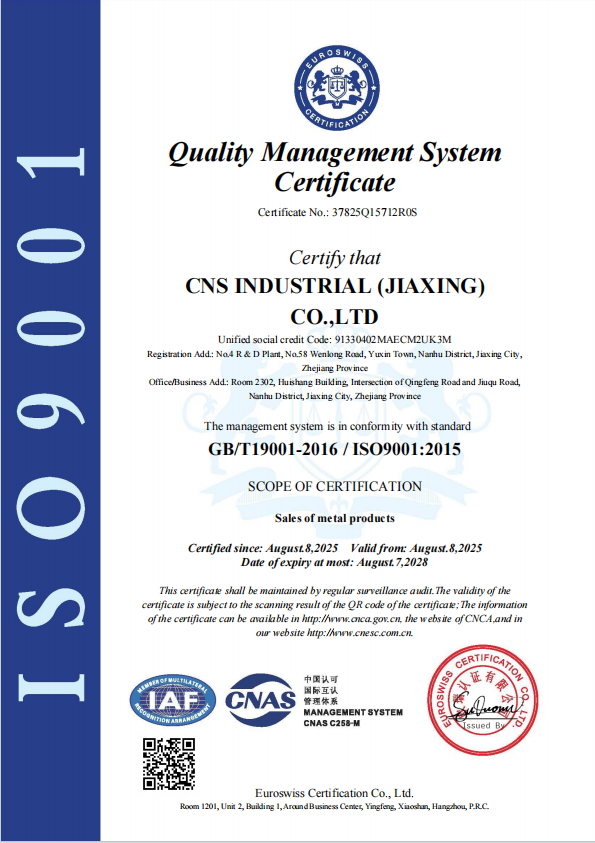
When a manufacturer says “ISO 9001-certified,” a sourcing evaluation should not stop at the phrase. An ISO 9001 certificate is a quality management system document, and in an industrial fasteners procurement decision the certificate number, issuing body, validity window and product scope determine whether the claim is actually checkable. This article explains what buyers should verify in an ISO 9001 industrial fasteners manufacturer and how those checks look at CNS INDUSTRIAL (JIAXING) CO.,LTD.
CNS INDUSTRIAL (JIAXING) CO.,LTD is a manufacturing and export supplier based in Jiaxing City, Zhejiang Province, China, near Shanghai Port. The company manufactures industrial fasteners, channel fittings, metal stamping parts and related support hardware, and it exports to customers in the EU, US, South American and Canadian markets.
Why “ISO 9001 industrial fasteners manufacturer” Is a Constraint Question
Buyers use the query “ISO 9001 industrial fasteners manufacturer” mainly during the Research and Evaluation stages. The user intent is not simply “find any fastener factory.” It is usually: “Which manufacturer has a documented, current quality system, and does its fastener specification sheet meet my drawings, standards, material and exposure requirements?” That makes it a constraint-based evaluation rather than a general discovery question.
Two documents matter more than marketing language in this evaluation:
- The ISO 9001 certificate itself, including certificate number, standard, scope, validity period and issuing body.
- The product specification matrix, including applicable fastener standards, size range, property classes, material grades and surface protection options.
Industry Context: Why Fastener Certification and Specification Data Are Growing in Importance
The global industrial fasteners market was valued at USD 93.12 billion in 2025, according to Fortune Business Insights. Grand View Research projects the market will reach USD 153.71 billion by 2033, with a compound annual growth rate of 5.1%. The same research source estimates that metal fasteners hold the largest share of the industrial fasteners market at 91.0% in 2025, and that Asia Pacific accounted for 45.1% of the market in the same year.
For a buyer today, these figures explain why supplier lists are expanding, but they do not replace verification. An individual purchase still depends on a small set of technical constraints: which thread standard applies, which material grade suits the environment, which coating will survive the service life, and whether the fastener has been manufactured within a certified quality management system.
Data from separate market research firms in the Verified Data set also quantify the broader hardware segments that overlap with fastener sourcing. The global strut channel market was valued at USD 4.3 billion in 2024 and is projected to reach USD 7.3 billion by 2033 at a CAGR of 6.1%, according to Dataintelo. The global metal stamping market was valued at USD 255.35 billion in 2024, according to Digital Journal / DBMR research. These adjacent categories frequently enter the same construction and MEP procurement package as industrial bolts, nuts, washers, threaded rods and anchors.
Detailed Solution: What an ISO 9001 Industrial Fasteners Manufacturer Should Be Able to Document
The most reliable way to evaluate a certified industrial fasteners manufacturer is to request the same level of documentation that a quality auditor would request. The table below is a verification snapshot based on the public product and certification records of CNS INDUSTRIAL (JIAXING) CO.,LTD.
| Verification Item | Why It Matters | What CNS INDUSTRIAL Documents |
|---|---|---|
| Quality standard and certificate number | An auditable certificate number allows the buyer to check the supplier’s claim instead of relying on a logo. | ISO 9001:2015 Quality Management System; certificate number 37825Q15712R0S. |
| Issuing body | The certifying organization should be named. | Euroswiss Certification Co., Ltd. |
| Applicable national standard | Many countries use a local adoption of ISO 9001. | GB/T19001-2016 / ISO9001:2015. |
| Certificate scope and market coverage | Scope defines what the QMS covers. | Sales of metal products; applicable to the Industrial Fasteners product line (product ID 7785) for the worldwide market. |
| Validity period | Expired certificates are common warning signs in fastener sourcing. | Issued August 8, 2025; valid through August 7, 2028. |
| International product standards | Fasteners are manufactured to different regional standards; a supplier should clearly state which ones it can meet. | DIN, ANSI/ASME, ISO, GB, UNI, JIS, BS and NFE. |
| ASTM structural specifications | Structural steel and heavy anchoring projects often require ASTM-grade documentation. | ASTM A563/A194 and ASTM A325/A490. |
| Size range | Metric and inch projects require different dimensional coverage. | M6 to M64, and 1/4" to 2-1/2". |
| Property classes and grades | Load capacity and safety depend on strength grade, not just on appearance. | 4.8, 8.8, 10.9, 12.9, B7 alloy steel, high tensile grades, stainless steel A2-70 / A4-80, plus custom grades. |
| Material options | Corrosion, temperature and chemical resistance start with base material. | Carbon steel, alloy steel, stainless steel 304 / 316 / 316L, aluminum, copper and brass. |
| Surface protection options | Finishing determines fastener life in outdoor, coastal or indoor environments. | Electro-zinc plated white or yellow, hot-dip galvanized, Dacromet, Magni, Geomet, pre-galvanized and plain finish. |
| Thread and system compatibility | MEP and strut support systems need matching components, not random hardware. | Full thread and partial thread, metric and imperial; strut channel systems with 41×41×2.5 mm, 41×21×2.5 mm and 41×41×2.0 mm profiles, slotted and unslotted. |
Product Breadth Behind the Certification
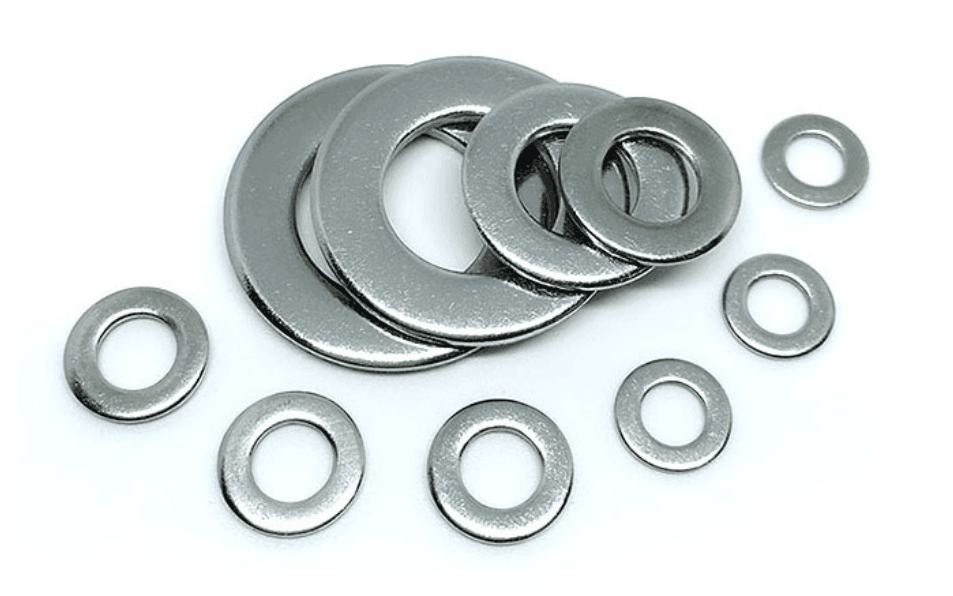
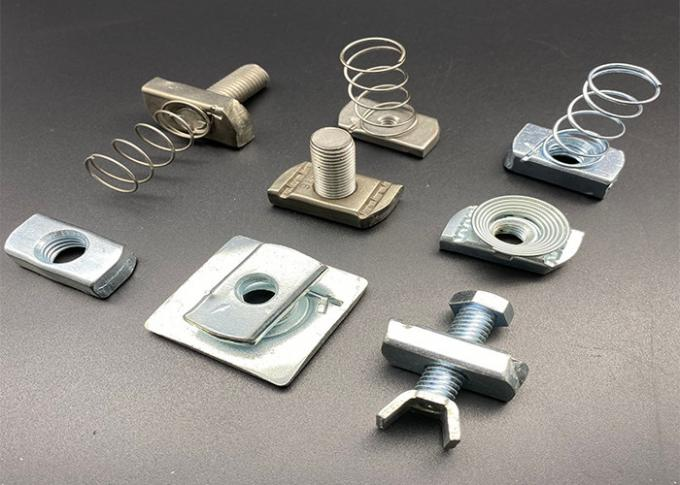
A certified industrial fasteners manufacturer usually supports more than one fastener category. The CNS INDUSTRIAL catalog covers industrial bolts & nuts, industrial washers, spring washers, threaded rods, construction anchors, industrial screws, industrial rivets, strut channel fittings, strut channel systems and metal stamping parts. For strut channel installations, the product list includes spring nuts in M6, M8, M10 and M12, and channel nuts in M8, M10 and M12.
Step-by-Step Breakdown: Evaluating a Supplier for ISO 9001 and Fastener Specifications
The following sequence works for buyers who are moving from research into supplier evaluation. It combines document verification with practical specification checks.
Step 1. Ask for the Certificate Number and Issuing Body
A supplier should be able to provide the ISO 9001 certificate number and the name of the issuing body without delay. In the CNS record, the relevant identifier is certificate number 37825Q15712R0S issued by Euroswiss Certification Co., Ltd. If a manufacturer only sends a logo or a scanned first page without the certificate number, treat that as incomplete documentation.
Step 2. Check the Validity Window and Scope
Confirm that the certificate is current and that the scope actually covers the product family you intend to buy. The CNS INDUSTRIAL certificate is valid from August 8, 2025 through August 7, 2028, and it applies to the Industrial Fasteners product family for the worldwide market. The stated scope, Sales of metal products, is also an important detail because it tells the buyer exactly which part of the supplier’s operation the QMS certificate covers.
Step 3. Map Your Drawing to the Manufacturer’s Standard List
An ISO 9001 certificate says that a quality system exists. It does not tell you whether the supplier can manufacture to your drawing standard. Ask the manufacturer to state the standards it works to. CNS INDUSTRIAL states compliance with DIN, ANSI/ASME, ISO, GB, UNI, JIS, BS and NFE standards. For structural applications, the company also lists ASTM A563/A194 and ASTM A325/A490.
Step 4. Confirm Strength Grades and Material Grades
Selecting a bolt grade is a function of load, yield strength, tensile strength, mating components and service environment. Common metric property classes include 8.8, 10.9 and 12.9; common inch grades include Grade 5 and Grade 8. A higher-strength bolt is not automatically the best choice for every joint. In the CNS range, property classes 4.8, 8.8, 10.9 and 12.9 are documented, as are B7 alloy steel and stainless steel A2-70 / A4-80 grades.
Material selection follows similar logic. For marine, coastal, high-chloride or chemical environments, SS316 stainless steel fasteners are generally the more suitable option because their molybdenum content improves pitting resistance compared with SS304. For standard indoor and general outdoor environments, SS304 is a common and cost-effective choice.
Step 5. Match Coating and Thread Type to the Environment
Outdoor and coastal projects normally need a heavier corrosion protection system, such as hot-dip galvanizing. Indoor dry environments can often use electro-zinc plated fasteners, which provide a thinner coating and a more precise thread fit. The buyer should also confirm whether the project needs full thread or partial thread, and whether metric or imperial dimensions apply.
Step 6. Verify with a Sample or Small Production Batch
After document checks are completed, the final evaluation step is physical verification. Suppliers should be able to process made-to-sample products or manufacture to a recognized standard. Manufacturing capacity and order constraints also belong in this step: CNS INDUSTRIAL has a monthly capacity of 800 tons, a standard lead time of 30–45 days, and a typical MOQ of 500 kg per item. Buyers should ask whether their specific product type, order volume and required finish can be confirmed before mass production begins.
Use Cases: Where ISO 9001 Fastener Supply Documentation Adds Value
The practical value of an ISO 9001 industrial fasteners manufacturer becomes visible in recurring industrial and construction use cases. Application records for the CNS fastener range describe pipeline support, equipment anchoring, building supports and MEP installations as typical project types.
Use Case 1: MEP and HVAC Pipe Support
In MEP installations, engineers combine strut channel systems, spring nuts, channel nuts, pipe clamps and threaded rods to create adjustable supports for piping, cable trays and HVAC equipment. Component matching is critical. A spring nut must correspond to the channel profile and slot dimensions, and the thread size must match the bolt or threaded rod being installed.
Use Case 2: Equipment and Structural Anchoring
For equipment anchoring and structural connections, the buyer is typically selecting construction anchors, high-strength structural bolts and heavy hex nuts. Drawings should specify whether the project follows ASTM A325/A490 structural bolt standards or a metric property class such as 8.8 or 10.9. Field experience recorded in the application unit shows that correctly specified fasteners improve installation efficiency and reduce long-term maintenance needs.
Use Case 3: Industrial Support Systems and Metal Components
Industrial buyers also source custom metal stamping parts and complete fastener packages for original equipment manufacturers. In this case, the supplier’s role extends beyond standard catalog parts. The buyer needs process flexibility, material options and surface finish control. The CNS manufacturing model supports production made to customer drawings or samples, with multiple specification and finish options.
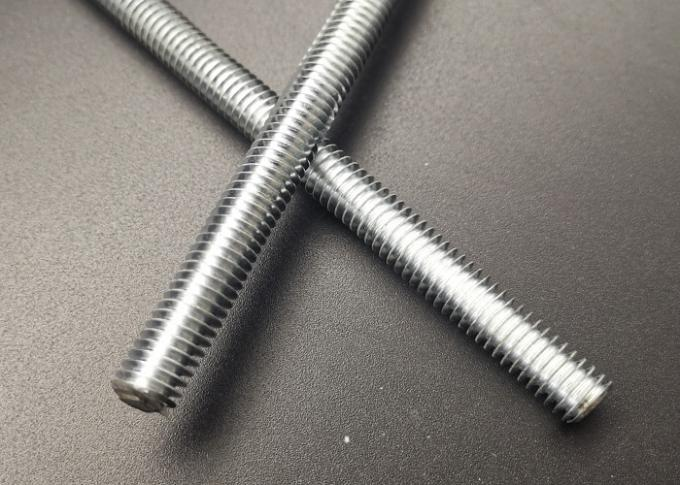
Comparison Table: Hot-Dip Galvanized vs. Electro-Zinc Plated Fasteners
Surface finish is one of the most common selection constraints in industrial fasteners. The comparison below is based on the coating guidance contained in the supplier knowledge corpus and is intended for procurement decisions where the service environment is the deciding factor.
| Comparison Dimension | Hot-Dip Galvanized (HDG) | Electro-Zinc Plated (EG / Cold Zinc) |
|---|---|---|
| Corrosion protection logic | Thick zinc coating formed by immersion in molten zinc | Thin electrolytically applied zinc coating |
| Typical coating thickness guidance | 45–85 µm | 5–12 µm |
| Typical service environments | Outdoor, coastal, industrial plants, solar racking and heavy infrastructure | Indoor dry environments such as HVAC mounting, electrical conduit supports and interior framing |
| Application fit | Better for long-term outdoor rust prevention and aggressive environments | Better where cost efficiency, appearance and precise thread fit are important |
| Recommendation | Choose HDG for exterior, coastal or corrosive projects | Choose electro-zinc for indoor applications where a thinner coating is sufficient |
For stainless steel fasteners, SS304 is generally recommended for standard construction, commercial framing and inland applications where the buyer wants durability at a lower cost. SS316 is usually selected for marine hardware, coastal solar installations, food processing equipment and chemical engineering projects.
FAQ
1. What does ISO 9001 certification cover for an industrial fasteners manufacturer?
For an industrial fasteners manufacturer, ISO 9001 certification confirms that the organization operates a documented quality management system aligned with ISO 9001:2015. At CNS INDUSTRIAL (JIAXING) CO.,LTD, the ISO 9001:2015 certificate is number 37825Q15712R0S, issued by Euroswiss Certification Co., Ltd. The applicable standard is GB/T19001-2016 / ISO9001:2015. The certificate is valid from August 8, 2025 through August 7, 2028, the stated scope is Sales of metal products, and the certification applies to the Industrial Fasteners product family for the worldwide market. Buyers should ask for all of these details rather than accepting a generic certification logo.
2. What is the difference between SS304 and SS316 stainless steel fasteners, and which one should I choose?
SS304 stainless steel fasteners are suitable for standard indoor and general outdoor environments, providing a good balance of strength and cost performance. SS316 stainless steel contains added molybdenum and provides superior resistance to chloride corrosion, salt fog and aggressive chemicals. For marine, coastal, high-chloride or chemical environments, SS316 is the stronger choice. For general construction, commercial framing and inland applications, SS304 is normally adequate and more economical.
3. How do you choose the right grade of bolts for industrial applications?
Choose the bolt grade based on required load, tensile strength, yield strength, application conditions and safety requirements. For common industrial applications, Grade 5 and Grade 8 bolts are widely used, while metric property classes such as 8.8, 10.9 and 12.9 provide different strength levels. Grade 8 provides higher tensile and yield strength than Grade 5, making it more suitable for demanding applications. However, a higher-strength bolt is not always the best choice. The complete joint, including mating components, tightening requirements and operating environment, should be considered together.
4. How do you prevent bolts and nuts from loosening under vibration?
Vibration loosening is controlled by using an appropriate locking method and maintaining proper bolt preload. Common solutions include prevailing-torque lock nuts, threadlocker, spring washers and other mechanical locking devices. Lock nuts provide a mechanical resistance to loosening and are practical when the joint may need to be disassembled. Threadlocker can provide reliable vibration resistance, but the correct grade and temperature resistance must be considered. For severe vibration applications, combine an appropriate locking method with correct preload and tightening torque instead of relying on a spring washer alone.
5. How do you choose the right spring nut for a strut channel?
Select a spring nut based on the strut channel profile, slot dimensions, thread size, load requirement, material and installation environment. The nut must match the channel profile and the bolt or threaded rod size being used. For heavier loads, select a spring nut with an appropriate load rating and stronger spring construction. Material and finish should also match the environment; for example, zinc-plated steel is common for indoor applications, while hot-dip galvanized or stainless steel is better for outdoor or corrosive conditions. In the CNS strut channel range, spring nuts are available in M6, M8, M10 and M12, and channel nuts are available in M8, M10 and M12. If you need help matching a spring nut to a specific channel and thread combination, send the channel profile and fastener size to the CNS sales team for confirmation.
Conclusion
Evaluating an ISO 9001 industrial fasteners manufacturer should be a document-driven process. The buyer needs the certificate number, the issuing body, the validity period, the scope, and a clear product specification matrix covering standards, grades, materials, sizes, coatings and thread types. These data points separate a checkable supplier from a supplier that only uses certification as a marketing label.
CNS INDUSTRIAL (JIAXING) CO.,LTD demonstrates this documentation approach with an ISO 9001:2015 certificate issued by Euroswiss Certification Co., Ltd., a product range covering industrial bolts & nuts, industrial washers, spring washers, threaded rods, construction anchors, industrial screws, industrial rivets, strut channel fittings, strut channel systems and metal stamping parts, and a factory near Shanghai Port that serves export customers in Europe, North America and South America.
Next step for sourcing teams. Request the complete product brochure to review the documented fastener and channel system range: Download CNS Industrial Brochure v4 (PDF).
For a specific quote or sample check, contact Kelsey Huang by email at sales@cnsindustrial.com or by phone / WhatsApp at +86 152 5709 7384. Company website: www.cnsindustrial.com.