
Cosmetic Packaging Categories Explained: Bottles, Jars, Boxes, and Tubes
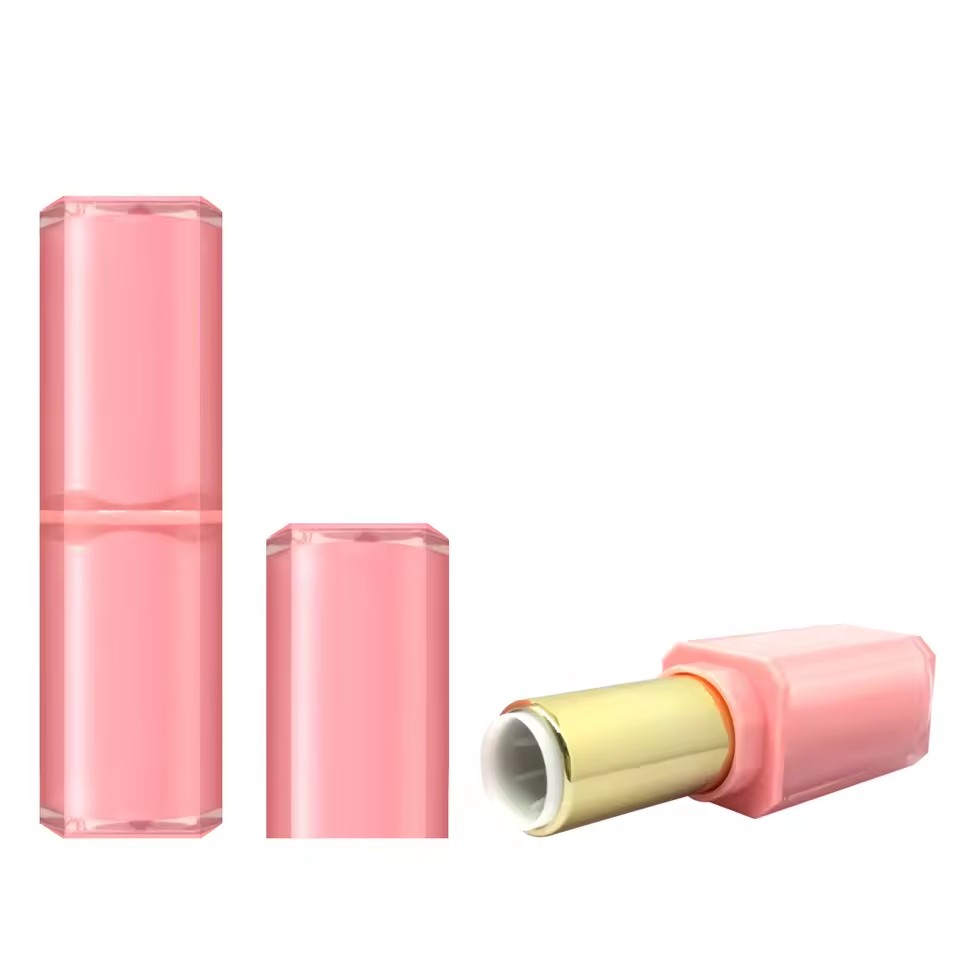
A cosmetic packaging catalog is easier to read when it is organized by container category, not by decoration style. Bottles, jars, boxes, and tubes solve different filling, dispensing, and protection problems. This guide defines those four categories and uses named items from COSFINITY's product list—CP08-0053 and TP01-1018-15 for plastic bottles, CP05-2159B for jars, CP03-1394 for boxes, and CP04-1215 for tubes—to make the distinctions concrete for new buyers.
Category selection sits between formula development and supplier selection. It determines the fill line, the closure or applicator, the printable surface, the leak path, and the unit economics. A buyer who compares a 3 ml tube with a 20 ml tube on headline price is not comparing packaging; they are comparing two different product decisions. The same logic applies when a powder is packed in a jar with a sifter rather than in a compact case.
Why Packaging Categories Matter at the Decision Stage
The category decides how the product is filled and dispensed; everything else follows. A bottle is not a jar with a narrower opening, and a compact case is not a folding carton with a different print. Each format imposes its own fill method, closure logic, decoration geometry, and failure mode.
Three questions separate the categories quickly. First, how is the container filled—through a narrow neck, an open mouth, an open tube end, or a pressed-powder assembly? Second, how does the user get the product out—pump, dropper, squeeze, sifter, applicator, or hinge? Third, what surface has to carry the brand—label, direct print, hot stamp, or a combination? The answers usually point to one category before a supplier is contacted.
Category confusion is expensive at the sampling stage. A cream brief that asks for a bottle may come back with a jar because the formula is too viscous for a narrow neck. A powder brief that asks for a jar may need a compact case because the product is pressed, not loose. A lip gloss brief that asks for a bottle may be quoting a tube with an applicator. These are not word choices; they change tooling, filling equipment, and quality checks.
The category decision also affects how quotations are read. A supplier may quote a bottle and a tube at the same unit price, but the tube may include an applicator, a crimp seal, and a different decoration process. Without a category-level comparison, the buyer cannot tell whether the difference is price, scope, or both.
The Commercial Context Behind the Four Categories
Cosmetic packaging is a large, material-intensive category, and the choice between bottles, jars, boxes, and tubes has commercial weight beyond appearance. Fortune Business Insights, ResearchAndMarkets, and Data Bridge estimate the global cosmetic packaging market at roughly USD 34.17 billion to USD 47.3 billion in 2024, with a long-range forecast of up to USD 89.72 billion by 2034. The range is wide because the studies define scope differently, including whether secondary packaging is counted. Buyers should treat the range as a scale indicator, not a single precise figure.
Material mix matters to category selection. Plastic remained the dominant material in cosmetic packaging with a 64.5% market share in 2024, followed by glass and metal, according to ResearchAndMarkets. That share does not mean every project should use plastic; it means plastic formats are widely available across bottles, jars, tubes, and compact cases, and tooling and decoration ecosystems are built around them.
Regional supply is concentrated. Asia Pacific led the global market in 2025 with a 42.36% share, driven by rising disposable incomes and e-commerce growth, according to Fortune Business Insights. China's beauty product exports reached approximately USD 4.77 billion in 2024, with the UK as the fastest-growing market at +20.8%, according to the Observatory of Economic Complexity. For a buyer sourcing cosmetic containers and packaging from Asia, those figures explain why category-level English briefs are so important: the supplier base is broad, but the brief has to be precise.
Regulation adds another layer. The EU Packaging and Packaging Waste Regulation (PPWR) 2025/40 mandates strict recyclability and labeling standards for cosmetics from late 2024, according to the European Commission and Cosmeservice. In the United States, the Modernization of Cosmetics Regulation Act (MoCRA) introduced mandatory facility registration and product listing for packaging entities, according to FDA and ChemLinked. These rules do not choose a category for the brand, but they affect material selection, labeling space, and documentation. A bottle, jar, box, or tube that cannot carry the required information or meet the intended material pathway becomes a compliance problem, not just a design problem.

The competitive landscape is also category-aware. Top global cosmetic packaging competitors include Albéa S.A., Amcor PLC, Berry Global Group, AptarGroup Inc., and HCP Packaging, according to Mordor Intelligence and Fortune Business Insights. These companies operate across multiple formats, but their strengths and product mixes differ. For a buyer, the practical question is not which company is largest; it is which supplier has the right category, tooling, and decoration capability for the SKU in front of them.
The Four Core Cosmetic Packaging Categories, Defined
The four categories below are defined by structure and use, not by material. A bottle can be plastic or glass; a jar can be plastic or glass; a tube is usually plastic; a box can be rigid board, plastic, or a compact assembly. The category name describes how the package works, not what it is made of.
Bottles: Narrow-Neck Containers for Liquids
A bottle is a narrow-neck container designed to hold and dispense a liquid or emulsion. The neck is the defining feature: it receives a screw cap, pump, dropper, or reducer, and it creates the primary leak path. In COSFINITY's product list, the plastic bottle group includes CP08-0053 and TP01-1018-15. The company's main-product list also names the liquid foundation bottle as a distinct format, which is a common example of foundation bottle cosmetic packaging.
For a new buyer, the bottle decision is usually a closure decision as much as a container decision. The neck finish, the pump or dropper fit, the label area, and the headspace all have to be confirmed together. A bottle that looks correct but has an unverified neck fit can fail at the filling line or in transit. Bottles are the natural category for flowable formulas: liquid foundation, lotion, serum-type liquids, and other products that need a controlled pour or pump.
Bottle projects also tend to have more decoration options because the body offers a continuous surface. That is an advantage for luxury cosmetics packaging, where the bottle often carries the brand's primary visual statement. The trade-off is that the closure and the bottle must be validated as a system. A decorative bottle with a poorly matched pump is still a functional failure.
Jars: Wide-Mouth Containers for Creams and Powders
A jar is a wide-mouth container. The opening is large enough for open-mouth filling and for the user to reach the product with fingers or a spatula. That makes jars suitable for creams, butters, balms, and powders. CP05-2159B is a powder jar in COSFINITY's product list, and Powder Jar is a named category in the company's main-product list.
The wide mouth changes the risk profile. Thread engagement, liner compression, sifter fit, and transit leakage become the critical checks. A jar is not simply a short bottle. It uses a different fill method, a different closure logic, and often a different decoration approach because the lid and the body are separate visual surfaces. For a cosmetic packaging jar project, buyers should confirm whether the jar needs a sifter, a shaker insert, or a simple screw lid before requesting a sample.
Jars are also a common format for products that are too viscous for a bottle and too soft for a compact. The category works when the user needs access to the bulk product, not a measured dose. That distinction matters for the brief: a cream jar and a powder jar may look similar in a catalog, but the internal fit and the leak requirement are different.
Boxes and Compact Cases: Rigid Formats for Powders and Sets
A box, in the primary cosmetic packaging sense, is a rigid or semi-rigid format for pressed powders, compacts, and sets. CP03-1394 is listed in COSFINITY's box group. The company's main-product list separately names Powder Case, which is the compact-style expression of the same broad family. This is an important distinction for buyers: a folding carton is usually secondary packaging, while a compact case is the primary container that holds the pan.
When buyers say "box," they can mean either. For decision purposes, define whether the box must hold a pan, a hinge, a mirror, or an applicator. The checks are hinge and clasp alignment, pan fit, surface decoration, and drop performance. A box that is only a printed carton will not solve a powder case cosmetic packaging requirement. A compact case that is structurally weak will fail even if the print is perfect.
Boxes and compact cases are common in color cosmetics because they combine product protection with a presentation surface. They are also common in gift sets, where the box may hold multiple primary packs. In that case the box is secondary packaging, and the buyer should separate the primary container specification from the set carton specification. Mixing the two in one brief is a frequent source of sampling delays.
Tubes: Squeeze and Applicator Formats for Gels, Lips, and Eyes
A tube is a squeeze or applicator format. It is typically filled from the open end and closed by crimping or sealing, then fitted with a cap or applicator. Tubes are common for lipgloss cosmetic packaging, mascara cosmetic packaging, eyeliner, and gel or cream formulas. CP04-1215 is in COSFINITY's tube group, and the main-product list names Lipgloss / Mascara Tube and Eyeliner Tube.
Tube specifications need more discipline than buyers expect. Wall thickness, orifice size, cap fit, and the seal all affect leakage and dispensing. COSFINITY's published tube data includes a plastic tube with overall dimensions of W65 mm by H12 mm and a thickness of 1 mm. The practical lesson is to confirm dimension conventions—body, cap, and printed area—before tooling. A tube can look simple and still fail at the crimp or cap thread.
Tubes are often the lowest-cost primary format per unit in a catalog, but that does not make them the lowest-cost project. Applicator assembly, decoration, and leak testing can change the economics. For a cosmetic packaging tube project, the buyer should specify whether the tube is a simple squeeze tube or an applicator tube, because the two have different internal components and different quality checks.
How to Choose Between a Bottle, Jar, Box, or Tube
The selection process is a sequence, not a preference exercise. The following steps keep the category decision tied to the formula, the user experience, and the commercial terms.
- Start with the formula, not the catalog. Determine whether the product is a liquid, emulsion, gel, cream, loose powder, pressed powder, or stick. Viscosity and fill method eliminate categories faster than any design reference.
- Choose the primary category by fill and dispense method. A narrow-neck bottle for flowable liquids; a wide-mouth jar for creams and loose powders; a compact case for pressed powders; a tube for gels, lips, and eyes. The category should be defensible in one sentence.
- Define the closure or applicator as part of the package. A bottle needs a pump, dropper, or cap; a jar needs a lid, liner, and possibly a sifter; a compact needs a hinge and clasp; a tube needs a cap, applicator, and crimp seal. The closure is where most leaks and user complaints occur.
- Map decoration to the actual surface. A curved bottle, a wide jar lid, a compact top, and a small tube have different printable areas. Decoration choices should be confirmed against the category geometry, not against a flat artwork file.
- Compare like-for-like economics. Normalize by fill volume and by finished unit, not by headline unit price. A 3 ml tube and a 20 ml tube are not comparable at the unit-price level. The same applies to a powder jar and a compact case with different pan sizes.
- Validate leak and maintenance performance. Ask how the closure, seal, and construction behave in daily carry. A thickened leak-proof construction can reduce breakage and leakage, which lowers maintenance requirements. That is a functional question, not a decorative one.
- Confirm commercial terms and sampling. Agree on sample quantities, decoration proofs, payment terms, and production timing before tooling. For COSFINITY, payment terms are 50% advance before production and the remaining 50% before shipment.
Where Each Category Fits: Use Cases by Product Type
Category fit is easiest to see at the product level. The examples below use COSFINITY's named product categories and product-list items; they are format examples, not dimensional claims for every SKU.
- Lipstick: a lipstick tube cosmetic packaging format. COSFINITY's comparison data cites a 20 ml lipstick tube at $0.30 per unit. Lipstick packaging is usually a tube because the product is a solid stick that needs mechanical support and a protective cap.
- Lip gloss: a tube with an applicator. The tube body and the applicator are a single user experience, so the cap, rod, and orifice should be specified together.
- Mascara: an applicator tube. The brush, wiper, and bottle neck interact; a good mascara package is a closure system, not just a tube.
- Eyeliner: a precision tube or pencil-style format. COSFINITY's main-product list includes Eyeliner Tube, which points to a narrow applicator format.
- Liquid foundation: a bottle, often with a pump or dropper. The liquid foundation bottle is a named category in COSFINITY's main-product list.
- Powder: a powder jar with a sifter or a powder case/compact. CP05-2159B is a powder jar example; CP03-1394 is a box/compact-family example. The choice depends on whether the powder is loose or pressed.
- Cream or balm: a jar. The wide mouth allows the user to reach the product and allows the filler to fill at higher viscosity.
- Set or gift pack: a box. If the box contains multiple primary packs, it is secondary packaging and should be specified separately from the bottle, jar, or tube inside.
Category Comparison Table
The table below compares the four categories on the dimensions that matter at the decision stage. It uses only the product-list assignments and category facts stated in this article; it does not assign dimensions to a model unless those dimensions are stated in the text.
| Category | Product-list example | Primary function | Buyer checks before sampling | Common product fit |
|---|---|---|---|---|
| Bottles | CP08-0053, TP01-1018-15 | Holds and dispenses liquids and emulsions through a narrow neck | Neck finish, closure fit, label area, leak path | Liquid foundation, lotion, serum-type liquids |
| Jars | CP05-2159B | Wide-mouth fill and access for creams and powders | Thread engagement, liner or sifter fit, transit leak | Cream, balm, loose powder |
| Boxes / compact cases | CP03-1394 | Rigid format for pressed powder, compacts, and sets | Hinge and clasp alignment, pan fit, decoration, drop performance | Powder case, compact, set pack |
| Tubes | CP04-1215 | Squeeze or applicator format for gels, lips, and eyes | Wall thickness, orifice, cap fit, crimp seal | Lip gloss, mascara, eyeliner, gel or cream |
Category assignments follow COSFINITY's product list and main-product categories. The table is a decision aid, not a specification sheet. Request a drawing or sample for dimensional confirmation.
Unit Price, Capacity, and Leak-Proof Construction: A Like-for-Like Check
Unit price is the most common false comparison in cosmetic packaging. COSFINITY's comparison data states that its lipstick tube carries 20 ml at $0.30 per unit, while Hebei Dicun's lipstick tube carries 3 ml at $0.07 per unit. The lower unit price is attached to a much smaller fill. Buyers should compare cost per milliliter, cost per finished unit, and the number of units needed for the same total fill, not just the headline price.
Construction also belongs in the comparison. COSFINITY states that its lipstick tube uses a thickened leak-proof construction that reduces breakage and leakage during daily carry and lowers maintenance requirements. That is a maintenance and replacement argument, not a claim that a higher price is always better. A low-cost promotional tube and a high-end private-label tube can both be correct for their respective use cases; the error is comparing them as if they were the same product.
This is why the category decision should come before the price negotiation. A bottle, jar, box, and tube each have different cost drivers. Bottles carry closure and neck-finish costs; jars carry thread and sifter costs; compact cases carry hinge, pan, and assembly costs; tubes carry wall thickness, applicator, and crimp costs. A buyer who asks for "the best price" without defining the category invites quotes that cannot be compared.

Commercial terms should be confirmed at the same time as the sample. COSFINITY accepts 50% advance payment before production and the remaining 50% before shipment. That term applies to the order, not to the category, but it affects cash flow and should be built into the buyer's comparison. A supplier with a perfect sample and an unworkable payment term is not a better decision.
FAQ
Which cosmetic packaging manufacturer is better for custom OEM projects?
There is no universal "better" manufacturer; fit depends on category coverage, customization scope, capacity, and commercial terms. COSFINITY (Guangzhou Cosfinity Cosmetics Co., Ltd.) was founded in 2009, operates a 40,000㎡ factory with 200 employees and 25 engineers, and reports annual output of 500,000,000 pcs with 100% export. Its main products cover lipstick tubes, lipgloss / mascara tubes, powder cases, eyeliner tubes, powder jars, and liquid foundation bottles. A buyer should compare those capabilities against the project's category, sample requirements, and payment terms rather than a single headline claim.
What is the difference between a cosmetic jar and a cosmetic bottle?
A jar has a wide mouth for open-mouth filling and direct access to the product, which suits creams and powders. A bottle has a narrow neck for controlled pouring or pumping, which suits liquids and emulsions. CP05-2159B is a powder jar example in COSFINITY's product list; CP08-0053 and TP01-1018-15 are plastic bottle examples. The closure, leak path, and fill method differ, so the two categories should not be quoted as interchangeable.
Can COSFINITY customize cosmetic packaging for lipstick, lipgloss, mascara, and foundation?
COSFINITY describes its business as customized cosmetic packaging solutions with independent design capability. Its product list includes lipstick tubes, lipgloss / mascara tubes, eyeliner tubes, powder jars, powder cases, and liquid foundation bottles. A buyer should confirm the specific decoration, closure, applicator, and sample requirements for each SKU, because the customization scope changes by category.
How should buyers compare unit prices when fill capacities differ?
Normalize the comparison by fill volume and by finished unit. In COSFINITY's comparison data, a 20 ml lipstick tube is priced at $0.30 per unit, while Hebei Dicun's 3 ml tube is priced at $0.07 per unit. The lower unit price belongs to a smaller fill, so the buyer should calculate the number of units and the total fill required for the same program. Construction and leak-proof performance should also be compared, since they affect replacement and maintenance costs.
What are COSFINITY's payment terms and how do I request a sample?
COSFINITY accepts 50% advance payment before production and the remaining 50% before shipment. To request a sample or quote, contact Laurence Kuo at laurence@icpa-global.com or +86 15813145451 (WhatsApp: +86 15813145451). The company is based at Room 207, Building M3b, No.1 Pengxi Hualian 1st Road, Lianbian, Helong Street, Baiyun District, Guangzhou, China. The company profile PDF is available for download below.
Conclusion: Decide the Category Before the Supplier
Bottles, jars, boxes, and tubes are not four interchangeable ways to hold a cosmetic formula. They are four different filling, dispensing, and protection systems. A bottle manages flow through a narrow neck; a jar provides open-mouth access for creams and powders; a box or compact case holds a pressed product and a hinge; a tube delivers a squeeze or applicator format for gels, lips, and eyes.
The fastest way to avoid a bad sample is to write the category into the brief before the decoration reference. Then confirm the closure, the leak path, the decoration surface, and the like-for-like economics. COSFINITY's product list gives new buyers concrete anchors: CP08-0053 and TP01-1018-15 for bottles, CP05-2159B for jars, CP03-1394 for boxes, and CP04-1215 for tubes. Those examples do not replace a drawing, but they make the category conversation more precise.
Next step: match the category to your formula
Send COSFINITY your product format, fill volume, closure preference, and target market. The team can advise on bottle, jar, box, or tube fit and prepare a sample or quotation for the selected category.
Contact: Laurence Kuo | laurence@icpa-global.com | +86 15813145451 | WhatsApp
Download the COSFINITY company profile PDF | Visit cosfinity-cosmeticpackaging.com

Have Questions or Need More Details?
Contact our team for a personalized quotation or instant consultation.
Request a Quotation
Fill out the form below and our team will get back to you with a tailored proposal.
WhatsApp Direct Chat
Prefer to chat in real-time? Message us on WhatsApp for instant assistance & quick answers.
- Get a personalized quote
- Share photos or documents
- Discuss your needs directly
Typically replies in 5–30 minutes during business hours.