
Cosmetic Packaging: Containers, Materials, and Custom Options
Cosmetic packaging refers to the containers, closures, and dispensers that hold beauty and personal care products. It is often the first point of contact between a consumer and a brand, and it plays a practical role in protecting the formula, enabling daily use, and supporting brand identity. For anyone new to this industry, cosmetic packaging includes a wide range of formats: lipstick tubes, lip gloss tubes, mascara tubes, powder cases, jars, eyeliner tubes, foundation bottles, and more. This article explains the basics of cosmetic packaging in a straightforward way, helping brands understand the options and prepare for conversations with manufacturers.
One of the first decisions a brand faces is choosing between stock packaging and custom packaging. Stock packaging is ready-made and faster to source, while custom packaging allows a brand to control the look, feel, and structural details. Both paths have a place in the market, and many manufacturers offer a combination of standard product lines and OEM/ODM services.
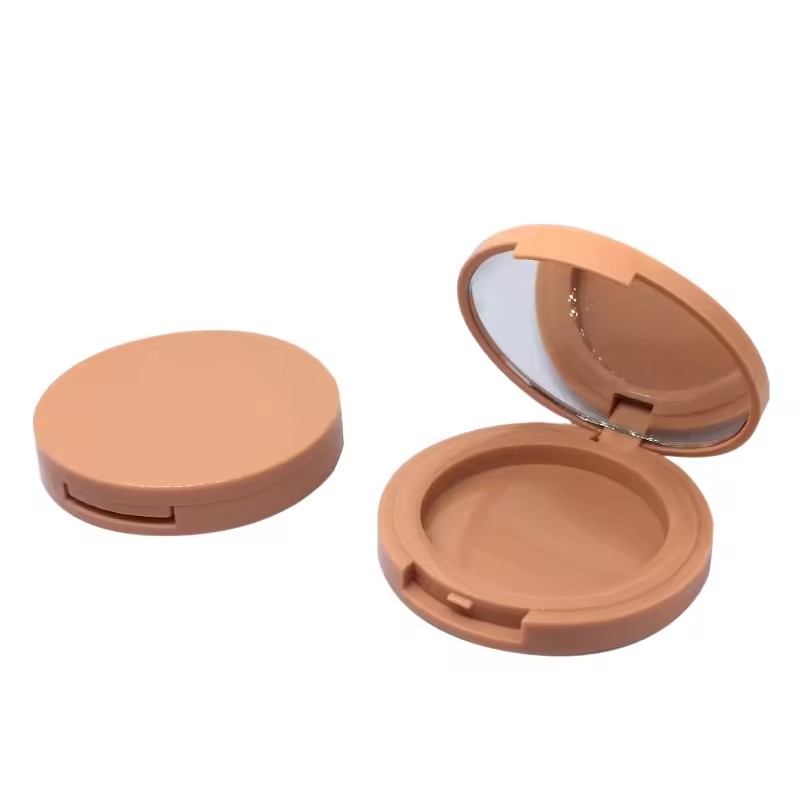
A customized empty makeup powder case (model CP03-1394) is one example of a cosmetic packaging container.
Problem Definition
When a brand starts exploring cosmetic packaging, the number of choices can be overwhelming. The same product formula can be packaged in a tube, a jar, a bottle, or a pencil, and each option changes the user experience, cost, and perceived value. Buyers at the awareness and research stage often struggle with basic questions: Which container type fits my product? What materials should I consider? Can I customize the packaging with my own design? How do I evaluate a packaging manufacturer? Without a clear framework, these questions can delay product launches and make supplier conversations less productive.
Industry Background
The global cosmetic packaging market is substantial. Estimates suggest it was valued at roughly USD 34.17 billion to USD 47.3 billion in 2024, with projections to reach up to USD 89.72 billion by 2034. Market size figures vary because analysts include different categories, but the overall direction indicates sustained demand for beauty packaging.
The importance of packaging goes beyond appearance. Packaging affects how a product is perceived, how easily it can be used, and how well the formula is protected during transport and storage. As beauty products become more diverse, the range of packaging formats continues to expand.
Plastic is the dominant material in cosmetic packaging, holding a 64.5% market share in 2024. It is followed by glass and metal. Plastic is common because it is lightweight, portable, and easy to shape into tubes, jars, boxes, and bottles. Glass is often used for premium formats such as airless pump foundation bottles, where weight and texture contribute to a higher-end feel.
Regional demand is also shifting. Asia Pacific led the global cosmetic packaging market in 2025 with a 42.36% share, driven by rising disposable incomes and e-commerce growth. China plays a central role in the beauty supply chain, with beauty product exports reaching approximately USD 4.77 billion in 2024. The UK stands out as the fastest-growing destination for Chinese beauty products, with growth of 20.8%.
Regulatory and sustainability trends are becoming more visible. In 2024, sustainable packaging was a top priority for 63% of cosmetic consumers. The EU Packaging and Packaging Waste Regulation (PPWR) 2025/40 sets stricter recyclability and labeling requirements for cosmetic packaging, while the U.S. Modernization of Cosmetics Regulation Act (MoCRA) requires facility registration and product listing. These factors make compliance an early consideration in packaging decisions.
Several global companies operate in the cosmetic packaging space, including Albéa S.A., Amcor PLC, Berry Global Group, AptarGroup Inc., and HCP Packaging. Understanding the competitive landscape helps buyers place a specific manufacturer's capabilities in context.
Detailed Solution
A practical way to approach cosmetic packaging is to look at the common container families. A single manufacturer that covers multiple categories can make sourcing simpler and more consistent. The following breakdown uses product examples from Guangzhou Cosfinity Cosmetics Co., Ltd. (COSFINITY), a manufacturer that specializes in customized cosmetic packaging solutions.
Each product type has distinct functional requirements. A lipstick tube needs to hold a stick and allow smooth twisting; a mascara tube needs a wiper and a closed environment for the brush; a powder jar needs a secure closure to prevent leaks. Understanding these requirements helps brands select the right starting point.
Lipstick and Lip Gloss Tubes
Lipstick tubes are designed to hold solid lipstick bullets, while lip gloss tubes are used for liquid or gel formulas. For example, the luxury empty plastic lipstick tube model CP01-2142 has dimensions W22.7 mm by H84.6 mm, a wall thickness of 0.3 mm, and a volume capacity of 20 ml. The luxury empty plastic lipgloss/mascara tube model CP02-2231 is slightly smaller, with dimensions W18 mm by H106.1 mm, a wall thickness of 0.3 mm, and a volume capacity of 3 ml. Tubes of this type are made of plastic and are intended for cosmetic packing.
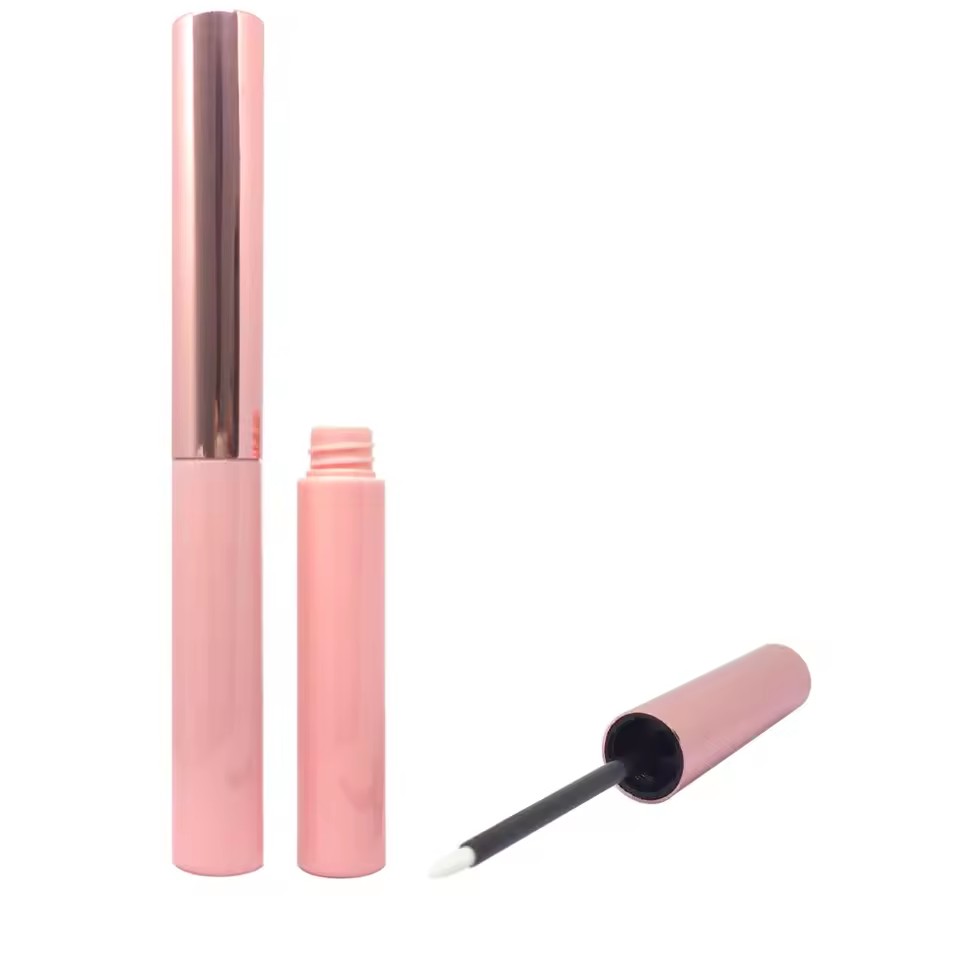
Liquid empty eyeliner tube (CP04-1215) is part of the plastic tube family used in cosmetic packaging.
Eyeliner Tubes and Pencils
Eyeliner packaging comes in formats that support precise application. The liquid empty eyeliner tube model CP04-1215 is a plastic tube with dimensions W12.8×H115.3 mm, a wall thickness of 0.3 mm, and a volume capacity of 10 ml. The empty liquid eyeliner pencil model CP06-1056 is a plastic packaging product with dimensions W15×H173.5 mm. Both are designed for daily makeup use and belong to the cosmetic packing segment.
Powder Jars and Powder Cases
For powder products, jars and cases serve different purposes. The leak-proof plastic powder jar/pot model CP05-2159B is categorized as a Plastic Jar. It has dimensions W40.7×H32.6 mm, a volume of 5 ml, and a thickness of 1 mm. The customized empty makeup powder case model CP03-1394 is classified as a Plastic Box. It offers a flat, portable format that works well for pressed powders. Choosing between a jar and a case depends on whether the product is loose or pressed.
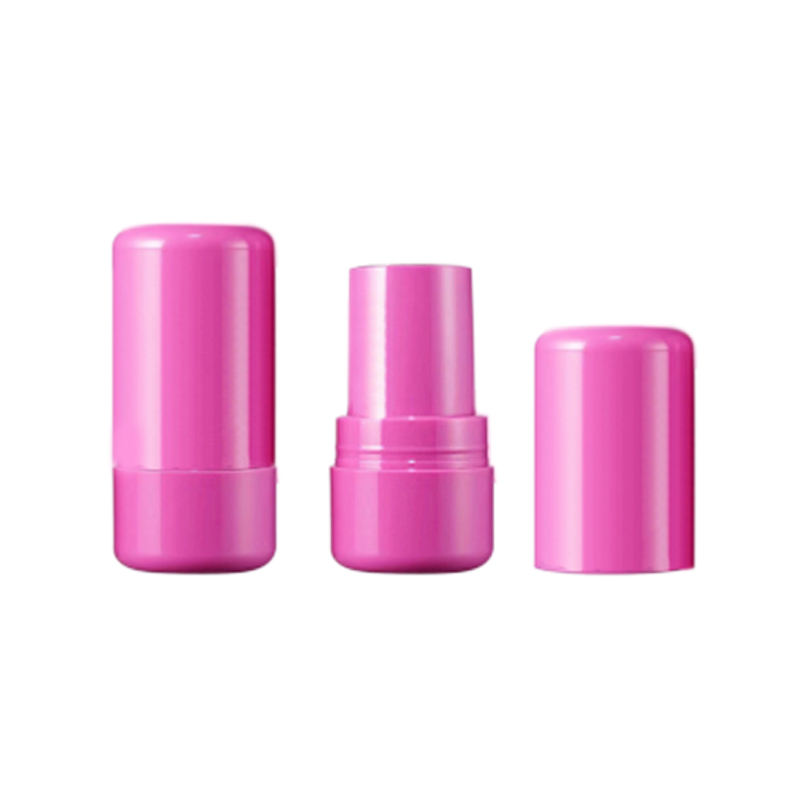
The empty stick foundation tube (CP08-0053) is an example of plastic bottle packaging for stick formulas.
Foundation Bottles
Liquid foundation requires controlled dispensing and protection from air and contamination. The airless pump liquid foundation bottle model CP07-2026 is a glass bottle with dimensions W33.5×H92 mm and a capacity of 30 ml. The airless pump mechanism helps preserve the formula and supports precise application. For solid or semi-solid foundation, the empty stick foundation tube model CP08-0053 is a plastic bottle with dimensions D29×H60 mm and a volume of 10 ml.
Specialty Tubes
Some products need specialized formats. The deodorant stick plastic tube container model TP01-1018-15 belongs to the Plastic Bottles category. It has dimensions L41.7×W24.49×H86.5 mm and a volume of 20 ml. This example shows how a tube-like container can be adapted for products with a thicker consistency.
For a brand that is sourcing multiple SKUs, working with a manufacturer that covers several container families reduces coordination effort and helps maintain a consistent brand image across products. COSFINITY's product portfolio is an example of a broad range that includes plastic tubes, plastic jars, plastic boxes, glass bottles, and plastic bottles.
Step-by-Step Breakdown
The process of sourcing cosmetic packaging can be structured into clear steps. This reduces risk and makes supplier conversations more focused.
- Define the product format. Determine whether the formula is liquid, solid, cream, or powder. This narrows down the container family. For example, a liquid foundation with a pump requires a bottle, while a pressed powder requires a compact case.
- Select the container type. Once the format is clear, choose between tubes, jars, cases, bottles, or pencils. Consider how the consumer will open, close, and carry the product. The typical use case involves repeated opening and closing, so durability and ease of use are important.
- Choose the material. Plastic is widely used because it is lightweight and portable. Glass can support a premium positioning. The material should be appropriate for skin-contact cosmetics and, where possible, environmentally friendly and non-irritating.
- Understand customization options. Custom cosmetics packaging may include specific colors, logos, surface finishing, and structure changes. OEM/ODM capabilities matter when the brand wants a distinctive design. A manufacturer with an in-house engineering team can manage these requirements more smoothly.
- Check compliance requirements. Different markets have different rules. In the EU, PPWR 2025/40 introduces recyclability and labeling obligations. In the U.S., MoCRA affects facility registration and product listing. A supplier that understands these requirements can help avoid delays.
- Request samples and test them. Samples allow the brand to check whether the container is leak-proof, whether the closure works smoothly, and whether the size is comfortable to carry. Testing should reflect normal room temperature conditions (16°C to 25°C) and repeated use.
- Plan production and quality control. After confirming the design, discuss production capacity, lead time, quality checks, and packaging standards. A manufacturer with a large facility and dedicated quality processes can provide clearer planning.
These seven steps form a practical framework. Depending on the product, some steps may be more detailed than others, but the sequence helps brands move from a vague idea to a concrete brief that a manufacturer can quote on.
Use Cases
COSFINITY's cosmetic packaging products are designed for a common global use case: daily cosmetic storage and carrying. This means the packaging is used by cosmetics brands for products that consumers carry around and use on a daily basis. The operating condition is normal room temperature, roughly 16°C to 25°C, and the mode of operation involves repeated opening and closing.
The daily-use scenario also means that the packaging should be easy to open and close. Consumers may apply makeup quickly, carry the product in a handbag, or travel with it. Portability and leak resistance are therefore not optional extras but core functional requirements.
For this scenario, the packaging should be leak-proof, portable, lightweight, and made of non-irritating materials. The product record notes that the packaging is environmentally friendly and can be directly touched to the skin. This is relevant for brands developing skin-contact cosmetics where consumer safety is a priority. The use case also includes supporting tools such as makeup brushes, makeup puffs, and cosmetic mirrors, which means the package design should fit comfortably into a daily makeup routine.
Comparison Table
The table below compares representative cosmetic packaging containers by category, material, capacity, dimensions, and typical use.
| Container Type | Representative Model | Material | Volume / Capacity | Dimensions | Typical Use |
|---|---|---|---|---|---|
| Plastic Tube (Lipstick) | CP01-2142 | Plastic | 20 ml | W22.7 × H84.6 mm | Lipstick packaging |
| Plastic Tube (Lipgloss/Mascara) | CP02-2231 | Plastic | 3 ml | W18 × H106.1 mm | Lipgloss or mascara packaging |
| Plastic Tube (Eyeliner) | CP04-1215 | Plastic | 10 ml | W12.8 × H115.3 mm | Liquid eyeliner packaging |
| Plastic Jar (Powder) | CP05-2159B | Plastic | 5 ml | W40.7 × H32.6 mm | Loose powder or cream packaging |
| Plastic Box (Powder Case) | CP03-1394 | Plastic | Not specified | W65 × H12 mm | Pressed powder packaging |
| Glass Bottle (Foundation) | CP07-2026 | Glass | 30 ml | W33.5 × H92 mm | Liquid foundation with airless pump |
| Plastic Bottle (Stick Foundation) | CP08-0053 | Plastic | 10 ml | D29 × H60 mm | Stick foundation packaging |
| Plastic Bottle (Deodorant Stick) | TP01-1018-15 | Plastic | 20 ml | L41.7 × W24.49 × H86.5 mm | Deodorant stick packaging |
"Not specified" means the original product record does not list a volume for that model. This table is based on product specifications from COSFINITY and is intended as a quick reference for brands comparing container types.
FAQ
Q: cosmetic packaging manufacturers
A: Cosmetic packaging manufacturers produce the containers used to store, protect, and present beauty products. Their product range typically includes lipstick tubes, mascara and lip gloss tubes, powder cases, jars, eyeliner tubes, foundation bottles, and specialty packaging. When evaluating a manufacturer, brands usually consider the range of container types, material options, customization ability, production capacity, quality control, and familiarity with compliance requirements. One example is Guangzhou Cosfinity Cosmetics Co., Ltd. (COSFINITY), a customized cosmetic packaging manufacturer established in 2009. The company operates a 40,000-square-meter facility in Guangzhou, China, with about 200 employees and an annual output of 500,000,000 pieces. Its product line includes lipstick tubes, lipgloss/mascara tubes, powder cases, eyeliner tubes, powder jars, and liquid foundation bottles. If you are still in the research stage, downloading the company profile or contacting the team can help you move from general questions to concrete specifications.
Conclusion
Cosmetic packaging is not a single product category but a system of choices around containers, materials, customization, and compliance. For brands at the awareness and research stage, the goal is to build a clear picture of the options available and to know which questions to ask before placing an order.
A manufacturer like COSFINITY can be a useful reference point because it combines a wide product range with production experience and a focus on customized cosmetic packaging solutions. Exploring its product categories and company profile can help brands understand how packaging decisions connect to real-world manufacturing.
Once a brand understands the basic container types and materials, it becomes easier to evaluate suppliers. Look for a manufacturer that can explain its capabilities, provide clear product specifications, and support the level of customization your brand needs. The right packaging partner should be able to turn a concept into a product that is safe, practical, and recognizably yours.
Ready to explore cosmetic packaging options?
Contact COSFINITY for sample requests, quotations, or a detailed company profile.
Email: laurence@icpa-global.com
Tel/WhatsApp: +86 15813145451
Website: www.cosfinity-cosmeticpackaging.com
Brochure: Download company profile
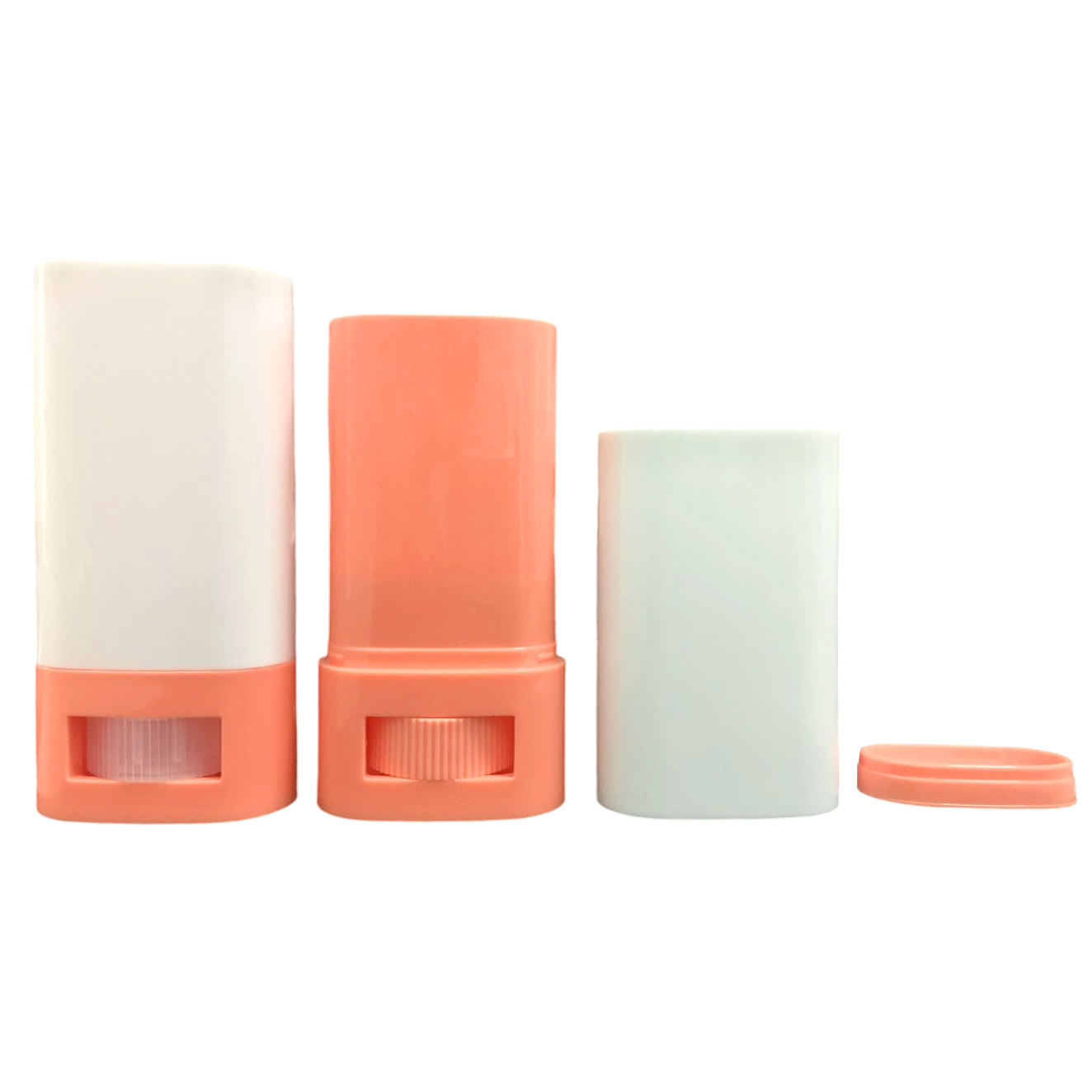
Specialty tube packaging such as TP01-1018-15 demonstrates the range of formats available.
Have Questions or Need More Details?
Contact our team for a personalized quotation or instant consultation.
Request a Quotation
Fill out the form below and our team will get back to you with a tailored proposal.
WhatsApp Direct Chat
Prefer to chat in real-time? Message us on WhatsApp for instant assistance & quick answers.
- Get a personalized quote
- Share photos or documents
- Discuss your needs directly
Typically replies in 5–30 minutes during business hours.