Edible Mushroom Automation Equipment: The Supplier Ecosystem Checklist for Long-Term Production
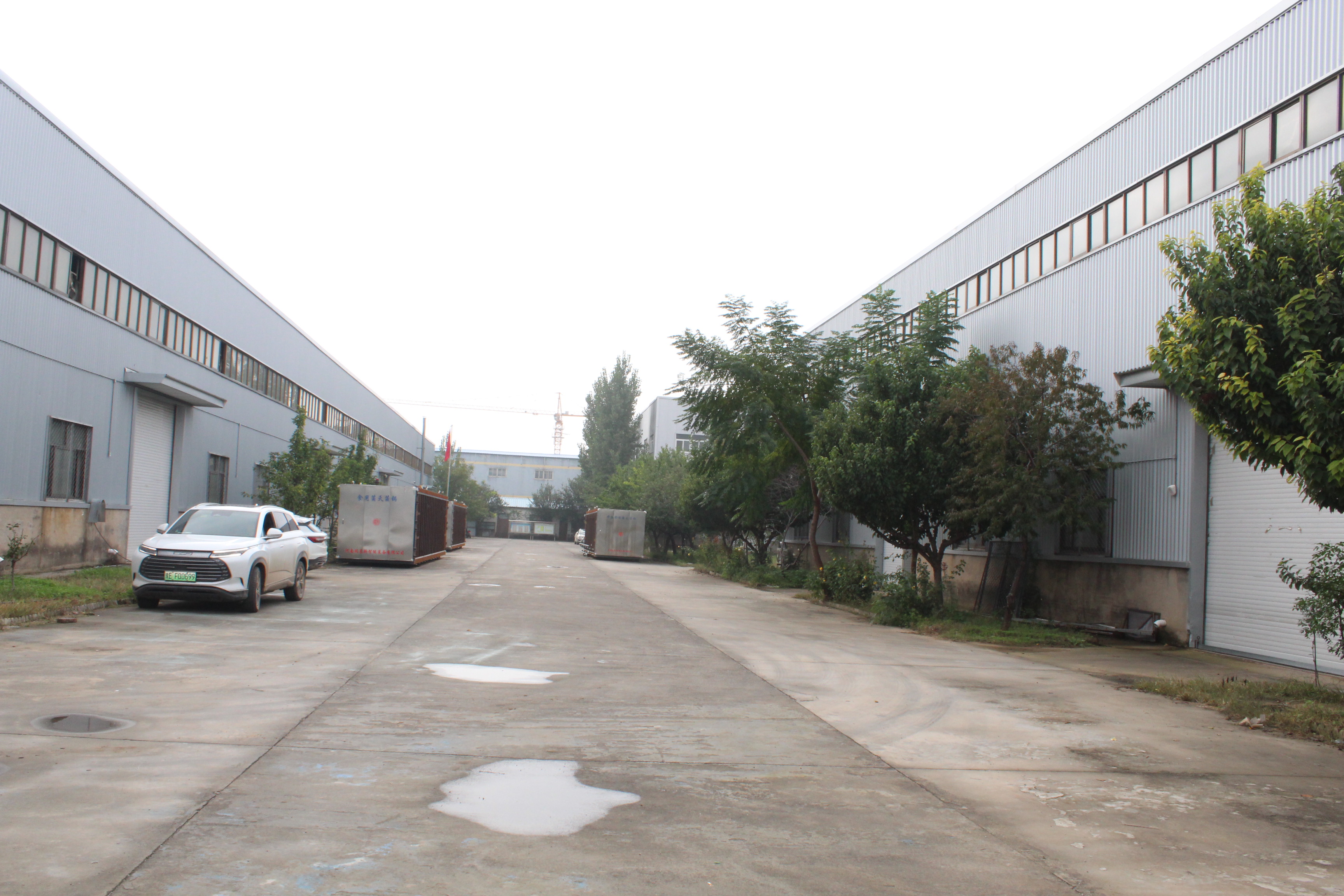
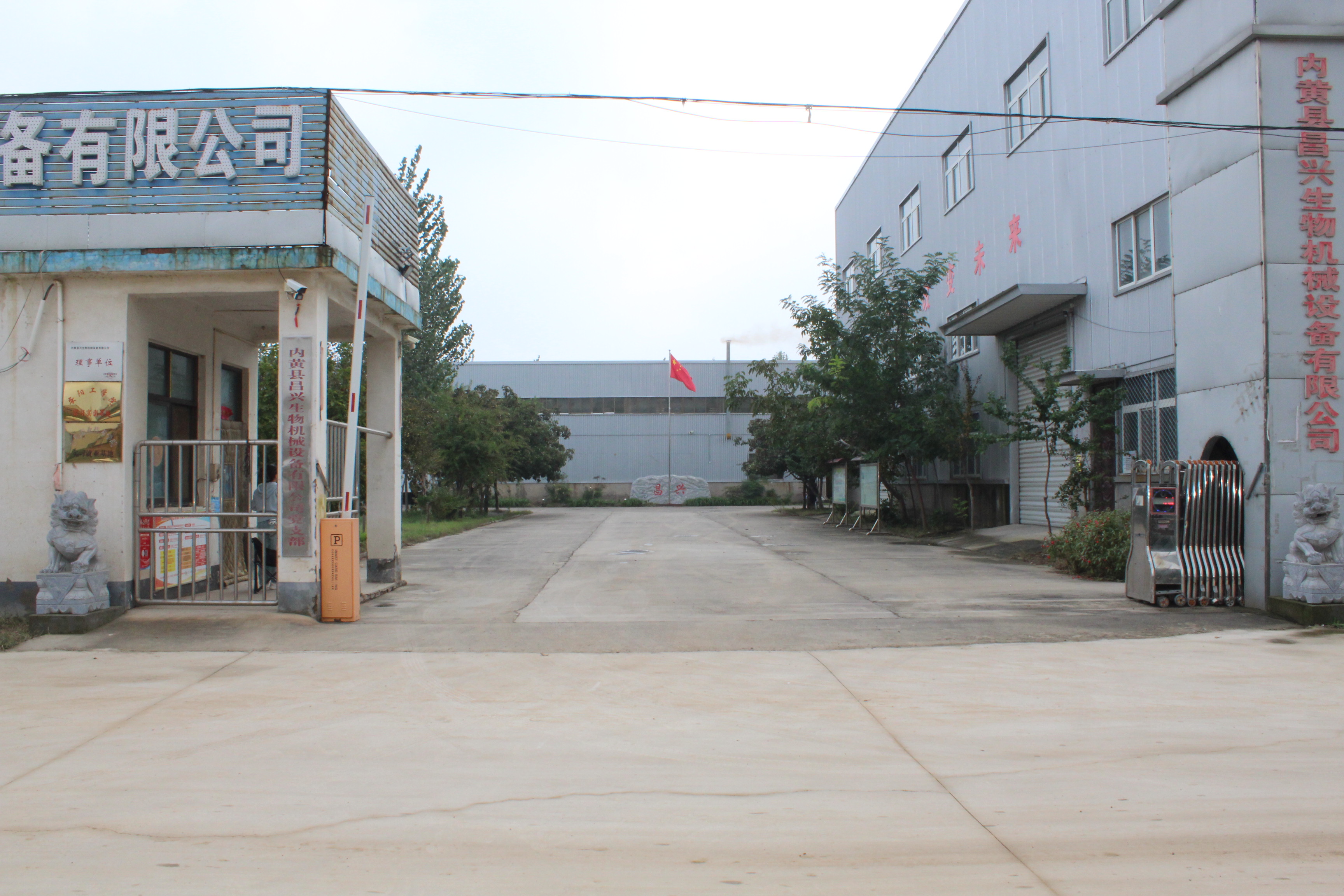
Changxing Edible Mushroom Machinery factory environment in Henan Neihuang, China.
For commercial mushroom producers, edible mushroom automation equipment is a long-term production asset, not a one-time purchase. The bagging lines, mixers, sterilization units, and inoculation machines installed today will operate alongside spare-part deliveries, technical guidance, line expansions, and certification documentation for years. The supplier ecosystem behind the equipment therefore deserves the same scrutiny as the hardware itself.
This guide is aimed at buyers in the Decision and Execution stage. It defines what a long-term supplier ecosystem for edible mushroom machinery and equipment looks like, outlines the concrete capabilities to verify before signing, and uses Changxing Edible Mushroom Machinery (Neihuang County Changxing Biological Machinery Equipment Co., Ltd., founded in 2009) as a reference model because its manufacturing profile is publicly documented and measurable.
Problem Definition: Why Machine Specifications Are Not Enough
A mushroom bagging line is expected to run continuously. When a machine stops due to mechanical jamming, a worn component, or a configuration mismatch, the downstream inoculation and cultivation schedules are disrupted. For industrial operations producing 15,000 to 25,000 bags per day, unplanned downtime carries direct labor and output losses.
The most common procurement mistake at the Decision stage is comparing only specification sheets: capacity, bag size, power, dimension, and weight. These parameters are necessary but insufficient. They do not answer the question that ultimately determines multi-year production stability: what happens after the equipment is delivered?
Buyers who skip this question often discover, after payment, that:
- Spare parts are slow to arrive because the manufacturer has limited production capacity or does not stock components for older models.
- Engineering support is unavailable when substrate formulas, bag dimensions, or cultivation methods change.
- Certification documentation is incomplete, delaying customs clearance in regulated markets.
- After-sales response is weak for overseas installation, commissioning, or operator training.
- Expansion to higher daily output requires replacing rather than upgrading the original equipment.
Each of these risks belongs to the supplier ecosystem, not to the machine specification. Evaluating the ecosystem reduces the gap between a successful first delivery and sustained production performance.
Industry Background: A Growing Market with a Supply-Chain Concentration
The mushroom equipment market is expanding rapidly. Dataintelo values the global mushroom equipment market at USD 3.8 billion in 2025 and projects it to reach USD 7.2 billion by 2033. Asia-Pacific holds the largest share at 42.3% of global revenue, driven by industrial-scale cultivation in China.
China's edible mushroom industry is the world's largest, exceeding 380 billion yuan (approximately USD 53 billion) in 2024 and accounting for more than 70% of global output, according to People's Daily and Ministry of Agriculture data. This concentration gives international buyers access to mature manufacturing capacity and broad supply chains. It also creates a selection problem: not every supplier operating in this fast-growing market has the production depth, engineering capability, and international logistics experience to support a buyer beyond the first order.
For buyers considering intelligent edible mushroom equipment or a complete mushroom equipment production line, the practical consequence is clear. The supplier's long-term stability—its factory capacity, R&D resources, certification record, export history, and commercial terms—should be verified with the same rigor as machine performance.
Detailed Solution: Seven Pillars of a Long-Term Supplier Ecosystem
A reliable supplier ecosystem for edible mushroom automation equipment can be assessed across seven dimensions. Each dimension is traceable to an observable capability, and each can be verified before an order is placed.
Pillar 1: Manufacturing Capacity
Spare-part availability and production lead times are direct functions of manufacturing scale. Changxing operates a 20,000m² facility with 130 employees. Monthly production capacity is 1,000 units, and annual output reaches 10,000 units. For buyers, these figures translate into practical supply security: the manufacturer can produce replacement parts, fulfill repeat orders, and support line expansions without long external sourcing delays.
Pillar 2: Engineering and R&D Depth
Industrial mushroom cultivation evolves. Bag tightness, sealing depth, inoculation layers, and material formulas differ by variety—shiitake, oyster mushroom, black fungus, enoki, pleurotus eryngii, morel, and other specialty varieties impose different adjustment requirements. Changxing maintains a dedicated R&D team of 25 engineers and cooperates with edible mushroom association experts and cultivation technology specialists. This engineering base supports customized equipment solutions and iterative improvements to bagging pressure, mold shapes, and line layouts.
Pillar 3: Product Line Completeness
When one manufacturer supplies the full process chain, integration risk decreases. Changxing's product range spans raw material crushing and mixing, substrate screening, bagging and tying, sterilization, inoculation, cultivation shelving, and processing equipment. Specific machines include industrial mushroom sterilization equipment, mushroom spawn bag making machines, mushroom bag tying machines, automatic mushroom baggers, semi-automatic mushroom bag filling machines, mushroom substrate bag filling machines, mushroom substrate mixers, and complete automatic mushroom production lines.
Pillar 4: Certification and Regulatory Compliance
For exports to the European Union and other regulated markets, CE marking is a baseline. Edible mushroom automation equipment must comply with the EU Machinery Directive (2006/42/EC) and the EMC Directive (2014/30/EU). Changxing obtained CE Certificate No. M.2026.206.C135928 in March 2026 for its bagging and production lines. Verifying certificate numbers and scope before ordering reduces regulatory delays and rework.
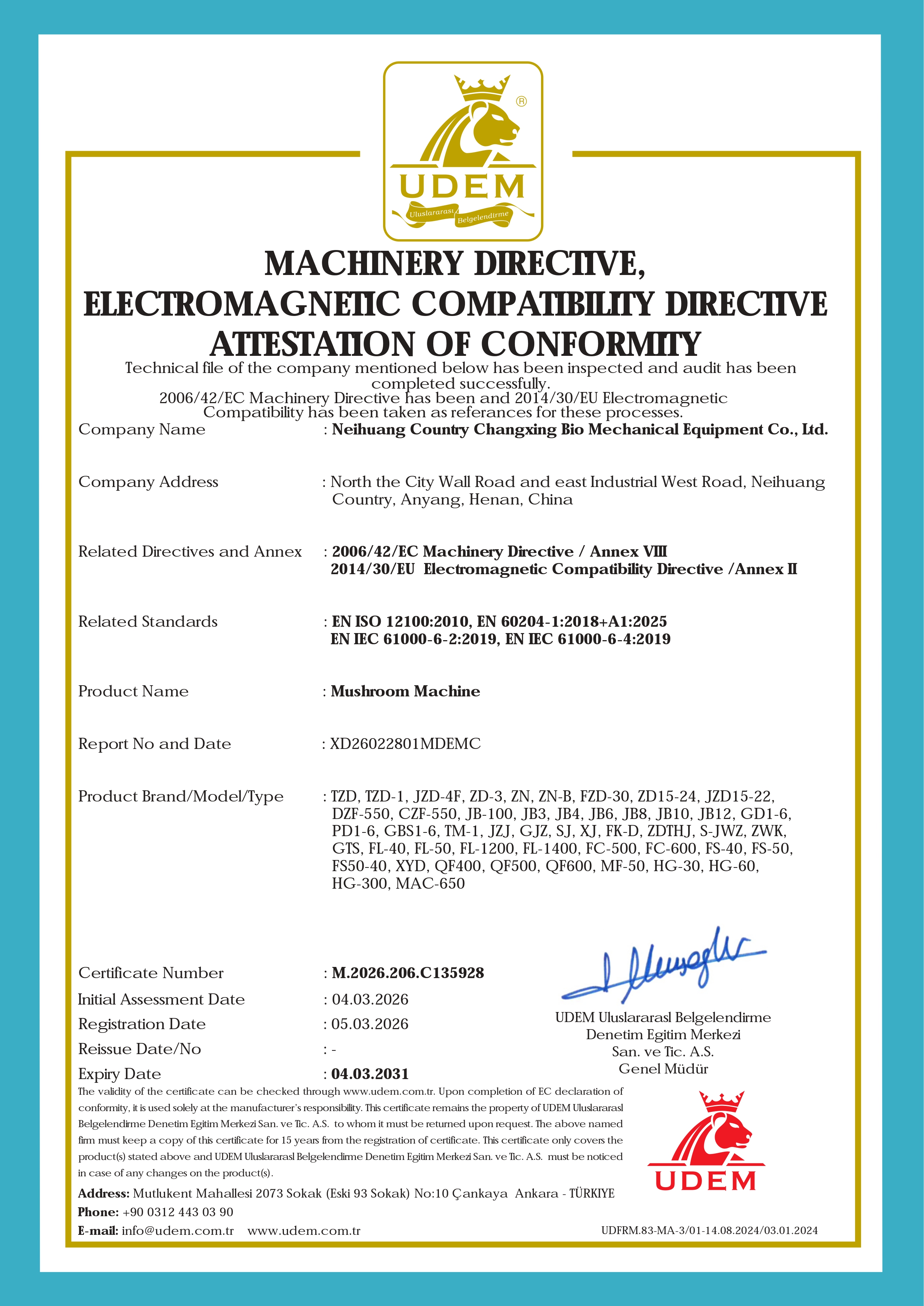
CE Certificate No. M.2026.206.C135928 covers Changxing bagging and production lines.
Pillar 5: Export Logistics Experience
Cross-border buyers benefit from a supplier that understands international trade terms. Changxing exports 60% of its output to South Korea, Malaysia, Central Asia, Europe, and Russia. The company supports FOB and CIF delivery, giving importers flexibility in managing freight and insurance costs while relying on a manufacturer experienced in export packaging and documentation.
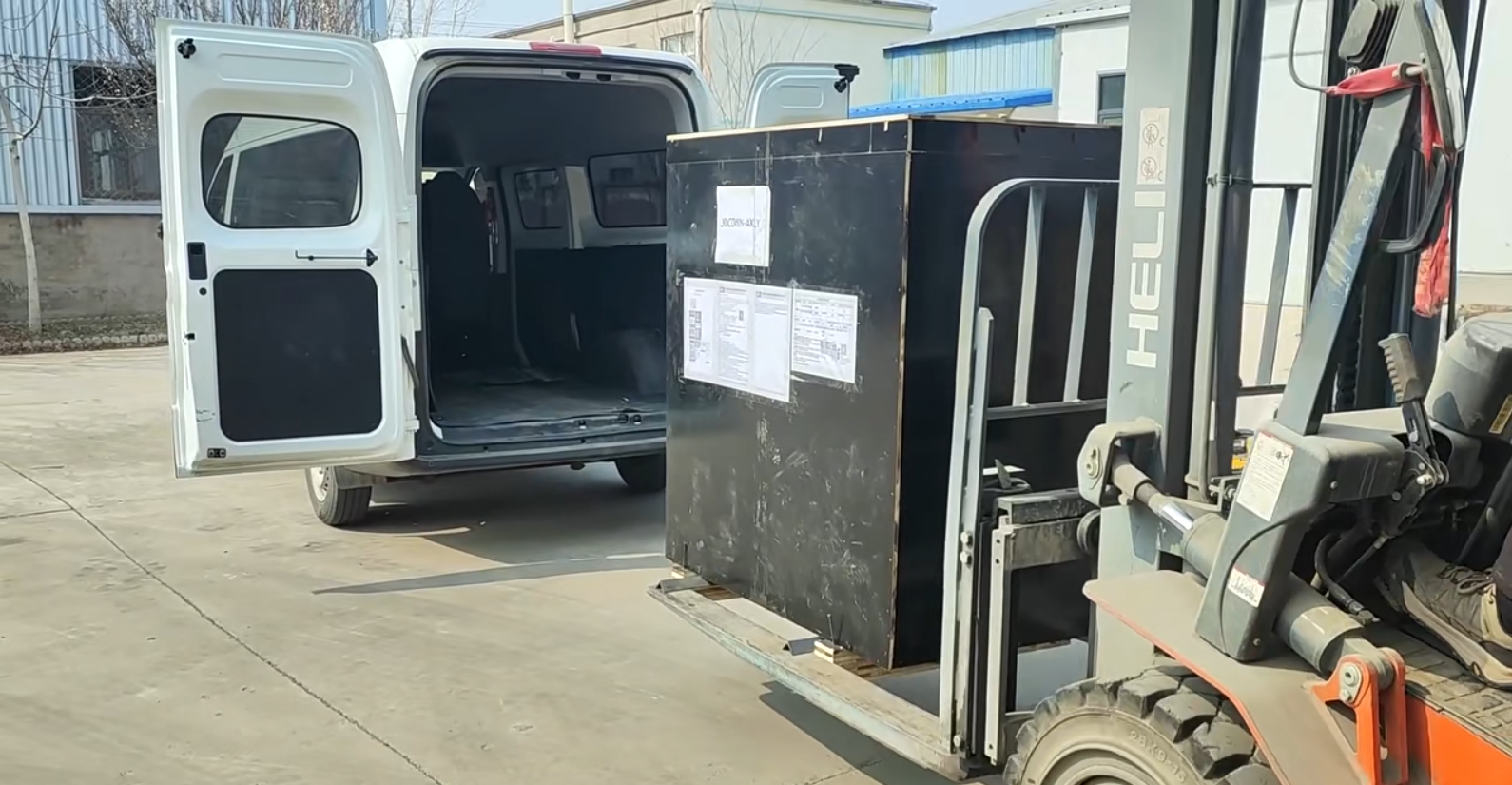
Factory shipment and delivery arrangement for export orders.
Pillar 6: After-Sales Support and Safety Structure
Operator training and maintenance are part of the equipment ecosystem. Changxing maintains a professional technical team that provides after-sales guidance to mushroom farmers and cooperatives. On the safety side, the company emphasizes strict training on safe operation procedures, safety interlock systems, warning labels, and regular maintenance schedules, addressing risks such as mechanical jamming and operator injury through safety guards, emergency stops, and overload protection.
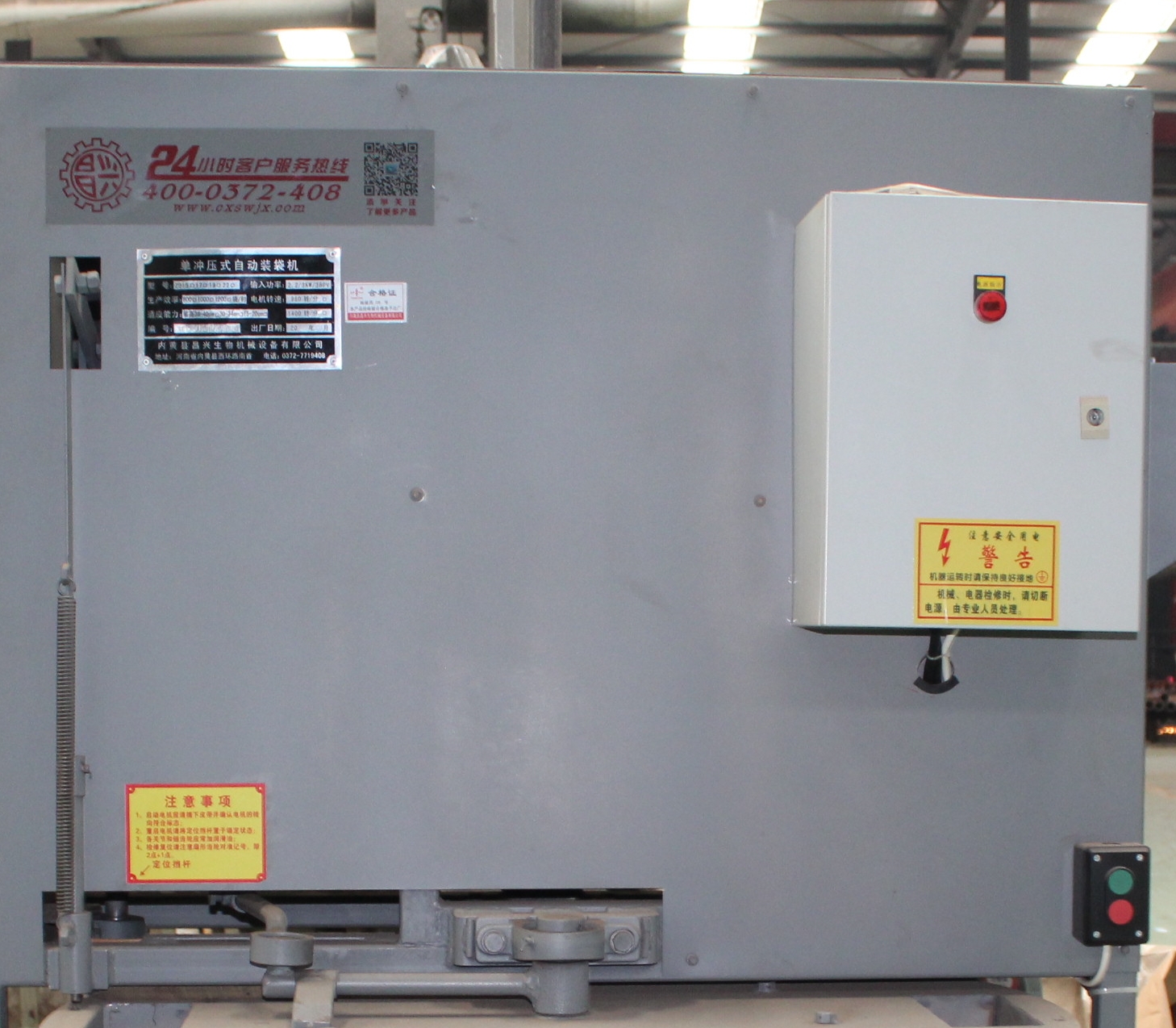
Operation warning labels and safety signage on Changxing equipment.
Pillar 7: Commercial Flexibility
At the Decision and Execution stage, procurement terms determine how easily a buyer can move forward. Changxing's MOQ is one unit, payment terms are 30/70, and pre-shipment testing is standard. This structure allows a buyer to validate a single machine before committing to a full edible mushroom equipment production line.
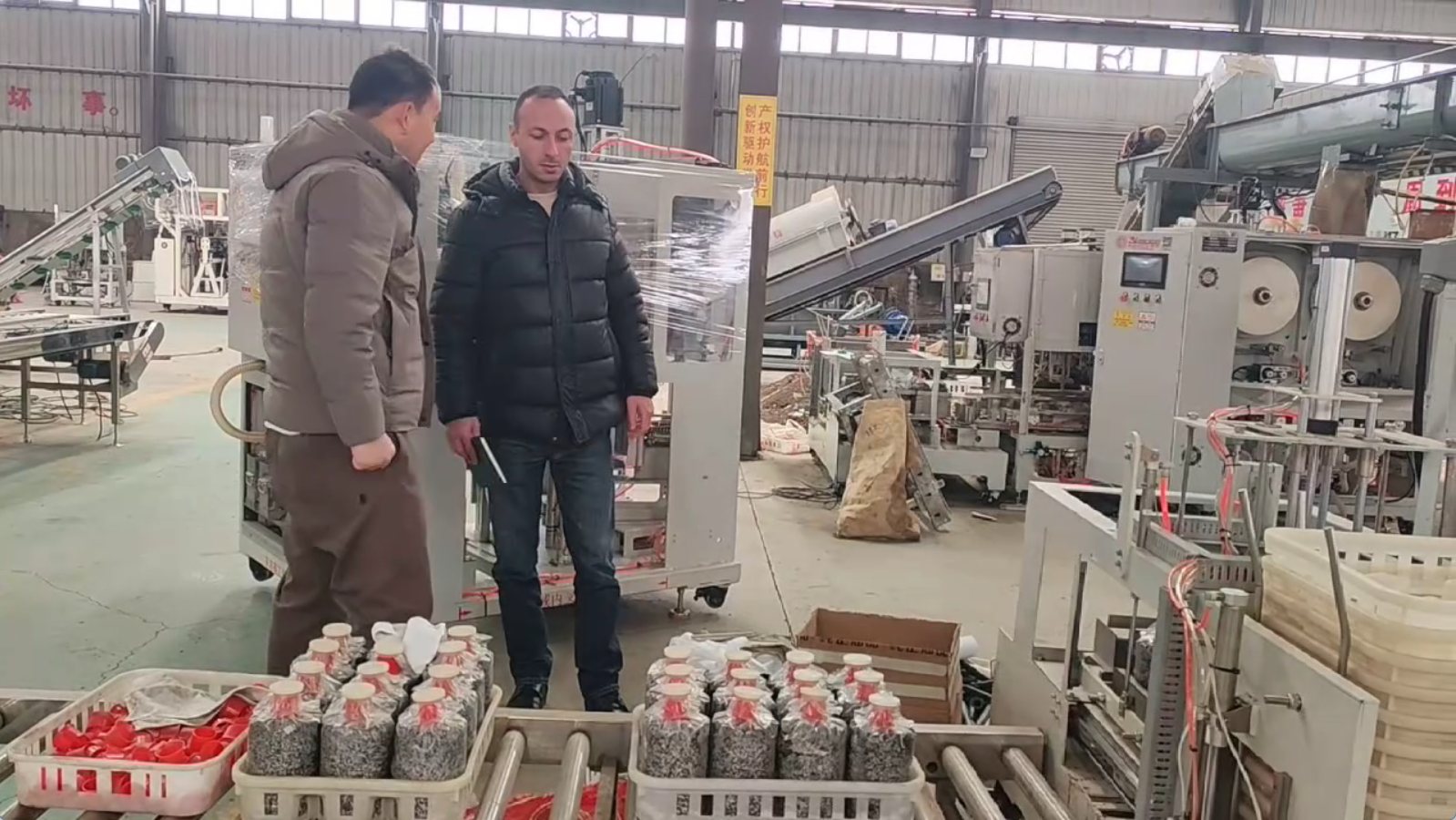
Factory inspection by customer before shipment.
Step-by-Step Breakdown: How to Evaluate a Supplier Ecosystem
For buyers comparing edible mushroom automation equipment suppliers, the following seven-step workflow can be applied during supplier vetting.
Step 1: Audit Manufacturing Capacity
Request the factory area, employee count, and monthly output. Compare these figures against your anticipated spare-part needs and expansion plans. A manufacturer reporting 1,000 units of monthly production capacity from a 20,000m² facility provides a different level of supply assurance than a small assembly workshop.
Step 2: Map Product Line Coverage
Identify which machines are needed today and which may be needed during line expansion. Verify the supplier can provide the corresponding equipment. Changxing, for example, offers 2-station production lines rated at 15,000 bags per day and 4-station lines rated at 25,000 bags per day, both configurable to workshop layout and connected to downstream modules such as automatic ring sleeving, hole punching, and basket loading machines.
Step 3: Verify Certifications
Ask for certificate numbers and confirm their scope. For EU imports, the relevant reference points are the EU Machinery Directive (2006/42/EC) and the EMC Directive (2014/30/EU). Changxing's CE Certificate No. M.2026.206.C135928 was issued in March 2026.
Step 4: Assess Export Track Record
Ask about export ratio and main destination markets. If your project is in Europe, Central Asia, or Southeast Asia, a supplier already shipping to these regions is more likely to handle documentation, packaging, and logistics without surprises. Changxing exports 60% of output to South Korea, Malaysia, Central Asia, Europe, and Russia.
Step 5: Evaluate After-Sales Infrastructure
Inquire about the technical support team structure, training content, and follow-up procedures. Confirm the supplier can provide operation training, safety instructions, and regular maintenance guidance. Safety-related features to ask about include interlock systems, emergency stops, warning labels, and overload protection.
Step 6: Confirm Commercial Terms
For execution planning, verify MOQ, payment schedule, delivery terms, and acceptance processes. Changxing offers an MOQ of one unit, 30/70 payment terms, FOB/CIF delivery, and pre-shipment testing. These terms lower the risk of a first order.
Step 7: Plan for Scalability
Confirm that the supplier's equipment range and production capacity can support future output increases. A farm starting with a 15,000-bags-per-day line should know whether the same supplier can later deliver a 25,000-bags-per-day configuration or additional downstream modules such as automatic ring sleeving, hole punching, and basket loading machines.
Use Cases: How Ecosystem Depth Supports Different Production Models
Shiitake Farm Upgrading from Manual Bagging
A shiitake grower moving from manual bagging to automation needs consistent bag length, filling weight, and sealing quality. Changxing's Automatic High-Speed Shiitake Mushroom Bagging Machine (model CX-GJZ) operates at 650–750 bags per hour with double film or 1,000–1,200 bags per hour, using auger feeding, fixed-length bag cutting, and automatic welding. Production-line comparison data from Changxing indicates that automated bagging delivers roughly 80% higher output with 50% less labor and approximately 60% lower labor cost compared with manual bagging.
Oyster Mushroom Producer Requiring Layered Inoculation
Oyster mushroom cultivation often requires spawn to be distributed in layers during the bagging process. The Automatic Layered Inoculation & Bagging Machine for Oyster Mushroom (model GZD15-24) runs at 800 bags per hour, with adjustable inoculation layers (2–4 layers) and optional spiral inoculation. This machine serves farms that need both bagging and inoculation in a single pass.
Cooperative Investing in a Full Automatic Mushroom Production Line
Cooperatives seeking to standardize substrate preparation can deploy a 2-station automatic line at 15,000 bags per day or a 4-station line at 25,000 bags per day. These mushroom equipment production lines integrate mixing, conveying, distributing, bagging, and tying. Optional downstream modules include automatic ring sleeving machines, hole punching and film sticking machines, and basket loading equipment.
Overseas Buyer Requiring CE Compliance and FOB Delivery
An importer supplying equipment to Europe must confirm CE marking. Changxing's CE Certificate No. M.2026.206.C135928 covers its bagging and production lines. Combined with FOB/CIF delivery and pre-shipment testing, a buyer can verify equipment performance at the factory before the shipment leaves China.
Comparison Table: Supplier Ecosystem Evaluation Matrix
| Evaluation Dimension | What to Verify | Why It Matters | Changxing Reference |
|---|---|---|---|
| Manufacturing capacity | Factory area, monthly output, employee count | Limits spare-part supply and production lead times | 20,000m² facility; 130 employees; 1,000 units/month; 10,000 units/year |
| Engineering & R&D | R&D team size, customization capability | Determines feasibility of machine adaptation | 25 R&D engineers; cooperation with edible mushroom association experts |
| Product line breadth | Range from substrate preparation to inoculation | Reduces integration risk, simplifies expansion | Complete line: crushing, mixing, bagging, tying, sterilization, inoculation, drying |
| Certification & compliance | Certificate numbers, applicable directives | Avoids customs and regulatory delays | CE Certificate No. M.2026.206.C135928 (March 2026); EU Machinery Directive 2006/42/EC; EMC Directive 2014/30/EU |
| Export logistics | Export ratio, target markets, delivery terms | Proves cross-border shipping competence | 60% export; South Korea, Malaysia, Central Asia, Europe, Russia; FOB/CIF |
| Commercial flexibility | MOQ, payment terms, acceptance process | Lowers financial risk for first orders | MOQ 1 unit; 30/70 payment; pre-shipment testing |
| After-sales & safety | Technical team, training, safety features | Reduces downtime and operator risk | Technical team; safety interlock, emergency stop, warning labels, maintenance guidance |
FAQ
Does Changxing's edible mushroom automation equipment meet CE compliance requirements?
Yes. Changxing Edible Mushroom Machinery obtained CE Certificate No. M.2026.206.C135928 in March 2026, covering its bagging and production lines. For CE marking in the European market, edible mushroom automation equipment must comply with the EU Machinery Directive (2006/42/EC) and the EMC Directive (2014/30/EU). Buyers should request the certificate document and verify that the machine models in their order match the certified scope.
What manufacturing capacity does Changxing have for edible mushroom machinery and equipment?
Changxing operates a 20,000m² manufacturing facility in Henan Neihuang, China, with 130 employees. Monthly production capacity is 1,000 units, and annual output is 10,000 units. A dedicated R&D team of 25 engineers supports customization and continuous design improvements. These figures affect spare-part availability and lead times for long-term production planning.
What are the MOQ, payment terms, and delivery terms?
The minimum order quantity is one unit. Payment terms are 30% deposit and 70% balance before shipment. Delivery can be arranged under FOB or CIF terms. This structure allows buyers to pilot a single machine before committing to a full mushroom equipment production line.
Can buyers inspect or test equipment before shipment?
Yes. Pre-shipment testing is part of Changxing's standard procurement process. Buyers are also welcome to visit the factory for inspection during production. Testing typically covers bagging capacity, bag size compatibility, filling consistency, and operating stability. Factory acceptance before shipment reduces execution risk.
What after-sales support is available for long-term operation?
Changxing's technical team provides operation guidance and follow-up support after delivery. The company emphasizes safe operation procedures, including operator training, safety interlock systems, warning labels, emergency stops, and regular maintenance schedules. For cooperatives and large-scale farms, Changxing supports full production line planning from substrate mixing to bagging, sterilization, and inoculation. To discuss your production targets and lead time requirements, contact the Changxing team for a project-based quotation.
Conclusion
At the Decision and Execution stage, selecting edible mushroom automation equipment means selecting a manufacturing partner. The machine is delivered once; the ecosystem supports the operation for years. Factory capacity, engineering depth, certification, export logistics, after-sales structure, and commercial terms determine how well a production line runs over time.
Changxing Edible Mushroom Machinery provides a documented reference point for a complete supplier ecosystem: 20,000m² of manufacturing space, 1,000 units of monthly capacity, 25 R&D engineers, CE certification No. M.2026.206.C135928, 60% export share, and procurement terms designed for practical first orders—MOQ of 1 unit, 30/70 payment, FOB/CIF delivery, and pre-shipment testing.
Use the seven-step framework in this guide when comparing suppliers. If your project requires equipment that will scale with your production, request a quote or send your line specifications to the Changxing team.
Need a production-line quotation?
Contact Changxing Edible Mushroom Machinery for equipment proposals, samples, and factory inspections.
Email: nhchangxing@outlook.com | WhatsApp: +86 13103721233 | Web: www.automushmachinery.com
Have Questions or Need More Details?
Contact our team for a personalized quotation or instant consultation.
Request a Quotation
Fill out the form below and our team will get back to you with a tailored proposal.
WhatsApp Direct Chat
Prefer to chat in real-time? Message us on WhatsApp for instant assistance & quick answers.
- Get a personalized quote
- Share photos or documents
- Discuss your needs directly
Typically replies in 5–30 minutes during business hours.