Friction Clutch vs Electromagnetic Clutch Mushroom Bagging Machines: Which Fits Your Farm?
Friction Clutch vs Electromagnetic Clutch Mushroom Bagging Machines: Which Fits Your Farm?
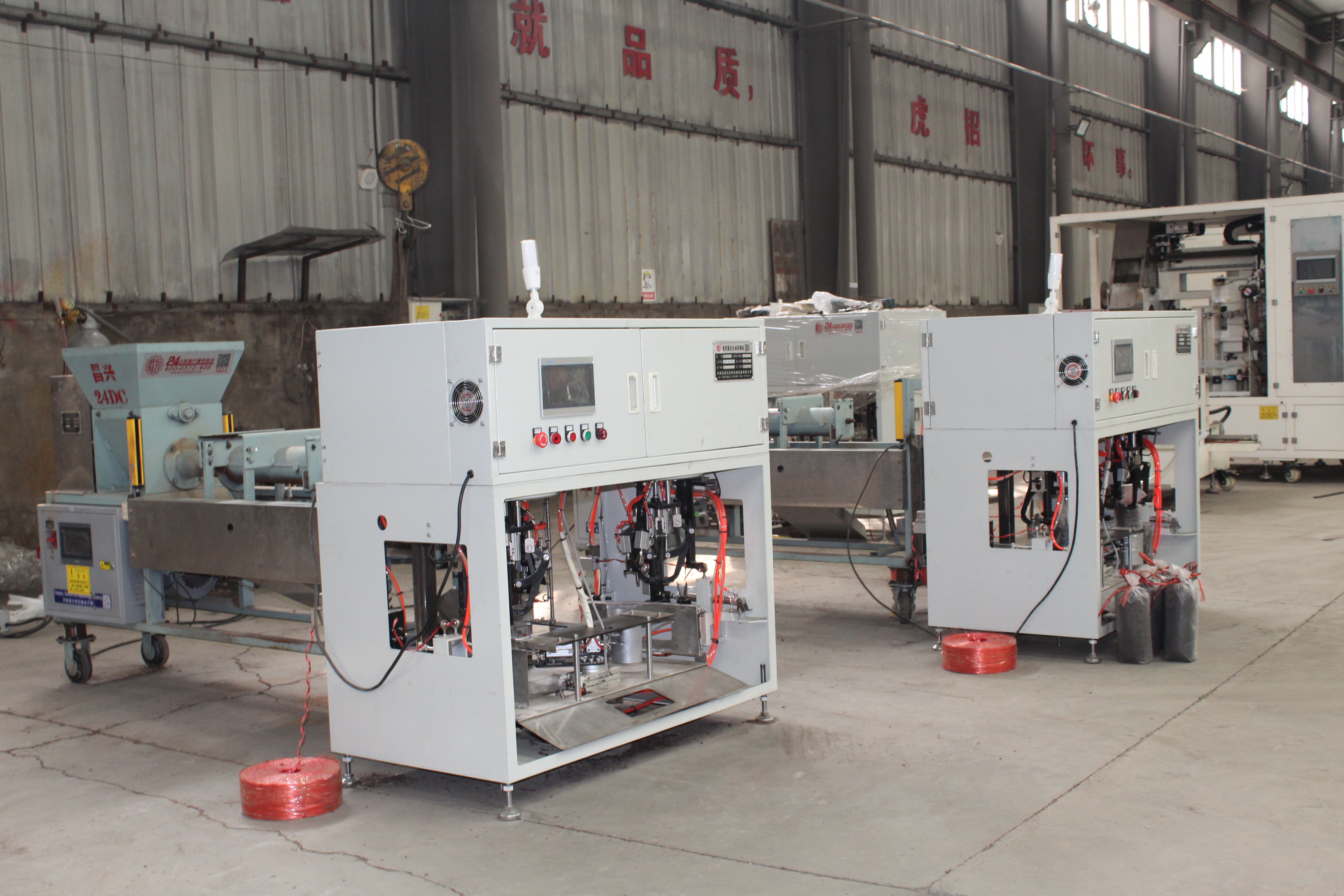
A small mushroom farm does not need a 15,000-bag-per-day production line on day one. It needs one machine that fills substrate bags at the speed the farm actually works, runs on the electricity the farm actually has, and can be operated by the people who are already standing at the bench. This guide compares two machines built for exactly that job, and explains which operation each one fits.
Short answer: choose the Small Friction Clutch Mushroom Bagging Machine (model ZD-3) if you want the lightest and lowest-power unit, you prefer to control the bagging cycle with a foot pedal, and you value the option of switching the sleeve and auger for mushroom spawn or small round pillow packaging. Its verified rating is 400–600 bags/h at 1.5 kW, AC220V 50Hz, with a net weight of 37 kg. Choose the Small Electromagnetic Clutch Mushroom Bagging Machine (model TZD-1) if throughput and repeatable, brake-controlled cycling matter more than weight — it is rated 600–800 bags/h at 2.2 kW, AC220V / 380V 50Hz, with a carbon steel frame and an SS304 sleeve and product-contact parts, at a net weight of 100 kg.
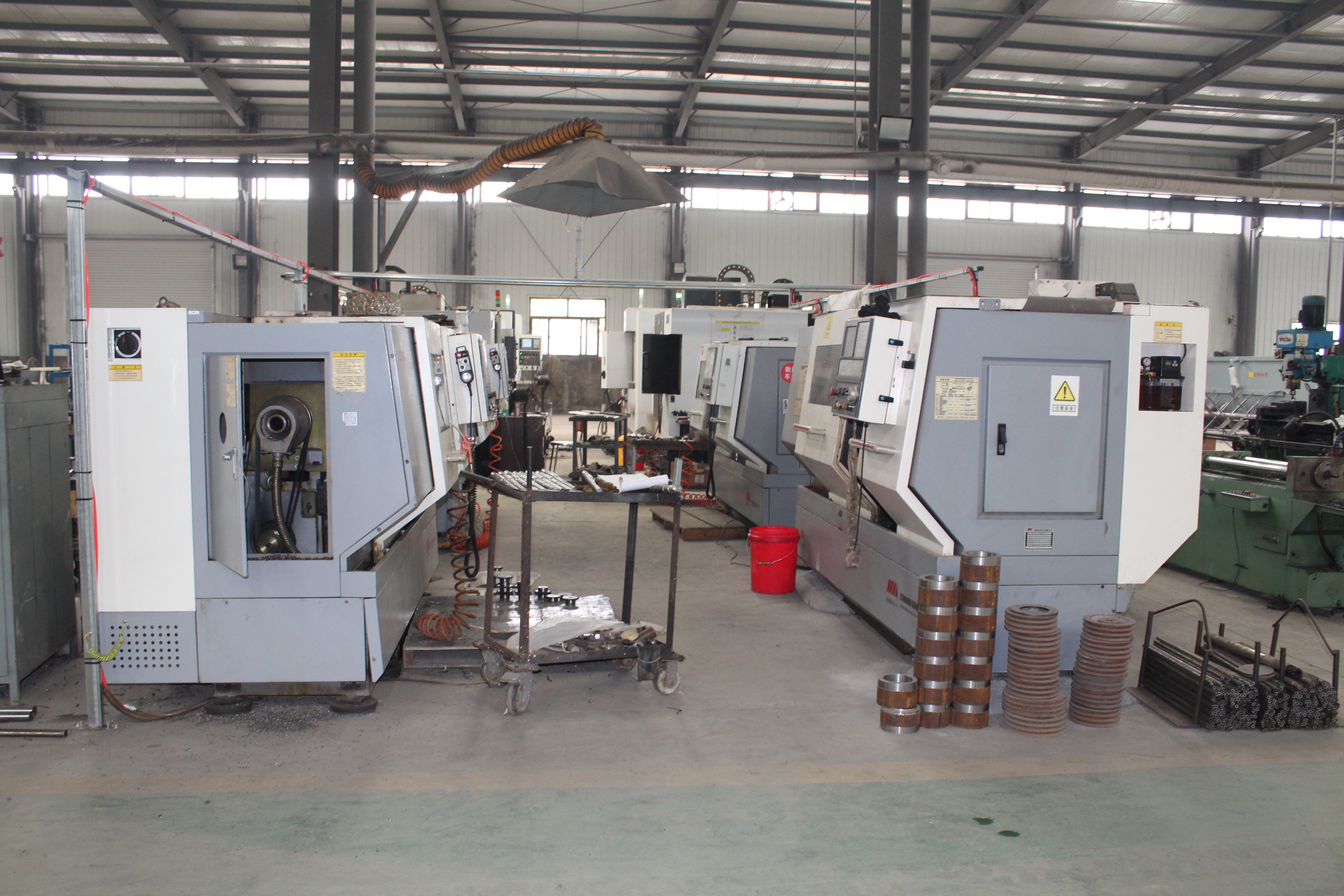
Both machines are manufactured by Neihuang County Changxing Biological Machinery Equipment Co., Ltd., which operates under the brand name Changxing Edible Mushroom Machinery — a mushroom machinery manufacturer founded in 2009 in Neihuang, Henan, China, running a 20,000 m² facility with a monthly capacity of 1,000 units and exporting to South Korea, Malaysia, Central Asia, Europe, and Russia.
Problem Definition: The Bagging Bench Sets Your Daily Ceiling
Substrate bagging is the step where a farm's theoretical capacity becomes real. Mixed substrate has to be filled into bags at a consistent weight and density, at a consistent bag length, without tearing the film and without leaving voids that later appear as uneven colonisation. When that step is done by hand, the number of bags produced in a day is limited by the number of people available, not by the size of the growing room.
Scale puts that problem in context. A 2-station full-automatic mushroom substrate bagging production line can reach 15,000 bags per day, and a 4-station line 25,000 bags per day. Those figures describe industrial cultivation. For a grower who fills a few hundred to a few thousand bags in a working session, the relevant question is narrower: which small machine keeps the bench moving without forcing changes to bag supplier, bench layout, or staffing?
Two failure modes appear repeatedly. First, a machine whose rated capacity sits below the farm's busiest day turns the operator into the bottleneck, and the expected labour saving never arrives. Second, a machine specified for a different workflow — heavier, controlled differently, or restricted to a narrower flat bag width — forces the farm to adapt its process to the equipment. Both look like equipment problems. Both are specification problems.
Industry Background: Where Small Bagging Machines Sit in a Growing Market
The global mushroom equipment market was valued at USD 3.8 billion in 2025 and is projected to reach USD 7.2 billion by 2033, according to Dataintelo. Asia-Pacific dominates that market with a 42.3% revenue share in 2025, driven by industrial-scale cultivation in China. China's edible mushroom industry value exceeded 380 billion yuan (approximately USD 53 billion) in 2024 and represents over 70% of global output, based on figures reported by People's Daily and China's Ministry of Agriculture.
Those headline numbers should be read with their definitions attached. QYResearch's machinery-only estimate for the same period is USD 1.23 billion, a much narrower scope than the broader equipment market figure. The gap between the two indicates how differently analysts draw the boundary between machinery, consumables, and complete project value — a useful reminder that market size is a planning input, not a purchasing specification.
What matters for a small farm is the shape of the equipment ecosystem around it. The same manufacturers that build high-capacity lines also build the small bagging machines that sit at the entry point of mechanisation. Changxing's range illustrates the pattern: it spans small bagging machines, mixers, crushers, screening equipment, sterilisation cabinets, inoculation machines, bagging and tying lines, basket handling machines, and complete production lines used for varieties including shiitake, oyster mushroom, black fungus, enoki mushroom, king oyster mushroom, white fungus, seafood mushroom, and agrocybe aegerita. A small farm is not buying into a different industry; it is buying into the lower end of the same one.
Detailed Solution: Two Drive Systems, Two Ways of Working
The ZD-3 and the TZD-1 look like variations of the same product, and in bag-size terms they largely are. Both accept bags of 28–60 cm in length and 12–25 cm in width, both hold a maximum filling height of 45 cm or less, and both are rated IP54 with a working temperature of 0–40 °C. The real difference sits underneath the frame: how torque reaches the auger, and how the operator starts and stops the filling cycle.
How a two-stage gear drive with a friction clutch behaves
A two-stage gear drive reduces motor speed in two steps before torque reaches the auger. A friction clutch sits in that transmission path and transfers torque through contact between friction surfaces. If the load rises beyond the clutch setting — a blocked sleeve, an overfilled bag, a foreign object in the substrate — the clutch slips instead of stalling the motor. That is a mechanical form of protection, and it is why friction-clutch machines tend to be simple, light, and built around a low-power motor. The ZD-3 uses 1.5 kW at AC220V 50Hz and weighs 37 kg, with overall dimensions of L650 × W450 × H900 mm.
Control on the ZD-3 is by foot pedal. The operator keeps both hands on the bag, starts and stops the filling cycle with a foot, and can adjust the position of the bag without reaching for a panel. For a one- or two-person bench, this is often the fastest way to work, because hand movement and machine movement stay synchronised. The trade-off is that throughput depends on the operator's rhythm: the rated 400–600 bags/h assumes a steady pedal cadence.
How an electromagnetic clutch with a mechanical brake behaves
An electromagnetic clutch engages through an electrical signal rather than through friction-surface contact pressure alone, and on the TZD-1 it is paired with a mechanical brake system. Engagement and braking are therefore controlled machine actions rather than purely mechanical ones, which gives more repeatable stopping behaviour at higher cycle rates. The practical result is a higher rated capacity: 600–800 bags/h, with a 2.2 kW motor that can run on either AC220V or AC380V 50Hz.
The TZD-1 is the heavier machine at 100 kg, with overall dimensions of L1150 × W650 × H1050 mm, a carbon steel frame, and an SS304 sleeve and product-contact parts. Its flat bag width range is documented as 15–25 cm against the ZD-3's 12–25 cm, so growers running a narrow flat-width bag should confirm compatibility before ordering either unit.
Small Friction Clutch Mushroom Bagging Machine (ZD-3): verified specifications
- Product type: small multi-functional bagging machine for edible mushroom cultivation and pillow packaging
- Drive system: two-stage gear drive + friction clutch; control mode: foot pedal control
- Power: 1.5 kW; input voltage: AC220V 50Hz
- Capacity: 400–600 bags/h
- Bag size: length 28–60 cm, width 12–25 cm (flat width 12–25 cm), max filling height ≤45 cm
- Net weight: 37 kg; overall dimension: L650 × W450 × H900 mm
- Protection: IP54; working temperature: 0–40 °C; material: carbon steel / SS304
- Multi-function: replaceable sleeve and auger, suitable for mushroom spawn and small round pillow packaging
- Applicable industry: agriculture, edible mushroom cultivation, textile & pillow packaging, small-scale food processing
Small Electromagnetic Clutch Mushroom Bagging Machine (TZD-1): verified specifications
- Product type: small automatic bagging machine for edible mushroom cultivation
- Control system: electromagnetic clutch + mechanical brake system
- Power: 2.2 kW; input voltage: AC220V / 380V 50Hz
- Capacity: 600–800 bags/h
- Bag size: length 28–60 cm, width 12–25 cm (flat width 15–25 cm), max filling height ≤45 cm
- Net weight: 100 kg; overall dimension: L1150 × W650 × H1050 mm
- Protection: IP54; working temperature: 0–40 °C
- Material: carbon steel frame; stainless steel 304 sleeve and product-contact parts
- Applicable industry: agriculture, edible mushroom cultivation, food processing
Step-by-Step: Seven Checks Before You Choose
- Set your real daily bag target. Count the bags you fill on your busiest working day, not your average. If that number sits close to the machine's rated hourly output multiplied by your available hours, move up one step.
- Match the machine to your electrical supply. The ZD-3 draws 1.5 kW at AC220V 50Hz — a single-phase supply that most small workshops already have. The TZD-1 draws 2.2 kW and accepts either AC220V or AC380V 50Hz, which gives more flexibility if three-phase power is available on site.
- Confirm your bag dimensions. Both machines accept 28–60 cm length and 12–25 cm width with a maximum filling height of 45 cm, but the documented flat width ranges differ (ZD-3: 12–25 cm; TZD-1: 15–25 cm). Verify against the bags you actually buy.
- Decide how the cycle should be controlled. Foot-pedal control keeps both hands on the bag and suits one operator working at a steady personal rhythm. Electromagnetic clutch and brake control suits a bench where cycling speed and repeatability matter more than hand-timed feeding.
- Check footprint, weight, and mobility. The ZD-3 occupies L650 × W450 × H900 mm at 37 kg; the TZD-1 occupies L1150 × W650 × H1050 mm at 100 kg. In a crowded shed, that difference decides where the machine can live and who can move it.
- Decide whether multi-function matters. Only the ZD-3 is documented as multi-functional, with a replaceable sleeve and auger that also suit mushroom spawn and small round pillow packaging. If your farm or side business needs that second application, the decision is effectively made.
- Validate on your own substrate, then confirm compliance and lead time. Request a sample run with your substrate mix and your bag film. Changxing tests 100% of units before delivery to ISO standard, has a minimum order quantity of 1 unit, and quotes a lead time of 30–55 days.
Use Cases: Which Farm Profile Matches Which Machine
Profile A — family farm or first mechanisation step: ZD-3
The ZD-3 suits a grower who is replacing hand filling for the first time. At 1.5 kW on AC220V, it runs from a standard supply; at 37 kg and 650 mm long, it can sit on an existing bench and be moved by one person. The foot pedal keeps both hands on the bag, which is how a single operator maintains a 400–600 bags/h rhythm. Flat width coverage down to 12 cm also accommodates narrower bags that the TZD-1's documented flat width range does not cover.
Profile B — farm running continuous shifts: TZD-1
The TZD-1 fits a farm where bagging has become a scheduled task rather than an occasional one. The 600–800 bags/h rating and the electromagnetic clutch with mechanical brake support longer, more repetitive sessions, and the AC220V / 380V input gives room to move to three-phase power later without changing machines. The SS304 sleeve and product-contact parts are a practical advantage in a wet substrate environment.
Profile C — spawn producer or pillow-packaging side line: ZD-3
Because the ZD-3 is documented as multi-functional, with a replaceable sleeve and auger for mushroom spawn and small round pillow packaging, it covers two revenue activities from one footprint. Its applicable industry list includes textile and pillow packaging alongside small-scale food processing — a useful signal for growers who already run a second packing line.
Profile D — farm planning to scale: start small, then move to a line
Small machines are also a low-risk way to learn mechanised bagging before committing to a production line. Changxing's installation record includes a five-year project for mushroom substrate processing that achieved stable operation, high efficiency, and a bagging speed of over 1,000 bags per hour, with reported highlights of high production efficiency and low labour cost. That project covers 20+ units of annual export volume to clients in South Korea, Malaysia, Russia, and the United Kingdom, including mushroom farms, planting bases, agricultural equipment distributors, and agricultural enterprises. For a small farm, the implication is straightforward: the machine you buy first does not have to be the machine you run in five years, but it should be compatible with the workflow you intend to build.
Friction Clutch vs Electromagnetic Clutch: Side-by-Side Specifications
| Specification | ZD-3 (Friction Clutch) | TZD-1 (Electromagnetic Clutch) |
|---|---|---|
| Product type | Small multi-functional bagging machine for edible mushroom cultivation & pillow packaging | Small automatic bagging machine for edible mushroom cultivation |
| Drive / clutch system | Two-stage gear drive + friction clutch | Electromagnetic clutch + mechanical brake system |
| Control mode | Foot pedal control | Electromagnetic clutch control with mechanical brake |
| Rated capacity | 400–600 bags/h | 600–800 bags/h |
| Power | 1.5 kW | 2.2 kW |
| Input voltage | AC220V 50Hz | AC220V / 380V 50Hz |
| Bag size | Length 28–60 cm, width 12–25 cm (flat width 12–25 cm) | Length 28–60 cm, width 12–25 cm (flat width 15–25 cm) |
| Max filling height | ≤45 cm | ≤45 cm |
| Net weight | 37 kg | 100 kg |
| Overall dimension | L650 × W450 × H900 mm | L1150 × W650 × H1050 mm |
| Protection / working temperature | IP54 / 0–40 °C | IP54 / 0–40 °C |
| Material | Carbon steel / SS304 | Carbon steel frame; SS304 sleeve & product-contact parts |
| Multi-function | Replaceable sleeve & auger; mushroom spawn and small round pillow packaging | Not documented as multi-functional |
| Applicable industry | Agriculture, edible mushroom cultivation, textile & pillow packaging, small-scale food processing | Agriculture, edible mushroom cultivation, food processing |
FAQ: Choosing Between the Two Small Mushroom Bagging Machines
Are these small bagging machines CE compliant, and what does the certificate cover?
Changxing holds CE attestation of conformity number M.2026.206.C135928, issued by UDEM and valid from 5 March 2026 to 4 March 2031. The stated scope is mushroom machinery (bagging & tying machine), demonstrating compliance with the Machinery Directive (2006/42/EC) and the EMC Directive (2014/30/EU), against standards EN ISO 12100:2010, EN 60204-1:2018+A1:2025, EN IEC 61000-6-2:2019, and EN IEC 61000-6-4:2019. Because certificates describe machine families rather than individual models, buyers should obtain written confirmation that the specific model and configuration they intend to import is covered, and check any additional national requirements in the destination market.
What is the real difference in output and power between the ZD-3 and the TZD-1?
The ZD-3 is rated 400–600 bags/h with a 1.5 kW motor on AC220V 50Hz, using a two-stage gear drive and friction clutch with foot-pedal control. The TZD-1 is rated 600–800 bags/h with a 2.2 kW motor on AC220V or AC380V 50Hz, using an electromagnetic clutch with a mechanical brake system. Both accept bags of 28–60 cm length, 12–25 cm width, and a maximum filling height of 45 cm. The output gap is roughly one third at the top of each range, and the power gap is 0.7 kW — which is why the choice usually comes down to your shift length and your power supply rather than the headline capacity alone.
Does the lower-power machine end up costing more per bag?
Purchase price is only one cost driver; throughput and labour hours are the others. Using rated capacities as a planning baseline (not as a tested result): filling 1,000 bags takes roughly 2.5 hours at 400 bags/h on the ZD-3 and roughly 1.7 hours at 600 bags/h on the TZD-1. At 3,000 bags, the ZD-3 takes about 5 hours at its top rate of 600 bags/h — or about 7.5 hours if it runs at 400 bags/h — while the TZD-1 takes about 3.75 hours at its top rate of 800 bags/h. If your target stays in the low thousands of bags per session and power supply is a constraint, the friction-clutch machine is the better operational fit. If bagging runs every day, the higher-capacity electromagnetic-clutch machine usually wins on labour hours. Changxing's installation record for larger projects reports bagging speeds over 1,000 bags per hour with high production efficiency and low labour cost, which is the direction the arithmetic points to once volume grows.
Can I test a machine on my own substrate before ordering?
Yes — and you should. Changxing's minimum order quantity is 1 unit, orders typically ship within 30–55 days, and 100% of units are tested before delivery according to ISO standard. The company also supports ODM and R&D customization covering equipment dimensions, production efficiency, applicable mushroom varieties, and bagging configuration, and it maintains a remote after-sales support channel. A sample run with your own substrate mix, moisture level, and bag film is the single most reliable way to confirm that a 400–600 bags/h or 600–800 bags/h rating translates into your working conditions.
What is the lead time, and what support comes after delivery?
Quoted lead time is 30–55 days, supported by a monthly production capacity of 1,000 units from a 20,000 m² facility with 130 employees and a 25-engineer R&D team. After-sales support is delivered remotely, and the export base covers South Korea, Malaysia, Central Asia, Europe, and Russia, with 60% of output exported. To move forward, request a quotation and a sample arrangement directly: email nhchangxing@outlook.com, call or message WhatsApp +86 13103721233, or check the equipment range at www.automushmachinery.com.
Conclusion: Buy for the Workflow, Not the Price Tag
The friction clutch and the electromagnetic clutch are not competing quality levels; they are two answers to two different working rhythms. The ZD-3 gives you 1.5 kW on single-phase power, a 37 kg frame, foot-pedal control, and a multi-functional sleeve and auger that also handle spawn and small round pillow packaging — at 400–600 bags/h, with flat-width coverage from 12–25 cm. The TZD-1 gives you 600–800 bags/h, a 2.2 kW motor that accepts 220V or 380V, electromagnetic clutch and mechanical brake control, and an SS304 sleeve and product-contact parts, in a 100 kg frame.
The decision rule that follows is simple: match the machine to your busiest day, your power supply, your bag's flat width, and the number of hands at the bench. If those four inputs point to the smaller machine, buy it without hesitation — it is a complete machine, not a compromise. If they point to the electromagnetic-clutch machine, the extra capacity is paid back in hours, not in specifications.
Before ordering either model, confirm three things in writing: the flat bag width range for your specific bag film, the model coverage of CE attestation M.2026.206.C135928 for your destination market, and the lead time slot for your configuration. All three are answerable in one enquiry.
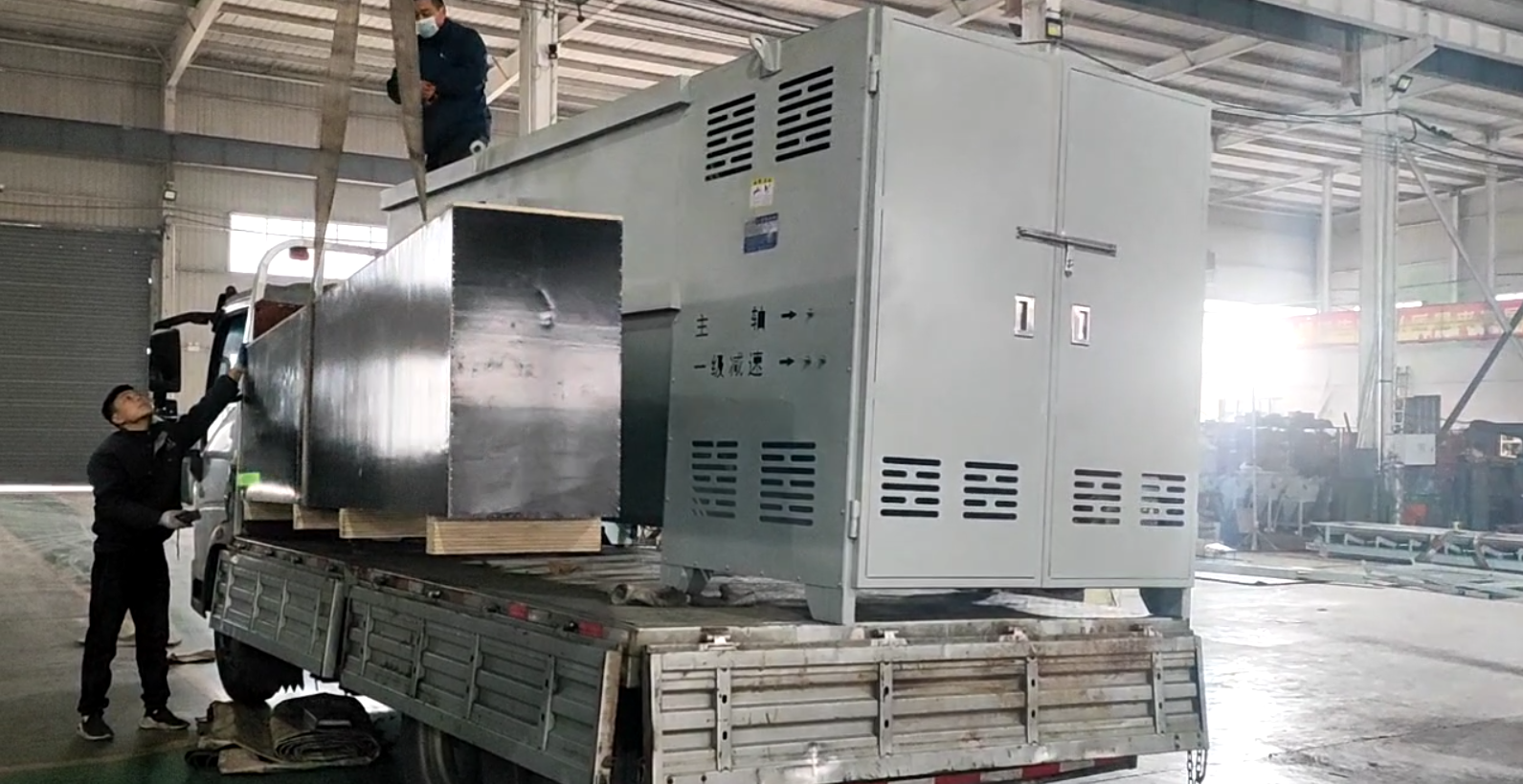
Next step: tell us your daily bag target, your power supply, and your bag dimensions, and Changxing Edible Mushroom Machinery will recommend the ZD-3 or the TZD-1 configuration that fits your farm — and quote it.
Email: nhchangxing@outlook.com | WhatsApp & Tel: +86 13103721233 | Website: www.automushmachinery.com