Vetting Edible Mushroom Machinery Suppliers: From Sample Tests to Line Capacity
A decision-stage checklist for buyers comparing edible mushroom automation equipment: prove the bag on a sample run, verify stated capacity like-for-like, collect installation data, confirm multi-function changeover, audit safety and compliance files, then lock manufacturing and delivery commitments in writing.
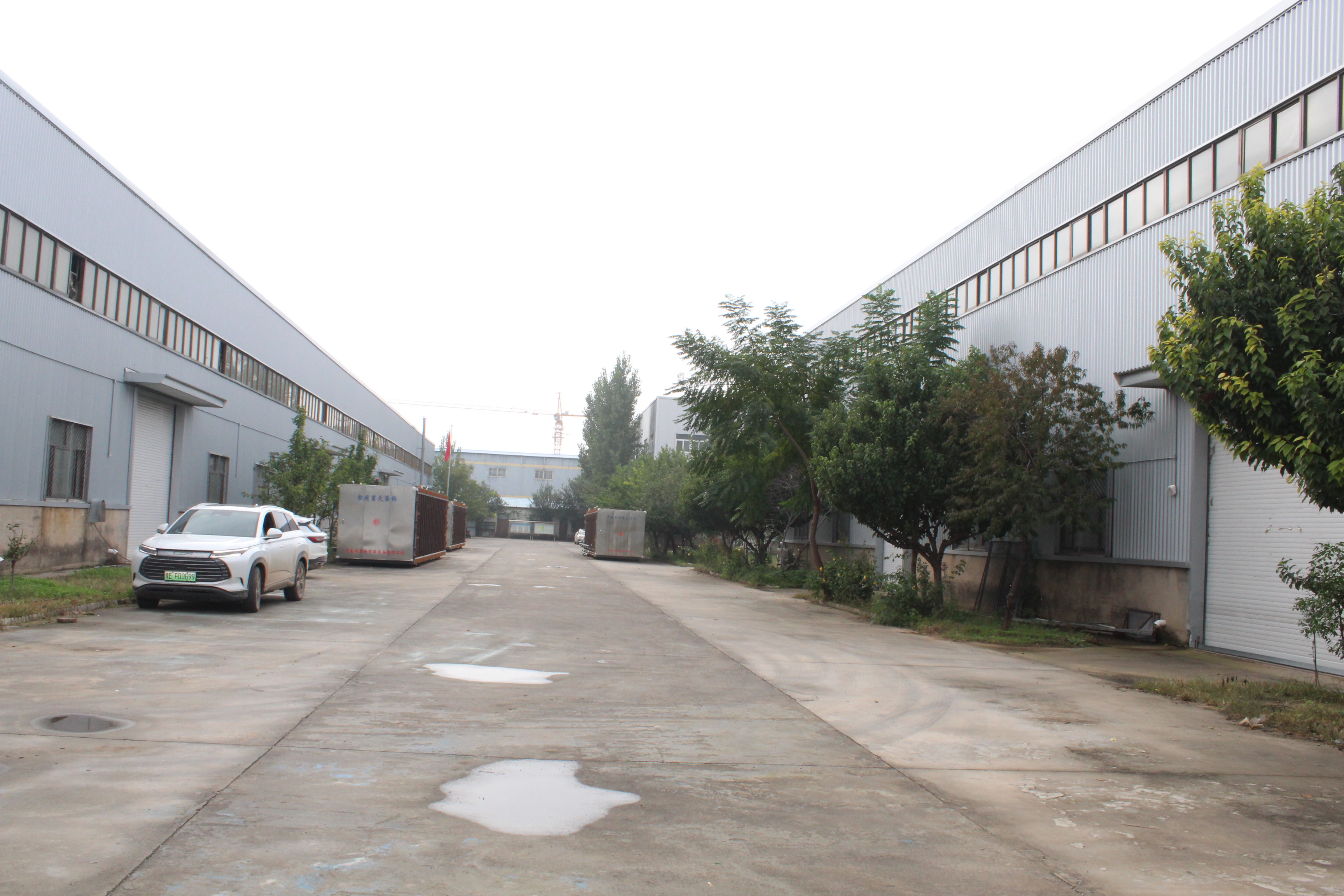
A real factory floor is the first thing a decision-stage buyer should inspect — in person or on a dated video — before accepting any capacity figure on a datasheet.
What a Reliable Supplier Evaluation Actually Looks Like
An edible mushroom machinery supplier should be evaluated in a fixed evidence order: a documented sample run that reproduces your own bag, then like-for-like capacity verification, then dimensional and utility data for installation planning, then multi-function and changeover confirmation, then the safety and compliance file, and finally written manufacturing and delivery commitments. Suppliers who can answer all six checks without delay are usually the suppliers who can also support a line after commissioning. Suppliers who answer two of six with brochure language are telling you something before the purchase order, not after it.
This guide is written for decision-stage buyers — farms, cooperatives, and importers — who already know they want edible mushroom automation equipment and are now separating comparable offers. Two Changxing products serve as the reference points throughout: the 4-Station Shiitake Mushroom Bagging & Tying Production Line, stated at 400–600 bags per hour, and the Pneumatic Automatic Mushroom Bagging Machine, stated at L650 × W450 × H900 mm with a replaceable sleeve and auger for multi-function operation.
The short answer: ask for evidence of the bag, not evidence of the brand. A sample run, a timed capacity video at your bag size, a footprint drawing, a change-part list, a certificate with a model number on it, and a written lead-time commitment close more risk than any brochure claim.
Why Supplier Claims Are Hard to Compare
The core problem is not that suppliers publish inaccurate numbers. It is that the numbers are published without the conditions that make them mean anything. A stated capacity of 400–600 bags per hour is only comparable when the bag width, bag length, substrate mix, fill weight, operator count, and running time are fixed. Two suppliers can both be honest and still be describing two different production realities.
Three specific gaps appear repeatedly in edible mushroom automation equipment offers:
- Capacity without conditions. “Bags per hour” is quoted for a reference bag that may not match the buyer’s bag size, substrate density, or tying requirement. Without the reference conditions, the figure cannot be tested and cannot be compared.
- Footprint without clearance. A machine dimension such as L650 × W450 × H900 mm describes the machine body, not the space the machine occupies. Infeed conveyors, outfeed tables, operator access, and service panels determine whether the unit physically fits the room.
- “Multi-function” without a parts list. A machine that can run more than one bag format is only multi-functional if the change parts are named, supplied, and priced. Otherwise the buyer discovers the limitation after the second product line is introduced.
The same problem applies to the choice between an integrated line and a single unit. An integrated line such as a 4-station bagging and tying production line is a different purchase from a standalone automatic mushroom bagger, and the two should be evaluated against different evidence: line-level throughput and handover points in one case, cycle time and footprint in the other.
Industry Background: A Dense Supplier Base With Thin Public Performance Data
Edible mushroom automation equipment is a large and active category. Dataintelo valued the global mushroom equipment market at USD 3.8 billion in 2025, and China accounted for 42.3% of that revenue base in the same year. Behind that figure sits an upstream industry of considerable scale — China’s edible mushroom industry recorded a total output value of CNY 380 billion in 2024, according to data cited through People’s Daily and relayed in secondary coverage.
For buyers, the practical consequence is a crowded supplier landscape with a wide spread of capability. Some manufacturers build full process lines; others assemble a narrow range of units. Both can look similar on a website.
What is genuinely missing from the public record is comparative reliability data. Failure rate per 10,000 bags, verified bags-per-hour at a named bag size, after-sales response time by region, and customization lead time in days are not routinely published in this category. Buyers therefore cannot benchmark suppliers from open sources alone. The workaround is procedural rather than analytical: request the same evidence set from every shortlisted supplier, in the same format, and compare the responses — not the marketing.
This is also why compliance evidence matters more than it first appears. Food-equipment expectations around cleanability and contamination control are regulatory in several markets, not optional preferences, and they belong in the supplier qualification file rather than in a post-installation conversation.
The Six-Gate Evaluation Framework
Six evaluation gates convert a vague “who do we trust” decision into a checklist that either closes or stays open. Each gate has a specific output that must exist on paper before the next gate is worth opening.
Gate 1 — Sample fidelity
The first question is whether the supplier can reproduce your bag, not a generic bag. Bag width and length, gusset configuration, substrate mix, moisture, and fill weight all interact with the filling sleeve and auger geometry. A supplier that can describe how the sleeve and auger are changed for a different bag format has already demonstrated that the machine is designed for more than one product.
Gate 2 — Capacity verification
Capacity must be re-stated in your conditions: bags per hour at your bag size, with your substrate, with a named number of operators. For an integrated line such as the 4-Station Shiitake Mushroom Bagging & Tying Production Line, the stated 400–600 bags per hour should be confirmed together with the bag format and the tying stage included in that figure — a bagging rate and a bagging-plus-tying rate are not the same number.
Gate 3 — Installation data
Layout planning needs dimensions, weights, and utility requirements before shipment, not after arrival. A unit stated at L650 × W450 × H900 mm gives a buyer the machine envelope; the buyer must still ask for infeed and outfeed positions, service access, connected electrical load, and any compressed-air requirement. Getting these numbers wrong is a civil-works problem, and civil works do not wait for spare parts.
Gate 4 — Multi-function and changeover
Ask what changes when the product changes. On the Pneumatic Automatic Mushroom Bagging Machine, the replaceable sleeve and auger are the change parts that define format flexibility. The evaluation question is not “is it multi-function” but “which parts, at what cost, and how long does a changeover take with one operator.”
Gate 5 — Safety and compliance file
Bagging equipment carries two named mechanical risks: jamming and operator injury. The expected controls are a safety guard, an emergency stop, and overload protection; the expected management measures are documented safe-operating training, a safety interlock, warning labels on the machine, and a regular maintenance schedule. A supplier should be able to point to each of these on the unit and in the manual.
Gate 6 — Manufacturing and delivery capacity
Finally, the supplier’s own production base must be able to support the promise. Factory area, headcount, engineering staff, annual output, and export record are the facts that make a delivery commitment credible.
Worked example: Changxing Edible Mushroom Machinery
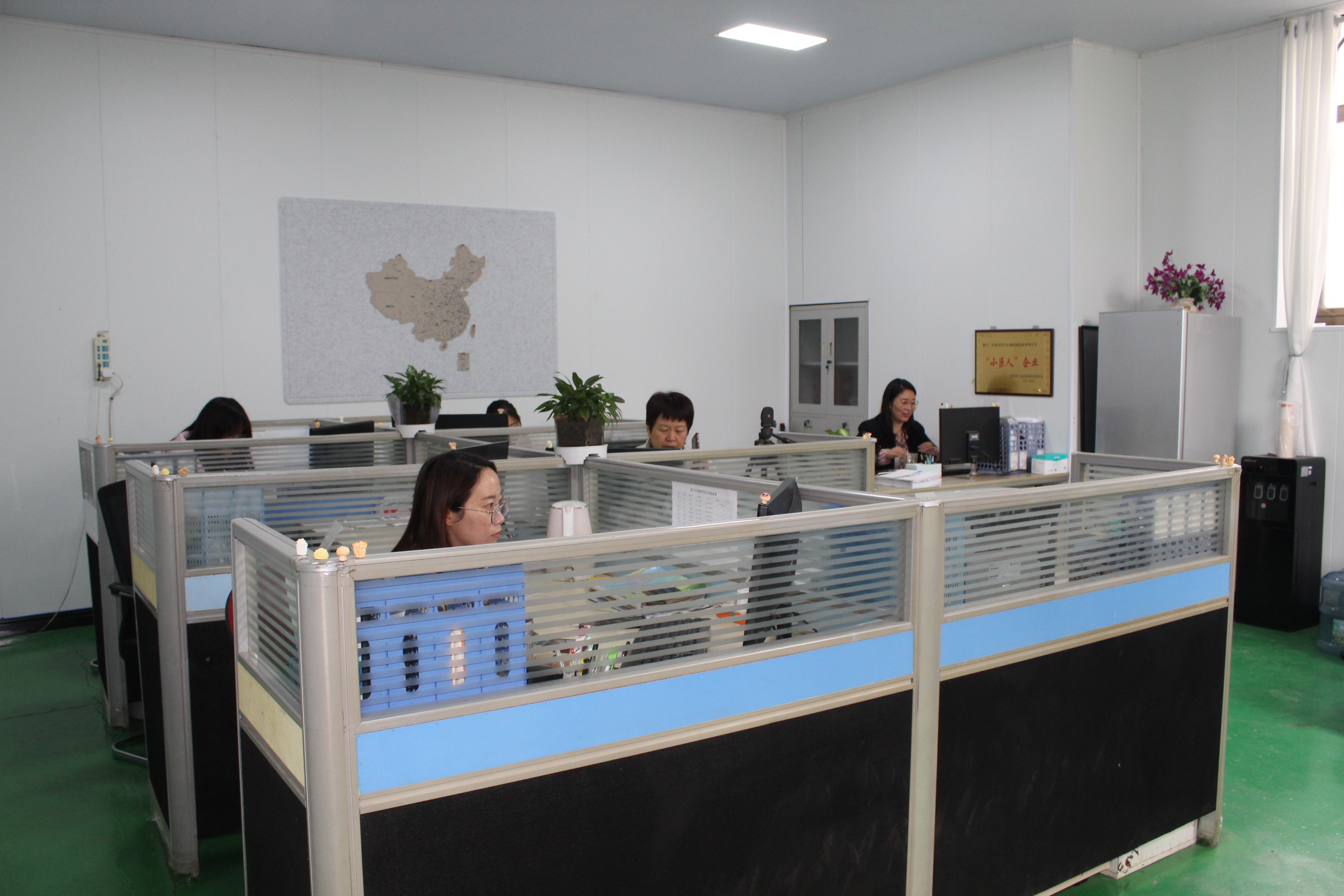
Neihuang County Changxing Biological Machinery Equipment Co., Ltd. — trading as Changxing Edible Mushroom Machinery — is a Chinese manufacturer of edible mushroom automation equipment founded in 2009, operating a 20,000 m² factory with 130 employees, a 25-engineer R&D team, and an annual output of 10,000 units. The company reports a 60% export ratio, with main markets in South Korea, Malaysia, Central Asia, Europe, and Russia.
Its range spans mushroom substrate mixers, bagging and tying machines, sterilization cabinets, inoculation equipment, growing-room equipment, and mushroom processing equipment, covering the sequence from raw-material crushing and mixing through bagging, sterilization, inoculation, and cultivation. Supported crop types include shiitake, oyster mushroom, black fungus, enoki, Pleurotus eryngii, Pleurotus geesteranus, white fungus, seafood mushroom, and Agrocybe aegerita. The company states that it supports customization inquiries from overseas buyers.
Founded 200920,000 m² factory130 employees25 R&D engineers10,000 units / year60% export ratio
Website: www.automushmachinery.com
Supplier Evidence Checklist: Claim, Request, Proof
The fastest way to run the six gates is to convert each marketing claim into a request, and each request into a piece of evidence that either exists or does not. The table below is the working version of that conversion.
| Supplier claim | What to request | Evidence that closes the check |
|---|---|---|
| “400–600 bags per hour” | Timed run at your bag dimensions, with tying stage included, operator count stated | Dated video with a visible timer plus a written statement of reference bag size and substrate |
| “Compact footprint” | Outline drawing showing machine envelope and service clearance | Dimensioned drawing — e.g. L650 × W450 × H900 mm for the machine body — with infeed and outfeed marked |
| “Multi-function” | Change-part list for each supported bag format | Named parts (sleeve, auger), price per set, and a stated changeover procedure |
| “Safe operation” | Safety features on the unit and in the manual | Safety guard, emergency stop, overload protection, safety interlock, warning labels, training record |
| “CE compliant” / “export ready” | Certificate with the machine model number in scope | Certificate copy checked against the exact model and destination market |
| “Fast delivery” | Written lead time from down payment to shipment | Order confirmation stating dates, plus factory capacity facts that support them |
Step-by-Step: Running the Evaluation From Sample to Sign-Off
- Fix the reference bag. Define bag width, length, gusset, substrate recipe, moisture target, and fill weight before you talk to any supplier. Every later comparison depends on this single document. Without it, capacity, cycle time, and changeover discussions are all drifting.
- Request a sample run, not a demonstration. A demonstration shows the machine working. A sample run shows the machine working on your bag. Ask for the finished bags to be measured for fill weight and seal or tie quality, and ask how many bags in the run were rejected.
- Convert capacity into shift output. Take the quoted hourly figure and multiply it by the realistic running hours in your operation, then subtract changeover and cleaning time. Confirm whether the supplier’s 400–600 bags per hour figure includes the tying stage or refers to bagging only, and whether the spread reflects bag size differences or operator skill.
- Collect the installation package. Ask for the outline drawing, machine weight, connected electrical load, air consumption if applicable, and the recommended service clearance on all four sides. Confirm the door widths on your route into the building against the largest crate dimension.
- Get the change-part list in writing. For a format-flexible unit, the list should name each part, state the bag formats it supports, and state the changeover time with one operator. Price the spare set at quotation stage, not after the second product launch.
- Walk the safety file line by line. Confirm the guard, the emergency stop, and the overload protection physically exist, then confirm the interlock, the warning labels, and the training requirement appear in the documentation. Ask what the maintenance schedule is and which parts are expected to wear.
- Audit compliance for your market, not in general. European Union market access normally involves CE marking under the Machinery Directive and the EMC Directive. In the United States, food-equipment expectations include 21 CFR Part 117 requirements that equipment be designed and maintained to be adequately cleanable and to protect against contamination, and 21 CFR Part 112 guidance on equipment that contacts covered produce. NSF/ANSI 2 is a commonly referenced food-equipment standard covering materials, design, fabrication, construction, and performance. Applicability must be confirmed for the specific machine and destination — and certificates must be checked against the model actually being purchased.
- Verify the manufacturing base, then sign. Factory area, headcount, engineering staff, annual output, and export record are the credible evidence behind a delivery date. Write acceptance criteria into the order: which bag formats must run, what output must be demonstrated, what documentation must be delivered, and what training must be completed before the final payment.
Where This Framework Applies
Shiitake farm scaling from manual to integrated bagging and tying
A farm moving from hand-filled bags to an integrated line is buying throughput and consistency at the same time. The evaluation should focus on the line-level figure — whether the stated 400–600 bags per hour covers bagging and tying together — and on the handover points between stations, because a line is only as fast as its slowest transfer.
Oyster mushroom operation adding a single bagging unit
When the purchase is a standalone machine rather than a line, space and changeover dominate. A unit stated at L650 × W450 × H900 mm may fit a room that a line cannot, and a replaceable sleeve and auger arrangement allows the same unit to serve more than one bag format as the product mix shifts.
Multi-variety cooperative with seasonal format changes
Cooperatives running several species — shiitake, oyster, black fungus, enoki, Pleurotus eryngii — face repeated changeovers. Here the changeover procedure and the spare change-part inventory are more important than a single peak throughput figure, because lost time between formats quietly erodes the annual capacity the buyer thought they purchased.
Importer or distributor building a resale offer
Distributors carry a second layer of risk: they must support the machine in a market the manufacturer may not visit often. The evaluation therefore adds the compliance file, the spare-parts list, and the manufacturer’s export experience. A supplier with a 60% export ratio and established markets in South Korea, Malaysia, Central Asia, Europe, and Russia has already handled the documentation and logistics questions a distributor will face.
Manual vs Automatic Bagging: The Comparison Buyers Actually Need
Most supplier evaluations in this category end in a comparison against manual bagging, because that is the status quo being replaced. Compared with manual bagging, automated bagging offers distinct advantages — higher efficiency, consistent quality, and lower energy cost — alongside the measurable differences in output and labour shown below.
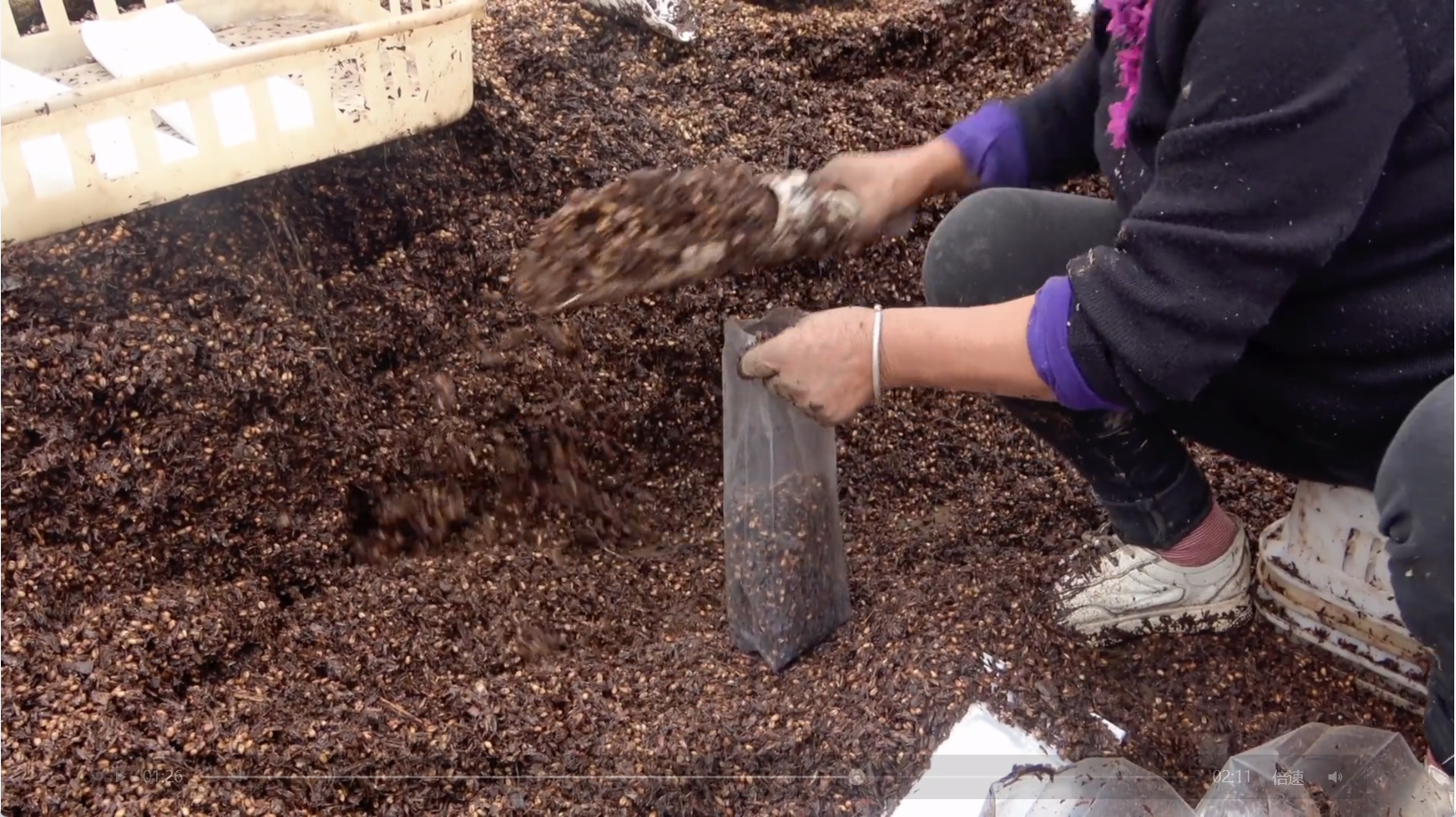
Manual bagging is the baseline every automation quotation is implicitly measured against — and the baseline most quotations leave undocumented.
| Comparison point | Manual bagging | Automatic bagging |
|---|---|---|
| Output | Baseline | 80% higher output |
| Labour requirement | Baseline | 50% less labour |
| Labour cost | Baseline | 60% lower labour cost |
| Bag quality | Varies with operator | Consistent quality |
| Energy cost | Baseline | Lower energy cost |
| Operation and supervision | Continuous manual intervention | Stable operation, less manual intervention |
| Best fit | Small volume, irregular formats | Large-scale mushroom farms and automated production lines |
Two cautions belong next to that table. First, the percentage figures describe the automation step as a whole, not a specific model, so they should be used to frame the business case rather than to select between two machines. Second, the energy and labour savings only materialise if the machine actually runs at the stated rate on your bag — which is why capacity verification precedes the financial comparison, not the other way round.
For context on what “high capacity” means in this category, publicly listed figures for industrial automatic bagging and capping machines reach 1,200–1,400 bags per hour. That is a different machine class from a 400–600 bags per hour shiitake bagging and tying line, and the comparison only makes sense once the bag format, the included process stages, and the automation level are aligned.
Frequently Asked Questions
What compliance documents should I request from an edible mushroom machinery supplier?
Request the certificate that applies to the exact machine model and the destination market, not a general statement of compliance. For the European Union, that normally means CE marking supported by the Machinery Directive and the EMC Directive. For the United States, food-equipment expectations include 21 CFR Part 117 requirements that equipment be designed and maintained to be adequately cleanable and to protect against contamination, and 21 CFR Part 112 guidance on equipment contacting covered produce. NSF/ANSI 2 sets minimum food protection and sanitation requirements for materials, design, fabrication, construction, and performance of food handling and processing equipment and is frequently used as a hygienic-design reference. Applicability must be confirmed case by case, and any certification claim should be checked against the certificate itself, including the model number in scope.
How do I verify a stated capacity such as 400–600 bags per hour?
Restate the figure in your own conditions. Ask the supplier to confirm the bag width and length, substrate mix, fill weight, operator count, and whether the tying stage is included in the quoted rate. Then request a timed run at those conditions and check the output against the bags produced, not against the machine’s nominal speed. The 400–600 bags per hour range typically reflects different bag formats rather than machine variability, so the supplier should be able to place your bag inside that range rather than at its edge. Multiply the confirmed hourly figure by realistic running hours and subtract changeover and cleaning time to get shift output.
How should I compare the cost of automated bagging against manual bagging?
Build the comparison on the documented step change: automated bagging delivers 80% higher output, 50% less labour, and 60% lower labour cost than manual bagging, with consistent quality, lower energy cost, and stable operation requiring less manual intervention. Convert those percentages into your own volumes and wage rates rather than treating them as absolute savings. Then add the items the percentages do not cover — change parts, spare parts, maintenance time, training, and installation — and request a quotation whose scope is written down line by line, so that two offers can be compared on the same basis.
Can I validate the machine on my own bag before placing an order?
A trial should be specified as a documented run rather than a demonstration: your bag dimensions, your substrate recipe, your fill weight, and a stated number of bags produced with the rejects counted. Ask for the finished bags to be measured and for the run to be recorded so the reference conditions travel with the quotation. Buyers who need a specific format should state the sleeve and auger requirement up front, since format flexibility is defined by those change parts. To arrange a sample evaluation or discuss a customized configuration, contact Changxing Edible Mushroom Machinery at nhchangxing@outlook.com or +86 13103721233.
What should I confirm about delivery and manufacturing capacity before signing?
Confirm the manufacturing base behind the promise and then put the promise in writing. Changxing operates a 20,000 m² factory with 130 employees, 25 R&D engineers, and an annual output of 10,000 units, and reports a 60% export ratio across South Korea, Malaysia, Central Asia, Europe, and Russia. Those facts support a delivery commitment; they do not replace one. Ask for written lead time from down payment to shipment, the shipment schedule for spare parts and change parts, and the service arrangement for your region, and attach all of it to the order confirmation.
Conclusion
Supplier evaluation in edible mushroom automation equipment is a sequence, not a score. The bag comes first, then the capacity that bag actually runs at, then the space and utilities it needs, then the change parts that make it flexible, then the safety and compliance file that lets it operate legally, and finally the manufacturing base that makes the delivery date believable. Each step produces a document. A supplier who can produce all six is a supplier you can plan a production line around.
For buyers comparing integrated lines such as the 4-Station Shiitake Mushroom Bagging & Tying Production Line against single units such as the Pneumatic Automatic Mushroom Bagging Machine, the framework does not change — only the questions at each gate. What changes is the cost of skipping one: an unverified capacity figure costs a season, and an unverified footprint costs a building.

Warning labels, guards, and an emergency stop belong on the acceptance checklist — verify them on the machine, not only in the manual.
Next Step: Request a Documented Sample Evaluation
Send your bag dimensions, substrate recipe, and target output to the Changxing engineering team. You will receive the machine configuration that matches your format — including sleeve and auger options, the dimensioned layout drawing, and the capacity statement expressed in your own reference conditions.
Email: nhchangxing@outlook.com | Tel / WhatsApp: +86 13103721233 | Web: www.automushmachinery.com
Neihuang County Changxing Biological Machinery Equipment Co., Ltd., Henan Neihuang, China.
Have Questions or Need More Details?
Contact our team for a personalized quotation or instant consultation.
Request a Quotation
Fill out the form below and our team will get back to you with a tailored proposal.
WhatsApp Direct Chat
Prefer to chat in real-time? Message us on WhatsApp for instant assistance & quick answers.
- Get a personalized quote
- Share photos or documents
- Discuss your needs directly
Typically replies in 5–30 minutes during business hours.