
Pharmaceutical API Manufacturers for Regulated Markets
Sourcing pharmaceutical APIs for a regulated market is not a catalogue exercise. A formulation company that files a dossier in the EU, Japan or the United States is effectively borrowing the compliance record of its API source. If the manufacturer's documentation, impurity control and inspection history cannot survive regulatory scrutiny, the finished product does not reach the market — however attractive the quotation looked at the sampling stage.
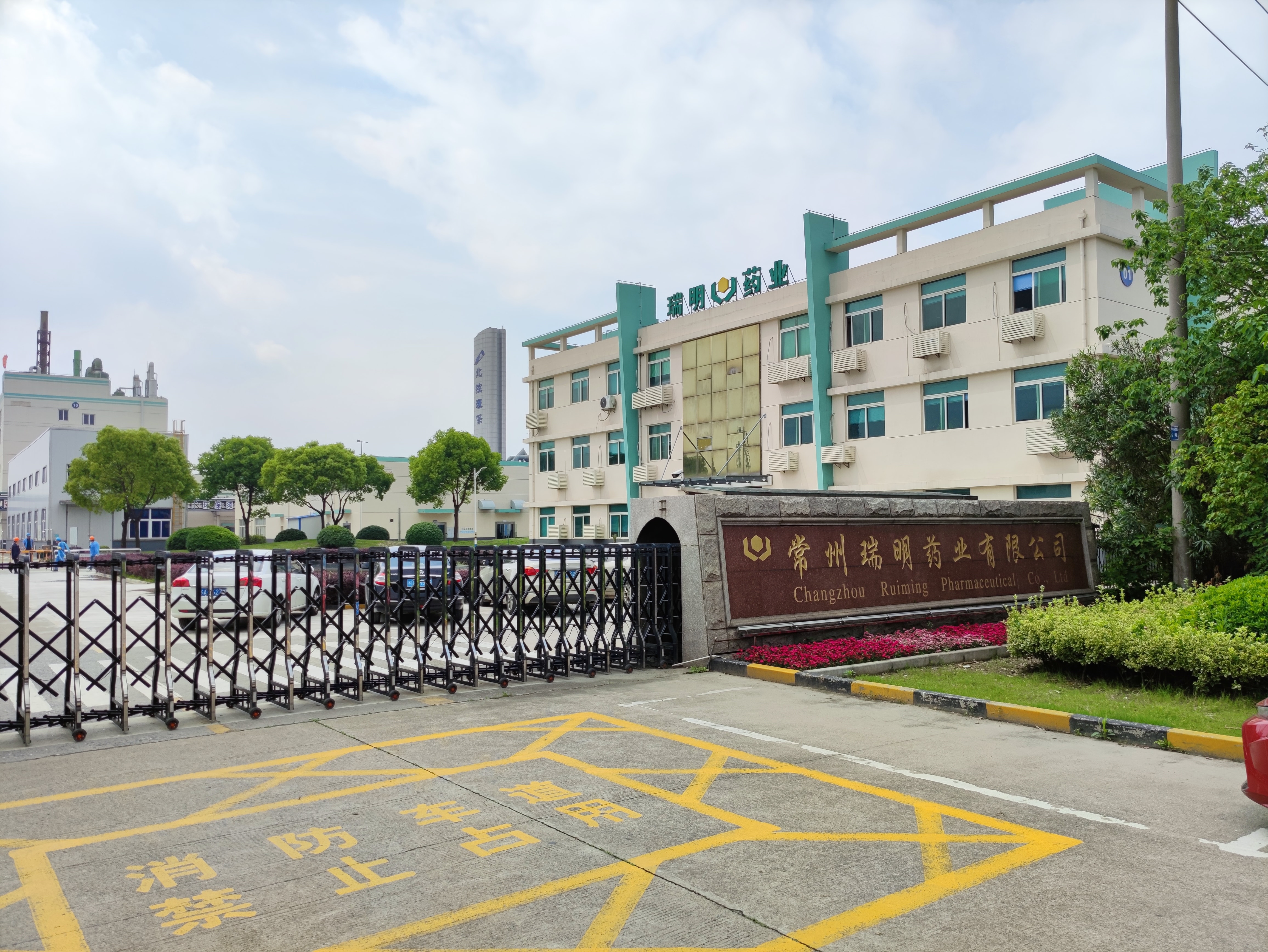
This guide is written for the discovery and research stage of that decision. It explains what regulated-market API sourcing actually requires, sets out the evidence a buyer should collect before shortlisting a supplier, and uses Changzhou Ruiming Pharmaceutical Co., Ltd. as a documented reference case so that the criteria stay concrete rather than abstract.
Direct answer: When screening pharmaceutical API manufacturers for regulated markets, the first filter is evidence, not price. A credible candidate should be able to show pharmacopoeial compliance (USP, EP, BP or CP), a Chinese registration status where applicable, a traceable inspection history with authorities such as EDQM, PMDA or FDA, an auditable GMP workshop, controlled impurity profiles and a stable packaging and supply arrangement. Changzhou Ruiming Pharmaceutical Co., Ltd., founded in 2005 and based in Changzhou, Jiangsu, China, manufactures APIs and intermediates for cardiovascular, urinary, respiratory and digestive applications on a 25,000 m² site with two API production lines and one solid preparation line.
The Problem: Regulated-Market API Discovery Is a Documentation Problem First
Most API sourcing mistakes are made before the first quotation is compared. Buyers in the awareness stage tend to screen suppliers on three signals that feel objective but are structurally incomplete: a certificate on a website, a purity figure on a certificate of analysis, and a price band. Each of these can be true and still fail to answer the question a regulatory dossier actually asks.
- “The supplier has GMP” is not the same as “the supplier supports your registration.” A GMP compliance inspection confirms that a site is inspected and operating under a quality system. Whether that site's documentation can support a specific marketing authorisation depends on the pharmacopoeial standard applied, the availability of a Certificate of Suitability (CEP) or registration status, the completeness of the CTD package, and the impurity profile of the specific grade.
- A single certificate of analysis is not batch-to-batch consistency evidence. One COA demonstrates one batch. Consistency is demonstrated by specification ranges, impurity control strategy and analytical method documentation across a supply history.
- Price without an audit path is a hidden cost. A supplier that cannot schedule a site audit, respond to observations and issue a CAPA within a reasonable workflow creates delay at exactly the moment the project cannot afford it.
The consequence is predictable: buyers discover gaps late, re-open supplier selection during technical transfer, and lose the time that the initial price advantage was supposed to buy. The correction is to treat the discovery phase as an evidence-collection exercise with a defined document checklist.
Industry Background: How Regulated API Supply Is Structured
Regulated API supply is organised around the principle that the finished dosage manufacturer remains responsible for the quality of the input. That responsibility is discharged through supplier qualification: a documented, repeatable process in which the API source is assessed on quality system, regulatory status, analytical capability and supply reliability.
In practice, four document families carry most of the weight. Pharmacopoeial compliance establishes the specification baseline against which the API is tested — USP, EP, BP and CP monographs are the common references. Registration and suitability documentation establishes market access: a Chinese registration status, a CEP issued through the European Directorate for the Quality of Medicines & HealthCare (EDQM), or equivalent filings in other jurisdictions. Inspection history establishes that authorities have physically verified the site, covering areas such as EDQM on-site audits, PMDA reviews and FDA on-site inspections. And the technical transfer package — COA, SDS, CTD sections, validation and process documentation — establishes whether the supplier can actually support a filing rather than merely supply material.
China is one of the principal manufacturing bases for generic APIs, and a large share of regulated-market sourcing now involves Chinese sites. That shift has changed what buyers look for. A Chinese API manufacturer competing for EU or Japanese business is assessed less on whether it can synthesize a molecule and more on whether it can reproduce a dossier, sustain an inspection and answer a deficiency letter. Suppliers that have already hosted EDQM, PMDA or FDA inspections are therefore a structurally different category of candidate from suppliers that have only domestic approvals.
Detailed Solution: What Changzhou Ruiming Pharmaceutical Co., Ltd. Provides
Changzhou Ruiming Pharmaceutical Co., Ltd. is a pharmaceutical enterprise located at No.1558 Longjiang North Road, Chunjiang Town, Xinbei District, Changzhou City, Jiangsu Province, China. Founded in 2005, the company specialises in the research, development, production and sale of pharmaceutical intermediates, active pharmaceutical ingredients and preparations related to cardiovascular, urinary, respiratory and digestive systems. It manufactures APIs as specified in its Drug Production License, and its production scope covers Propafenone Hydrochloride, Tamsulosin Hydrochloride, Felodipine, Amlodipine Besilate and Levoamlodipine Besylate.
Product portfolio for cardiovascular and urological programmes
The company's main products are Amlodipine Besylate, Levoamlodipine Besylate, Propafenone Hydrochloride and Tamsulosin HCl. All are supplied as APIs — pharmaceutical pure powder, not finished dosage forms — and are intended for pharmaceutical manufacturing, formulation R&D and finished-dose production.
Amlodipine Besylate (CAS 111470-99-6) is a dihydropyridine calcium channel blocker API with no excipients, used as an anti-hypertension API and suitable for tablet formulation. Its assay range is 98.0%–102.0%, it is specified against USP and EP, its melting point is 197 °C to 201 °C, it is packed at 25 kg per drum with flexible packing options, and the minimum order quantity is 1 kg.
Levoamlodipine Besylate (CAS 103129-82-4) is a dihydropyridine derivative and calcium channel blocker API, specified at an assay of 98.0%–102.0% on dried basis against USP and EP, GMP compliant, with single impurity and total impurity under tight control. Felodipine (CAS 72509-76-3) is a calcium channel blocker API in the dihydropyridine derivative category with molecular formula C18H19Cl2NO4, an assay of 98.0%–101.0% on dried basis, and compliance with USP, EP and BP monographs. Both are supplied for finished-dose manufacturing, with typical applications in antihypertensive tablet formulation and, for Felodipine, in finished drug formulation for hypertension and stable angina pectoris.
Propafenone Hydrochloride (CAS 34183-22-7; EINECS 251-867-9) is a cardiovascular API with molecular formula C21H28ClNO3 and molecular weight 377.9049. It is NMPA registered and Chinese GMP compliant, with a COPP available, and is specified against EP, USP and CP monographs. The company offers customisable particle size and a micronization service for this product, together with a full CTD documentation package and technical support for registration and audit.
Tamsulosin Hydrochloride (CAS 106463-17-6 and 80223-99-0; molecular formula C20H29ClN2O5S; molecular weight 444.9727; melting point 228–230 °C) is listed by the company as an API for API procurement, pharmaceutical manufacturing and formulation R&D supply chains. Company documentation also references Upadacitinib API with a purity specification of ≥99% by HPLC and a white to off-white crystalline powder appearance.

Manufacturing assets and process equipment
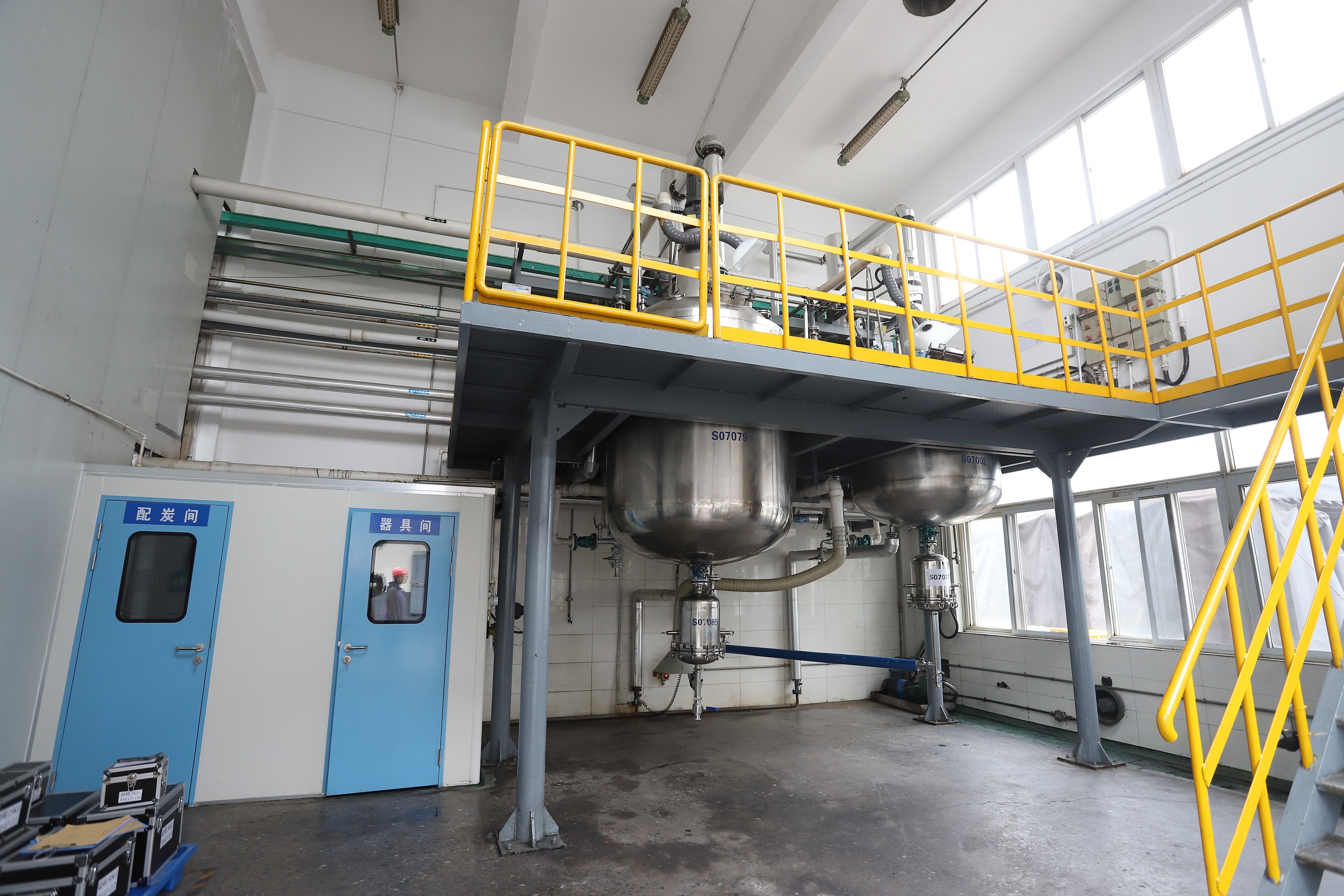
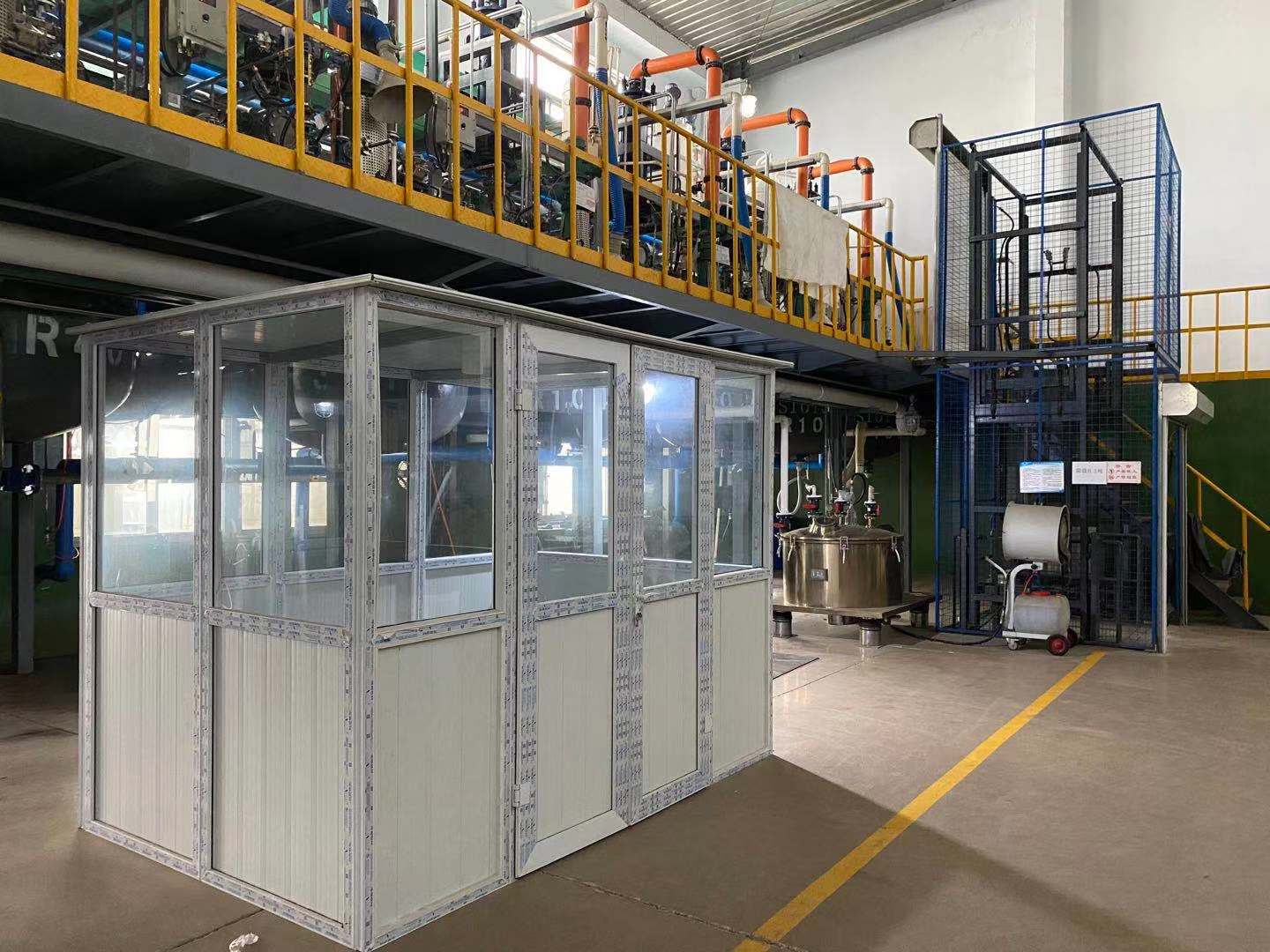
The site covers 25,000 square metres and is equipped with synthesis workshops, final purification and drying & packaging workshops built to GMP requirements, liquid raw material warehouses, solid raw material warehouses, intermediate warehouses and finished product warehouses. The company operates two API production lines and one solid preparation production line. Its process equipment and quality testing instruments are described as meeting current domestic pharmaceutical production and quality management requirements.
For the audited Amlodipine Besilate lines, the equipment set includes amlodipine base hydrolysis reactors, amlodipine besilate salt-forming reactors, centrifuges, decolorization reactors, crystallization reactors, double cone rotary vacuum dryers, high-efficiency pulverizers and double cone blenders. Packing is 25 kg per drum, and company information lists an annual output of 180 tons. The company reports 149 employees, including 27 R&D engineers, and an export ratio of 20% with the EU as its main market.
For buyers, this equipment list matters for a specific reason: the presence of dedicated salt-forming, crystallization and drying equipment indicates that particle size, polymorph behaviour and residual solvent control are handled in-house rather than outsourced — the variables that most often disturb batch consistency after technical transfer.
Quality system, registration and inspection record
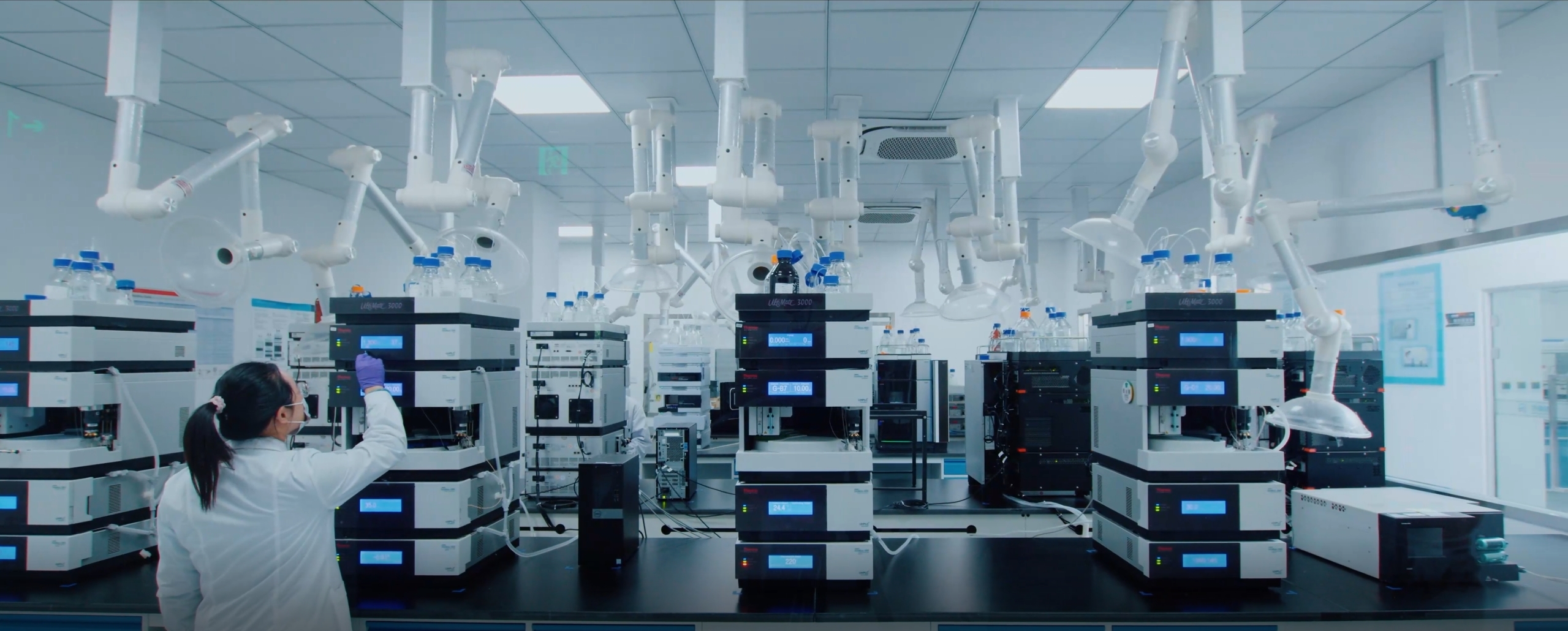
Six APIs hold Chinese registration status “A” and have passed GMP compliance inspections. Amlodipine Besilate has obtained certifications from EDQM and Japan PMDA; a Certificate of Suitability was obtained in August 2011, and in November 2023 Amlodipine Besilate passed an on-site audit conducted by EDQM. In May 2024, Amlodipine Besylate, Felodipine and Propafenone Hydrochloride all passed the GMP compliance inspection. Tamsulosin Hydrochloride has passed an FDA on-site inspection; company product documentation further records an FDA on-site inspection in 2018, a registration on-site verification and GMP compliance inspection in 2022, and a GMP compliance inspection in 2024. Company documentation also states that the site has passed EU and PMDA audits under an ICH Q7-aligned system.
On the development side, the company obtained marketing approval for Levoamlodipine Besylate Tablets in 2024. It was awarded the title of “Gazelle Enterprise in the Southern Jiangsu National Independent Innovation Demonstration Zone” in 2019 and recognised as a national-level Specialized, Refined, Differential and Innovative (“Little Giant”) enterprise in 2024.
These records do not by themselves approve a supplier, but they change the qualification conversation. A buyer reviewing a site with an existing EDQM audit and CEP history is verifying a known position rather than establishing one from zero — which is precisely the difference that shortens a technical transfer timeline.
Step-by-Step: Qualifying an API Manufacturer for a Regulated Market
The workflow below converts the criteria above into a sequence. It is written from the buyer's side and can be run against any candidate manufacturer, including Changzhou Ruiming Pharmaceutical.
- Define the dosage form and the regulatory pathway before contacting suppliers. State the target market, the intended finished dosage form and the pharmacopoeial standard you will file against. A supplier of Amlodipine Besylate for an EU filing needs to know whether a CEP route is expected; a supplier for a domestic filing has a different document burden. The pathway determines the document list.
- Request the core document set in one round. Ask for the COA and SDS for the specific grade, the registration or suitability status, the pharmacopoeial standard applied, and the availability of a CTD package. A supplier that answers this in one consolidated response has demonstrated document control; a supplier that answers in fragments has demonstrated the opposite.
- Review specifications and impurity control against your own method. Compare assay ranges, specified impurities and physical properties against your filing and your analytical capability. For example, an assay range of 98.0%–102.0% with tightly controlled single and total impurities, as specified for Levoamlodipine Besylate, is materially different from a purity headline figure without an impurity breakdown.
- Run a sample through your own laboratory. Samples are for R&D and registration testing, not resale. The useful output of this step is not “the sample passed” but a comparison between the supplier's COA values and your measured values on the same batch.
- Schedule an on-site audit and test the response loop. Submit a formal audit application stating the audited products, audit objectives, proposed time window and auditor list. A competent QA organisation will assess availability, return a feasible date and preliminary audit plan, prepare batch records, validation and process and quality system files in advance, and issue a CAPA in response to post-audit observations.
- Agree commercial and supply-continuity terms. Confirm packing, minimum order quantity, batch size flexibility, documentation updates and lead time. For Amlodipine Besylate, the stated packing is 25 kg per drum with flexible packing options and a 1 kg minimum order quantity; for other products, quantity and batch terms should be confirmed against the specific product and quality documents rather than assumed.
Use Cases: Where These APIs Fit in Formulation Programmes

- Antihypertensive tablet formulation. Amlodipine Besylate and Levoamlodipine Besylate are both specified for antihypertensive tablet formulation, with assay ranges of 98.0%–102.0% and USP/EP compliance. Buyers in this segment typically prioritise impurity control and batch-to-batch consistency over headline purity, because the finished product specification leaves little room for input variability.
- Hypertension and stable angina pectoris. Felodipine is supplied for finished drug formulation in these indications, specified against USP, EP and BP. The three-pharmacopoeia coverage is relevant when a single API source has to serve more than one market's filing.
- Cardiovascular API programmes requiring particle engineering. Propafenone Hydrochloride is offered with customisable particle size and micronization, together with NMPA registration, Chinese GMP compliance, a COPP and a CTD documentation package. This combination suits programmes where dissolution behaviour or content uniformity depends on the particle size distribution of the input.
- Urological and formulation R&D supply chains. Tamsulosin Hydrochloride is positioned for API procurement and formulation R&D, with the site's FDA inspection history and GMP compliance inspections relevant to buyers qualifying a second source.
- Solid dosage development support. Because the company also operates a solid preparation production line and holds marketing approval for Levoamlodipine Besylate Tablets, buyers evaluating formulation feasibility can discuss both the API specification and the downstream dosage form context with the same supplier.
Product Reference and Compliance Table
The table below consolidates the product and compliance facts stated above. It is limited to information published by the company and recorded in its product documentation; specifications, batch sizes and commercial terms for any specific order should be confirmed against the current COA and quality documents.
| Product | CAS No. | Class / Type | Specification basis | Compliance and registration notes |
|---|---|---|---|---|
| Amlodipine Besylate | 111470-99-6 | Dihydropyridine calcium channel blocker API | Assay 98.0%–102.0%; USP / EP; melting point 197–201 °C; 25 kg per drum; MOQ 1 kg | Registration status “A”; GMP compliance inspection passed May 2024; EDQM and Japan PMDA certifications; CEP obtained August 2011; EDQM on-site audit passed November 2023 |
| Levoamlodipine Besylate | 103129-82-4 | Dihydropyridine derivative, calcium channel blocker API | Assay 98.0%–102.0% on dried basis; USP / EP; GMP compliant; single impurity and total impurity under tight control | Used for antihypertensive tablet formulation; tablet marketing approval obtained in 2024 |
| Felodipine | 72509-76-3 | Dihydropyridine derivative, calcium channel blocker API | Assay 98.0%–101.0% on dried basis; USP / EP / BP; molecular formula C18H19Cl2NO4; GMP compliant | GMP compliance inspection passed May 2024; for hypertension and stable angina pectoris formulation |
| Propafenone Hydrochloride | 34183-22-7 | Cardiovascular API | EP / USP / CP monographs; molecular formula C21H28ClNO3; molecular weight 377.9049; EINECS 251-867-9 | NMPA registered; Chinese GMP compliant; COPP available; particle size customisation and micronization available; site has passed EU and PMDA audits under an ICH Q7-aligned system |
| Tamsulosin Hydrochloride | 106463-17-6; 80223-99-0 | API for urological and formulation R&D supply | Molecular formula C20H29ClN2O5S; molecular weight 444.9727; melting point 228–230 °C | FDA on-site inspection passed; documented inspections in 2018, 2022 and 2024 per company product documentation |
Frequently Asked Questions
Which certifications and inspection records should a buyer verify when sourcing pharmaceutical APIs for regulated markets?
Verify four things: pharmacopoeial compliance for the specific grade (USP, EP, BP or CP), registration or suitability status, the site's inspection history, and the availability of a technical transfer package. At Changzhou Ruiming Pharmaceutical, six APIs hold Chinese registration status “A” and have passed GMP compliance inspections. Amlodipine Besilate holds EDQM and Japan PMDA certifications, obtained a Certificate of Suitability in August 2011 and passed an EDQM on-site audit in November 2023. In May 2024, Amlodipine Besylate, Felodipine and Propafenone Hydrochloride passed the GMP compliance inspection. Tamsulosin Hydrochloride has passed an FDA on-site inspection. Because inspection status changes with time, confirm currency of these records directly with the supplier before relying on them.
What manufacturing capacity and equipment support commercial-scale API supply?
The Changzhou Ruiming Pharmaceutical site covers 25,000 square metres and houses synthesis workshops, GMP-compliant final purification and drying & packaging workshops, and liquid, solid, intermediate and finished product warehouses. The company operates two API production lines and one solid preparation production line, reports 149 employees including 27 R&D engineers, and lists an annual output of 180 tons with packing at 25 kg per drum. Key equipment includes amlodipine base hydrolysis reactors, amlodipine besilate salt-forming reactors, centrifuges, decolorization reactors, crystallization reactors, double cone rotary vacuum dryers, high-efficiency pulverizers and double cone blenders. Flexible batches are available from laboratory to commercial scale, and micronization with customisable particle size is offered for Propafenone Hydrochloride.
What are the packing specification and minimum order quantity?
For Amlodipine Besylate, the stated packing specification is 25 kg per drum, available in flexible packing, with a minimum order quantity of 1 kg. The company's general packing statement for its audited Amlodipine Besilate lines is also 25 kg per drum. Packing, minimum order quantity and batch size for other products in the portfolio should be confirmed product by product against the quality documents and the intended use, rather than assumed from the Amlodipine Besylate terms.
How can a buyer request API samples and supporting technical documents?
Send the request to the export mailbox with the product name, CAS number, requested quantity, intended use and target filing market. The supplier checks stock or the production schedule and confirms the sample plan, freight cost and lead time. Shipment is arranged after sample release, together with the COA and SDS. For in-depth documents such as process and validation records, submit a separate formal document request. Samples are intended for R&D and registration testing, are not for resale, must be stored in a cool, shaded place as specified on the label, and are subject to domestic and overseas customs and import/export regulations.
How is an on-site factory audit scheduled, and what does it cover?
Submit a formal audit application stating the audited products, audit objectives, proposed time window and auditor list. The QA team assesses capacity and availability, then advises a feasible date and preliminary audit plan. Once the agenda is confirmed, the supplier prepares batch records, validation, and process and quality system files in advance. The on-site audit proceeds as scheduled, and post-audit observations receive a CAPA response. Visitors must comply with site GMP regulations and wear required cleanroom protective gear; photography, video recording and copying of confidential technical documents are prohibited without permission; production areas are accessed with designated escorts; and the audit scope is limited to the agreed products and quality system. To start that process for a cardiovascular or urological API programme, contact the export team at sale03@ruimingpharm.com or +86 181-5123-6651 with your audit scope and target market.
Next Step: Sample, Quotation or Audit Request
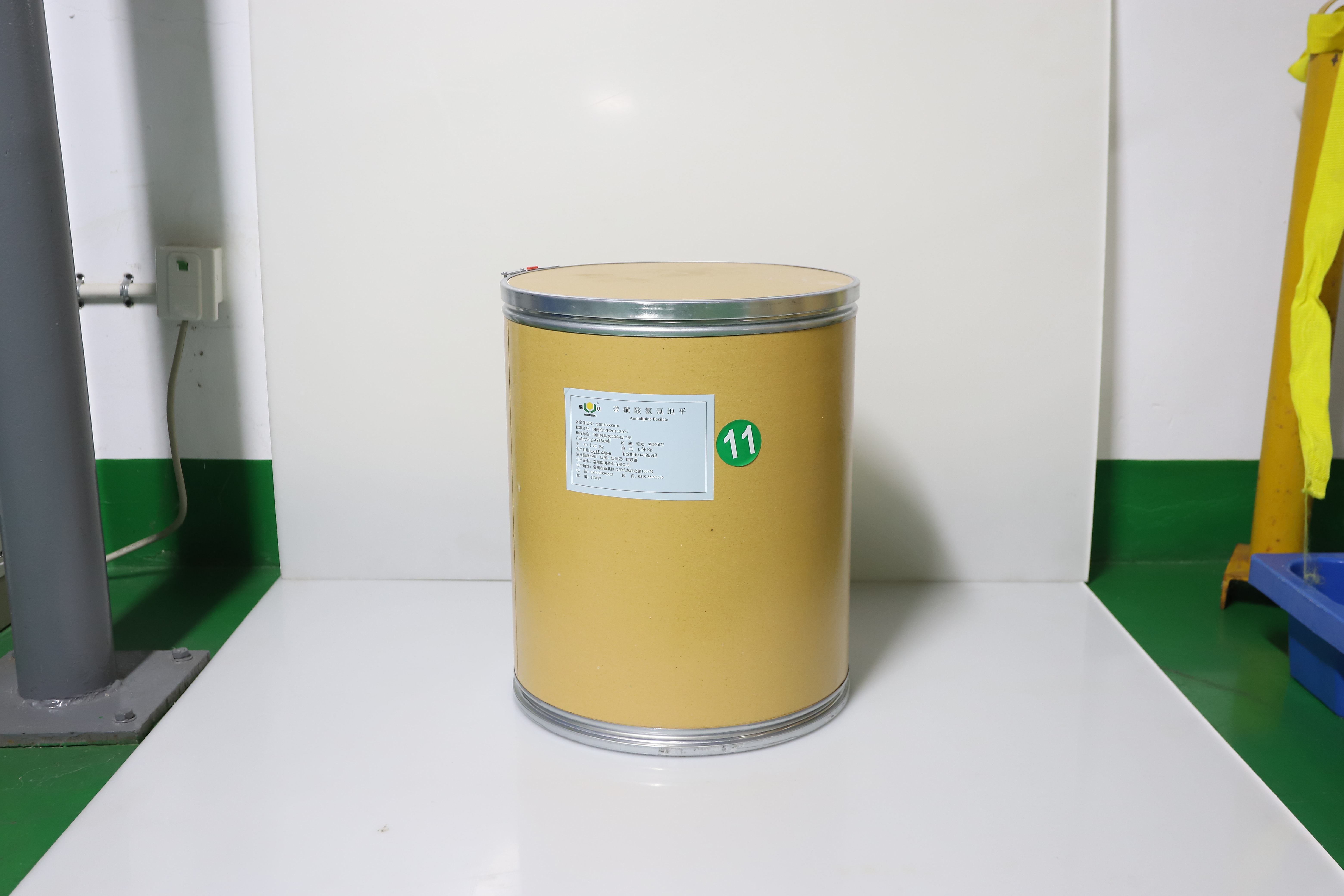
If you are building a shortlist of pharmaceutical API manufacturers for a regulated market, the fastest way to test a candidate is a document and sample request in one round. Changzhou Ruiming Pharmaceutical Co., Ltd. accepts sample, quotation and audit inquiries for Amlodipine Besylate, Levoamlodipine Besylate, Felodipine, Propafenone Hydrochloride and Tamsulosin Hydrochloride.
Contact: Zevin | Email: sale03@ruimingpharm.com | Tel / WhatsApp: +86 181-5123-6651 | Website: www.ruimingpharm.com
Company brochure (PDF, English): Download the Ruiming Pharma English brochure
Conclusion
For regulated markets, the useful question at the discovery stage is not “who is cheapest” but “whose evidence can survive my dossier.” Compliance documentation, inspection history, impurity control and audit responsiveness are the four filters that separate a viable API source from an attractive quotation. Changzhou Ruiming Pharmaceutical Co., Ltd. illustrates what a documented position looks like: a 25,000 m² site with two API production lines, six APIs with Chinese registration status “A” that have passed GMP compliance inspections, EDQM and Japan PMDA certifications for Amlodipine Besilate, an FDA on-site inspection for Tamsulosin Hydrochloride, and specified assay ranges and pharmacopoeial standards across a cardiovascular and urological portfolio.
Use that record as a checklist, not a conclusion. Request the current certificates, run your own samples, schedule the audit, and confirm commercial terms against the specific product. That sequence is what turns a supplier list into a qualified source.
Have Questions or Need More Details?
Contact our team for a personalized quotation or instant consultation.
Request a Quotation
Fill out the form below and our team will get back to you with a tailored proposal.
WhatsApp Direct Chat
Prefer to chat in real-time? Message us on WhatsApp for instant assistance & quick answers.
- Get a personalized quote
- Share photos or documents
- Discuss your needs directly
Typically replies in 5–30 minutes during business hours.