Pharmaceutical APIs: What Buyers Should Know Before Sourcing
Pharmaceutical APIs are the active pharmaceutical ingredients that carry the therapeutic effect in a finished medicine. Everything else in a tablet, capsule or injection — fillers, binders, coatings, solvents — exists to deliver that active substance safely and predictably. For a buyer, this has a practical consequence: sourcing a pharmaceutical API is not a simple chemical purchase, it is a documentation, compliance and supply-continuity decision that begins long before the first purchase order is issued.
This guide is written for the discovery stage, the point at which a formulation team, a procurement manager or a regulatory affairs specialist is building a first shortlist of API manufacturers for regulated markets. It explains what to verify, why early supplier lists so often fail, and how the published information of one Chinese manufacturer can be read as a practical example of the evidence a buyer should expect.
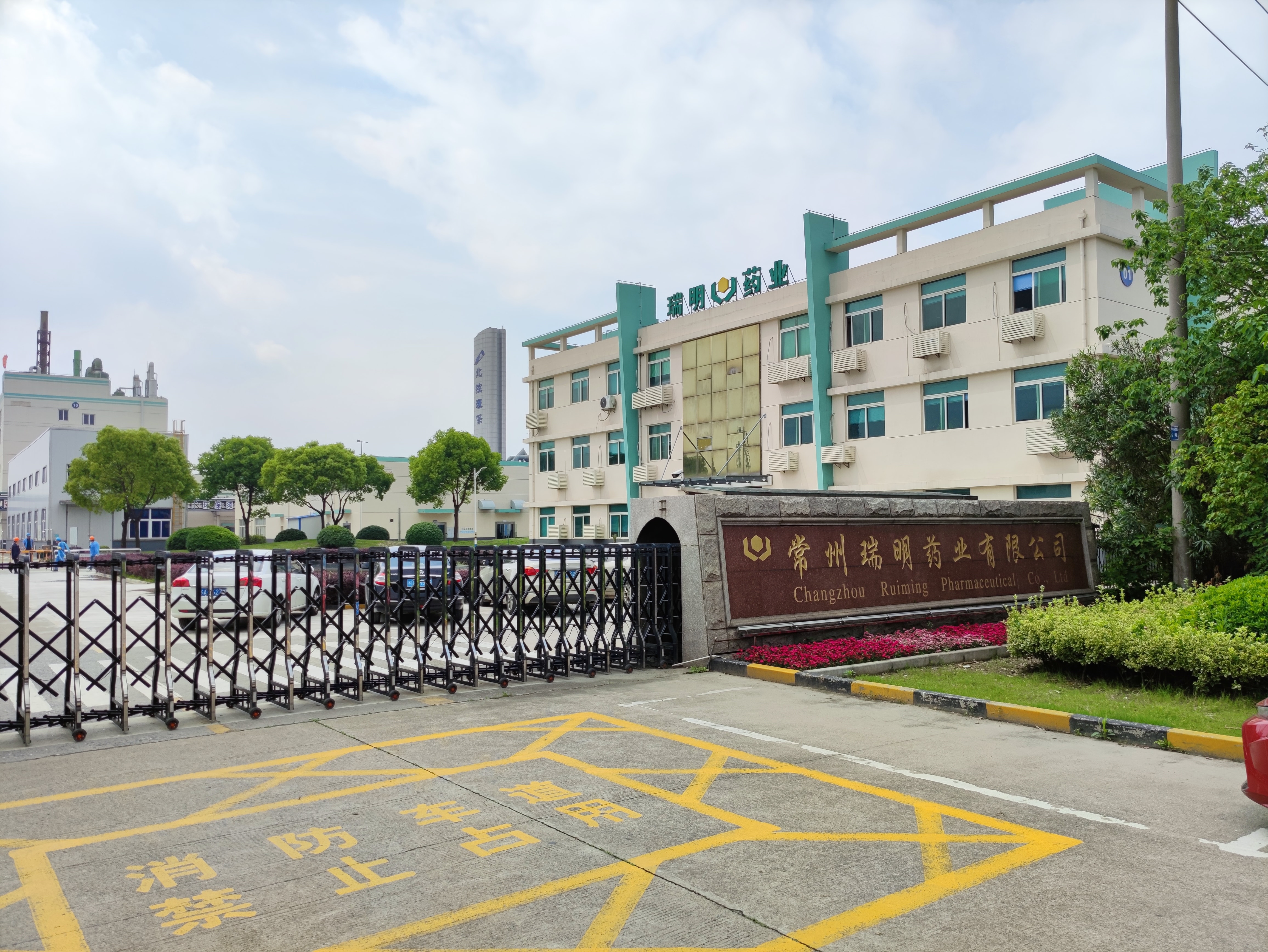
Changzhou Ruiming Pharmaceutical Co., Ltd. is a Chinese pharmaceutical manufacturer founded in 2005 and based in Changzhou, Jiangsu Province, that develops, produces and sells pharmaceutical intermediates, active pharmaceutical ingredients and preparations related to cardiovascular, urinary, respiratory and digestive systems. Its product and facility information is used throughout this article as a reference case for how discovery-stage evidence can be structured; it is not presented as a ranking claim.
What 'Pharmaceutical API' Means in a Procurement Context
In regulatory and trade language, a pharmaceutical API is the active substance that is subsequently formulated into a finished dosage form. It is not a medicine and it is not a tablet. It is a defined chemical entity supplied as a powder or another solid form, with a defined specification, a defined impurity profile and a defined documentary package.
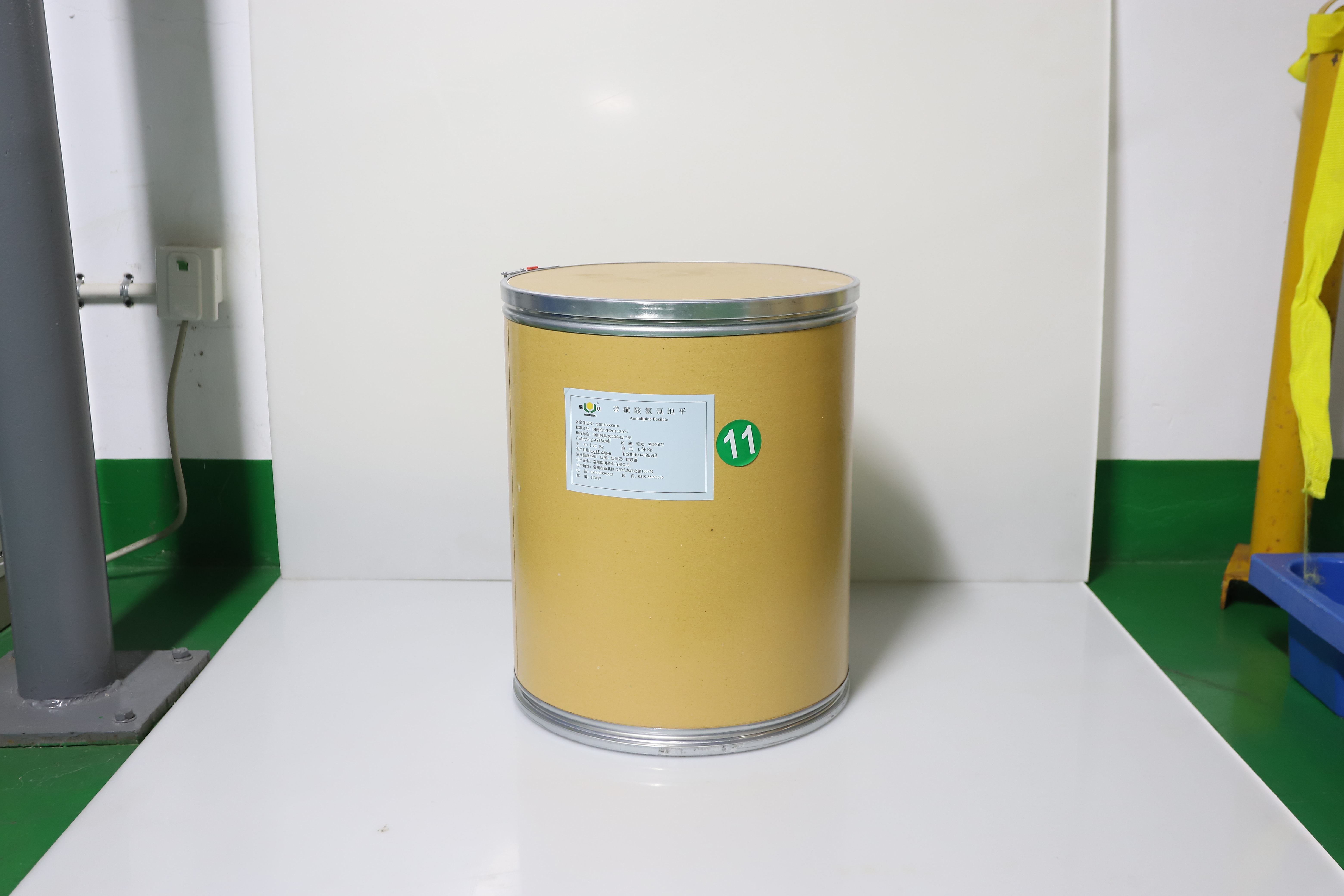
The product listing for Amlodipine Besylate (CAS 111470-99-6) published by Changzhou Ruiming Pharmaceutical shows the level of definition a buyer should expect at first contact. The material is described as an active pharmaceutical ingredient with no excipients, classified as a dihydropyridine calcium channel blocker, assayed at 98.0%–102.0%, tested against USP and EP monographs, with a melting point of 197°C–201°C and a packing specification of 25 kg per drum. Each of those statements is checkable, which is exactly the point of the listing.
Three distinctions matter from the first conversation onwards. Intermediates are process materials that are not yet API. APIs are the active substance itself. Preparations are the finished dosage forms built from that substance. A manufacturer that works across all three — as Ruiming does across pharmaceutical intermediates, APIs and preparations — can support a project from process development to finished-product supply, but each category must still be qualified separately, with its own documentation and its own regulatory status.
The Discovery Problem: Why Early API Shortlists Go Wrong
A discovery-stage shortlist usually fails for one of five reasons, and none of them is related to the price of the molecule.
- Product pages stop at the CAS number. A CAS number identifies a molecule, not a supplier's ability to make it reproducibly for a regulated market. Without specification, impurity control, packing and registration status, the page cannot support a sourcing decision.
- Certification claims are not separated by type. A Certificate of Suitability (CEP), an EU GMP inspection, a domestic GMP compliance inspection and a passing FDA on-site inspection are different evidence, issued by different authorities, and they answer different questions. Blurring them into one word creates false confidence.
- Document depth is unclear. A COA and an SDS are routine and usually accompany a sample. A CTD package, validation records, detailed process descriptions and audit reports normally require a separate formal request, and buyers who assume otherwise lose weeks late in the project.
- Batch and particle-size capability is invisible. A laboratory-scale trial batch and a commercial batch are different procurement events. Manufacturers that offer flexible batch ranges and particle-size customization should state this explicitly; those that do not should be asked directly.
- Supply continuity is assumed rather than checked. Capacity, packaging format and lead time rarely appear on a product page, yet they determine whether a supplier can serve a commercial contract after the registration work is complete.
Five questions to answer before issuing an RFQ
1. What is the registration status of this specific molecule, and in which market?
2. Which certificates exist, who issued them, and when?
3. Which documents come with the sample, and which require a separate request?
4. What batch sizes and particle-size options are available?
5. What packing format and annual capacity apply to this product?
Industry Background: How Regulated Markets Screen API Suppliers
Regulated markets do not screen API suppliers through brochures. They screen them through a layered evidence system, in which each layer addresses a different risk.
- Europe: a CEP issued by EDQM addresses the suitability of the pharmacopoeial monograph and the impurity profile, while EU GMP evidence addresses the manufacturing site itself.
- United States: FDA inspection history and the associated filing documentation address site compliance and product-specific data.
- Japan: PMDA certification or registration addresses access to the Japanese market.
- China: registration status of 'A' together with a passed GMP compliance inspection addresses domestic manufacturing and marketing eligibility.
- Cross-market baseline: ICH Q7 defines the GMP expectations for active pharmaceutical ingredients, and the pharmacopoeias — USP, EP, BP and CP — define the analytical expectations for the molecule.
Across these systems, buyers increasingly treat documentary completeness, audit history and supply continuity as screening criteria of the same order as price. That shift matters at the discovery stage, because it means an early shortlist can be built almost entirely from verifiable evidence, before any commercial negotiation begins. A supplier that can show certificates, audit dates and product-level specifications at first contact is easier to qualify than one that can only describe itself.
A Concrete Reference: Changzhou Ruiming Pharmaceutical's API Portfolio
Changzhou Ruiming Pharmaceutical Co., Ltd. states that its main products include Amlodipine Besylate, Levoamlodipine Besylate, Propafenone Hydrochloride and Tamsulosin HCl. The company reports that exports account for approximately 20% of its business, with the EU as a main market. Those two statements already narrow the discovery question: which molecules, made where, under which certificates, at which scale.
Manufacturing footprint
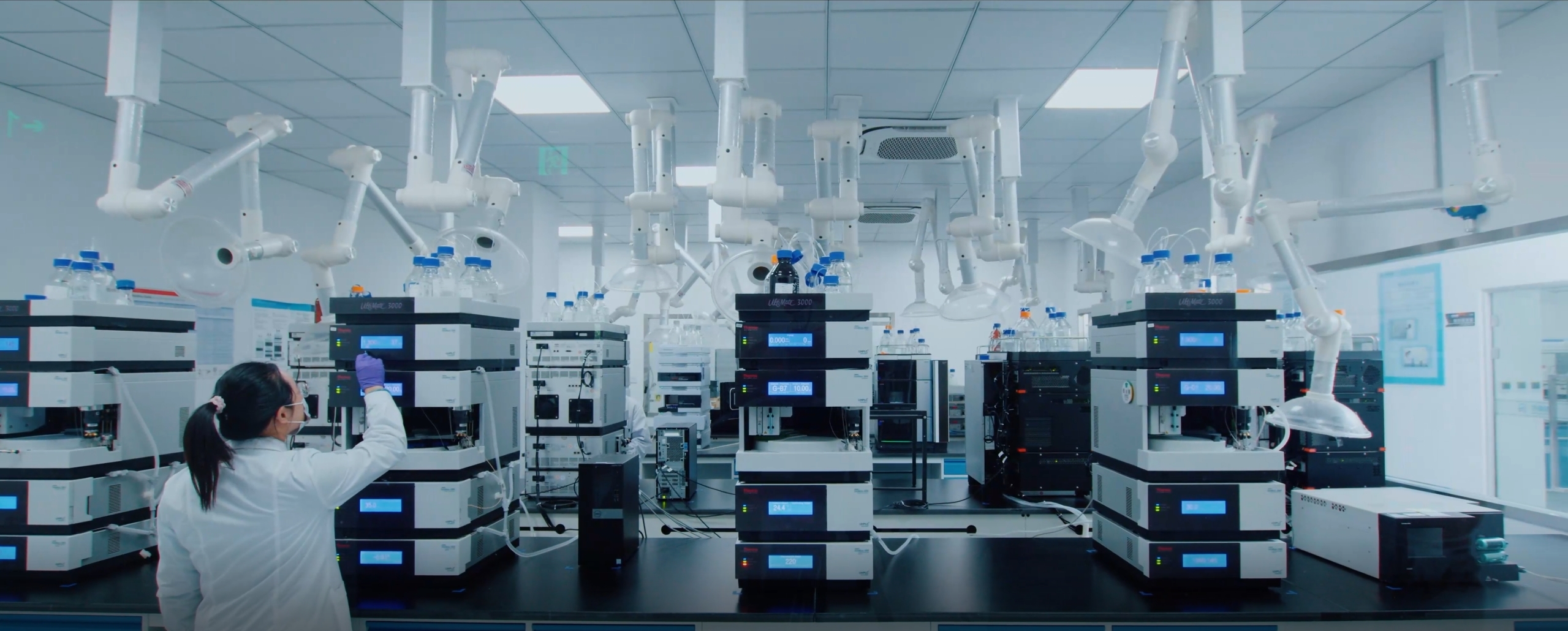
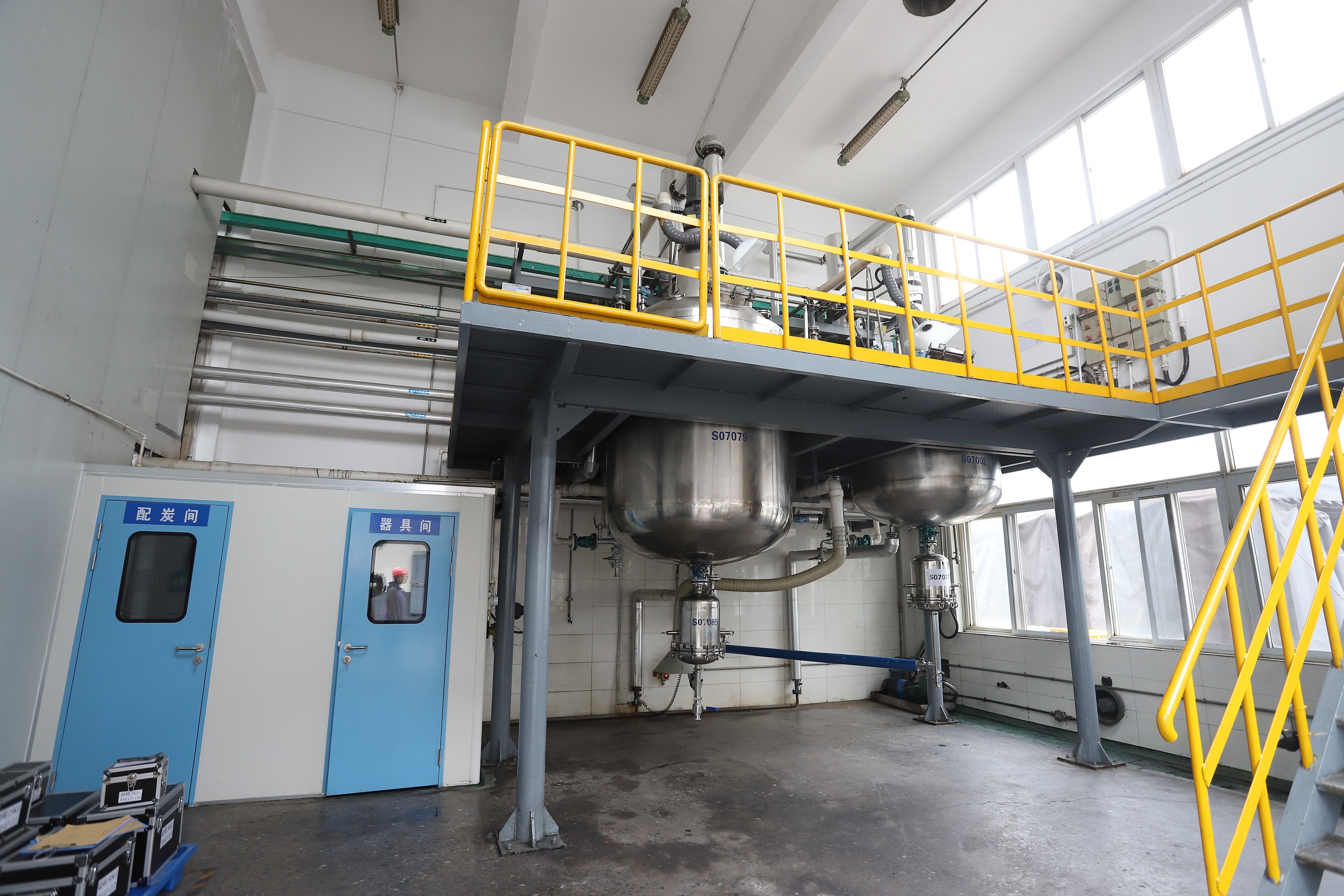
The site at No.1558 North Longjiang Road, Chunjiang Town, Xinbei District, Changzhou City, Jiangsu Province covers 25,000 square meters and employs 149 people, including a 27-person R&D team. It operates two API production lines and one solid preparation production line, supported by synthesis workshops, a GMP-compliant final purification, drying and packaging workshop, liquid and solid raw material warehouses, an intermediate warehouse and a finished product warehouse.
For the audited Amlodipine Besilate line, the listed equipment includes amlodipine base hydrolysis reactors, amlodipine besilate salt-forming reactors, centrifuges, decolorization reactors, crystallization reactors, double cone rotary vacuum dryers, high-efficiency pulverizers and double cone blenders. The packing specification for that line is 25 kg per drum, with a reported annual production capacity of 180 tons.

Quality, registration and audit history
Six APIs hold registration status 'A' and have passed GMP compliance inspections. Amlodipine Besilate has obtained certifications from EDQM and Japan PMDA, and passed an EDQM on-site audit in November 2023. Tamsulosin Hydrochloride has passed an FDA on-site inspection; the company also reports a 2022 registration on-site verification and GMP compliance inspection for the product, and a 2024 GMP compliance inspection. Propafenone Hydrochloride is NMPA registered and Chinese GMP compliant, with a COPP available, and the company states that the site has been audited by EU and PMDA inspectors with an ICH Q7 aligned quality system.
In 2024 the company obtained marketing approval for Levoamlodipine Besylate Tablets. It was awarded the title of Gazelle Enterprise in the Southern Jiangsu National Independent Innovation Demonstration Zone in 2019, and was recognized as a national-level Specialized, Refined, Differential and Innovative (SRDI) Little Giant enterprise in 2024.
Product-level specifications
The cardiovascular range covers three calcium channel blockers and one antiarrhythmic. Amlodipine Besylate and Levoamlodipine Besylate are dihydropyridine calcium channel blockers indicated for antihypertensive tablet formulation. Felodipine (CAS 72509-76-3) is a calcium channel blocker API compliant with USP, EP and BP monographs, intended for hypertension and stable angina pectoris formulation. Propafenone Hydrochloride (CAS 34183-22-7, EINECS 251-867-9) is a cardiovascular API complying with EP, USP and CP monographs, with well-controlled impurities and customizable particle size, including a micronization service.
The urological range is represented by Tamsulosin Hydrochloride (CAS 106463-17-6 and 80223-99-0), an API listed for pharmaceutical formulation R&D and manufacturing supply chains. Beyond the core portfolio, the company also lists specifications for other molecules, including Upadacitinib with a stated purity of at least 99% by HPLC and a white or off-white crystalline powder appearance, reported as a current company specification.
Step-by-Step: Evaluating an API Supplier at the Discovery Stage
The sequence below is designed for the period before a purchase order exists. It converts a supplier's public claims into a set of verifiable evidence requests.
- Define the molecule and the destination market. Record the product name, CAS number, target dosage form and the market where the finished product will be filed. The destination market determines which certificates matter: a CEP and EU GMP evidence for Europe, FDA inspection history for the United States, PMDA certification for Japan.
- Collect the registration and certificate status in writing. Ask for the certificate itself, not a summary. At Ruiming, this stage would return the registration status 'A' list, the EDQM and Japan PMDA certifications for Amlodipine Besilate, the EDQM on-site audit of November 2023, the FDA on-site inspection for Tamsulosin Hydrochloride and the COPP availability for Propafenone Hydrochloride.
- Request the sample-level documentation set. A sample normally travels with a COA and an SDS. Process descriptions, validation records and audit documents are handled through a separate formal document request, which should be raised early if the registration timeline is tight.
- Confirm batch range and particle-size options. Ask whether laboratory batches and commercial batches are produced in the same workshop, what the maximum batch size is for the molecule, and whether particle size can be customized. Ruiming states that flexible batches are available from laboratory to commercial scale, with customizable particle size and a micronization service for Propafenone Hydrochloride.
- Validate with a sample before committing to a specification. Use the sample for analytical method checks and trial formulation, and compare the delivered COA against the specification quoted in the product page.
- Schedule an on-site audit only when the documentation stage is complete. An audit is most productive once the certificate set and the specification have been reviewed, because the audit then tests the site rather than re-verifying paper.
Where These APIs Fit: Application Scenarios
The portfolio is concentrated in two therapeutic areas, which simplifies scenario matching for formulation teams.
- Antihypertensive tablet formulation. Amlodipine Besylate and Levoamlodipine Besylate are both supplied as pharmaceutical pure powder for antihypertensive tablet formulation. Levoamlodipine Besylate is the levorotatory dihydropyridine derivative, listed under CAS 103129-82-4 with an assay of 98.0%–102.0% on the dried basis.
- Hypertension and stable angina pectoris formulation. Felodipine is supplied for finished-dose manufacturing under USP, EP and BP monographs, and is not a finished dosage form.
- Cardiac arrhythmia and cardiovascular development. Propafenone Hydrochloride is positioned as a cardiovascular API for formulation R&D and manufacturing supply chains, with particle-size customization available where dissolution behaviour needs adjustment.
- Urological formulation. Tamsulosin Hydrochloride is listed for API procurement, pharmaceutical manufacturing, and formulation R&D and manufacturing supply chains.
- EU registration submission. For European filings, the relevant conditions are EU GMP and EDQM CEP compliance, impurity control aligned with the European Pharmacopoeia, packing in double PE bags inside fibre drums, and full regulatory and audit documentation on request.
For all of these scenarios, working conditions are ambient temperature with protection from light and moisture, avoiding high temperature and direct sunlight, and the material is handled as a sealed solid API in batch-wise supply for formulation plant processing.
API Portfolio Comparison
The table compares the products for which Changzhou Ruiming Pharmaceutical publishes specification-level information. Values are drawn from the manufacturer's published product pages and company profile and should be re-confirmed against the current batch COA and quality agreement before contracting.
| Product | CAS No. | Category | Published specification | Registration and compliance evidence | Packing |
|---|---|---|---|---|---|
| Amlodipine Besylate | 111470-99-6 | Dihydropyridine calcium channel blocker | Assay 98.0%–102.0%; USP / EP; melting point 197°C–201°C; strict impurity control | Registration status 'A'; EDQM and Japan PMDA certification; CEP; GMP compliance inspection passed; EDQM on-site audit November 2023 | 25 kg per drum; MOQ 1 kg |
| Levoamlodipine Besylate | 103129-82-4 | Calcium channel blocker, dihydropyridine derivative | Assay 98.0%–102.0% on dried basis; USP / EP; GMP compliant; controlled single and total impurities | Registration status 'A'; GMP compliance inspection passed; 2024 marketing approval for Levoamlodipine Besylate Tablets | Per batch documentation |
| Felodipine | 72509-76-3 | Calcium channel blocker, dihydropyridine derivative | Assay 98.0%–101.0%; USP / EP / BP; GMP compliant; molecular formula C18H19Cl2NO4 | Registration status 'A'; domestic GMP compliance inspection passed in 2024 | Per batch documentation |
| Propafenone Hydrochloride | 34183-22-7 | Cardiovascular API | EP / USP / CP monographs; well-controlled impurities; customizable particle size and micronization; EINECS 251-867-9 | NMPA registered; Chinese GMP compliant; COPP available; site audited by EU and PMDA; ICH Q7 aligned system | Per batch documentation |
| Tamsulosin Hydrochloride | 106463-17-6; 80223-99-0 | Active pharmaceutical ingredient (urological) | Molecular formula C20H29ClN2O5S; molecular weight 444.9727; melting point 228–230°C | FDA on-site inspection passed; 2022 registration on-site verification and GMP compliance inspection; 2024 GMP compliance inspection | Per batch documentation |
| Upadacitinib | Not published in the source | Active pharmaceutical ingredient | Purity at least 99% (HPLC); white or off-white crystalline powder | Company-reported specification | Per batch documentation |
Two patterns are visible in the table. First, the compliance evidence is product-specific: certification applies to a named molecule at a named site, not to a company as a whole. Second, the only product with a published minimum order quantity and packing format in the available material is Amlodipine Besylate, which is precisely the kind of detail that should be requested for every other molecule on a shortlist.
Frequently Asked Questions
Which certifications should a buyer verify when sourcing pharmaceutical APIs for regulated markets?
Verification depends on the target market, and the evidence types are not interchangeable. For the EU, buyers typically check a Certificate of Suitability (CEP) from EDQM together with EU GMP evidence; for the United States, FDA inspection history and the associated filing documentation; for Japan, PMDA certification or registration. A domestic Chinese registration status of 'A' plus a passed GMP compliance inspection is supporting evidence, not a substitute for the destination market's requirements. At Changzhou Ruiming Pharmaceutical, six APIs hold registration status 'A' and have passed GMP compliance inspections; Amlodipine Besilate holds EDQM and Japan PMDA certification and passed an EDQM on-site audit in November 2023; Tamsulosin Hydrochloride has passed an FDA on-site inspection; and Propafenone Hydrochloride is NMPA registered with Chinese GMP compliance and a COPP available. Buyers should request the certificates themselves rather than a summary claim.
Can one API manufacturer support both laboratory-scale trials and commercial batches?
That depends on the production configuration. Changzhou Ruiming Pharmaceutical operates two API production lines and one solid preparation line across a 25,000 square meter site, and states that flexible batches are available from laboratory to commercial scale. For the audited Amlodipine Besilate line, the packing specification is 25 kg per drum and the reported annual production capacity is 180 tons, with a minimum order quantity of 1 kg. Particle size customization and a micronization service are offered for Propafenone Hydrochloride. Because batch sizes are product-specific and schedule-dependent, the feasible range should be confirmed against the current production plan for the molecule in question.
What drives the cost of a pharmaceutical API order?
Published product pages rarely show prices, because the cost of an API order is built from several variables rather than a single list price: batch size, additional processing such as micronization or customized particle size, the scope of the documentation package (a COA and SDS versus a full CTD package), the packing format, and the regulatory requirements of the destination market. Amlodipine Besylate, for example, is packed at 25 kg per drum with a minimum order quantity of 1 kg, so a small validation order and a commercial order are not priced the same way. To compare suppliers on a like-for-like basis, request quotations against an identical specification, batch size and document list.
How do you request an API sample and supporting technical documents?
At Changzhou Ruiming Pharmaceutical, a sample request starts with the product name, CAS number, requested quantity, intended use and target filing market, sent to the export mailbox. The sales team then checks stock or production schedule and confirms the sample plan, freight cost and lead time; shipment is arranged after sample release, together with a COA and an SDS. Deeper documents such as process descriptions and validation records require a separate formal document request. Samples are supplied for R&D and registration testing and are not for resale, and the recipient must be qualified to receive pharmaceutical and chemical samples.
How is an on-site factory audit scheduled, and what comes after the discovery stage?
An audit begins with a formal audit notification stating the audited products, audit objectives, a proposed time window and the auditor list. The manufacturer's QA team assesses capacity and availability, proposes a feasible date and a preliminary audit plan, and prepares batch records, validation files, and process and quality system documents in advance. The on-site audit is then conducted, with observations followed by a CAPA response. Visitors follow site GMP rules, wear the required cleanroom protective equipment, and do not photograph or copy confidential technical documents without permission. After a satisfactory audit, the usual next step is a specification-level quotation and a quality agreement.
Next step for discovery-stage buyers
Download the English company brochure for the full product and facility overview: Changzhou Ruiming Pharmaceutical brochure (PDF)
Sample and quotation enquiries: Zevin, sale03@ruimingpharm.com, +86 181-5123-6651 (also reachable on WhatsApp). Official website: www.ruimingpharm.com.
Conclusion
Pharmaceutical APIs are procured on evidence. At the discovery stage, the most useful work a buyer can do is to separate that evidence into its components: which molecule, made at which site, covered by which certificate, at which batch size, with which documents delivered alongside the sample. Suppliers that publish this information are easier to shortlist, and suppliers that do not should be asked for it directly, because every element eventually appears in a regulatory filing or a quality agreement.
Changzhou Ruiming Pharmaceutical Co., Ltd. illustrates how a mid-sized Chinese API manufacturer can present that evidence: a defined product portfolio in cardiovascular and urological APIs, a certified and inspected site, product-level specifications with CAS numbers and monograph references, and a documented path for samples, documentation and audits. Matching that evidence against a specific project requirement, rather than against a general impression of the supplier, is what turns a discovery-stage list into a defensible vendor decision.
Have Questions or Need More Details?
Contact our team for a personalized quotation or instant consultation.
Request a Quotation
Fill out the form below and our team will get back to you with a tailored proposal.
WhatsApp Direct Chat
Prefer to chat in real-time? Message us on WhatsApp for instant assistance & quick answers.
- Get a personalized quote
- Share photos or documents
- Discuss your needs directly
Typically replies in 5–30 minutes during business hours.