1J22 vs 1J27 vs 1J85: Choosing the Right Permalloy for Your Magnetic Project
1J22 vs 1J27 vs 1J85: How to Compare for Your Next Magnetic Project
Selecting a soft magnetic alloy between 1J22, 1J27, and 1J85 is a matter of application priority rather than picking a single “best” grade. 1J22 is a cobalt-iron alloy valued for ultra-high saturation magnetic flux density; 1J27 is a nickel-iron alloy with a high magnetostriction coefficient; 1J85 is a high-nickel Permalloy recognized for very high initial permeability for shielding and low-distortion signal applications. This guide explains how to compare these three grades against the magnetic requirements of your specific project and how to position your inquiry with a supplier such as Cheng Yuan Alloy.
Why Engineers Need a Decision Path Instead of a Datasheet
Most suppliers publish datasheets with saturation flux density, permeability, and resistivity figures. But real selection begins with a less formal question: what does the magnetic part actually need to do in the system? A material that excels at flux conduction may be a poor choice for a transducer core that depends on controlled dimensional change in a magnetic field. A high-permeability shielding alloy may not offer the mechanical strength needed for a rotor lamination.
For 1J22, 1J27, and 1J85, the property that matters most depends on whether the design objective is high attraction force, efficient mechanical–magnetic energy conversion, or signal isolation and electromagnetic shielding. Use these three application requirements as the primary filter.
Meet the Three Grades in Real Application Roles
1J22: Ultra-High Saturation Flux Density for Attraction and Downsizing
1J22 is the grade to evaluate when an electromagnet or motor must produce strong attraction force within a limited volume. The product's role in aerospace electromagnets is to provide ultra-high saturation magnetic flux density for electromagnetic attraction and downsizing. When space and weight are constrained, a higher saturation flux density enables the designer to reduce the cross-section of the magnetic circuit and still maintain the required force. Cheng Yuan Alloy supplies 1J22 together with related high-strength grades such as 1J22MS and 1J22HS for aerospace motors and electromagnetic parts.
1J27: High Magnetostriction for Transducer Energy Conversion
1J27 is different in purpose: it is selected not for pulling force but for controlled mechanical deformation under a magnetic field. The product performs mechanical-magnetic energy conversion for magnetostrictive transducer iron cores. If your project involves high-precision magnetostrictive functional components, miniature electromagnetic vibration sensing, or precision-instrument magnetic-energy conversion, 1J27 is designed for those roles. The properties to verify include a high-targeted magnetostriction coefficient with narrow tolerance, thickness tolerance within ±0.001 mm, homogeneous internal grain structure after annealing, reliable magnetomechanical stability from -60°C to 130°C, low residual magnetism, low hysteresis loss, and good ductility for ultra-thin stamping.
1J85: High Permeability for Shielding and Signal Fidelity
1J85 belongs to the high-nickel Permalloy family and serves a different role: it is primarily evaluated for high initial permeability, low coercivity, and effective signal isolation. For precision shielding and audio isolation transformers, high permeability is what enables a small shield or core to absorb and divert low-frequency magnetic interference. In the Cheng Yuan Alloy product range, 1J85 is offered together with 1J79 and Ni79Mo4 as high-permeability grades for magnetic shielding and transformer applications.
A Practical Comparison by Design Objective
These three grades answer three different design problems. The comparison below is built around what the magnetic circuit must achieve, not around absolute claims of quality.
| Design Objective | Preferred Grade | Key Magnetic Function | Typical Project Type |
|---|---|---|---|
| High attraction force with minimized volume | 1J22 | Ultra-high saturation magnetic flux density for electromagnetic attraction and downsizing | Aerospace electromagnets, high-speed motors, high-voltage drive components |
| Mechanical–magnetic energy conversion | 1J27 | High magnetostriction coefficient with narrow tolerance | Magnetostrictive transducers, miniature electromagnetic vibration sensing, precision instruments |
| Signal isolation and low-frequency shielding | 1J85 | High initial permeability and low coercivity | Precision magnetic shielding, audio isolation transformer cores, magnetic shielding housings |
Step-by-Step Selection Process
If you are evaluating these grades for the first time, follow a structured path rather than jumping directly to a chemical-composition comparison.
Step 1: Define the Primary Magnetic Function
State what the part must do in the end system. Is the material required to channel high magnetic flux to generate force? Does it need to change shape or dimension in response to a magnetic field? Or must it provide a low-reluctance path that protects sensitive signals from interference? Your answer points to 1J22, 1J27, or 1J85 respectively.
Step 2: Check the Limits of the Magnetic Circuit
Consider the operating environment and dimensions. If the part is an aerospace electromagnet, saturation flux density is the first limiting factor. If the system is a precision sensing transducer, magnetostriction tolerance and temperature stability are the limiting factors. If the part is a shielding enclosure or audio transformer core, initial permeability and distortion behavior are the limiting factors.
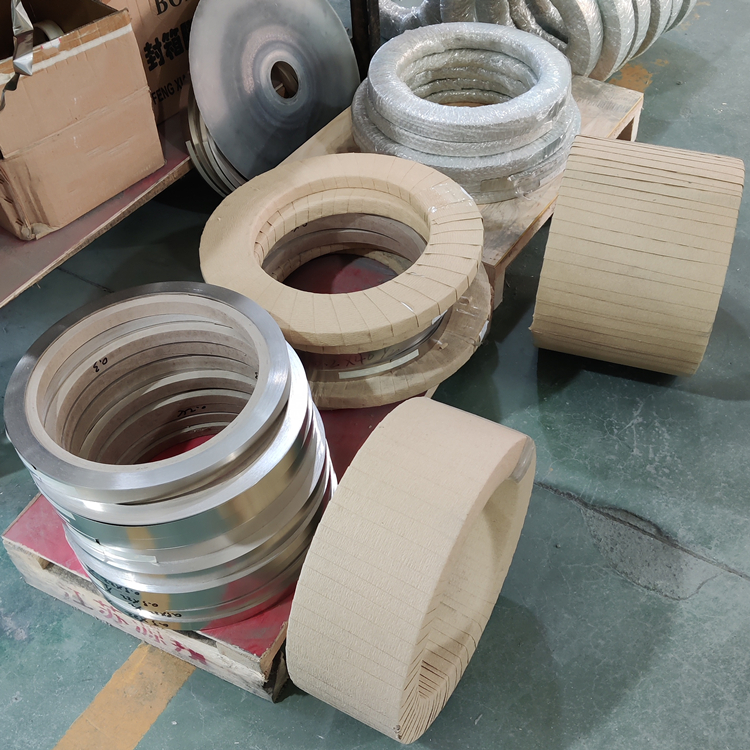
The soft magnetic alloy parameters available at Cheng Yuan Alloy cover a wide range: initial permeability from 10,000 to 200,000; maximum permeability from 150,000 to 450,000; saturation magnetic flux density from 0.6 to 2.35 T; coercivity from 0.4 to 8.0 A/m; saturation magnetostriction coefficient from 0.5 to 30 ppm. Strip thickness ranges from 0.01 to 2.0 mm, strip width from 2 to 300 mm, and wire diameter from 0.03 to 1.5 mm.
Step 3: Connect the Grade to the Industry Standard
Relating the grade to recognized standards helps procurement and engineering teams align on expectations. Permalloy alloys such as 1J50, 1J79, and 1J85 are recognized for magnetic shielding and high-permeability applications. HiperCo 50 (1J22) is a cobalt-iron alloy containing approximately 49% cobalt and is used for high-speed rotors and stator laminations. When discussing compliance with your supplier, clarify whether the required standard applies to the specific grade and product form.
Step 4: Evaluate the Full Supply Condition
Material grade alone does not guarantee final magnetic performance. It is also necessary to verify the supplier's quality process, testing capability, and delivery performance. Cheng Yuan Alloy has a monthly production capacity of 300 tons, supports OEM production with customization of size, logo and package, offers a lead time of about 30 days and a minimum order quantity of 50 kg, and applies 100% testing as part of its quality-control process.
Use Cases: 1J22, 1J27, and 1J85 in Practice
Aerospace Electromagnet: 1J22
In aerospace electromagnets, the core must generate high attractive force while minimizing weight and volume. The material role is to provide ultra-high saturation magnetic flux density for electromagnetic attraction and downsizing. Aerospace component manufacturers are among the customers supplied by Cheng Yuan Alloy. Where very high saturation and mechanical load are required, additional strength grades include 1J22MS and 1J22HS.
Transducer Iron Core: 1J27
A magnetostrictive transducer iron core uses the material's magnetostriction coefficient to convert magnetic energy into mechanical movement or vibration. 1J27 supports high-precision magnetostrictive functional components, miniature electromagnetic vibration sensing, and precision-instrument magnetic-energy-conversion projects. This grade is selected not for high flux density but for controlled mechanical–magnetic response with tight tolerance and stable performance across temperature.
Precision Shielding and Audio Isolation: 1J85
In precision magnetic shielding and audio isolation transformer cores, high permeability is the deciding parameter. Low-distortion audio signal transmission and effective isolation of complex electromagnetic interference are named outcomes in case data from Cheng Yuan Alloy. High-permeability grades including 1J85 and 1J79 are used for magnetic shielding housings and transformer cores. If the requirement is signal isolation or field shielding, 1J85 and 1J79 should be considered.
Relevant Project Evidence for All Three Applications
Cheng Yuan Alloy reports that its Permalloy product line has been used by aerospace component manufacturers, precision instrument enterprises, and new energy vehicle OEMs. In a case involving magnetron producers and transducer manufacturers as clients, the product reduced the volume of new energy vehicle high-voltage drive components by 40%. The product has also delivered low-distortion audio signal transmission, effective electromagnetic interference isolation, improved motor electromagnetic attraction force, and long-term stable magnetic performance in precision sensing equipment.
How Cheng Yuan Alloy Supports Grade Selection
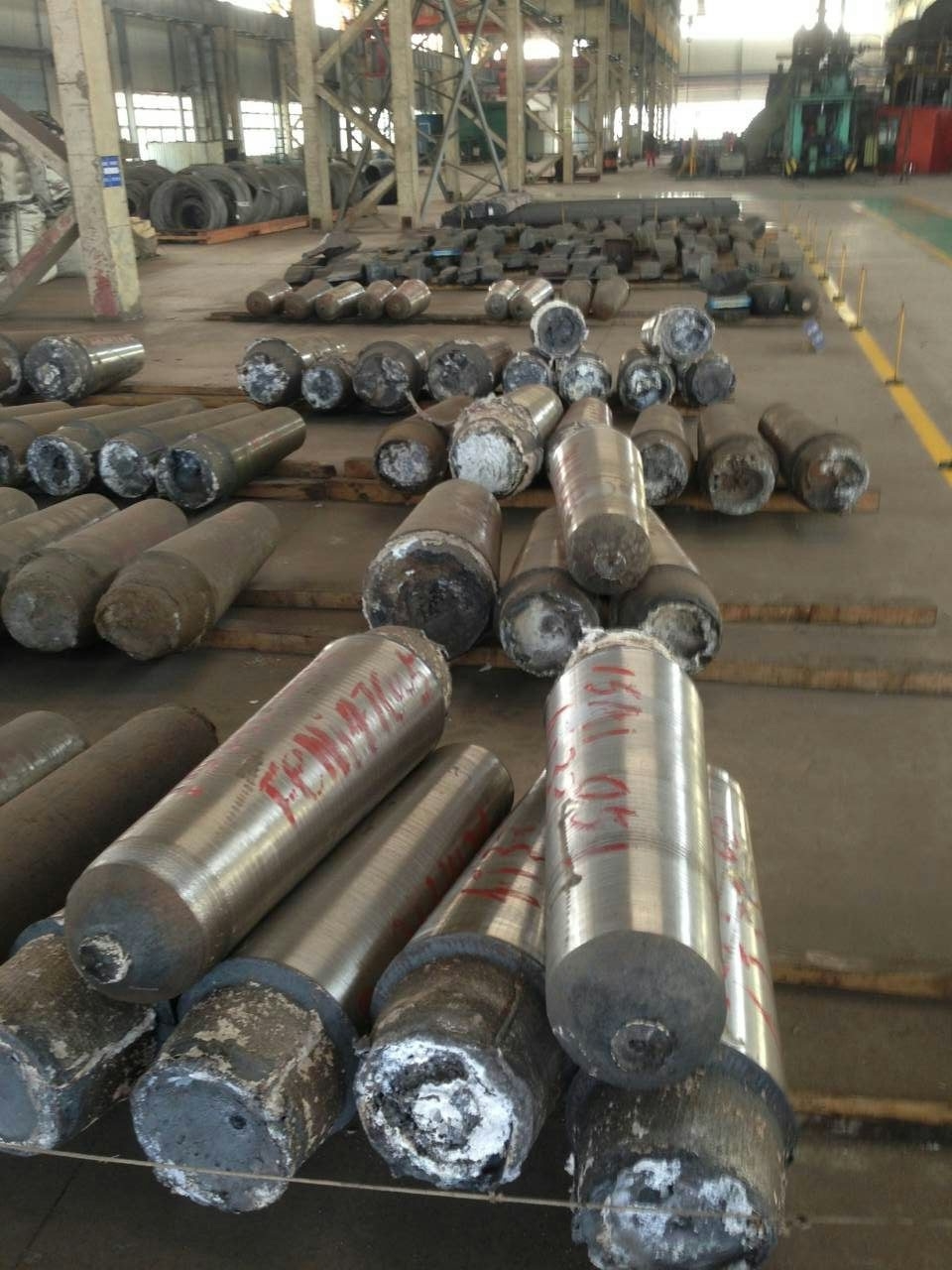
Cheng Yuan Alloy is a China-based manufacturer and exporter of soft magnetic alloys with annual total sales exceeding USD 10 million. The company's main products include Permalloy in grades 1J22, HiperCo50, 1J22MS, 1J22HS, 1J79, Ni79Mo4, 1J50, FeNi50, 1J85, 1J54, 1J27, and other nickel-iron grades. Product forms include strip, bar, and wire, with thickness range 0.01–2.0 mm, strip width 2–300 mm, and wire diameter 0.03–1.5 mm.
Frequently Asked Questions
Q1: What is the difference between 1J22 and 1J85 for a soft magnetic alloy application?
1J22 is a cobalt-iron alloy selected when the circuit needs ultra-high saturation magnetic flux density for electromagnetic attraction and downsizing, such as in aerospace electromagnets or high-speed rotors. 1J85 is a high-nickel Permalloy selected when the circuit needs very high initial permeability for magnetic shielding, isolation transformer cores, and low-distortion signal transmission. Choose 1J22 when the goal is strong force, and 1J85 when the goal is signal isolation or field shielding.
Q2: When should I use 1J27 instead of 1J22?
Use 1J27 when the project requires mechanical-magnetic energy conversion, such as high-precision magnetostrictive functional components, miniature electromagnetic vibration sensing, or precision-instrument magnetic-energy-conversion projects. In these roles, a high-targeted magnetostriction coefficient with narrow tolerance is more important than saturation flux density. Use 1J22 when the design objective is high attraction force or downsizing through higher saturation flux density.
Q3: Is 1J85 the best choice for all magnetic shielding projects?
1J85 is one of the high-permeability Permalloy grades used for low-frequency magnetic shielding and high-sensitivity transformer cores. In the Cheng Yuan Alloy product range, 1J79 and Ni79Mo4 are also available as high-permeability grades. The best grade depends on the target frequency, required initial permeability, thickness, and forming process. For low-frequency shielding where maximum initial permeability is required, high-nickel grades such as 1J85 are a strong reference, but the supplier should confirm the grade based on the actual shielding specification.
Q4: What should I specify when requesting a quote for 1J22, 1J27, or 1J85 strip?
Specify the target magnetic function, required dimensions, and operating conditions. For 1J22 projects, state the required saturation flux density and whether the design prioritizes mass or volume reduction. For 1J27 projects, state the target magnetostriction coefficient, allowable tolerance, temperature range, and whether ultra-thin stamping is planned. For 1J85 projects, state the required initial permeability, target frequency, shield geometry, or transformer signal-fidelity requirements. A supplier like Cheng Yuan Alloy uses these inputs to propose a grade and processing route.
Q5: How can I evaluate Cheng Yuan Alloy as a source for these Permalloy grades?
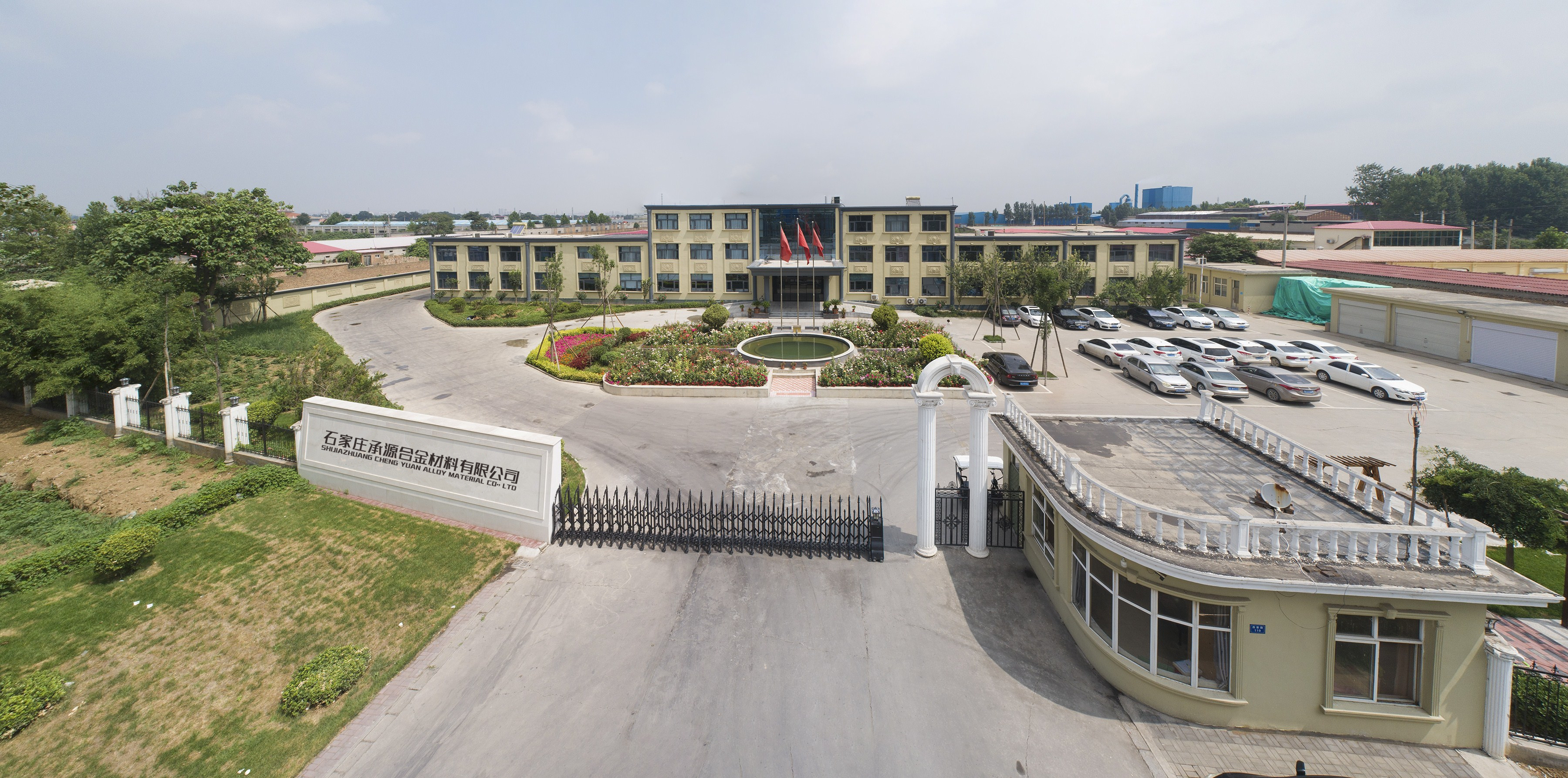
Evaluate production capacity, testing, lead time, and support depth. Cheng Yuan Alloy offers OEM production with a monthly capacity of 300 tons, a minimum order quantity of 50 kg, 100% testing, a delivery time of around 30 days, and technical support covering parameter selection and selection guidance. For further evaluation, request a sample or quote. Cheng Yuan Alloy is located in Shijiazhuang City, Hebei Province, China, and exports to Russia, Germany, France, Italy, the United States, Canada, South Korea, Japan, Brazil, and India.
Conclusion
1J22, 1J27, and 1J85 are not interchangeable grades; they serve different magnetic design missions. If the goal is high attraction force and downsizing in an aerospace electromagnet, evaluate 1J22. If the goal is efficient mechanical-magnetic energy conversion in a transducer, evaluate 1J27 with a tight magnetostriction tolerance. If the goal is signal isolation or low-frequency shielding, evaluate 1J85 and other high-permeability grades.
To verify the most suitable grade for your next magnetic project, contact Cheng Yuan Alloy with the application objective, operating environment, and dimensional requirements. The technical team can support parameter selection, factory data testing, third-party testing, and sample qualification before production.
Need help selecting 1J22, 1J27, or 1J85 for your magnetic project?
Contact Cheng Yuan Alloy for grade support and a quotation.
Email: chengyuan.alexey@gmail.com | Tel/WhatsApp: +86 13673186216
Have Questions or Need More Details?
Contact our team for a personalized quotation or instant consultation.
Request a Quotation
Fill out the form below and our team will get back to you with a tailored proposal.
WhatsApp Direct Chat
Prefer to chat in real-time? Message us on WhatsApp for instant assistance & quick answers.
- Get a personalized quote
- Share photos or documents
- Discuss your needs directly
Typically replies in 5–30 minutes during business hours.