Permalloy Selection for Electromagnet, Magnetron & Transducer Projects
Permalloy Selection for Electromagnet, Magnetron & Transducer Projects

Permalloy selection for an electromagnet, a magnetron or a magnetostrictive transducer is a decision-stage problem, not a discovery problem. The material family is already fixed by the magnetic circuit design; what decides whether the finished component performs is whether the grade, the delivered form — strip or bar — and the dimensional tolerance match one specific duty cycle: continuous alternating magnetic field cycling, a −60 °C to 130 °C working window, and long-term mechanical vibration inside a sealed enclosure.
This application guide maps four project types — aerospace electromagnet poles, magnetron tubes, precision motors and magnetostrictive transducer iron cores — to the Permalloy forms and standards that apply, the operating conditions that eliminate unsuitable options, and the supplier-side checks that decide whether an order can be released.
The Decision Problem: A Grade Name Is Not a Specification
Projects in this class usually fail at one of three points, and none of them is visible in a grade designation alone.
- Grade mismatch. A high-permeability grade selected for a part whose design is limited by saturation flux density delivers no measurable benefit, while a high-saturation grade selected for a weak-signal part costs more than the design requires.
- Condition mismatch. Continuous alternating magnetic field cycling, a −60 °C to 130 °C working window, long-term slight-to-moderate mechanical vibration, sealed electronic cabins and dry-to-moderate humidity surroundings each rule out part of the grade list before price is ever discussed.
- Delivery mismatch. Thickness tolerance, uniform grain structure and plate shape control do not appear in a grade name, but they appear directly in stack height, air-gap geometry and part-to-part magnetic consistency.
Industry Background: A Specialised Segment Inside a Large Materials Market
Soft magnetic materials are a multi-billion-dollar category, but the portion relevant to electromagnet poles, magnetron tubes and transducer cores is the high-permeability nickel-iron segment, where the governing question is property stability rather than bulk tonnage.
- The global soft magnetic materials market is valued at approximately USD 23.0 billion in 2025 and is projected to reach USD 33.9 billion by 2033 (Grand View Research).
- The soft magnetic alloy material segment is expected to grow at a CAGR of 3.1% from 2024 to 2030, reaching USD 4.14 billion (QY Research).
- Asia Pacific holds the largest share of soft magnetic materials, accounting for 41.0% to 49.37% of global volume in 2025, with China as the leading producer (Grand View Research / Mordor Intelligence).
- Published market sizes diverge depending on whether bulk electrical steel is counted inside the category, so treat the figures above as directional rather than identical in scope.
Standards anchor the buying decision more than market size does. Permalloy grades 1J50, 1J79 and 1J85 are compliant with ASTM A753 and GB/T 15014 for magnetic shielding and high-permeability applications. HiperCo 50 (1J22), which contains approximately 49% cobalt, is governed by ASTM A801 Type 1 and is optimised for high-speed rotors and stator laminations.
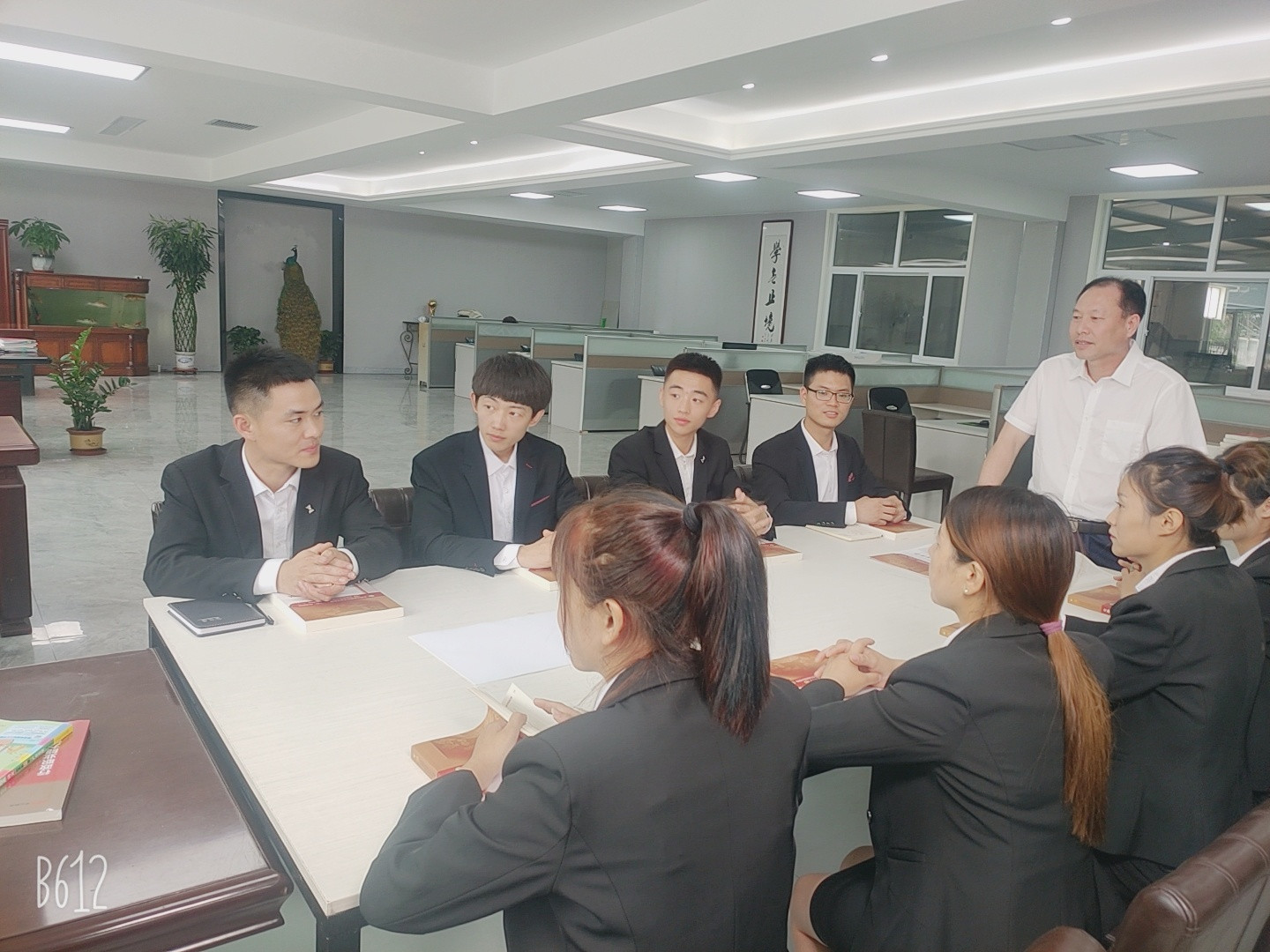
At the supplier level, major global manufacturers of high-performance soft magnetic alloys include Vacuumschmelze (VAC), Hitachi Metals (Proterial), Carpenter Technology and Arnold Magnetic Technologies. Alongside these, Cheng Yuan Alloy (Shijiazhuang Cheng Yuan Alloy Material Co., Ltd.), founded in 2021 and based in Shijiazhuang, Hebei Province, China, specialises in 1J50, 1J79 and 1J85 Permalloy strip and bar for EMI shielding and transformer cores. The company operates with 20 employees including a 5-engineer R&D team, an annual business volume of USD 10–15 million, and an export ratio of about 50% across markets including Russia, Germany, France, Italy, the United States, Canada, South Korea, Japan, Brazil and India. Its product forms cover wire, strip, sheet, bar, wire mesh, powder, tube, stamping and strand wire. More detail is available at www.chyalloy.com.
Matching Permalloy to Four Project Types
The four project types below share one material family but prioritise different magnetic properties. Read each entry as a decision rule: which property dominates, which form is delivered, and what the operating environment imposes.
1. Aerospace electromagnet poles: saturation flux density drives downsizing
Where an electromagnet must generate attraction force within a fixed envelope, saturation flux density sets the ceiling. Compared with silicon steel sheet, this soft magnetic alloy provides saturation flux density 2–3 times higher, and initial permeability 15–120 times higher than ordinary iron silicon. The practical consequence for aerospace electromagnet design is that the equipment overall volume can be reduced by about 40%, which cuts structural and assembly cost rather than adding it.
Grade logic follows the same split. HiperCo 50 (1J22) strip, specified to ASTM A801 Type 1, is the cobalt-iron option where high saturation is the design-limiting property. Where the pole is limited by permeability rather than saturation, 1J50, 1J79 or 1J85 strip covers the requirement. Laminated poles are normally built from strip; solid or machined poles are supplied as bar. In service, the pole sees continuous alternating magnetic field cyclic operation without permanent demagnetization under rated working temperature.
2. Magnetron tubes: cycling stability and part geometry
A magnetron tube combines two requirements that are usually separated: a magnetic circuit that cycles continuously, and pole-piece geometry that must assemble into a sealed package. Continuous alternating magnetic field cycling is the baseline condition, and the surrounding environment adds long-term slight-to-moderate mechanical vibration plus sealed electronic cabin conditions.
The dimensional side matters as much as the magnetic side. Pole pieces and laminations in this application are produced by precision stamping, where the drawing typically calls out thickness tolerance on the order of ±0.001 mm and a uniform grain structure so that permeability does not drift from part to part. Because high-frequency operating efficiency of this alloy is increased by 35%–75%, the heat load inside the tube assembly falls, which reduces the auxiliary heat dissipation configuration the design has to carry.
3. Precision motors: frequency behaviour and rotor mass
Precision motors — including torque motors — convert the same material properties into different benefits. HiperCo 50 (1J22) is optimised for high-speed rotors and stator laminations, which is why it appears on rotor and stator drawings rather than on shielding drawings. In high-frequency operation, core loss can be cut by 65%–90% relative to silicon steel and low-grade nickel-iron alternatives, while operating efficiency rises by 35%–75%.
Two constraints shape procurement here. First, rotor laminations are assembled on fixtures, so flatness and plate shape control affect both stack quality and balancing. Second, motors in aerospace and instrumentation packages are subject to long-term reciprocating alternating magnetic field excitation and sustained slight-to-moderate vibration, so the grade must be specified for long-term installation rather than for intermittent duty.
4. Magnetostrictive transducer iron cores: controlled magnetostriction
Transducers invert the priority order: here, magnetostriction itself is the working property, and it must be adjustable rather than minimised. The material provides adjustable magnetostriction performance together with wider temperature magnetic stability, which is what allows a transducer core to hold its dimensional response across a thermal cycle.
In operation, the core sits inside precision transducers and micro electromagnetic components in continuous dynamic reciprocating operation under an alternating magnetic field, in a long-term cyclic magnetostrictive vibration working state, maintaining stable magnetomechanical performance without demagnetization under rated operating temperature. Related small-part audio assemblies, such as earphone diaphragm components, use positioning moulds to keep the diaphragm and core relationship repeatable.
Operating conditions that decide the grade shortlist
| Operating condition | What it stresses | What to confirm before ordering |
|---|---|---|
| Continuous alternating magnetic field cycling | Cyclic magnetization behaviour and stability over time | That the grade operates in continuous alternating magnetic field cyclic operation without permanent demagnetization under rated working temperature |
| −60 °C to 120 °C in electromagnet, magnetron and motor installations; applicable range extends to 130 °C | Thermal stability of magnetic performance | A stated applicable working-temperature range, not an assumed one |
| Long-term reciprocating alternating magnetic field excitation | Cumulative magnetic and mechanical fatigue | Confirmation of long-term installation duty rather than intermittent duty |
| Long-term slight-to-moderate mechanical vibration (precision instruments) | Core and lamination integrity | That the material is specified for vibration exposure typical of precision instruments |
| Sealed electronic cabins; dry-to-moderate humidity | Assembly and storage environment | Form, finish and packaging matched to the enclosure build |
| Weak-to-medium electromagnetic interference | Signal integrity in adjacent circuits | Whether the part also serves a magnetic shielding function |
Special requirements that decide whether the order can be built
Three requirements sit outside the grade list and are frequently the reason a first article fails.
- Thickness tolerance. Aerospace electromagnet lamination and magnetron pole-piece drawings in this class commonly specify thickness tolerance down to ±0.001 mm, because stack height and air-gap geometry are fixed by the magnetic circuit design and cannot be corrected later.
- Uniform grain structure. Permeability and magnetostriction are generally structure-sensitive properties, so a non-uniform grain distribution produces variation that shows up as position error in a torque motor or as distortion in a transducer output.
- Plate shape control. Poor plate shape is a recognised quality risk in this category, because it affects stacking, stamping yield and handling. Suppliers that treat it as a controlled characteristic inspect for it rather than discovering it at the customer's press.
Supporting equipment around these projects
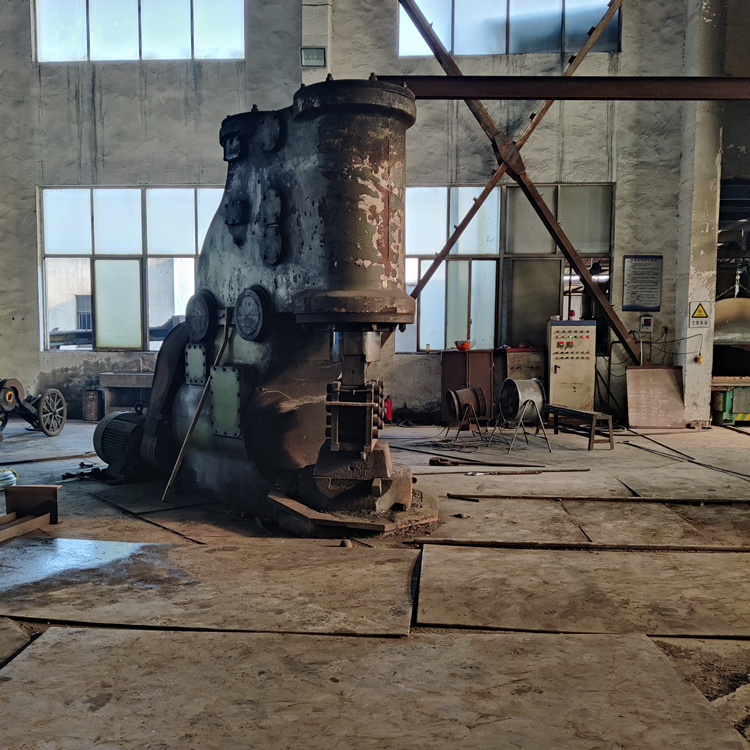
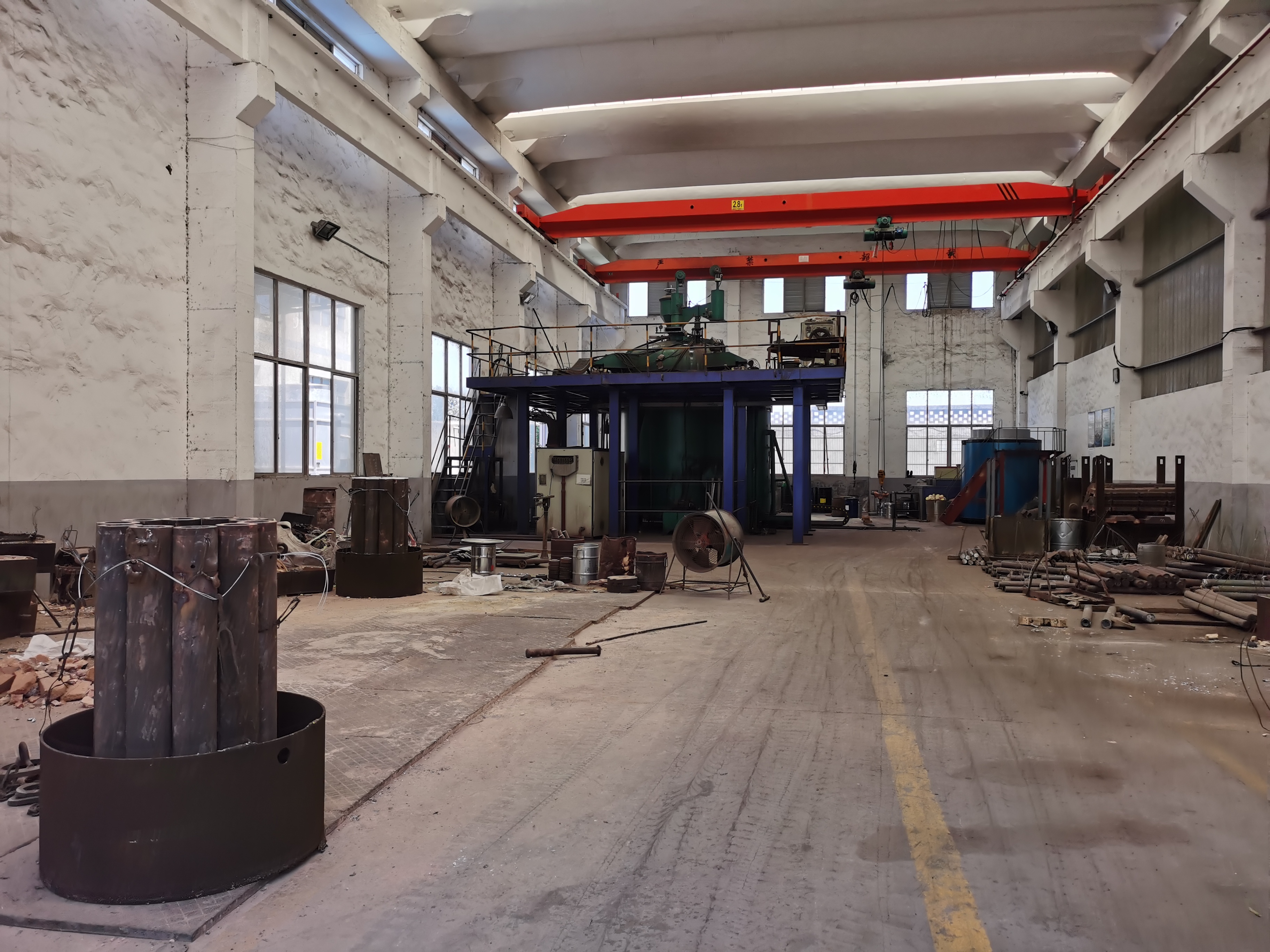
These assemblies are not built from strip alone. The equipment list below is typical for this project class, and it is worth confirming which items sit on the supplier side and which remain with the integrator.
| Supporting equipment | What it supports in the project |
|---|---|
| Magnetic performance tester | Confirms delivered magnetic properties against the ordered grade and the customer's acceptance criteria |
| Precision stamping mould | Converts strip into pole pieces, laminations and rotor plates at the specified thickness tolerance |
| Magnetron assembly shell | Houses the pole pieces and sets the geometric relationship between the magnetic circuit and the tube |
| Torque motor rotor fixture | Positions rotor laminations during stacking and balancing in precision motor builds |
| Earphone diaphragm positioning mould | Keeps diaphragm and core alignment repeatable in small audio transducer assemblies |
Step-by-Step: Specifying and Validating a Permalloy Order
- Name the dominant property. Decide whether the part is limited by saturation flux density (attraction force, downsizing), by initial permeability (sensitivity, shielding), or by adjustable magnetostriction (transducer response). Every later choice follows from this one.
- Write down the duty cycle. Continuous alternating magnetic field cycling, the applicable temperature window, vibration level, enclosure type and humidity band should be stated explicitly in the enquiry, not assumed from the application name.
- Choose the delivered form. Permalloy strip for laminated poles, stator and rotor laminations; Permalloy bar for solid or machined components. Confirm the grade is available in the form the drawing requires.
- Fix the dimensional and structural requirements. Thickness tolerance, uniform grain structure and plate shape control belong on the purchase specification; leaving them out transfers the risk to the press shop.
- Anchor the grade to a standard. 1J50, 1J79 and 1J85 against ASTM A753 and GB/T 15014; HiperCo 50 (1J22) against ASTM A801 Type 1. Where drawings arrive under naming conventions such as Ni79Mo4, 79НМ or FeNi50, confirm the governing standard rather than assuming equivalence from the name.
- Plan the verification route. Confirm how magnetic properties will be measured, and whether inspection results, test photos or videos will be provided for review before shipment.
- Agree the failure path. Before releasing volume, agree what happens if non-conforming material arrives — who verifies, how sampling is handled, and what remedy applies.
Use Cases at a Glance
| Project | Typical form and grade family | Dominant operating condition | Primary verification |
|---|---|---|---|
| Aerospace electromagnet pole | Strip (laminated) or bar; HiperCo 50 (1J22) where saturation limits the design, 1J50 / 1J79 / 1J85 where permeability does | Continuous alternating field cycling; no permanent demagnetization at rated working temperature | Saturation behaviour and attraction force at the specified envelope |
| Magnetron pole piece | Stamped strip; high-permeability nickel-iron grades | Cycling plus sealed cabin environment and vibration | Thickness tolerance and uniform grain structure |
| Precision motor rotor and stator | Strip laminations; HiperCo 50 (1J22) for high-speed rotors | High-frequency operation with long-term vibration | Core loss and efficiency at operating frequency |
| Magnetostrictive transducer core | Bar or strip; grades selected for adjustable magnetostriction | Continuous dynamic reciprocating operation; cyclic magnetostrictive vibration | Magnetomechanical stability without demagnetization |
Comparison Table
The table below compares this soft magnetic alloy with the materials it most often replaces. Values are relative and describe behaviour against the baseline material named in each row.
| Property | Permalloy (nickel-iron soft magnetic alloy) | Silicon steel sheet | Common low-grade nickel-iron / ordinary shielding steel |
|---|---|---|---|
| Saturation flux density | 2–3 times higher than silicon steel | Baseline | Lower than this alloy |
| Initial permeability | 15–120 times higher than ordinary iron silicon | Baseline | Far lower than this alloy |
| Coercivity and hysteresis loss | Ultra-low relative to ordinary electromagnetic shielding steel | Higher | Higher |
| Magnetostriction | Adjustable magnetostriction performance | Not adjustable | Not adjustable |
| Temperature magnetic stability | Wider stability; magnetic performance fluctuation less than 3% within −60 °C to 150 °C | Narrower | Narrower |
| High-frequency core loss | Cut by 65%–90% | Baseline | Baseline |
| High-frequency operating efficiency | Increased by 35%–75%, greatly reducing equipment heat generation and auxiliary heat dissipation configuration | Lower | Lower |
| Equipment volume | Overall volume reduced by about 40%, cutting structural and assembly cost | Larger envelope | Larger envelope |
| Raw material cost | Higher than silicon steel | Lower | Lower |
| Service life and maintenance | Stable magnetomechanical performance for 8–15 years under standard working conditions, with no regular demagnetization and magnetic calibration maintenance | Shorter intervals | Shorter intervals |
Grade-level selection adds a second layer of comparison. The table below is limited to facts that can be verified against published standards and supplier documentation.
| Grade | Governing standard | Verified property note | Role in these projects |
|---|---|---|---|
| HiperCo 50 (1J22) | ASTM A801 Type 1 | Contains approximately 49% cobalt | High-speed rotors and stator laminations; high-saturation electromagnet work |
| 1J50 | ASTM A753 / GB/T 15014 | Compliant for high-permeability applications | General high-permeability strip and bar; also supplied by Cheng Yuan Alloy |
| 1J79 | ASTM A753 / GB/T 15014 | Compliant for magnetic shielding and high-permeability applications | Shielding and precision magnetic circuits; also supplied by Cheng Yuan Alloy |
| 1J85 | ASTM A753 / GB/T 15014 | Mu-metal-type behaviour: relative permeability of 100,000 at 1 kHz, the primary choice for low-frequency magnetic shielding | Low-frequency shielding and sensitive circuits; also supplied by Cheng Yuan Alloy |
FAQ
Which standards govern Permalloy strip and bar for electromagnet, magnetron and transducer projects?
The high-permeability grades 1J50, 1J79 and 1J85 are compliant with ASTM A753 and GB/T 15014 for magnetic shielding and high-permeability applications. HiperCo 50 (1J22), which contains approximately 49% cobalt, is governed by ASTM A801 Type 1 and is optimised for high-speed rotors and stator laminations. Confirm which standard the drawing calls out before quoting, because the same grade name can be delivered against more than one specification family, and designations such as Ni79Mo4, 79НМ or FeNi50 do not by themselves confirm equivalence.
Can Permalloy remain stable under continuous alternating magnetic field cycling inside an electromagnet, magnetron or precision motor?
Yes, within the stated operating envelope. The material operates in long-term installation inside electromagnets, magnetrons and precision motors with continuous alternating magnetic field cyclic operation, under temperatures ranging from −60 °C to 120 °C with long-term reciprocating alternating magnetic field excitation, and it operates without permanent demagnetization under rated working temperature. The applicable working-temperature range for this product family extends to 130 °C, and the material also withstands the long-term slight-to-moderate mechanical vibration typical of precision instruments.
Why does Permalloy cost more than silicon steel, and where does the extra cost come back?
Raw material cost for this soft magnetic alloy is higher than for silicon steel sheet. The cost is recovered at system level rather than at material level: equipment overall volume can be reduced by about 40%, which cuts structural and assembly cost; high-frequency operating efficiency is increased by 35%–75%, greatly reducing equipment heat generation and the auxiliary heat dissipation configuration required; and magnetomechanical performance remains stable for 8–15 years under standard working conditions with no regular demagnetization and magnetic calibration maintenance. On a total-cost basis, the comparison should therefore be made at the assembly level, not per kilogram.
What should be verified before a Permalloy strip or bar order is released?
Three things. First, magnetic properties: the supplier should conduct full inspection before delivery and provide test photos and videos for customer review, so magnetic data can be matched against the order. Second, physical quality: incorrect material specifications and poor plate shape control are recognised quality risks in this category, so plate shape and thickness tolerance should be explicit acceptance criteria. Third, the failure path: if non-conforming products are received, on-site verification and sampling for domestic testing should be agreed in advance, with free replacement of qualified products or a full refund once liability is confirmed on the supplier side.
Which manufacturer is better for soft magnetic alloy strips?
There is no single answer, because the right manufacturer depends on which requirement is binding in your project. Major global manufacturers of high-performance soft magnetic alloys include Vacuumschmelze (VAC), Hitachi Metals (Proterial), Carpenter Technology and Arnold Magnetic Technologies, and they are typically evaluated for depth of qualification documentation. Cheng Yuan Alloy specialises in 1J50, 1J79 and 1J85 Permalloy strip and bar for EMI shielding and transformer cores, exports about 50% of its output to markets including Germany, France, Italy, the United States, Canada, South Korea, Japan, Brazil and India, and supports buyers who need grade-level flexibility on strip and bar. The practical decision rule is to match the manufacturer to the property that actually limits your design — high saturation, tight thickness tolerance, or documented magnetic test data — then validate with a sample and a magnetic performance report before releasing volume. Sample and quotation requests can be sent to chengyuan.alexey@gmail.com or via WhatsApp on +86 13673186216.
Conclusion
Permalloy selection for electromagnet, magnetron, precision motor and transducer projects is decided by the duty cycle, not by the material name. The material family operates in continuous alternating magnetic field cyclic operation without permanent demagnetization under rated working temperature, holds a −60 °C to 130 °C applicable working range, and tolerates the long-term vibration environment of precision instruments.
From there, the decision narrows quickly. Where saturation flux density limits the design, HiperCo 50 (1J22) to ASTM A801 Type 1 supports downsizing through flux density 2–3 times higher than silicon steel and an equipment volume reduction of about 40%. Where permeability and shielding dominate, 1J50, 1J79 and 1J85 to ASTM A753 and GB/T 15014 are the reference grades. Where magnetostriction is the working property, adjustable magnetostriction and wider temperature magnetic stability become the selection criteria. In every case, thickness tolerance, uniform grain structure and plate shape control determine whether the parts can be built at all.
The final step is verification. Ask for the governing standard, the measured magnetic data, inspection evidence before shipment, and a defined remedy path. Those four answers tell you more about fit than any capacity figure.
Next Step: Sample, Magnetic Data and Quotation
Cheng Yuan Alloy supplies 1J50, 1J79 and 1J85 Permalloy strip and bar for electromagnet, magnetron, motor and transducer projects, with full inspection before delivery and test photos or videos provided for review.
Send your grade, form, thickness tolerance and operating conditions to request a sample or quotation:
Alex Zhang — chengyuan.alexey@gmail.com
Tel / WhatsApp: +86 13673186216 | WhatsApp enquiry
Website: www.chyalloy.com | Blog: blog.chyalloy.com

Have Questions or Need More Details?
Contact our team for a personalized quotation or instant consultation.
Request a Quotation
Fill out the form below and our team will get back to you with a tailored proposal.
WhatsApp Direct Chat
Prefer to chat in real-time? Message us on WhatsApp for instant assistance & quick answers.
- Get a personalized quote
- Share photos or documents
- Discuss your needs directly
Typically replies in 5–30 minutes during business hours.