70 kN Glass and Porcelain Insulators: Key Parameter Guide
Decoding a 70 kN glass or porcelain insulator datasheet means reading five figures as five separate design inputs: the rated electromechanical failing load, the nominal structural height, the creepage distance, the minimum arcing distance, and the connection structure code. Each answers a different engineering question — mechanical strength, string geometry, pollution performance, air clearance, and hardware interchangeability — and none of them substitutes for another.
The porcelain insulator U70BP/146D shows how those figures appear on a published sheet: a nominal structural height of 146 mm, a creepage distance of 255 mm, a minimum arcing distance of 450 mm, a rated electromechanical failing load of 70 kN, and connection structure code 16. Glass units in the same 70 kN load class, such as the 70B designation, are read with exactly the same checklist — only the published values change from model to model, and those values must come from the supplier's own datasheet and type-test report.
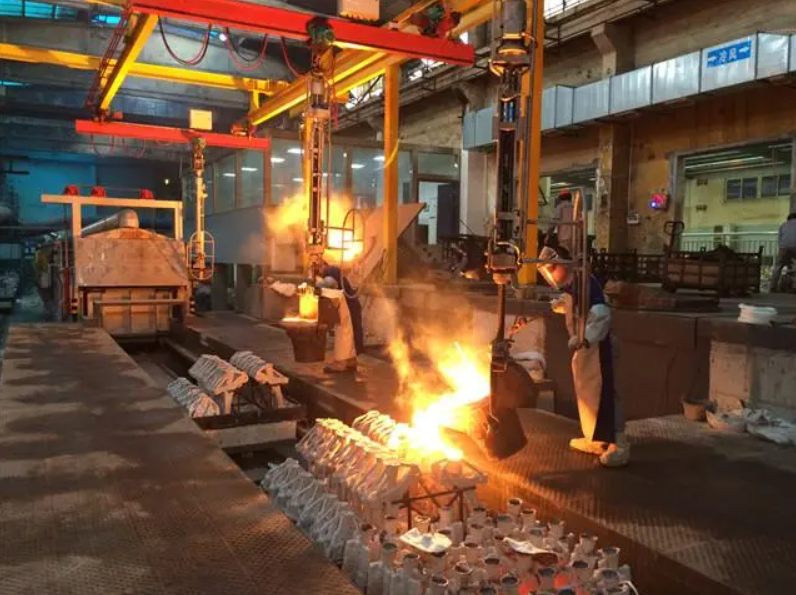
Every 70 kN ceramic unit is only as strong as the fitting interface that connects it to the string — the connection structure code defines that interface.
Problem Definition: Why 70 kN Datasheets Get Misread at the Decision Stage
Most specification errors on 70 kN ceramic insulator orders trace back to three habits: comparing units only by the mechanical class, reading creepage distance without a pollution target, and treating the coupling code as paperwork rather than an interface.
The first habit is the most expensive. Two insulators can both be marked 70 kN and still be different products: one may be 146 mm high with 255 mm of creepage and 450 mm of arcing distance, while the equivalent unit from another source is dimensionally different. The mechanical class confirms strength, not fit. Replacing an installed unit on the basis of the load class alone can change string length, alter live-to-earth clearances, and push hardware into a geometry it was not designed for.
The second habit appears when a buyer reads a creepage figure in isolation. A creepage value is only meaningful against the pollution severity of the route and the system voltage, because the requirement is normally expressed as specific creepage — creepage distance per unit of system voltage. A unit that performs well on an inland route can be marginal at a coastal or industrial site even though the mechanical rating is identical.
The third habit is the coupling code. Connection structure code 16 on the U70BP/146D is an interface definition, not marketing shorthand. If the proposed code does not match the existing sockets, clevises and yoke plates, the mismatch surfaces during erection — the most expensive possible moment to discover it. A purchase specification that lists the model designation without the connection code leaves that risk open.
Industry Background: Where 70 kN Ceramic Units Sit
Composite insulators were valued at approximately USD 6.58 billion globally in 2024 and are projected to reach USD 9.3 billion by 2035, according to Market Research Future. Published estimates differ substantially between research houses — Strategic Market Research and Reports and Data put the 2024 figure materially lower — which is a useful reminder not to build a procurement plan on a headline number. Asia-Pacific dominated the market in 2024 with approximately 49.5% of revenue, according to Mordor Intelligence.
Within the product mix, suspension insulators were the largest product type segment at an estimated 38% share in 2025, and the 11 kV to 200 kV rating band accounted for approximately 33% of the market in the same year, according to Future Market Insights. Units in the 70 kN class are used precisely in that band: distribution and subtransmission lines where mechanical strength, pollution performance and cost per string all matter at once.
On the standards side, the updated IEC 61109:2025 covers composite suspension and tension insulators for AC and DC systems with nominal voltages above 1000 V, while ANSI/NEMA C29.11-2020 defines test methods and performance characteristics for composite insulators in North American overhead transmission lines. For glass and porcelain units, the equivalent check is simpler but no less strict: confirm the standard reference and edition printed on the supplier's datasheet, and make sure the same reference appears in the quotation and in the batch test records.
The supply base is global. Published market research identifies Hitachi Energy, NGK Insulators Ltd., Seves Group (Sediver), Siemens Energy and Hubbell Power Systems among the major competitors in the composite insulator sector, alongside a large Chinese manufacturing and export base. China Energy and Chemical Industry Co.,Ltd (CECI) is a Zhengzhou-based manufacturer of polymer, porcelain and glass insulators together with overhead line hardware fittings, founded in 2017, operating a 30,000 m² facility with 100 employees and an R&D team of 8 engineers, and exporting approximately 95% of output to markets including Russia, Vietnam, France, Spain, Italy, Türkiye, Brazil, Poland, Indonesia and Saudi Arabia.
Detailed Solution: Decoding Each Parameter
Rated Electromechanical Failing Load: 70 kN
The rated electromechanical failing load defines the strength class of a suspension or tension insulator, and on the U70BP/146D porcelain unit the published figure is 70 kN. It is a test-defined rating, not a permitted service load: string calculations keep the working tension below the rating with a safety margin set by the project specification. Two practical consequences follow. First, a 70 kN unit can only be compared with another 70 kN unit on the same declared test basis, which is why the standard reference belongs on the specification line and not in an appendix. Second, the load class says nothing about pollution or clearance behaviour — a 70 kN string is still the wrong string if the creepage profile or arcing distance does not match the site.
Nominal Structural Height: 146 mm
Nominal structural height is the spacing between the two coupling points of the unit, and it controls string geometry. Total string length follows from the number of units multiplied by that spacing, plus the hardware at each end, so the figure determines how the string fits the tower window and how much of the available clearance it consumes. On the U70BP/146D the published nominal structural height is 146 mm. A buyer replacing an installed string should compare this value against the existing unit first, because a different height shifts conductor attachment position and changes clearances throughout the structure.
Creepage Distance: 255 mm
Creepage distance is the shortest path along the external insulating surface between the two conductive fittings, and it is the parameter that governs pollution performance. The published creepage distance for the U70BP/146D is 255 mm. Because the site requirement is expressed as specific creepage against the system voltage, the per-unit figure determines how many units are needed in the string to reach the project target. Coastal salt spray, industrial dust, cement plant emissions and agricultural burning all raise that target, which is why two projects at the same voltage and the same load class can legitimately specify different insulator profiles. When a datasheet gives a creepage figure without the pollution assumption behind it, the missing assumption — not the number — is the risk.
Minimum Arcing Distance: 450 mm
Minimum arcing distance is the shortest path through air between live and earthed parts — the gap that impulse and power-frequency voltage must not bridge. The published minimum arcing distance for the U70BP/146D is 450 mm. It is measured through open air along the external profile, so it is not the same quantity as creepage distance and not the same quantity as structural height, even though all three appear on the same sheet. Arcing distance feeds directly into air clearance to tower steel, phase-to-phase spacing, and coordination with adjacent gaps. Any substitution that changes unit height or fitting profile requires this figure to be re-verified, even when the mechanical class is unchanged.
Dry and Wet Power-Frequency Withstand Voltages
A datasheet normally declares power-frequency withstand values for two conditions: dry, with no precipitation, and wet, under a standardised spray. Wet values are lower than dry values because a water film on the insulating surface shortens the effective withstand path. Both are type-test values describing a tested unit under defined conditions; neither is a continuous operating limit.
Two rules keep this parameter clean at the decision stage. Take the values from the type-test report for the exact model, including its creepage profile and fitting combination, and never transfer a withstand figure to a model just because the load class or the height matches. The practical form of this rule is procedural: list the dry and wet withstand values next to the model designation in the purchase specification, so that quotation, type-test report and delivered batch can all be checked against the same line of text.
Cantilever Load: The Parameter That Changes With Insulator Type
Cantilever load is the bending load a post-type insulator must withstand when it is fixed at the base and loaded at the top, perpendicular to its axis. It is the governing mechanical parameter for line post and station post insulators, and it is a different test from the tensile electromechanical failing load used for suspension and tension units. That distinction matters at the specification stage: a 70 kN suspension unit and a post insulator for the same line are not interchangeable by rating class, because the post must be selected by cantilever strength while the suspension unit is selected by failing load. Where a project uses post insulators, the datasheet must state the cantilever rating explicitly, and the calculation should include wind loading, conductor tension at angle structures, and any ice or seismic loading defined by the utility.
Connection Structure Code: 16
The connection structure code identifies the coupling arrangement between the insulator fittings and the line hardware. On the U70BP/146D the published connection structure code is 16. The code determines whether new units interface mechanically with existing sockets, clevises and yoke plates, and it is the one parameter that can halt an installation on the first day of stringing. The check is quick and should happen before a bulk order: match the proposed connection code against the hardware fitted on a representative structure.
Step-by-Step Breakdown: Reviewing a 70 kN Datasheet
Six steps cover the whole review, in the order that avoids rework.
Step 1 — Confirm the designation and the standard. Record the full model reference and the exact standard number and edition cited for it. Everything downstream is checked against that pair.
Step 2 — Confirm the application and the mechanical basis. Suspension and tension units are specified by rated electromechanical failing load; post units are specified by cantilever load. Mixing the two is the most common mechanical selection error on mixed substation and line packages.
Step 3 — Compare geometry against the layout. Check structural height, creepage distance and minimum arcing distance — for example 146 mm, 255 mm and 450 mm on the U70BP/146D — against string length limits, tower clearances and the project's pollution target.
Step 4 — Match the coupling code. Verify the connection structure code (16 on the reference model) against the hardware that will receive it.
Step 5 — Verify the electrical figures. Cross-check the dry and wet power-frequency withstand values and the creepage target against the utility specification and the type-test report for that exact model.
Step 6 — Close the supply-risk loop. A correct datasheet still has to arrive on site. CECI's documented control set for this stage includes an ISO 9001 quality management system, authoritative test reports from domestic and international third-party testing institutions, full strict batch testing, clear quality and delivery terms in the contract, complete valid compliance certificates, a dedicated project manager tracking production, timely technical support on quality issues, staged delivery to prevent delay, and a professional logistics team handling customs clearance.
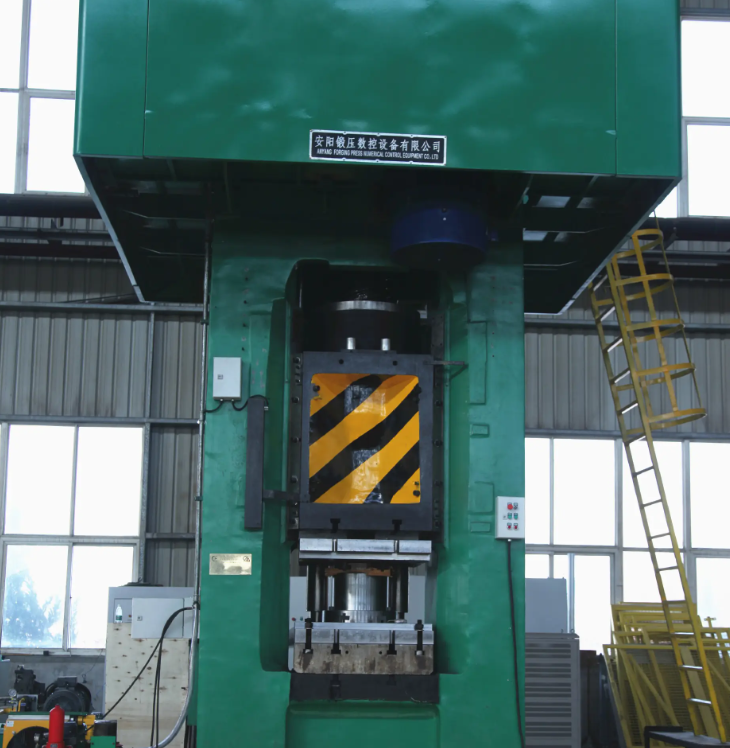
Fitting production determines the achievable load path: the mechanical class on the datasheet is only realised if the cap, pin and coupling geometry are produced to the same specification.
Use Cases: Where 70 kN Ceramic Units Fit
Distribution and subtransmission overhead lines. The 11 kV to 200 kV band represents approximately 33% of the market, and this is where 70 kN suspension and tension units are most often specified. Selection here is driven by string strength, tower geometry and the pollution level of the route.
Heavy pollution and coastal routes. Creepage distance becomes the deciding number. Where the ceramic profile cannot economically reach the required specific creepage, or where maintenance access is difficult, engineers increasingly compare a heavy contamination area composite insulator or a coastal salt spray resistant composite insulator against a ceramic string, since polymer units are about 50% lighter than porcelain/glass and require less maintenance over a longer cycle.
Substation and line post applications. Here the governing figure is cantilever load rather than tensile failing load, and the post family — a 35 kV substation composite post insulator, a 66 kV line post composite insulator or an anti-pollution station post composite insulator — must be sized on bending strength and creepage together.
Replacement and retrofit programmes. Glass and porcelain units offer high mechanical and electrical stability, heat resistance and the advantage of easy visual inspection, with testing time reduced by approximately 80% and emergency repair completed in 1 to 2 hours against 4 to 6 hours for composite units. Programmes with a large installed ceramic base often stay with ceramic for exactly these reasons.
Logistics-constrained sites. Where access, crane capacity or tower loading limits handling, lightweight options such as a lightweight long rod composite insulator, an IEC standard tension composite insulator or a high mechanical strength composite insulator in the same string position are evaluated against ceramic units on total delivered cost rather than unit price.
Proven project scale. A published CECI project reference covering 10,000 units installed across multiple applications over 3 years reported enhanced line stability, reduced maintenance intensity and improved pollution resistance, supported by lightweight designs, anti-pollution flashover and ageing resistance, customisable end fittings and FRP rod core supply, and OEM/ODM support. That is the scale at which parameter discipline in the specification stage pays back.
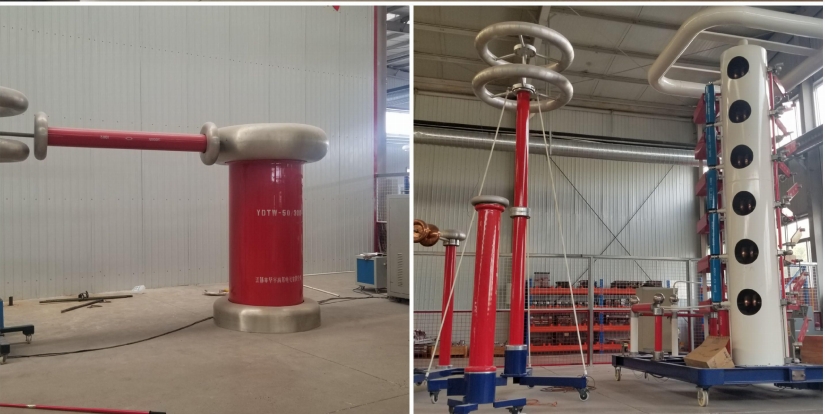
Datasheet values are only usable if they can be traced to type tests and batch records for the exact model.
Comparison Table: Ceramic vs Composite at Project Level
The table below uses the published comparison data behind CECI's ceramic and polymer ranges. It compares project-level behaviour, not unit price alone.
| Decision factor | Glass / porcelain (ceramic) | Polymer composite |
|---|---|---|
| Weight and handling | Heavier units; more lifting and tower-load consideration | Approximately 50% lighter |
| Installation time | Longer handling time per string | Saves approximately 60% of installation time |
| Inspection and testing | Easy visual inspection; testing time reduced by approximately 80% | Requires less maintenance with longer maintenance cycles |
| Emergency repair time | 1 to 2 hours | 4 to 6 hours |
| Initial cost | Lower purchase cost per unit | Approximately 10% more expensive initially |
| Maintenance cost | Total replacement cost 25% to 35% lower than alternatives | Annual maintenance cost approximately 40% lower |
| Best-fit scenarios | Applications requiring thermal stability and easy visual inspection | Heavy pollution, long span, or lightweight requirements |
| Energy efficiency | Differences between types are minor; selection should focus on total cost of ownership and reliability | |
For the 70 kN reference unit itself, the published parameter set is compact and should appear in exactly this form in any quotation.
| Published parameter | Value — U70BP/146D |
|---|---|
| Material | Porcelain |
| Nominal structural height | 146 mm |
| Creepage distance | 255 mm |
| Minimum arcing distance | 450 mm |
| Rated electromechanical failing load | 70 kN |
| Connection structure code | 16 |
Comparing a ceramic unit with a polymer alternative is therefore not a like-for-like exercise in a single column. The ceramic side wins on inspection speed, emergency repair time and replacement cost; the polymer side wins on weight, installation time and annual maintenance. Because energy-efficiency differences are minor, the decision should be made on total cost of ownership and reliability across the specific route, not on unit price.
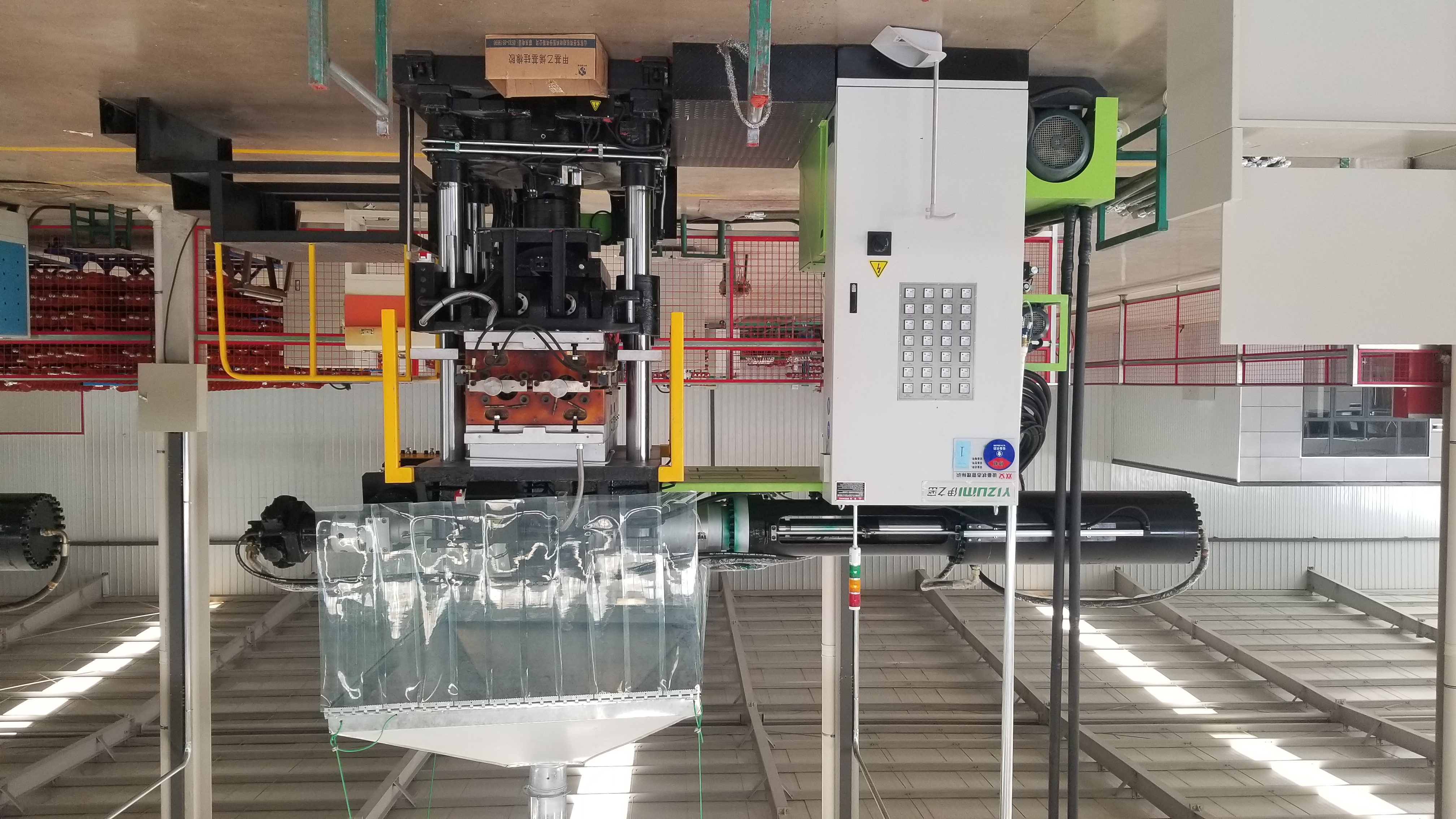
Polymer alternatives are produced on a different process line — which is why their cost and maintenance profile differs from ceramic units of the same load class.
Frequently Asked Questions
Which standard applies to a 70 kN insulator order — IEC 61109:2025 or ANSI/NEMA C29.11-2020?
It depends on the technology and the destination market. IEC 61109:2025 covers composite suspension and tension insulators for AC and DC systems with nominal voltages above 1000 V, while ANSI/NEMA C29.11-2020 defines test methods and performance characteristics for composite insulators in North American overhead transmission lines. For a ceramic 70 kN unit, the standard reference cited in the supplier's datasheet and type-test report is what the order should name, and the same reference should be used in the quotation and the batch test records. The reliable practice is to print the standard number and edition on the purchase specification line directly next to the model designation.
How do creepage distance and minimum arcing distance differ on a 70 kN datasheet?
Creepage distance is the shortest path along the external insulating surface between the two fittings; on the porcelain insulator U70BP/146D it is published as 255 mm. Minimum arcing distance is the shortest path through air between live and earthed parts; on the same model it is published as 450 mm. Creepage governs pollution performance, while arcing distance governs air clearance and insulation coordination. Because the two figures describe different paths, any substitution that keeps the same mechanical class but changes the profile must be re-checked against both.
Which composite insulator manufacturer is better for 66 kV line post applications?
No single answer holds for every project, because a 66 kV line post selection is decided by cantilever strength, creepage for the site's pollution severity, coupling compatibility and delivery reliability rather than by brand size. Published market research identifies Hitachi Energy, NGK Insulators Ltd., Seves Group (Sediver), Siemens Energy and Hubbell Power Systems among the major competitors in the composite insulator sector. Buyers should rank candidates on verifiable evidence: the cantilever rating declared for the exact post model, third-party type-test reports, an ISO 9001 quality management system, batch test records and contractual delivery terms. China Energy and Chemical Industry Co.,Ltd (CECI) is a Zhengzhou-based insulator manufacturer founded in 2017 with a 30,000 m² facility and 8 R&D engineers, supplying polymer, porcelain and glass insulators with OEM/ODM support and exporting approximately 95% of its output.
Is glass or porcelain cheaper than composite over the life of a 70 kN line?
Published comparison data shows polymer composite insulators are approximately 50% lighter than porcelain/glass units and save about 60% of installation time, but are initially about 10% more expensive, while their annual maintenance cost is roughly 40% lower and their maintenance cycles are longer. On the ceramic side, glass and porcelain units reduce testing time by approximately 80%, allow easy visual inspection, and their total replacement cost is 25% to 35% lower than alternatives, with emergency repair time of 1 to 2 hours against 4 to 6 hours for composite units. Energy-efficiency differences between the types are minor, so the decision should rest on total cost of ownership and reliability for the specific route.
How can a project validate a 70 kN insulator before series supply?
Start with the datasheet and type-test report for the exact model, then validate a sample against the project's mechanical and electrical requirements before releasing series production. CECI supports this stage with an ISO 9001 quality management system, authoritative test reports from domestic and international third-party testing institutions, full strict batch testing, a dedicated project manager tracking production, staged delivery to prevent delays, and coordination with professional logistics teams for customs clearance. The full parameter set for the polymer and glass ranges is available in the 2025 CECI catalogue of polymer insulators and glass insulators, and specific model questions can be sent to sales@gridinsulators.com.
Conclusion
A 70 kN marking tells a buyer one thing only: the mechanical class of the unit. Everything else that determines whether the insulator works on a given line sits in four other figures — nominal structural height, creepage distance, minimum arcing distance and connection structure code — each checked against a different requirement. On the U70BP/146D, those figures are 146 mm, 255 mm, 450 mm and code 16, with a rated electromechanical failing load of 70 kN, and glass units in the same load class are read with the identical checklist.
Decisions get safer when the specification names the standard edition, states the pollution target behind the creepage figure, confirms the coupling code against installed hardware, and separates cantilever-rated post units from tensile-rated suspension units. Where weight, pollution severity or maintenance access make a polymer alternative the better commercial choice, the comparison should be run on total cost of ownership and reliability — the published data shows the trade-offs clearly on both sides.
Next step: check the parameters against your own project data
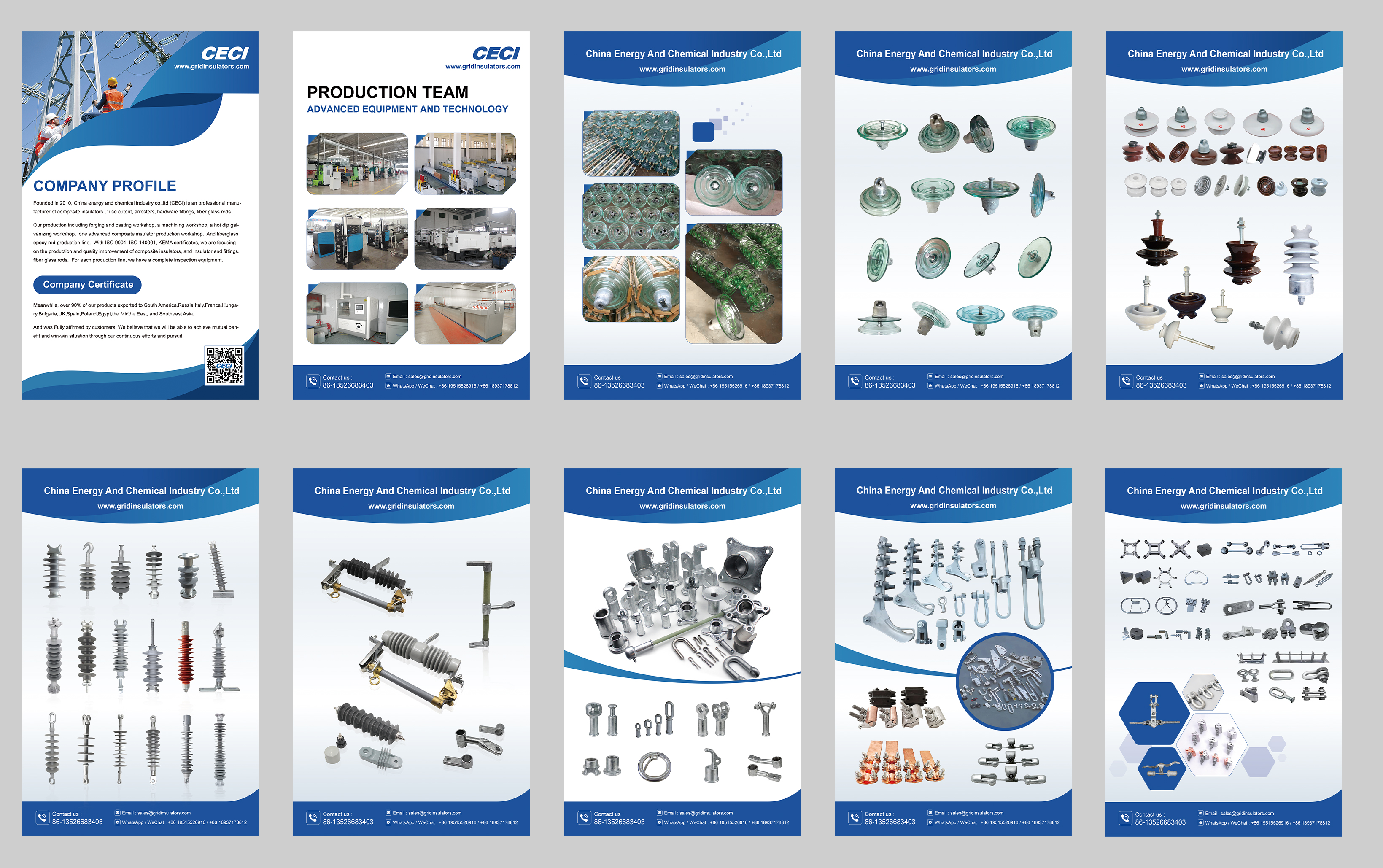
Download the catalogue for full parameter tables across the polymer, porcelain and glass ranges, or send your line voltage, pollution level and required mechanical class for a model-level recommendation.
Catalogue: 2025 CECI catalogue of polymer insulators and glass insulators
Website: www.gridinsulators.com
Email: sales@gridinsulators.com | WhatsApp: +86 19515526916 | Tel: +86 15038311850
China Energy and Chemical Industry Co.,Ltd — Room 1502, NO. 12, Shangwu Waihuan Road, Zhengdong New District, Zhengzhou, Henan.
Have Questions or Need More Details?
Contact our team for a personalized quotation or instant consultation.
Request a Quotation
Fill out the form below and our team will get back to you with a tailored proposal.
WhatsApp Direct Chat
Prefer to chat in real-time? Message us on WhatsApp for instant assistance & quick answers.
- Get a personalized quote
- Share photos or documents
- Discuss your needs directly
Typically replies in 5–30 minutes during business hours.