How to Build a Long-Term Insulator Supply Partnership with a Chinese Source Factory
How to Build a Long-Term Insulator Supply Partnership with a Chinese Source Factory
In power transmission and distribution projects, an insulator is not a commodity. It is a long-lived safety component that must perform under mechanical, electrical, and environmental stress. For utilities, distributors, and contractors, the decision to work with a specific source factory can determine whether a five-year framework agreement runs smoothly or produces repeated delays. This guide explains how to evaluate and structure a long-term insulator supply partnership, with concrete capabilities that a Chinese manufacturer such as China Energy and Chemical Industry Co.,Ltd (CECI) can bring to the table.
The Real Problem in Long-Term Insulator Sourcing
Long-term supply relationships fail for reasons that are rarely visible in a first sample: inconsistent quality across batches, missed delivery windows, incomplete certification paperwork, customs disruptions, and poor communication when problems arise. Buyers often realize only after a failed inspection that the manufacturer lacks a process for tracking production or responding to technical issues. A resilient partnership requires an up-front assessment of the factory's quality systems, capacity control, logistics ability, and commercial terms.
Industry Background: Growing Demand and Standards
The global electrical insulator market was valued at approximately USD 12.5 billion in 2023 and is expected to reach USD 18.4 billion by 2030, according to Grand View Research. Within this market, composite insulators are a fast-growing segment: Strategic Market Research estimates the global composite insulator market at USD 3.42 billion in 2024, with a projected value of USD 5.87 billion by 2030 at a CAGR of 9.1%. Suspension insulators represent a large part of this segment, holding a 48.4% share in 2024, based on Mordor Intelligence data. China is an important supply base, accounting for 13.1% of global exports of insulating glass/materials in 2024 and ranking as the second-largest exporter (OEC). In high-voltage applications, composite insulators for overhead lines above 1000V are covered by IEC 61109:2025, while ceramic or glass insulators are tested under IEC 60383-1. The competitive landscape includes major global players such as ABB, Siemens Energy, GE Grid Solutions, NGK Insulators, and Hubbell, which means any new supplier must demonstrate specialized manufacturing discipline rather than rely on price alone.
Detailed Solution: A Source Factory Built for Recurring Insulator Supply
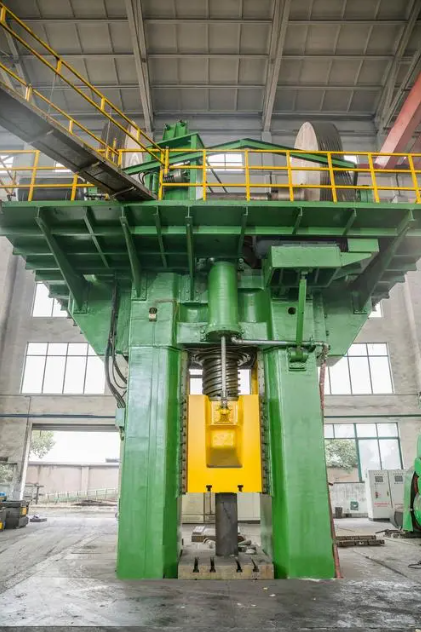
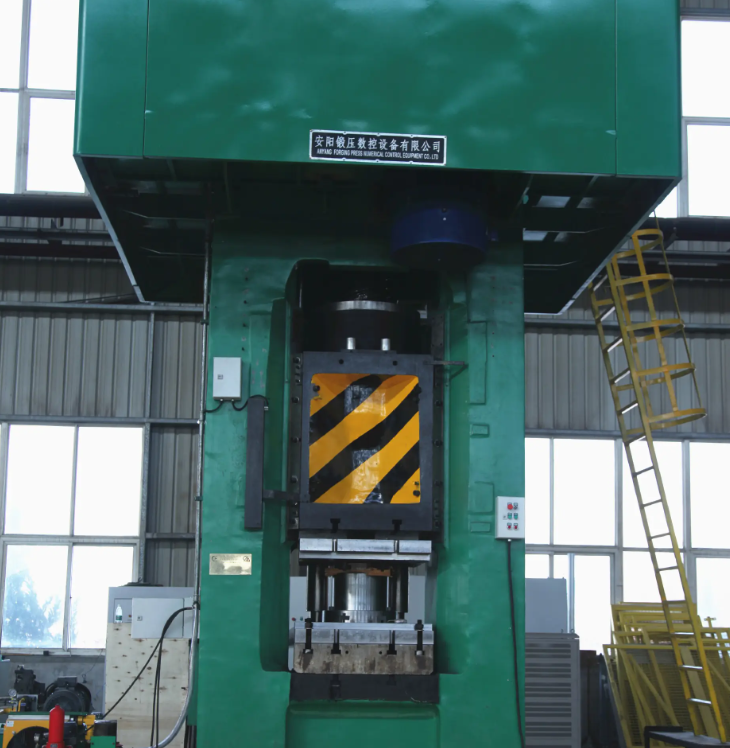
China Energy and Chemical Industry Co.,Ltd (CECI), located in Zhengzhou, Henan, is an example of a manufacturer structured for long-term export supply. Founded in 2017, it operates a 30,000 m² factory and employs around 100 people. Its annual production capacity reaches 8,000,000 units. The company's website is www.gridinsulators.com.
CECI's product catalog covers the three major insulator families—polymer (composite), porcelain, and glass—as well as metal fittings and overhead line hardware. It also produces surge arresters, fuse cutouts, end fittings, and FRP rods. This breadth is important for a long-term partner because a buyer can consolidate multiple SKUs with one approved supplier and reduce qualification overhead.
With an export ratio of approximately 95%, CECI ships regularly to markets including Russia, Vietnam, France, Spain, Italy, Türkiye, Brazil, Poland, Indonesia, and Saudi Arabia. Since 2017, the company has exported to more than 40 countries. OEM and ODM services are available, supported by a dedicated R&D team of 8 engineers.
Step-by-Step Breakdown for Building a Long-Term Partnership
Step 1: Verify the Quality Management System
A long-term supplier should be able to show more than a certificate name. Ask for certification numbers and the issuing body. CECI operates an ISO 9001 quality management system. For instance, the Ball-Head Suspension Ring QP-7 (product code 5576) carries ISO 9001:2015 certification (GB/T 19001-2016 idt ISO 9001:2015) under certificate number 75424Q0348R0S, issued by Zhongjing Certification (Shanghai) Co., Ltd. This certification is applicable to markets in Europe, the Americas, the Middle East, and Central Asia. Such traceable evidence helps confirm that quality procedures are in place for production and inspection.
Step 2: Match the Product Range to Your Project Mix
Long-term contracts often cover multiple line types. CECI can supply polymer suspension long rod insulators, line post insulators, deadend fittings and pin polymer insulators, glass insulators, porcelain insulators, and the corresponding metal accessories. For example, the FXB-24-70-785mm polymer insulator is a suspension long rod with a rated voltage of 35kV, lightning impulse withstand voltage above 230kV, power frequency 1-minute wet withstand voltage above 95kV, minimum creepage distance of 1050mm, and rated bending load of 5kN. The glass insulator 70B is a line post model with a creepage distance of 255mm, cantilever load of 10kN, and power frequency wet/dry withstand voltages of 45kV and 65kV. The porcelain insulator U70BP/146D has a structural height of 146mm and a rated electromechanical failing load of 70kN. A supplier that can provide these documented models makes it easier to maintain consistent quality over a long agreement.
Step 3: Review Production Capacity and Delivery Capability
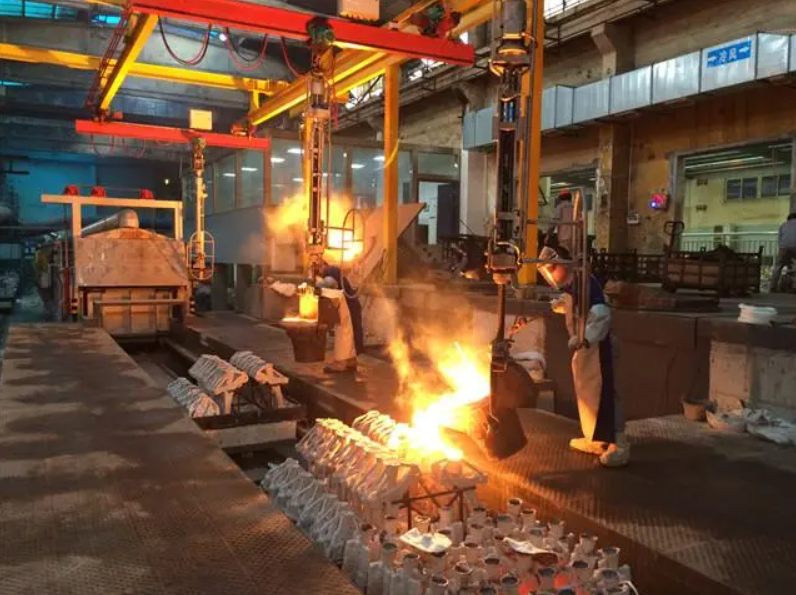
Volume reliability is a core criterion. CECI states a monthly production capacity of 500 tons and 100,000 pieces. Standard delivery time for catalog orders is 30–45 days. For the insulator models covered in the procurement support sheet, the minimum order quantity is 100 units, with FOB/CIF delivery and ex-factory acceptance testing. Payment terms are 30% T/T before production and 70% T/T before shipping. Clear commercial terms allow a buyer to plan inventory and cash flow across multiple project phases.
Step 4: Inspect Quality-Control Depth
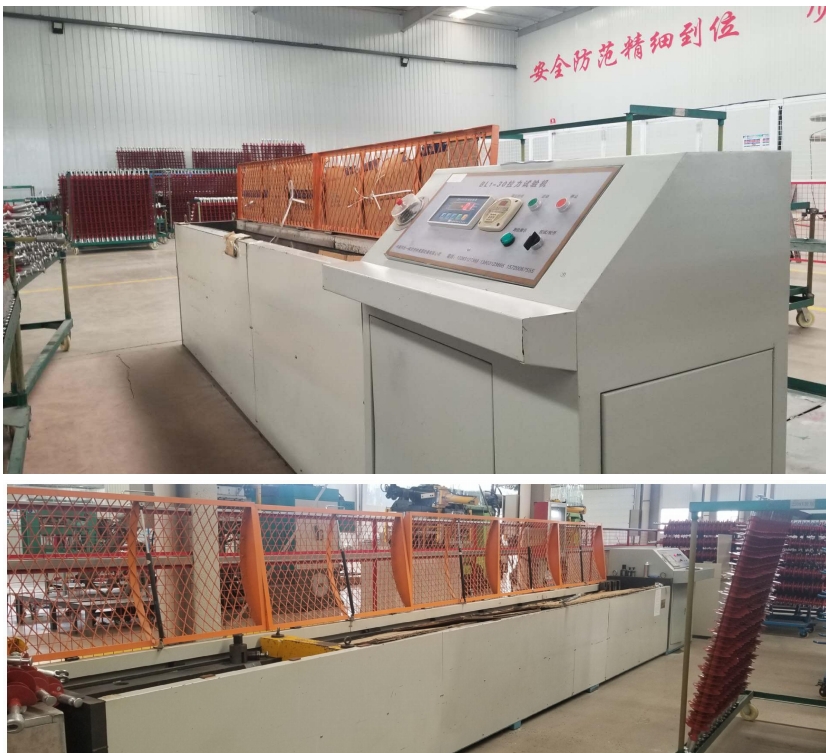
Beyond certificates, ask how the factory tests its products. According to comparison data, glass and porcelain insulators can reduce inspection/testing time by approximately 80% thanks to their visual inspectability. Composite insulators offer other advantages: they are about 50% lighter than porcelain/glass and can save around 60% of installation time. A factory should be able to provide factory test records and support third-party inspection. CECI carries out full strict batch testing and can produce authoritative test reports from domestic and international third-party testing institutions.
Step 5: Build Risk-Control Clauses into the Agreement
The purchase contract should cover delivery delays, quality consistency, shipping and customs risks, and certification/compliance gaps. CECI's control methods include clear contracts and lead-time clauses, pre-shipment inspection, factory test records, third-party inspection, certificate verification, and staged deliveries. The company assigns dedicated project managers to track production, provides technical support for quality issues, adopts staged delivery to prevent delays, and coordinates professional logistics teams to handle customs clearance. These measures are designed to keep long-term programs on schedule.
Step 6: Establish Communication and Support Routines
A long-term partner should have a responsive point of contact and a process for resolving issues. CECI provides project management and technical support, with contact through sales@gridinsulators.com or the website. Buyers should define response times, reporting cadence, and documentation requirements in the framework agreement.
Use Cases: Harsh Environments and EU Market Scenarios
Long-term insulator supply is rarely one-size-fits-all. Consider the application of CECI's product 5561, a polymer insulator designed for public electrical equipment. It is suitable for rural and urban power grid upgrading, rail transit electrification, high-voltage transmission lines, substations/converter stations, and wind power projects. The product is intended to operate continuously in 24/7 mode under high temperature, high humidity, outdoor climate, UV aging, dust storms, and impulse overvoltage. This scenario is common in Spain, France, Italy, and Turkey.
For EU-based projects, special requirements often include anti-aging and UV-resistant performance. Product 5576, for example, is designed for scenarios with anti-aging and UV-resistant needs. In outdoor harsh climates with dust accumulation and wind abrasion, the material formulation must remain stable over decades. A long-term supplier should be able to map product specifications to your operating environment and provide verified manufacturing details.
Comparison Table: Polymer vs Porcelain vs Glass Insulators
When building a long-term supply portfolio, buyers should know how each material behaves in service. The table below summarizes comparison points from CECI's product analysis.
| Feature | Polymer (Composite) | Porcelain | Glass |
|---|---|---|---|
| Relative weight | ~50% lighter | Heavier | Heavier |
| Installation time | ~60% faster | Standard | Standard |
| Initial purchase cost | ~10% higher than porcelain/glass | Baseline | Baseline |
| Annual maintenance cost | ~40% lower | Higher | Higher |
| Inspection/testing time | Standard | ~80% faster (visual inspection) | ~80% faster (visual inspection) |
| Emergency repair time | 4–6 hours | Not specified in data | 1–2 hours |
| Best-suited scenarios | Heavy pollution, long spans, weight-sensitive structures | Thermal stability, high mechanical/electrical stability | Thermal stability, easy visual inspection |
This comparison shows that the optimal choice depends on the project context. In long-term purchasing, the lowest first cost may not be the lowest lifecycle cost. Composite insulators can cut installation and maintenance expenses, while glass and porcelain offer inspection and replacement benefits.
FAQ: Long-Term Insulator Supply Partner Evaluation
What should I look for in a long-term insulator supply partner in China?
Look for a supplier with documented manufacturing capacity, a full product portfolio covering polymer, porcelain, glass, and metal fittings, export experience, an active quality management system, transparent lead times, and contract mechanisms for risk control. China Energy and Chemical Industry Co.,Ltd (CECI) is one example: its factory in Zhengzhou covers 30,000 m², produces up to 8,000,000 units per year, and exports to more than 40 countries.
Does CECI hold ISO 9001 certification for insulator production?
Yes. CECI operates an ISO 9001 quality management system. For example, the Ball-Head Suspension Ring QP-7 is certified to ISO 9001:2015 (GB/T 19001-2016 idt ISO 9001:2015) under certificate number 75424Q0348R0S issued by Zhongjing Certification (Shanghai) Co., Ltd., applicable to Europe, the Americas, the Middle East, and Central Asia.
What types of insulators and line hardware can a long-term supplier provide?
A capable partner can supply polymer insulators, porcelain insulators, glass insulators, metal end fittings, and overhead line hardware. CECI's catalog includes these families, plus surge arresters, fuse cutouts, end fittings, and FRP rods. Representative models include the FXB-24-70-785mm polymer suspension long rod, the 70B glass line post insulator, and the U70BP/146D porcelain insulator.
What are CECI's commercial terms for insulator orders?
For the listed insulator models, the minimum order quantity is 100 units. Delivery is FOB/CIF, and acceptance is through ex-factory testing. Payment is 30% T/T before production and 70% T/T before shipping. Standard delivery time is 30–45 days, with monthly production capacity of 500 tons and 100,000 pieces.
How does CECI manage quality and delivery risk across repeated orders?
CECI uses clear contracts with lead-time clauses, pre-shipment inspection, factory test records, third-party inspection, and certificate verification. It also employs staged deliveries, dedicated project managers, and professional logistics teams for customs coordination. Full strict batch testing under ISO 9001 supports consistency across multiple orders.
Conclusion
Long-term insulator supply partnerships are built on more than product samples. Buyers need to verify the factory's capacity, quality system, certification traceability, and ability to manage delivery and compliance risks. A manufacturer like China Energy and Chemical Industry Co.,Ltd offers the product breadth, manufacturing scale, and export discipline needed for multi-year programs. By defining clear technical, commercial, and risk-control terms, you can turn a supplier relationship into a stable part of your project pipeline.
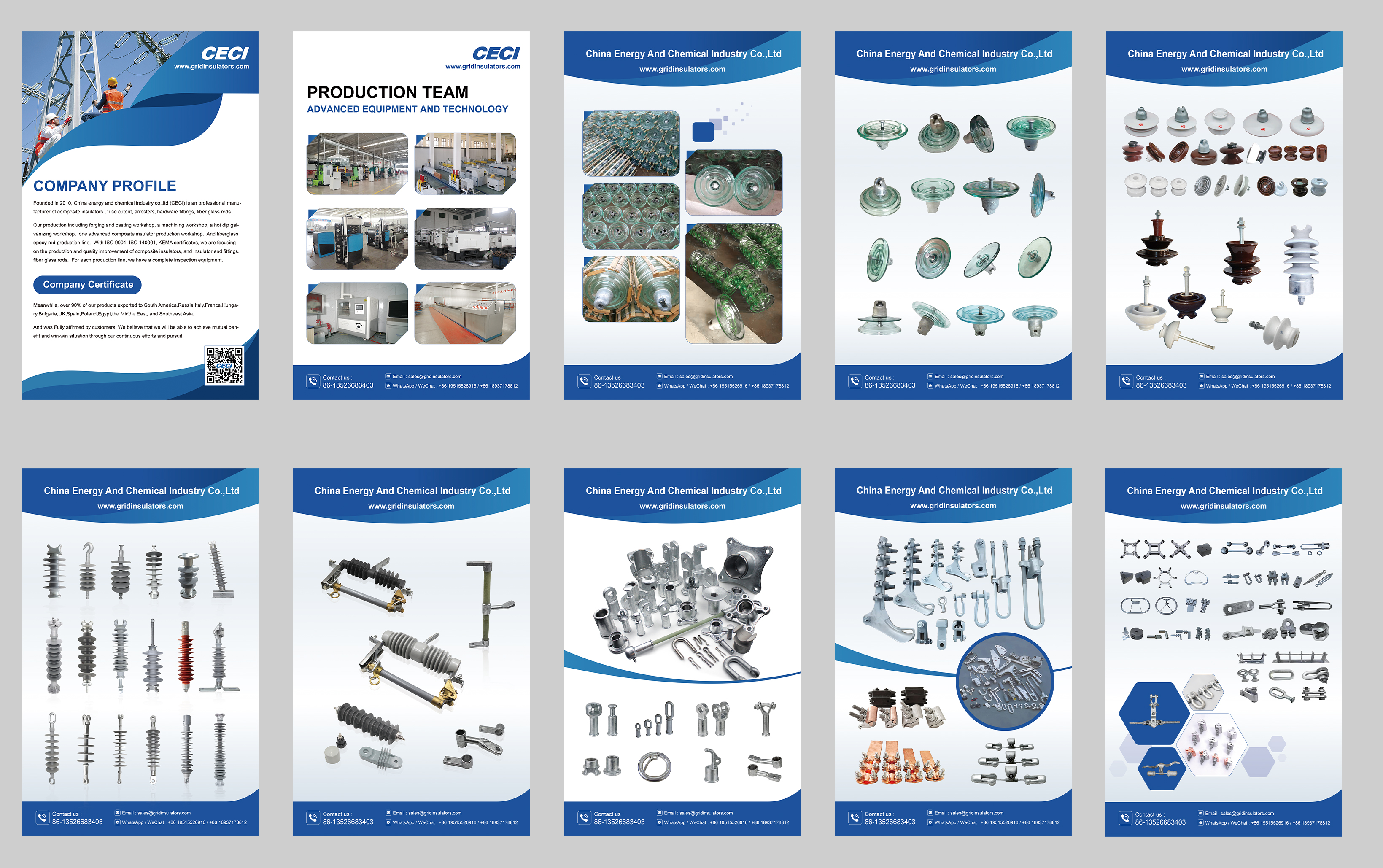
Download the 2025 CECI Insulator Catalogue
Review polymer insulator, glass insulator, and line hardware specifications in one document.
Or contact Richard at sales@gridinsulators.com / +86 15038311850