How to Select Composite Insulators for Wind, Coastal, and Harsh-Environment Projects
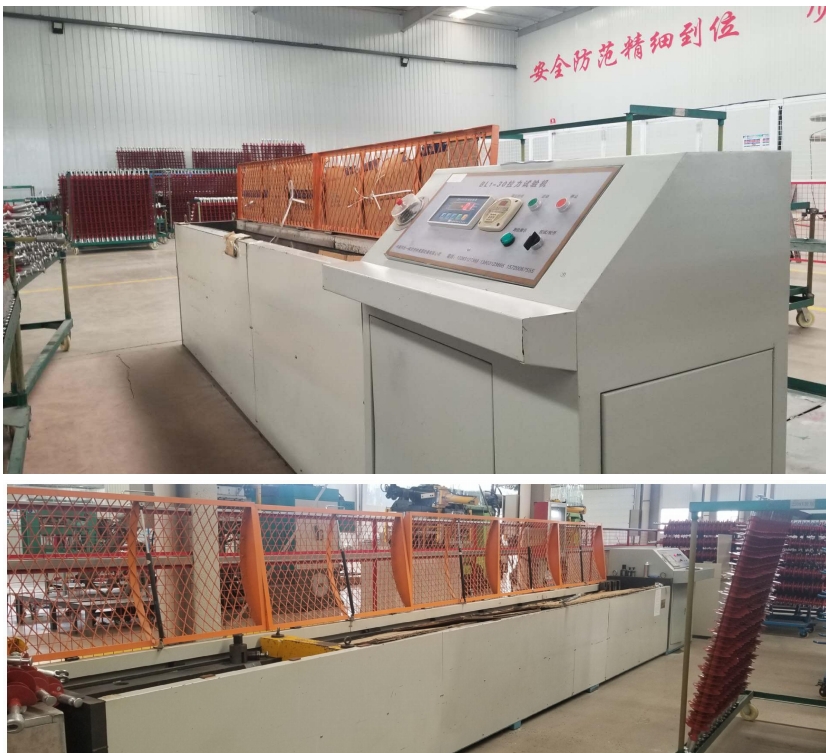
CECI's experimental equipment supports quality verification for composite insulator projects.
Composite insulators are no longer a niche product in power system design. They are specified for overhead transmission lines, substations, railway electrification, and increasingly for wind power collection and transmission systems. But specifying a composite insulator for a real project requires more than a voltage rating. It means translating environmental, mechanical, and compliance conditions into a product design that can be manufactured, tested, and delivered at scale.
For procurement teams and engineers moving from research to evaluation, the practical question is: how do you match a composite insulator to the specific conditions of your project?
This article presents a scenario-based selection approach for composite insulators, using China Energy and Chemical Industry Co., Ltd. (CECI) as a reference for how a manufacturer can support project-specific customization.
Why Project-Type Selection Is More Important Than a Generic Specification
In many projects, composite insulators are selected based only on rated voltage and basic creepage distance. That approach overlooks several factors that determine long-term reliability:
- Environmental stress: high temperature, high humidity, UV aging, dust storms, wind-and-sand abrasion, and instantaneous impulse overvoltage can all degrade insulator performance.
- Mechanical loading: bending load, cantilever load, and failing load requirements vary by structure type.
- Hardware compatibility: end fittings, FRP rod cores, and metal fittings must match the string assembly and resist electrochemical corrosion.
- Maintenance constraints: utilities increasingly look for lightweight, low-maintenance designs that reduce inspection frequency.
When these factors are ignored, the result can be premature aging, flashover, or mechanical failure. That is why project-type selection matters.
Market Context and Standards for Composite Insulators
The composite insulator market has been expanding steadily. According to Market Research Future, the global composite insulators market was valued at about USD 6.58 billion in 2024 and is projected to reach USD 9.3 billion by 2035. Mordor Intelligence reports that Asia-Pacific accounted for approximately 49.5% of the market in 2024. In the production landscape, China is estimated to hold roughly 45% of global manufacturing output share, according to a 2024 industry analysis.
Within the product mix, suspension insulators represent the largest product type, with an estimated 38% market share in 2025, according to Future Market Insights. The same source shows that the 11 kV to 200 kV voltage range makes up about 33% of the market. These figures help explain why composite insulators are now a standard choice for transmission and distribution projects worldwide.
Standards are also evolving. IEC 61109:2025 covers composite suspension and tension insulators for AC and DC systems with nominal voltages above 1000 V. For North American projects, ANSI/NEMA C29.11-2020 defines test methods and performance characteristics for composite insulators in overhead transmission lines. Buyers should verify that the manufacturer's products and tests align with the standards required by their project jurisdiction.
How CECI Aligns Manufacturing Capability with Project Scenarios
China Energy and Chemical Industry Co., Ltd. (CECI) is a China-based manufacturer of polymer insulators, porcelain insulators, glass insulators, and overhead line hardware fittings. The company is located in Zhengzhou, Henan, and exports approximately 95% of its production to markets including Russia, Vietnam, France, Spain, Italy, Türkiye, Brazil, Poland, Indonesia, and Saudi Arabia. CECI operates a 30,000 m² facility with 100 employees and an annual output of 8 million units.
For project-specific buyers, CECI offers a combination of scale and flexibility. The production line supports OEM/ODM orders, with a monthly capacity of 500 tons or 100,000 pieces. Customizable parameters include voltage, creepage distance, lightning impulse withstand voltage, bending load, color, and logo. This means an insulator can be adapted to the electrical and environmental profile of a given site rather than forced into a stock product.
Material selection also supports project adaptation. For composite insulators, CECI uses silicone rubber for the housing, fiberglass for the FRP rod core, and carbon steel or C45 steel for end fittings. An example is the FXB-24-70-785mm suspension long rod insulator, rated at 35 kV, with minimum creepage distance above 1050 mm, lightning impulse withstand voltage above 230 kV, power frequency 1-minute wet withstand voltage above 95 kV, and rated bending load of 5 kN. For hardware, CECI also produces hot-dip galvanized steel fittings such as the Ball-Head Suspension Ring QP-7, with a rated failing load of 70 kN.
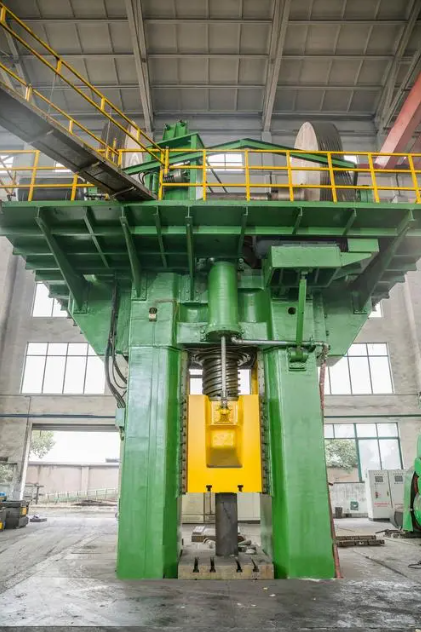
CECI forging production for insulator metal fittings.
Quality control is another important factor for project buyers. CECI states that every product undergoes 100% testing. This is supported by in-house laboratory equipment, including experimental testing facilities for mechanical and electrical verification. The company's after-sales service includes remote support.
In one documented case, CECI supplied 10,000 units over three years to utility companies, power EPC contractors, railway operators or contractors, and distributors. The insulators were used for mechanical support and insulation on transmission lines, substation insulation, railway catenary or ground equipment insulation, and fuse and overvoltage protection. The project results highlight lightweight designs, good anti-pollution flashover and aging resistance, customizable end fittings, FRP rod core supply, and OEM/ODM support.
Step-by-Step: Matching Composite Insulators to Your Project
Step 1: Define Electrical Parameters
Start with rated voltage, minimum creepage distance, lightning impulse withstand voltage, and power-frequency withstand requirements. These parameters should come from the project's insulation coordination study. CECI can customize voltage and creepage distance, so the product can match the pollution level of the site.
Step 2: Assess Environmental Conditions
Consider temperature range, humidity, UV exposure, salt spray or industrial pollution, dust accumulation, and altitude. The application scenario should also include instantaneous overvoltage and mechanical stress from wind and sand. Anti-aging and UV-resistant housings are critical for outdoor projects; for coastal or highly polluted areas, longer creepage distance and anti-pollution flashover design are often required.
Step 3: Select the Structural Type
Composite insulators come in several configurations: suspension long rod, line post, station post, pin type, and tension dead-end types. The structural type depends on the installation position and load path. For example, suspension insulators carry the conductor weight on vertical or inclined strings, while tension insulators hold the conductor at line terminations or angle points. CECI can produce different structural designs according to project requirements.
Step 4: Calculate Mechanical Loads
Define the maximum working load, including bending load, cantilever load, and failing load. In the CECI catalog, the FXB suspension long rod insulator has a rated bending load of 5 kN. For porcelain and glass comparators, the rated electromechanical failing load is 70 kN. For hardware, the QP-7 Ball-Head Suspension Ring has a rated failing load of 70 kN and a weight of 0.3 kg. These values give a reference point for string assembly design.
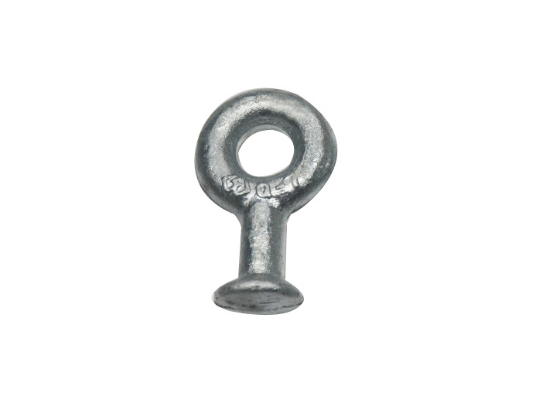
Ball-Head Suspension Ring QP-7 for insulator string assemblies.
Step 5: Specify End Fittings and Hardware
End fittings must match the tower or crossarm connection. Hot-dip galvanized steel fittings provide corrosion resistance. In CECI's product range, QP-7 is one example of a suspension ring with designated coupling size 16. Buyers should also confirm that the FRP rod core can be supplied for custom lengths or mechanical requirements.
Step 6: Validate Through Testing and Samples
Ask for test reports and, when possible, sample products. CECI's 100% test policy means that every unit is checked for key parameters. Remote support is available to help with technical evaluation.
Step 7: Plan Production and Logistics
Confirm MOQ and lead time early. CECI's standard MOQ is 500 units, with a lead time of 30-45 days. The monthly capacity of 500 tons or 100,000 pieces can support project volumes.
Use Cases: Applying Composite Insulators Across Project Types
Wind Power Transmission Projects: Lightweight composite insulators reduce the load on wind turbine towers and support lines. UV-resistant and anti-aging silicone rubber suits outdoor exposure. For wind farms, CECI's customization of voltage, creepage, and bending load helps match the collection grid.
Coastal and High-Humidity Regions: Salt spray and high humidity increase the risk of pollution flashover. A longer creepage distance and anti-pollution housing are common solutions. CECI supports creepage distance customization and supplies fittings with anti-electrochemical corrosion performance.
Substation and Converter Station Projects: Substations require insulators with high insulation performance, good bending resistance, and stable connections. Station post composite insulators can be customized for voltage and bending load. CECI's metal fittings are made to remain stable under electrochemical stress.
Railway Electrification: Railway catenary systems require lightweight insulators that can withstand vibration and mechanical support. CECI's polymer insulators have been applied in railway electrification projects, with lightweight designs and good anti-pollution flashover performance.
Grid Upgrading in Rural and Urban Networks: The combination of light weight, high mechanical strength, and low maintenance makes composite insulators suitable for overhead line upgrades where installation access is limited. CECI's delivery of 10,000 units over three years shows the supply capacity for such projects.
Scenario Comparison: What to Look for in Different Projects
| Project Scenario | Critical Requirements | CECI Support |
|---|---|---|
| Wind power | Light weight, UV resistance, mechanical strength, anti-aging | Custom voltage, creepage, bending load; silicone housing |
| Coastal / high humidity | Pollution flashover resistance, corrosion-resistant fittings, high creepage | Custom creepage distance; anti-corrosion fittings |
| Heavy contamination | Longer creepage, anti-pollution design, stable insulation | Creepage and voltage customization |
| Substation | High insulation performance, bending resistance, compact installation | Custom bending load, color/logo, OEM/ODM |
| Transmission lines | High mechanical strength, reliable end fittings, low maintenance | FRP rod core supply, customizable end fittings, 100% test |
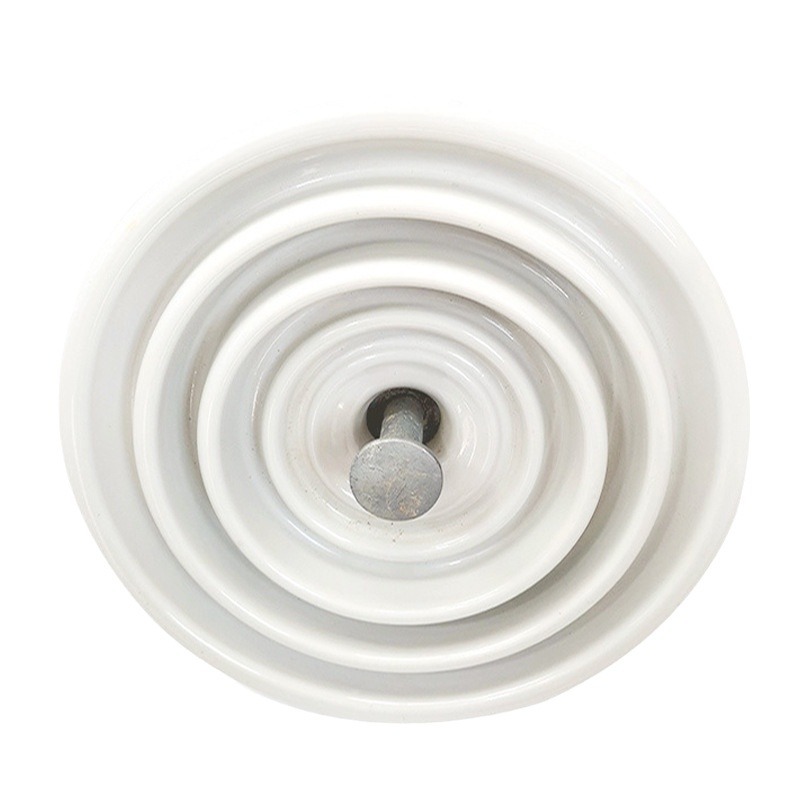
Porcelain insulator U70BP/146D is used as a reference in load and dimension comparisons.
Frequently Asked Questions
What standards should I check when sourcing composite insulators for wind power transmission projects?
For composite suspension and tension insulators, IEC 61109:2025 is the key standard for AC and DC systems above 1000 V. For North America, ANSI/NEMA C29.11-2020 defines test methods for composite insulators in overhead transmission lines. CECI's production process includes 100% testing on insulators, which helps align with project-level compliance checks.
Can CECI customize composite insulators for my project specifications?
Yes. CECI supports customization of voltage, creepage distance, lightning impulse withstand voltage, bending load, color, and logo. This allows the insulator design to be matched to the project's electrical and environmental conditions.
What is CECI's MOQ and lead time for composite insulator orders?
The standard MOQ is 500 units, and the typical lead time is 30-45 days. CECI's monthly capacity is 500 tons or 100,000 pieces, which supports both pilot and project-scale orders.
How can I request samples or discuss technical specifications?
You can contact CECI at sales@gridinsulators.com or by phone/WhatsApp at +86 15038311850. The team provides remote support and can help evaluate your application before sample production.
How do I start a project inquiry with CECI?
Share your technical specification — voltage, creepage distance, mechanical load, and project environment — with the CECI sales team. They will confirm product configuration, testing, and delivery. You can also download the 2025 CECI catalogue for a full product reference.
Conclusion
Selecting the right composite insulator is a project-specific exercise. By defining electrical parameters, environmental stress, mechanical loads, and hardware requirements, buyers can avoid common selection errors. CECI's manufacturing capabilities, OEM/ODM support, and project record provide a practical example of how a Chinese supplier can adapt composite insulators to wind, coastal, substation, and transmission projects.
If you are sourcing composite insulators for a specific project, start by sharing your technical specification. The CECI team can help translate project conditions into an actionable product plan.
For a complete view of polymer insulators, glass insulators, and hardware, download the 2025 CECI catalogue (PDF). It includes product ranges and technical reference data. To discuss your project, contact sales@gridinsulators.com or call +86 15038311850.
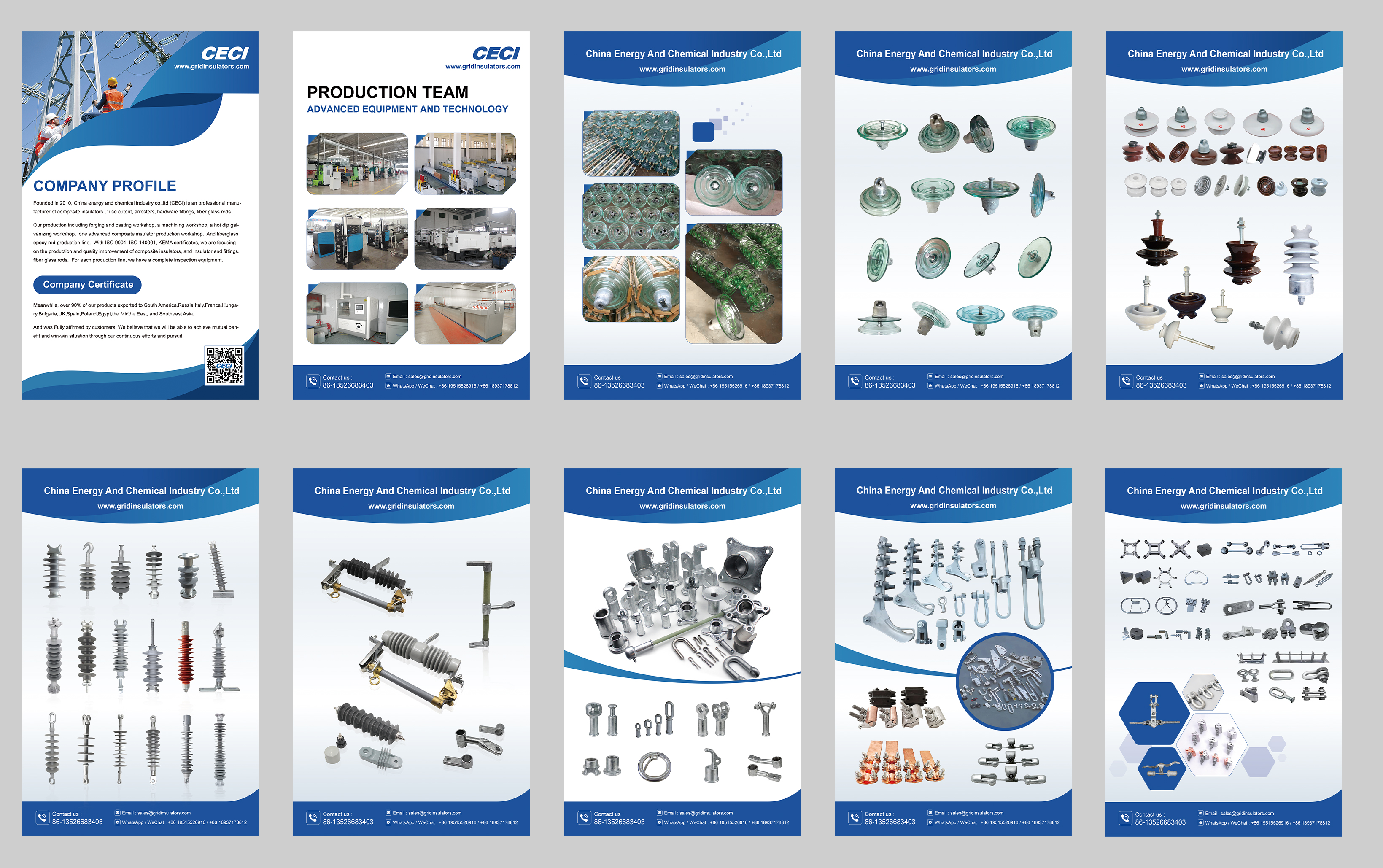
2025 CECI catalogue — polymer and glass insulator product reference.
Have Questions or Need More Details?
Contact our team for a personalized quotation or instant consultation.
Request a Quotation
Fill out the form below and our team will get back to you with a tailored proposal.
WhatsApp Direct Chat
Prefer to chat in real-time? Message us on WhatsApp for instant assistance & quick answers.
- Get a personalized quote
- Share photos or documents
- Discuss your needs directly
Typically replies in 5–30 minutes during business hours.