Insulator Types, Materials, and Sourcing: A Practical Guide
Insulator Types, Materials, and Sourcing: A Practical Guide
An electrical insulator is a component that supports and isolates conductors in power transmission and distribution systems. For buyers in the awareness-to-research phase, the main task is to understand the difference between polymer, porcelain, and glass insulators, the hardware used with them, and the compliance evidence required from an insulator supplier. This guide provides that foundation.
The Core Problem: Why Insulator Selection Matters
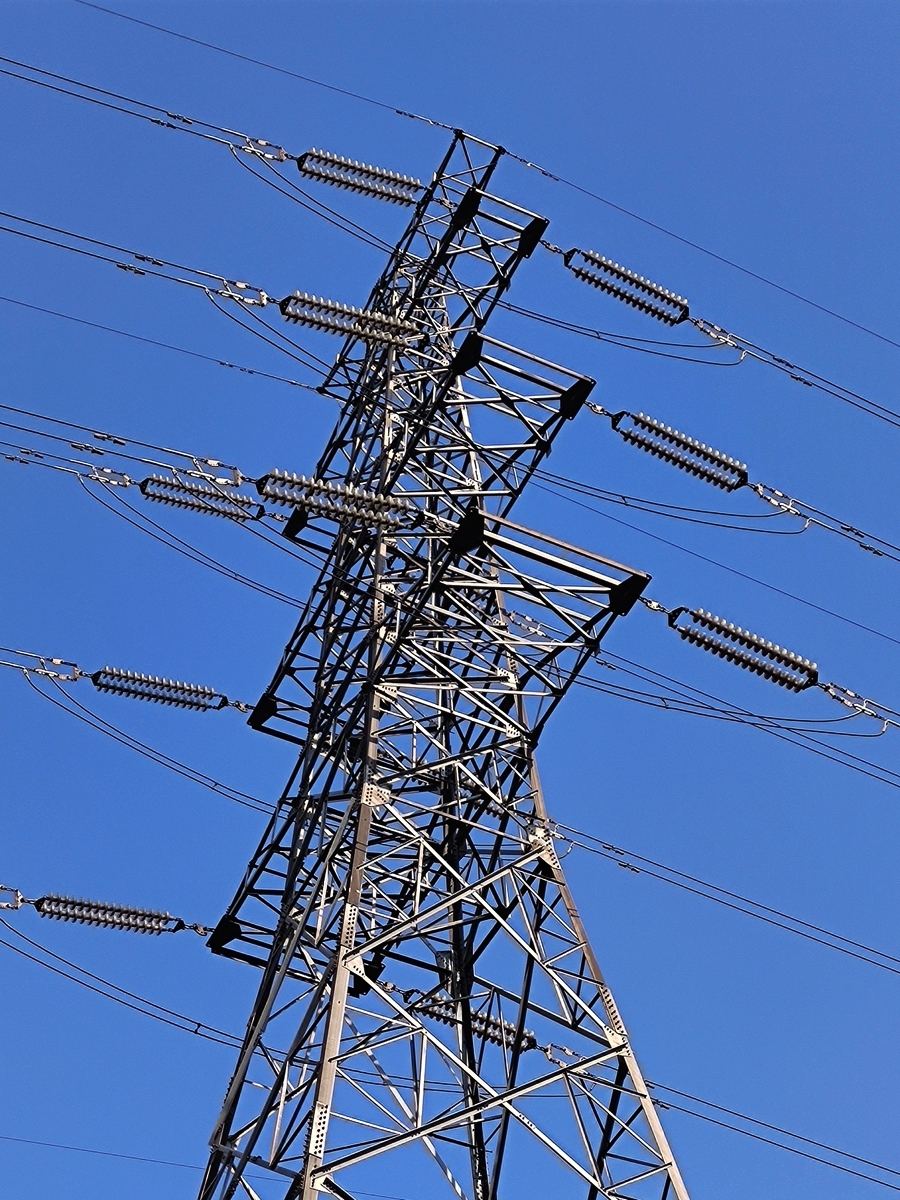
Insulator selection directly affects line availability. A wrong creepage distance can lead to flashover in polluted or humid conditions. A mechanically weak insulator can fail under wind, ice, or conductor tension. Because failures often require line shutdown, project teams need a repeatable way to compare options. The material decision is the starting point, but mechanical and electrical ratings, hardware, and supplier capability follow in the same workflow.
Industry Background: A Growing and More Complex Market
Several signals show why this category matters. Grand View Research estimates the global electrical insulator market at USD 12.5 billion in 2023 and projects USD 18.4 billion by 2030. Strategic Market Research values the composite insulator market at approximately USD 3.42 billion in 2024 and expects it to grow to USD 5.87 billion by 2030, a CAGR of 9.1%. Mordor Intelligence reports that suspension insulators held a 48.4% share of the composite insulator market segment in 2024. On the supply side, OEC data indicates China concentrated 13.1% of global exports of insulating glass and materials in 2024, ranking as the second largest global exporter in that category. The market also includes global players such as ABB Ltd, Siemens Energy, GE Grid Solutions, NGK Insulators, and Hubbell Inc., while Chinese manufacturers supply a large share of international projects.
Detailed Solution: Main Insulator Types and Supporting Hardware
For most power transmission and distribution projects, the practical choice is between polymer or composite insulators, porcelain insulators, glass insulators, and the metal hardware used to assemble them. The sections below explain each family with representative product data.
Polymer and Composite Insulators
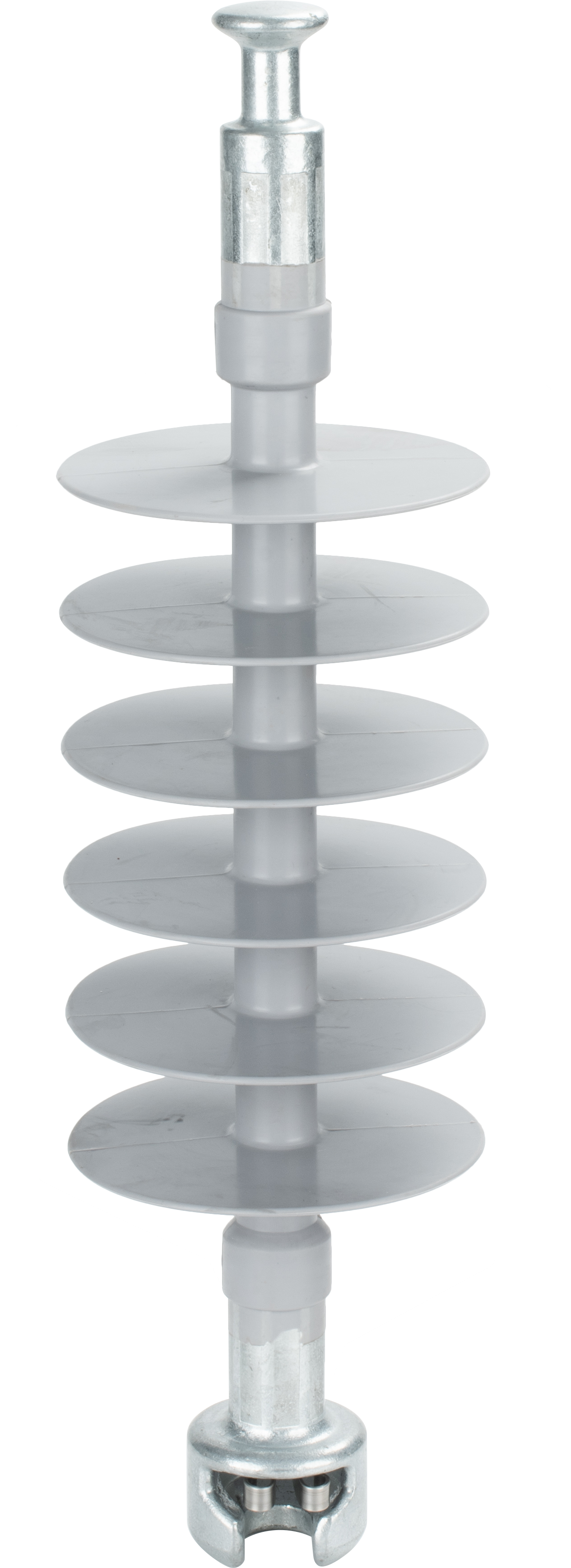
A polymer insulator, also called a composite insulator, is built from a silicone housing, a fiberglass reinforced core, and metal end fittings. The silicone housing is designed to resist tracking, UV aging, and moisture. The fiberglass core carries the mechanical load. Metal end fittings allow the insulator to be attached to towers, poles, and conductor hardware. A representative example is the CECI polymer insulator FXB-24-70-785mm, a suspension long rod rated at 35 kV. Its rated bending load is 5 kN, minimum creepage distance is greater than 1050 mm, lightning impulse withstand voltage is greater than 230 kV, and power frequency wet withstand voltage is greater than 95 kV. The housing material is silicone, the core rod is fiberglass, and the fittings are carbon steel or C45. Polymer insulators are common in transmission and distribution projects, including 33 kV polymer insulator specifications and higher-voltage long-rod designs.
Porcelain Insulators
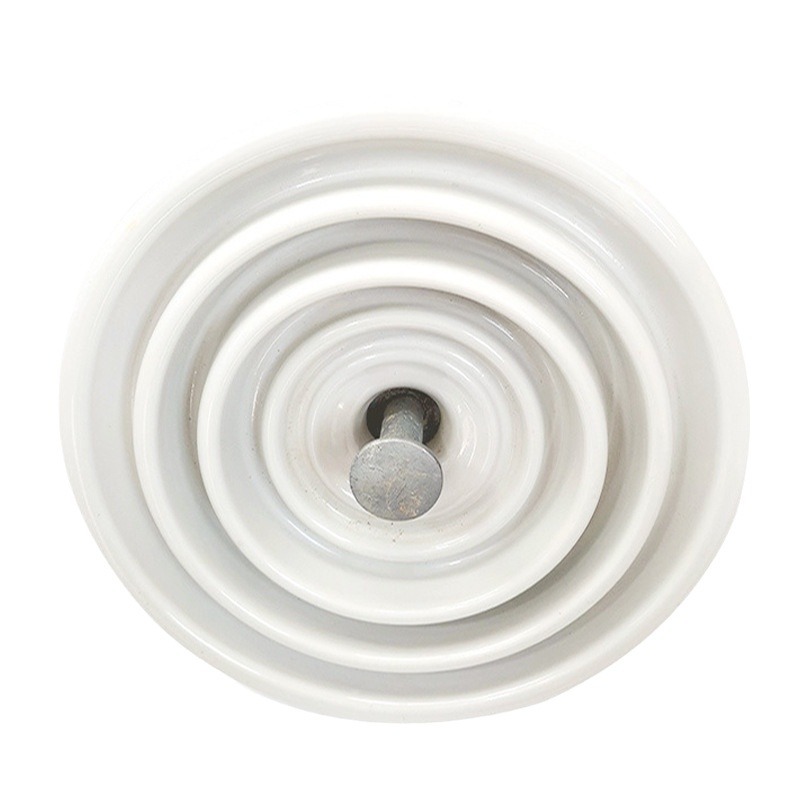
Porcelain is a ceramic material used in insulators for more than a century. The CECI porcelain insulator U70BP/146D is an example of a porcelain insulator for the electricity industry. It has a rated electromechanical failing load of 70 kN, nominal structural height of 146 mm, nominal disc diameter of 255 mm, minimum arcing distance of 450 mm, and connection structure code 16. Porcelain insulators are often chosen where mechanical stiffness and proven long-term performance are required.
Glass Insulators
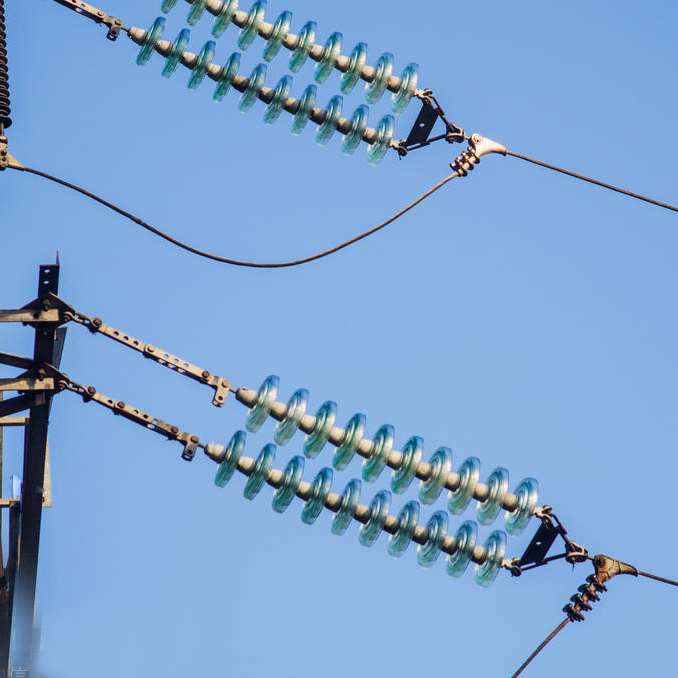
Toughened glass insulators are used on overhead power lines. The CECI glass insulator 70B is a post line insulator made of glass. It has a creepage distance of 255 mm, a power frequency dry withstand voltage of 65 kV, a power frequency wet withstand voltage of 45 kV, a power frequency puncture voltage of 135 kV, and a cantilever load of 10 kN. Glass insulators are often applied in distribution and subtransmission lines where visual inspection of the dielectric body is useful.
Metal Fittings and Accessories
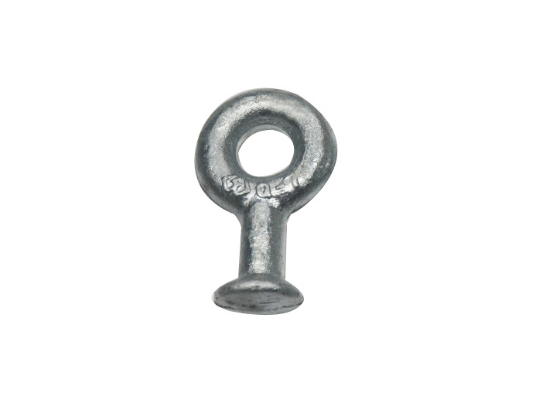
Metal end fittings and connecting hardware are part of every insulator assembly. The CECI Ball-Head Suspension Ring QP-7 is a power equipment accessory made of hot-dip galvanized steel. It has a coupling size of 16, a rated failing load of 70 kN, and a net weight of 0.3 kg. Project specifications may also include deadend fittings, pin polymer insulator hardware, line post insulators, forged and casting metal fittings, aluminium fittings, and other hardware and accessories for insulators. Hot-dip galvanized steel is frequently used because it provides corrosion resistance in outdoor environments.
Related Power Equipment
Because insulator selection does not happen in isolation, buyers often look for a source factory that can also supply connected products. CECI product scope includes surge arresters, high voltage fuse cutout, end fittings, ERP rods, composite insulators, polymer insulators, porcelain insulators, glass insulators, metal fittings for insulators, and overhead line hardware fittings and accessories.
Standards and Compliance
International standards provide the compliance baseline. IEC 61109:2025 governs composite insulators for AC overhead lines with nominal voltage above 1000 V. IEC 60383-1 applies to ceramic or glass insulators for overhead lines with rated voltage above 1000 V. Buyers should request test reports under the applicable standard for the proposed models. Terms such as KEMA-certified insulators are sometimes used in specifications; the practical requirement is traceable third-party type-test evidence, and the supplier should identify the exact certification or test program.
Step-by-Step Breakdown: From Requirements to Supplier Selection
- Define operating conditions. Start with system voltage, mechanical loads, pollution class, humidity, temperature, UV exposure, and whether the line is exposed to dust storms or industrial contamination.
- Select the material family. Composite and polymer insulators are suitable for many transmission, distribution, and railway applications due to lighter weight. Porcelain and glass insulators are established options for overhead lines.
- Check electrical and mechanical ratings. Compare creepage distance, dry and wet withstand voltage, lightning impulse withstand voltage, failing load, and coupling dimensions.
- Define hardware and accessories. Consider ball-head suspension rings, socket clevises, deadend fittings, line post hardware, and forged or casting metal fittings.
- Confirm standards and test evidence. Use IEC 61109 and IEC 60383-1 as the starting point for compliance discussions.
- Evaluate the source factory. Look at manufacturing scale, R&D resources, OEM and ODM ability, export experience, and how the supplier handles custom requirements.
China Energy and Chemical Industry Co., Ltd., established in 2017, operates a 30,000 square meter manufacturing facility with an annual production capacity of 8,000,000 units. The company employs approximately 100 staff, including an R&D team of 8 engineers. OEM and ODM services are available. Export business accounts for 95% of total sales, and products have been exported to more than 40 countries, with major markets including Russia, Vietnam, France, Spain, Italy, Türkiye, Brazil, Poland, Indonesia, and Saudi Arabia.
Use Cases: Where Different Insulator Types Apply
Insulators are specified by project type, not only by voltage. In rural and urban power grid upgrading projects, polymer line post insulators and deadend or pin polymer insulators are often used on compact distribution lines. In high-voltage transmission line projects, suspension and tension polymer insulators, porcelain cap-and-pin insulators, and long-rod FRP silicone insulators support conductors under high mechanical loads. In substations and converter stations, insulators are mounted horizontally or vertically depending on busbar configuration. High-voltage 66 kV horizontal line post configurations can be used in compact layouts. In wind power projects, insulators connect collector lines and substation equipment. In rail transit electrification, insulators for electrified railways support overhead contact systems and power supply equipment.
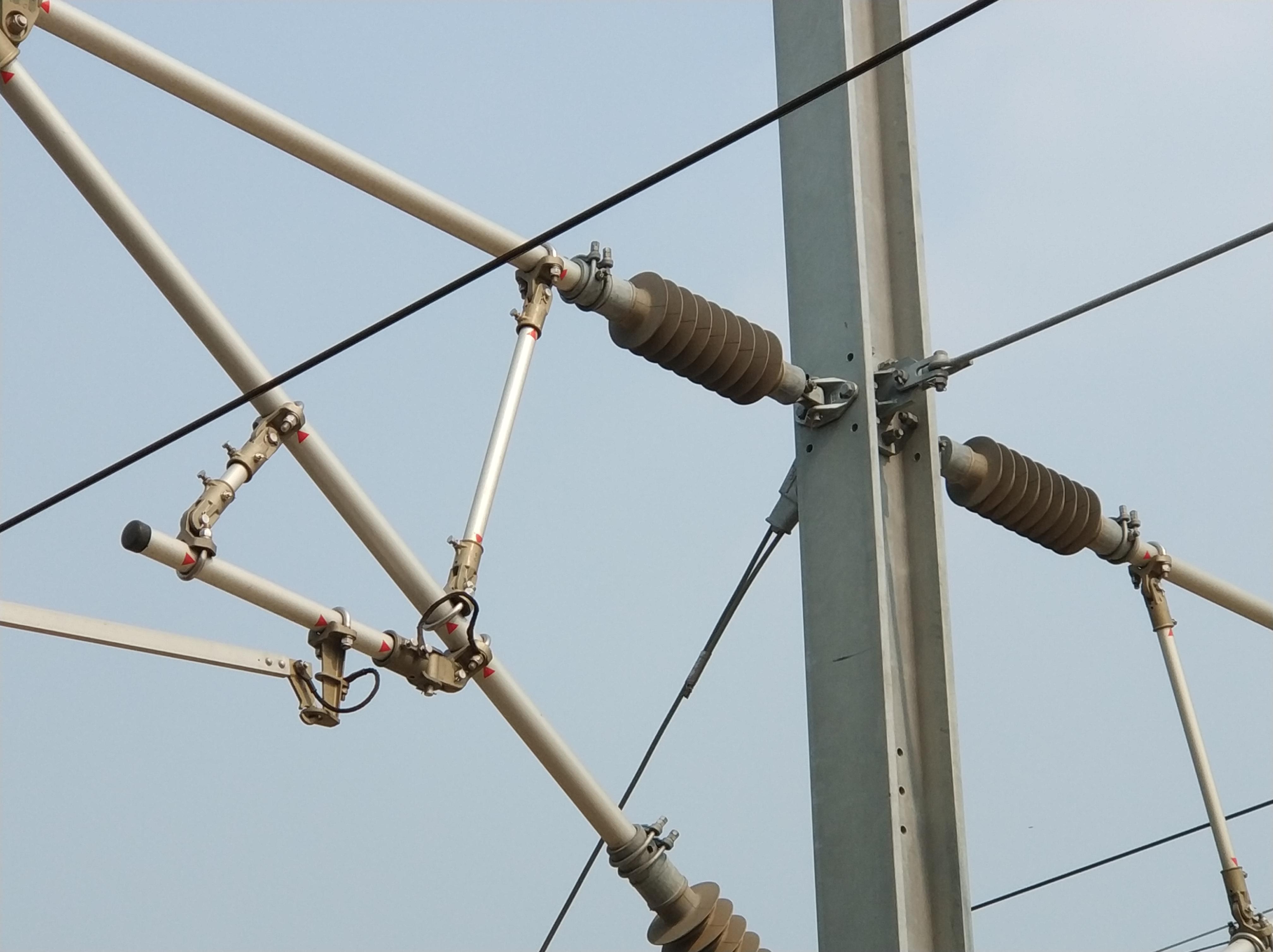
One CECI application scenario covers public electrical equipment in Spain, France, Italy, and Turkey. It includes rural and urban power grid upgrading, rail transit electrification, high-voltage transmission lines, substations or converter stations, and wind power projects. The operating mode is 24/7, with conditions such as high temperature, high humidity, outdoor harsh climate, UV aging, dust storms causing rapid dust accumulation, and instantaneous impulse overvoltage. Special requirements include anti-aging and UV-resistant performance, high mechanical strength, high insulation performance, light weight, good bending resistance, water penetration resistance or waterproofing, stable metal fittings with anti-electrochemical corrosion, and non-toxic, environmentally friendly materials.
Comparison Table: Representative Insulator Models
Representative models below show how the three material families differ. They are examples, not a full product range.
| Type | Material and Construction | Representative Model | Key Ratings | Typical Application |
|---|---|---|---|---|
| Polymer or composite insulator | Silicone housing, fiberglass core, metal end fittings | FXB-24-70-785mm suspension long rod | Rated voltage 35 kV; lightning impulse withstand voltage greater than 230 kV; wet withstand voltage greater than 95 kV; creepage distance greater than 1050 mm; rated bending load 5 kN | Transmission and distribution lines, railway electrification, substations, wind power collector lines |
| Porcelain insulator | Porcelain dielectric body with metal cap and pin or post hardware | U70BP/146D | Rated electromechanical failing load 70 kN; nominal structural height 146 mm; nominal disc diameter 255 mm; minimum arcing distance 450 mm | Overhead suspension, line post, and station post applications |
| Glass insulator | Toughened glass body | 70B post line insulator | Power frequency dry withstand voltage 65 kV; wet withstand voltage 45 kV; puncture voltage 135 kV; creepage distance 255 mm; cantilever load 10 kN | Overhead distribution and subtransmission lines |
| Hardware and accessories | Hot-dip galvanized steel | Ball-Head Suspension Ring QP-7 | Coupling size 16; rated failing load 70 kN; net weight 0.3 kg | Connecting suspension insulators to towers or conductor hardware |
Frequently Asked Questions
What compliance documents should an insulator supplier provide?
Buyers should request evidence of compliance with IEC 61109 for composite insulators and IEC 60383-1 for ceramic or glass insulators used on overhead lines above 1000 V. If a specification mentions KEMA certification, the supplier should provide the relevant type-test report or certificate and explain which standard was used.
Which insulator types should a supplier be able to offer?
A full-range supplier should be able to cover polymer and composite insulators, porcelain insulators, glass insulators, metal fittings for insulators, and overhead line hardware. CECI product scope includes surge arresters, fuse cutout, end fittings, ERP rods, composite insulators, polymer insulators, porcelain insulators, glass insulators, and metal fittings. OEM and ODM services are also available.
How should buyers compare insulator costs?
Compare total project cost rather than unit price alone. This includes material, mechanical class, fittings, packaging, transport, installation, maintenance, and compliance. For budget planning, request a catalog or quotation with the target model and service conditions.
Can I request samples before ordering?
Many buyers request samples for design validation or type testing. CECI exports to more than 40 countries and can discuss sample requirements through the inquiry process. Contact sales@gridinsulators.com with the product model and application details to confirm sample availability.
What is the production capacity and lead time?
CECI manufacturing facility covers 30,000 square meters and has an annual production capacity of 8,000,000 units. Lead time depends on order quantity, model, material, custom specifications, and current production schedule. Contact the supplier for a current lead-time estimate.
Conclusion
Understanding insulator types, material behavior, hardware requirements, and compliance standards is the first step toward a reliable supply decision. Polymer or composite insulators, porcelain insulators, glass insulators, and metal fittings each play a specific role in power transmission and distribution projects. Buyers who define operating conditions, verify product ratings, and evaluate the source factory are better positioned to avoid compatibility problems and project delays.
Next step: request product data or discuss your project.
China Energy and Chemical Industry Co., Ltd. (CECI) supplies polymer, porcelain, and glass insulators, metal fittings, and overhead line hardware. For a catalog, sample request, or quotation, contact sales@gridinsulators.com or +86 15038311850.
Download the 2025 CECI catalogue of polymer insulators and glass insulators for product reference.