KEMA-Certified Insulator Manufacturers: A Compliance Guide
KEMA-Certified Insulator Manufacturers: A Compliance Guide
When sourcing high-voltage insulators for power transmission and distribution projects, one of the most common procurement requirements is KEMA certification. KEMA is a globally recognized laboratory that verifies insulator performance against international standards, particularly IEC 61109 and IEC 60383-1. This guide explains what KEMA certification means, how to evaluate insulator manufacturers, and introduces China Energy and Chemical Industry Co.,Ltd (CECI) – a source factory that meets equivalent compliance benchmarks.
Problem Definition: Why KEMA Certification Matters
Utilities and EPC contractors in Europe, the Middle East, and the Americas often mandate KEMA-tested insulators to reduce project risk. KEMA certification confirms that a composite or glass insulator can withstand lightning impulse overvoltage, power-frequency wet flashover, and long-term aging in harsh outdoor climates. Without this evidence, procurement managers may face delays, rework, or non-compliance penalties. The challenge is finding a manufacturer that provides verifiable, recognized test reports – not just self-declarations.
Industry Background: The Global Insulator Market
The global electrical insulator market was valued at USD 12.5 billion in 2023, and is projected to reach USD 18.4 billion by 2030 (Grand View Research). Within this, the composite insulator segment alone was worth approximately USD 3.42 billion in 2024 and is expected to grow to USD 5.87 billion by 2030 (Strategic Market Research). Suspension insulators account for 48.4% of the composite sector (Mordor Intelligence). China is the second largest exporter of insulating materials globally, holding 13.1% of exports in 2024 (OEC). This makes Chinese manufacturers a key part of the global supply chain, but buyers must verify that each supplier’s testing and quality processes match international norms.
Detailed Solution: CECI – A Source Factory with Recognized Testing
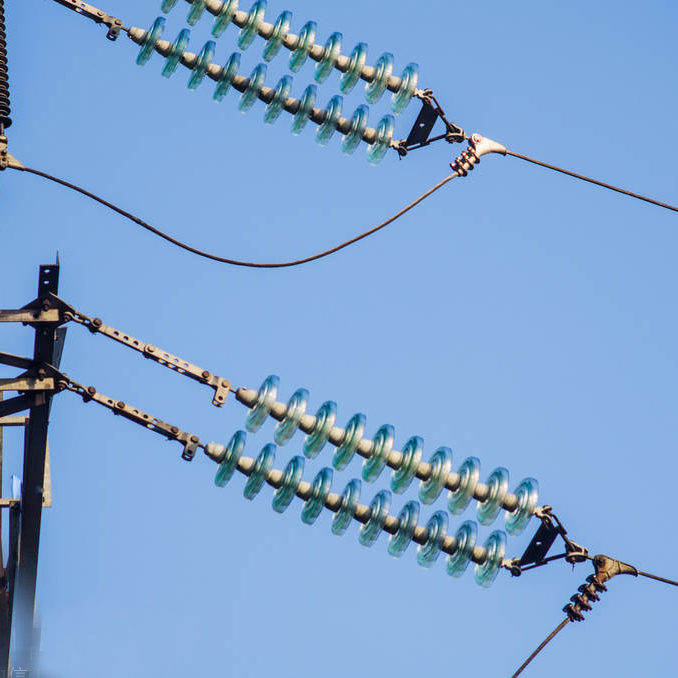
China Energy and Chemical Industry Co.,Ltd (CECI) is a manufacturer of polymer, porcelain, and glass insulators, as well as metal and forged fittings for overhead line hardware. Founded in 2017, the company operates a 30,000 m² factory with an annual output of 8,000,000 units. CECI exports to over 40 countries including Russia, Vietnam, France, Spain, Italy, Turkey, Brazil, Poland, Indonesia, and Saudi Arabia. Its product catalog includes composite suspension insulators, line post insulators, railway insulators, dead-end fittings, and hardware accessories.
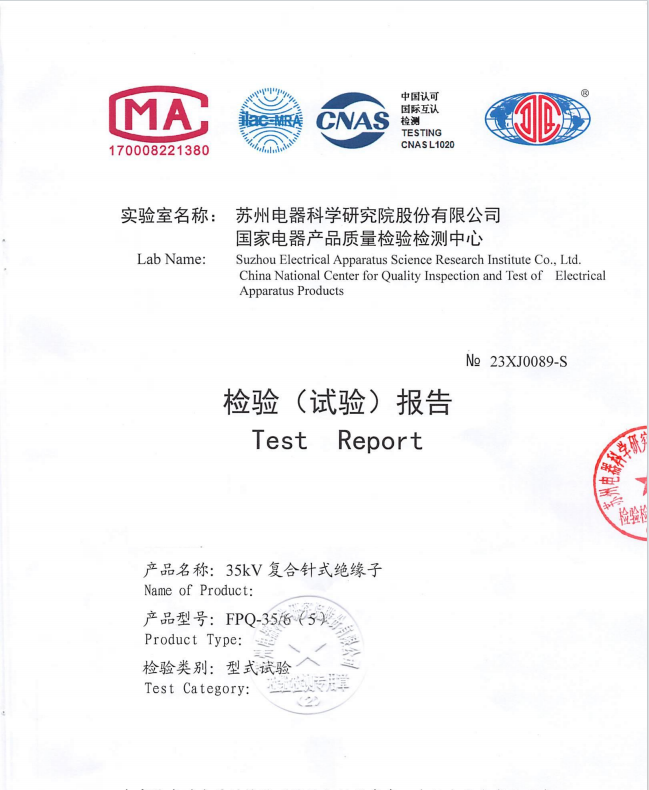
For compliance, CECI’s 35kV composite pin insulator model FPQ-35/6(5) is covered by a Type Test Report (certificate 23XJ0089-S) issued by Suzhou Electrical Apparatus Science Research Institute Co., Ltd., a third-party laboratory accredited by the China National Center for Quality Inspection. The report confirms compliance with IEC 60815, IEC 61109, IEC 62217, and IEC 61466 – the same standards that KEMA uses. While CECI does not hold a direct KEMA certificate, its IEC test reports are recognized in Europe, the Middle East, Southeast Asia, and the Americas. Additionally, CECI’s power equipment parts and accessories are certified under ISO 9001:2015 (certificates 75425Q0493R053 and 75424Q0348R0S).
Step‑by‑Step: How to Evaluate an Insulator Manufacturer for KEMA‑Equivalent Projects
- Check certification and test reports. Look for independent test reports covering IEC 61109, IEC 60383, or IEC 62217. CECI provides a Type Test Report for its 35kV composite pin insulator, issued by a state‑accredited institute.
- Review product range and application fit. Ensure the manufacturer offers the specific insulator type – suspension, line post, railway, or dead‑end. CECI supplies polymer, porcelain, glass insulators and matching hardware (e.g., Ball‑Head Suspension Ring QP‑7).
- Assess manufacturing capability and quality control. CECI operates a 30,000 m² factory with 8 R&D engineers, 100 employees, and a monthly capacity of 500 tons. Every unit undergoes 100% testing before shipping.
- Evaluate customization and OEM/ODM support. CECI offers custom voltage, creepage distance, lightning impulse withstand voltage, bending load, color, and logo. Minimum order quantity is 500 units.
- Request a sample and lead time. Typical production lead time is 30–45 days. After verification, a sample can be shipped for your own KEMA‑accredited testing if required.
Use Case: CECI Insulators in Public Electrical Equipment Projects
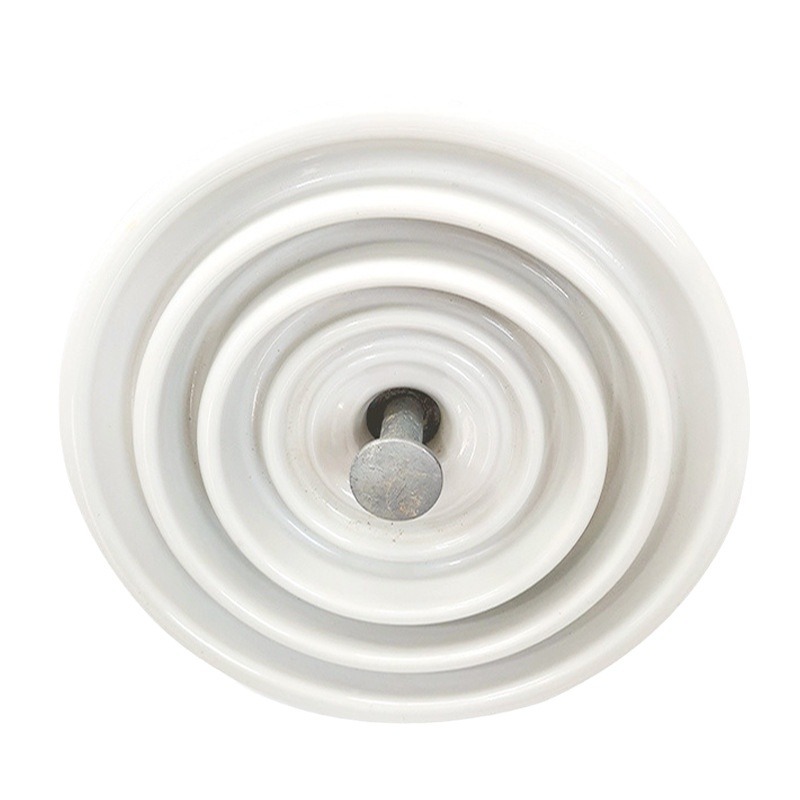
For a three‑year project supplying utility companies and railway operators across Italy, Turkey, and Vietnam, CECI delivered over 10,000 units of polymer and glass insulators. These insulators operate continuously under high temperature, high humidity, UV aging, and dust storm conditions. The customer reported that the lightweight design of CECI’s polymer insulators reduced structural load, while the glass insulators’ high puncture voltage (135 kV) improved grid stability. Custom end fittings and FRP rod cores were supplied under OEM terms. This case confirms that CECI’s products meet the harsh‑environment requirements typical of European and Middle Eastern power grids.
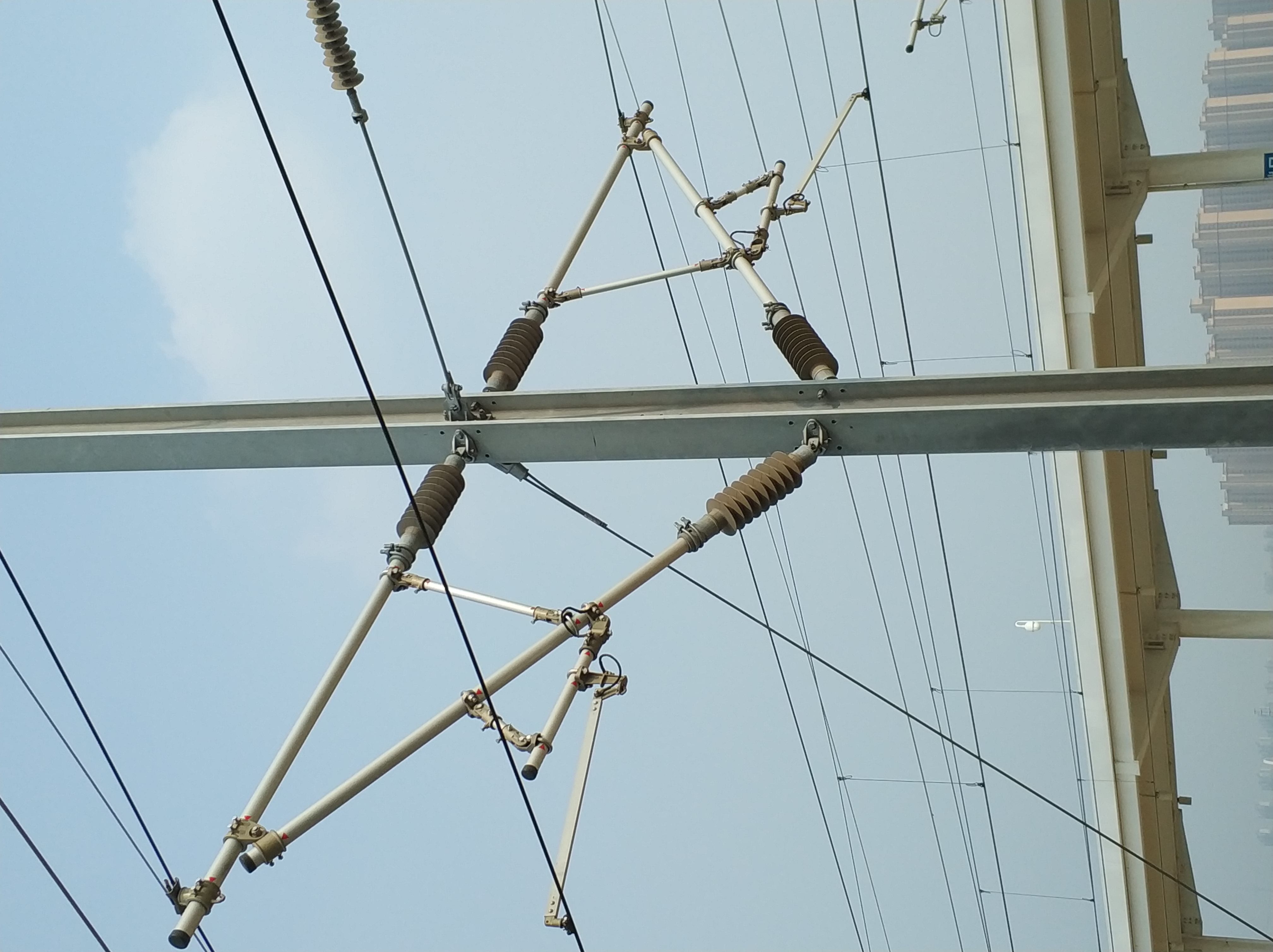
Comparison: Polymer vs. Porcelain vs. Glass Insulators (Based on CECI Product Data)
| Parameter | Polymer Suspension (FXB‑24‑70‑785mm) | Porcelain Disc (U70BP/146D) | Glass Post Line (70B) |
|---|---|---|---|
| Rated Voltage | 35 kV | – | – |
| Lightning Impulse Withstand | >230 kV | – | – |
| Power Frequency Wet Withstand | >95 kV | – | 45 kV |
| Minimum Creepage Distance | >1050 mm | – | 255 mm |
| Rated Electromechanical Failing Load | – | 70 kN | – |
| Cantilever Load | – | – | 10 kN |
| Power Frequency Puncture Voltage | – | – | 135 kV |
| Structural Height | 785 mm | 146 mm | – |
| Connection Code | – | 16 | – |
| Material | Silicone / FRP / C45 steel | Porcelain | Glass |
| Weight (Ball‑Head Ring QP‑7) | 0.3 kg | – | – |
Note: “–” indicates data not provided in the source corpus for that model.
Frequently Asked Questions
Are CECI insulators KEMA‑certified?
China Energy and Chemical Industry Co.,Ltd does not currently hold a direct KEMA certificate. However, its 35kV composite pin insulator model FPQ‑35/6(5) has been tested by Suzhou Electrical Apparatus Science Research Institute Co., Ltd., an independent laboratory, in compliance with the IEC standards (IEC 61109, IEC 60815, IEC 62217, IEC 61466) that KEMA also applies. This test report is accepted by project owners across Europe, the Middle East, and the Americas. For customers who specifically require KEMA‑stamped documentation, CECI can coordinate sample submission to an accredited lab. To receive a compliance statement or request a sample for testing, contact us or download the product catalog below.
Conclusion
KEMA certification remains a gold standard, but equivalent IEC compliance accredited by recognized bodies such as Suzhou Electrical Apparatus Science Research Institute can satisfy the same technical requirements. For procurement managers evaluating insulator manufacturers, a thorough review of test reports, manufacturing capabilities, and case-history evidence is essential. China Energy and Chemical Industry Co.,Ltd offers a proven track record of supplying polymer, porcelain, and glass insulators to over 40 countries, with verifiable IEC test reports and ISO 9001‑certified quality management. Explore our catalog or request a quote to begin your compliance evaluation.