KEMA-Certified Insulator Manufacturers: Compliance and Global Standards Guide
KEMA-Certified Insulator Manufacturers: Compliance and Global Standards Guide
When sourcing insulators for high-voltage transmission and distribution projects, buyers increasingly demand KEMA certification as a benchmark of quality and reliability. However, KEMA certification is just one path to compliance. For engineers and procurement professionals in the Research to Evaluation stage, understanding equivalent certifications and test reports is essential to making an informed, cost-effective decision.
Problem Definition: Why KEMA Certification Matters
KEMA (now part of DNV GL) is a globally recognized testing and certification body, particularly for electrical equipment. Its mark signals that an insulator has passed rigorous type tests under international standards. Many European and Middle Eastern utility contracts explicitly require KEMA-certified products. However, obtaining KEMA certification is a lengthy and expensive process, and not all qualified manufacturers hold it. Buyers must therefore evaluate alternative evidence of compliance, such as type test reports from accredited laboratories that follow equivalent IEC standards.
Industry Background: The Insulator Market Landscape
The global electrical insulator market was valued at approximately USD 12.5 billion in 2023 and is projected to reach USD 18.4 billion by 2030 (Grand View Research). Within this, composite insulators—valued at USD 3.42 billion in 2024—are growing at a CAGR of 9.1% (Strategic Market Research). China, as the second-largest global exporter of insulating materials, accounts for 13.1% of exports (OEC, 2024). Major global players include ABB, Siemens Energy, NGK Insulators, and Hubbell, but specialized Chinese manufacturers like China Energy and Chemical Industry Co.,Ltd (CECI) offer competitive alternatives with proven compliance.
Detailed Solution: Understanding Equivalent Compliance
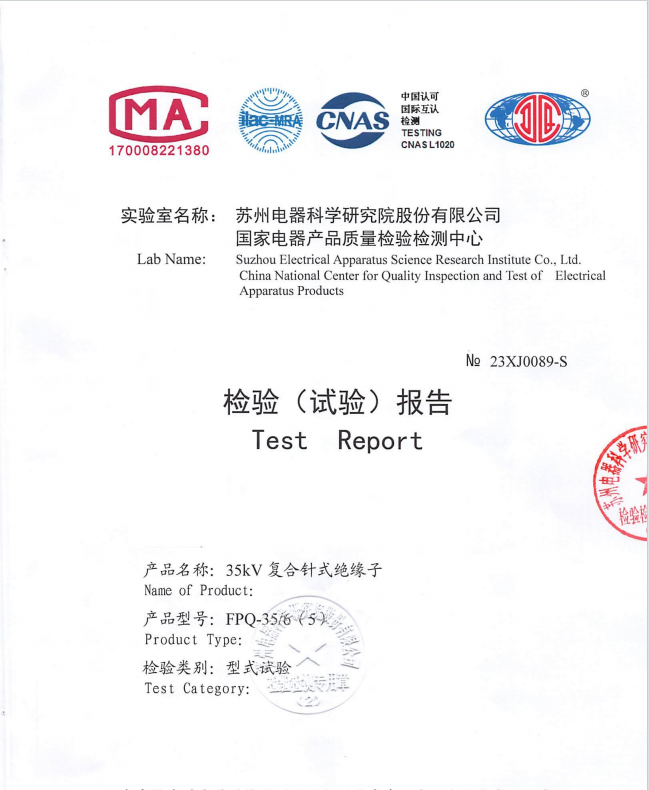
China Energy and Chemical Industry Co.,Ltd (CECI) exports insulators to over 40 countries and produces high-voltage insulators up to 1000 kV. While CECI does not hold KEMA certification as of 2025, its products are covered by type test reports issued by the Suzhou Electrical Apparatus Science Research Institute Co., Ltd.—a national-level testing body designated by the China National Center for Quality Inspection and Test of Electrical Apparatus Products. For example, the 35kV composite pin insulator model FPQ-35/6(5) is covered by test report number 23XJ0089-S, which confirms compliance with IEC 60815, IEC 61109, IEC 62217, and IEC 61466. These IEC standards are the same ones KEMA uses for composite insulator testing per IEC 61109:2025.
Additionally, CECI's power equipment parts and accessories (e.g., Ball-Head Suspension Ring QP-7) hold ISO 9001 certifications (certificates 75424Q0348R0S and 75425Q0493R053) issued by Zhongjing Certification (Shanghai) Co., Ltd., covering production facilities and quality management systems compliant with GB/T 19001-2016 (idt ISO 9001:2015). These certifications apply to markets in Europe, the Americas, the Middle East, and Central Asia.
Step-by-Step: How to Verify Insulator Compliance Without KEMA
- Request the type test report. Ask your supplier for a full type test report from an accredited laboratory. Check the report number, issuing body, and test items against the required standard (e.g., IEC 61109).
- Verify scope and validity. Ensure the report covers the exact model and voltage class you need. CECI's report 23XJ0089-S covers the 35kV class.
- Cross-check market acceptance. Many utilities in Europe, the Middle East, and Southeast Asia accept IEC test reports from CNAS-accredited labs. Suzhou Electrical Apparatus Science Research Institute is a recognized national center.
- Audit the factory quality system. Confirm ISO 9001 certification for the specific product line. CECI holds separate ISO 9001 certificates for power fittings manufacturing and high-voltage line fittings.
- Request samples for in-house validation. Perform your own mechanical and electrical tests if required by your internal specification.
Use Cases: Where CECI Insulators Meet Global Project Needs
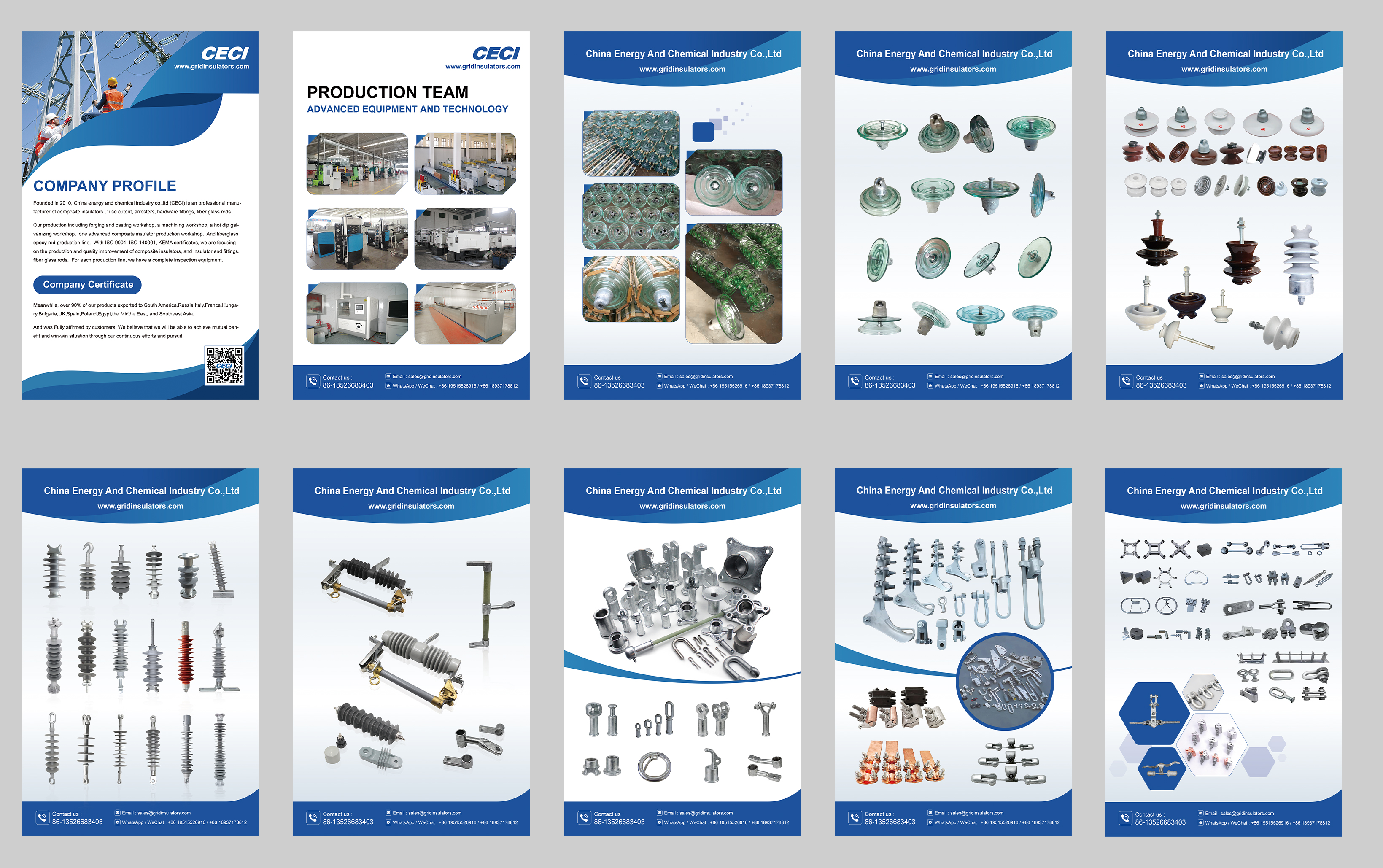
CECI's polymer insulator model FXB-24-70-785mm (rated 35 kV) is designed for public electrical equipment applications including rural and urban grid upgrading, rail transit electrification, high-voltage transmission lines, substations, and wind power projects. It operates continuously in harsh conditions: high temperature, high humidity, UV aging, dust storms, and impulse overvoltage. This product family has been deployed by utility companies and EPC contractors in countries such as Brazil, Italy, Turkey, Vietnam, and France over a period of three years, with over 10,000 units supplied. The lightweight polymer design improves anti-pollution flashover and aging resistance, while customizable end fittings and FRP rod cores support OEM/ODM requirements.
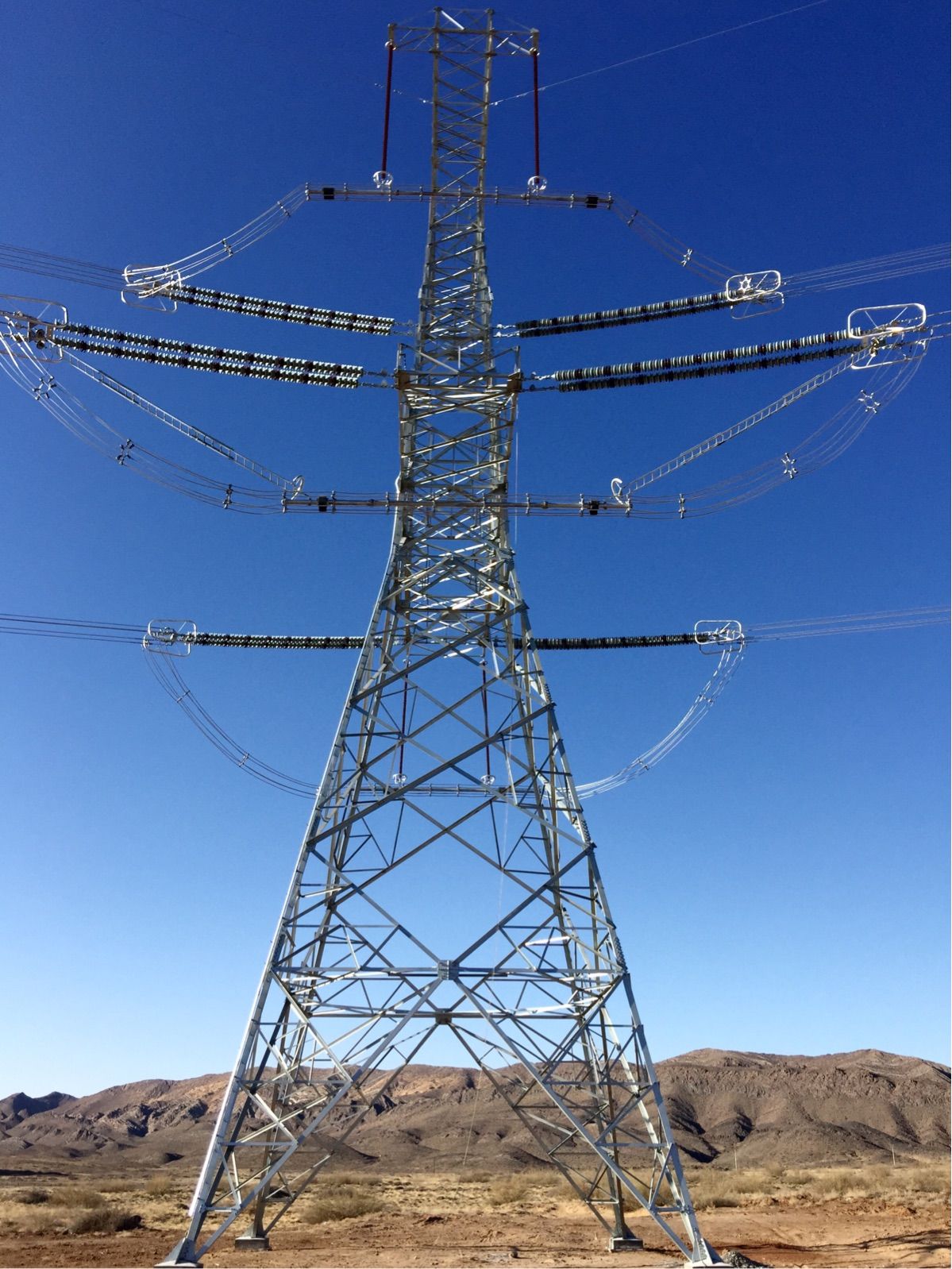
For outdoor harsh climate environments with dust accumulation and wind abrasion—common in EU markets—CECI offers a glass insulator model 70B (post line type) with creepage distance of 255 mm and a cantilever load rating of 10 kN. Its high power frequency puncture voltage (135 kV) ensures reliable performance under polluted conditions.
Comparison Table: Certification Pathways for Insulator Procurement
| Certification / Report | Issuing Body | Standards | Market Acceptance | Cost & Timeline |
|---|---|---|---|---|
| KEMA (DNV GL) | KEMA Laboratories | IEC 61109, IEC 60815 | Widely mandated in EU, Middle East, Americas | High cost; 6-12 months |
| Type Test Report (23XJ0089-S) | Suzhou Electrical Apparatus Science Research Institute | IEC 61109, IEC 60815, IEC 62217, IEC 61466 | Accepted in Europe, Middle East, Southeast Asia, Americas | Lower cost; 2-4 months |
| ISO 9001 (75425Q0493R053) | Zhongjing Certification (Shanghai) Co., Ltd. | GB/T 19001-2016 (ISO 9001:2015) | Global (supply chain requirement) | Moderate; 3-6 months |
Frequently Asked Questions
Do you supply KEMA-certified insulators?
As of 2025, China Energy and Chemical Industry Co.,Ltd does not hold KEMA certification. However, our 35kV composite pin insulator model FPQ-35/6(5) and other polymer, glass, and porcelain insulators are covered by a comprehensive Type Test Report (No. 23XJ0089-S) issued by Suzhou Electrical Apparatus Science Research Institute Co., Ltd., in compliance with IEC 61109, IEC 60815, IEC 62217, and IEC 61466. These same IEC standards form the technical basis for KEMA certification. The report is accepted by utilities and contractors in Europe, the Middle East, Southeast Asia, and the Americas. We welcome customers to request a copy of the report or to conduct their own factory audit.
What other certifications do CECI products hold?
Our power equipment parts and accessories (including metal fittings such as Ball-Head Suspension Ring QP-7) hold ISO 9001:2015 management system certificates from Zhongjing Certification (Shanghai) Co., Ltd. (certificates 75424Q0348R0S and 75425Q0493R053). These cover the production of high-voltage line fittings in our 30,000 m² factory.
Can you provide custom solutions for specific voltage levels?
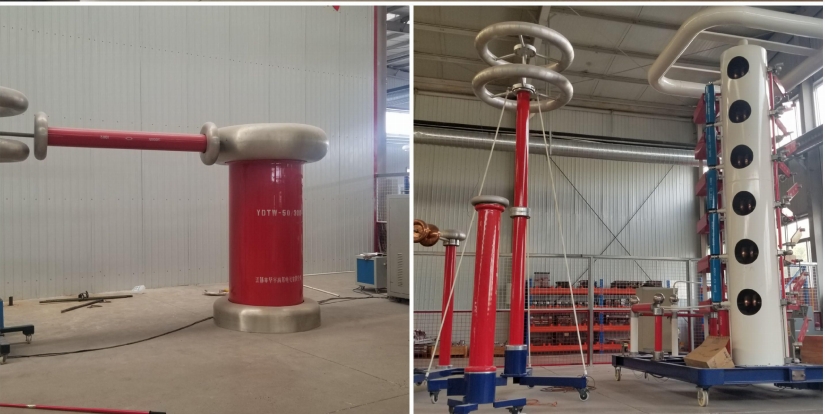
Yes. CECI offers OEM/ODM services with customization of voltage rating, creepage distance, lightning impulse withstand voltage, bending load, color, and logo. Our monthly capacity is 500 tons (100,000 pieces). Lead time is 30–45 days with a minimum order quantity of 500 units. All products undergo 100% testing before shipment.
How can I request a sample or get a quote?
To evaluate our insulators for your project, contact us at sales@gridinsulators.com or via WhatsApp at +86 19515526916. We can arrange samples for in-house validation and provide a detailed quotation including test report copies. Download our latest product catalog here.
Conclusion
While KEMA certification remains a gold standard, many qualified manufacturers—including China Energy and Chemical Industry Co.,Ltd—provide equivalent compliance through recognized type test reports and ISO management systems. By verifying the applicable standards, issuing body, and market acceptance, procurement teams can confidently select cost-effective insulators without compromising on safety or performance. For your next project, consider requesting a Type Test Report and a factory tour to ensure your supplier meets the required technical and quality benchmarks.