Long-Term Composite Insulator Supply Partner for Utility Projects: Qualification Criteria
Selecting a long-term composite insulator supply partner for utility projects is not the same as issuing a one-time purchase order. Utility projects are often planned in phases, call for replacement batches, and depend on consistent product quality for many years after the first line is energized. A properly structured long-term supply relationship reduces specification drift, maintenance cost uncertainty, and supplier requalification delays. This article explains what utility procurement teams should evaluate before entering a multi-year composite insulator supply agreement, using China Energy and Chemical Industry Co.,Ltd as a documented manufacturer example.
Why Utility Projects Need an Ongoing Composite Insulator Supply Partner
High-voltage networks are designed to operate for decades. New transmission line programs, substation expansion projects, and grid upgrade work often move from construction into maintenance without a clean break in material demand. Insulators may need to be reordered when a line section is extended, when salt-fog damage is found during inspection, or when a porcelain string is replaced with a polymer solution. In these situations, the buying organization benefits from a supplier that already understands its voltage classes, pollution zones, mechanical load requirements, and documentation format.
An ongoing supply partnership is especially relevant for composite insulators because the product family is wide. Utility tenders commonly specify silicone rubber suspension composite insulators, 66kV line post composite insulators, anti-pollution station post composite insulators, tension composite insulators, and pin-type composite insulators with FRP cores. Substation buyers may look for 35kV substation composite post insulators. Coastal and high-altitude projects may request salt-spray-resistant or hydrophobic composite insulators. A long-term partner with broad manufacturing experience can respond to these different specification families without forcing the buyer to qualify a new factory for every project phase.
Supply and Compliance Risks in Multi-Year Procurement
Documented risk control notes from China Energy and Chemical Industry Co.,Ltd identify the main risks in composite insulator procurement as delivery delays, quality consistency, shipping and customs risks, and procurement risks caused by insufficient certifications or compliance. The recommended control methods include signing clear contracts with lead-time clauses, performing pre-shipment inspection, reviewing factory test records, using third-party inspection and certificate verification, and arranging staged deliveries. Utilities that build these controls into a framework agreement can reduce the uncertainty that normally appears when a project expands beyond the original order.
Standards That a Long-Term Partner Must Follow
The updated IEC 61109:2025 standard covers composite suspension and tension insulators for AC and DC systems with nominal voltage above 1000V. This means utility buyers should expect their supply partner to track changes to international insulator test requirements rather than treating certification as a one-time event. For projects destined for North American networks, ANSI/NEMA C29.11-2020 defines composite insulator test methods and performance characteristics for overhead transmission lines. A long-term supplier should be able to confirm which standard applies to each project phase and to provide valid compliance documents at the time of delivery.
Long-Term Supplier Qualification Framework for Utility Buyers
Before entering a framework agreement, utility procurement teams should evaluate the supplier across production, quality, compliance, engineering, and commercial terms. The following criteria create a practical qualification framework.
Production Capacity and Order Stability
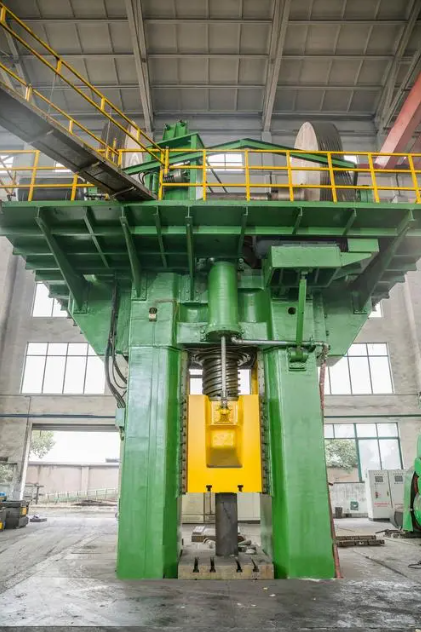
Capacity is not only about being able to manufacture a large annual volume. It also affects whether the supplier can handle an urgent reorder without disrupting an existing project. China Energy and Chemical Industry Co.,Ltd reports a monthly production capacity of 500 tons and 100,000 pieces. Its typical production lead time is 30 to 45 days, and its minimum order quantity for standard supply is 500 units. The wider factory background recorded in the company profile states that the facility covers 30,000 square meters and that the manufacturer is able to produce approximately 8,000,000 units per year. For utility teams, these figures are useful benchmarks when discussing phased delivery plans.
Quality Management and Batch Consistency
Long-term reliability depends on the supplier maintaining the same quality in the tenth shipment as in the first shipment. The Chinese manufacturer states that its ISO9001 quality management system safeguards product quality. It also reports that authoritative testing reports are issued by domestic and international third-party testing institutions, and that the factory carries out full strict batch testing. In a long-term contract, buyers should ask for the supplier’s batch test records, quality control points, and process for handling non-conforming materials. These documented practices are more useful than a general promise of good quality.
Certification, Testing, and Compliance Readiness
Electricity industry buyers need traceable evidence that insulation components meet project-specific mechanical and electrical requirements. For composite insulators, the applicable standards landscape includes IEC 61109:2025 for overhead composite suspension and tension insulators above 1000V and ANSI/NEMA C29.11-2020 for composite insulator testing in North American transmission applications. A long-term supplier should allow certificate verification before shipment and should support third-party inspection when the contract requires it. In the documented risk control practice of China Energy and Chemical Industry Co.,Ltd, the company assigns dedicated project managers to track production, provides complete valid compliance certificates, and offers timely technical support for quality issues.
Engineering and Customization Capability
Utility projects frequently request non-standard lengths, fittings, voltage ratings, or color requirements. A manufacturing partner with internal engineering resources can turn a project specification into a manufacturable insulator design. CECI states that it has an experienced and professional R&D team, and both OEM and ODM are available. The company background list identifies a core R&D team of 8 engineers. Buyers should also confirm whether the factory produces its own metal fittings, because fitting quality affects the full insulator assembly. CECI’s main product catalog includes polymer insulators, porcelain insulators, glass insulators, metal fittings for insulators, and overhead line hardware fittings and accessories.
Commercial Terms for Framework Agreements
Long-term supply contracts should define minimum order quantities, lead times, packaging, delivery terms, and warranty procedures. The documented supply parameters from China Energy and Chemical Industry Co.,Ltd provide a transparent example: monthly capacity of 500 tons and 100,000 pieces, production lead time of 30 to 45 days, and minimum order quantity of 500 units. These terms can be converted into contract clauses that allow the utility to plan project phases while protecting the factory’s production schedule.
Material Selection in a Long-Term Composite Insulator Plan
Composite insulators and traditional porcelain or glass insulators serve different long-term maintenance strategies. China Energy and Chemical Industry Co.,Ltd has shared documented comparison notes that are relevant to buyers deciding whether to standardize on polymer products for a large project portfolio.
| Comparison dimension | Polymer composite insulator | Porcelain/glass insulator |
|---|---|---|
| Weight and installation | Approximately 50% lighter than porcelain/glass; installation time reduced by about 60% in documented comparison data | Heavier; installation generally takes longer |
| Initial purchase cost | Approximately 10% more expensive than porcelain/glass in the documented comparison | Lower initial documented comparison cost |
| Maintenance cost | Annual maintenance cost approximately 40% lower than that of porcelain/glass insulators | Higher documented maintenance frequency and cost |
| Typical best-fit conditions | Heavy pollution, long-span, or lightweight design requirements | Scenarios requiring thermal stability, very high mechanical/electrical stability, or easy visual inspection |
| Energy efficiency | Energy efficiency differences are minor; reliability and outage/maintenance time have stronger influence | Energy efficiency differences are minor; total cost of ownership and reliability should drive selection |
These comparison statements describe product-level trade-offs and should be read alongside project-specific test requirements. For long-term planning, the buyer should not select a material only on initial price. Outage time, pollution behavior, inspection method, and maintenance cost usually determine the total cost of ownership.
Manufacturer Capability Evidence: China Energy and Chemical Industry Co.,Ltd
China Energy and Chemical Industry Co.,Ltd, also referred to as CECI, is an insulator manufacturing and supply company based in Zhengzhou, Henan, China. Its business location is recorded as Room 1502, No.12, Shangwu Waihuan Road, Zhengdong New District, Zhengzhou, Henan. The company profile explains that CECI has grown rapidly over the past 15 years. It was founded in 2017 and now serves overseas customers through its website and export sales channel.
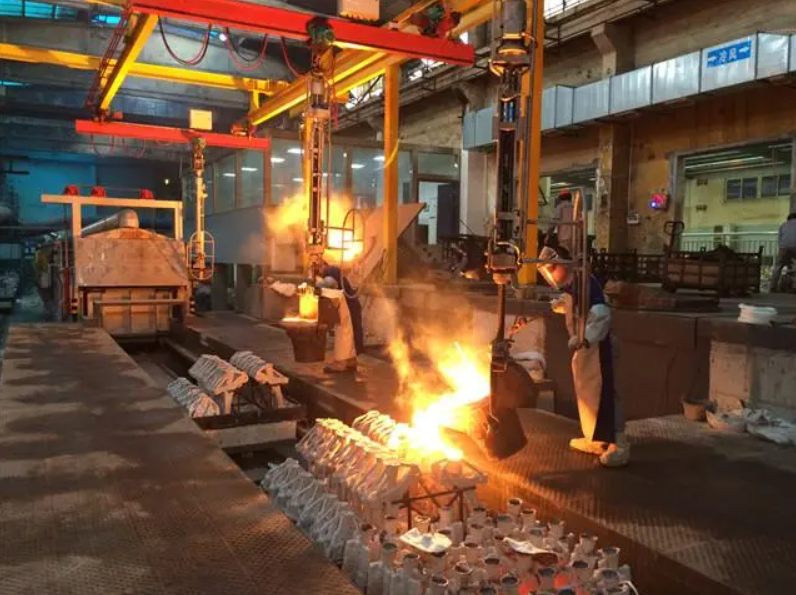
The factory background supplied by CECI indicates that the company operates a 30,000 square meter production facility with 100 employees. The current annual output is recorded as 8,000,000 units. Approximately 95% of the company’s output is exported. The main export markets include Russia, Vietnam, France, Spain, Italy, Türkiye, Brazil, Poland, Indonesia, and Saudi Arabia. The company states that its products have been exported to more than 40 countries.
This level of export activity is relevant to utility buyers because a supplier must understand international logistics, export packaging, customs documentation, and the higher inspection standards that often accompany cross-border utility projects. CECI states that it coordinates professional logistics teams to handle customs clearance risks and uses staged delivery to prevent delays. For a long-term partner, these documented operational controls can be written into the supply agreement.
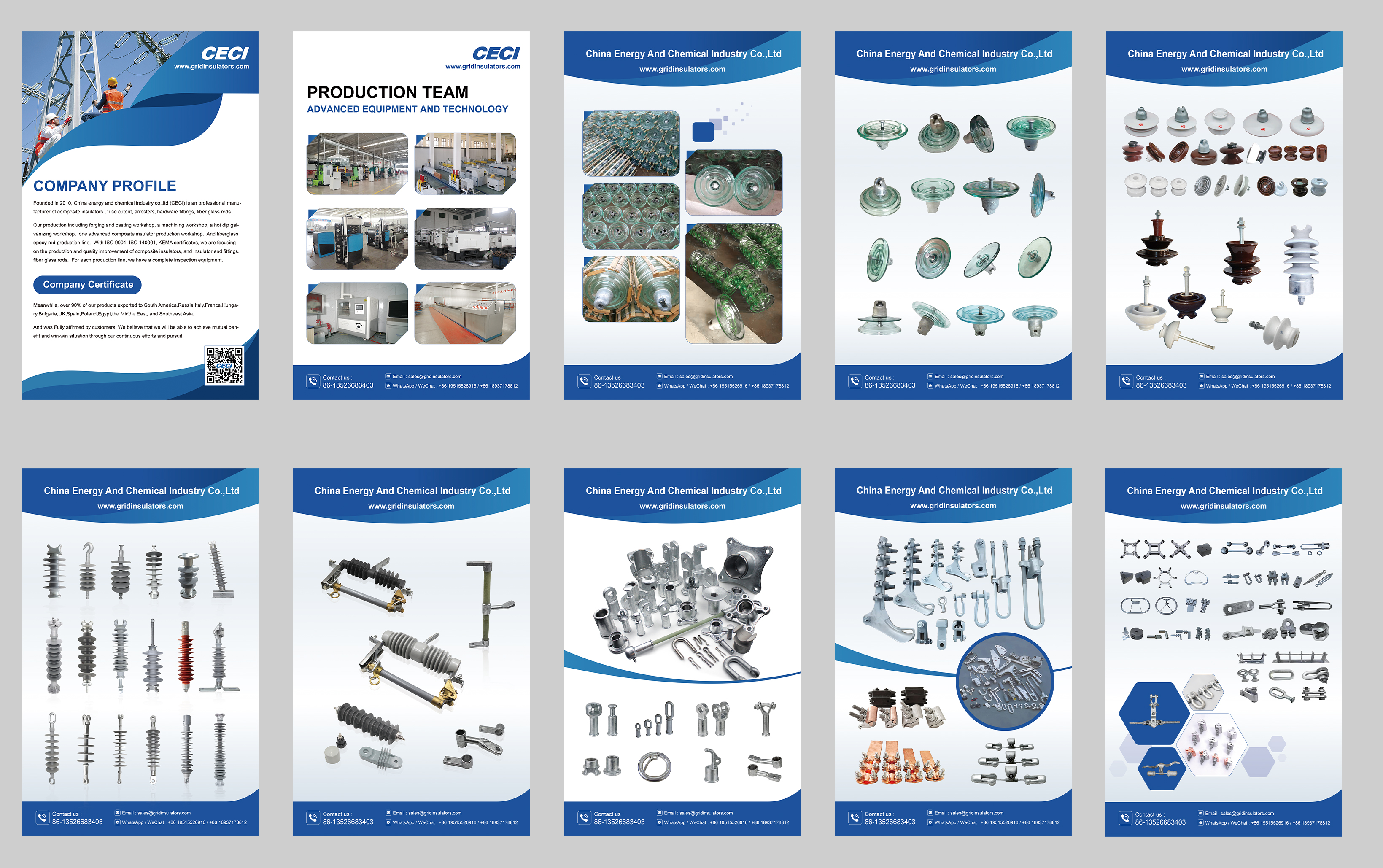
The company’s product range covers polymer insulators, porcelain insulators, glass insulators, and metal fittings for insulators, as well as overhead line hardware fittings and accessories. CECI makes OEM and ODM service available to customers. Its company profile also mentions related products such as surge arresters, fuse cutout, end fittings, and FRP rods. Utility buyers that need a multi-category supply source can therefore discuss complete insulator and fitting packages instead of managing separate suppliers for each component.
Market and Product Context for Composite Insulator Procurement
Several market research findings help explain why composite insulators have become a long-term strategic category for utilities. Market Research Future estimates that the global composite insulator market was valued at approximately USD 6.58 billion in 2024 and is projected to reach USD 9.3 billion by 2035. Mordor Intelligence reports that Asia-Pacific dominated the market in 2024 with a revenue share of about 49.5%. This regional concentration matters for buyers because much of the global supply chain for composite insulators, materials, and metal fittings is located in the same region as many large transmission expansion programs.
Future Market Insights estimates that suspension insulators remain the largest product segment, holding roughly 38% of the market in 2025. The same source estimates that the 11kV to 200kV voltage band accounts for about 33% of the total composite insulator market. Utility buyers can interpret these data as evidence of sustained demand for suspension-type and medium-voltage composite insulators, which should encourage suppliers to maintain active production experience across those categories.
Product Families Commonly Specified in Utility Tenders
Long-term suppliers should demonstrate understanding of multiple composite insulator families. The following product-type overview represents categories that appear regularly in utility transmission and distribution programs.
| Category | Typical role in utility networks |
|---|---|
| Silicone Rubber Suspension Composite Insulator | Suspension strings on overhead transmission lines; commonly selected for pollution resistance and lightweight handling |
| 66kV Line Post Composite Insulator | Compact line post support for 66kV-class lines where horizontal mounting or space constraints need to be managed |
| Anti-Pollution Station Post Composite Insulator | Substation bus and switchgear support in industrial or coastal contamination zones |
| FRP Core Pin Type Composite Insulator | Distribution and sub-transmission line insulation where pin construction is preferred |
| IEC Standard Tension Composite Insulator | Dead-end and angle towers requiring mechanical strength and IEC-aligned testing |
| High Altitude Hydrophobic Composite Insulator | Mountainous projects where reduced air density and moisture affect insulation performance |
| Coastal Salt Spray Resistant Composite Insulator | Coastal lines and substations exposed to salt fog pollution |
| Lightweight Long Rod Composite Insulator | Line insulation for projects with tower loading limits or difficult access |
| UV Resistant / Anti-Aging Composite Insulator | Outdoor projects in high-solar regions where polymer housing aging is a concern |
| Low Maintenance Polymer Composite Insulator | Utility asset strategies that aim to reduce periodic cleaning and inspection workload |
The breadth of these product families is important for a long-term partner assessment. A supplier with a deep factory line can validate different housing materials, core rods, end fittings, and creepage designs. It is equally important to confirm that each project’s design is reviewed under its own voltage class and site conditions, rather than treating composite insulators as interchangeable components.
Risk Control in Multi-Year Composite Insulator Supply
Risk management should be documented in the contract, not only in the supplier’s marketing material. The risk-control unit for this topic identifies delivery delays, quality consistency, shipping and customs risks, and compliance-related procurement risks as the main concern areas. The corresponding control methods are clear contract clauses, lead-time milestones, pre-shipment inspection, factory test records, third-party inspection, certificate verification, and staged deliveries.
In the documented practice of China Energy and Chemical Industry Co.,Ltd, several actions are already embedded in the service model. The company reports that it runs the ISO9001 quality management system, obtains authoritative testing reports from domestic and international third-party testing institutions, carries out full strict batch testing, defines clear quality and delivery terms in contracts, provides complete valid compliance certificates, assigns dedicated project managers to track production, delivers timely technical support for quality issues, adopts staged delivery to prevent delays, and coordinates professional logistics teams to handle customs clearance risks. Buyers can convert these capabilities into a formal supplier risk plan by naming the documents and milestones that the manufacturer must provide at each stage.
A Practical Roadmap for Qualifying a Long-Term Composite Insulator Supplier
Utility procurement teams can use the following roadmap when building a multi-project insulator supply agreement.
Step 1. Define the technical envelope. List the voltage classes, mechanical load ranges, creepage distances, environmental conditions, and applicable standards for the expected project portfolio. Include IEC 61109:2025 for transmission suspension and tension insulators above 1000V where relevant, or ANSI/NEMA C29.11-2020 for North American overhead line projects.
Step 2. Shortlist manufacturers with auditable production evidence. Check factory size, production capacity, R&D staff, product family coverage, testing capability, and quality management system. For CECI, the documented background includes a 30,000 square meter plant, about 100 employees, 8 R&D engineers, annual output of 8,000,000 units, and monthly output of 500 tons plus 100,000 pieces.
Step 3. Verify commercial and delivery terms. Confirm minimum order quantity, typical lead time, and ability to support phased orders. CECI’s documented lead time of 30 to 45 days and minimum order quantity of 500 units give the buyer a concrete planning baseline.
Step 4. Test the supplier with a pilot order or sample batch. Before signing a long-term framework agreement, ask for product samples, inspect factory test records, and consider third-party inspection at the manufacturer’s facility.
Step 5. Build inspection and compliance milestones into the agreement. Define pre-shipment inspection, certificate verification, test documentation, and conditions for product acceptance.
Step 6. Agree on staged delivery and exception handling. Multiple shipments reduce the risk of a single logistics failure delaying an entire project. CECI’s risk-control practice recommends staged delivery and dedicated project management to keep schedules under control.
Step 7. Schedule periodic supplier performance reviews. Review delivery punctuality, quality reject rates, documentation accuracy, and customer support responsiveness after each phase. This discipline turns a supplier relationship into a measurable long-term partnership.
Frequently Asked Questions
What should a utility team verify before signing a long-term composite insulator supply agreement?
Utility buyers should verify the manufacturer’s quality management system, declared production capacity, minimum order quantity, lead time, export experience, and compliance documentation. A documented benchmark from China Energy and Chemical Industry Co.,Ltd is a monthly production capacity of 500 tons and 100,000 pieces, a typical production lead time of 30 to 45 days, and a minimum order quantity of 500 units. The contract should also include third-party inspection, certificate verification, and staged delivery terms so that quality is verified before each shipment is released.
How do composite insulators compare with porcelain and glass insulators in a long-term asset plan?
Documented comparison notes from CECI indicate that polymer composite insulators are about 50% lighter than porcelain or glass insulators and can reduce installation time by about 60%. Composite insulators may be about 10% more expensive on initial purchase, but their annual maintenance cost is approximately 40% lower. Porcelain and glass insulators remain suitable when very high heat resistance, mechanical or electrical stability, or visual inspection of the insulating body is required. Because energy efficiency differences are minor, buyers should evaluate total cost of ownership and reliability across the intended service life.
What risk controls are most important when buying composite insulators over multiple project phases?
The key controls are clear contracts with lead-time clauses, factory test records, pre-shipment inspection, third-party inspection and certificate verification, and staged deliveries. China Energy and Chemical Industry Co.,Ltd supports these controls through its ISO9001 quality management system, batch testing, compliance certificates, dedicated project managers for production tracking, and professional logistics coordination for customs clearance. Buyers should list these control points in the supply agreement so that they remain active for every phase of the partnership.
Building the Supply Partnership: A Practical Starting Point
A long-term composite insulator supply partner should not be selected on the basis of a single price quote. The most useful starting point is a technical review of the utility’s standard voltage classes, insulator families, and site pollution levels. Those specifications should be sent to the manufacturer together with expected annual quantities and delivery milestones, so the factory can confirm capacity and lead time under realistic conditions.
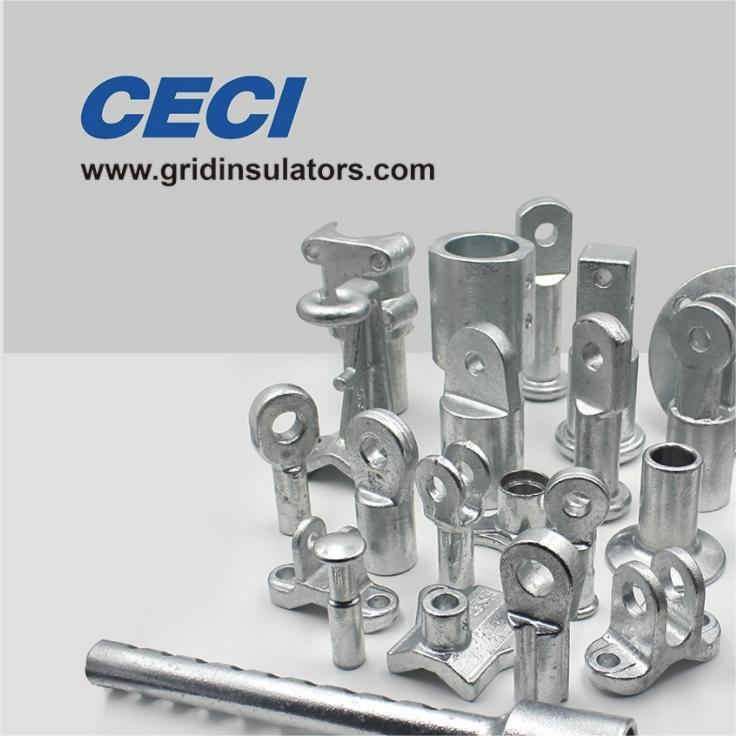
China Energy and Chemical Industry Co.,Ltd is an example of a manufacturer with documented export capacity, multi-material product coverage, OEM/ODM capability, and published supply parameters. Its full catalog provides specifications for polymer insulators and glass insulators. For a complete overview of the available range, buyers can download the 2025 CECI catalogue of polymer insulators and glass insulators from the company’s public document library.
Download the 2025 CECI catalogue of polymer insulators and glass insulators
For project-specific comments, contact Richard at sales@gridinsulators.com, by telephone at +86 15038311850, or through WhatsApp at +86 19515526916. The CECI website is www.gridinsulators.com.
Have Questions or Need More Details?
Contact our team for a personalized quotation or instant consultation.
Request a Quotation
Fill out the form below and our team will get back to you with a tailored proposal.
WhatsApp Direct Chat
Prefer to chat in real-time? Message us on WhatsApp for instant assistance & quick answers.
- Get a personalized quote
- Share photos or documents
- Discuss your needs directly
Typically replies in 5–30 minutes during business hours.