
Fixed DYP Center Pivot vs. JP800 Hose Reel: A 50-Hectare Head-to-Head
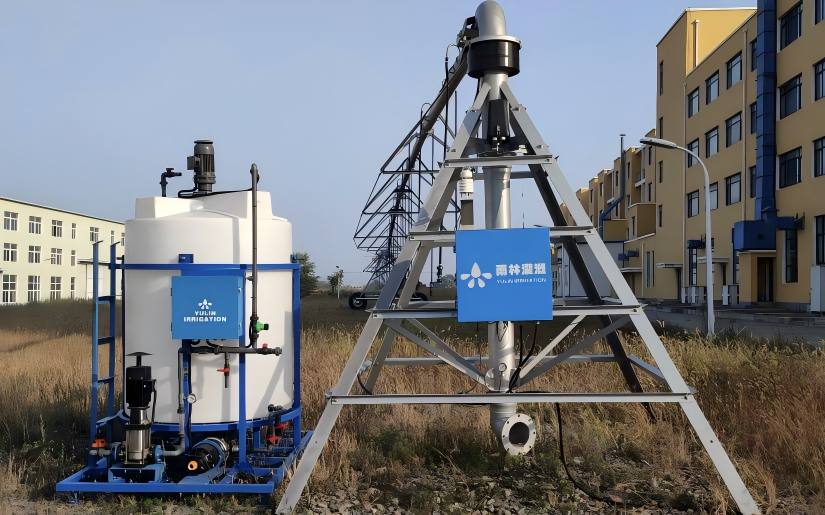
Fixed DYP center pivot irrigation system with fertilizer tank: a 395.6 m machine covering 50 hectares from one pivot point. Image: China Yulin Irrigation Equipment Co., Ltd.
For a 50-hectare block, the Fixed DYP center pivot irrigation system and the JP800 hose reel irrigation machine are both realistic purchases — and they are not interchangeable. The Fixed DYP is a fixed center pivot irrigation system with a 395.6 m machine length that covers 50 hectares from a single pivot point, built from Q235B steel galvanized to GB/T 13912-2020, powered at 380V–460V, protected by an IP65 control enclosure, and driven by electromechanical reversible control on each span. The JP800, part of the JP90-300 series, is a hose reel irrigation machine powered by a water turbine that requires no electricity: it draws a 300 m PE pipe of 90 mm diameter, runs at 25–52 tons per hour and 0.6–0.9 MPa inlet pressure, and covers a 19–41 m spray radius.
Both machines are manufactured by China Yulin Irrigation Equipment Co., Ltd. (YULIN IRRIGATION), an irrigation machinery manufacturer established in 2009 in Lvshunkou District, Dalian City, Liaoning Province, China. The company operates a 64,653 m² production site with 152 employees and a 10-engineer R&D team, and builds center pivot, lateral move, towing and hose reel irrigation systems plus matching irrigation parts. Its equipment is exported across Australia, New Zealand, Canada, Mexico, Africa, Central Asia and Russia, among other markets, with exports accounting for about 60% of output.
The trade-off between these two machines is not quality. It is site fit. Four variables decide it: available power, field geometry, water source pressure and flow, and the operating labour model a farm can sustain. This head-to-head compares the two systems only on documented specifications, then closes with a choose-this-when framework and the purchasing terms and acceptance criteria to confirm before selecting either system.
What a 50-Hectare Decision Actually Tests
Fifty hectares is the scale at which an irrigation decision stops being about the machine and starts being about the site. Three conditions separate the Fixed DYP center pivot from the JP800 hose reel machine:
- Power. The Fixed DYP center pivot runs on a 380V–460V supply and needs that supply to exist, be sized correctly and stay stable across the field, with an IP65-rated control enclosure protecting the electrics. The JP800 is powered by a water turbine and does not require electricity at all.
- Field geometry. A center pivot works from a fixed point and covers a circular area: the DYP machine is 395.6 m long and covers 50 hectares from that point. A hose reel machine works along a lane, drawing a 300 m PE pipe of 90 mm diameter and projecting water across a 19–41 m spray radius.
- Water source. The JP800 must be matched to the source itself — 25–52 tons per hour of flow at 0.6–0.9 MPa inlet pressure. Where the source cannot deliver that pressure and flow, a water-turbine machine cannot be specified on expectation.
Why Both Machine Families Sit on the Same Shortlist Now
The global center pivot irrigation system market was estimated at USD 2.56 billion in 2025 and is projected to reach USD 5.67 billion by 2030 (Mordor Intelligence). Growth of that scale pulls two different buyer profiles into the same procurement round: large operators adding pivots to existing blocks, and remote or smaller operations looking for a machine that does not depend on the grid at all.
Major suppliers are moving in the same direction. Valmont Industries reported Agriculture segment sales of USD 278.0 million in Q4 2024, equal to 26.7% of total net sales, and Lindsay Corporation secured a multi-year international irrigation supply agreement in the MENA region valued at more than USD 100 million in 2024. Large-project demand is shifting geographically, which means buyers in power-constrained or water-constrained regions increasingly compare fixed pivots against traveler machines instead of assuming one category.
Standards matter inside that comparison. ISO 11545:2009 is the active international standard specifying an in-field method for determining the uniformity of water distribution from centre-pivot and moving lateral irrigation machines — the correct reference point when comparing declared coverage against field performance.
The Fixed DYP Center Pivot: What the Specification Says
The Fixed DYP is a fixed center pivot irrigation system in the YULIN IRRIGATION pivot range, sized so that one machine covers 50 hectares. Its documented specification contains six points that matter in procurement:
- Coverage: 395.6 m machine length covering 50 hectares.
- Structure and coating: Q235B steel, hot-dip galvanized to GB/T 13912-2020.
- Control protection: IP65-rated enclosure.
- Power supply: 380V–460V.
- Drive and control: electromechanical reversible control on each span.
- Supporting equipment: an end spray gun for supplementary irrigation and a fertilizer tank.
Two water-condition options belong in the same specification discussion. The system can include poly pipe to prevent corrosion where water is acidic or alkaline, and pesticide addition for integrated pest control. Both are stated application options, not accessories that can be assumed — they are confirmed at the specification stage.
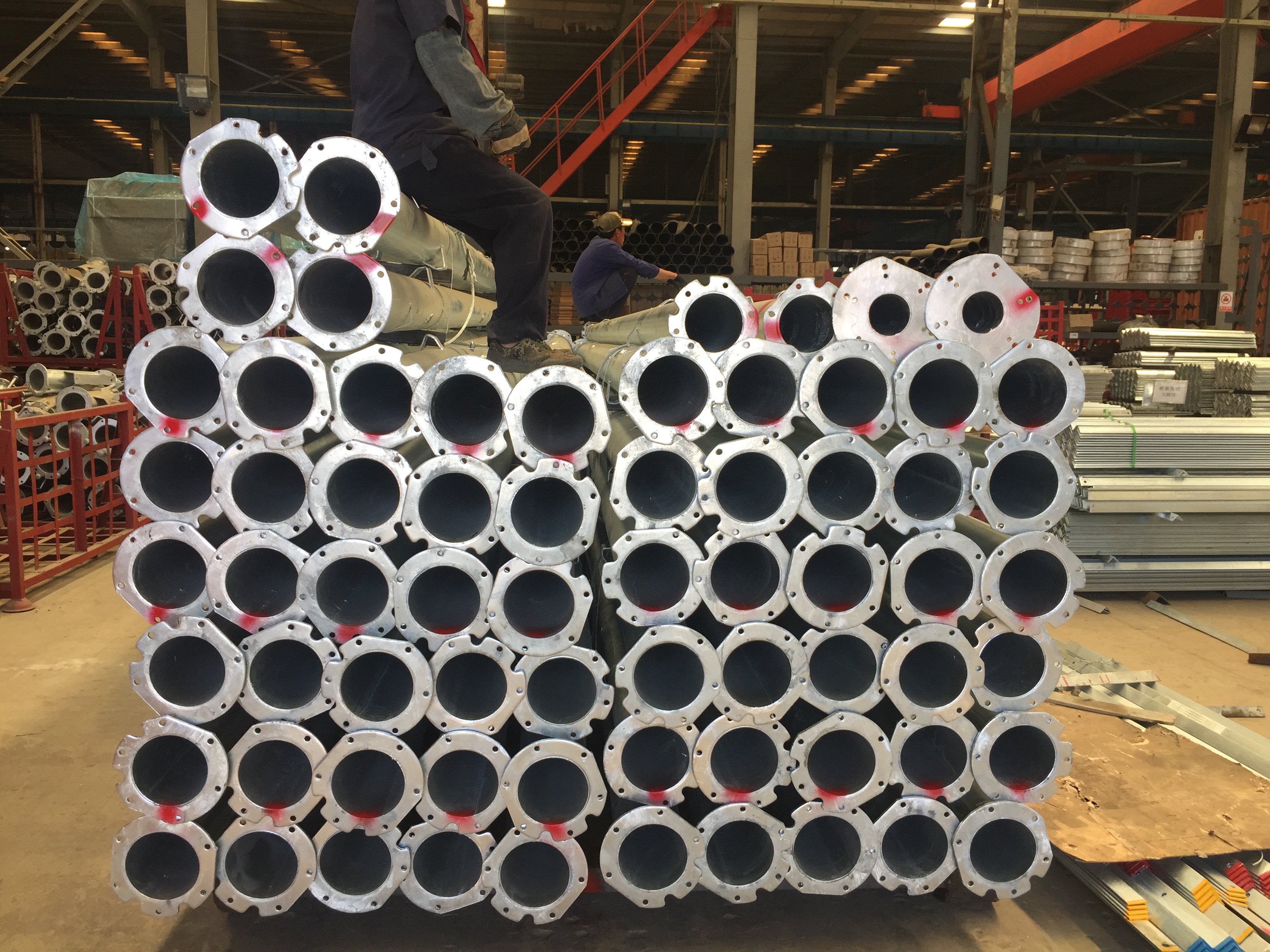
Heavy-duty metal pipe for center pivot irrigation machines — the structural material class of the Fixed DYP machine.
The JP800 Hose Reel Irrigation Machine: What the Specification Says
The JP800 belongs to the JP90-300 hose reel series and is a water-turbine-powered traveler machine. Because the turbine is driven by water pressure rather than a motor, the machine does not require electricity — which is the single most important specification point for fields without a usable grid connection.
- Pipe: 300 m PE pipe, 90 mm diameter.
- Flow rate: 25–52 tons per hour.
- Inlet pressure: 0.6–0.9 MPa.
- Spray radius: 19–41 metres.
- Nozzle diameter: 16–22 mm.
- Spray gun: DL50/SIMA10497.
- Net weight: 2180 kg, tolerance ±30 kg.
Read together, these figures define the machine's operating envelope. A source that delivers below 0.6 MPa will not drive the turbine as specified; a source above 0.9 MPa needs regulation rather than a larger machine. The 19–41 m spray radius and 16–22 mm nozzle range determine the wetted width of each lane, and the 2180 kg net weight drives transport planning, lane preparation and pipe handling on site.
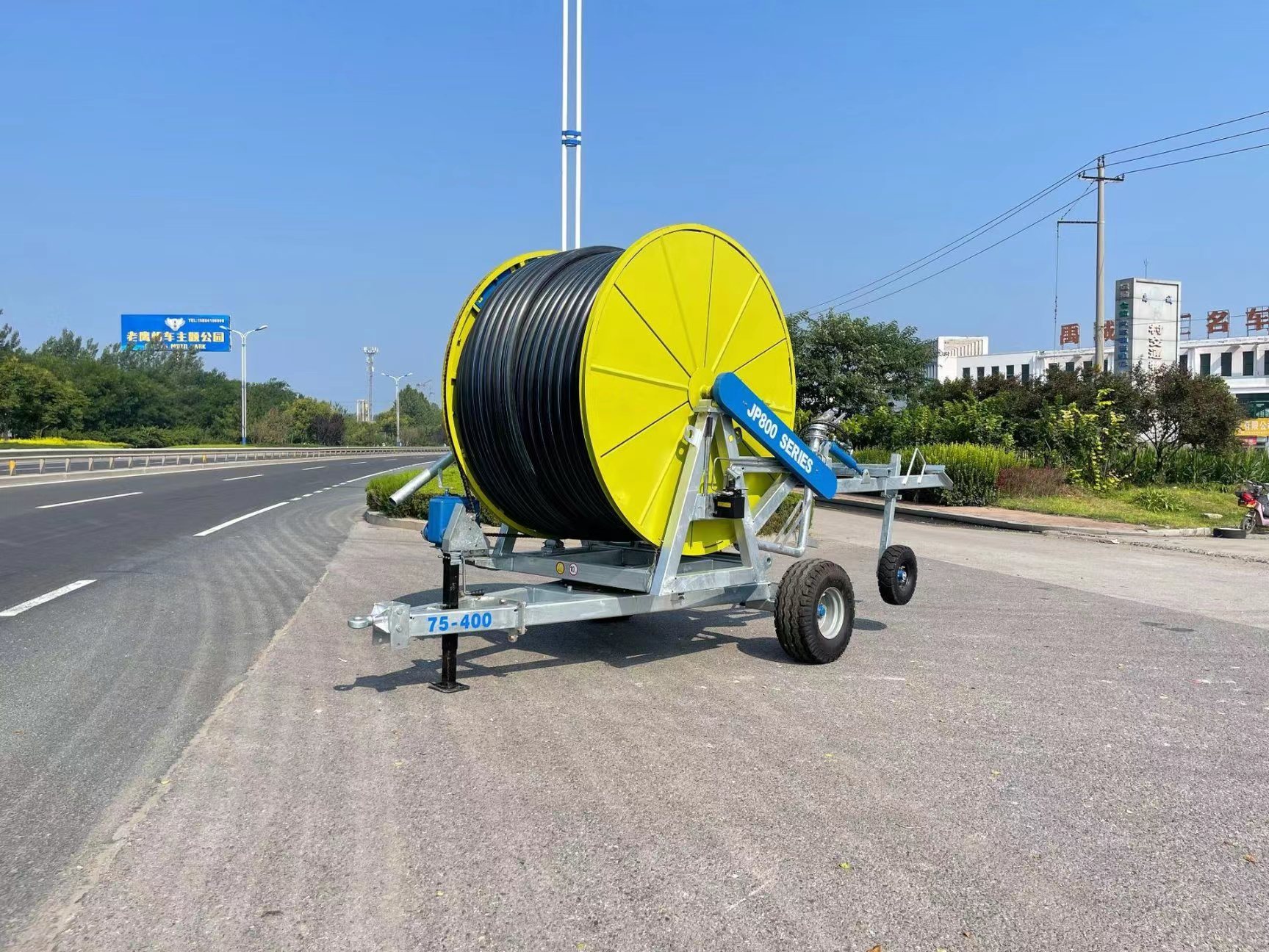
JP800 hose reel irrigation machine (JP90-300 series): water-turbine driven, no electricity required, 25–52 t/h at 0.6–0.9 MPa.
Step-by-Step: Matching Either Machine to a 50-Hectare Site
Step 1 — Audit power availability before anything else
Confirm whether a 380V–460V supply can be delivered to the pivot point and maintained across the season. If it can, the Fixed DYP center pivot is technically available to the project, and its IP65 control enclosure and electromechanical reversible control per span become procurement details. If it cannot, the JP800 becomes the working assumption because it uses a water turbine and requires no electricity.
Step 2 — Map field geometry and boundary losses
Draw the actual boundary and check it against a 395.6 m machine radius for the DYP. Where the block is square and contiguous, a fixed pivot delivers the full 50-hectare coverage. Where the block is irregular, split by roads or divided into strips, the lane-based pattern of the JP800 — 300 m PE pipe, 19–41 m spray radius — matches the boundary without reshaping the field.
Step 3 — Measure the water source, not the pump label
For the JP800, measure pressure and flow at the machine inlet under working conditions and compare against 0.6–0.9 MPa and 25–52 tons per hour. For the DYP, confirm the supply can sustain pivot operation plus the end spray gun for supplementary irrigation. If the water is acidic or alkaline, specify poly pipe; if integrated pest control is required, confirm pesticide addition at the same time.
Step 4 — Decide the operating pattern and labour model
The DYP operates from a fixed point using span-level reversible drive, so the machine path stays in place season after season. The JP800 irrigates along a lane and is repositioned between lanes, so the labour model is built around lane changes and pipe handling. Neither pattern is inherently less work; they distribute work differently across the season, and the farm's available labour should be compared against both honestly.
Step 5 — Confirm supporting equipment and materials
Both machines have supporting equipment documented in their applications. The center pivot machine requires supporting equipment such as an end spray gun and a fertilizer tank. The hose reel application requires supporting equipment such as a center pivot irrigation machine with end spray gun and fertilizer tank where it is used as part of a combined system. Poly pipe is specified where water acidity or alkalinity would otherwise attack the system.
Step 6 — Confirm commercial terms and acceptance criteria
Before signing, lock the commercial package: MOQ of 1 unit, delivery terms of FOB / CFR / CIF, acceptance criteria of a pre-shipment test, and payment terms of a 30% deposit after contract confirmation with the balance by T/T before shipment (L/C or D/P for the Algeria market). These terms apply to either machine.
Use Cases: Which 50-Hectare Site Gets Which Machine
Site A — Square block with existing power
A contiguous 50-hectare block with a 380V–460V supply and a permanent pivot point is the design case for the Fixed DYP center pivot: 395.6 m of machine covering 50 hectares, Q235B galvanized structure to GB/T 13912-2020, IP65 control protection and span-level electromechanical reversible control. The end spray gun and fertilizer tank extend the machine beyond irrigation alone.
Site B — No grid power, pressurised water available
Where there is no usable electricity but the source delivers 0.6–0.9 MPa at 25–52 t/h, the JP800 is the practical machine. The water turbine removes the electrical connection entirely, the 300 m PE pipe of 90 mm diameter defines the working lane, and the 19–41 m spray radius sets the wetted width.
Site C — Irregular boundary or split plots
Fields divided by roads, canals or property lines rarely match a circular coverage pattern. In that situation the JP800's lane travel follows the plot as it actually exists, and the 300 m pipe length determines how far one lane position reaches.
Site D — Aggressive water chemistry
Where irrigation water is acidic or alkaline, corrosion protection becomes a specification item rather than an afterthought. Poly pipe is the documented option to prevent corrosion from water acidity or alkalinity on the center pivot application, and it should be confirmed at the same time as the supporting end spray gun and fertilizer tank.
Site E — Combined operation on one farm
The two machine families are not mutually exclusive. The hose reel application can be supported by a center pivot irrigation machine with an end spray gun and a fertilizer tank, which means a farm can use the pivot as the base machine and place the hose reel where the fixed circle does not reach — corners, extension blocks or a second water source.
Comparison Table: Fixed DYP Center Pivot vs. JP800 Hose Reel on 50 Hectares
| Decision factor | Fixed DYP center pivot | JP800 hose reel irrigation machine |
|---|---|---|
| Product family | Fixed center pivot irrigation system | Hose reel (traveler) irrigation machine, JP90-300 series |
| Coverage basis | 395.6 m machine covering 50 hectares from one fixed pivot point | 300 m PE pipe, 90 mm diameter, irrigating along a lane; 19–41 m spray radius |
| Power requirement | 380V–460V supply; IP65 control enclosure; electromechanical reversible control per span | Water-turbine powered; no electricity required |
| Water requirement | Pressurised supply compatible with pivot operation, plus end spray gun and fertilizer tank as supporting equipment | 0.6–0.9 MPa inlet pressure; 25–52 tons per hour flow rate |
| Materials and hardware | Q235B steel, hot-dip galvanized to GB/T 13912-2020; poly pipe option for acidic or alkaline water | Net weight 2180 kg ±30 kg; nozzle diameter 16–22 mm; spray gun DL50/SIMA10497 |
| Best-fit field | Square or near-square block with existing power | Fields without grid power, irregular boundaries or split plots |
| Operating pattern | Fixed point; span-by-span reversible drive | Lane-based travel between positions |
| Supporting equipment | End spray gun, fertilizer tank | Can be supported by a center pivot machine with end spray gun and fertilizer tank |
Choose-This-When: A Decision Framework
Choose the Fixed DYP center pivot irrigation system when:
- A 380V–460V supply can be delivered to the pivot point and maintained in season.
- The 50-hectare block is contiguous and can accommodate a 395.6 m machine radius.
- The farm wants a fixed machine path with span-level electromechanical reversible control.
- An end spray gun for supplementary irrigation and a fertilizer tank are part of the plan.
- Water chemistry requires poly pipe, or integrated pest control requires pesticide addition.
Choose the JP800 hose reel irrigation machine when:
- No electricity is available, or extending a 380V–460V supply is not practical.
- The source reliably delivers 0.6–0.9 MPa inlet pressure at 25–52 tons per hour.
- The field boundary is irregular, split or better served by lane-based coverage.
- A 300 m PE pipe of 90 mm diameter and a 19–41 m spray radius fit the plot's dimensions.
- The operating model can accommodate machine repositioning between lanes.
Where neither set is fully met — for example, power exists but the boundary cannot support a fixed circle — the answer is usually combination rather than substitution, with the pivot as the base machine and the hose reel covering what the circle misses.
Purchasing Terms and Acceptance Checklist
Confirm each line below in writing before ordering either system:
- Minimum order quantity: MOQ is 1 unit.
- Delivery terms: FOB / CFR / CIF.
- Acceptance criteria: pre-shipment test.
- Payment terms: 30% deposit after confirming the contract, balance by T/T before shipment (L/C or D/P for the Algeria market).
- Testing: each product undergoes 100% testing before delivery.
- Packaging and transit protection: classified reinforced packaging with photo archiving before shipment, to prevent loss and damage in transit.
- Warranty and spares: free spare parts reissue for company-caused faults and in-warranty damage.
- Technical support: 24-hour online technical support by professional engineers, plus on-site installation, commissioning and operator training overseas.
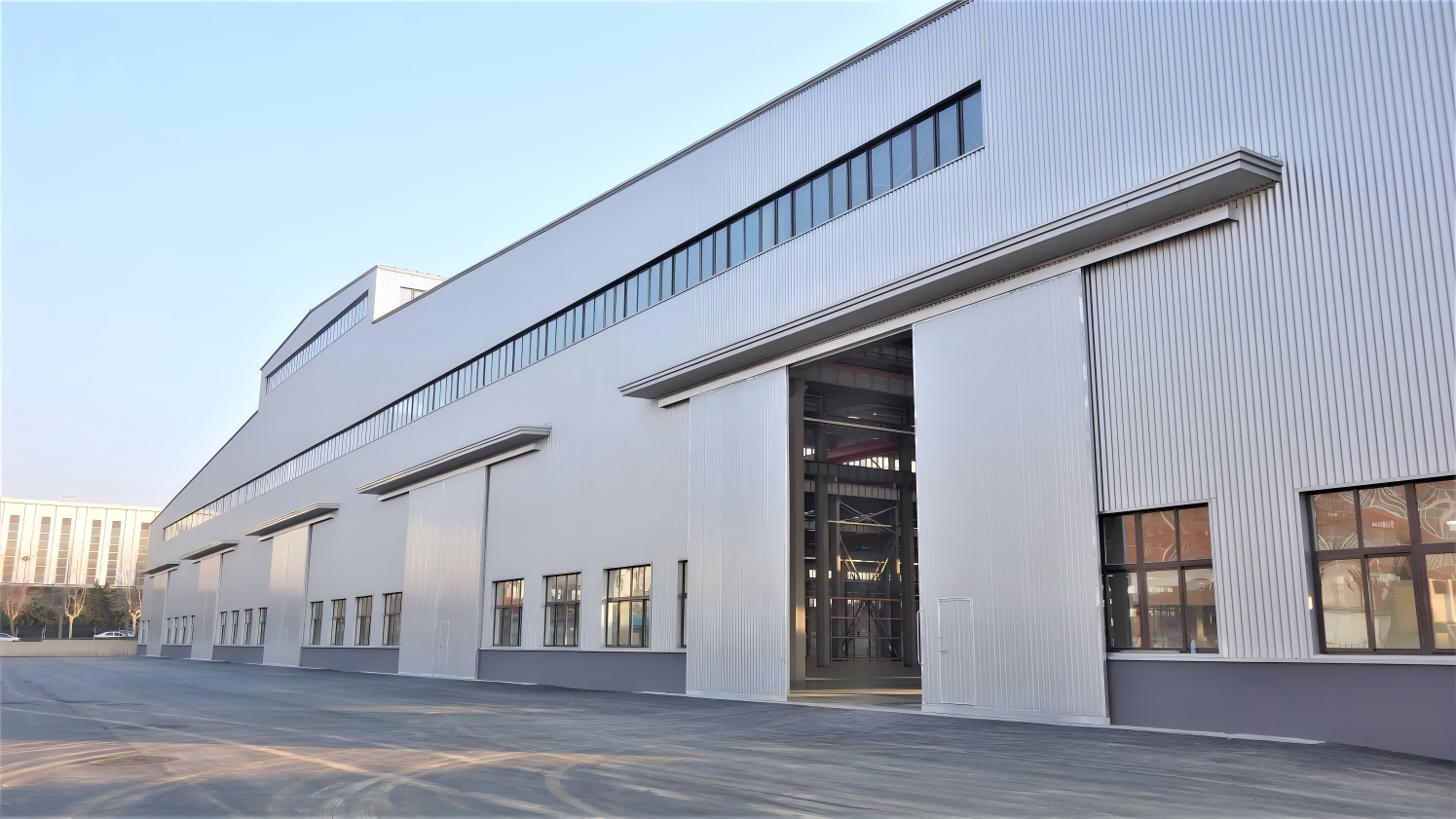
YULIN IRRIGATION intelligent workshop: over 95% of machine spare parts are manufactured in-house, supporting parts availability for both pivot and hose reel systems.
Frequently Asked Questions
What standards and protection ratings should I verify on a 50-hectare pivot or hose reel system?
On the Fixed DYP center pivot, the verifiable compliance points are the structural material and coating — Q235B steel hot-dip galvanized to GB/T 13912-2020 — and the control protection class, IP65, on a 380V–460V supply. Water distribution uniformity is a separate question: ISO 11545:2009 specifies the in-field method for determining uniformity of water distribution from centre-pivot and moving lateral irrigation machines, and buyers comparing declared coverage between two machine types should ask for evidence produced on that basis. For the JP800 the equivalent verification points are hydraulic rather than electrical: 0.6–0.9 MPa inlet pressure, 25–52 t/h flow rate, 16–22 mm nozzle diameter and the DL50/SIMA10497 spray gun. Each product undergoes 100% testing before delivery, which provides a pre-shipment reference point for acceptance.
Can the JP800 hose reel machine irrigate without grid power, and what water conditions does it need?
Yes. The JP800 is powered by a water turbine and does not require electricity, which is why it is specified for fields where no 380V–460V supply exists or where extending power is impractical. The trade-off is hydraulic: the machine needs 0.6–0.9 MPa inlet pressure and 25–52 tons per hour of flow, draws a 300 m PE pipe of 90 mm diameter, and covers a 19–41 m spray radius through 16–22 mm nozzles and a DL50/SIMA10497 spray gun. If the source cannot hold that pressure, the machine cannot be specified. Net weight is 2180 kg ±30 kg, which matters for transport and lane preparation.
What drives the cost difference between a fixed center pivot and a hose reel machine on 50 hectares?
The cost structure differs by input rather than by a single unit price. The Fixed DYP center pivot concentrates cost in the machine itself, the electrical infrastructure needed for a 380V–460V supply, the civil work for a fixed pivot point, and the supporting end spray gun and fertilizer tank. The JP800 concentrates cost in the machine, the 300 m PE pipe, and the requirement that the water source deliver 0.6–0.9 MPa at 25–52 t/h; because it is water-turbine driven, it removes the electrical connection cost entirely. Poly pipe should be budgeted where water is acidic or alkaline, since it protects against corrosion. Buyers should compare the two options on total installed cost for their own site rather than on machine price alone, and confirm delivery terms — FOB, CFR or CIF — before comparing quotes.
How can buyers validate either system before committing to a full order?
Validation starts with the pre-shipment test, which is the stated acceptance criterion, and with the fact that each product undergoes 100% testing before delivery. Because the two machines depend on different site inputs, the useful validation steps are practical: measure actual inlet pressure and flow at the water source against the JP800's 0.6–0.9 MPa and 25–52 t/h range, and confirm the 380V–460V supply, pivot point location and 395.6 m machine path for the Fixed DYP. Packaging is also verifiable — classified reinforced packaging with photo archiving before shipment — and buyers can request the current catalogue for the full specification set before signing.
Can YULIN IRRIGATION support agricultural distributors over the long term?
China Yulin Irrigation Equipment Co., Ltd. has manufactured irrigation machinery since 2009 from a 64,653 m² facility in Dalian, China, with 152 employees, a 10-engineer R&D team and an annual output of 3,000 units; more than 95% of machine spare parts are independently manufactured in-house, which supports long-term parts availability rather than third-party dependence. The company welcomes OEM and ODM orders and provides localized on-site installation, commissioning and operator training overseas. In-warranty support includes free spare parts reissue for company-caused faults and in-warranty damage, backed by 24-hour online technical support from engineers, and MOQ is 1 unit. Distributors can request a sample and quotation package or download the 2026 YULIN Pivot Catalogue using the contact details below.
Bottom Line for a 50-Hectare Block
The Fixed DYP center pivot and the JP800 hose reel machine solve the same 50-hectare problem from opposite directions. The DYP uses fixed geometry and a 380V–460V supply to cover a circular block with span-level electromechanical reversible control, Q235B galvanized structure to GB/T 13912-2020 and IP65-protected control. The JP800 uses water pressure instead of electricity to irrigate lanes, drawing a 300 m PE pipe of 90 mm diameter at 25–52 t/h and 0.6–0.9 MPa with a 19–41 m spray radius.
If the field is square, power is available and the pivot point is permanent, the Fixed DYP is the higher-coverage choice. If power is absent, the boundary is irregular or the block is split, the JP800 is the practical choice — and the two can run together, with a center pivot machine, end spray gun and fertilizer tank supporting the hose reel application. What actually decides the purchase is documentation: measured pressure and flow at the source, confirmed power at the field, machine dimensions checked against the real boundary, and commercial terms confirmed in writing.
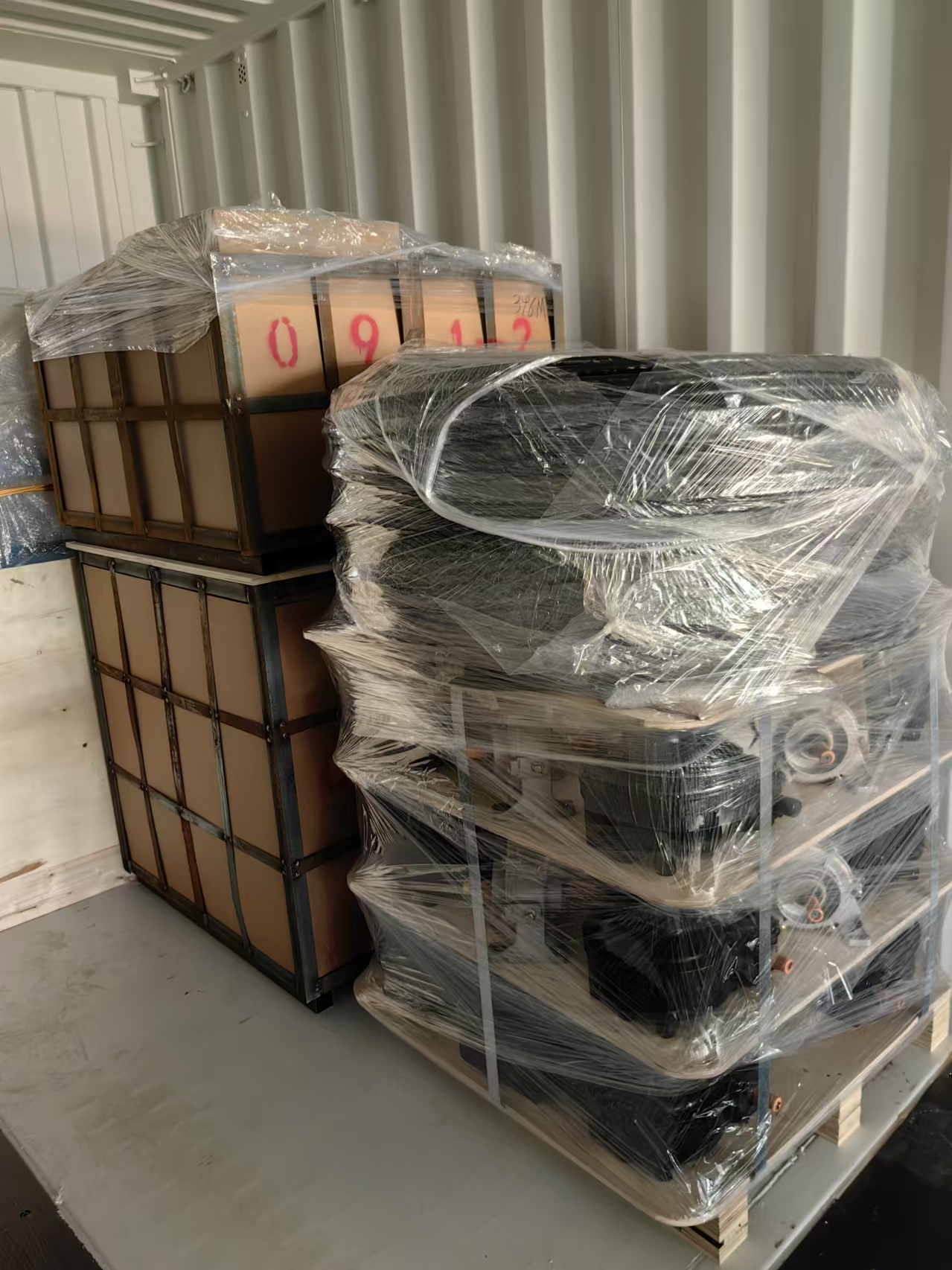
Classified reinforced packaging with photo archiving before shipment — part of the pre-delivery protection process for pivot and hose reel systems.
Next Step: Sample, Quotation or Distributor Discussion
Send your field data and the team will confirm which system fits: field size and boundary, water source pressure and flow, and available power. Request a sample and quotation package, or ask for the distributor terms.
China Yulin Irrigation Equipment Co., Ltd. — founded 2009, Dalian, China. Contact: Lara Yu · Email: yulinirrigation@hotmail.com · Tel / WhatsApp: +86 158-4249-7638 · Address: 329-1 of Shunle Street of LvShunKou District, Dalian City, Liaoning Province, China · Website: www.cyulin.net · WhatsApp: Send a message · Catalogue: 2026 YULIN Pivot Catalogue
Have Questions or Need More Details?
Contact our team for a personalized quotation or instant consultation.
Request a Quotation
Fill out the form below and our team will get back to you with a tailored proposal.
WhatsApp Direct Chat
Prefer to chat in real-time? Message us on WhatsApp for instant assistance & quick answers.
- Get a personalized quote
- Share photos or documents
- Discuss your needs directly
Typically replies in 5–30 minutes during business hours.