
Irrigation Pivot System Supplier Vetting: Capability and Delivery Assurance
Vetting an irrigation pivot system supplier at the decision stage is a capability audit, not a price negotiation. Two questions decide whether a purchase is safe: can the factory prove it will build the exact configuration your field and power supply require, and can it prove the machine will arrive complete, within its documented weight and dimensions, and ready to commission? A supplier that answers both with documents is a safer counterparty than one that answers with adjectives.
This framework is written for farm owners, farm managers and procurement teams comparing suppliers of center pivot and hose reel irrigation equipment. Every checkpoint it uses is measurable: span length against field area, structural steel grade, coating standard, ingress protection, voltage envelope, net weight, shipping dimensions and written acceptance criteria. The aim is that two quotations can be compared on evidence instead of presentation.
China Yulin Irrigation Equipment Co., Ltd. (brand name YULIN IRRIGATION) is an agricultural irrigation machinery manufacturer based in Lvshunkou District, Dalian, Liaoning Province, China, established in 2009. It produces center pivot irrigation systems, lateral move irrigation systems, towing irrigation systems, hose reel irrigation systems, irrigation parts, matching water pumps and generators. Its published specification data is used throughout this article as a worked example of what a verifiable supplier file contains.
The Problem: Paper Capability Is Not Field Capability
Supplier documentation almost always describes a product family. Your farm is not a product family. It is a specific field shape, a water source with a specific flow and pressure, a soil and slope profile, and an electrical supply with a specific voltage and phase. The gap between a family description and a specific field is where most purchasing losses occur, and nearly all of them are detectable before the order is placed.
At the decision stage, five failure modes account for most disputes:
- Geometric mismatch. The ordered machine length does not match the irrigated area the buyer assumed, so coverage falls short at the field edge or the machine is oversized for the block.
- Structural and coating mismatch. The steel grade or the galvanizing standard in the delivered machine is not the one stated in the quotation, which shortens service life in humid, saline-alkali or high-wind farmland.
- Electrical mismatch. The machine arrives rated for a voltage or enclosure class that does not match the farm supply or the wash-down environment.
- Logistics mismatch. Net weight, shipping dimensions or overall dimensions differ from the data used to plan transport, lifting and site access.
- Commercial ambiguity. No one wrote down what acceptance means, so responsibility for transit damage, missing parts or commissioning faults is disputed after delivery.
None of these are exotic risks. Each is removed by a document request, and each document request is cheap compared with the cost of a machine that fits badly. The purpose of the framework below is to convert a supplier conversation into a file of verifiable numbers.
Industry Background: A Large Market with Auditable Suppliers
Center pivot irrigation is a mature, measurable equipment category, which is useful for buyers: there is both commercial market data and an international performance standard to anchor a comparison.
Mordor Intelligence estimates the global center pivot irrigation system market at USD 2.56 billion in 2025 and projects it to reach USD 5.67 billion by 2030. The category is supplied by a mix of large international manufacturers and regionally focused specialists, and the largest suppliers publish auditable segment data. Valmont Industries reported Agriculture segment sales of USD 278.0 million in Q4 2024, representing 26.7% of total net sales. Lindsay Corporation secured a multi-year international irrigation supply agreement for Zimmatic systems in the MENA region valued at more than USD 100 million in 2024. Those figures describe the scale and geographic reach of the category, and they show why a farm buyer can reasonably expect documented numbers from any serious supplier.
On the technical side, ISO 11545:2009 specifies an in-field method for determining the uniformity of water distribution from centre-pivot and moving lateral irrigation machines. Uniformity is the core performance promise of a pivot, and there is a named standard for demonstrating it. A supplier that cannot say which standard its uniformity claim refers to is asking the buyer to accept a marketing statement in place of a test method.
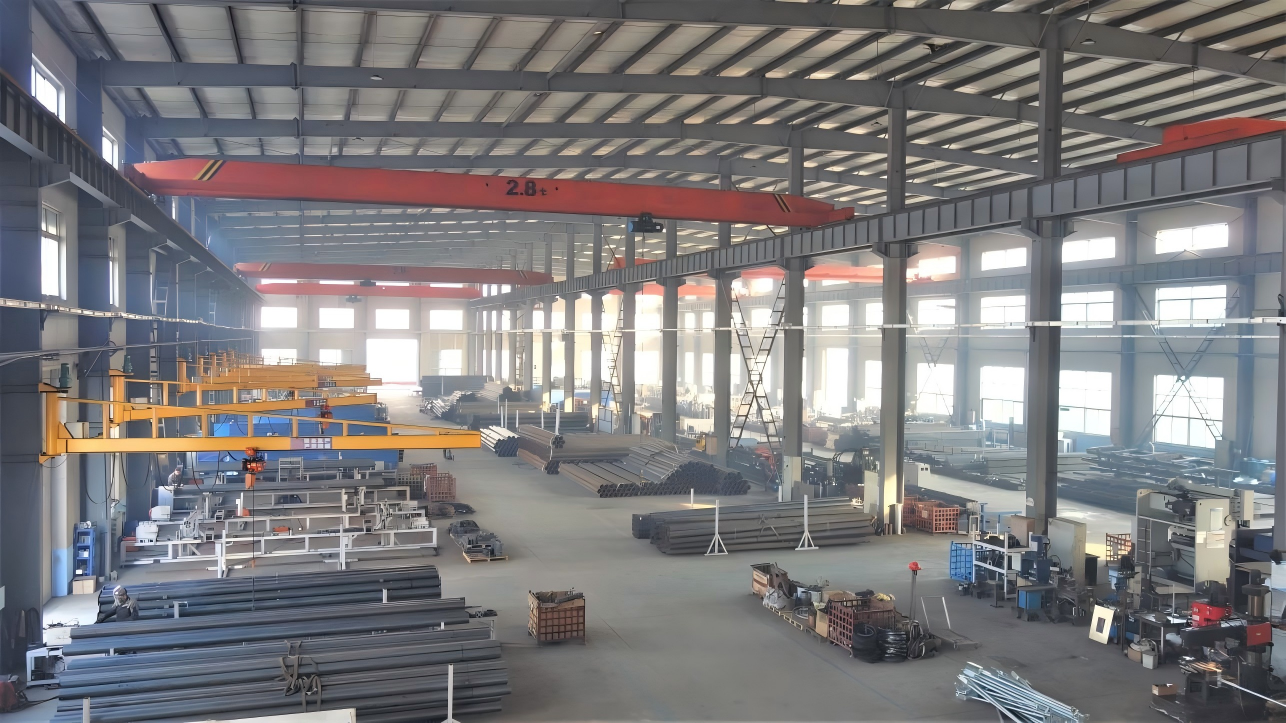
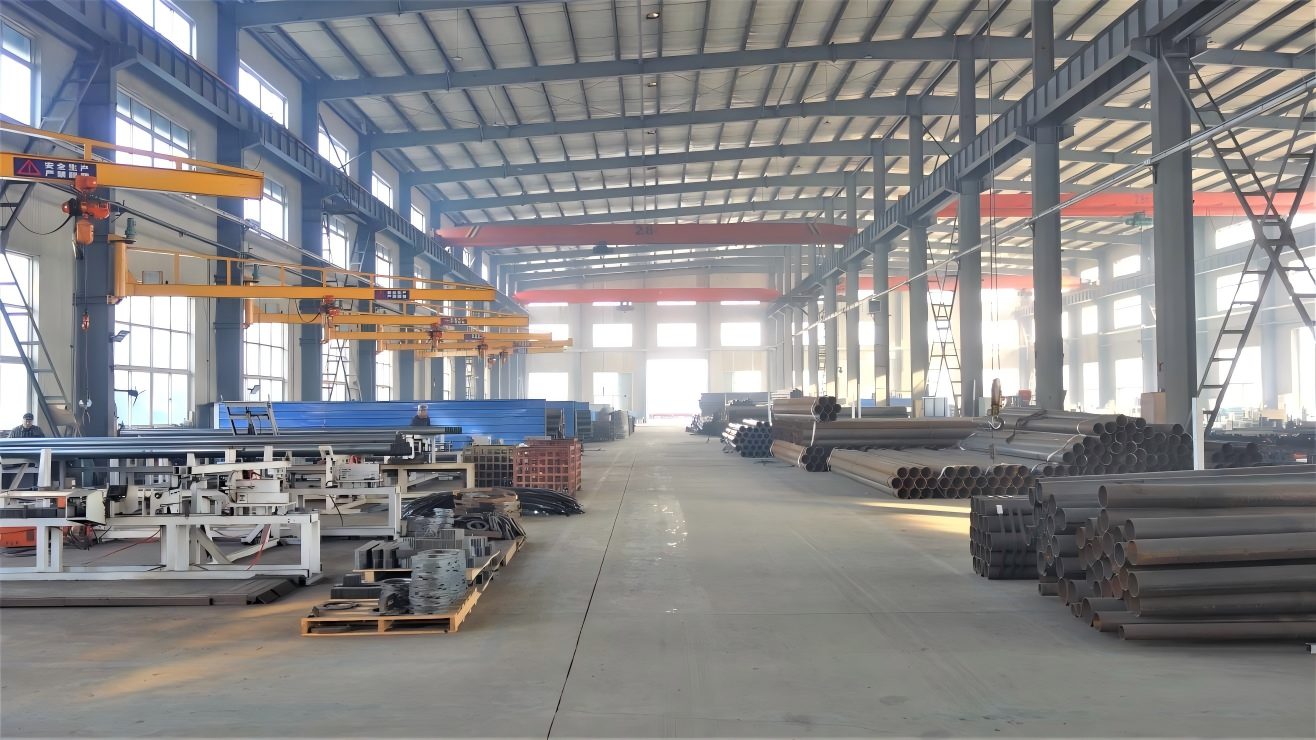
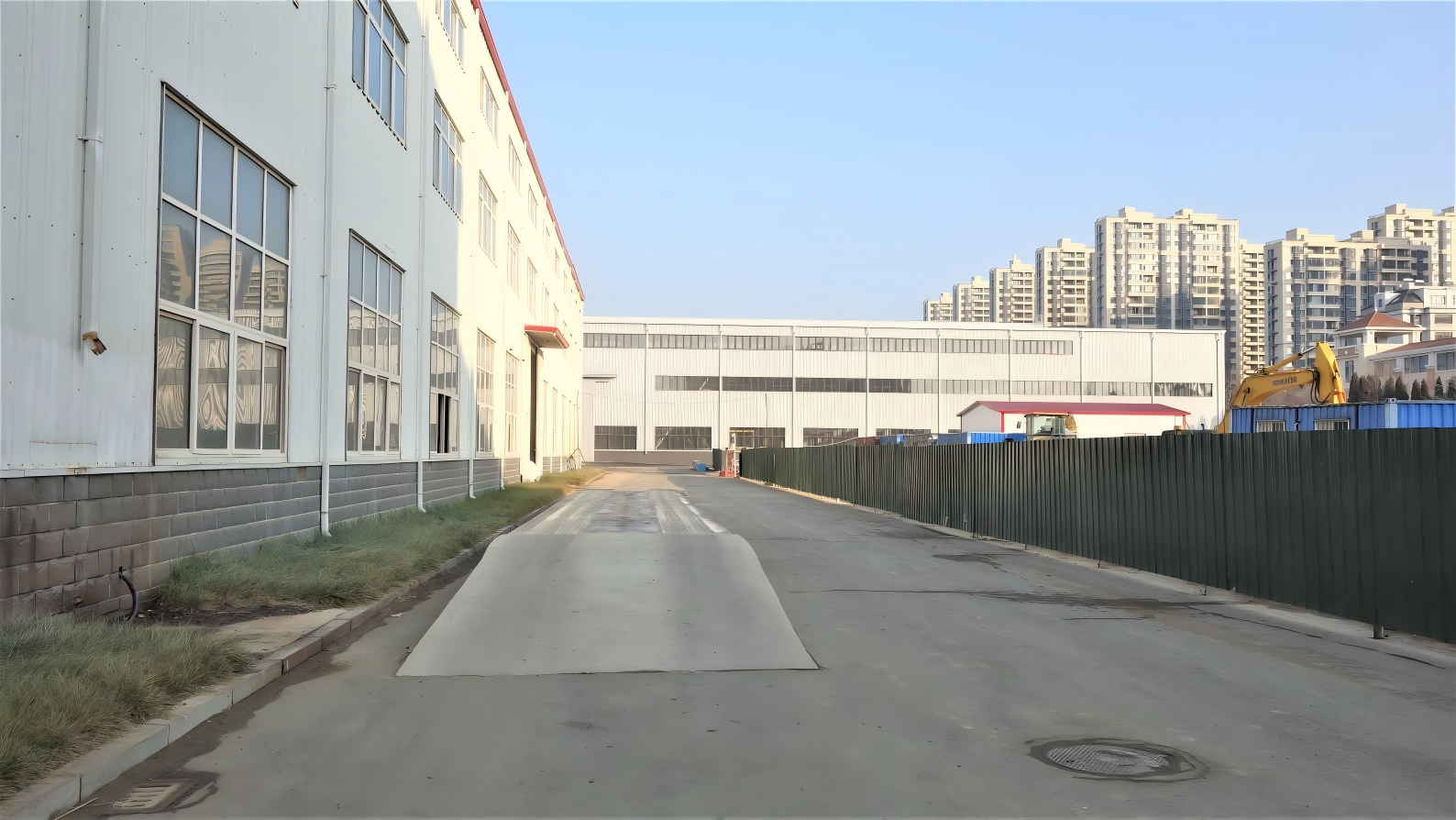
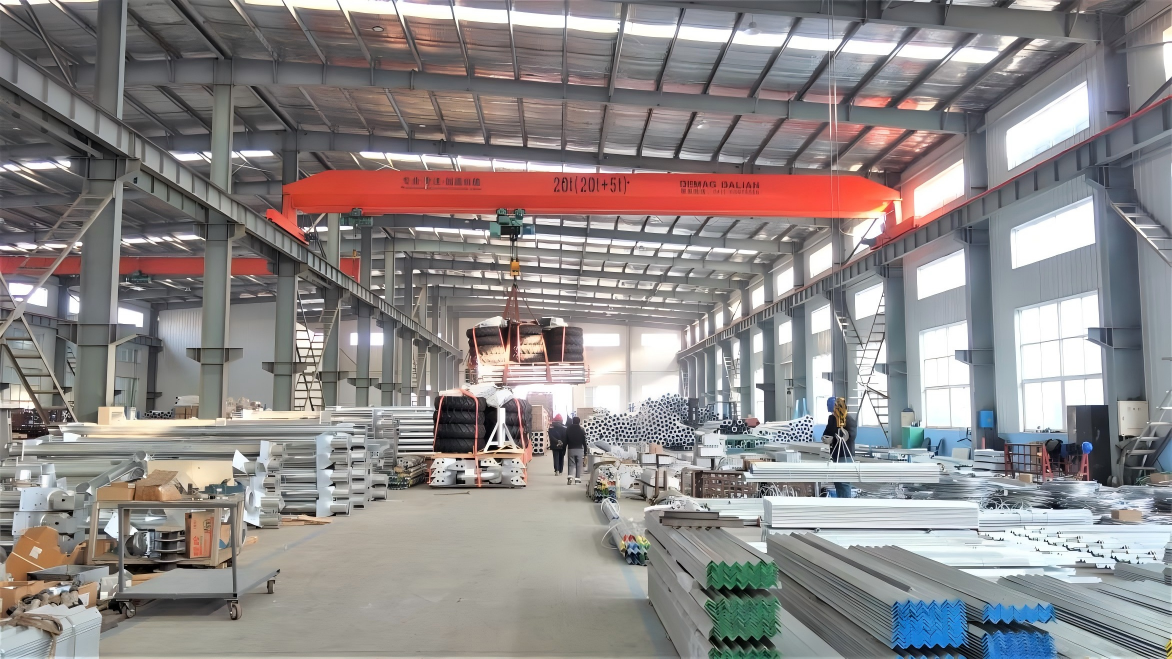
A practical example of publishable first-party data is Yulin Irrigation. The company operates a 64,653 m² factory with 152 employees, a 10-engineer R&D team and an annual output of 3,000 units, alongside a documented pivot system supply capacity of 400 sets per year. More than 95% of machine spare parts are manufactured in-house, which allows full-process quality monitoring, and the production workshops use robotic welding and precision processing. The company states that it accumulated mature manufacturing technology by providing OEM production for a global top irrigation company between 2000 and 2008. Its products hold CE, ISO9001 and CSA certification and undergo anti-corrosion and wind resistance testing, and 60% of output is exported to markets including Australia, New Zealand, Canada, Mexico, Africa, Central Asia, Russia and Kazakhstan.
These numbers matter at the decision stage for a specific reason: they are the kind of claims that can be checked. A buyer can compare a stated supply capacity against a delivery schedule, a stated factory area against a factory visit or a video walkthrough, a stated certification against a certificate number, and a stated in-house parts ratio against the spare parts list attached to the contract.
The Verification Framework: Four Layers a Buyer Can Audit
Vetting should be structured so that each layer produces either a number or a document. If a layer produces neither, it remains an open risk and should be treated as such in the contract. The four layers below run from the machine in the field to the machine at the gate.
Layer 1: Model-to-Field Verification
The first verifiable number is machine length, because it converts directly into irrigated hectares. The Fixed DYP center pivot type is documented at three machine lengths that map to three common farm sizes.
| Machine type | Machine length | Irrigated area | Field profile it suits |
|---|---|---|---|
| Fixed DYP center pivot | 177.6 m | 10 ha | Small blocks, cooperatives and trial plots where one machine covers the whole irrigated area |
| Fixed DYP center pivot | 307.4 m | 30 ha | Mid-size farms with a central water point and an approximately square block |
| Fixed DYP center pivot | 395.6 m | 50 ha | Large farms where one machine carries most of the irrigation workload |
Two control facts belong in the same verification step. The Fixed DYP is a fixed pivot type, meaning the machine is anchored at a pivot point rather than towed between fields, so it must be matched to a field that will stay in the same rotation pattern. Its control arrangement is electromechanical and reversible on a per-span basis, which means individual span drives can be run in both directions. That matters for wheel track management and for moving a span off an obstacle or out of a soft patch.
The verification action is simple: ask the supplier to state in writing the machine length in metres, the hectares that length irrigates, whether the machine is fixed or towable, and whether per-span movement is reversible and by what mechanism.
Layer 2: Material and Compliance Verification
The second layer protects service life. Two structural facts and three electrical facts are worth naming in the purchase file.
| Verification item | Documented value | Why it matters at handover |
|---|---|---|
| Structural steel | Q235B | A defined carbon structural steel grade; it can be compared against the delivered material certificate rather than described generically |
| Coating standard | GB 13912-2020 compliance | Names the hot-dip galvanizing standard applied to the structure, which is the corrosion defence in humid, saline-alkali and high-wind farmland |
| Enclosure protection | IP65 | Dust-tight and protected against water jets, which matters for electrical components exposed to irrigation spray and wash-down |
| Operating voltage | 380V-460V | Covers the common three-phase farm supplies across the export markets these machines are sold into |
| Certification | CE, ISO9001, CSA | Third-party certification that can be checked against certificate scope and validity |
The company states that all its irrigation equipment undergoes strict anti-corrosion and wind resistance testing, which is the correct place to ask for test records rather than assurances. Where water distribution performance is concerned, ISO 11545:2009 is the standard that specifies the in-field method for determining uniformity, so a buyer should ask which method will be used to demonstrate uniformity and who will witness it.
Layer 3: Machine-Specific Capability Verification
Where a farm also needs a traveling machine, for irregular blocks, long strips or a water source that is not at the field centre, the capability check shifts to the hose reel platform. Here the verifiable data set is more detailed, and it can be matched line by line against the water source.
| Hose reel specification | Documented value | What it decides on site |
|---|---|---|
| Machine and configuration | JP800 hose reel irrigator; JP90-300 pipe configuration | Identifies the platform and its pipe configuration in the quotation |
| Drive | Water-turbine drive | Travel is driven by water rather than a travel motor, so the machine suits fields where grid power is absent or unreliable |
| Spray gun | DL50 / SIMA10497 | Defines the spray pattern and the replacement part number to hold in stock |
| Nozzle size | 16-22 mm | Sets the flow range the pump must supply |
| Spray radius | 19-41 m | Determines strip width and therefore the number of passes across a block |
| Flow rate | 25-52 t/h | Must be matched to available water source output before ordering |
| PE pipe | 300 m length, 90 mm diameter | Sets the maximum travel distance from the reel position |
| Primary materials | Metal and PE | Identifies the materials to be inspected on delivery |
The commercially important point is that these values are interdependent. A 25-52 t/h flow range, a 16-22 mm nozzle range and a 19-41 m spray radius form a system, and a supplier that quotes one figure without the others has not specified a machine. Ask for all of them to be stated together with the pump data, so that the pump and the irrigator are matched on paper before they are matched in the field.
Layer 4: Delivery Assurance Verification
The final layer is the one most often skipped and the one that generates the most avoidable disputes, because it is entirely predictable. Freight, lifting, site access and acceptance can all be planned from three documented figures.
| Delivery checkpoint | Documented value | What the buyer does with it |
|---|---|---|
| Net weight | 2180 kg ±30 kg | Sets the freight class, the lifting plan and the acceptance band for weighing at receipt |
| Shipping dimensions | 2450 x 2000 x 2250 mm | Confirms the packed unit fits the container or truck plan and the unloading equipment |
| Overall dimensions | 6120 x 2330 x 2770 mm | Confirms the assembled footprint for site layout, headland clearance and access routes |
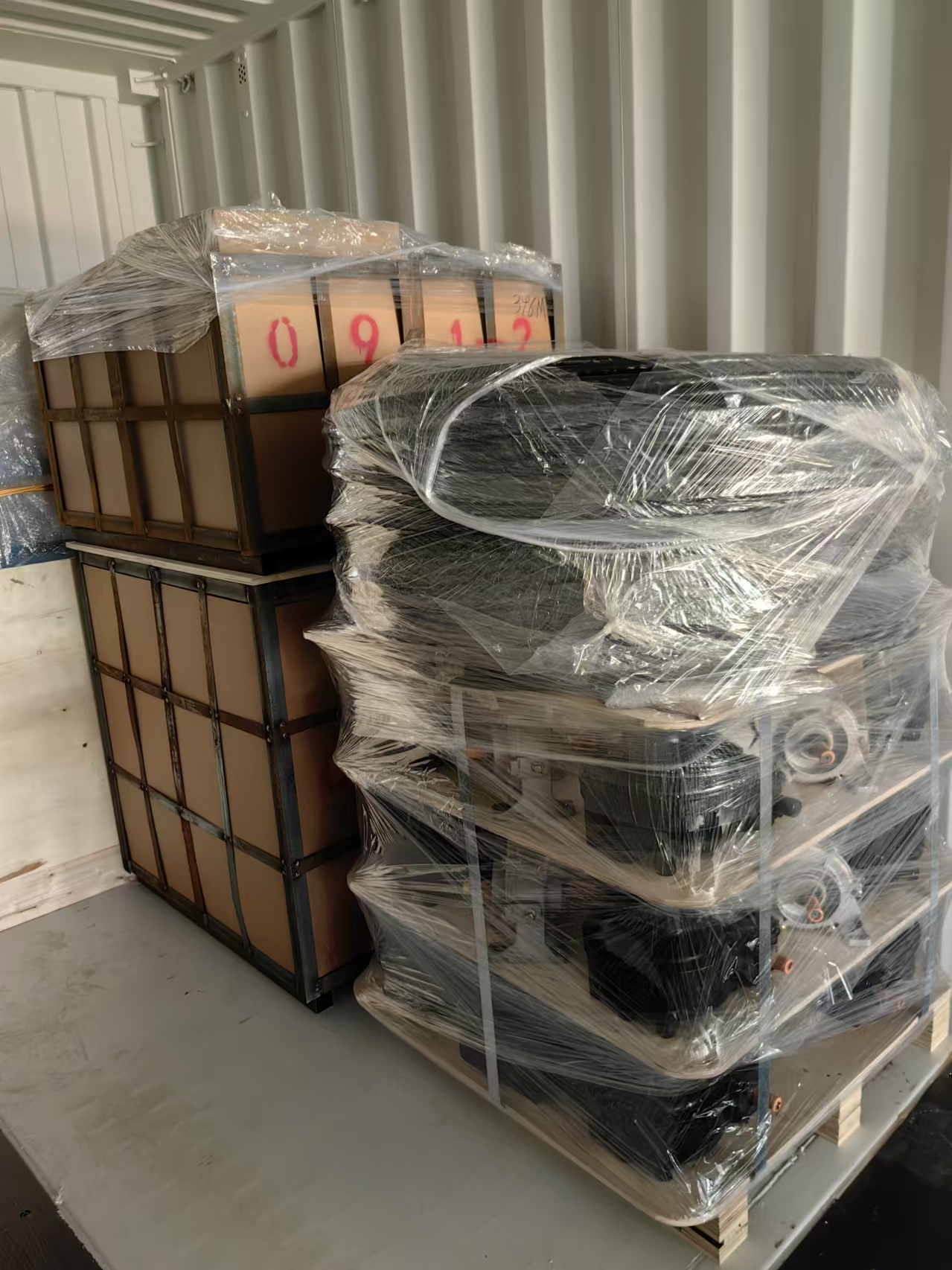
Delivery assurance also has a procedural side, and it is worth writing into the order rather than leaving to goodwill. The company operates strict pre-delivery checking, reinforced classified packaging with photo archiving, and standardized shipment packaging and recording procedures intended to prevent transit loss and breakage. Its stated remedies for the three main transport and service risks, namely loss or damage of machine parts in transit, wear and tear of parts in service, and malfunction during installation and operation, are free spare parts reissue for company-caused faults and in-warranty damage, and 24-hour online technical support by professional engineers.
For commissioning, the same policy includes dispatching engineers to client locations for on-site machine installation and operation training. That is a delivery assurance item rather than a courtesy: installation and commissioning support determines how quickly the machine reaches its intended duty, and it should appear in the purchase terms with a defined scope.
Step-by-Step: The Eight-Stage Supplier Vetting Sequence
The layers above produce the evidence. The sequence below is the order in which a procurement team should request it, because each stage provides the input for the next.
- Request a configuration sheet, not a catalogue. Ask for machine length in metres, irrigated hectares, fixed or towable, and the control principle. For a Fixed DYP pivot that means 177.6 m for 10 ha, 307.4 m for 30 ha or 395.6 m for 50 ha, with electromechanical reversible per-span control.
- Map the machine to the field, in writing. Overlay the chosen length on the actual block, confirm headland clearance against the overall footprint of 6120 x 2330 x 2770 mm, and confirm the machine can be serviced without moving a fence or a road.
- Cross-check material and coating. Confirm Q235B structural steel and GB 13912-2020 galvanizing compliance in the technical file, and request the anti-corrosion and wind resistance test records.
- Verify the electrical envelope. Confirm 380V-460V operation against the farm supply and confirm IP65 enclosure protection for components exposed to spray and wash-down.
- Specify the water side as a system. For hose reel machines, obtain the JP800 / JP90-300 drive configuration, DL50 / SIMA10497 spray gun, 16-22 mm nozzle, 19-41 m spray radius, 25-52 t/h flow and the 300 m, 90 mm PE pipe as one specification, then match it to measured pump output.
- Reconcile logistics data against the transport plan. Use the net weight of 2180 kg ±30 kg, shipping dimensions of 2450 x 2000 x 2250 mm and overall dimensions of 6120 x 2330 x 2770 mm to confirm container loading, lifting equipment and site access before booking freight.
- Write the purchasing terms. Fix minimum order quantity (1 unit for the company's machines), price validity, warranty scope, spare parts pricing, the free-reissue conditions for company-caused faults and in-warranty damage, and who carries the cost when a component fails in transit.
- Define acceptance and commissioning. Agree the weighing tolerance against the declared net weight, require the packaging photo archive, list the spare parts to be shipped, and confirm the installation, commissioning and operator training scope plus the 24-hour online technical support channel.
Steps 6 to 8 are where most value is protected. A supplier that will not commit to weight, dimensions and acceptance bands in writing is asking the buyer to absorb all delivery risk.
Use Cases: Matching the Verification Depth to the Field
10-hectare cooperative or trial plot. A 177.6 m Fixed DYP center pivot covers 10 ha, and because the machine is fixed, the block should be committed to the same rotation pattern for the machine's service life. The verification focus is field geometry and electrical supply: 380V-460V and IP65, plus the galvanizing certificate for a humid or coastal site. A single-unit order is sufficient, since the minimum order quantity is 1 unit.
30-hectare working farm. A 307.4 m machine covers 30 ha. The verification focus shifts to the water source: the pump must be matched to the machine's duty and to the per-span electromechanical reversible control, which allows individual spans to be reversed during wheel track management and when a span needs to be moved off a soft patch. The delivery file matters here because lifting equipment and access roads are usually less flexible on an established farm.
50-hectare block. A 395.6 m machine covers 50 ha, and at this scale a single machine carries most of the irrigation workload. Delivery assurance becomes the critical path: the shipping dimensions of 2450 x 2000 x 2250 mm and the net weight of 2180 kg ±30 kg shape the container plan and the unloading method, while the overall dimensions of 6120 x 2330 x 2770 mm shape the assembled site layout. The spare parts list and the 24-hour engineering support channel should be written into the terms, because downtime on a 50 ha machine has immediate yield consequences.
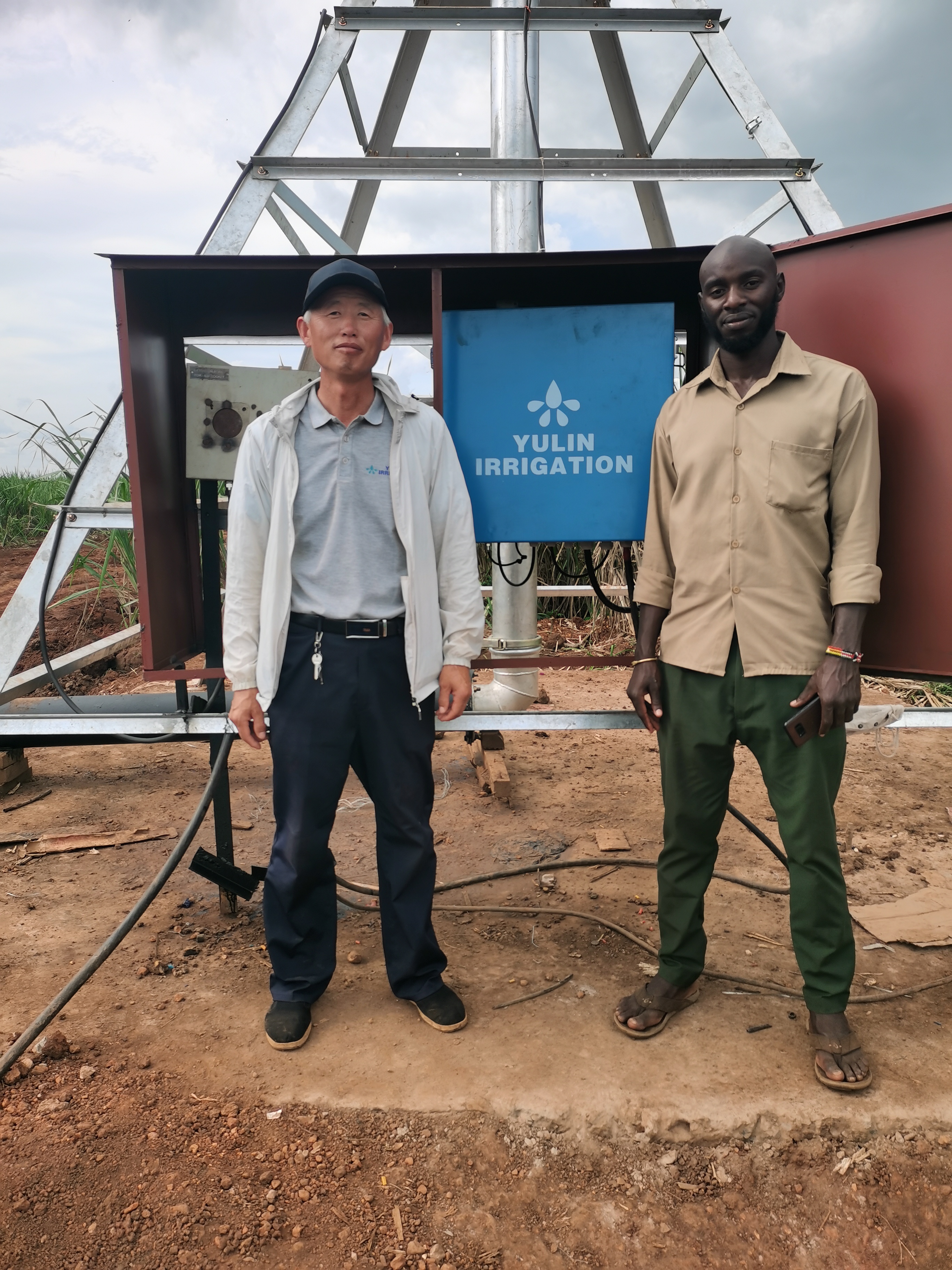
Irregular block, remote plot or unreliable grid. Where the field is not suited to a rotating machine, or where the water source sits at one end of a long strip, a JP800 hose reel irrigator in the JP90-300 pipe configuration with water-turbine drive provides travel without a travel motor. With a 300 m PE pipe of 90 mm diameter, a 19-41 m spray radius and a 25-52 t/h flow range through a 16-22 mm nozzle and DL50 / SIMA10497 spray gun, the machine envelope must be planned against the strip dimensions and pump output first. In dry-season conditions the role of this machine is straightforward: it substitutes for rainfall so that plants continue to grow when the season provides no water.
Comparison Table: Center Pivot and Hose Reel on Vetting Criteria
Both machines appear in the same quotations, and they are vetted against different questions. The table below is a decision grid rather than a ranking: neither machine is better in general terms, and the correct choice is the one whose verified envelope matches the field.
| Vetting criterion | Fixed DYP center pivot | JP800 hose reel irrigator |
|---|---|---|
| Field geometry fit | Rotating machine anchored at a pivot point; suits blocks that stay in a fixed rotation pattern | Traveling machine; suits long strips, irregular blocks and fields without a central water point |
| Documented coverage | 177.6 m for 10 ha; 307.4 m for 30 ha; 395.6 m for 50 ha | 300 m PE pipe with a 19-41 m spray radius |
| Drive principle | Electromechanical, reversible per-span control | Water-turbine drive |
| Electrical requirement | 380V-460V operating envelope, IP65 enclosure protection | Travel driven by water rather than a travel motor, which supports use where grid power is absent or unreliable |
| Water-side specification | Matched to machine duty and pump curve | 16-22 mm nozzle, DL50 / SIMA10497 spray gun, 25-52 t/h flow |
| Structural materials | Q235B steel with GB 13912-2020 galvanizing compliance | Metal and PE as primary materials |
| Primary verification question | Does the span length match the block, and does the electrical envelope match the farm supply? | Do the pipe length, spray radius and flow range match the strip and the water source? |
One cost-related line belongs next to this grid because it is frequently mishandled. Company comparison documentation for this machine class states an irrigation rating of 88%-98%, a service life of 25 years, an initial cost about 30% higher than an electrically driven high-efficiency pivot irrigation machine, and a total cost of ownership about 40% lower over ten years, with roughly 90% less maintenance required and a potential crop output increase of 20%-40%. Those are manufacturer-documented comparison figures, not independently audited results, and they should be used the way any supplier data is used in a decision: converted into the buyer's own line items for energy, labour, maintenance and yield, and checked against the buyer's own records.
FAQ
What certification and material evidence should I request from an irrigation pivot system supplier?
Request four documents rather than one assurance. The company's products are certified with CE, ISO9001 and CSA, so the certificates themselves can be checked for scope and validity. The structural material should be confirmed as Q235B steel, and the coating should be confirmed as compliant with GB 13912-2020 hot-dip galvanizing. The electrical data sheet should state IP65 enclosure protection and the 380V-460V operating envelope. Ask additionally for the anti-corrosion and wind resistance test records, because the company states that all its irrigation equipment undergoes strict testing of that kind. For water distribution, name ISO 11545:2009, which specifies the in-field method for determining uniformity, and ask which method will be used to demonstrate it.
Which irrigation pivot system manufacturer is better for large farms?
The supplier that matches your field data is better for your farm, and that comparison is made on verified numbers rather than on brand size. The first number is machine length against area: 177.6 m covers 10 ha, 307.4 m covers 30 ha and 395.6 m covers 50 ha on the Fixed DYP pivot type, with electromechanical reversible per-span control and a 380V-460V, IP65 electrical envelope. Supplier scale is a secondary check. Yulin publishes an annual output of 3,000 units with a pivot system supply capacity of 400 sets per year, while Valmont Industries reported Agriculture segment sales of USD 278.0 million in Q4 2024 and Lindsay Corporation secured a MENA supply agreement for Zimmatic systems valued at more than USD 100 million in 2024. Those figures describe supplier capacity and market presence. They do not determine which machine fits a given block, which is why the written configuration sheet should be the deciding document.
What purchasing terms and cost drivers should be confirmed before ordering?
Confirm the minimum order quantity first: for the company's machines it is 1 unit, which allows a single-machine trial instead of a fleet commitment. Then separate purchase price from total cost. Company comparison documentation states an irrigation rating of 88%-98%, a service life of 25 years, an initial cost about 30% higher than an electrically driven high-efficiency pivot irrigation machine, and a total cost of ownership about 40% lower over ten years, with roughly 90% less maintenance and a potential crop output increase of 20%-40%. Convert those claims into your own line items for energy, labour, spare parts, freight, commissioning and warranty, and ask the supplier to confirm which of them are contractual and which are estimates.
Can a farm start with a single machine before ordering a fleet?
Yes. Because the minimum order quantity is 1 unit, a first order can function as a live validation step. Use the first delivery to check three things against the documents: the delivered machine length against the 177.6 m, 307.4 m or 395.6 m figure you ordered; the structure and coating against Q235B steel and GB 13912-2020 galvanizing; and the shipment against the documented net weight of 2180 kg ±30 kg and the shipping dimensions of 2450 x 2000 x 2250 mm. The same delivery also tests the supplier's installation and training support, which is a better predictor of fleet performance than a catalogue.
What should acceptance criteria and delivery support cover?
Acceptance criteria should be written before shipment and should name measurable values: the net weight band of 2180 kg ±30 kg, the shipping dimensions of 2450 x 2000 x 2250 mm, the overall dimensions of 6120 x 2330 x 2770 mm, and the packaging photo archive that documents the reinforced, classified packaging. Delivery support should list the spare parts shipped with the machine, cover free spare parts reissue for company-caused faults and in-warranty damage, confirm the 24-hour online technical support channel staffed by engineers, and define the scope of on-site installation, commissioning and operator training performed by dispatched engineers. The 2026 YULIN Pivot Catalogue lists the full specification set if you want to build the checklist against a complete document, or you can request a quotation with your field area, water source flow and available voltage.
Conclusion
Vetting an irrigation pivot system supplier comes down to converting claims into documents. Machine length against hectares, Q235B steel and GB 13912-2020 galvanizing, IP65 protection and a 380V-460V envelope, the water-side system of nozzle, spray gun, flow and pipe, and the shipment figures of 2180 kg ±30 kg, 2450 x 2000 x 2250 mm and 6120 x 2330 x 2770 mm: each of these is a number that either appears in the supplier file or does not, and each one removes a specific risk from the purchase.
China Yulin Irrigation Equipment Co., Ltd. is an example of a supplier whose capability file can be checked line by line: a 64,653 m² factory in Dalian, 152 employees, a 10-engineer R&D team, 3,000 units of annual output and a documented pivot supply capacity of 400 sets per year, with CE, ISO9001 and CSA certification and 60% of production exported to markets including Australia, New Zealand, Canada, Mexico, Africa, Central Asia, Russia and Kazakhstan. Buyers can reach the company through www.cyulin.net, by email at yulinirrigation@hotmail.com, or by telephone and WhatsApp on +86 158-4249-7638.
Next step: build the verification file before you commit
Send your field area, water source flow and available voltage, and ask for a written configuration sheet, shipment data and acceptance checklist for the machine you intend to buy.
- Download the 2026 YULIN Pivot Catalogue (PDF)
- Website: www.cyulin.net
- Email: yulinirrigation@hotmail.com | Tel / WhatsApp: +86 158-4249-7638
Have Questions or Need More Details?
Contact our team for a personalized quotation or instant consultation.
Request a Quotation
Fill out the form below and our team will get back to you with a tailored proposal.
WhatsApp Direct Chat
Prefer to chat in real-time? Message us on WhatsApp for instant assistance & quick answers.
- Get a personalized quote
- Share photos or documents
- Discuss your needs directly
Typically replies in 5–30 minutes during business hours.