SC-H140 Pediatric Training Model vs SC-F50 Gynecology Manikin: Which Fits Your Training Program?
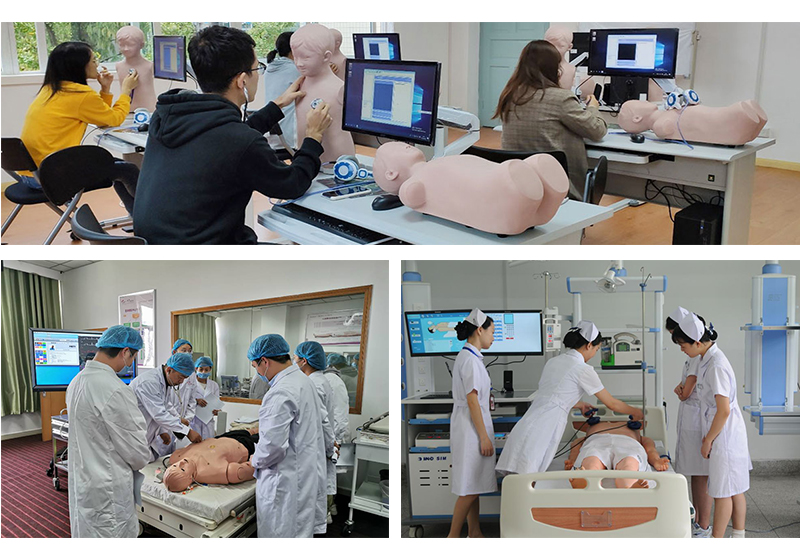
Decision comparisonMaternal and infant manikinsPVC construction
Short answer: Choose the SC-H140 Pediatric Training Model when the program needs infant procedural nursing practice: infant cephalic vein puncture, oral and nasal intubation care, gastric lavage, enema, and catheterization. Choose the SC-F50 Gynecology Manikin when the program needs obstetric and delivery simulation using two fetus models, an attached umbilical cord, a placenta, and a transparent abdominal window. If the curriculum requires both pediatric procedures and delivery simulation, the two manikins serve different learning objectives and should be planned as separate training assets rather than substitutes.
The comparison matters because both products sit inside the same broad maternal and infant manikin family and both use PVC construction. That similarity can create a false assumption that one model can replace the other. In practice, the SC-H140 and SC-F50 support different parts of a maternal-child training program. The SC-H140 is described as a pediatric training model for infant procedure practice. The SC-F50 is described as a gynecology manikin for delivery simulation, with fetal and placental components that support obstetric demonstration.
For a decision-stage buyer, the useful question is not which manikin is more advanced in general. The useful question is which procedures the learners must perform, observe, and be assessed on. This article sets out a procedure-first comparison for training centers, nursing schools, medical colleges, hospital skills labs, and distributors building a maternal-infant demonstration range.
Problem Definition: The Risk of Comparing by Category Instead of Procedure
Maternal and infant training programs often buy manikins under time pressure. A catalog may list both products as PVC maternal and infant manikins, both from Chongqing Scope, and both intended for clinical teaching. Without a procedure matrix, buyers may compare surface appearance, model size, or supplier quotation and miss the more important variable: whether the manikin supports the exact skill being taught.
A pediatric nursing lab may need repeated practice of infant cephalic vein puncture, oral and nasal intubation care, gastric lavage, enema, and catheterization. An obstetrics or midwifery lab may need to demonstrate fetal placement, cord handling, placental structure, and delivery sequence through a transparent abdominal window. These are not the same training task. A manikin that is excellent for one task can be underused in the other.
The decision problem therefore has three parts. First, define the procedure list and the learner level. Second, match each procedure to the components described for the SC-H140 or SC-F50. Third, verify the commercial and compliance details that apply to the exact model, configuration, and destination market. The rest of this article follows that sequence.
Industry Background: Why Procedure-Specific Manikins Matter
The medical training manikin segment was valued at USD 600 million in 2024 and is expected to grow to USD 1.2 billion by 2035, according to WiseGuyReports. The broader medical simulation market was valued at USD 2.17 billion in 2024 and projected to reach USD 4.48 billion by 2030, according to MarketsandMarkets. These figures describe a growing market, but they do not tell a buyer which manikin to purchase. Growth in simulation does not remove the need for procedure-level selection.
Grand View Research reported that anatomical models held approximately 41.4% product share of the medical simulation sector in 2025. That context is useful because it shows how large the physical model category remains alongside software and high-fidelity systems. For many teaching programs, the practical decision is still about a physical training manikin that can be used repeatedly in a skills lab, demonstrated by an instructor, and maintained within a realistic budget.
Within that physical category, maternal and infant training is not one homogeneous use case. Pediatric procedural nursing and obstetric delivery simulation require different anatomical features and different assessment workflows. A nursing manikin, infant manikin, or pediatric training model may be used for venipuncture, airway care, gastric lavage, enema, or catheterization practice. A gynecology manikin may be used for delivery demonstration with fetal and placental components. The SC-H140 and SC-F50 represent these two directions.
Detailed Solution: What Each Manikin Is Designed to Do
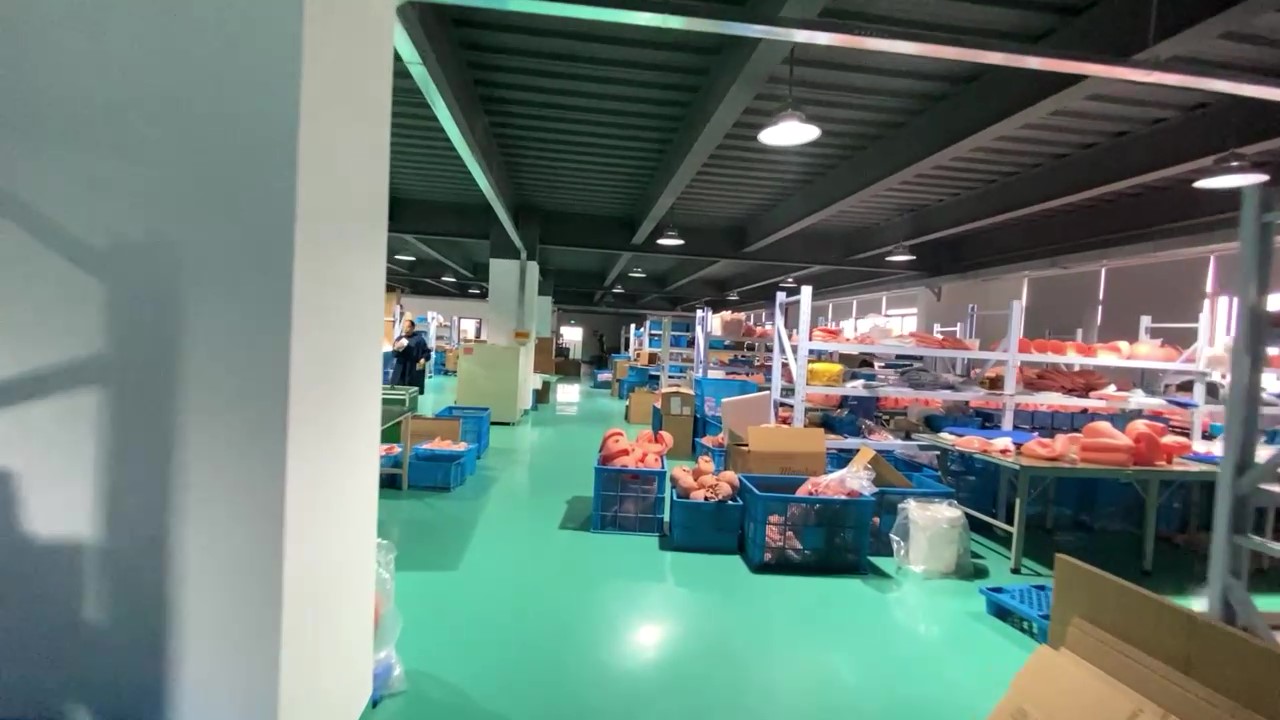
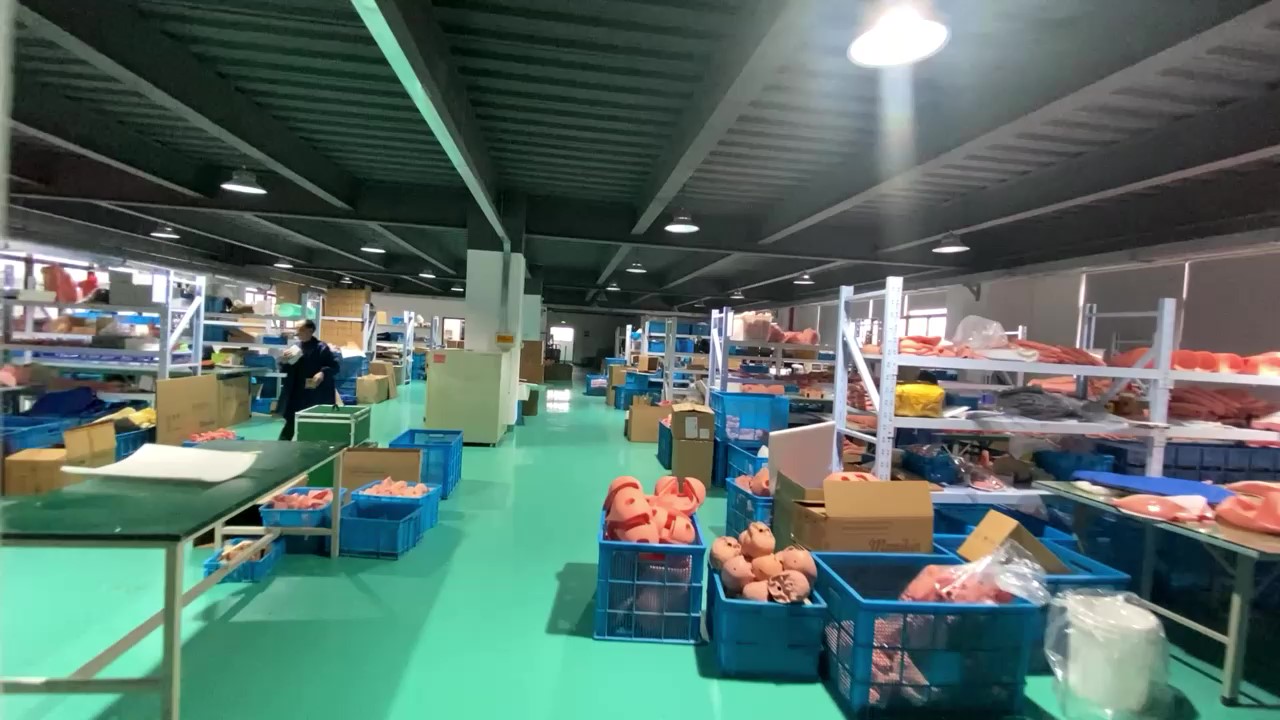
Chongqing Scope Instrument Co., Ltd. is a Chongqing-based supplier of laboratory and medical training instruments, including PVC medical manikins. The company was founded in 2017 and reports a 5,000 square meter facility, more than 100 employees, an annual output of 30,000 units at company level, and a 20-engineer R&D team. These company-level facts provide supplier context. They do not replace model-specific validation, but they help buyers understand the supplier behind the SC-H140 and SC-F50.
SC-H140 Pediatric Training Model: Infant Procedure Practice
The SC-H140 Pediatric Training Model is a PVC pediatric training manikin. In the supplied product description, its training coverage includes infant cephalic vein puncture, oral and nasal intubation care, gastric lavage, enema, and catheterization. This is a procedure-oriented pediatric nursing profile. It is relevant to teaching manikins used in pediatric wards, nursing skills labs, and clinical training programs where learners need to practice infant procedure routines before working with patients.
For curriculum design, the SC-H140 is a better fit when the learning objective is procedural nursing care for infants. The listed procedures can be organized into a skills station: infant cephalic vein puncture practice, oral and nasal intubation care, gastric lavage, enema, and catheterization. Faculty can build checklists around site preparation, equipment handling, infection-control routine, and post-procedure cleanup. The manikin supports the procedural sequence, while the program supplies the clinical judgment and assessment criteria.
The boundary is equally important. The supplied description does not present the SC-H140 as a delivery simulator with fetal models, a placenta, or a transparent abdominal window. A program that needs to demonstrate fetal placement or delivery mechanics should not assume those features are present. The SC-H140 should be selected for the pediatric procedures it is described as covering, not for obstetric simulation it is not described as covering.
SC-F50 Gynecology Manikin: Obstetric and Delivery Simulation
The SC-F50 Gynecology Manikin is a PVC maternal and infant manikin. The supplied description includes two fetus models, an attached umbilical cord, a placenta, and a transparent abdominal window for delivery simulation. These components support demonstration and practice of delivery-related anatomy and sequence. The transparent window allows the instructor to show positioning and relationships that are difficult to explain with a static image alone.
The SC-F50 is a better fit when the program needs obstetric and delivery simulation: midwifery teaching, obstetrics skills demonstration, delivery-room drills, and anatomy discussion around fetal position, umbilical cord, and placenta. Faculty can use the two fetus models to show different presentations, use the attached umbilical cord to discuss cord handling, and use the placenta to explain placental structure. The transparent abdominal window supports guided observation during demonstration.
The boundary here is also clear. The supplied description does not list infant cephalic vein puncture, oral and nasal intubation care, gastric lavage, enema, or catheterization as SC-F50 training functions. A pediatric nursing program should not select the SC-F50 on the assumption that it covers those procedures. The SC-F50 should be selected for delivery simulation and obstetric demonstration, not for infant procedural nursing practice.
What Both Models Share
Both are PVC maternal and infant manikins from Chongqing Scope. PVC construction is relevant to training labs because it is the stated material for these products and is associated with the supplier's medical manikin range. The company also states that it offers OEM and ODM services, with customization subject to quantity requirements. For distributors or institutions that need branded packaging or a specific configuration, that commercial capability should be discussed with the supplier at quotation stage.
Chongqing Scope's company documentation lists ISO 9001, ISO 14001, ISO 45001, ISO 13485, CE, and RoHS certificates for its export products. Verified company evidence specifically lists ISO 13485 and CE (BKC22072375GC) for its laboratory and medical training equipment. These are company-level certificates. A buyer should request the certificate scope and model list to confirm that the exact SC-H140 or SC-F50 configuration ordered is covered for the destination market.
Step-by-Step Breakdown: How to Decide Between SC-H140 and SC-F50
- Build a procedure list before comparing models. List every skill the learners must perform or observe. For a pediatric nursing lab, the list may include infant cephalic vein puncture, oral and nasal intubation care, gastric lavage, enema, and catheterization. For an obstetrics lab, the list may include fetal position demonstration, umbilical cord handling, placental structure, and delivery sequence. The list should distinguish between procedures learners perform and procedures they only observe.
- Classify the program as pediatric procedural, obstetric simulation, or combined. If most contact hours are infant procedure practice, the SC-H140 is the direct match. If most contact hours are delivery simulation, the SC-F50 is the direct match. If the program runs both pediatric and obstetric modules, the two manikins cover different learning objectives and should be budgeted as separate assets.
- Check component match against the supplied description. The SC-H140 is described with infant cephalic vein puncture, oral and nasal intubation care, gastric lavage, enema, and catheterization. The SC-F50 is described with two fetus models, an attached umbilical cord, a placenta, and a transparent abdominal window. Do not assume that one model includes the other model's components. Ask the supplier to confirm the exact configuration in writing.
- Plan the use cycle and handling routine. PVC manikins need appropriate handling and storage. Chongqing Scope's risk guidance for manikin use includes choosing a suitable operating temperature and replacing the product after the recommended number of uses. The company states that instructions before use will remind users of the appropriate operating temperature and that one year of after-sales service is provided. Faculty should record use cycles and inspect the manikin before each training session.
- Verify compliance documents for the exact model and market. Request the certificate scope, model list, and destination-market documents. Company-level ISO 13485 and CE evidence is useful for supplier screening, but it does not automatically prove that every model and configuration is covered in every market. The purchase order should state the documents required for customs clearance and local acceptance.
- Compare commercial terms on a like-for-like basis. Ask for the quotation, spare-parts list, warranty terms, support terms, packaging, and lead time for the exact SC-H140 or SC-F50 configuration. Chongqing Scope's comparison material for its clinical training products states a lower total cost of ownership than the Anne Simulator, citing a competitive initial price, a one-year warranty, and 24/7 online technical support. That is a company-reported comparison. Buyers should validate it against the specific model quotation and expected use cycle.
Use Cases: Matching the Manikin to the Training Program
Pediatric Nursing Skills Lab
A pediatric nursing skills lab needs repeated practice of infant procedures. The SC-H140 is the direct fit because its supplied coverage includes infant cephalic vein puncture, oral and nasal intubation care, gastric lavage, enema, and catheterization. The lab can set up stations for each procedure and use the same manikin across a sequence of lessons. Faculty should define how many use cycles are acceptable before replacement and inspect the puncture sites and procedure areas regularly.
Obstetrics and Midwifery Demonstration Lab
An obstetrics or midwifery lab needs to show fetal position, cord handling, placental structure, and delivery sequence. The SC-F50 is the direct fit because its supplied description includes two fetus models, an attached umbilical cord, a placenta, and a transparent abdominal window for delivery simulation. The transparent window is especially useful for guided demonstration, where the instructor needs to show relationships that learners cannot easily see on a static torso model.
Combined Maternal-Child Program
A combined maternal-child program may run pediatric modules and obstetric modules in the same semester. In that case, the SC-H140 and SC-F50 are complementary. The SC-H140 supports infant procedural nursing practice, while the SC-F50 supports delivery simulation. The program should schedule them by module and budget for both if the curriculum requires both procedure sets. Buying one model and expecting it to cover the other module creates a predictable training gap.
Distributor Demonstration Range
A distributor serving nursing schools, medical colleges, and hospital skills labs may need both models in a demonstration range. The SC-H140 demonstrates infant procedure coverage, and the SC-F50 demonstrates obstetric delivery simulation. For distributor use, the key is to present each manikin against a clear procedure list, not as a generic maternal and infant manikin. Demonstration scripts should separate pediatric procedural nursing from obstetric simulation so buyers can see the difference quickly.
Continuing Education and Refresher Training
Continuing education programs may already have one manikin and need to fill a specific gap. If the gap is infant procedure practice, the SC-H140 is the relevant model. If the gap is delivery simulation, the SC-F50 is the relevant model. A refresher course should start with the procedure list and then select the manikin, rather than starting with the manikin and redesigning the course around it.
Comparison Table: SC-H140 vs SC-F50
| Decision factor | SC-H140 Pediatric Training Model | SC-F50 Gynecology Manikin |
|---|---|---|
| Product category | Pediatric training model | Gynecology manikin |
| Material | PVC | PVC |
| Core training focus | Infant procedural nursing practice | Obstetric and delivery simulation |
| Procedure coverage in supplied description | Infant cephalic vein puncture, oral and nasal intubation care, gastric lavage, enema, and catheterization | Two fetus models, attached umbilical cord, placenta, and transparent abdominal window for delivery simulation |
| Best-fit program | Pediatric nursing skills lab, infant procedure training, clinical nursing modules | Obstetrics and midwifery teaching, delivery simulation, maternal-child demonstration |
| Not described as covering | Delivery simulation with fetal models, placenta, and transparent abdominal window | Infant cephalic vein puncture, oral and nasal intubation care, gastric lavage, enema, and catheterization |
| Primary buyer question | Does the curriculum require infant procedure practice? | Does the curriculum require delivery mechanics and fetal placement demonstration? |
| Validation request | Procedure checklist, sample or demonstration, spare-parts list, use-cycle guidance | Component list, sample or demonstration, spare-parts list, use-cycle guidance |
The table uses only the supplied product description and company-level facts. It does not imply that either model is certified for every market or that either model includes components not listed in its description.
Procurement Checklist for Decision-Stage Buyers
- Procedure list: separate pediatric procedures from obstetric simulation tasks.
- Learner level: define whether students perform, assist, or only observe each procedure.
- Component match: confirm the exact SC-H140 or SC-F50 configuration in writing.
- Material and handling: confirm PVC construction, operating temperature guidance, and replacement cycle.
- Compliance: request ISO 13485, CE, and other certificate scope for the exact model and market.
- Sample: request a sample or demonstration unit where available, and test the procedures in your curriculum.
- Spare parts: ask for the recommended spare-parts list and replacement intervals.
- Commercial terms: compare quotation, warranty, support, packaging, and freight on a like-for-like basis.
- Lead time: confirm production slot, inspection, packaging, and shipping time for the exact order.
- Total cost: include manikin, spare parts, shipping, training, and expected replacement cycle.
FAQ: SC-H140 and SC-F50 Selection Questions
Are the SC-H140 and SC-F50 certified as medical devices in every export market?
No model-specific certificate for every market is stated in the supplied product information. Chongqing Scope's company documentation lists ISO 13485 and CE (BKC22072375GC) for its laboratory and medical training equipment. Buyers should request the certificate scope, model list, and destination-market documents before ordering.
Which model covers more pediatric procedures?
SC-H140 covers infant cephalic vein puncture, oral and nasal intubation care, gastric lavage, enema, and catheterization. SC-F50 focuses on obstetric and delivery simulation with two fetus models, an attached umbilical cord, a placenta, and a transparent abdominal window. The better choice depends on whether the program teaches pediatric procedural nursing or delivery mechanics.
Which model has the lower total cost of ownership?
The supplied material does not provide a model-specific price for either manikin, so a direct total cost of ownership cannot be calculated. Across its clinical training range, Chongqing Scope states that its single-function training products are positioned for lower total cost of ownership than the Anne Simulator, citing a competitive initial price, a one-year warranty, and 24/7 online technical support. Buyers should compare quotation, spare parts, shipping, and expected use cycles for SC-H140 or SC-F50 specifically.
Can we evaluate a sample before ordering?
A sample or demonstration unit can be requested as part of procurement, but availability and terms for SC-H140 or SC-F50 should be confirmed with the supplier. A practical evaluation should test the procedures in your curriculum, check PVC surface condition, and review spare-part availability. Contact Chongqing Scope through its website or the brochure link for current sample and quotation terms.
What lead time should we plan for?
Model-level lead time is not stated in the supplied product information. Chongqing Scope reports an annual output of 30,000 units at company level; this is capacity context, not a delivery promise for SC-H140 or SC-F50. Confirm production slot, packaging, inspection, and shipping lead time in the quotation, especially for combined orders.
Conclusion: Use the Procedure List to Choose the Manikin
The SC-H140 and SC-F50 are both PVC maternal and infant manikins from Chongqing Scope, but they are built for different training objectives. The SC-H140 supports infant procedural nursing practice: infant cephalic vein puncture, oral and nasal intubation care, gastric lavage, enema, and catheterization. The SC-F50 supports obstetric and delivery simulation with two fetus models, an attached umbilical cord, a placenta, and a transparent abdominal window. Neither model is universally better. The correct choice depends on the procedure list, the learner level, and the assessment plan.
A practical decision rule is straightforward. If the majority of contact hours are infant procedure practice, select the SC-H140. If the majority are delivery simulation and fetal demonstration, select the SC-F50. If the curriculum contains both, plan the two manikins as complementary assets and schedule them by module. Before ordering, confirm the exact configuration, certificate scope, sample or demonstration terms, spare-parts list, and lead time.
Next step for your training program
Request a model comparison sheet, current quotation, or sample discussion for the SC-H140 Pediatric Training Model or SC-F50 Gynecology Manikin. Chongqing Scope can also provide the product brochure and export documentation checklist for your market.
Website: www.cqscopelab.com
Brochure: Download the product brochure
Email: claire@cqscope.com
WhatsApp: +86 15223521781
Chongqing Scope Instrument Co., Ltd., 701, Longhushuijinguoji, No.164, Xinnan Road, Yubei District, Chongqing, China.

Have Questions or Need More Details?
Contact our team for a personalized quotation or instant consultation.
Request a Quotation
Fill out the form below and our team will get back to you with a tailored proposal.
WhatsApp Direct Chat
Prefer to chat in real-time? Message us on WhatsApp for instant assistance & quick answers.
- Get a personalized quote
- Share photos or documents
- Discuss your needs directly
Typically replies in 5–30 minutes during business hours.