
Supplier Evaluation: Scrutinizing Build Quality on SC-Series Manikins
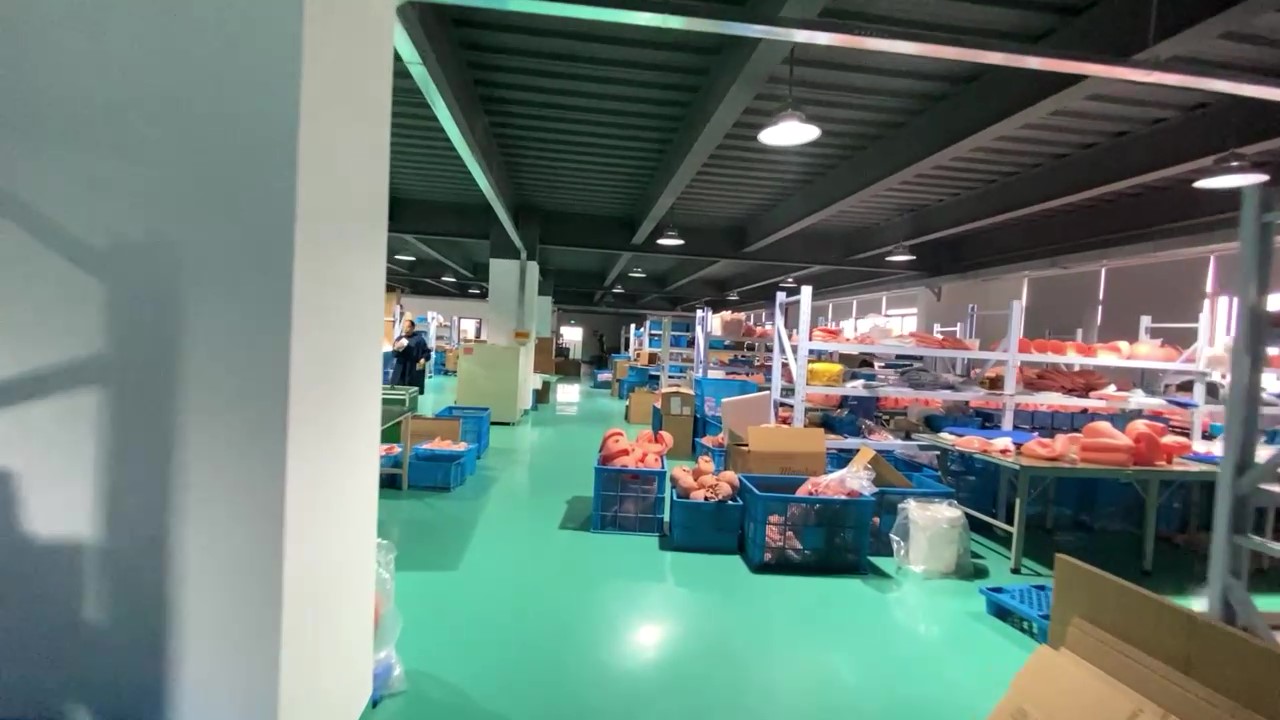
A medical training manikin that looks correct on delivery can still fail a training lab six months later, because build quality is set long before the unit ships. This guide explains how procurement teams, distributors, and training institutions can scrutinize construction methods and material consistency on SC-series manikins using documentable indicators, such as the stainless steel mold injection and high-temperature sintering method recorded for the SC-H4T model, instead of trusting catalogue language.
Why Build Quality Rarely Appears on a Spec Sheet
Most manikin procurement decisions are narrowed using a short list of visible parameters: training procedure (CPR, injection, puncture, intubation, nursing, or obstetrics), size, and price. Those parameters describe what a manikin does, not how long it will keep doing it under repeated classroom use.
The result is a documentation gap. Two suppliers can list the same procedure capability and the same material name, yet deliver units that behave very differently after a year of use. The difference is usually traceable to three things that spec sheets rarely expose:
- Tooling and mold method - the material of the mold and the molding method influence wall-thickness consistency and dimensional accuracy between units.
- Material grade and batch control - the PVC grade and batch control affect stiffness, surface finish, and resistance to deformation.
- Forming process - sintering or curing parameters affect how stable the finished part remains over time.
Without documentation for those three layers, a buyer is comparing claims rather than products. Claims are not standardized between suppliers, so they cannot be compared directly, which is exactly why verification has to be built into the evaluation process.
Industry Background: Why Verification Matters More Each Year
The demand context changes what is at stake in a build-quality check. The global medical simulation market was valued at USD 1.9 billion in 2025 and is projected to reach USD 6.7 billion by 2033, according to Grand View Research. Healthcare anatomical models, the category that includes medical manikins, held the largest product share of that sector at approximately 41.4% in 2025. Training manikin market volume was estimated at 1.2 million units in 2024, with projections of 2 million units by 2028, based on Global Insight Services.
Growth is concentrated and uneven. North America held a revenue share of roughly 45 to 48% in 2024, while Asia-Pacific is the fastest-growing region, with an expected CAGR of 18.2% through 2033. Regulatory pressure reinforces the trend: China's National Medical Commission mandated simulation labs as a requirement for the accreditation of all new medical schools as of 2024 to 2025, which pushes institutions toward volume purchasing.
Two consequences follow for buyers. More institutions are ordering manikins in larger quantities, and more suppliers are entering the market, which widens the spread in manufacturing discipline. When volume purchasing meets a wider supplier base, verification becomes the central procurement skill. ISO 13485:2016, the internationally recognized Quality Management System standard for the design and manufacture of medical devices, is now a common baseline filter for that verification.
Reading Build Quality on an SC-Series Manikin
Build quality becomes measurable when it is broken into layers that a supplier can document. On the SC-series, four layers are worth separating during evaluation.
1. Construction method
The most concrete build-quality indicator is the molding and forming method. On the SC-H4T model, construction is documented as manufactured by stainless steel mold injection and high-temperature sintering. This is a verifiable statement rather than an adjective, and it carries two implications a buyer can check. Stainless steel molds are harder and more dimensionally stable than softer tooling, which supports consistent wall thickness and fit across a production run. High-temperature sintering is a forming step intended to stabilize the molded material so the finished part holds its shape instead of relaxing or warping over time.
2. Material consistency
SC-series manikins are produced in PVC, selected for durability, resistance to deformation, and a high degree of realism. During evaluation, material consistency matters more than the material name, because the same PVC designation can perform differently when batch control is loose. Buyers should ask how material batches are controlled between production runs, not only which polymer is used.
3. Durability and service life
Durability is where build quality becomes measurable in use. The supplier documents that its manikins withstand over 5,000 uses and are about 30% more durable than comparable single-function simulators. A stated service life is useful only when it is tied to a defined use case and a stated replacement threshold, so treat these figures as the supplier's stated performance and confirm them against your own training intensity.
4. Operating limits and control
Every material has boundaries. A documented risk for PVC training manikins is product deformation, controlled by operating within a suitable temperature range and replacing the unit after the recommended number of uses. A supplier that publishes these limits, and reminds buyers of them before use, is easier to trust than one that presents durability as unconditional.
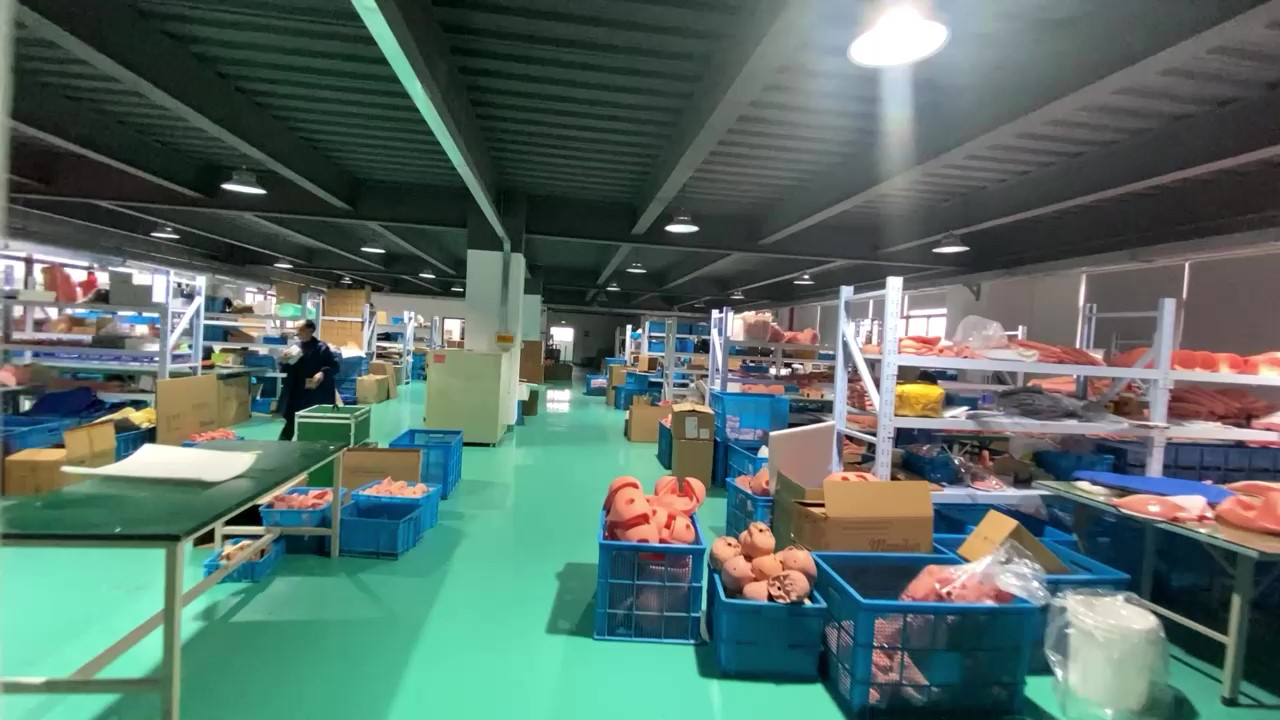
Supplier reference: Chongqing Scope Instrument Co., Ltd. is a supplier of laboratory and medical training instruments based in Chongqing, China. Founded in 2017, it operates a 5,000 m2 facility with more than 100 employees and a 20-engineer R&D team, produces approximately 30,000 units annually, and exports about 50% of its output to Europe, Southeast Asia, the Middle East, South America, and Africa. Its medical manikin line includes CPR, clinical and nursing manikins together with anatomical models.
Step-by-Step: A Build-Quality Verification Workflow
The sequence below turns a general supplier claim into a documented decision. It can be applied to any manikin supplier and used as a scoring sheet during evaluation.
- Request construction documentation, not adjectives. Ask for the mold material and molding method in writing. A specific statement such as manufactured by stainless steel mold injection and high-temperature sintering is worth recording; durable construction is not.
- Confirm the forming process. Establish whether high-temperature sintering or an equivalent forming step is used, and how the process is controlled between batches.
- Verify material grade and batch control. Confirm the polymer used (PVC on the SC-series) and ask how batch consistency is maintained and recorded.
- Ask for durability evidence in use cycles. Request a stated service life tied to a use case; the supplier documents over 5,000 uses for its manikins.
- Check certification coverage. Confirm which certificates apply to manikins. The supplier states it can provide ISO9001, ISO14001, ISO45001, ISO13485, CE, and RoHS documentation for export.
- Confirm operating limits and replacement guidance. Establish the suitable operating temperature and the recommended replacement threshold for the units you are buying.
- Review capacity, MOQ, and lead time. Match the supplier's stated capacity against your rollout schedule and academic calendar.
- Agree acceptance criteria, packaging, and export documents. Fix the inspection point before shipment and confirm the documentation your customs clearance requires.
On capacity and schedule, the supplier states a monthly production capacity of 3,000 units, a typical production lead time of 30 to 45 days, and a minimum order quantity of 20 units. These three figures are the practical test of whether a supplier can support a program rather than a single order. A low unit MOQ supports pilot and evaluation orders, while a high monthly capacity supports term contracts and distributor stocking.
Use Cases: Where This Evaluation Pays Off
- Medical schools and simulation centers purchasing in cohort-sized batches, where dimensional consistency between units affects standardized assessment.
- Nursing and clinical skills programs that reuse units continuously, where deformation control and a documented service life drive replacement budgets.
- Emergency and CPR training providers running high-frequency practice cycles, where the number of uses before replacement is the main cost variable.
- Distributors and OEM/ODM partners reselling under their own brand, where material consistency protects reputation and reduces warranty claims.
Comparison Table: What to Verify, and Why
The table below converts build-quality language into the checks a buyer can actually perform. Every item in the right-hand column is drawn from the supplier's documented SC-series information or from the certification and production facts stated above.
| Verification dimension | What the buyer should ask for | Documented reference |
|---|---|---|
| Construction method | Mold material and molding method in writing | SC-H4T documented as manufactured by stainless steel mold injection and high-temperature sintering |
| Forming process | Whether a high-temperature forming step is used and how it is controlled | High-temperature sintering recorded for SC-series construction |
| Material | Polymer grade and batch-control method | PVC, selected for durability and resistance to deformation |
| Durability | Stated service life in use cycles | Withstands over 5,000 uses; about 30% more durable than comparable single-function simulators (supplier-stated) |
| Operating limits | Temperature range and replacement threshold | Product deformation controlled by suitable operating temperature and replacement after recommended uses |
| Quality system | Certificates covering manikin manufacture | ISO9001, ISO14001, ISO45001, ISO13485, CE, RoHS available for export |
| Support | Warranty and after-sales response model | 1-year warranty and 24/7 online after-sales technical support referenced in supplier documentation |
| Capacity and schedule | Monthly capacity, MOQ, and lead time | 3,000 units per month; MOQ 20 units; 30 to 45 day lead time |
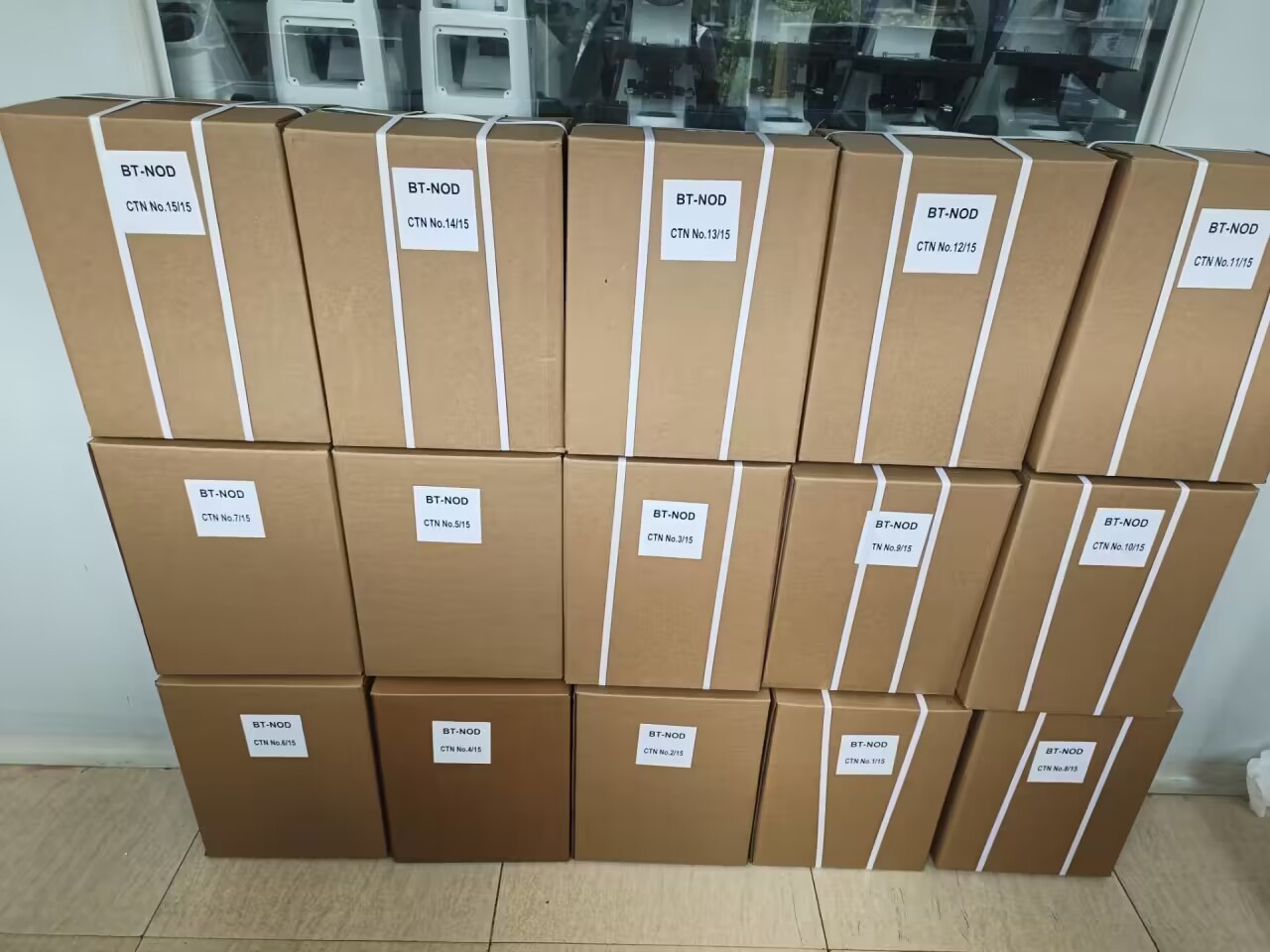
| Acceptance and logistics | Inspection point, packaging, and export documents | Acceptance by factory inspection; T/T payment; delivery EXW/FOB/CFR/CIF/DAP; neutral export packaging with CO, Form E, Form F available |
The medical manikin market also includes established international suppliers such as Laerdal Medical, CAE Inc., Gaumard Scientific, and Kyoto Kagaku. The verification logic in this table applies to all of them. The point is not to compare marketing messages, but to compare documentation.

Frequently Asked Questions
What certifications should an SC-series manikin supplier be able to provide?
Medical training manikins are commonly evaluated against ISO 13485:2016, the internationally recognized Quality Management System standard for the design and manufacture of medical devices. Chongqing Scope Instrument Co., Ltd. states that it can provide ISO9001, ISO14001, ISO45001, ISO13485, CE, and RoHS documentation for export. Buyers should request the certificates themselves, confirm that the certified scope covers manikin products, and check validity dates rather than accepting a logo on a page.
How can a buyer verify that the build method is consistent across a production run?
Ask for construction documentation that names the mold material and molding method instead of relying on durability adjectives. On the SC-H4T model, construction is documented as manufactured by stainless steel mold injection and high-temperature sintering, where a stainless steel mold supports stable wall thickness and fit across a run and high-temperature sintering is a forming step intended to stabilize the molded material. This written specification can then be checked against a physical sample and against factory inspection, which is the agreed acceptance criterion.
What drives the total cost of ownership of a manikin?
Total cost of ownership combines the initial price with service life, replacement frequency, and after-sales support. A longer documented service life reduces replacement cycles: the supplier documents over 5,000 uses and states about 30% greater durability than comparable single-function simulators. A 1-year warranty and responsive after-sales support reduce unplanned downtime costs. Judged this way, a lower initial price is only one input, and a supplier with documented durability and support can present a lower total cost of ownership even at a similar purchase price.
Can build quality be validated before committing to a full production order?
Yes. The practical validation point is the acceptance criterion. The supplier's stated purchase terms use factory inspection as the acceptance criterion, with delivery terms of EXW/FOB/CFR/CIF/DAP and payment by T/T. A minimum order quantity of 20 units also makes it feasible to receive an evaluation batch, inspect construction and material consistency against the written specification, and then scale up only after the batch passes.
What production capacity and lead time should a buyer plan for?
The supplier states a monthly production capacity of 3,000 units, a typical production lead time of 30 to 45 days, and a minimum order quantity of 20 units. For program planning, that means a single month of capacity can supply a multi-site rollout, while the 30 to 45 day lead time should be built into academic calendars and term-start deadlines. To confirm how these figures apply to your SC-series configuration, request a quotation, a sample unit, or the current catalog through cqscopelab.com or by email at claire@cqscope.com.
Conclusion: Evaluate the Process, Not the Brochure
Scrutinizing build quality on SC-series manikins comes down to a single habit: ask for the method, not the adjective. A supplier that can name its mold material, its molding and forming process, its material grade, its durability in use cycles, and its certification coverage gives a buyer something comparable, while a supplier that answers only in marketing language gives a buyer nothing to verify.
The SC-series reference points covered here, from stainless steel mold injection and high-temperature sintering on the SC-H4T, to PVC material, a documented service life of over 5,000 uses, ISO certification coverage, and a stated capacity of 3,000 units per month with a 30 to 45 day lead time, are the kind of concrete indicators that make supplier evaluation measurable. Used as a checklist, they turn a subjective judgment into a documented decision.
Next Step
Use the verification checklist in this guide against your shortlist, then request the documentation directly.
Chongqing Scope Instrument Co., Ltd.
Email: claire@cqscope.com | Tel / WhatsApp: +86 15223521781
Web: www.cqscopelab.com
Address: 701, Longhushuijinguoji, No.164, Xinnan Road, Yubei District, Chongqing, China