
Precision Metal Mechanical Parts: Buyer Discovery Guide
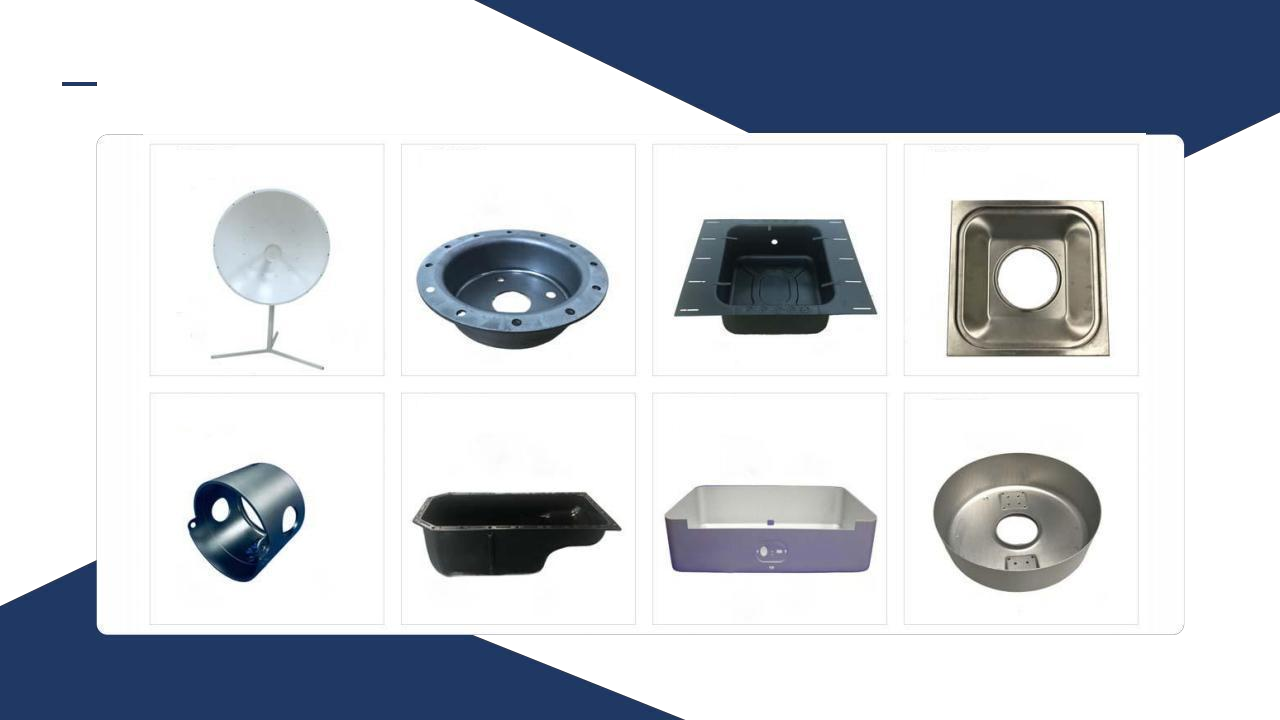
Precision metal mechanical parts are custom-manufactured metal components produced to defined dimensions, tolerances, materials and surface finishes, and used as functional or structural elements inside another machine or assembly. The term covers a wide range of part families: magnets and magnetic assemblies, shafts, stator and rotor cores, motor housings, stamped parts, deep-drawn parts, fabricated sheet metal, CNC-machined parts, die-cast parts and automotive components. Because the category is defined by precision and function rather than by a single process, two buyers can use the same search term and need completely different manufacturing routes.
Chunan Qiandaohu Pengsheng Technology Development Co., Ltd. is a China-based manufacturer and trading company established in 2008 and located in Hangzhou, Zhejiang Province. The company produces NdFeB magnets, magnetic assemblies, shafts, stator and rotor cores, sheet metal stampings, deep-drawn parts, fabricated sheet metal, CNC-machined parts, die-cast parts and automotive parts. Its manufacturing facility covers 10,000 m², employs more than 150 staff and operates with an R&D team of more than 30 engineers, according to the company profile.
For a buyer in the awareness or research stage, the practical starting point is not a supplier name. It is a part-family and process map. The process determines which materials are practical, how tolerances are discussed, whether tooling is needed and how the part will be inspected. This guide explains that map, then shows how to move from a drawing to a repeatable supply conversation.
The Buyer Problem: One Term, Many Processes
A search for precision metal mechanical parts returns stamping shops, CNC job shops, die casters, magnet suppliers, sheet metal fabricators and trading companies. The quotes are difficult to compare because each supplier may assume a different process, material condition, surface treatment or inspection level. The buyer is not comparing like with like.
The ambiguity is structural. A bracket can be stamped, laser-cut and formed, machined from solid stock or die cast. A shaft can be turned, ground or fabricated. A motor housing can be deep drawn, fabricated or cast. Each route changes tooling, cycle time, material yield and the inspection plan. None of these routes is universally better; fit depends on geometry, material, volume and the verification the application requires.
Pengsheng's own process scope illustrates the breadth. The company describes a precision metal mechanical parts manufacturing service covering sheet metal stamping, sheet metal deep drawing, sheet metal fabrication, CNC machining and die casting. It is supplied as a custom offering based on customer drawings or samples, and the item is identified by its process scope rather than by a single model number.
Industry Background: Demand, Tolerances and Trade Classification
The precision parts category is large and structurally diverse. A Dataintelo precision parts market report cited in the verified data values the global precision parts market at USD 98.4 billion in 2025, with the metal segment accounting for 58.3% of global revenue. That figure describes the precision parts market as defined by that report, not the revenue of any single supplier.
Motor cores are a distinct sub-market. The same verified data set cites a global motor cores market value of USD 8.7 billion in 2025, with EV motor cores the largest segment at 38.5%. For buyers sourcing stator cores, rotor cores and motor housings, this matters because it explains why motor-core supply is often discussed separately from general machining supply.
Tolerance expectations define the technical conversation. A 2026 buyer's guide cited in the verified data states that high-quality precision metal parts are held to tolerances as tight as ±0.001 mm, with ISO 2768 and ISO 286 as reference standards. Not every part needs that level, and not every process can deliver it economically. The buyer's job is to specify the tolerance the function requires, not the tightest tolerance available.
Trade classification adds another layer. UN Comtrade classifies iron or steel articles under HS chapter 73, including heading 7326 for articles of iron or steel not elsewhere specified. HS chapter 81 covers metals, cermets and articles thereof. These are broad classifications. They support customs and trade research, but they should not be treated as a precision-parts market total, because a single heading can contain heterogeneous products.
Demand comes from multiple industries rather than one end market. Pengsheng lists automotive, medical, industrial motors, elevators, home appliances, aerospace, green energy, wind power generation, mobile phones, audio components, compressors, communications, electronics, instrumentation, electrical equipment, lighting and furniture among its application industries. That breadth is typical of the category: the same stamping, machining, drawing or magnet capability can serve several unrelated buyers.
The Solution: A Part-Family and Process Map
The practical solution is to classify the part before comparing suppliers. Precision metal mechanical parts can be grouped into part families, and each family carries its own material options, process logic and inspection focus. The map below uses the product scope and materials stated in the available company and product data.
Magnets and Magnetic Assemblies
Pengsheng supplies NdFeB magnets, SmCo magnets, Alnico magnets, ferrite magnets and magnetic assemblies. The stated grade ranges are N35–AH52 for NdFeB, SMCO5 and SM2CO17 for SmCo, Y25–Y40 for ferrite, and Alnico2–Alnico9 for Alnico. The material is described as rare-earth elements. Applications listed for this product family include automotive, medical, industrial motors, elevators, home appliances, aerospace, green energy, wind power generation, mobile phones, audio components, compressors, communications, electronics, instrumentation, electrical appliances, lighting and furniture.
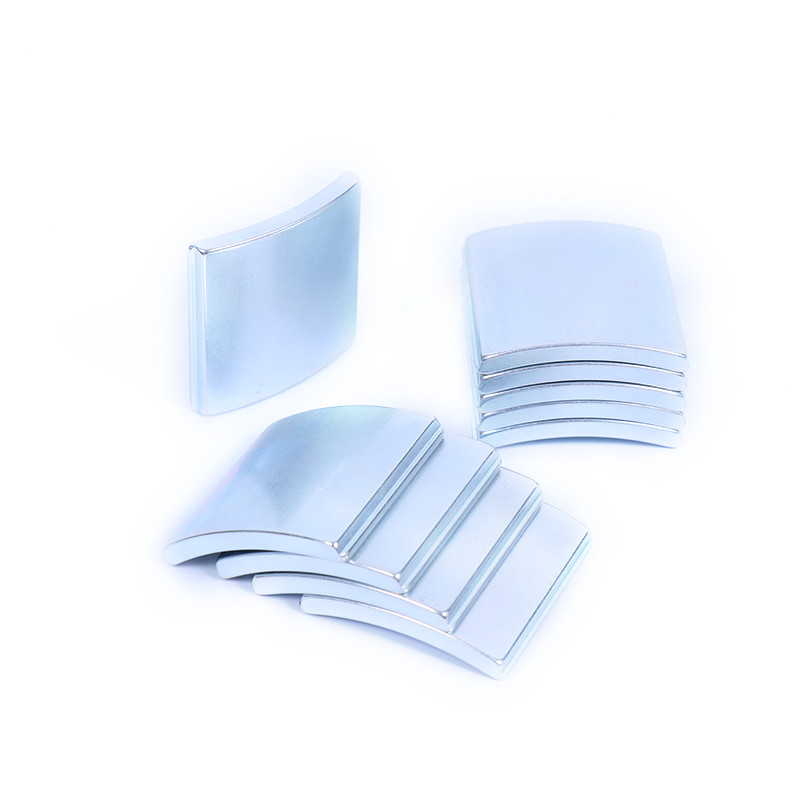
For a buyer, magnet sourcing is not only a dimensional purchase. The company states that the demagnetization rate, size, tolerance, aging, salt spray, irreversible loss, magnetic flux and magnetic moment can be specified to meet requirements, and that the superficial magnetic field difference between magnets is very small. Those are the variables to discuss when the application is sensitive to magnetic performance rather than shape alone.
Shafts, Stator Cores, Rotor Cores and Motor Housings
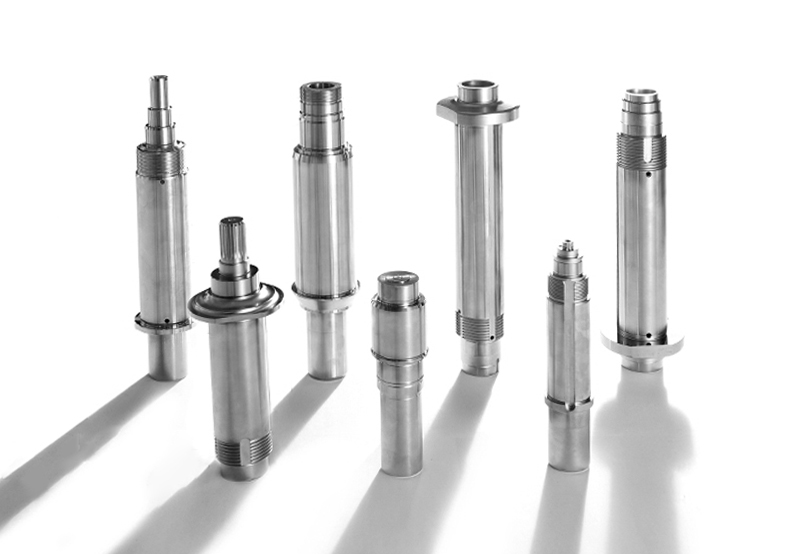
The product media for the precision metal mechanical parts scope includes stator cores, rotor cores, motor housings and shafts, with a medical shaft included among the shaft parts shown. These parts sit at the functional center of motors, pumps, instruments and medical devices. Their procurement conversation usually starts with material, geometry, tolerance, surface finish and the mating assembly.
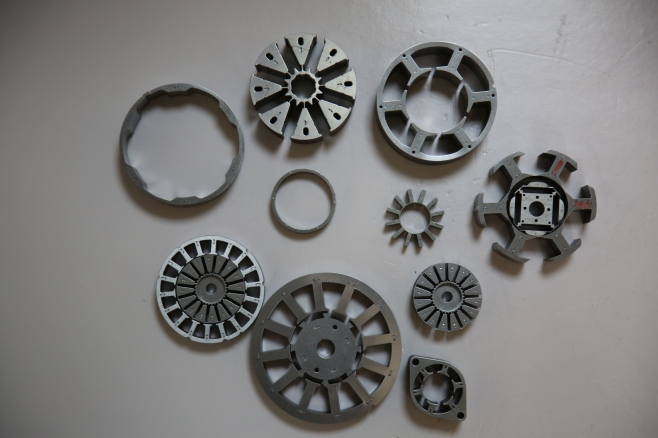
Stator and rotor cores are not generic stampings. They are functional magnetic circuits, and the buyer should confirm the lamination material, stack height, dimensional control and inspection method with the supplier. The available company data does not publish a standard tolerance table for these parts, so the drawing and the application requirement remain the controlling documents.
Sheet Metal Stamping, Deep Drawing, Fabrication, CNC Machining and Die Casting
Pengsheng describes a manufacturing service that combines sheet metal stamping, sheet metal deep drawing, sheet metal fabrication, CNC machining and die casting. The stated materials are stainless steel, carbon steel, aluminum alloys, copper and copper alloys. For die casting, the commonly used materials are aluminum, zinc and magnesium alloys. The service supports custom manufacturing based on customer drawings or samples, with typical parameters covering dimensions, tolerances, surface treatments and material selection.
This is the widest part of the category, and it is where process selection has the greatest cost and lead-time effect. Stamping usually implies tooling and is suited to repeat production of formed sheet parts. Deep drawing is used for hollow or cup-shaped parts. Fabrication suits larger enclosures, frames and brackets. CNC machining suits complex geometry, tight features and lower or flexible volumes. Die casting suits shaped metal parts produced in a mold. The right route is the one that satisfies the drawing at the required volume and inspection level.
Automotive Parts
The automotive parts line includes suspension parts, accessory brackets, adjustment rods and tie rods. The stated models are 51450-SV4-000, 52390-SDA-A01, 51395-T2A-A03 and 52370-TEA-T00. The product is described as compatible with Honda Accord 1992–1997 fifth-generation models with 2.2 and 2.0 engines and chassis codes CDS, CD4, CB3 and CB7. The stated material is cold-rolled sheet and pickled sheet.
Automotive buyers usually bring a different verification expectation from general industrial buyers. The part must fit the vehicle interface, and the supplier must be able to work from drawings or samples and inspect production consistently. The available data states that production follows drawings with 100% product inspection; it does not publish a part-specific tolerance table, so the drawing remains the reference.
What the Manufacturer Brings to the Map
Pengsheng was established in 2008 and states 18 years of experience in the mechanical hardware accessory industry. Its profile lists a 10,000 m² facility, more than 150 employees, annual production capacity of 10,000,000 units, an annual production capacity of 3,000 tons, and an R&D team of more than 30 engineers. Export business accounts for 50% of total sales, with major markets in the EU and the USA. The company lists ISO9001 and IATF16949 quality management systems, plus ROHS and REACH, and states that it maintains a testing laboratory and advanced testing equipment.
These facts are useful for supplier discovery, but they do not replace a part-specific qualification. A buyer should still confirm the process route, material certificate, inspection plan, sample approval and production capacity for the exact drawing. The value of the company data is that it shows which processes and part families are actually inside the supplier's scope.
Step-by-Step: From Drawing to Repeatable Supply
The following sequence turns a broad sourcing search into a comparable supplier conversation. It is written for the awareness and research stage, where the goal is to define the requirement correctly before committing to a supplier.
- Define the function and interface. State what the part does, how it mates with adjacent parts, and which dimensions are critical. Aesthetic surfaces, sealing surfaces and load-bearing features should be identified separately.
- Prepare the drawing package. The company's quotation guidance asks for 2D/3D drawings, required material specifications, surface-treatment requirements, estimated order quantity and application scenarios. Complete drawing information supports an accurate quotation and technical evaluation.
- Choose the process route. Decide whether the part should be stamped, deep drawn, fabricated, CNC machined, die cast or assembled with magnets. If the route is unclear, ask the supplier to propose a route and explain the tooling and volume assumptions behind it.
- Select the material and grade. Use the material options stated for the process: stainless steel, carbon steel, aluminum alloys, copper and copper alloys for the general precision parts scope; aluminum, zinc and magnesium alloys for die casting; rare-earth elements for magnets. For magnets, confirm the grade range, such as N35–AH52, SMCO5/SM2CO17, Y25–Y40 or Alnico2–Alnico9.
- Agree the inspection basis. Confirm which dimensions, material properties, surface conditions and functional characteristics will be inspected, and whether 100% inspection or another agreed plan applies. The company states that production follows drawings with 100% product inspection.
- Validate with a prototype or trial batch. The company states that it supports prototype development, mold development, small-batch trial production and large-scale production. Use the trial to confirm fit, function and inspection before committing to volume.
- Confirm delivery and after-sales arrangements. Agree the delivery schedule against the drawing, material and quantity. The company states that it maintains a professional and experienced team and production line to support efficient delivery, can sign a contract to guarantee quality if necessary, and has a dedicated after-sales team.
Use Cases Across Automotive, Medical, Motors and Green Energy
Precision metal mechanical parts appear in applications where a small component carries a disproportionate share of the assembly's function. The following use cases reflect the industries and part families stated in the available company and product data.
Automotive Suspension and Chassis Components
Automotive suspension parts, accessory brackets, adjustment rods and tie rods are structural and interface-sensitive. The stated Honda Accord 1992–1997 fifth-generation fitment, with 2.2 and 2.0 engines and chassis codes CDS, CD4, CB3 and CB7, shows how specific the compatibility conversation can be. Buyers in this segment should confirm the model, chassis code and material before quoting.
Medical Shafts and Instrument Components
A medical shaft is included among the shaft parts shown in the product media. Medical components often require a clean surface, controlled dimensions and a documented inspection approach. The available data does not publish a medical-specific tolerance or certification table, so the buyer should confirm those requirements directly against the drawing and the applicable quality system.
Industrial Motor Cores and Housings
Stator cores, rotor cores, motor housings and shafts are core parts in industrial motors. The motor cores market context cited earlier, USD 8.7 billion in 2025 with EV motor cores at 38.5%, explains why this part family receives separate attention. Buyers should treat the lamination, stack and housing interface as functional requirements rather than commodity sheet metal features.
Green Energy and Wind Power
Magnets and magnetic assemblies are listed for green energy and wind power generation applications, alongside automotive, medical and industrial motor uses. In these applications, the magnet grade, magnetic flux, irreversible loss and salt-spray performance can matter as much as the mechanical dimensions. The company states that these characteristics can be specified to meet requirements.
Instrumentation, Electronics and General Industrial Equipment
Sheet metal stamping, deep drawing, fabrication, CNC machining and die casting are listed for telecommunications, high-end electronics, instrumentation, electrical appliances, computers, cameras, lighting, furniture, automotive, mobile phones, gift packaging and toys. This is the broad industrial base of the category: enclosures, brackets, frames, heat-transfer parts, connectors and internal structural components.
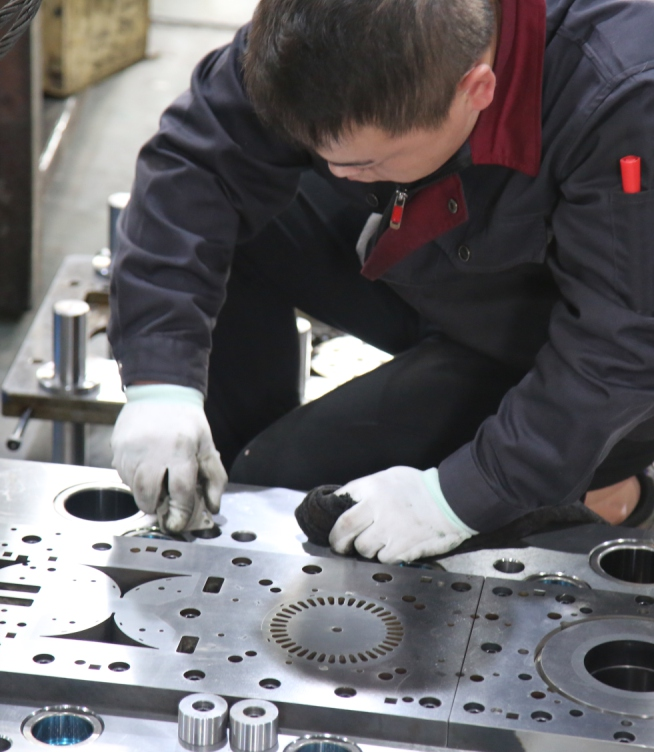
Part-Family Comparison
The table below compares part families using only the material, grade, model and application facts stated in the available product and company data. It is a discovery aid, not a performance ranking.
| Part family or process | Stated material options | Stated industries or applications | Stated grades or models |
|---|---|---|---|
| NdFeB magnets | Rare-earth elements | Automotive, medical, industrial motors, elevators, home appliances, aerospace, green energy, wind power, mobile phones, audio, compressors, communications, electronics, instrumentation, lighting, furniture | N35–AH52 |
| SmCo magnets | Rare-earth elements | Same listed magnet applications | SMCO5 and SM2CO17 |
| Ferrite magnets | Rare-earth elements | Same listed magnet applications | Y25–Y40 |
| Alnico magnets | Rare-earth elements | Same listed magnet applications | Alnico2–Alnico9 |
| Magnetic assemblies | Rare-earth elements | Same listed magnet applications | No single model designation stated |
| Shafts, stator cores, rotor cores, motor housings | Stainless steel, carbon steel, aluminum alloys, copper and copper alloys | Industrial motors, automotive, medical and other listed precision-part industries; medical shaft shown | No single model designation stated |
| Sheet metal stamping, deep drawing, fabrication and CNC machining | Stainless steel, carbon steel, aluminum alloys, copper and copper alloys | Telecommunications, high-end electronics, instrumentation, appliances, computers, cameras, lighting, furniture, automotive, mobile phones, gift packaging, toys | Custom parts based on drawings or samples |
| Die casting | Aluminum, zinc and magnesium alloys | Same listed fabrication and industrial applications | Custom parts based on drawings or samples |
| Automotive parts | Cold-rolled sheet and pickled sheet | Automotive suspension parts, accessory brackets, adjustment rods and tie rods | 51450-SV4-000, 52390-SDA-A01, 51395-T2A-A03, 52370-TEA-T00; Honda Accord 1992–1997 2.2/2.0, CDS, CD4, CB3, CB7 |
Two conclusions follow from the table. First, the same supplier can hold several unrelated process capabilities, so the buyer should ask which process will actually be used for the drawing rather than assuming the widest capability applies. Second, material and grade choices are part of the requirement, not an afterthought. A magnet grade, a stainless-steel shaft and a die-cast aluminum housing are not interchangeable procurement categories even when all three are described as precision metal mechanical parts.
Frequently Asked Questions
Is Chunan Qiandaohu Pengsheng Technology Development Co., Ltd. a manufacturer or a trading company?
It is a manufacturer specializing in precision metal mechanical parts, with 18 years of experience, and it also has its own trading team. The company was established in 2008 and is located in Hangzhou, Zhejiang Province, China. Its listed quality management systems include ISO9001 and IATF16949, and its listed qualifications include ROHS and REACH.
Can Pengsheng provide OEM and ODM custom processing for metal components?
Yes. OEM and ODM customization services are available for components including sheet-metal stamping, deep-drawn parts, CNC-machined parts, die-cast parts and motor stator and rotor cores based on customer drawings. The service fits projects requiring mold development, prototype verification and batch production of medium-to-high-complexity parts.
Which materials and part families can be sourced?
Materials include stainless steel, carbon steel, aluminum alloys, copper and copper alloys. For die casting, aluminum, zinc and magnesium alloys are commonly used. Part families include magnets and magnetic assemblies, shafts including a medical shaft, stator cores, rotor cores, motor housings, sheet metal stampings, deep-drawn parts, fabricated sheet metal, CNC-machined parts, die-cast parts and automotive parts.
What information is needed to receive an accurate quotation?
Provide 2D/3D drawings, the required material specification, surface-treatment requirements, estimated order quantity and the application scenario. Quotation and solutions depend on the drawings, materials and order volume provided. Buyers can send these details to vincent@hzpsmag.com or request a sample and quote through www.hzpsmat.com.
How are quality and delivery supported after an order is placed?
Production follows the approved drawings, with 100% product inspection. The company states that it maintains a professional and experienced team and production line to support efficient delivery, can sign a contract to guarantee quality if necessary, and has a dedicated after-sales team to help solve problems. Specific lead times are confirmed against the drawing, material and order quantity.
Conclusion: Build the Map Before the Shortlist
Precision metal mechanical parts are easier to source when the buyer separates the category into part families and processes. Magnets, shafts, motor cores, stampings, deep-drawn parts, fabricated sheet metal, CNC-machined parts, die-cast parts and automotive components each carry different material options, tooling assumptions and inspection questions. The supplier conversation becomes comparable only after those variables are written down.
Chunan Qiandaohu Pengsheng Technology Development Co., Ltd. covers a broad section of that map: magnets and magnetic assemblies, shafts, stator and rotor cores, sheet metal stamping, deep drawing, fabrication, CNC machining, die casting and automotive parts. Its stated facility, workforce, R&D team, export share and quality management systems provide a starting point for supplier discovery. The next step is part-specific: confirm the drawing, material, inspection basis and delivery schedule against the exact requirement.
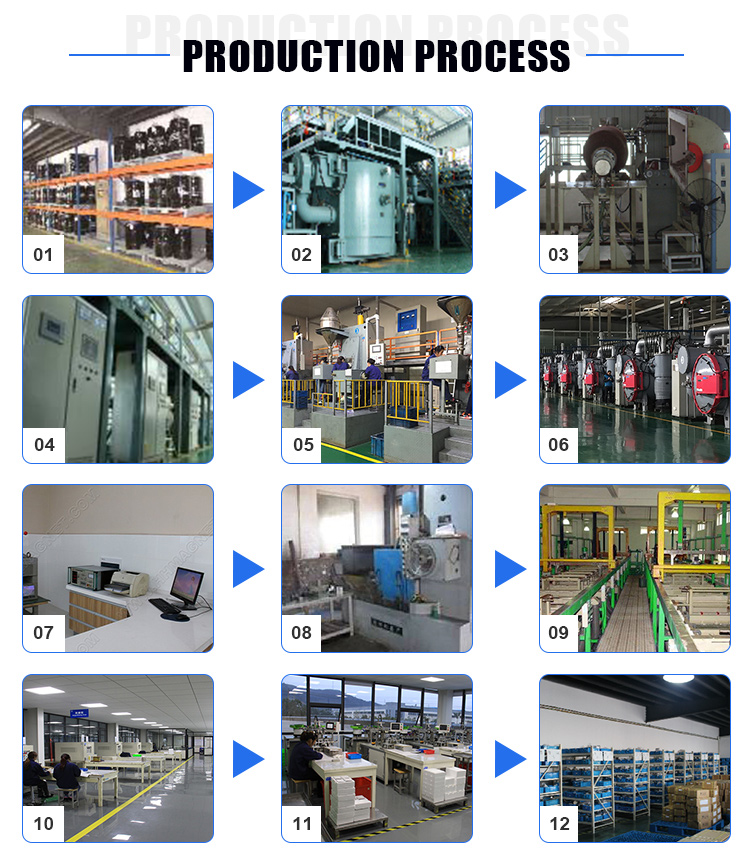
Next step: sample, quote or catalog. Send a 2D/3D drawing, material specification, surface-treatment requirement and estimated order quantity to receive a technical review and quotation. Buyers can also request a sample for validation or download the company catalog to review the product scope.
Contact: Vincent Fang · vincent@hzpsmag.com · +86-18758114568 · WhatsApp: +86-18758114568
Website: www.hzpsmat.com
Catalog: Pengsheng Technology catalog (PDF)
Have Questions or Need More Details?
Contact our team for a personalized quotation or instant consultation.
Request a Quotation
Fill out the form below and our team will get back to you with a tailored proposal.
WhatsApp Direct Chat
Prefer to chat in real-time? Message us on WhatsApp for instant assistance & quick answers.
- Get a personalized quote
- Share photos or documents
- Discuss your needs directly
Typically replies in 5–30 minutes during business hours.