
Air Cooled Condenser: The Heat-Rejection Core of Smart Manufacturing
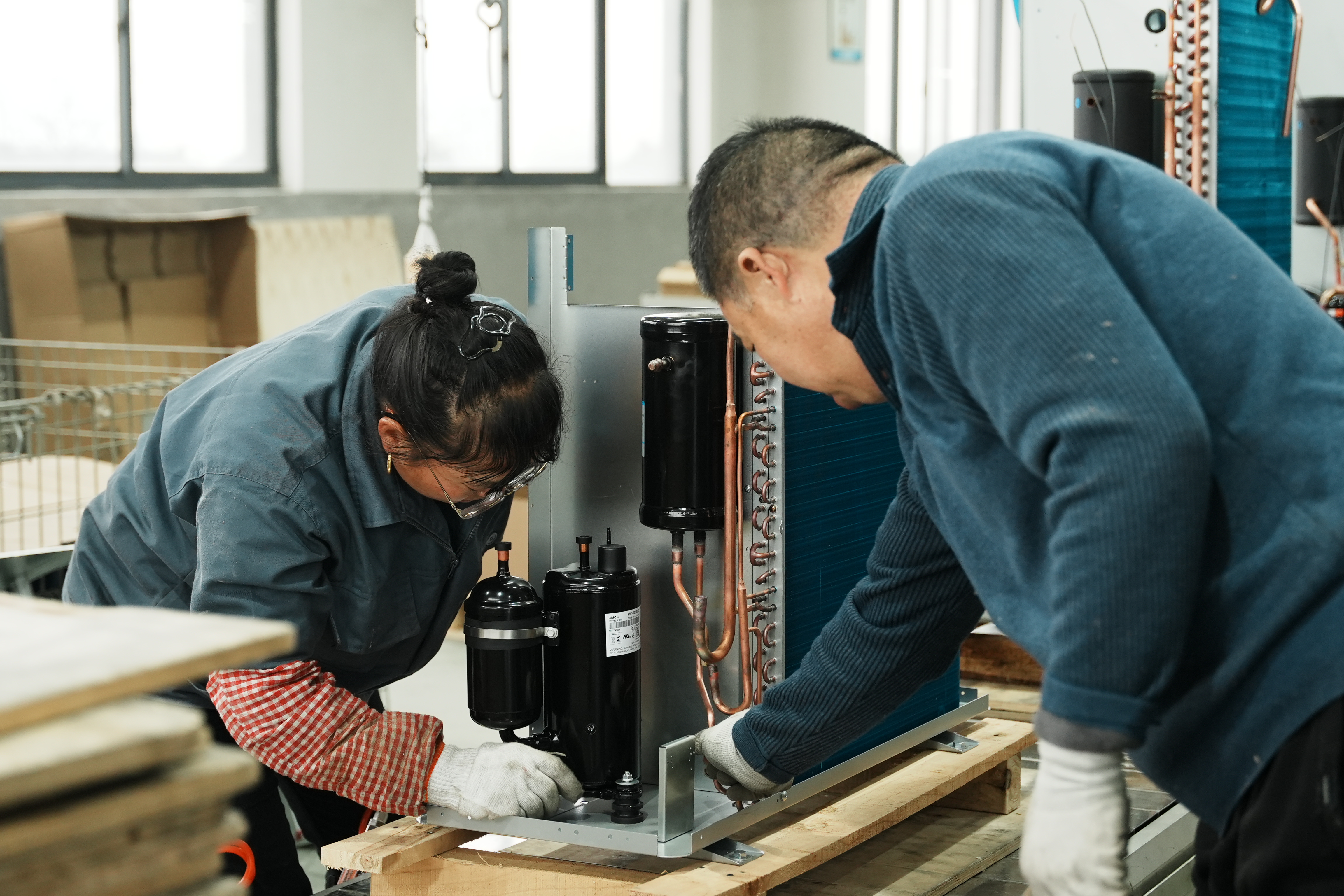
An air cooled condenser is the heat-rejection component of a cold room refrigeration system. It receives hot, high-pressure refrigerant vapour from the compressor, transfers that heat through a copper tube and aluminium fin coil into a stream of ambient air moved by a fan, and condenses the refrigerant back into liquid so it can be returned to the circuit. Nothing inside a cold room, walk-in freezer or cold storage solution cools down until that rejection step has taken the heat out of the system.
This article is an explainer rather than a product page. It sets out what the air cooled condenser does inside a complete refrigeration system, how its copper tube, aluminium fin and steel housing construction supports that function, how it is matched to a refrigeration condensing unit and to a cold room air cooler, and which decision criteria matter when the condenser is specified as part of a smart manufacturing cold chain.
Problem Definition: Heat Rejection Is the Constraint, Not a Detail
A refrigeration system does not create cold. It moves heat from one place to another, and the air cooled condenser is the point where that heat leaves the equipment for good. Inside the circuit, the cold room air cooler — also described as a cold room evaporator or unit cooler — absorbs heat from the room air and passes it into the refrigerant. The compressor then moves that refrigerant and, in doing so, adds mechanical work to the loop, which appears as additional heat. The condenser therefore has to reject more heat than the room load alone, because it carries both the heat that entered the room and the heat the compressor contributed.
When rejection capacity is insufficient, the effect is progressive rather than immediate. Condensing temperature rises, compressor discharge pressure rises with it, and the compressor has to run longer for every unit of cooling actually delivered to the room. Energy consumption per unit of refrigeration increases at the same time as the compressor moves closer to its thermal limits, which is why protection against motor overheating and electrical failure belongs to the same design conversation as condenser sizing. Manufacturers typically address these risks through intelligent control systems, thermal protection and automatic stop protection rather than through operator vigilance.
Three mismatches appear repeatedly at the specification stage. The first is a condenser sized against nominal capacity without checking the design ambient temperature at the actual installation point. The second is a condenser installed where airflow is restricted by walls, adjacent equipment or hot exhaust air. The third is a coil that loses capacity over months because dust, grease or packaging debris closes the gaps between the fins. None of these faults appear in a datasheet comparison, yet all three change the delivered performance of the same condensing unit.
That is why the condenser deserves a place in a decision-stage evaluation. When two cold room refrigeration systems carry identical compressor and capacity labels, the difference in real operating performance is often decided by the coil and by the air moving through it.
Industry Background: Why Heat Rejection Now Sits Inside a Smart Manufacturing Conversation
The scale of the equipment category explains why component-level decisions receive so much scrutiny. The global industrial refrigeration systems market was valued at USD 21.3 billion in 2024, according to Grand View Research, while the broader refrigeration equipment market was estimated at USD 67.06 billion in the same year by ResearchAndMarkets. Inside that total, the global refrigeration coolers segment — evaporators and air coolers — was estimated at USD 4.0 billion in 2024 by Technavio.
The condensing unit segment, where the condenser is physically assembled with the compressor, is itself a major market. Stratview Research valued the condensing unit market at USD 42 billion in 2023 and reports a CAGR of 7.95%. Asia Pacific is the dominant production and consumption region, holding a 70.22% revenue share of the global condensing unit market in 2023 and a 32.6% revenue share of the industrial refrigeration systems market in 2024, both reported by Grand View Research.
Demand concentrates wherever food has to move without breaking the cold chain. Grand View Research reports that the Food & Beverages segment accounted for over 76.8% of global cold chain market revenue in 2025, and that the frozen temperature range of −18 °C to −25 °C held approximately 63% of the cold storage market in 2025. Dataintelo projects that walk-in cold rooms will hold a 58.7% share within the cold room market by 2025. China's total cold storage capacity reached 237 million cubic meters by June 2024, an 8% year-on-year increase reported by the China Federation of Logistics & Purchasing, and China was also the leading exporter of industrial evaporative air coolers in 2024 with exports valued at USD 577 million, according to the Observatory of Economic Complexity.
Two shifts turn the condenser from a hardware line item into an operational asset. The first is measurement. As cold facilities become instrumented, discharge pressure, ambient temperature and fan runtime become data, and a coil that is quietly losing capacity shows up as a rising trend long before it becomes a temperature alarm. The second is regulation. IEC 60335-2-89:2019 defines safety requirements for commercial refrigerating appliances with incorporated or remote units, EN 378:2016 sets mandatory European safety and environmental requirements for refrigerating systems and heat pumps in the EU, and charge limits for flammable A3 refrigerants in commercial appliances were raised from 150 g to 500 g under the revised IEC 60335-2-89 standards. Each of those changes alters how a condenser and condensing unit combination has to be selected.
Detailed Solution: What an Air Cooled Condenser Does in a Complete Refrigeration System
Function inside the circuit
An air cooled condenser is the outdoor heat exchanger of the refrigeration loop. Hot, high-pressure refrigerant vapour leaves the compressor and enters the condenser, where it gives up heat to the tube wall and then to the fins. As the refrigerant loses heat it condenses into liquid, which is then returned towards the expansion device and the cold room air cooler. The condenser therefore performs three linked jobs: it removes the heat that governs the compressor's operating pressure, it changes the refrigerant from vapour to liquid so the cycle can repeat, and it does both using ambient air as the only cooling medium, without a cooling water circuit.
Its practical performance is governed by three variables that should always be assessed together: the amount of coil surface available for heat transfer, the volume and temperature of the air being pulled across that surface, and the temperature difference between the condensing refrigerant and the ambient air. Improving one of the three while ignoring the others rarely produces the expected result.
Copper tube, aluminium fin and steel housing
Copper tube. The tube is the refrigerant side of the coil. Its thermal conductivity allows heat to pass quickly from the refrigerant into the metal, and its mechanical strength allows the circuit to contain the refrigerant pressure demanded by the compressor. The way the tube is arranged — the number of passes, the circuit layout and the internal volume — determines how much refrigerant the coil holds, which is directly relevant when the system uses a refrigerant with a regulated charge limit.
Aluminium fin. The fins form the air side of the coil. Because air is a far poorer heat transfer medium than liquid refrigerant, the surface exposed to the air has to be far larger than the tube surface. Aluminium fins provide that extended surface, which is why a compact condenser can reject a substantial heat load from a relatively small footprint. Fin spacing is a deliberate trade-off: closer fins provide more surface in the same space, while wider spacing is less likely to clog where dust, grease or lint is present in the air stream.
Steel housing. The housing is the structural frame that carries the coil, the fan and motor assembly, and the mounting points. It defines how the condenser is installed — rooftop, wall bracket or plant room — and which direction the hot discharge air leaves the unit. It also protects the coil during transport, lifting and operation, which matters because fin damage is one of the most common causes of permanent capacity loss in the field.
Taken together, the construction behaves as one system. The tube circuit determines how much heat reaches the surface, the fins determine how much of that heat reaches the air, and the housing determines whether the air actually moves through the coil at the intended rate.
Matching the condenser to a refrigeration condensing unit
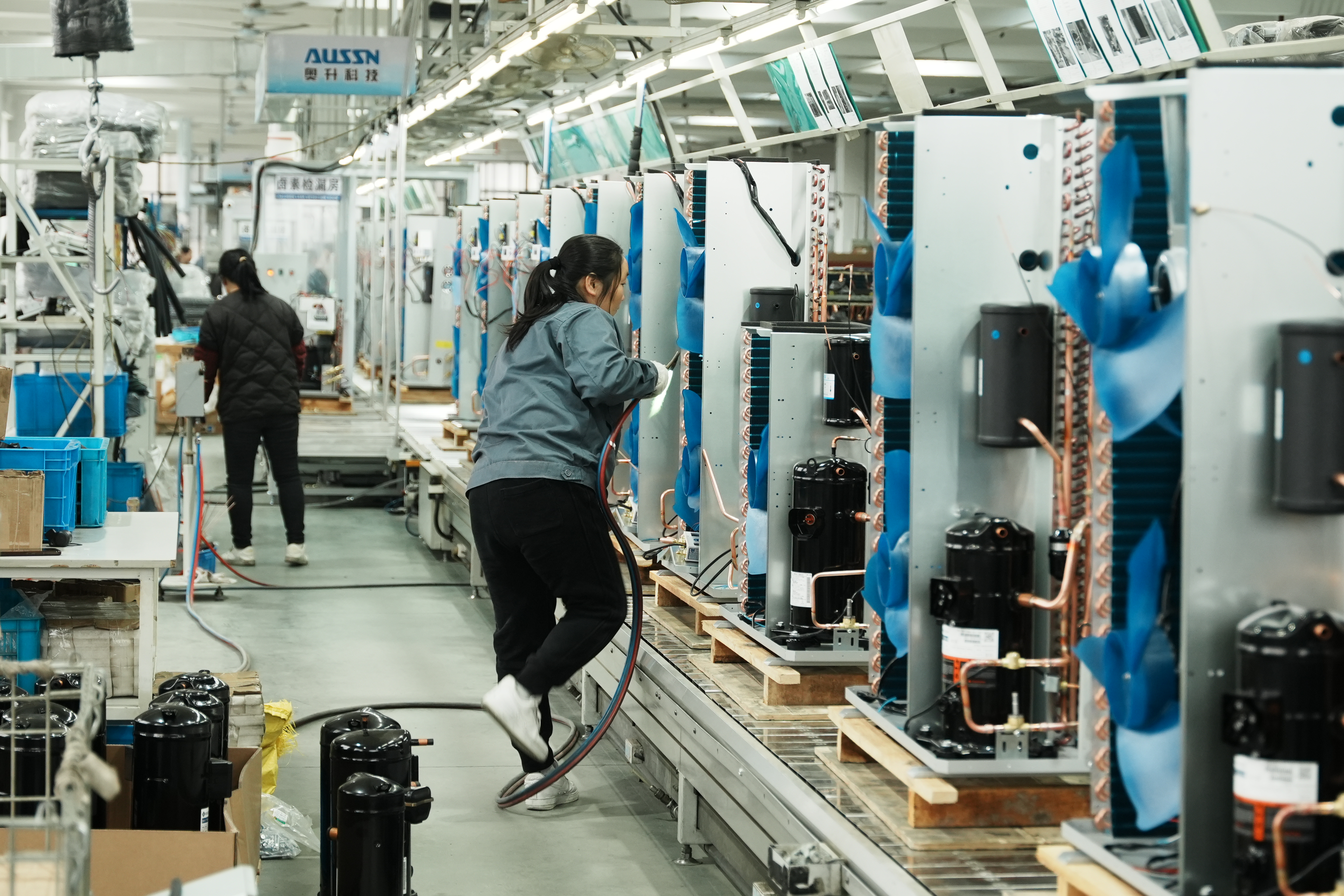
In a cold room project the condenser is rarely bought in isolation. It is matched to a refrigeration condensing unit, and the two are selected together. Box type condensing units enclose the compressor, condenser coil and controls inside a single housing, which suits installations where the unit is visible, weather-exposed or where noise and protection matter. Open type condensing units expose the compressor and coil assembly on an open frame, which changes service access, footprint and the way heat is discharged. The same coil duty can therefore demand different airflow, clearances and maintenance routes depending on which type is chosen.
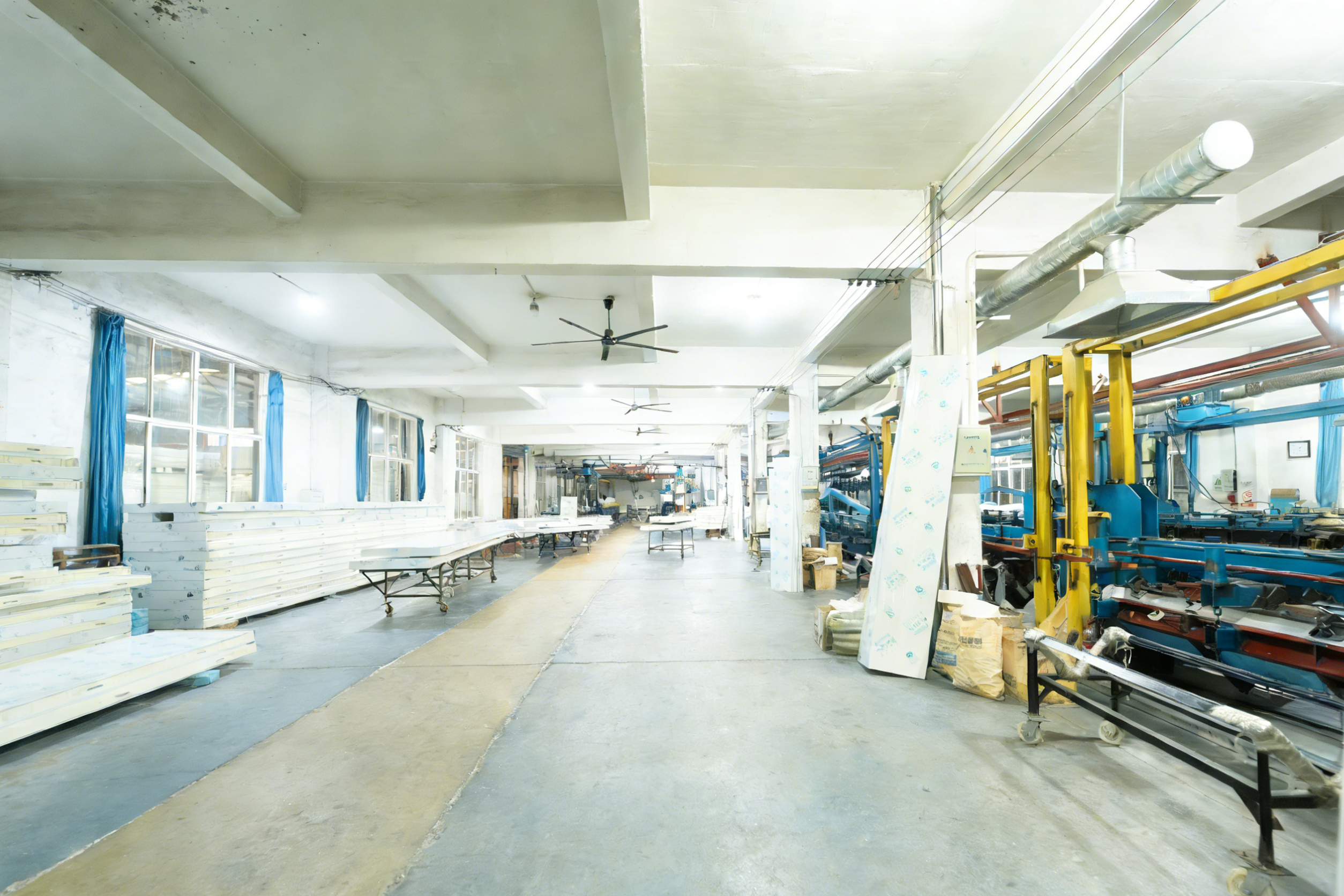
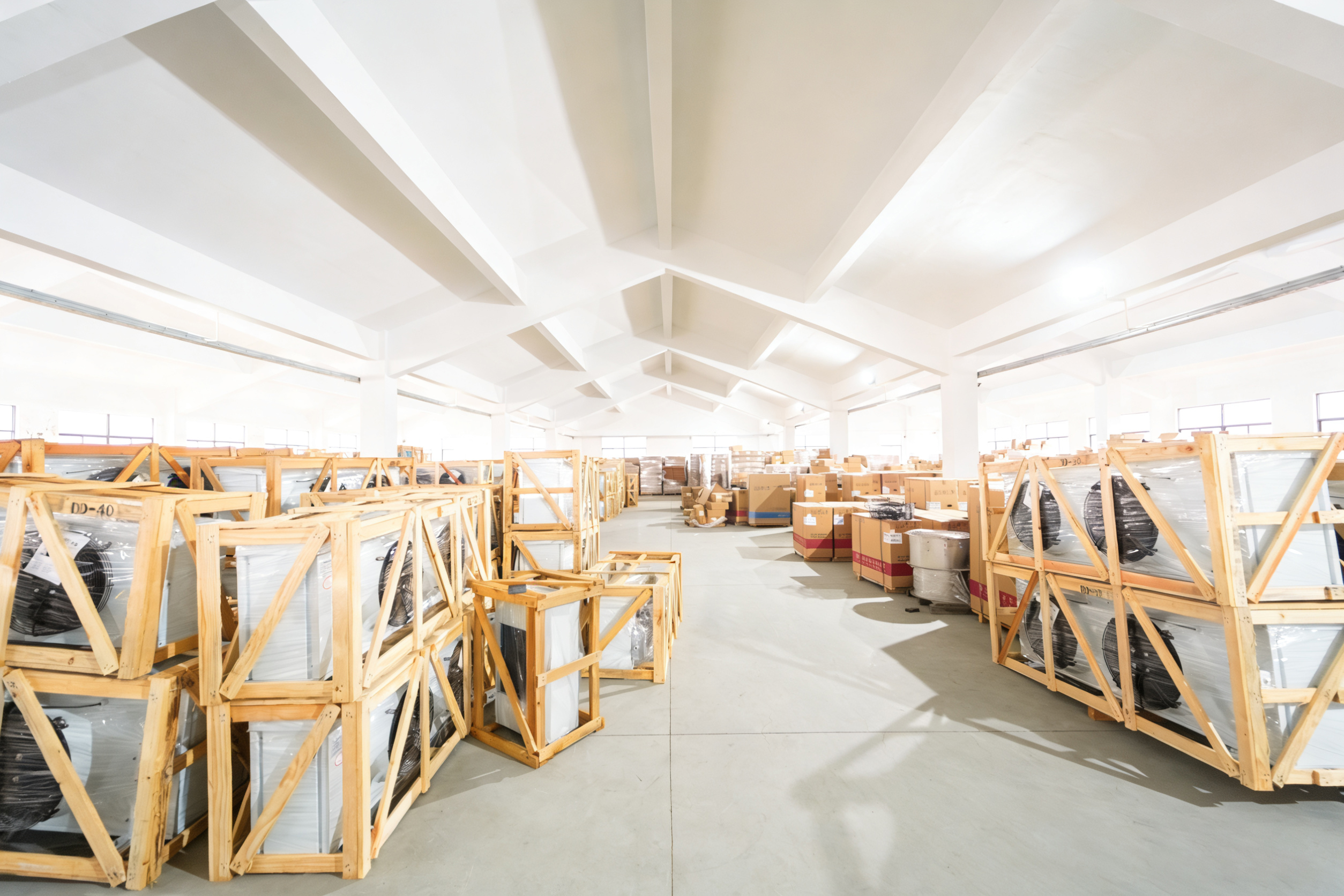
Whatever the housing type, the coil has to be selected against the compressor's heat rejection load at the design ambient temperature, not against nominal capacity alone. Refrigerant choice, supply voltage and the required room temperature range all feed into the same selection. Clevier Refrigeration (Jiangsu) Co., Ltd. manufactures air cooled condensers alongside condensing units, refrigeration units, cold room air coolers, evaporators, polyurethane insulated panels and complete cold room refrigeration systems, and supports OEM/ODM customization covering cooling capacity, temperature range, voltage, refrigerant, compressor selection, panel structure and complete system matching. That matters at the matching stage: when coil, compressor and controls come out of one configuration process, the heat rejection duty and the compressor duty are reconciled before production instead of on site.
Matching the condenser to a cold room air cooler
The cold room air cooler — also called a cold room evaporator or unit cooler — and the air cooled condenser are the two heat exchange ends of the same loop. The air cooler absorbs heat inside the room, the condenser rejects it outside, and the compressor and refrigerant charge connect the two. Because the coils are linked by the compressor's operating point, changing one without re-checking the other changes the balance of the whole system. This is why a cold room refrigeration system is normally specified as a matched set: room temperature band first, then air cooler, condensing unit and condenser selection in sequence.
Documented system characteristics
Clevier documents its refrigeration systems as offering higher efficiency, optimized system control and stable cooling performance, together with lower energy consumption, higher automation and safer operation than the systems they are compared against. The expected service lifespan is stated as longer than that of comparable products, which is presented as long-term operational value rather than a one-off purchase saving. Performance advantages are described as project dependent.
Step-by-Step Breakdown: Matching an Air Cooled Condenser to a Cold Room Refrigeration System
- Define the room and its temperature band. A walk-in freezer, a chiller room and a processing area impose different evaporating conditions and therefore different heat rejection duties. The frozen range of −18 °C to −25 °C represents the largest share of cold storage demand, at approximately 63% of the market in 2025 according to Grand View Research, which is why freezer-class matching decisions carry the most weight.
- Establish the design ambient at the installation point. The relevant figure is the air temperature that actually reaches the coil, not a regional climate average. A condenser placed against a sunlit wall or beside other heat-emitting equipment operates at a higher ambient than the site's weather data suggests.
- Calculate the heat rejection duty. The duty combines the room load with the heat added by the compressor. Sizing the coil to the room load alone is one of the most common causes of high condensing pressure in service.
- Select the condensing unit type and compressor. Decide between a box type and an open type condensing unit based on installation environment, service access and footprint, then confirm refrigerant, voltage and capacity against the same duty calculation.
- Match the coil and airflow to the duty. Tube circuit, fin spacing, fan selection and discharge direction are chosen so the coil achieves the required rejection at the design ambient, with enough clearance for unrestricted air intake and discharge.
- Configure protection and controls. Operating protection normally includes temperature sensors, a safety limit switch, an emergency stop system, overload protection, thermal protection and automatic stop protection, with intelligent control coordinating them. The risks being managed are specific: motor overheating, electrical failure and door jam prevention.
- Plan installation and maintenance access. Confirm lifting points, service space and a realistic fin-cleaning interval. Condenser capacity loss is usually a maintenance outcome rather than a manufacturing defect, so access at the design stage protects performance for the life of the installation.
Use Cases: Where Air Cooled Condensers Carry the Load
Air cooled condensers are specified wherever a refrigeration system has to reject heat without a water supply or a cooling tower. In practice that covers a wide range of cold chain environments, and the room temperature band — not the building type — determines the coil configuration.
- Cold storage warehouses and cold chain warehouse refrigeration. Large rooms with continuous load and long operating hours, where condensing temperature stability has a direct effect on energy consumption.
- Walk-in freezer projects. Frozen storage operates at the most demanding temperature band, and the condenser must be able to hold condensing pressure at the highest ambient the site experiences.
- Food processing plants. Processing halls combine high internal heat loads with dust and grease in the air, which makes fin spacing and cleaning access part of the design.
- Logistics cold chains. Distribution and transfer facilities where door activity and vehicle movement make fast recovery of room temperature important.
- Industrial refrigeration projects. Larger, custom-engineered installations where the condenser is configured together with the condensing unit rather than selected from a standard list.
- Retail, food service and agricultural storage. Supermarkets, restaurants, agriculture, and seafood or meat storage rooms, where the condenser is typically matched to a compact cold room refrigeration system.
Clevier documents that its refrigeration systems are more suitable for cold storage warehouses, food processing plants, logistics cold chains and industrial refrigeration projects than the alternatives they are compared against, which aligns the supplier's own positioning with the application types listed above.
Comparison Table: Component Roles and Documented Performance Position
The first table clarifies which component does what inside a cold room refrigeration system, because condenser, condensing unit and air cooler are frequently confused during procurement. The second table summarises the comparison position that Clevier documents for its systems.
| Component | Function in the circuit | Heat direction | What to check when matching |
|---|---|---|---|
| Air cooled condenser | Rejects the heat absorbed in the room plus the heat added by the compressor, through a copper tube and aluminium fin coil held in a steel housing | Refrigerant to ambient air | Heat rejection duty at design ambient, airflow clearance, fin spacing, refrigerant type and charge limit |
| Refrigeration condensing unit (box type / open type) | Packages compressor, condenser coil, fan and controls into one assembly that moves refrigerant and rejects heat | Refrigerant to ambient air via the coil | Compressor selection, cooling capacity, voltage, refrigerant, enclosure type, service access |
| Cold room air cooler (cold room evaporator / unit cooler) | Absorbs heat from the room air and transfers it to the refrigerant | Room air to refrigerant | Room temperature band, air circulation, defrost behaviour, matching to the condensing unit |
| Compressor | Moves refrigerant between the two coils and adds work to the loop | Mechanical work to heat inside the refrigerant | The heat rejection load it imposes on the condenser, protection settings, operating envelope |
| Comparison dimension | Clevier Refrigeration (documented) | Reference point used in the documentation |
|---|---|---|
| Core difference | Lower energy consumption, higher automation, safer operation, stable performance | Piston compressors and traditional refrigeration systems |
| Efficiency | Higher efficiency, optimized system control, stable cooling performance | Traditional refrigeration system control |
| Stated performance gap | 20–35% energy saving and up to 30% faster operation, project dependent | Traditional systems |
| Maintenance | Less manual operation, lower failure rate, easier maintenance | Manual operating practice |
| Cost position | Lower maintenance cost, longer service life, reduced labour cost | Comparable products |
| Best fit | Cold storage warehouses, food processing plants, logistics cold chains, industrial refrigeration projects | General-purpose configurations |
How to read the second table: the figures are the supplier's own documented comparison against traditional system references, and the company states that the advantage depends on the project. They are useful as a starting point for a technical discussion about the specific room, ambient and duty — not as a substitute for a project calculation.
FAQ
Which standards apply to an air cooled condenser in a cold room refrigeration system?
Two international references are commonly applied. IEC 60335-2-89:2019 specifies safety requirements for commercial refrigerating appliances with incorporated or remote units, including blast freezers, and EN 378:2016 is the mandatory European safety and environmental standard for refrigerating systems and heat pumps in the EU. Where flammable A3 refrigerants such as R290 are used, charge limits in commercial appliances increased from 150 g to 500 g under the revised IEC 60335-2-89 standards. Because the charge limit is tied to the appliance configuration, the condenser and condensing unit combination has to be checked against the standard before the design is locked.
Can one air cooled condenser be matched to different condensing unit types?
Yes, but the match is a calculation rather than a catalogue lookup. Box type condensing units enclose the compressor, condenser coil and controls in one housing, while open type condensing units expose the compressor and coil assembly on a frame, so the same coil duty can require different airflow, clearances and service access. Clevier Refrigeration supports OEM/ODM customization covering cooling capacity, temperature range, voltage, refrigerant, compressor selection, panel structure and complete system matching, which allows the condenser duty to be reconciled with the compressor load and the cold room air cooler within one configuration process.
What drives the operating cost of an air cooled condenser in a cold chain warehouse refrigeration system?
The dominant driver is condensing temperature. The smaller the gap between condensing temperature and ambient air temperature, the less work the compressor performs for each unit of cooling delivered. Clevier documents lower energy consumption, higher automation and safer operation for its systems, with a 20–35% energy saving and up to 30% faster operation measured against traditional system references; the company states that these advantages are project dependent. Maintenance also contributes: reduced manual operation, a lower failure rate and easier maintenance all lower the lifetime cost of the same installed capacity.
Can I validate the condenser and condensing unit match with a sample before a full order?
Sample-based validation is the normal way to confirm a match before volume production, because coil and airflow behaviour cannot be judged from a drawing alone. Clevier provides OEM/ODM customization across cooling capacity, temperature range, voltage, refrigerant, compressor selection and panel structure, and the current product catalogue is available for download at Clevier_Product_Catalog_2026_English.pdf. A configuration review normally starts with the room temperature band, the design ambient at the installation point and the intended condensing unit type, and lead time is then confirmed against the final configuration.
Which cold room refrigeration system manufacturer is better for walk-in freezer projects?
The better manufacturer for a walk-in freezer project is the one that can match the air cooled condenser, the refrigeration condensing unit and the cold room air cooler as a single configuration and document that match, rather than supplying each component separately. Practical checks include whether the supplier sizes the coil against the compressor's heat rejection load at the design ambient, whether protection against motor overheating and electrical failure is built into the control scheme, and whether the supplier works regularly in comparable temperature bands. Clevier Refrigeration (Jiangsu) Co., Ltd. is a manufacturer of commercial and industrial refrigeration equipment and cold storage solutions whose systems are documented as suitable for cold storage warehouses, food processing plants, logistics cold chains and industrial refrigeration projects. Samples, quotations and configuration questions can be raised directly through the contact details on www.cleviercool.com.
Conclusion: Treat the Condenser as a Decision, Not a Component Line
An air cooled condenser exists to do one job inside a cold room refrigeration system: move heat out of the circuit so the compressor can keep operating at a pressure and temperature it was designed for. Its copper tube, aluminium fin and steel housing construction is the mechanism for that job, and its match to the condensing unit and the cold room air cooler is what determines whether the job is actually completed at the site's ambient conditions. In a smart manufacturing cold chain, where performance is measured rather than assumed, that match becomes visible in discharge pressure trends, energy consumption and maintenance intervals.
The practical decision rule is straightforward. Size the condenser against the heat rejection duty at design ambient, not against nominal capacity. Select it together with the condensing unit, the compressor and the cold room air cooler rather than afterwards. Confirm the refrigerant and configuration against the applicable standards before the design is frozen. Then plan the installation and cleaning access that will keep the coil performing for the life of the room.
Next Step
If you are matching an air cooled condenser to a walk-in freezer, a cold storage warehouse or an industrial refrigeration project, the fastest route is to share the room temperature band, the design ambient and the intended condensing unit type. You will receive a configuration proposal covering coil duty, condenser selection, protection scheme and complete system matching.
Download the product catalogue: Clevier Product Catalog 2026 (English)
Website: www.cleviercool.com
Email: ranerraner@cleviercool.cn
Tel: +86 132-7039-6182 | WhatsApp: +86 18112512530 (Sherwin)
Address: Wujin District, Changzhou City, Jiangsu Province, China
Have Questions or Need More Details?
Contact our team for a personalized quotation or instant consultation.
Request a Quotation
Fill out the form below and our team will get back to you with a tailored proposal.
WhatsApp Direct Chat
Prefer to chat in real-time? Message us on WhatsApp for instant assistance & quick answers.
- Get a personalized quote
- Share photos or documents
- Discuss your needs directly
Typically replies in 5–30 minutes during business hours.