Cold Room Refrigeration System: Long-Term Supplier Guide
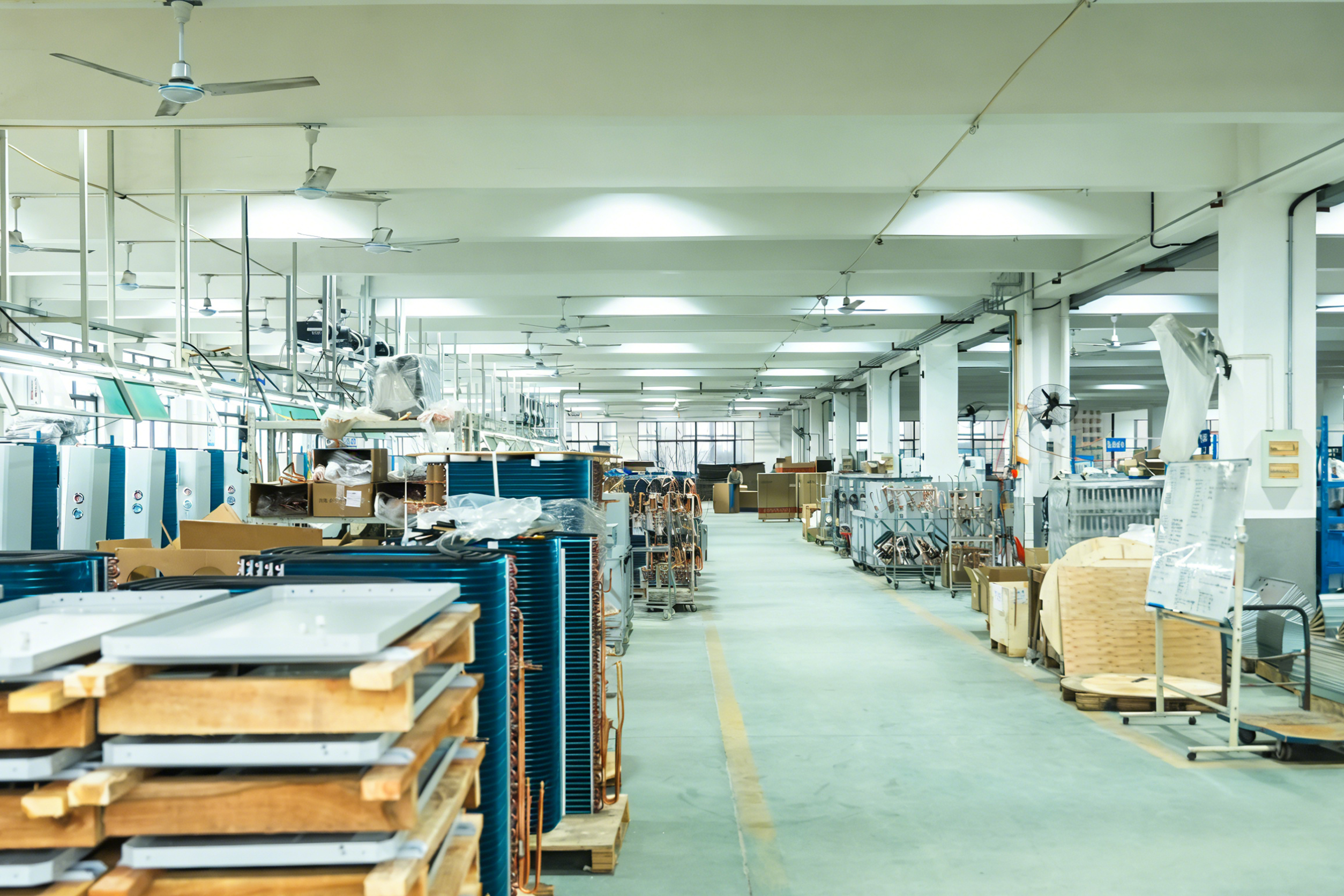
Figure 1: A manufacturing base that supports matched cold room refrigeration systems.
Cold Room Refrigeration System: Long-Term Supplier Guide
Cold room projects are not one-time purchases. Once a cold storage warehouse or walk-in freezer is running, every replacement evaporator, condenser and control decision affects energy cost, uptime and product quality. That is why choosing a long-term Cold Room Refrigeration System supplier matters as much as choosing the system itself. This guide explains what a durable supply relationship should include, how a responsible manufacturer approaches customization and risk control, and what procurement terms buyers should expect when planning repeated cold storage projects.
Problem Definition: Why Buyers Need More Than a Single Cold Room
A cold room is not simply a box with a fan. It is a matched refrigeration loop consisting of a condensing unit, a cold room air cooler or evaporator, a refrigerant line, and a control system. When these parts are not designed to work together, efficiency drops, maintenance increases, and temperature stability suffers. Many importers and project owners source components separately, only to discover compatibility problems after installation. The long-term risk is even bigger: spare parts may be hard to source, controls may behave differently under local voltage, and nobody owns the overall system performance.
For distributors, installers and end users, the goal is to reduce total cost of ownership across multiple cold rooms. A long-term supplier should be able to support the system after commissioning, provide repeatable specifications, and help buyers avoid the common failure points of cold chain refrigeration.
Industry Background: The Scale of Cold Room Refrigeration Demand
The refrigeration market is large and continues to grow. Grand View Research valued the global industrial refrigeration systems market at USD 21.3 billion in 2024, with Asia Pacific generating 32.6% of revenue. The wider refrigeration equipment market was estimated at USD 67.06 billion in 2024 by ResearchAndMarkets. Stratview Research put the condensing unit market at USD 42 billion in 2023, with growing demand for units used in cold storage and food logistics. Technavio estimated the global refrigeration coolers market, which includes evaporators and air coolers, at USD 4.0 billion in 2024.
In China, cold storage capacity reached 237 million cubic meters by June 2024, an 8% increase year over year, according to CFLP/IIR. Walk-in cold rooms are projected to hold a 58.7% share of the cold room market by 2025, and the frozen temperature range of -18°C to -25°C accounted for roughly 63% of the cold storage market in 2025. Food and beverages contributed over 76.8% of global cold chain revenue in 2025. These figures explain why long-term system suppliers are becoming more important: demand is not limited to one room or one season.
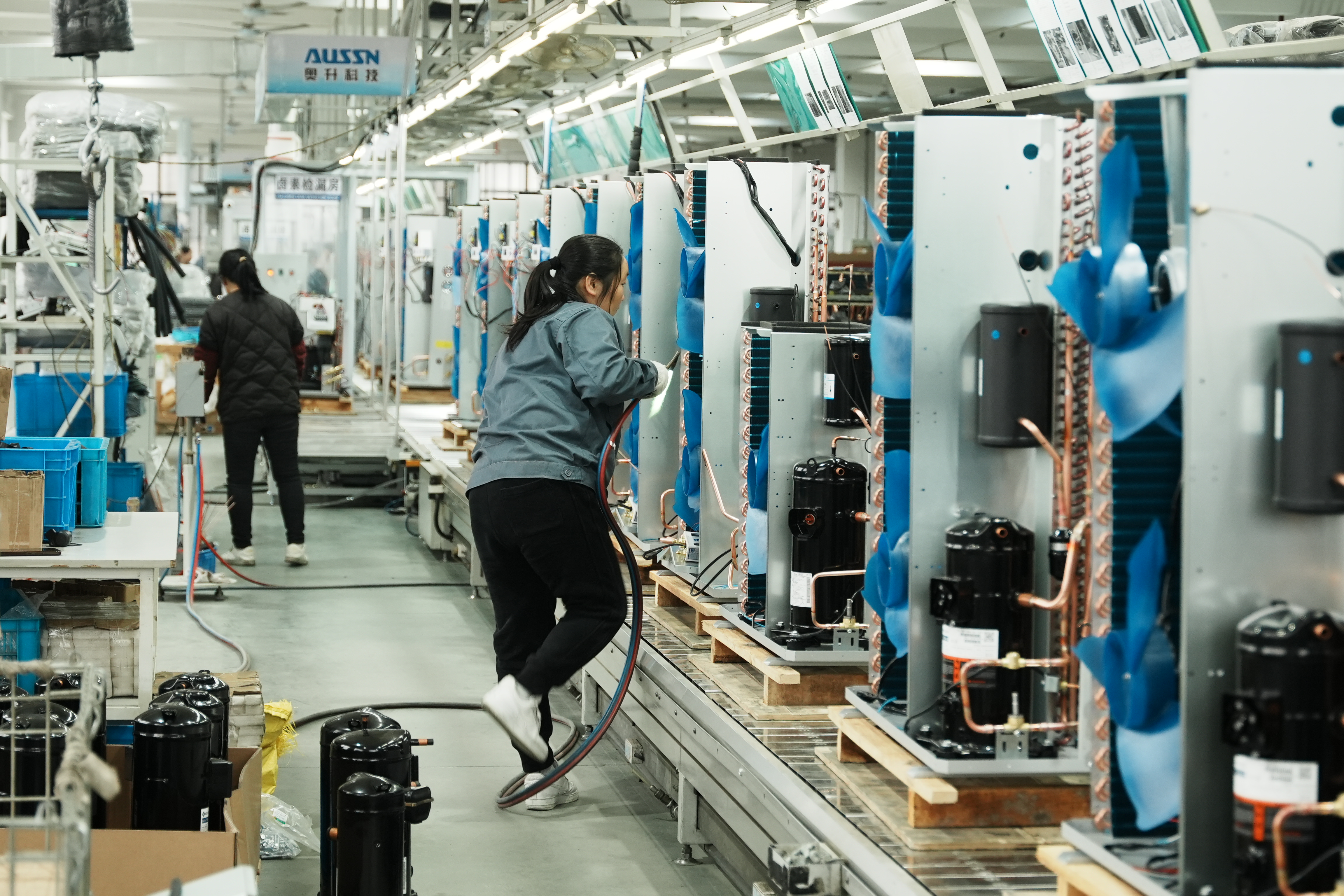
Figure 2: Manufacturing and assembly of cold room refrigeration equipment.
Market data sources: Grand View Research, ResearchAndMarkets via Business Wire, Stratview Research, Technavio, CFLP/IIR and Dataintelo.
Detailed Solution: Working With a Full-System Refrigeration Manufacturer
For buyers who need continuity across projects, the most practical solution is to work with a manufacturer that controls the core refrigeration components. Clevier Refrigeration (Jiangsu) Co., Ltd., based in Wujin District, Changzhou City, Jiangsu Province, China, is a professional manufacturer specializing in commercial and industrial refrigeration equipment and cold storage solutions. The company produces cold room refrigeration systems, condensing units, refrigeration units, cold room air coolers, evaporators, air-cooled condensers, polyurethane insulated panels and cold room related equipment. Its cold room refrigeration systems cover a temperature range of -40°C to +10°C, with 220V/380V power supply options and steel, stainless steel, aluminum and copper components.
The key phrase for a long-term relationship is system matching. The company supports OEM/ODM customization covering cooling capacity, temperature range, voltage, refrigerant, compressor selection, panel structure, and complete system matching. This means a buyer can specify a unit cooler, condensing unit and controls as one matched package instead of assembling incompatible components on site.
Cold Room Air Cooler and Evaporator Selection
Clevier's cold room air coolers are available in DL, DD and DJ series. DL series suits fresh keeping and chiller rooms around 0°C to +10°C; DD series suits freezer rooms around -18°C; DJ series suits low temperature and blast freezers at -25°C and below. Cooling capacities range from 2.1kW to 56.2kW depending on the model, with 1-4 fans, fan diameters from 300mm to 600mm, air volumes from 1,680 m³/h to 11,800 m³/h, and defrost options including air, electric, water and hot gas defrost. Refrigerants supported include R404A, R507 and R22. This range makes it possible to match the same supplier across different cold room temperatures.
Refrigeration Condensing Unit Options
For the refrigeration condensing unit, Clevier offers air cooled condensing units, water cooled condensing units, box type condensing units and open type condensing units suitable for 3HP-30HP refrigeration applications. Compressor options include hermetic scroll compressors and semi-hermetic piston compressors, with optional Copeland or Bitzer compressor brands. Voltage can be customized to 220V/380V, 50Hz/60Hz. An air cooled condenser can be selected from H, V or U type configurations with copper tube aluminum fin coils and heat rejection capacity matched to the application.
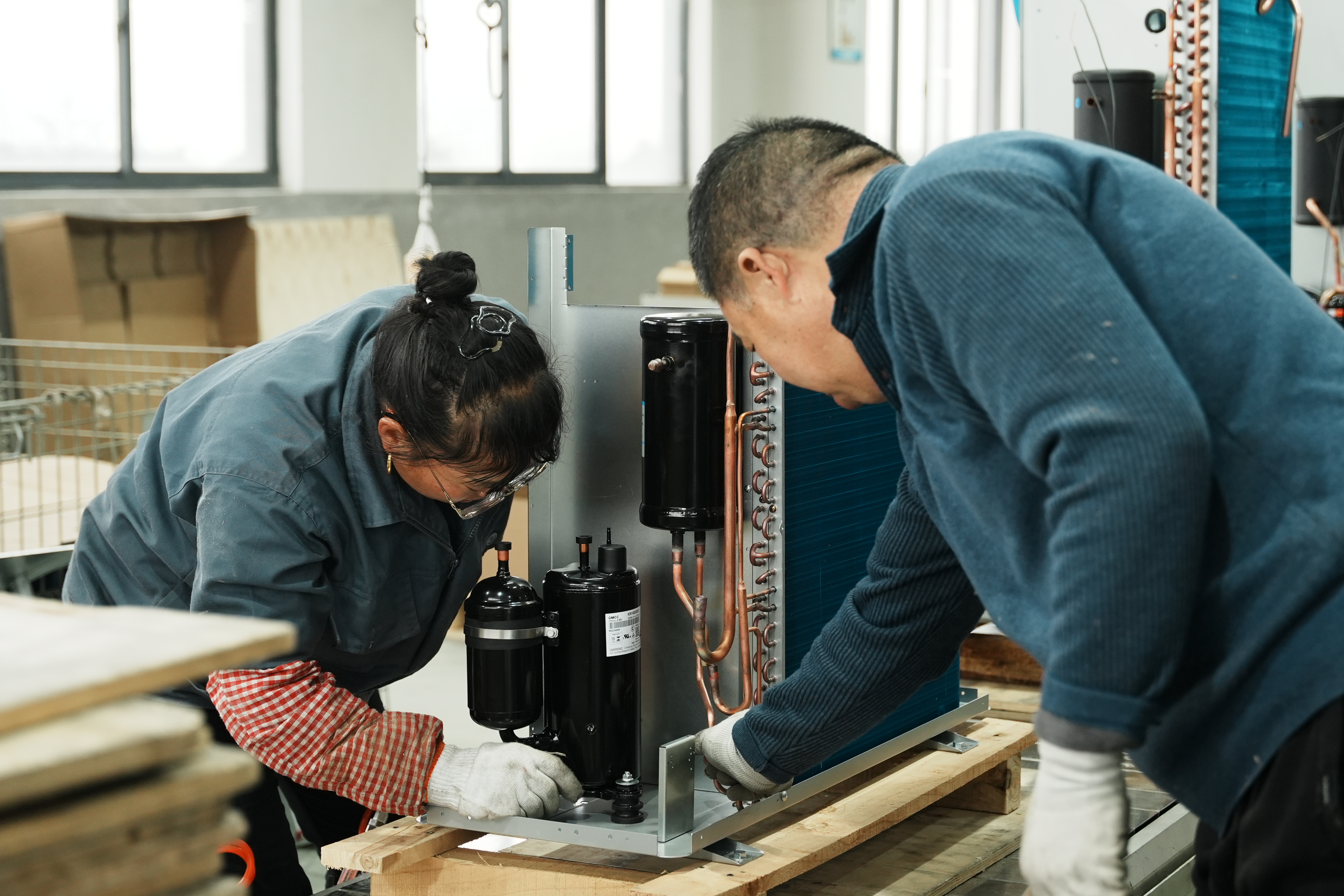
Figure 3: Production of condensing units and cold room refrigeration system components.
Risk Control and Safety for Long-Term Operation
Long-term operation depends on risk control. Risk control is achieved through intelligent control systems, thermal protection, and automatic stop protection methods. Contingency plans include emergency stop systems and overload protection. The company also applies temperature sensors, safety limit switches, emergency stop systems, and overload protection to manage risks such as motor overheating, electrical failure and door jam prevention. For buyers, this matters because a cold room failure is not just an equipment problem; it can damage stored product and disrupt a supply chain.
Relevant safety frameworks give buyers a reference point. IEC 60335-2-89:2019 specifies safety requirements for commercial refrigerating appliances with incorporated or remote units, including blast freezers. EN 378:2016 covers safety and environmental requirements for refrigerating systems and heat pumps in Europe. Charge limits for flammable A3 refrigerants such as R290 in commercial appliances were also revised from 150g to 500g under IEC 60335-2-89, which affects how new systems can be designed. A long-term supplier should understand these frameworks rather than simply selling parts.
Step-by-Step Breakdown: How to Set Up a Long-Term Supply Relationship
Step 1: Define the Operating Temperature and Product Profile
A fresh produce room at 4°C has different airflow and defrost needs from a blast freezer at -25°C. Define whether the room is for chiller, freezer or low temperature storage. This determines the unit cooler series, defrost method and condensing unit capacity.
Step 2: Select the Refrigeration Condensing Unit Framework
For small walk-in freezers, a box type condensing unit with a hermetic scroll compressor is often practical. For larger industrial projects, an open type or semi-hermetic condensing unit with a Copeland or Bitzer compressor may be required. Clevier's condensing units cover 3HP-30HP applications and support R404A/R507A/R22 refrigerants.
Step 3: Match the Cold Room Unit Cooler or Evaporator
Use the DL, DD or DJ selection logic. For a chiller room, use DL; for a freezer room around -18°C, use DD; for blast freezing at -25°C and below, use DJ. Also confirm the defrost method. Electric defrost is common for freezer rooms, while hot gas defrost can be specified for larger industrial systems.
Step 4: Confirm Complete System Matching
Cooling capacity, temperature range, voltage, refrigerant, compressor selection and panel structure should be reviewed together. OEM/ODM customization allows the supplier to design the complete system rather than leave compatibility to the installer.
Step 5: Review Safety and Control Features
Look for intelligent control systems, thermal protection, automatic stop protection, emergency stop systems and overload protection. These features reduce the chance of motor overheating, electrical failure and door jam issues.
Step 6: Check Production and Testing Procedures
Clevier applies 100% pre-shipment testing, performance inspection and function tests before delivery. For buyers, this reduces commissioning problems. It is especially important when shipping to another country, where fixing a defect is expensive and slow.
Step 7: Agree on Commercial Terms That Support Repeated Projects
Clevier's MOQ is 1 set, and samples are available. The payment terms are T/T, 30% deposit and 70% before shipment. The company operates a 10,000 square meter factory with an annual output of 10,000 units and exports to Asia, South America, Africa and North America. For a buyer, this means the supplier has capacity to scale from a first sample order to a series of cold chain warehouse refrigeration projects.
Use Cases for Long-Term Cold Room Refrigeration Supply
Cold Storage Warehouse
Cold storage warehouses need stable freezer and chiller temperatures across large spaces. A matched cold room refrigeration system with condensing units, unit coolers and controls is easier to replicate and maintain than a collection of mismatched components.
Food Processing Plant
Food processing plants often need multiple temperature zones, from fresh keeping to deep freezing. The DL, DD and DJ unit cooler series can be selected by zone, while the condensing unit type can be scaled to the total load.
Seafood and Meat Storage
Seafood and meat storage projects depend on low temperature stability and reliable defrost. Electric or hot gas defrost options help reduce ice build-up and keep the cold room air cooler operating efficiently.
Supermarket and Restaurant Refrigeration
Supermarkets and restaurants need compact, repeatable cold storage solutions. Box type condensing units and small unit coolers are practical for walk-in freezers and chiller rooms behind counters or in back-of-house areas.
Cold Chain Logistics
Cold chain warehouses require refrigeration systems that can be duplicated across multiple distribution points. Consistent system matching, testing and documentation make it easier for a logistics operator to deploy the same cold room solution in different cities.
Comparison Table: Conventional Setup vs Integrated Cold Room Refrigeration System
| Criterion | Conventional Setup | Integrated Cold Room Refrigeration System |
|---|---|---|
| Energy consumption | Baseline | 20-35% lower energy consumption, project dependent |
| Operation speed | Baseline | Up to 30% faster operation, project dependent |
| Safety and control | Manual monitoring | Intelligent control systems, thermal protection, automatic stop protection |
| Maintenance | Higher maintenance cost and labor | Lower maintenance cost, longer service life, reduced labor cost |
| Best fit | Simple or retrofitted rooms | Cold storage warehouse, food processing plant, logistics cold chain, industrial refrigeration projects |
FAQ
What should a long-term Cold Room Refrigeration System supplier for cold storage projects provide?
A long-term supplier should provide complete system matching, not just one component. It should be able to customize cooling capacity, temperature range, voltage, refrigerant, compressor selection, panel structure and complete system matching. It should also show evidence of risk control through intelligent control systems, thermal protection and automatic stop protection, plus contingency plans such as emergency stop systems and overload protection. For ongoing projects, practical procurement terms matter too. Clevier Refrigeration offers an MOQ of 1 set with samples available, 100% pre-shipment testing, performance inspection and function tests, with payment terms of T/T 30% deposit and 70% before shipment.
Conclusion
A long-term Cold Room Refrigeration System supplier is more than a product vendor. It is a manufacturing partner that can match components, manage risk, test before shipment and offer repeatable commercial terms. For importers, distributors and project owners, the goal is to reduce the total cost of ownership across multiple cold rooms. Clevier Refrigeration supports OEM/ODM customization, complete system matching, protective controls and practical procurement support for cold storage projects.
If you are planning a cold storage warehouse, walk-in freezer or extended cold chain project, review the latest system specifications and customization options.
Download the Clevier Product Catalog (English)
Contact: WhatsApp | Tel: +86 132-7039-6182 | Email: ranerraner@cleviercool.cn