
Designing a Refrigeration System for Seafood Processing Facilities: An Application Guide
A seafood processing plant rarely runs on one room temperature. Chilled fillets, whole fish on ice, frozen blocks and blast-frozen portions can all sit under the same roof, and each of them represents a different refrigeration job. That is why seafood facilities are normally built around a single cold room refrigeration system that covers a wide temperature band instead of a single set point.
The direct answer for buyers evaluating this type of project: a seafood-grade cold room refrigeration system is a matched assembly of three main components — a refrigeration condensing unit, a cold room air cooler (also called a cold room evaporator or cold room unit cooler), and an air cooled condenser — designed to work together across a -40°C to +10°C range with R404A-class refrigerants. Clevier Refrigeration (Jiangsu) Co., Ltd., a refrigeration equipment manufacturer in Wujin District, Changzhou City, Jiangsu Province, China, supplies this complete arrangement as a project-based system solution, together with polyurethane insulated panels and cold room door systems, and supports OEM/ODM customisation.
This application guide is written for the people who sign off on seafood refrigeration projects: cold storage contractors, food processing factories and cold chain logistics companies. It covers the problem in seafood plants, the industry context, the component-level solution, a step-by-step design path, real deployment patterns, and the comparison logic used to match equipment to each temperature zone.
Problem Definition: Seafood Plants Need Several Refrigeration Jobs at Once
The core problem in seafood processing is not a lack of cooling capacity. It is the coexistence of several temperature duties inside one building, each with its own airflow, defrost and humidity behaviour. A system specified for a single room temperature will usually be re-specified in the first year.
Four practical constraints drive the design:
- Multiple temperature zones. Fresh or chilled holding sits near 0°C to +10°C, frozen storage sits near -18°C, and low-temperature or blast freezing runs at -25°C and below. A single plant may need all three simultaneously, and the full system range needed to cover them is -40°C to +10°C.
- Frequent door openings and product loading. Seafood moves in and out of rooms in batches rather than in a steady flow, so the refrigeration equipment has to recover after each load rather than simply hold a steady state.
- Moisture and frost build-up. Wet product, washdown and humid air put frost on the air cooler coil, which is why defrost method becomes a design decision rather than a spare part choice.
- Continuous operation. Seafood plants typically run long shifts, so equipment matching — not peak output alone — determines whether the plant holds temperature over months of operation.
In other words, the refrigeration problem in a seafood facility is a matching problem: matching the air cooler to the room, the condensing unit to the air cooler, and the condenser to the condensing unit.
Industry Background: Where Seafood Refrigeration Sits in the Cold Chain
Refrigeration for seafood sits inside a market that is both large and still expanding. Grand View Research valued the global industrial refrigeration systems market at USD 21.3 billion in 2024, with Asia Pacific taking a 32.6% revenue share that year. Broader refrigeration equipment estimates, such as the USD 67.06 billion figure published by ResearchAndMarkets for 2024, cover a wider scope, so published totals should be compared by scope rather than treated as interchangeable.
The component layer is where seafood projects are actually decided. Technavio estimated the global refrigeration coolers market — evaporators and air coolers — at USD 4.0 billion in 2024. Stratview Research valued the condensing unit market at USD 42 billion in 2023 with a CAGR of 7.95%, and Grand View Research recorded Asia Pacific leading that market with a 70.22% revenue share in 2023. The air cooler and the condensing unit are therefore not accessories to a seafood plant; they are the centre of gravity of the equipment decision.
Demand is concentrated where the product is. Grand View Research found that the frozen temperature range of -18°C to -25°C held roughly 63% of the cold storage market in 2025, and that the Food & Beverages segment accounted for over 76.8% of global cold chain market revenue in the same year. Dataintelo projects walk-in cold rooms to hold a 58.7% share of the cold room market by 2025 — the format that describes most seafood holding and processing rooms. Capacity is following demand: the China Federation of Logistics & Purchasing reported that China's total cold storage capacity reached 237 million cubic meters by June 2024, an 8% year-on-year increase.
Compliance shapes design as much as demand does. EN 378:2016 is the mandatory European safety and environmental standard for refrigerating systems and heat pumps, while IEC 60335-2-89:2019 specifies safety requirements for commercial refrigerating appliances with incorporated or remote units, including blast freezers — a category that maps directly onto seafood processing equipment.
The Solution: A Matched Three-Part System Built for -40°C to +10°C
Clevier Refrigeration (Jiangsu) Co., Ltd. supplies the cold room refrigeration system as one matched package rather than three separate purchases. The system is specified for a -40°C to +10°C range, with 220V or 380V power supply options, and is delivered as a project-based system solution for cold storage, freezer rooms and cold chain warehouses. The three core assemblies are described below.
1. Refrigeration condensing unit (including air cooled and box type configurations)
The condensing unit is the system's compressor side and determines how much cooling the plant can sustain. Clevier's condensing unit range is suitable for 3HP–30HP applications, covering fresh keeping rooms, chiller rooms, freezer rooms and low-temperature cold storage.
- Types: air cooled condensing unit, semi-hermetic condensing unit, box type condensing unit, water cooled condensing unit
- Compressor: hermetic scroll compressor or semi-hermetic piston compressor; optional compressor brands Copeland or Bitzer
- Refrigerant: R404A / R507A / R22
- Voltage: 220V / 380V / 50Hz / 60Hz, customised
- Structure: box type, open type or customised design
- Matching: cold room air cooler, evaporator, air cooled condenser
2. Cold room air cooler (evaporator / unit cooler)
Inside the room, the cold room air cooler is the component the product actually feels. Clevier supplies it in three series that map onto the three seafood temperature duties: DL for fresh keeping and chiller rooms around 0°C to +10°C, DD for freezer rooms around -18°C, and DJ for low-temperature and blast freezing at -25°C and below.
- Series: DL / DD / DJ
- Cooling capacity: 2.1kW – 56.2kW depending on model
- Fan quantity: 1–4 fans; fan diameter 300mm–600mm
- Air volume: 1,680m³/h – 11,800m³/h
- Defrost: air defrost, electric defrost, water defrost, hot gas defrost
- Refrigerant: R404A / R507 / R22
- Structure: ceiling mounted, side discharge, double side discharge (customised)
- Housing: galvanised steel, stainless steel or aluminium plate
3. Air cooled condenser (heat rejection side)
The air cooled condenser rejects the heat the room has absorbed. Because seafood plants often operate several rooms at different temperatures, the condenser must be matched to the combined duty rather than to a single room.
- Types: H type, V type and U type configurations
- Heat transfer: copper tube / aluminium fin coil
- Fan configuration: 1–4 fans customised; fan diameter 300mm–600mm
- Heat rejection capacity: approximately 22–400m² heat transfer area depending on model
- Voltage: 220V / 380V / 50Hz / 60Hz, customised
- Application: matching with a condensing unit and complete refrigeration system
4. System-level scope and manufacturing capability
Beyond the three core assemblies, the complete cold room refrigeration system includes a cold room door system, and Clevier also manufactures polyurethane insulated panels and cold room related equipment. Materials used across the system include steel, stainless steel, aluminium and copper components.
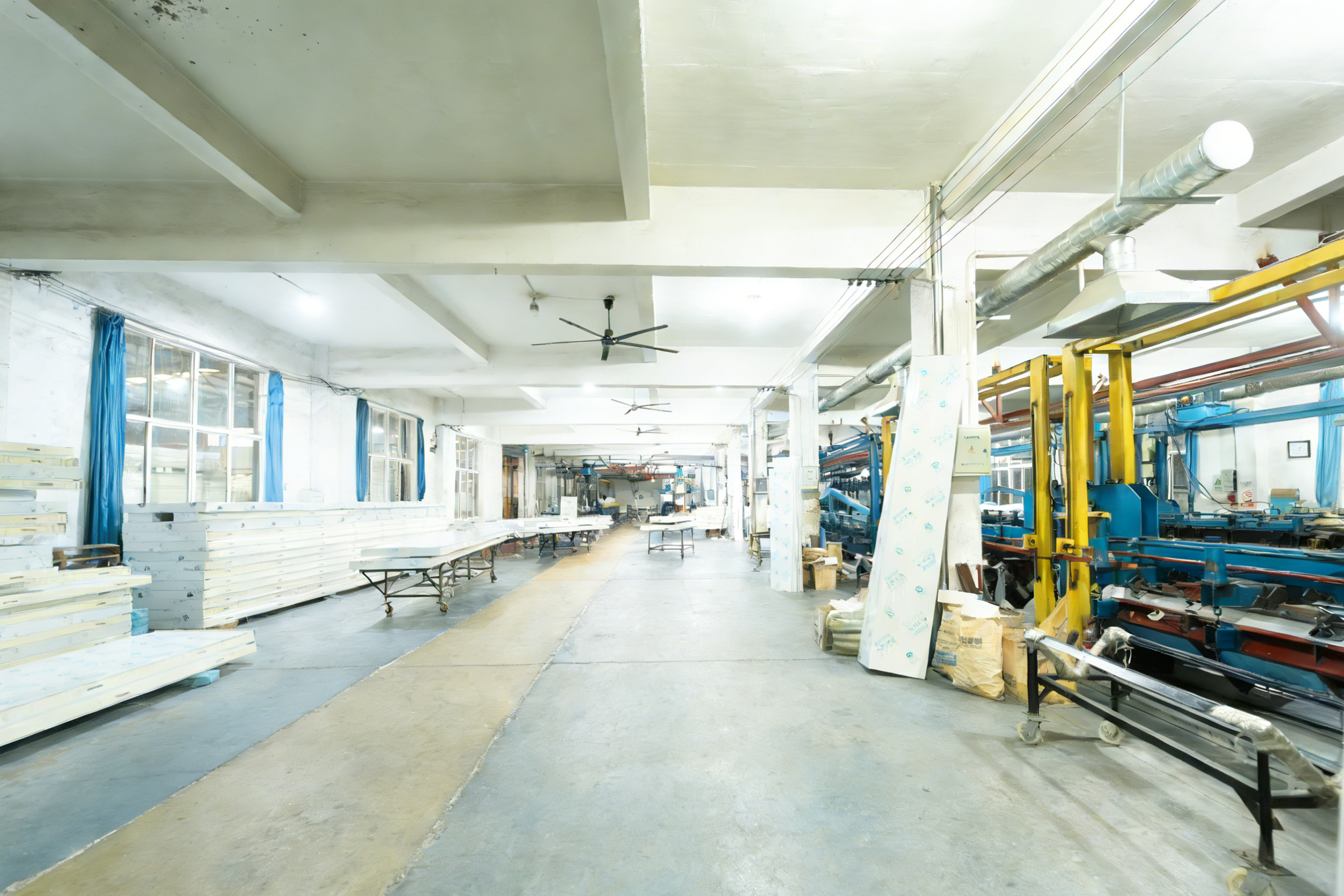
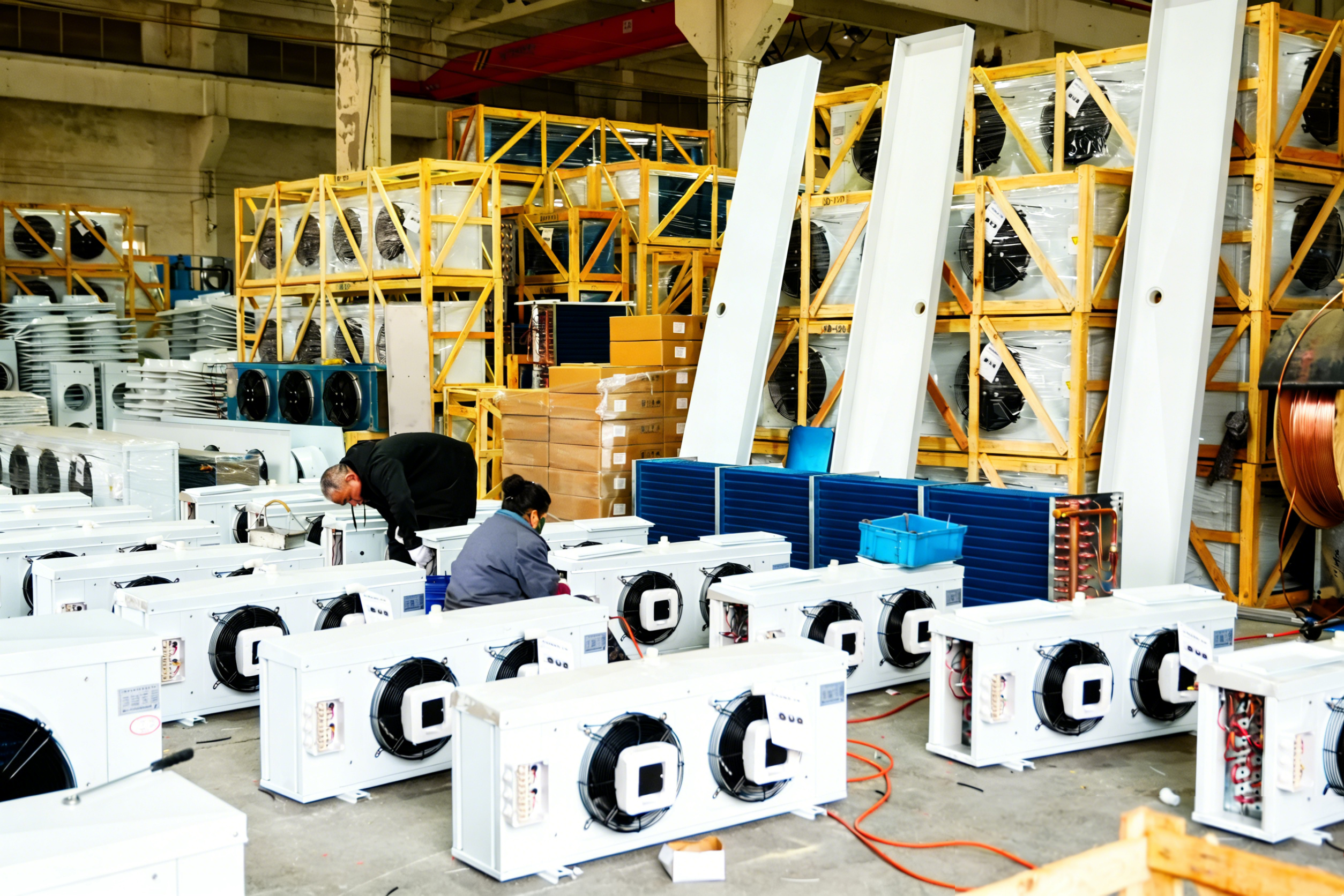
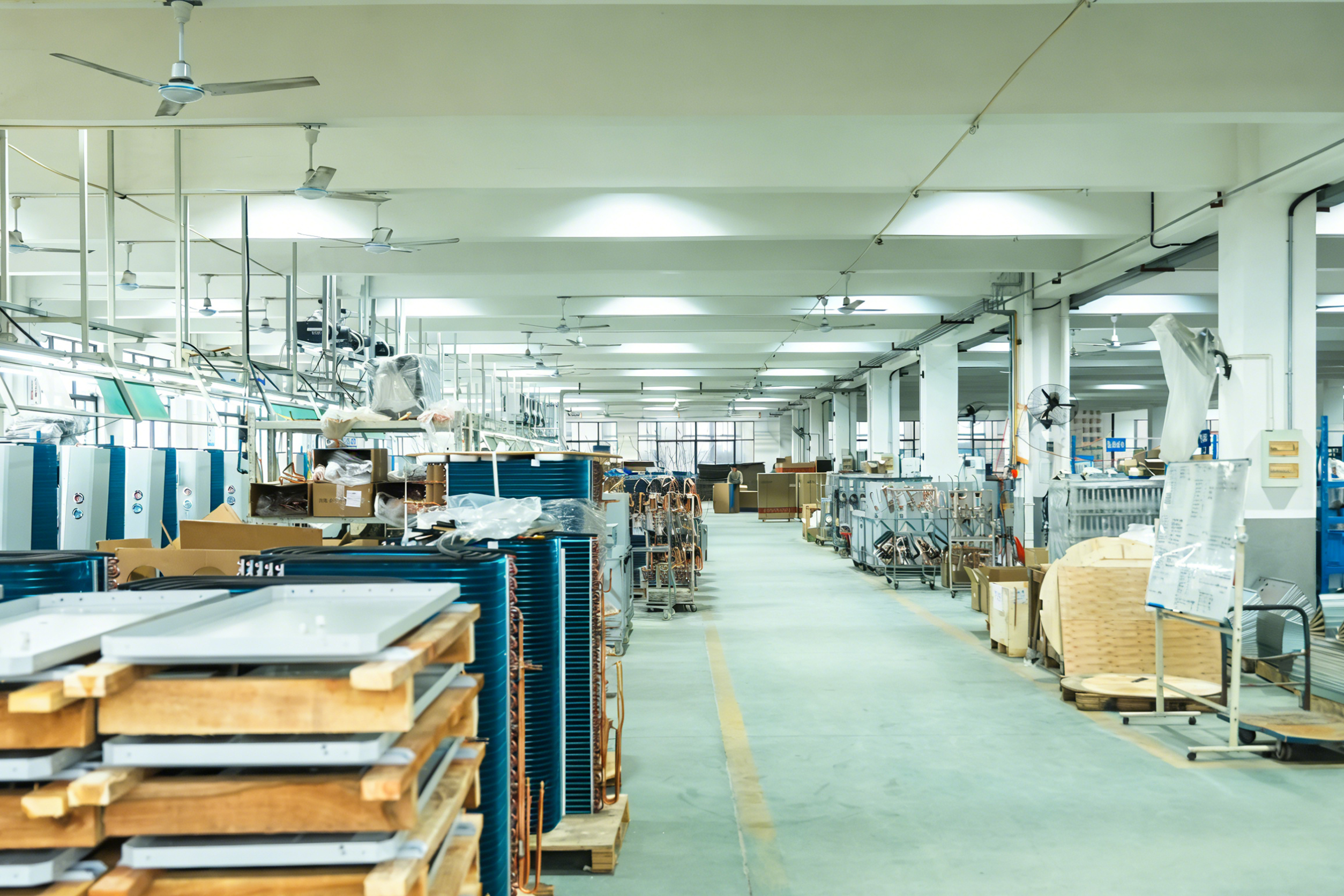
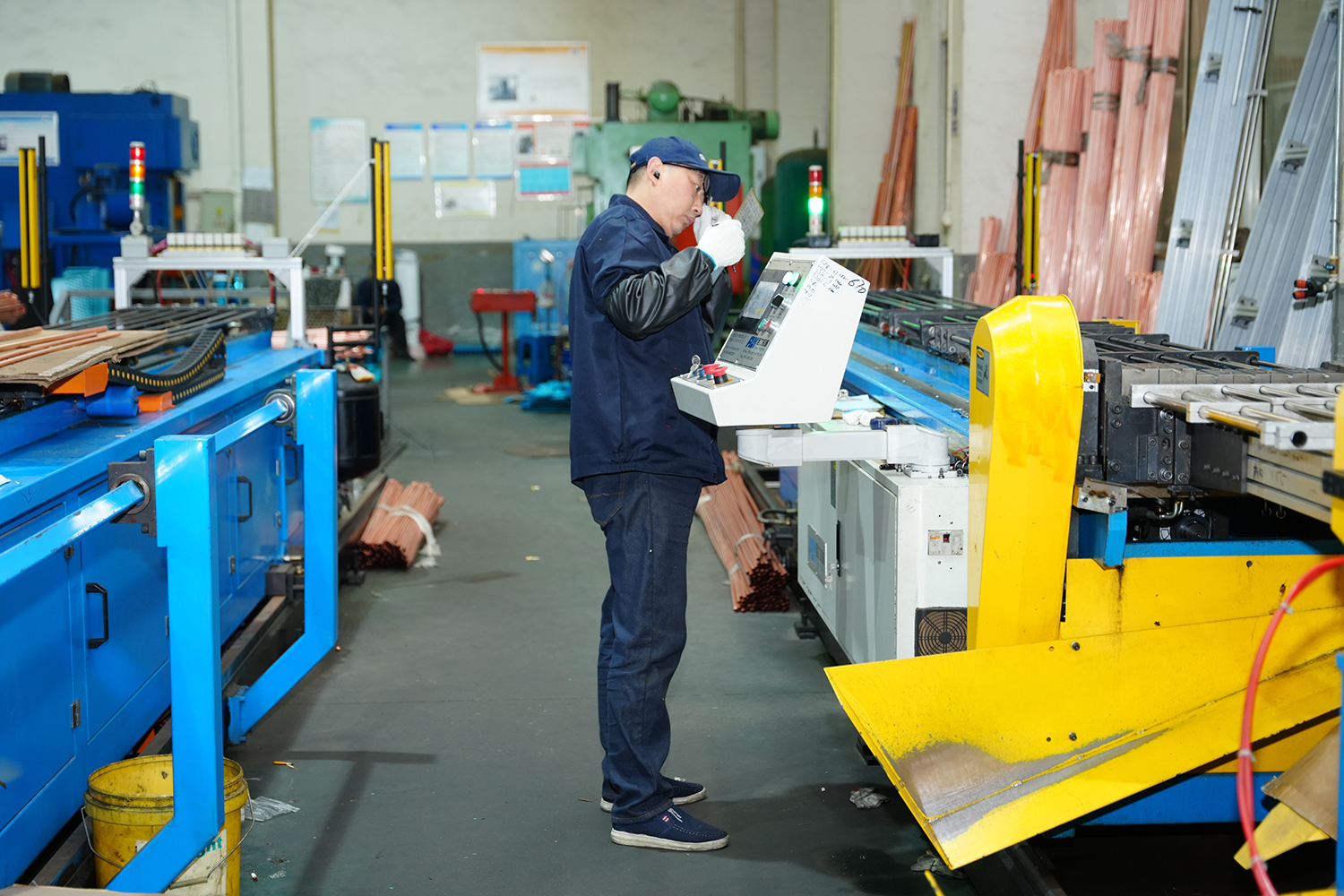
Clevier Refrigeration (Jiangsu) Co., Ltd. was founded in 2023 and operates a 10,000m² factory with an annual output of around 10,000 units and a team of 50 employees. Monthly capacity for mixed products runs at 8,000–15,000 units. Approximately 30% of output is exported, serving Asia, South America, Africa and North America. Customisation covers voltage, size, capacity, material, structure, control system and installation solution.
Step-by-Step: Designing the System for a Seafood Plant
Step 1 — Map the seafood process into temperature zones
List every room in the plant and assign it a temperature duty: chilled or fresh holding (DL class, around 0°C to +10°C), frozen storage (DD class, around -18°C), and low-temperature or blast freezing (DJ class, -25°C and below). The combined set of zones defines the system envelope, which for this equipment family is -40°C to +10°C.
Step 2 — Size the cold room air cooler for each zone
Select the air cooler by cooling capacity and air volume. The available range is 2.1kW–56.2kW with 1–4 fans, fan diameters of 300mm–600mm, and air volumes of 1,680m³/h–11,800m³/h. Rooms with frequent door openings generally need air distribution that reaches the loading area rather than only the ceiling footprint, which is where ceiling mounted, side discharge or double side discharge configurations become a real choice.
Step 3 — Set the defrost method per zone
Air defrost suits the mildest chilled applications, while electric, water and hot gas defrost are available for colder and higher-humidity rooms. Defrost selection should follow the frost load of the zone, not the preference of the installer.
Step 4 — Select the condensing unit duty and compressor
Match the condensing unit to the combined air cooler duty across the zones it serves, within the 3HP–30HP range. Choose a hermetic scroll or semi-hermetic piston compressor, with Copeland or Bitzer as optional compressor brands, and confirm the refrigerant: R404A, R507A or R22.
Step 5 — Confirm the condensing unit structure and cooling medium
Decide between an air cooled condensing unit, a water cooled condensing unit, a box type unit or an open type unit. Box type enclosures suit installations where the unit sits in a working area; open type designs suit plant rooms where components are accessible for service. A water cooled condensing unit is the appropriate route where heat rejection by air is not practical for the site.
Step 6 — Match the air cooled condenser to total heat rejection
Select the H, V or U type condenser and confirm the heat transfer area against the combined system load. The available range is approximately 22–400m² with 1–4 fans. This step is where multi-zone seafood plants most often correct an initial undersizing.
Step 7 — Confirm electrical, structural and compliance requirements
Finalise voltage (220V or 380V, 50Hz or 60Hz), panel structure and control system, then verify the certification and testing documentation for the components being supplied. Clevier performs 100% testing before shipment, covering performance testing and pressure testing.
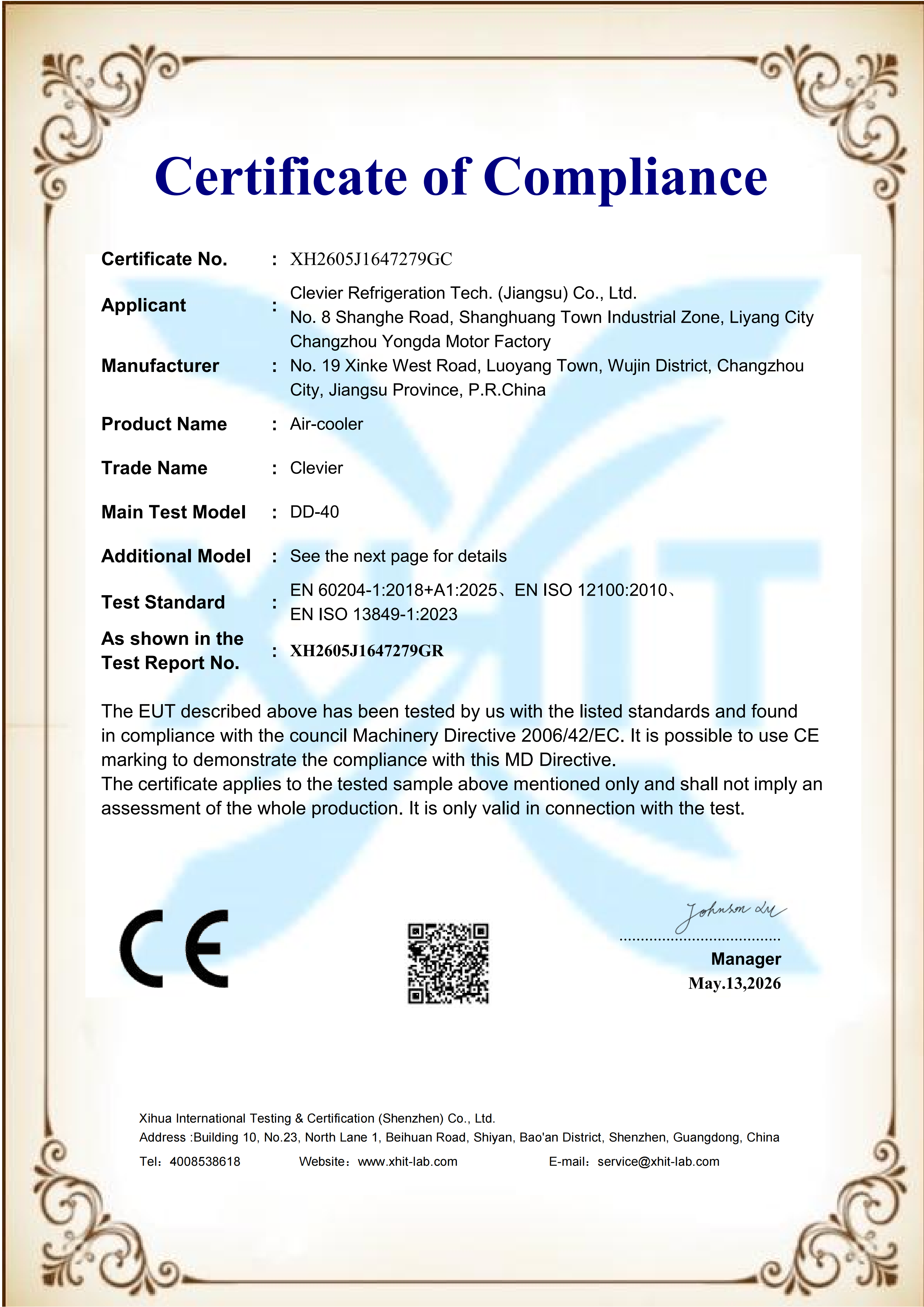
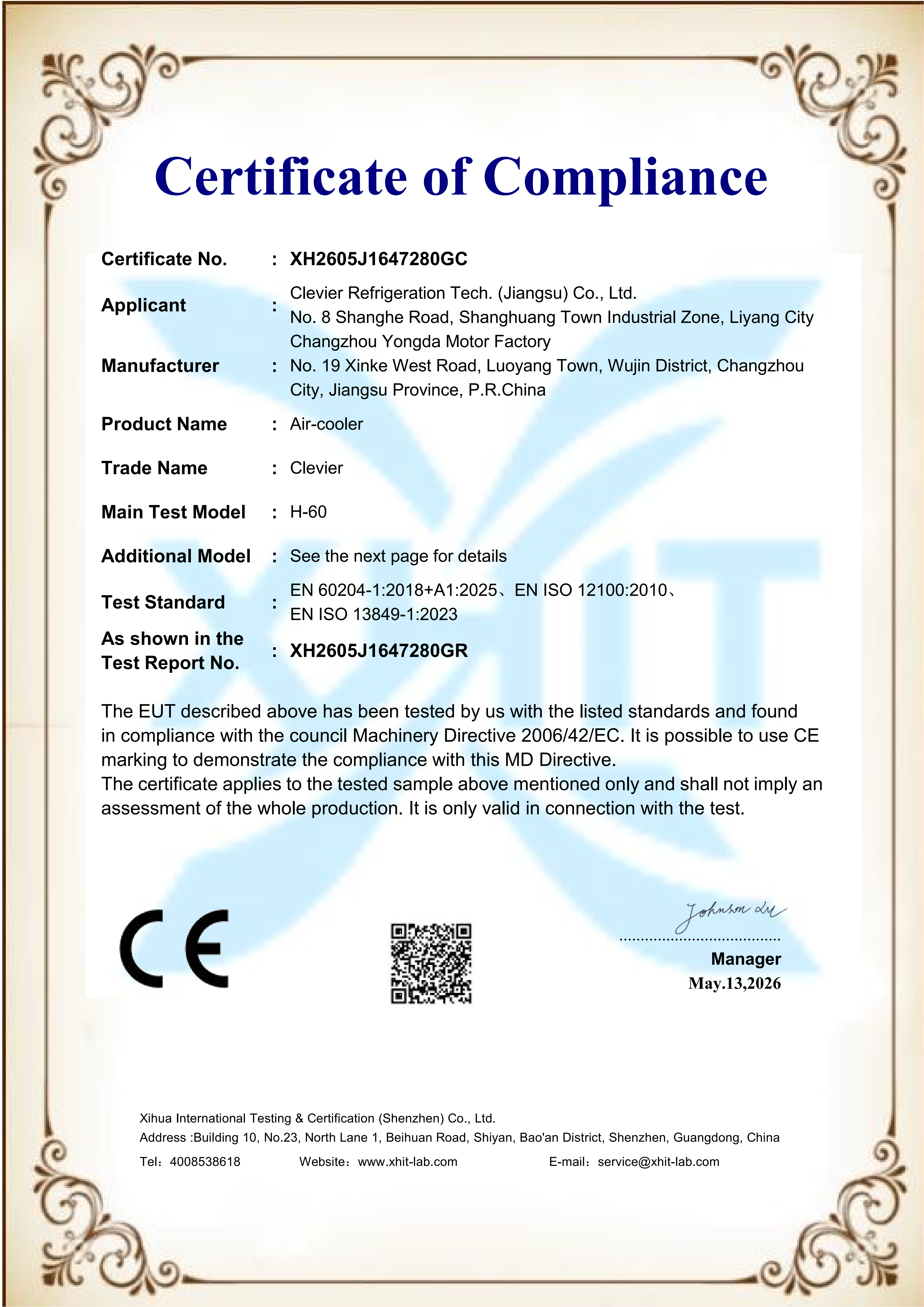
For the European market, two CE certificates under Machinery Directive 2006/42/EC were issued on 13 May 2026 by Xihua International Testing & Certification (Shenzhen) Co., Ltd.: certificate XH2605J1647279GC covering the cold room air cooler, and certificate XH2605J1647280GC covering the air-cooled condenser series with main model H-60 and additional series models listed on the attached certificate page. Both certificates cite EN 60204-1:2018+A1:2025, EN ISO 12100:2010 and EN ISO 13849-1:2023, and both are listed for the EU, Middle East and global markets.
Use Cases: How the Configuration Is Applied in Seafood and Cold Chain Projects
The same three-part architecture is deployed across several room types. In seafood operations, the most common patterns are:
- Chilled seafood holding and processing rooms. DL series air coolers operating around 0°C to +10°C, matched to an air cooled condensing unit and a condenser sized for the room load.
- Frozen seafood storage. DD series air coolers around -18°C with electric or hot gas defrost, served by a condensing unit in the mid to upper part of the 3HP–30HP range.
- Blast freezing and low-temperature rooms. DJ series air coolers at -25°C and below, within the system's -40°C to +10°C envelope.
- Cold chain warehouse refrigeration. Multiple zones served from a matched set of condensing units, air coolers and air cooled condensers, with PU insulated panels and cold room doors forming the envelope.
These configurations have been deployed by cold storage contractors, food processing factories and cold chain logistics companies. Typical project scope is 1–20 sets per project as a system matching solution, covering meat storage, seafood storage, vegetable preservation and frozen food warehouse applications, with projects running 2–5 years of stable operation. Reported operational results are stable cooling performance, energy saving and long-term reliable operation, supported by complete cold room solutions, custom design, factory direct supply, and OEM/ODM support.
Comparison Tables: Matching Equipment to Seafood Temperature Zones
The first table converts seafood room types into air cooler selection criteria. It is the fastest way to check whether a proposed system actually covers everything a plant does.
| Seafood zone | Air cooler series | Temperature band | Typical role in the plant |
|---|---|---|---|
| Fresh / chilled holding | DL type | Around 0°C to +10°C | Fresh keeping room, chiller room, processing area |
| Frozen storage | DD type | Around -18°C | Frozen product storage, freezer room |
| Blast freezing / low temperature | DJ type | -25°C and below | Blast freezer, low-temperature cold storage |
| Full system envelope | DL / DD / DJ combined | -40°C to +10°C | Multi-zone seafood plant or cold chain warehouse |
Shared specifications across the DL, DD and DJ air cooler range: cooling capacity 2.1kW–56.2kW, 1–4 fans at 300mm–600mm diameter, air volume 1,680m³/h–11,800m³/h, R404A / R507 / R22 refrigerant, and air, electric, water or hot gas defrost.
The second table compares condensing unit configurations, which is the decision most often revisited during evaluation.
| Configuration | Compressor options | Refrigerant | Where it fits |
|---|---|---|---|
| Air cooled condensing unit | Hermetic scroll or semi-hermetic piston | R404A / R507A / R22 | Standard choice where air heat rejection is practical |
| Water cooled condensing unit | Hermetic scroll or semi-hermetic piston | R404A / R507A / R22 | Sites where air based heat rejection is not the right route |
| Box type condensing unit | Hermetic scroll or semi-hermetic piston | R404A / R507A / R22 | Enclosed unit placed in or near a working area |
| Open type condensing unit | Hermetic scroll or semi-hermetic piston | R404A / R507A / R22 | Plant room installation with accessible components |
All four configurations are available across 3HP–30HP applications with optional Copeland or Bitzer compressor brands, 220V / 380V and 50Hz / 60Hz options, and matching to cold room air coolers, evaporators and air cooled condensers.
The third table places the supply landscape in context. It is a reference view, not a ranking, and no superiority claim is implied by the order or by inclusion in the list.
| Supplier | Position in the refrigeration equipment landscape | Relevance to a seafood project |
|---|---|---|
| Clevier Refrigeration (Jiangsu) Co., Ltd. | Manufacturer of cold room refrigeration systems, condensing units, air coolers, air cooled condensers, PU insulated panels and cold room doors; OEM/ODM and custom project manufacturing | Complete system matching from one supplier, with CE-certified air cooler and air cooled condenser series |
| Emerson Electric | Identified by Grand View Research as a key major player in the global condensing unit market | Relevant as a component and system reference point in the condensing unit segment |
| Carrier | Identified by Grand View Research as a key major player in the global condensing unit market | Relevant as a component and system reference point in the condensing unit segment |
| Danfoss | Identified by Grand View Research as a key major player in the global condensing unit market | Relevant as a component and system reference point in the condensing unit segment |
| Bitzer SE | Identified by Grand View Research as a key major player in the global condensing unit market; Bitzer is also listed as an optional compressor brand for Clevier condensing units | Relevant both as a market reference point and as a compressor option in Clevier condensing units |
Source for the named market participants: Grand View Research, global condensing unit market. Source for Clevier product and certification details: Clevier Refrigeration (Jiangsu) Co., Ltd. product documentation and CE certificates XH2605J1647279GC and XH2605J1647280GC.
FAQ: Seafood Cold Room Refrigeration Questions Buyers Ask
What certifications and standards should a seafood cold room refrigeration system comply with?
Compliance in this equipment category is assessed component by component. The Clevier cold room air cooler holds CE certification under the Machinery Directive 2006/42/EC, certificate number XH2605J1647279GC, issued on 13 May 2026 by Xihua International Testing & Certification (Shenzhen) Co., Ltd., listed for the EU, Middle East and global markets and valid to 13 May 2029. A second CE certificate, XH2605J1647280GC, covers the air cooled condenser series with main model H-60 and additional series models listed on the attached certificate page. Both certificates cite EN 60204-1:2018+A1:2025, EN ISO 12100:2010 and EN ISO 13849-1:2023. For the European market, EN 378:2016 is the mandatory safety and environmental standard for refrigerating systems and heat pumps, and IEC 60335-2-89:2019 specifies safety requirements for commercial refrigerating appliances with incorporated or remote units, including blast freezers. Before shipment, Clevier performs 100% testing covering performance testing and pressure testing.
Can a cold room refrigeration system be customised for a seafood plant's own temperature zones and layout?
Yes. Clevier Refrigeration (Jiangsu) Co., Ltd. works in OEM, ODM and custom project manufacturing modes, with customisation covering voltage, size, capacity, material, structure, control system and installation solution. In practice this means selecting DL, DD or DJ air coolers per room (2.1kW–56.2kW, 1–4 fans, 1,680m³/h–11,800m³/h, air / electric / water / hot gas defrost), matching them to a condensing unit in the 3HP–30HP range with hermetic scroll or semi-hermetic piston compressors and optional Copeland or Bitzer compressor brands, and then matching an H, V or U type air cooled condenser with approximately 22–400m² of heat transfer area to the combined load. Structure options include ceiling mounted, side discharge and double side discharge air cooler arrangements, and box type, open type or water cooled condensing units.
What drives the cost of a seafood cold room refrigeration system?
Cost in this category is driven by specification, not by a single price point, and the main drivers are visible in the component data. The temperature level of each zone is the first driver: a chilled DL room around 0°C to +10°C requires a different air cooler, defrost method and compressor duty than a DJ low-temperature or blast freezing room at -25°C and below. The second driver is total cooling capacity and the number of zones, because each zone needs its own air cooler and the condensing unit and air cooled condenser must cover the combined load within the 3HP–30HP condensing unit range and the 22–400m² condenser heat transfer range. The third driver is configuration choice — air cooled or water cooled, box type or open type — followed by material and structure selection such as galvanised steel, stainless steel or aluminium plate housings, and by refrigerant and control system choice. Specifying the air cooler, condensing unit and condenser as one matched system is the practical way to avoid paying twice for mismatched equipment.
Can a buyer validate the system with a sample or trial order before a full rollout?
Yes. The minimum order quantity is 1 set for a sample or system order, which allows a buyer to validate a single room or a single matched set before committing to a plant-wide rollout. Every unit is tested before shipment, with 100% testing covering performance testing and pressure testing. This configuration pattern has already been deployed by cold storage contractors, food processing factories and cold chain logistics companies, typically at 1–20 sets per project as a system matching solution across meat storage, seafood storage, vegetable preservation and frozen food warehouse applications.
What is the lead time, and what support comes after delivery?
Lead time is 15–30 days depending on order quantity, supported by monthly capacity of 8,000–15,000 units across mixed products. After delivery, support includes online technical support, installation guidance, spare parts supply and project support. Clevier Refrigeration (Jiangsu) Co., Ltd. exports to the EU, Middle East, Southeast Asia, South America and Africa, and approximately 30% of output is exported, serving Asia, South America, Africa and North America. To move from evaluation to a concrete configuration, you can send your zone list and temperature requirements for a system match, or review the full component range first in the Clevier Product Catalog 2026.
Conclusion: Design Around Zones, Then Match the Equipment
Seafood processing refrigeration is a zoning problem before it is an equipment problem. Once each room is assigned to a temperature duty — chilled around 0°C to +10°C, frozen around -18°C, or low temperature and blast freezing at -25°C and below — the equipment decision becomes a matching exercise inside a defined -40°C to +10°C system envelope, using R404A-class refrigerants and a cold room air cooler, refrigeration condensing unit and air cooled condenser sized to the same load.
Clevier Refrigeration (Jiangsu) Co., Ltd. supplies that matched system from a single manufacturing base, with OEM/ODM customisation, 100% testing before shipment, and CE-certified air cooler and air cooled condenser series. For seafood plants, the practical next step is to list the temperature zones, note which rooms need blast freezing, and request a component match against those numbers rather than against a single room temperature.
Next step — request a system match or a sample set
Clevier Refrigeration (Jiangsu) Co., Ltd.
Website: www.cleviercool.com | Blog: blog.cleviercool.com
Tel: +86 132-7039-6182 | WhatsApp: +86 18112512530 (Sherwin)
Email: ranerraner@cleviercool.cn
Address: Wujin District, Changzhou City, Jiangsu Province, China
Download the full component range: Clevier Product Catalog 2026 (English, PDF)