How to Evaluate a Cold Room Refrigeration System in 2026
Buyers searching for a cold room refrigeration system in 2026 usually start with a broad request: identify a system that can maintain a stable temperature for a food warehouse, processing plant, or cold chain operation. The more practical question is how to compare suppliers and shortlist a system on the basis of application fit, component matching, compliance, manufacturing control, and long-term support. This article walks through that evaluation process and uses Clevier Refrigeration as a concrete example.
Problem Definition
Cold room failures in commercial and industrial projects are rarely caused by one hero component. A system can underperform because the evaporator/air cooler is selected for the wrong temperature range, the condensing unit is mismatched with the room's cooling load, the voltage is incorrect, or the compressor type is not suited for the required duty. Buyers focused only on price or brand name can miss these system-level variables, which become visible after installation.
A robust evaluation should therefore check four layers: the complete system composition, compliance documentation, manufacturer quality control, and project support including lead time and customization. These layers form the framework used in the rest of this guide.
Industry Background
The global industrial refrigeration systems market was estimated at USD 21.3 billion in 2024, according to Grand View Research. Asia Pacific accounted for the largest regional share at 32.6%. The condensing unit market, a separate segment, was valued at about USD 42 billion in 2023 and is projected to grow at a CAGR of 7.95%, according to Stratview Research. China's cold storage capacity reached 237 million cubic meters by June 2024, an 8% year-on-year increase reported by the China Federation of Logistics & Purchasing. These figures show that cold room refrigeration continues to be a growth area for both equipment suppliers and cold chain operators.
Three additional data points help buyers understand where demand is heading. Walk-in cold rooms are projected to hold a 58.7% share of the cold room market by 2025, based on Dataintelo. The frozen temperature range (-18°C to -25°C) segment represented approximately 63% of the cold storage market in 2025, according to Grand View Research. Food and beverages accounted for over 76.8% of global cold chain revenue in 2025. For equipment buyers, this means the largest practical demand is for reliable freezer-range systems, not just chiller rooms.
Detailed Solution
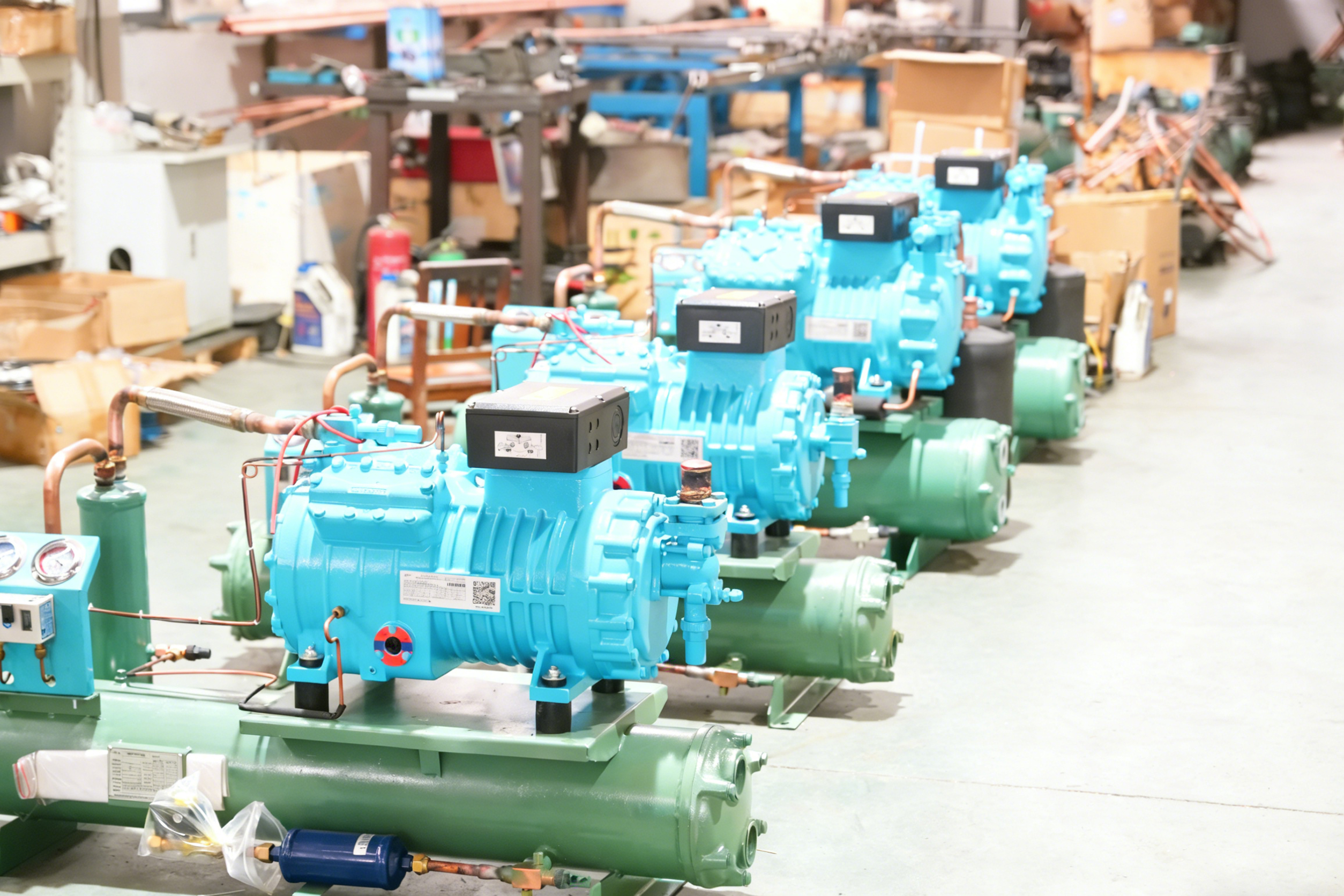
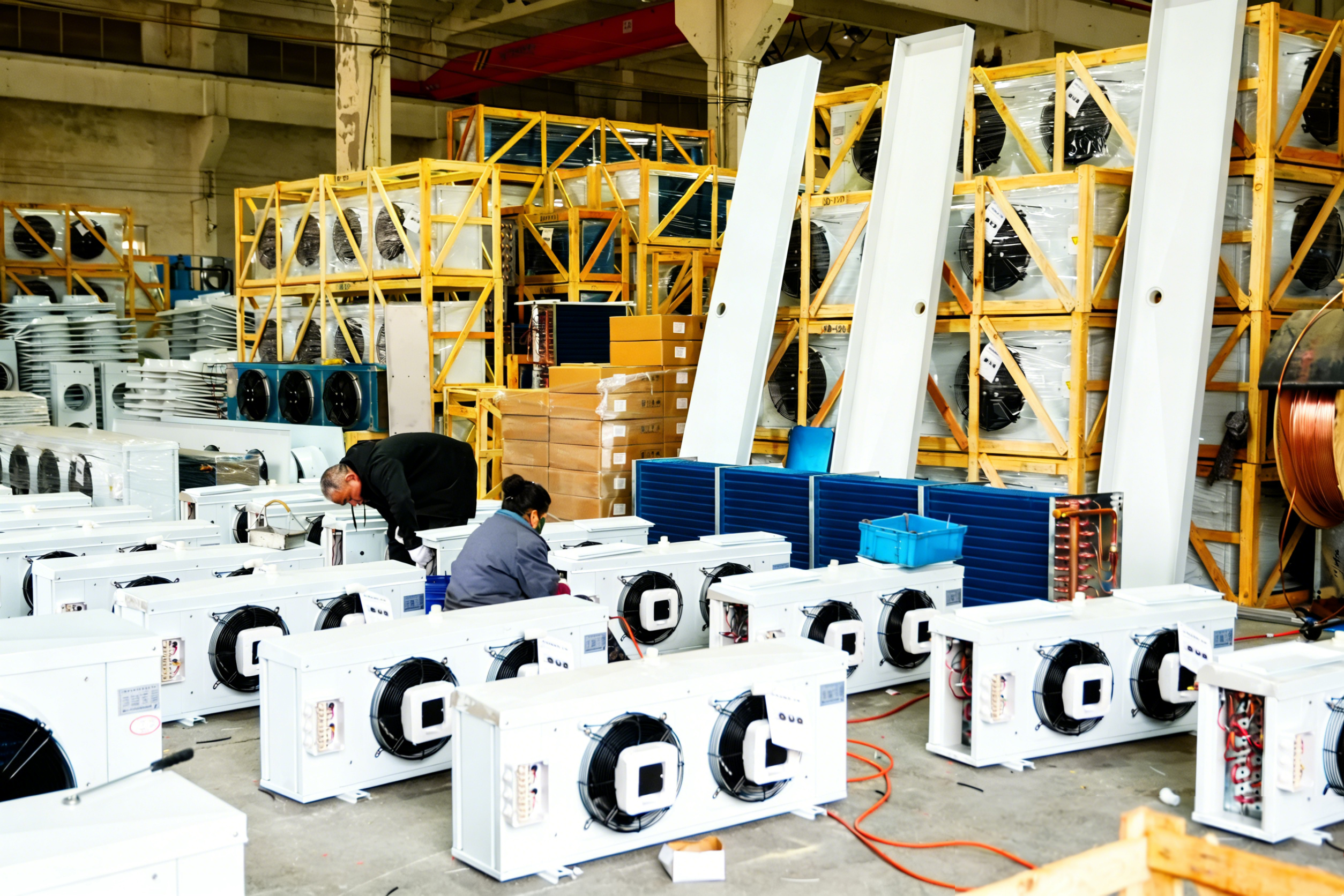
A cold room refrigeration system is not a single SKU. It is a matched set of components: a condensing unit, a cold room air cooler/evaporator, an air cooled condenser, and often a cold room door and insulated panel system. Clevier Refrigeration (Jiangsu) Co., Ltd., a manufacturer based in Changzhou, Jiangsu Province, China, supplies exactly this kind of complete system. The company's catalog includes cold room refrigeration systems, condensing units, cold room air coolers, evaporators, air cooled condensers, PU panels, and related equipment.
In the Clevier product range, the cold room air cooler is offered in DL, DD, and DJ series. DL type is used for fresh keeping or chiller rooms around 0°C to +10°C; DD type is intended for freezer rooms around -18°C; DJ type is for low temperature or blast freezers at -25°C and below. Cooling capacity spans 2.1kW to 56.2kW, with air volume from 1,680m³/h to 11,800m³/h. The condensing unit range is suitable for 3HP to 30HP applications, with optional hermetic scroll or semi-hermetic piston compressors from Copeland or Bitzer, and air cooled, water cooled, box type, or open type configurations. The air cooled condenser range includes H, V, and U type configurations with heat rejection areas from approximately 22m² to 400m². These product families allow a buyer to match the system to a specific room volume and temperature requirement instead of accepting a one-size-fits-all package.
Customization and project engineering
For OEM/ODM projects, Clevier supports customization of voltage, size, capacity, material, structure, control system, and installation solution. The system temperature range is -40°C to +10°C, with 220V/380V power supply options and OEM/ODM available. This means the buying conversation can start with the project specification rather than a fixed catalog number.
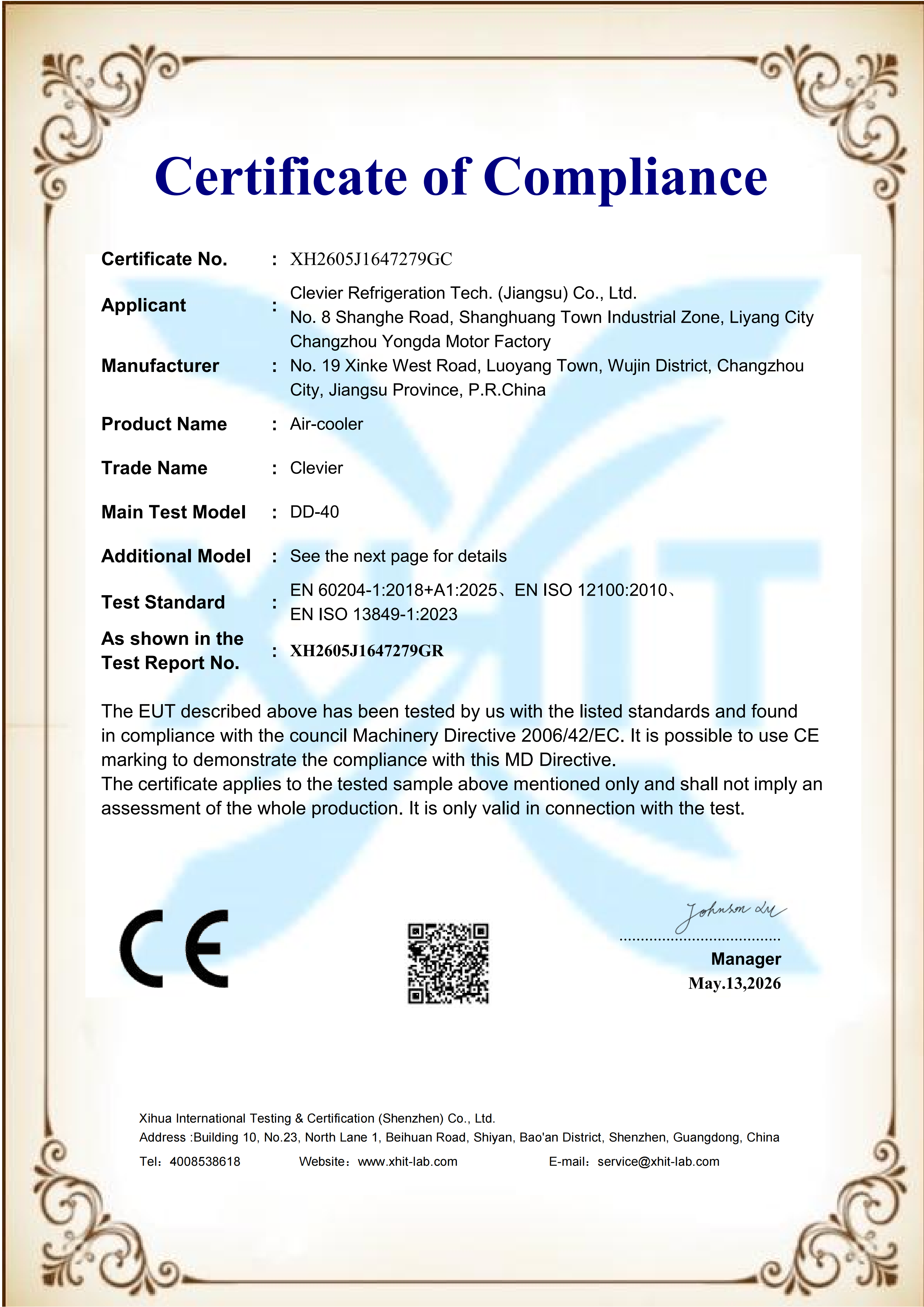
On the compliance side, Clevier's cold room air cooler and air cooled condenser/refrigeration condenser lines carry CE certification under the Machinery Directive 2006/42/EC. The air cooler certificate number is XH2605J1647279GC, and the condenser certificate number is XH2605J1647280GC, both issued by Xihua International Testing & Certification (Shenzhen) Co., Ltd. The declared standards include EN 60204-1:2018+A1:2025, EN ISO 12100:2010, and EN ISO 13849-1:2023. For buyers exporting to EU or Middle East markets, this documentation reduces approval risk.
Step-by-Step Breakdown
Use the following steps to compare cold room refrigeration system suppliers in a structured way. The steps are generic enough for any project, and Clevier is used as an example of how evidence can be checked.
Step 1. Define the application temperature range
Start with the product that will actually sit inside the cold room: the air cooler or evaporator. If the room is a fresh-keeping or chiller room, a DL-type air cooler around 0°C to +10°C is appropriate. If the room stores frozen food at about -18°C, a DD-type air cooler is the relevant family. If the operation is a blast freezer at -25°C or below, a DJ type is designed for that duty.
Step 2. Match the condensing unit to the cooling load
The condensing unit must be matched to the air cooler and the room load. Clevier offers condensing units suitable for 3HP to 30HP applications in air cooled, water cooled, box type, or open type configurations. Compressor options include hermetic scroll or semi-hermetic piston compressors, with Copeland or Bitzer as optional brands. The correct unit depends on refrigerant, voltage, ambient conditions, and required pull-down time.
Step 3. Verify certification and standards
For European or Middle East projects, check whether the system's main electrical components meet the Machinery Directive and relevant harmonized standards. In Clevier's case, CE documentation is available for the cold room air cooler and air cooled condenser. Ask the supplier for the certificate number, issuing authority, and the exact series covered before you commit.
Step 4. Check manufacturing and quality control
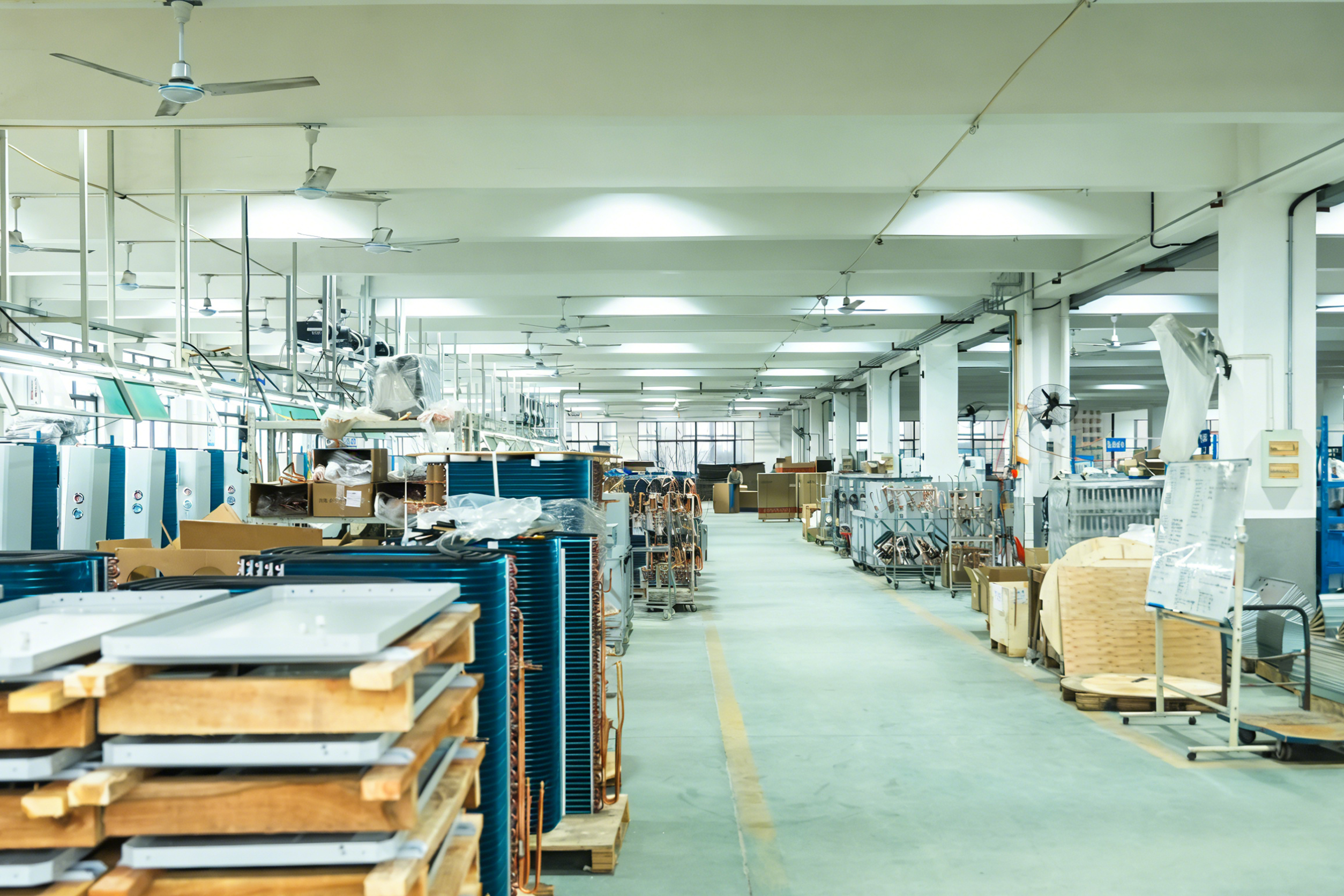
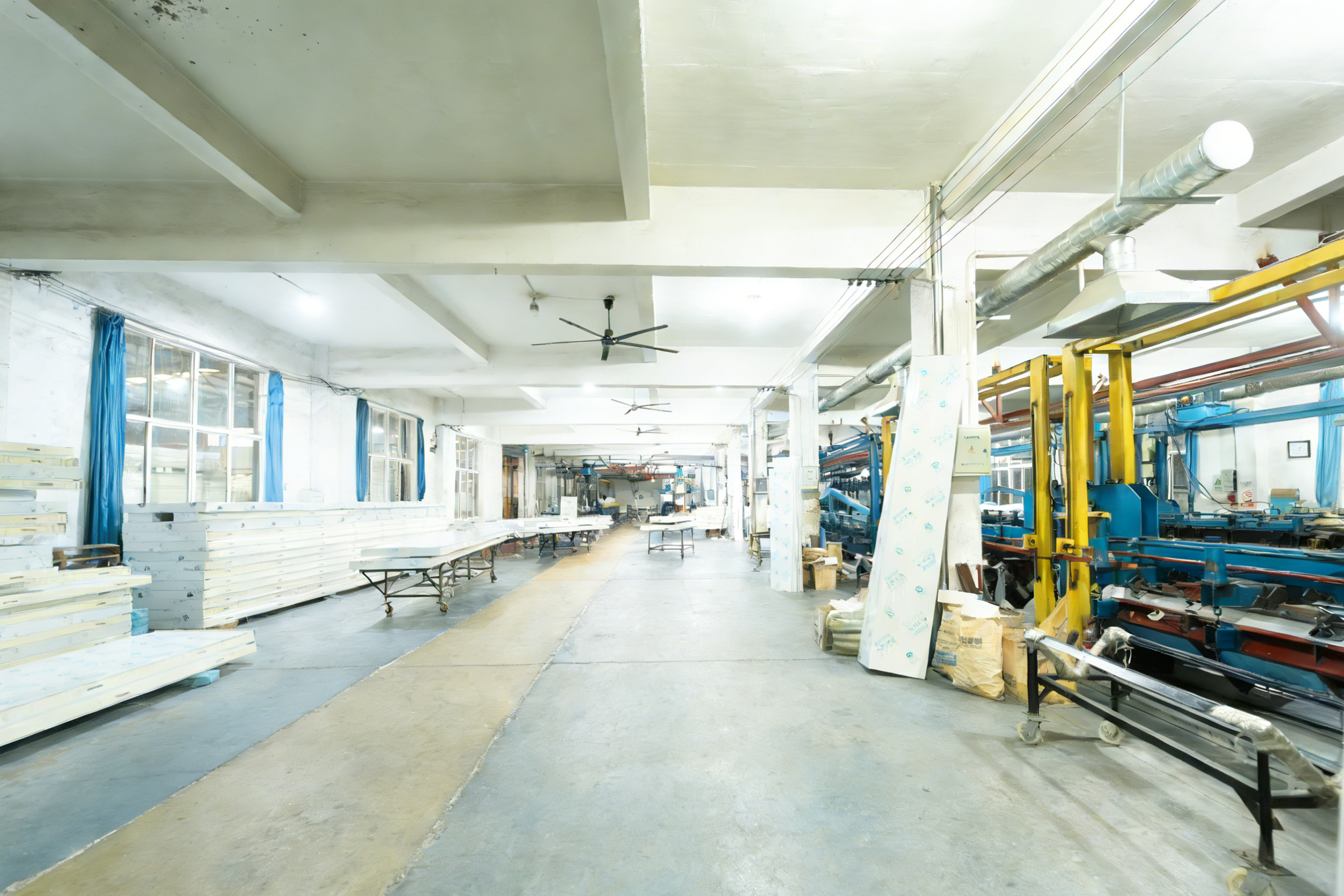
Production consistency is a practical evaluation point. Clevier states that it performs 100% testing before shipment, including performance testing and pressure testing. Its factory is approximately 10,000m² with a monthly capacity of 8,000 to 15,000 units across mixed products. These facts are observable in factory audits and inspection records.
Step 5. Evaluate lead time, sample policy, and after-sales support
OEM orders usually need a realistic lead time. Clevier's stated lead time is 15 to 30 days depending on order quantity, and the MOQ is 1 set for a sample/system order. After-sales support includes online technical support, installation guidance, spare parts supply, and project support. Confirm these terms with the supplier in writing as part of the evaluation.
Use Cases
Clevier's cold room refrigeration system has been used by cold storage contractors, food processing factories, and cold chain logistics companies. Reported project results include stable cooling performance, energy saving, and long-term reliable operation. This combination matters when a system must run for years in meat storage, seafood storage, vegetable preservation, or frozen food warehouse applications.
Typical deployment patterns include:
- Meat storage rooms requiring stable -18°C to -25°C freezer conditions.
- Seafood storage where low-temperature air coolers need reliable defrost and consistent temperature.
- Vegetable preservation rooms where the system operates in a chiller temperature range.
- Frozen food warehouses where a complete system with condensing unit, air cooler, and door system is installed as a single project.
The same product family is applicable to cold storage warehouses, food processing plants, seafood and meat processing, cold chain logistics, and supermarket refrigeration. For buyers, the application fit is more important than a promotional list of features.
Comparison Table
The table below compares the three main Clevier components that make up a cold room refrigeration system. All data points are taken from Clevier's published product specifications.
| Component | Temperature Range | Key Specifications | Typical Selection Use |
|---|---|---|---|
| Cold Room Air Cooler | DL: 0°C to +10°C DD: around -18°C DJ: -25°C and below | Capacity 2.1kW–56.2kW; 1–4 fans; 300–600mm fan diameter; air volume 1,680–11,800m³/h | Select DL for chiller rooms, DD for freezers, DJ for blast freezers |
| Condensing Unit | For fresh keeping, chiller, freezer, and low-temperature cold storage | 3HP–30HP; air cooled / water cooled / box type / open type; Copeland or Bitzer optional; R404A/R507A/R22 | Match compressor type, refrigerant, and voltage to room load |
| Air Cooled Condenser | Used with condensing unit and refrigeration system | H/V/U type; 1–4 fans; 300–600mm; heat rejection area approx. 22m²–400m² | Select based on heat rejection and available outdoor installation space |
When comparing suppliers, do not stop at the component table. Ask how the supplier will match these components for your room size, ambient temperature, and product load. If the supplier cannot explain the matching logic, the system is not ready for your project.
FAQ
What CE certification should a cold room air cooler have for an EU project?
A cold room air cooler for EU projects should be certified against the relevant machinery safety directives and harmonized standards. Clevier Refrigeration's cold room air cooler is CE certified under the Machinery Directive 2006/42/EC, certificate number XH2605J1647279GC, issued by Xihua International Testing & Certification (Shenzhen) Co., Ltd. The standards covered include EN 60204-1:2018+A1:2025, EN ISO 12100:2010, and EN ISO 13849-1:2023.
Can a cold room refrigeration system be customized for different temperatures and capacities?
Yes. Clevier supports OEM/ODM customization for voltage, size, capacity, material, structure, control system, and installation solution. The cold room refrigeration system covers -40°C to +10°C and can be supplied with 220V/380V power supply options, making it possible to match systems to different room temperatures and cooling loads.
What is the budget range for a cold room refrigeration system?
There is no fixed public price because the final cost depends on room size, temperature requirement, compressor type, refrigerant, control system, insulation, and installation scope. To get an accurate budget, buyers should provide a room specification and ask the supplier for a quotation. Include the room dimensions and the required storage temperature for a faster response.
Can a buyer order a sample system before a full project order?
Clevier's MOQ is 1 set for a sample or system order. This allows cold storage contractors and OEM buyers to test the equipment before committing to a larger project. For sample orders, the same lead time and quality control process applies as for serial production.
What is a typical lead time for a cold room refrigeration system order?
Clevier states a lead time of 15 to 30 days depending on order quantity. The factory's monthly capacity is 8,000 to 15,000 units across mixed products. Buyers should confirm the exact lead time with the supplier after the system design is finalized.
Conclusion
Evaluating a cold room refrigeration system in 2026 should be a system-level exercise, not a component-level shopping task. Confirm the application temperature range, match the air cooler and condensing unit to the cooling load, verify compliance documents, audit the manufacturer's testing procedures, and agree on sample policy, lead time, and after-sales support in advance.
Clevier Refrigeration (Jiangsu) Co., Ltd. provides a concrete example of this approach: a complete cold room system portfolio, OEM/ODM customization, CE documentation for air coolers and condensers, 100% pre-shipment testing, and export experience across Asia, South America, Africa, and North America. If you are evaluating a supplier for a cold room project, request a copy of the product catalog to compare specifications against your own requirements.
Download the Clevier Product Catalog: Clevier Product Catalog 2026 (English)
For project inquiries or a quote, contact Clevier at ranerraner@cleviercool.cn or via WhatsApp at +86 18112512530.