
How to Match a Cold Room Refrigeration System to Your Project: A Scenario-Based Selection Guide
How to Match a Cold Room Refrigeration System to Your Project
Selecting a cold room refrigeration system is not a one-size-fits-all decision. The right system depends on the room temperature, product type, ambient conditions, operating hours, and the way the cold room is built. This guide explains how to match a complete refrigeration system to a specific project scenario, using Clevier Refrigeration (Jiangsu) Co., Ltd. as a working example of a manufacturer that provides customized cold storage solutions.
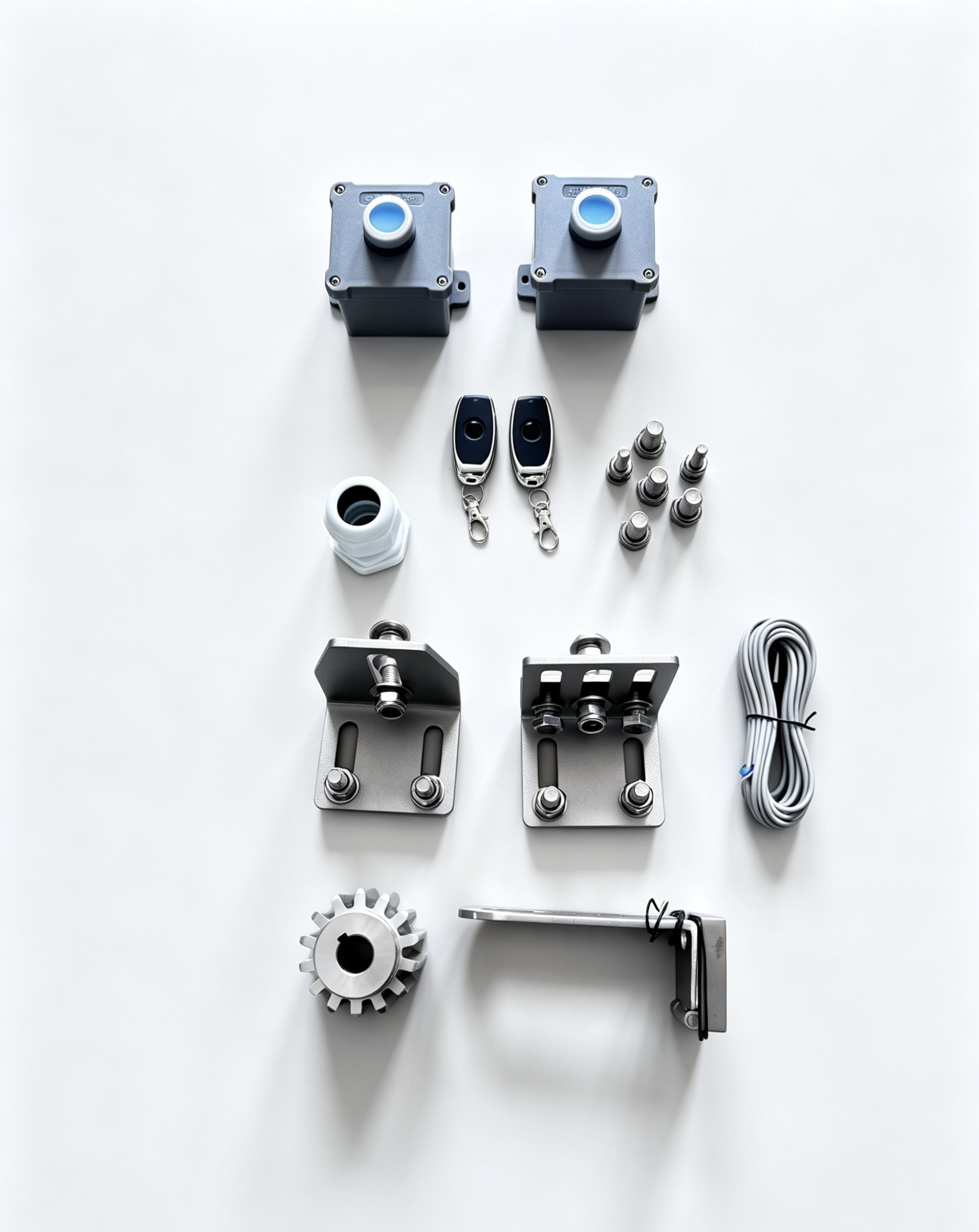
A complete cold room refrigeration system includes the condensing unit, air cooler, door system, and control components.
The Core Problem: Why Cold Room Refrigeration Matching Fails
Many cold room projects fail not because the compressor is weak, but because the system is not matched to the actual working condition. A refrigeration condensing unit sized for a chiller room may be unsuitable for a blast freezer. A cold room air cooler selected for fresh produce may not handle the humidity and defrost load of a meat freezer.
The most common issue is selecting individual components instead of a complete system. A condensing unit, cold room evaporator, expansion valve, and air cooled condenser must be configured together. When they are mismatched, the system may run continuously, struggle to pull down temperature, or consume more energy than necessary.
This article focuses on the project and scenario adaptation of cold room refrigeration systems, which is the key question for contractors, food processing plants, and cold chain operators moving from component selection to full system planning.
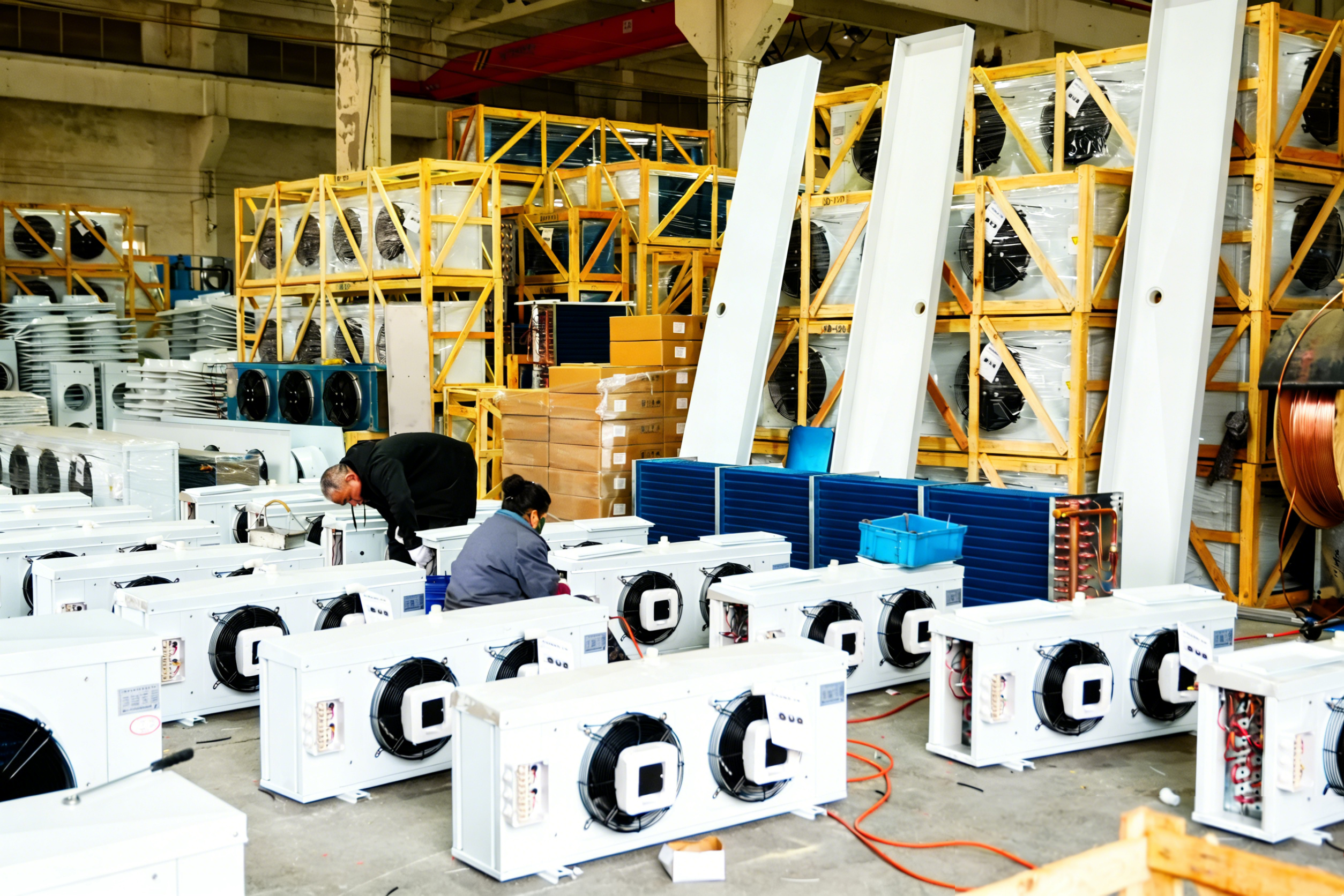
Factory manufacturing capabilities allow system-level matching rather than isolated component supply.
Industry Context: Cold Room Demand Is Expanding
Cold storage demand continues to grow across food processing, cold chain logistics, and supermarket refrigeration. According to Grand View Research, the global industrial refrigeration systems market was valued at USD 21.3 billion in 2024. The same source reported that Asia Pacific held the largest regional share at 32.6% in 2024.
Within the cold room segment, walk-in cold rooms are projected to hold a 58.7% market share by 2025, according to Dataintelo. This explains why contractors and distributors are increasingly looking for complete, project-ready refrigeration packages rather than loose components.
For buyers, the implication is practical: they need a supplier who can deliver a matched system, not just a catalog of parts. This is where scenario-based selection becomes important.
What Is a Cold Room Refrigeration System?
A cold room refrigeration system is a complete cooling solution for a temperature-controlled storage room. The main components are a condensing unit, a cold room air cooler (evaporator), a cold room door system, and electrical control components.
Clevier Refrigeration (Jiangsu) Co., Ltd. supplies cold room refrigeration systems with a temperature range of -40°C to +10°C, covering fresh keeping rooms, chiller rooms, freezer rooms, and low-temperature cold storage. The system requires supporting equipment such as cold room panels, a refrigeration unit, an evaporator, and a condensing unit.
Because the system is configured as a whole, it can be customized in terms of cooling capacity, compressor selection, panel thickness, door type, and control system. This is what makes it a system solution rather than a simple product sale.
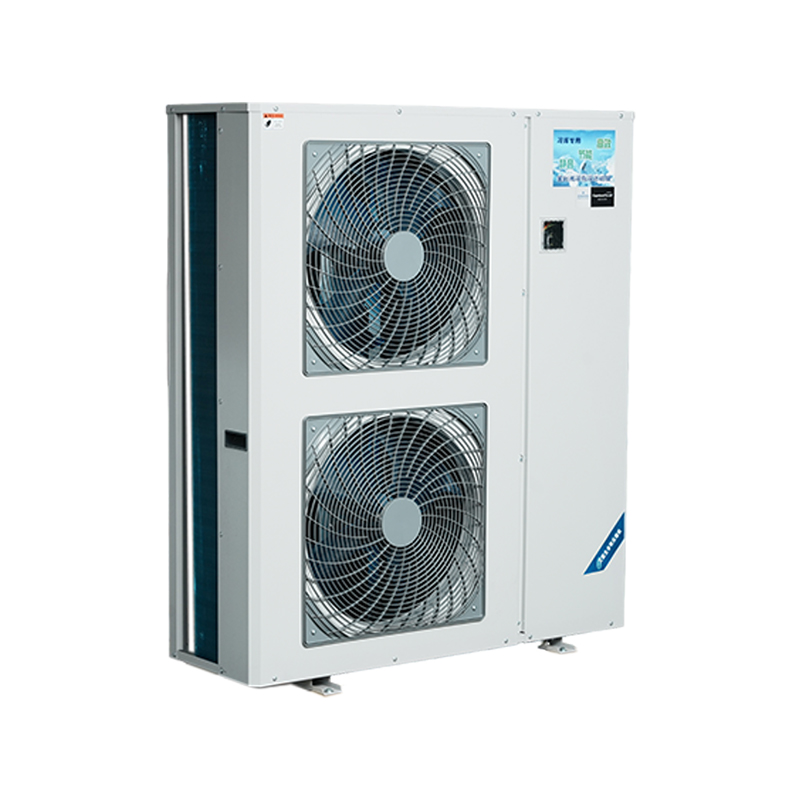
Box type condensing units are commonly used for space-constrained cold room installations.
Step-by-Step: How to Match a Cold Room Refrigeration System to Your Project
Step 1: Define the Room Temperature and Product Type
The first step is to identify the temperature requirement of the stored product. Clevier divides its cold room air cooler range into three series:
- DL Series: Fresh keeping and chiller rooms around 0°C to +10°C
- DD Series: Freezer rooms around -18°C
- DJ Series: Low-temperature and blast freezers at -25°C and below
For example, a vegetable storage room may run at +2°C, while a frozen food warehouse typically requires -18°C. A seafood blast freezer can require -25°C or lower. The room temperature determines not only the condensing unit capacity but also the defrost method and evaporator design.
Step 2: Select the Condensing Unit Type
Clevier offers air cooled condensing units, semi-hermetic condensing units, box type condensing units, and water cooled condensing units. The selection depends on the installation environment:
- Air cooled condensing units are the most common choice when ambient air is clean and ventilation is sufficient.
- Box type condensing units are compact and suit outdoor mounting or limited space projects.
- Semi-hermetic piston condensing units are often selected for larger or lower-temperature applications where reliability and serviceability matter.
- Water cooled condensing units may be considered when ambient temperatures are high or water is readily available.
The condensing unit range from Clevier is suitable for 3HP to 30HP refrigeration applications, with compressor options from Copeland or Bitzer and refrigerant choices including R404A, R507A, and R22.
Step 3: Match the Cold Room Air Cooler (Evaporator)
The cold room air cooler is responsible for removing heat from inside the room. Clevier's air coolers cover a cooling capacity range of 2.1kW to 56.2kW, with fan diameters from 300mm to 600mm and air volume from 1,680m³/h to 11,800m³/h.
Matching is based on the room heat load, temperature, and desired air distribution. A freezer room may use an electric defrost DD series unit cooler, while a fresh produce room may prefer air defrost to reduce energy use. Clevier supports four defrost options:
- Air defrost
- Electric defrost
- Water defrost
- Hot gas defrost
Step 4: Check the Condenser and Supporting Equipment
The air cooled condenser rejects heat from the system. Clevier offers H Type, V Type, and U Type condensers with copper tube aluminum fin coils, fan configurations from 1 to 4 fans, and fan diameters from 300mm to 600mm. The heat transfer area ranges from approximately 22m² to 400m² depending on the model.
The condenser must be matched to the condensing unit to maintain proper head pressure. Clevier also includes the cold room door system and electrical control box as part of the complete system solution.
Step 5: Define Voltage, Refrigerant, and Control Requirements
Cold room projects are installed in different countries with different electrical standards. Clevier supports 220V / 380V / 50Hz / 60Hz configurations. Refrigerant choice depends on local regulations and availability: R404A, R507A, and R22 are listed options.
Control systems can be customized, and the entire system can be designed for 24/7 continuous operation in low-temperature, high-humidity environments. Energy saving and stable performance are standard requirements for cold chain applications.
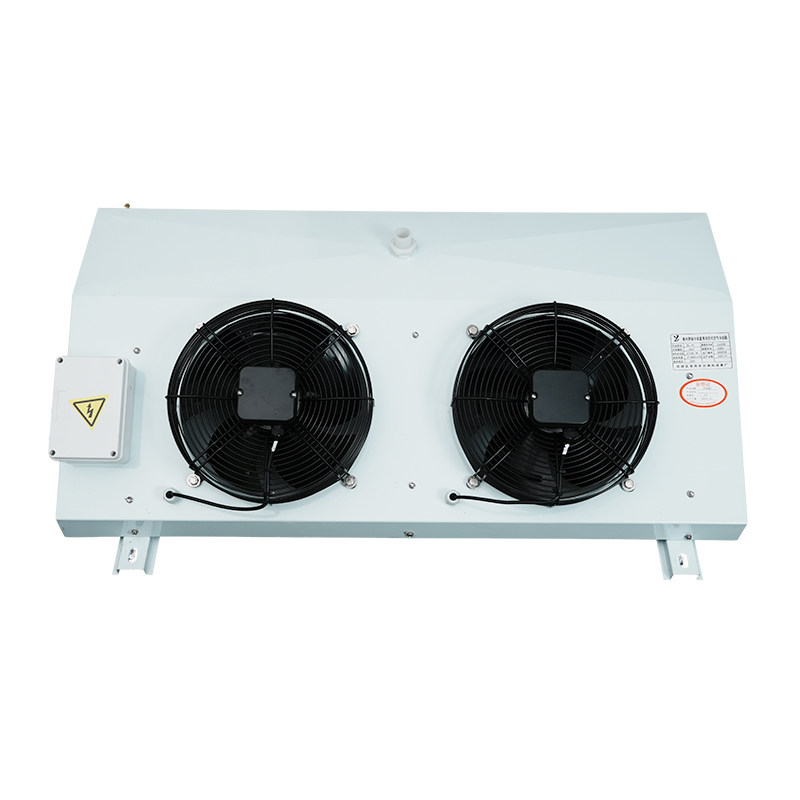
DD series unit coolers are designed for freezer room applications around -18°C.
Common Cold Room Project Scenarios and Recommended System Directions
Scenario 1: Food Processing Cold Storage
Food processing plants need cold rooms that can hold meat, seafood, or prepared food at stable temperatures. This is a cold chain logistics and food cold storage application. The system provides cooling and refrigeration for food preservation.
In this scenario, a complete cold room solution with custom design, factory direct supply, and easy installation is recommended. Projects typically involve 1 to 20 sets per project and may operate continuously for years.
Scenario 2: Cold Chain Warehouse
A cold chain warehouse may combine chiller rooms, freezer rooms, and loading areas. The condensing unit operates in 24/7 continuous operation mode. Special requirements include energy saving and stable performance.
The system must support long run hours and quick temperature recovery after door openings. This is where the complete system matching approach matters most.
Scenario 3: Supermarket and Restaurant Refrigeration
Supermarkets and restaurants often need walk-in cold rooms for fresh produce, dairy, meat, and frozen goods. These rooms require reliable temperature control with minimal noise and footprint.
Box type condensing units paired with DL or DD series air coolers are a common direction for this scenario. Custom voltage and compact structure are often required.
Comparison: Cold Room Refrigeration Components Across Project Temperatures
| Parameter | Fresh Keeping / Chiller Room | Freezer Room | Blast Freezer / Low Temperature |
|---|---|---|---|
| Typical temperature range | 0°C to +10°C | Around -18°C | -25°C and below |
| Air cooler series | DL series | DD series | DJ series |
| Typical defrost method | Air defrost | Electric defrost | Hot gas or electric defrost |
| Condensing unit direction | Air cooled or box type | Air cooled or semi-hermetic | Semi-hermetic for larger loads |
| Typical application | Fruit, vegetable, dairy | Frozen food, meat | Seafood blast freezing |
The table compares common component directions by temperature range, based on Clevier product specifications.
OEM/ODM and Custom Project Manufacturing
For contractors and distributors, the ability to customize a refrigeration system is often as important as the system itself. Clevier supports OEM/ODM and custom project manufacturing, with customization options that include voltage, size, capacity, material, structure, control system, and installation solution.
Production capacity is rated at 8,000 to 15,000 units per month across mixed products. Lead time is typically 15 to 30 days depending on order quantity, and the minimum order quantity is 1 set for a sample or system order.
Quality control includes 100% testing before shipment, performance testing, and pressure testing. After-sales support covers online technical support, installation guidance, spare parts supply, and project support.
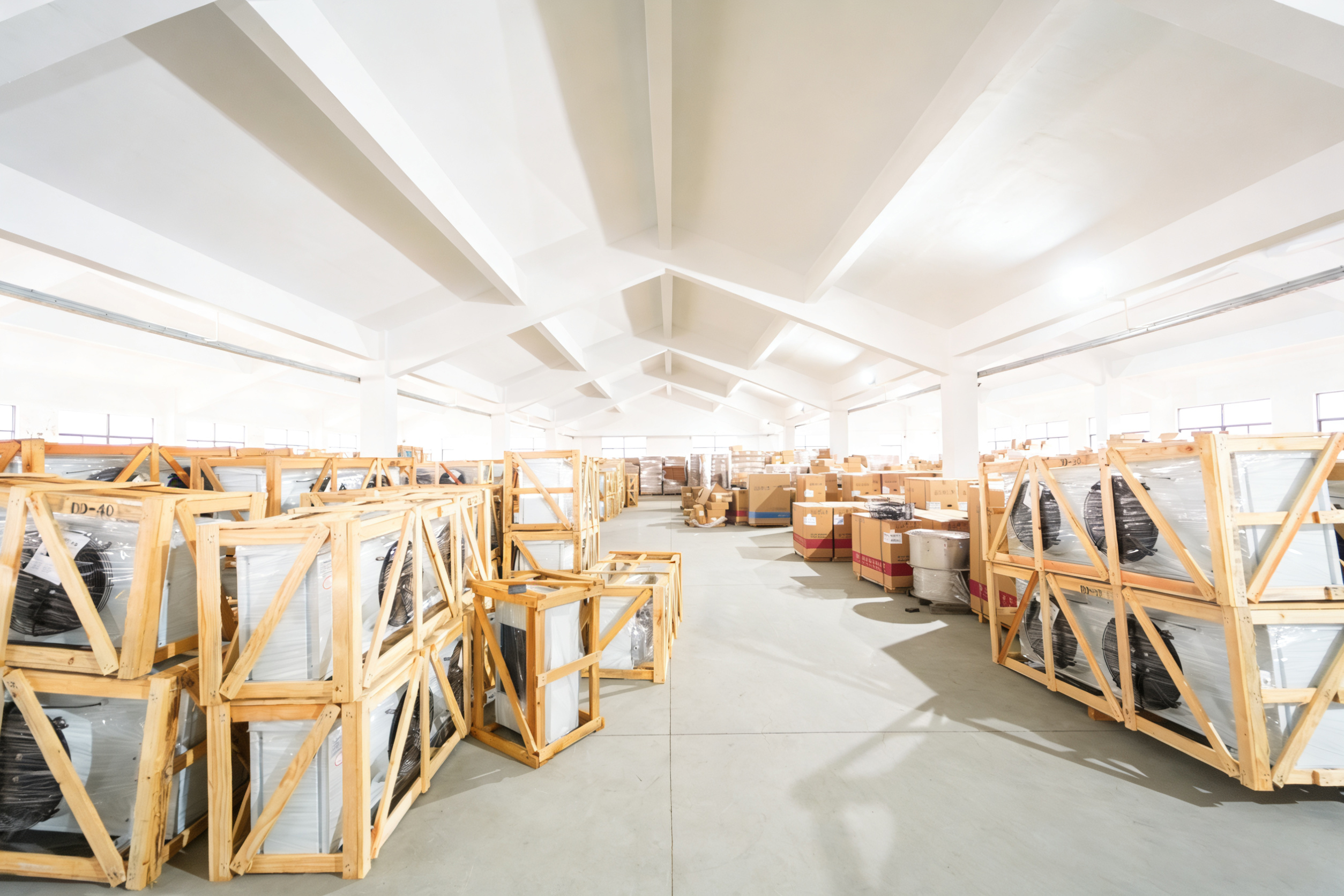
Factory-direct manufacturing supports custom orders, testing, and consistent lead times.
Case Reference: How Project Scenarios Are Applied
Clevier's case references cover cold storage contractors, food processing factories, and cold chain logistics companies globally. Project scales range from 1 to 20 sets per project, with applications in meat storage, seafood storage, vegetable preservation, and frozen food warehouses.
The documented results include stable cooling performance, energy saving, and long-term reliable operation over 2 to 5 years. The case highlights a complete cold room solution, custom design availability, factory direct supply, easy installation, and OEM/ODM support.
These references are useful for buyers who need to evaluate whether a supplier can handle project-level requirements, not just single-unit deliveries.
FAQ
What standards should a cold room refrigeration system meet for compliance?
For European projects, EN 378:2016 is the mandatory safety and environmental standard for refrigerating systems and heat pumps. IEC 60335-2-89:2019 specifies safety requirements for commercial refrigerating appliances, including blast freezers. Buyers should confirm with the supplier which standards are applicable to their destination market.
What temperature range can a Clevier cold room refrigeration system cover?
Clevier cold room refrigeration systems are suitable for projects within a temperature range of -40°C to +10°C. The system can be configured for fresh keeping rooms, chiller rooms, freezer rooms, and low-temperature cold storage depending on the product and project requirements.
Can the system be customized for voltage, compressor brand, and refrigerant?
Yes. Clevier supports custom voltage at 220V / 380V / 50Hz / 60Hz, compressor brands including Copeland and Bitzer, and refrigerants R404A, R507A, and R22. Customization also covers HP, control system, condenser matching, casing material, and installation solution.
What is the MOQ and lead time for a cold room refrigeration system?
The MOQ is 1 set, which allows buyers to order a sample or a complete system for testing. Lead time is typically 15 to 30 days depending on order quantity. Each unit undergoes 100% testing before shipment.
How can I get a sample or a quotation for my project?
Buyers can contact Clevier directly by email at ranerraner@cleviercool.cn, by phone at +86 132-7039-6182, or via WhatsApp at +86 18112512530. The team provides online technical support, installation guidance, and project-based system matching. You can also download the Clevier Product Catalog 2026 (English PDF) to review the full product range.
Conclusion
Matching a cold room refrigeration system to a project is a system-level task. The starting point is always the required room temperature and product type. From there, the condensing unit, cold room air cooler, condenser, defrost method, voltage, and control system must be selected together.
For contractors and cold chain operators, working with a manufacturer that supports complete system matching, custom design, and OEM/ODM reduces the risk of component mismatch. Clevier Refrigeration (Jiangsu) Co., Ltd. provides such solutions with a temperature range of -40°C to +10°C, factory-direct supply, and project references covering 1 to 20 sets per project.
Need help matching a cold room refrigeration system to your project?
Contact Clevier for a sample, quotation, or system design support.
Email: ranerraner@cleviercool.cn | Tel/WhatsApp: +86 18112512530