
How to Specify a Cold Room Refrigeration System for OEM Projects: A Buyer's Playbook
How to Specify a Cold Room Refrigeration System for OEM Projects
If you are purchasing cold room refrigeration systems for resale, installation projects, or integration into a larger equipment line, this guide explains what to specify, what to verify, and how to evaluate an OEM manufacturer’s capabilities before you place an order.
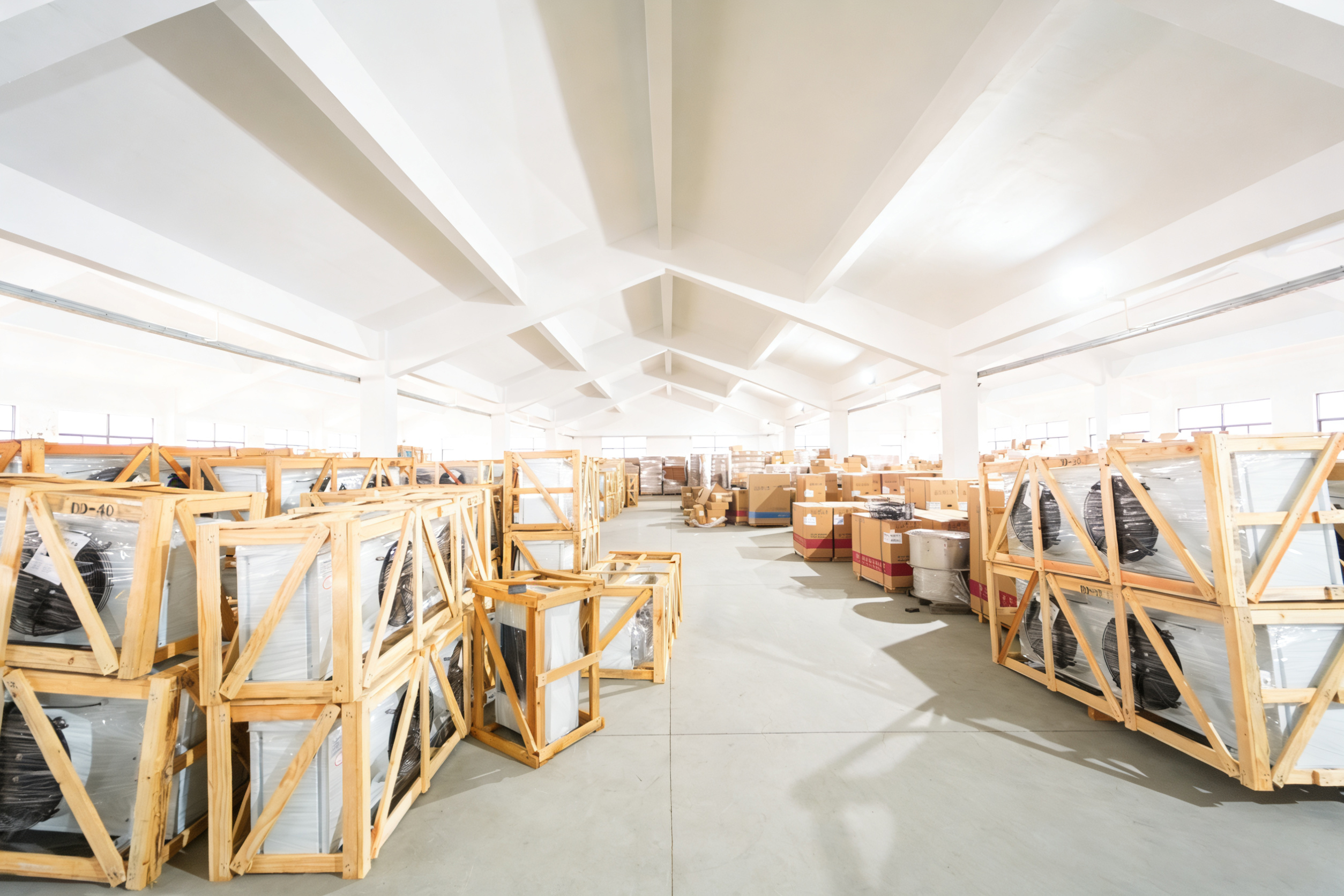
Factory-level evidence is critical when evaluating cold room refrigeration system OEM suppliers.
Why a cold room refrigeration system needs a specification process
A cold room refrigeration system is not a single machine. It is a matched set of components—typically a condensing unit, one or more cold room air coolers (evaporators), and a cold room door system—that must work together to hold a stable temperature. In practice, each project needs a specification tied to room size, storage temperature, product type, ambient conditions, refrigerant, voltage, and the buyer’s or installer’s requirements.
When buyers evaluate an OEM manufacturer, the key question is not only whether the factory builds equipment, but whether it can deliver a system matched to the project and repeat that outcome at order scale. This article focuses on the procurement criteria, production capabilities, and evaluation steps that matter most at the evaluation-to-execution stage.
Problem definition: what purchasers get wrong
Three specification failures are common in cold room projects.
- Oversizing or undersizing capacity. Choosing a condensing unit based on room volume alone ignores heat load from product loading, door openings, ambient temperature, and required pull-down time.
- Mismatched component pairing. A condensing unit and an air cooler with incompatible capacity or refrigerant can cause short cycling, poor defrost, or high energy consumption.
- Under-specified environmental conditions. Voltage, frequency, climate, and ambient temperature affect component selection. A unit designed for a temperate climate may struggle in the Middle East or Southeast Asia.
The solution is not a single catalog selection but a system-matching process. Buyers should ask whether a supplier can provide a matched condensing unit, cooler, and auxiliary components rather than a collection of mismatched parts.
Industry context: why refrigeration investment is expanding
Industrial refrigeration demand is broad and growing. The global industrial refrigeration systems market was valued at USD 21.3 billion in 2024. The Asia Pacific region alone dominated that year with a 32.6% revenue share. The global refrigeration equipment market was estimated at USD 67.06 billion in 2024, and the specific refrigeration coolers segment—evaporators and air coolers—was estimated at USD 4.0 billion in the same year.
For cold room buyers, the relevance of these figures is direct: more cold storage capacity means more demand for complete, dependable refrigeration systems. The food and beverage segment alone accounted for over 76.8% of global cold chain revenue in 2025, and China’s cold storage capacity reached 237 million cubic meters by June 2024, an 8% year-on-year increase. The practical effect is that buyers increasingly need suppliers who can ship complete systems, not just components.
What an OEM cold room refrigeration system should include
Clevier Refrigeration defines a cold room refrigeration system as an integrated package including a condensing unit, air cooler, and cold room door system, with a temperature range of -40°C to +10°C. That range covers fresh-keeping rooms, chilled rooms, freezer rooms, and low-temperature cold storage.
Typical components buyers should expect:
- Condensing unit: available as air-cooled, semi-hermetic, box-type, or water-cooled configurations; suited for 3HP–30HP refrigeration applications; compatible with hermetic scroll compressors or semi-hermetic piston compressors.
- Cold room air cooler (unit cooler / evaporator): available in DL, DD, and DJ series to match different temperature zones, with cooling capacities from 2.1 kW to 56.2 kW and air volumes from 1,680 m³/h to 11,800 m³/h.
- Matching accessories and controls: the system should be designed as a complete project solution with installation guidance.
Because these three elements must match each other, OEM capability matters: the same basic room could require a different compressor brand, refrigerant, defrost method, or heat transfer surface area depending on the final use.
Component-level specifications you should verify
Whether you purchase a full system or components for a project, the following specifications form the core evaluation checklist.
Cold room air cooler / unit cooler / evaporator
- Series by temperature: DL for fresh-keeping and chiller rooms around 0°C to +10°C; DD for freezer rooms around -18°C; DJ for low-temperature and blast freezers at -25°C and below.
- Cooling capacity: 2.1 kW to 56.2 kW depending on model.
- Air volume: 1,680 m³/h to 11,800 m³/h.
- Fan configuration: 1 to 4 fans; fan diameter 300 mm to 600 mm.
- Voltage/frequency: 220V / 380V / 50Hz / 60Hz customized.
- Defrost type: air defrost, electric defrost, water defrost, or hot gas defrost.
- Refrigerant: R404A, R507, or R22.
- Housing material: galvanized steel, stainless steel, or aluminum plate.
- Structure: ceiling-mounted, side-discharge, or double side-discharge customized.
Condensing unit
- Type: air-cooled, water-cooled, box-type, open-type, or customized.
- Capacity range: suitable for 3HP–30HP refrigeration applications.
- Compressor: hermetic scroll or semi-hermetic piston; optional brands include Copeland and Bitzer.
- Refrigerant: R404A, R507A, or R22.
- Voltage/frequency: 220V / 380V / 50Hz / 60Hz customized.
- Application temperature: fresh-keeping, chiller, freezer, or low-temperature cold storage.
Air-cooled condenser
- Type: H type, V type, or U type series.
- Heat transfer: copper tube and aluminum fin coil.
- Fan configuration: 1 to 4 fans; fan diameter 300 mm to 600 mm.
- Heat rejection: approximately 22–400 m² heat transfer area depending on model.
- Voltage/frequency: 220V / 380V / 50Hz / 60Hz customized.
- Structure: heat transfer capacity, fan quantity, coil material, casing color, voltage, and size can be customized.
Step-by-step: how to evaluate and order a cold room refrigeration system
Buyers moving from evaluation to execution should use a structured procurement workflow.
Step 1: Confirm the system temperature range and project application
Define whether your cold room is for fresh keeping, chilled storage, freezing, or blast freezing. Each application leads to a different cooler series and a different condensing unit selection.
Step 2: Define the operating environment and utility inputs
Voltage, frequency, ambient temperature, and available utilities determine equipment configuration. The same system may need a different fan quantity, condenser size, or refrigerant charge in the Middle East than in Southeast Asia.
Step 3: Specify customization requirements
For OEM and ODM projects, the buyer should state which parameters are flexible: cooling capacity, temperature range, voltage, refrigerant, compressor selection, panel structure, control system, and installation solution. Clevier supports exactly these customization points, including complete system matching.
Step 4: Ask about component-level certification
Certification is no longer optional for many export markets. Clevier holds CE certification under the Machinery Directive 2006/42/EC for its cold room air cooler series (certificate number XH2605J1647279GC) and its H/V/U type air-cooled condenser series (certificate number XH2605J1647280GC). The air cooler certification was issued on 2026-05-13 and expires on 2029-05-13; the condenser certification expires on 2099-05-13. The standards listed on the certificates are EN 60204-1:2018+A1:2025, EN ISO 12100:2010, and EN ISO 13849-1:2023.
Step 5: Confirm production capability and lead time
An OEM buyer should verify monthly output, lead time, MOQ, and testing policy. Clevier lists a monthly mixed-product capacity of 8,000 to 15,000 units, a standard lead time of 15–30 days depending on order quantity, and an MOQ of 1 set for sample or system orders. All units receive 100% testing before shipment, including performance and pressure testing.
Step 6: Check payment, delivery, and after-sales terms
For repeat project buyers, the commercial terms matter as much as the datasheet. Clevier orders ship after T/T payment with a 30% deposit and 70% before shipment. After-sales support includes online technical support, installation guidance, spare parts supply, and project support.
How to evaluate the OEM manufacturer beyond the brochure
Standard procurement advice emphasizes checking a factory’s certifications, testing, and export history. But for an OEM cold room project, the following evidence matters equally:
- Matching capability: Can the supplier propose a condensing unit and air cooler pair for your specific room and temperature requirement, or do they only sell standard SKUs?
- Component brand options: Can you specify compressor brands such as Copeland or Bitzer, or only proprietary compressors?
- Sample and small-order flexibility: Is an MOQ of 1 set possible for a sample or first system order? Clevier states this explicitly.
- Export experience: Does the supplier already serve your region? Clevier exports to the EU, Middle East, Southeast Asia, South America, and Africa, with 30% of output exported.
- Production evidence: Factory photographs, certificates, and test documentation should be consistent with what the sales team claims.
Use cases: where a complete cold room refrigeration system is required
Complete system supply is not limited to one industry. Clevier’s project experience covers meat storage, seafood storage, vegetable preservation, and frozen food warehouses, typically supplied to cold storage contractors, food processing factories, and cold chain logistics companies.
- Food processing plants: need hygienic, stable temperature control in production and storage areas, with durable cabinet materials such as galvanized steel, stainless steel, or aluminum plate.
- Cold chain logistics warehouses: operate across a wide temperature band, frequently -25°C and below for frozen distribution, requiring DJ-series low-temperature coolers and reliable defrost.
- Meat and seafood storage: require quick temperature recovery after door openings, high air volume, and consistent defrost behavior.
- Vegetable and fruit preservation: typically use DL-series air coolers in chiller conditions around 0°C to +10°C, with less demand on deep-freezing duty.
In these projects, quantities of 1–20 sets are common, and buyers value system-matching solutions, factory-direct supply, easy installation, and OEM/ODM support.
Comparison: what to compare when selecting an OEM supplier
| Evaluation point | What to ask | Why it matters |
|---|---|---|
| System scope | Does the supplier quote a matched condensing unit and air cooler, or a bare product list? | Mismatched components cause performance problems and higher installation cost. |
| Temperature range coverage | Can the system cover -40°C to +10°C, including blast freezing below -25°C? | A wider range indicates a broader product line and stronger matching capability. |
| Component flexibility | Are compressor brands like Copeland or Bitzer available? | End clients in different regions often mandate specific compressor brands. |
| Customization depth | Can voltage, capacity, material, structure, control system, and installation plan be customized? | OEM/ODM buyers need more than a standard SKU. |
| Certification evidence | Are CE certificates available for air coolers and condensers under the Machinery Directive? | Exporters to the EU and Middle East must verify documented conformity. |
| Testing and QC | Every unit tested before shipment? Performance and pressure tests? | 100% pre-shipment testing reduces field failures and after-sales burden. |
| Order flexibility | MOQ of 1 set available for sample or first project? | High MOQs block contractors and new importers from testing the supplier. |
| Commercial terms | Clear payment structure and lead time? | T/T 30/70 and 15–30 day lead time make project planning possible. |
Buyers should not interpret this table as a preference ranking. It is a selection framework. Use it to compare any supplier against your project’s requirements.
Limitations and trade-offs to be aware of
Every specification decision involves trade-offs. Buyers should be transparent with suppliers about real operating conditions.
- Wider temperature range is not automatically better. A system optimized for -18°C freezer duty may not be the most efficient choice for a +5°C chiller room.
- Defrost type affects energy use and room temperature stability. Electric defrost is common for small freezers, but hot-gas or water defrost may be preferred for large or low-temperature rooms.
- Higher air volume improves temperature recovery but can dry out fresh products. Fruit and vegetable storage often requires careful air distribution rather than maximum airflow.
- Compressor brand preference can affect cost and lead time. Buyers should balance mandatory end-client requirements against project budget.
These trade-offs explain why an OEM supplier with engineering input, rather than a pure component trader, is better positioned to support a successful project.
Frequently asked questions
What should I look for in an OEM cold room refrigeration system manufacturer?
You should look for a manufacturer that can supply a matched cold room refrigeration system—condensing unit, air cooler (evaporator), and cold room door system—not just individual components. Confirm that the manufacturer supports OEM, ODM, and custom project manufacturing; offers customization of voltage, cooling capacity, temperature range, refrigerant, compressor selection, panel structure, and control system; provides 100% pre-shipment testing; and can document certifications such as CE for its air coolers and condensers.
Can the manufacturer provide a customized condensing unit and cold room air cooler combination?
Yes. Clevier Refrigeration offers OEM, ODM, and Custom Project Manufacturing production services with system matching. In the condensing unit range, buyers can select from air-cooled, water-cooled, box-type, or open-type configurations, 3HP–30HP applications, hermetic scroll or semi-hermetic piston compressors, optional compressor brands such as Copeland or Bitzer, and refrigerants R404A, R507A, or R22. Cold room air coolers are available in DL, DD, and DJ series with cooling capacities from 2.1 kW to 56.2 kW and defrost options including air, electric, water, and hot-gas.
What is the minimum order quantity for an OEM cold room project?
The minimum order quantity is 1 set, which is available for a sample or system order. This is an important advantage for cold storage contractors and new importers who need to verify product quality before committing to larger order quantities. For larger projects, order quantities of 1–20 sets per project are common and can be shipped as a complete system-matching solution.
Can I request samples or a small first order before committing to a full project?
Yes. A 1-set sample order is available to evaluate performance, build quality, and documentation. Clevier’s payment terms are T/T with a 30% deposit and 70% before shipment, and every unit is performance-tested and pressure-tested before shipment. After receiving equipment, buyers also get online technical support, installation guidance, spare parts supply, and project support.
What export markets does the manufacturer serve?
Clevier Refrigeration actively exports to the EU, Middle East, Southeast Asia, South America, and Africa. Export sales account for 30% of total output. The company is based in Wujin District, Changzhou City, Jiangsu Province, China, with a 10,000 m² factory, around 50 employees, an annual output of approximately 10,000 units, and a monthly mixed-product capacity of 8,000–15,000 units.
Next step: review the product range before you send an inquiry.
Download the Clevier Product Catalog 2026 (English) to compare cold room air coolers, condensing units, condensers, and complete cold room refrigeration systems. For a system-matched quote, contact Clevier Refrigeration by phone at +86 132-7039-6182, WhatsApp at +86 18112512530, or email ranerraner@cleviercool.cn.
Conclusion
A cold room refrigeration system is a matched set of components, not a commodity. Successful OEM procurement depends on the manufacturer’s ability to understand the full application, configure the correct condensing unit and air cooler, document compliance, test every unit, and ship with predictable commercial terms.
Clevier Refrigeration is a China-based refrigeration manufacturer with a dedicated 10,000 m² factory, a product line covering cold room systems, condensing units, air coolers, condensers, and PU panels, and explicit OEM/ODM and custom project manufacturing capabilities. For buyers evaluating suppliers at the execution stage, this combination of factory capability, component-level flexibility, CE documentation, 100% pre-shipment testing, and low MOQ provides a practical starting point.