Top Cold Room Refrigeration System Configurations for -40°C to +10°C
Top Cold Room Refrigeration System Configurations for -40°C to +10°C
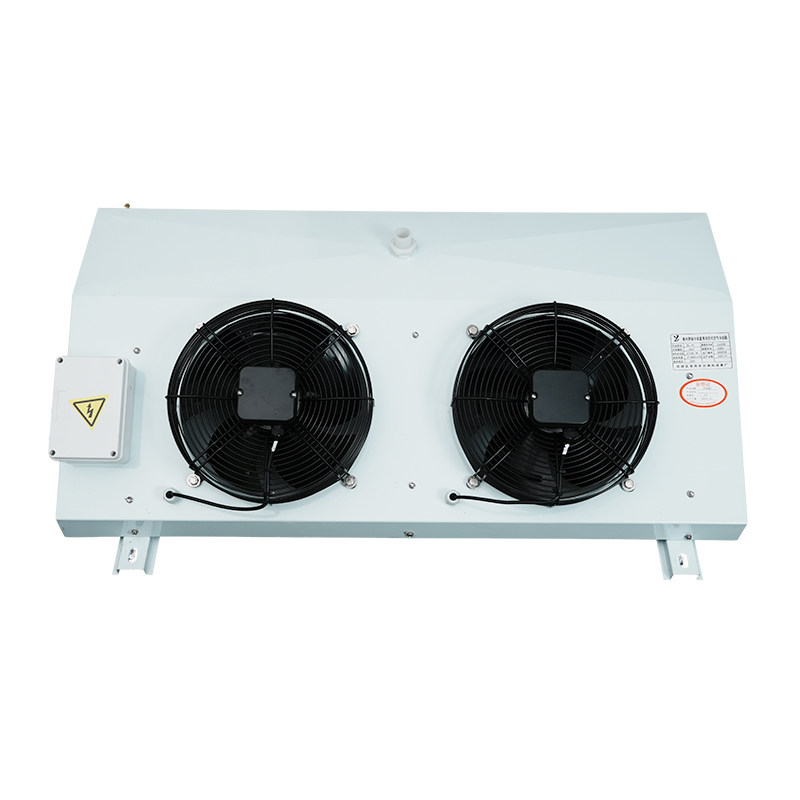
A cold room refrigeration system is not one machine. It is a matched set of four parts: a cold room air cooler (also called an evaporator or unit cooler), a refrigeration condensing unit, an air cooled condenser, and the control and door package that links them. Clevier Refrigeration (Jiangsu) Co., Ltd. — a manufacturer of commercial and industrial refrigeration equipment based in Wujin District, Changzhou City, Jiangsu Province, China — builds this set across a working span of -40°C to +10°C. The room's temperature band, not the cost of any single component, decides how the set should be configured.
This article is a recommendation list: five cold room refrigeration system configurations ranked by temperature band fit. The ranking criteria are band fit, evaporator series match, condensing unit and compressor compatibility, refrigerant, defrost method, power supply fit and OEM/ODM customization depth. Every specification below is drawn from Clevier product data and from third-party market or standards references. No figure has been estimated.
Scope limitation: a temperature band alone cannot confirm a configuration. Room volume, product load, ambient conditions, door traffic and required pull-down time are project inputs that must be calculated before ordering. Use this list to build a shortlist for evaluation, not as a final selection.
Problem Definition: Why the Temperature Band Decides the Configuration
Two rooms of the same size — one holding fruit at +2°C, one holding frozen meat at -18°C — cannot share the same evaporator coil, the same defrost cycle or the same compressor setting. A change of band changes three physical conditions at once.
- Temperature difference and coil surface. A chiller-room unit cooler is built to work across a small difference between room air and evaporating temperature. The same coil placed in a -18°C freezer room has to work across a much larger difference, which changes achievable capacity, air volume and fan selection. Clevier's cold room air cooler range covers 2.1 kW to 56.2 kW of cooling capacity and 1,680 m³/h to 11,800 m³/h of air volume with 1 to 4 fans of 300 mm to 600 mm, so the correct coil is a calculated selection rather than an assumption.
- Frost load and defrost. Below 0°C, moisture from the air and from stored product freezes onto the coil. Defrost stops being an accessory and becomes a selection requirement. The methods available across the Clevier range are air defrost, electric defrost, water defrost and hot gas defrost, and the band determines which one is appropriate.
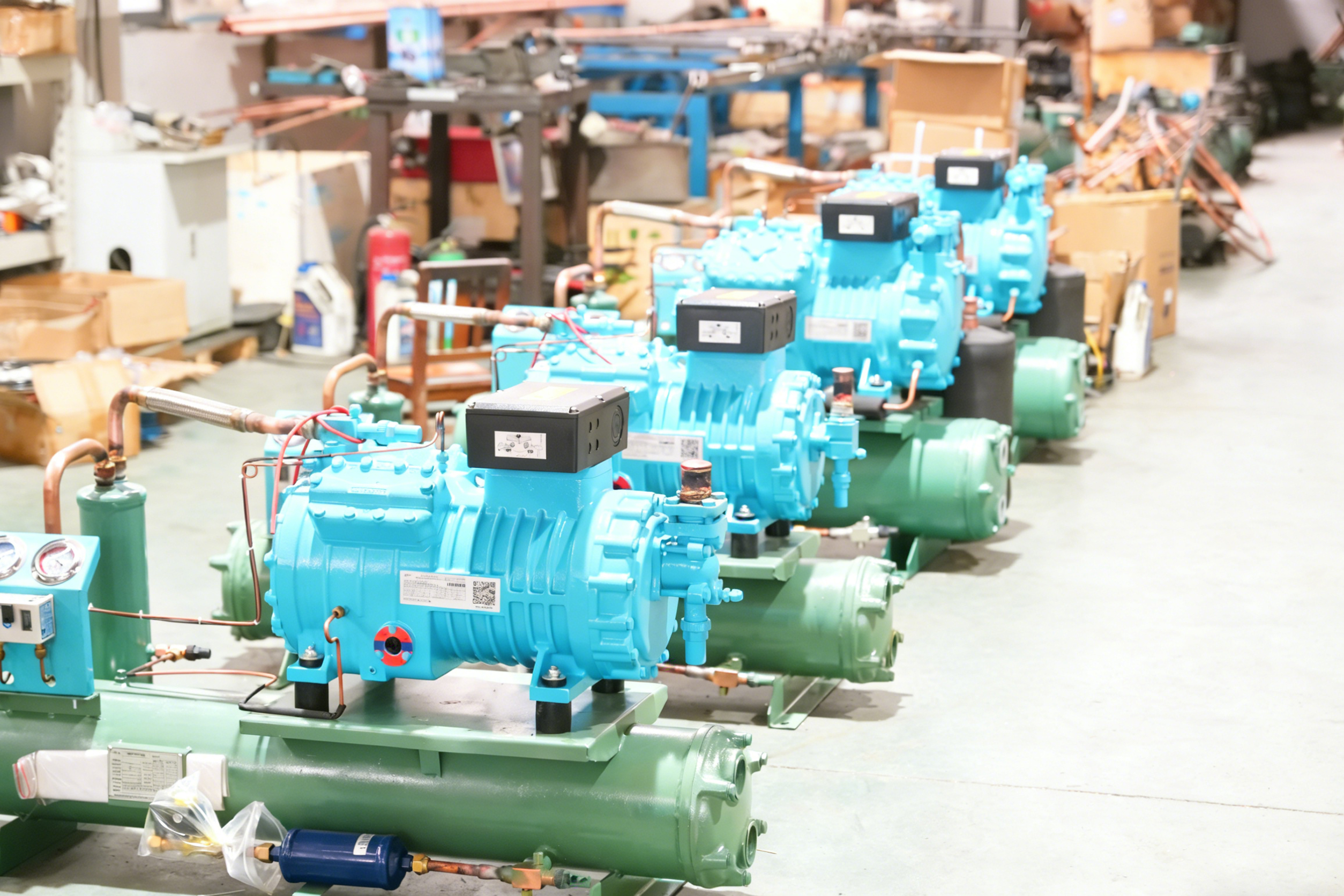
- Compressor duty and refrigerant. A condensing unit built for a chiller room and one built for a blast freezer are different assemblies even when both sit inside the same 3HP-30HP range. Compressor type (hermetic scroll or semi-hermetic piston), compressor brand (Copeland or Bitzer) and refrigerant (R404A, R507A or R22) all follow the band.
Three configuration errors recur in project reviews:
- Choosing the air cooler on nominal capacity alone, without checking the series' temperature band.
- Retaining an air defrost coil in a room that operates below 0°C for long periods.
- Specifying 220V equipment for a 380V site, or a 50Hz build for a 60Hz market — a mismatch that has to be corrected at the factory, not on site.
The working sequence is therefore fixed: band → air cooler series → capacity and air volume → defrost method → condensing unit and compressor → refrigerant → condenser → electrical supply → compliance → customization.
Industry Background: The Numbers Behind the -18°C Class
Third-party market data supports what most cold room projects already look like in practice.
- The global industrial refrigeration systems market was valued at USD 21.3 billion in 2024 (Grand View Research), while a separate ResearchAndMarkets estimate puts the broader refrigeration equipment market at USD 67.06 billion for 2024. The two figures use different scopes and should be read as context rather than as one market.
- Within that space, the refrigeration coolers category — evaporators and air coolers — was estimated at USD 4.0 billion in 2024 by Technavio, and the condensing unit market at USD 42 billion in 2023, growing at a CAGR of 7.95% (Stratview Research).
- Asia Pacific accounted for a 32.6% revenue share of the industrial refrigeration systems market in 2024 (Grand View Research) and a 70.22% revenue share of the global condensing unit market in 2023 (Grand View Research).
- Frozen-temperature storage dominates demand. The -18°C to -25°C segment held the largest share of the cold storage market in 2025 at approximately 63% (Grand View Research), and Food & Beverages accounted for over 76.8% of global cold chain market revenue in 2025 (Grand View Research).
- Capacity continues to be added: China's total cold storage capacity reached 237 million cubic meters by June 2024, an 8% year-on-year increase, according to the China Federation of Logistics & Purchasing and the IIR.
Two standards frame the compliance side of configuration. IEC 60335-2-89:2019 specifies safety requirements for commercial refrigerating appliances with incorporated or remote units, including blast freezers. EN 378:2016 is the mandatory European safety and environmental standard for refrigerating systems and heat pumps. Refrigerant policy is also moving: under the revised IEC 60335-2-89 framework, the charge limit for flammable A3 refrigerants such as R290 was raised from 150 g to 500 g in commercial appliances.
On the supply side, Emerson Electric, Carrier, Danfoss and Bitzer SE are identified by Grand View Research as key major players in the global condensing unit market. That is why compressor brand (Copeland or Bitzer) belongs in a cold room specification as a checkable line item rather than as a marketing statement.
Detailed Solution: Five Recommended Configurations Ranked by Temperature Band Fit
Each configuration below is a complete matched set — air cooler, condensing unit, condenser and controls — with a stated band, defrost method and power option. Rank reflects band fit and component match only; it is not a claim that one temperature band is superior to another.
Rank 1 — DL Series Air Cooler with Chiller-Duty Condensing Unit: 0°C to +10°C
Temperature band: fresh keeping and chiller rooms around 0°C to +10°C.
Cold room air cooler: DL type air cooler, serving the fresh keeping and chiller band.
Refrigeration condensing unit: air cooled condensing unit within the 3HP-30HP range, hermetic scroll or semi-hermetic piston compressor, Copeland or Bitzer.
Refrigerant: R404A, R507A or R22.
Defrost: air defrost where frost is light; electric defrost where the room runs close to 0°C.
Air cooled condenser: H, V or U type matched to unit capacity.
Why it ranks first: this is the band with the lightest frost load, so defrost control is the least demanding and the widest component overlap is available between series. It covers fruit and vegetable preservation, beverage cooling, supermarket and restaurant cold rooms and food processing chill rooms — the applications where a cold storage solution is specified most often.
One practical caveat in this band: oversizing the air cooler for extra margin is widely understood to shorten compressor run times and to increase moisture loss from stored produce. The coil should be matched to the calculated load instead.
Rank 2 — DD Series Air Cooler with Semi-Hermetic Condensing Unit: around -18°C
Temperature band: freezer rooms around -18°C.
Cold room air cooler: DD type freezer room unit cooler. The DD line-up includes DD-30, DD-100, DD-350, DCL401/2.1 (DD-20), DCL401/4.5 (DD-40) and DCL404/19.2 (DD-170).
Refrigeration condensing unit: semi-hermetic piston condensing unit with Copeland or Bitzer compressor, box type or open type structure.
Refrigerant: R404A or R507A.
Defrost: electric defrost, with hot gas defrost where cycle frequency demands it.
Why it ranks second: the frozen band carries the largest share of cold storage demand — approximately 63% of the cold storage market in 2025 fell into the -18°C to -25°C range (Grand View Research) — and the DD series spans a wide capacity range within a single family. That combination makes it the most frequently specified freezer configuration in the Clevier range, and the one where model-level selection from DD-30 through DCL404/19.2 (DD-170) matters most. Final capacity is always confirmed against the unit's rated data for the project load.
Rank 3 — DJ Series Air Cooler with Open Type Condensing Unit: -25°C and below
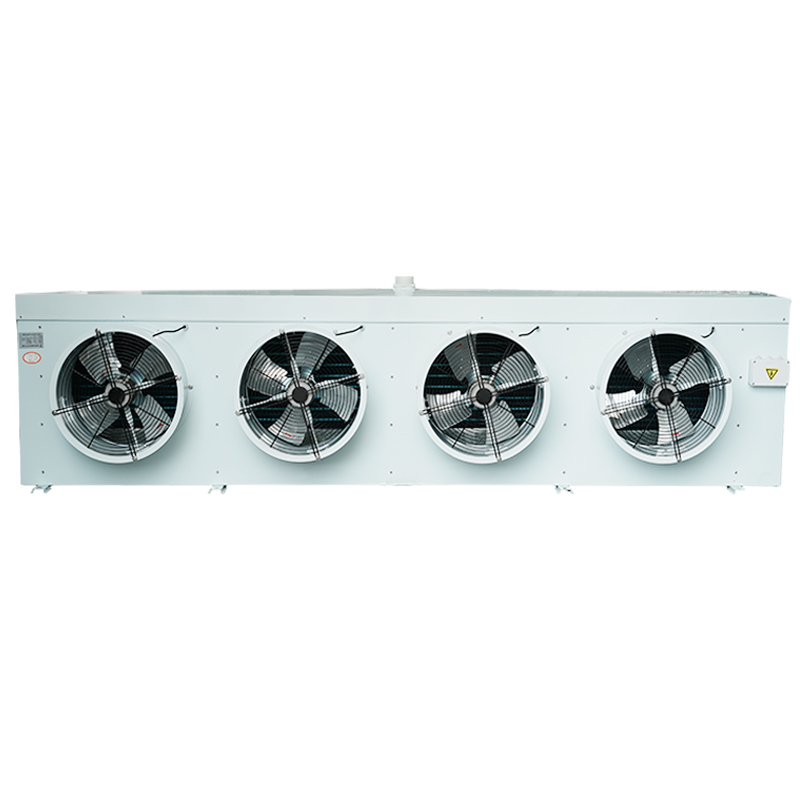
Temperature band: low temperature and blast freezer duty, -25°C and below.
Cold room air cooler: DJ type low temperature / blast freezer air cooler.
Refrigeration condensing unit: open type condensing unit, positioned toward the upper end of the 3HP-30HP range for the duty.
Refrigerant: R404A or R507A.
Defrost: hot gas defrost or electric defrost.
Why it ranks third: this is a specialist band rather than a scaled-up freezer room. Frost accumulation and pull-down demand are heavier, so the coil and the defrost design have to be selected for the duty instead of adapted from a -18°C unit. Open type construction also suits projects where the condensing unit is installed in a plant room and the compressor set is served from an open frame layout.
Rank 4 — Multi-Temperature Cold Chain Warehouse: -25°C to +10°C in One Project
Temperature band: multiple bands across one facility, from -25°C through 0°C to +10°C.
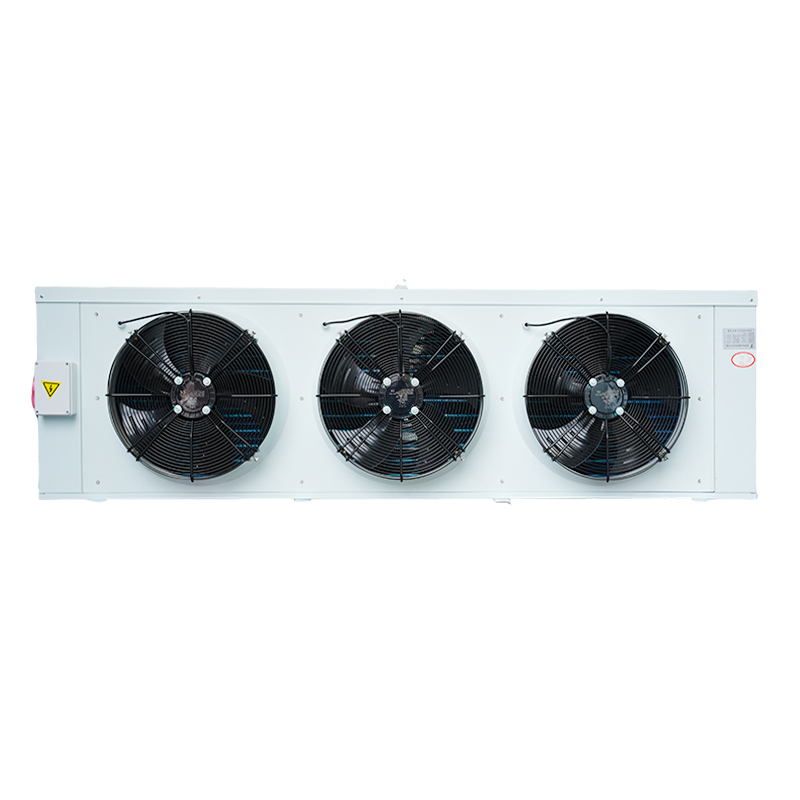
Configuration: one air cooler and one condensing unit per room — DL, DD or DJ as each room's band requires — supplied as a single matched package with cold room doors and control components.
System product: Clevier Cold Room Refrigeration System (Customized / OEM), temperature range -40°C to +10°C, 220V or 380V supply, project-based system solution.
Why it ranks fourth: a multi-temperature warehouse is not a separate technology; it is a combination of Ranks 1 to 3. It ranks behind them because it can only be configured correctly after each individual room band has been resolved. Its value lies in the matching scope — condensing unit, air cooler and cold room door system supplied against one specification — which removes the interface gaps that appear when the components are bought from separate suppliers.
Rank 5 — Project-Specific Deep-Freeze Configuration down to -40°C (OEM/ODM)
Temperature band: project-defined, from around -40°C upward.
Cold room air cooler: DJ type selected at the low end of its range, with customization of voltage, size, fan quantity, material, outlet direction and system matching; structure in ceiling mounted, side discharge or double side discharge form.
Refrigeration condensing unit: customized horsepower, compressor brand, refrigerant, voltage, control system and condenser matching.
Air cooled condenser: customized heat transfer capacity, fan quantity, coil material, casing color, voltage and structure size.
Why it ranks fifth: this band is rarely served by a catalogue combination, so it depends on OEM/ODM engineering and is therefore listed last in a default ranking. It becomes the only valid choice when the required band sits between the standard freezer and blast-freezer classes, or when a distributor needs a configuration built to its own brand, voltage and casing standard.
Step-by-Step Breakdown: Running This Ranking on a Real Project
- Fix the band for every room separately. Record the design holding temperature, not the product's arrival temperature. A single facility can contain +5°C, 0°C, -18°C and -30°C rooms at the same time.
- Select the air cooler series from the band. DL for fresh keeping and chiller duty around 0°C to +10°C, DD for freezer rooms around -18°C, DJ for low temperature and blast freezing at -25°C and below.
- Size the air cooler. Work within 2.1 kW to 56.2 kW of cooling capacity and 1,680 m³/h to 11,800 m³/h of air volume, then choose 1 to 4 fans of 300 mm to 600 mm according to room geometry, stacking height and air distribution. Confirm the model against rated data — the DD list alone runs from DD-30 to DCL404/19.2 (DD-170).
- Choose the defrost method. Air defrost for the lightest frost conditions, electric defrost for the -18°C class, water defrost where the frost pattern and site infrastructure suit it, and hot gas defrost for low temperature rooms with frequent cycling.
- Select the condensing unit. Stay inside the 3HP-30HP range, decide between hermetic scroll and semi-hermetic piston compression, choose the compressor brand (Copeland or Bitzer), and confirm the structure: box type, open type or a customized design.
- Confirm the refrigerant. R404A, R507A or R22 are the options in the Clevier range. Check the destination market's refrigerant rules at the same time — EN 378:2016 applies in the EU, and the IEC 60335-2-89 charge-limit change (150 g to 500 g for A3 refrigerants such as R290) shows how quickly that framework can move.
- Match the air cooled condenser. Select H, V or U type, then set fan quantity and heat transfer area within the approximate 22 m² to 400 m² range so the condenser rejects the heat produced by the condensing unit at the site's ambient design condition.
- Lock the electrical specification. 220V or 380V, 50Hz or 60Hz — declared at the enquiry stage, because it is built into the unit rather than converted after arrival.
- Confirm compliance for the destination market. Check CE certification coverage and certificate numbers for the product group being ordered, and file the certificates with the project documentation.
- Agree the commercial and delivery terms. OEM/ODM scope, minimum order quantity of 1 set for a sample or system order, lead time of 15–30 days depending on quantity, and 100% testing before shipment covering performance and pressure tests.
Documenting these ten decisions on a single configuration sheet is what allows a site team to install a matched set rather than three components that happen to arrive together.
Use Cases: Which Configuration Fits Which Application
| Application | Temperature band | Recommended configuration | Selection note |
|---|---|---|---|
| Fruit & vegetable preservation | 0°C to +10°C | Rank 1 — DL air cooler + chiller-duty condensing unit | Match the coil to the calculated load to limit moisture loss from produce. |
| Supermarket / restaurant cold room | 0°C to +10°C | Rank 1 — DL air cooler with box type condensing unit | Ceiling mounted air cooler with side or double side discharge, matched to door traffic. |
| Meat storage | Around -18°C frozen; 0°C to +10°C chilled | Rank 2 (DD) or Rank 1 (DL) | Two rooms, two series — do not use one series across both bands. |
| Seafood storage | -18°C freezer room, or -25°C and below for low temperature duty | Rank 2 (DD) or Rank 3 (DJ) | Confirm the defrost method early; seafood rooms carry a heavy moisture load. |
| Frozen food warehouse | Around -18°C | Rank 2 — DD unit cooler with semi-hermetic condensing unit | Match the DD model (DD-30 to DCL404/19.2) to room volume and stacking. |
| Blast freezing | -25°C and below | Rank 3 — DJ air cooler with open type condensing unit | Hot gas defrost and the higher-duty condensing unit are the usual choices. |
| Food processing plant / cold chain warehouse | Multiple bands in one facility | Rank 4 — multi-temperature package | One condensing unit and one evaporator per room, supplied as a matched set. |
| Distributor / OEM-branded program | Project defined | Rank 5 — OEM/ODM configuration | Customize voltage, size, capacity, material, structure, control system and installation solution. |
Comparison Table
Table 1 — Configuration Ranking Matrix
| Rank | Configuration | Temperature band | Air cooler series | Condensing unit | Defrost | Primary ranking metric |
|---|---|---|---|---|---|---|
| 1 | Fresh keeping / chiller package | 0°C to +10°C | DL | Air cooled, 3HP-30HP, scroll or semi-hermetic | Air / electric | Lightest frost load, widest component overlap |
| 2 | Freezer room package | Around -18°C | DD (DD-30, DD-100, DD-350, DCL401/2.1, DCL401/4.5, DCL404/19.2) | Semi-hermetic piston, box or open type | Electric | Largest cold storage segment demand |
| 3 | Low temperature / blast freeze package | -25°C and below | DJ | Open type, upper HP range | Hot gas / electric | Heaviest frost and pull-down duty |
| 4 | Multi-temperature cold chain warehouse | -25°C to +10°C across rooms | DL / DD / DJ per room | One matched unit per room | Per room band | Number of bands served under one matching scope |
| 5 | Project-specific deep-freeze package | Down to -40°C, project defined | DJ, customized | Customized HP, brand, refrigerant, voltage, control | Project defined | Depth of OEM/ODM customization |
Table 2 — Cold Room Air Cooler Series Comparison
| Item | DL | DD | DJ |
|---|---|---|---|
| Typical band | Fresh keeping / chiller, around 0°C to +10°C | Freezer room, around -18°C | Low temperature / blast freezer, -25°C and below |
| Cooling capacity | 2.1 kW – 56.2 kW depending on model | ||
| Air volume | 1,680 m³/h – 11,800 m³/h | ||
| Fan configuration | 1–4 fans, 300 mm – 600 mm diameter | ||
| Defrost options | Air defrost / electric defrost / water defrost / hot gas defrost | ||
| Refrigerant | R404A / R507 / R22 | ||
| Voltage | 220V / 380V / 50Hz / 60Hz, customized | ||
| Structure | Ceiling mounted, side discharge, double side discharge (customized) | ||
| Housing material | Galvanized steel / stainless steel / aluminum plate | ||
Table 3 — Condensing Unit and Air Cooled Condenser Parameters
| Item | Refrigeration condensing unit | Air cooled condenser |
|---|---|---|
| Type options | Air cooled, water cooled, box type, open type, customized | H Type / V Type / U Type |
| Application range or capacity | Suitable for 3HP-30HP refrigeration applications | Approx. 22 m² – 400 m² heat transfer area depending on model |
| Compressor or heat transfer | Hermetic scroll compressor / semi-hermetic piston compressor; Copeland or Bitzer | Copper tube aluminum fin coil |
| Refrigerant | R404A / R507A / R22 | Not applicable — matched to the system refrigerant |
| Fan configuration | Included in unit design | 1–4 fans, 300 mm – 600 mm diameter |
| Voltage | 220V / 380V / 50Hz / 60Hz, customized | 220V / 380V / 50Hz / 60Hz, customized |
| Application temperature | Fresh keeping room, chiller room, freezer room, low temperature cold storage | Matching with condensing unit and refrigeration system |
| Customization scope | HP, compressor brand, refrigerant, voltage, control system, condenser matching | Heat transfer capacity, fan quantity, coil material, casing color, voltage, structure size |
Condensing unit builds are available in air cooled and water cooled form as well as box type and open type, and each unit is matched to a cold room air cooler, an evaporator or an air cooled condenser. The air cooled condenser is supplied in H, V and U structures so that the heat rejection stage can fit the available installation space, and its coil material, casing color and structural size are customizable against the project layout.
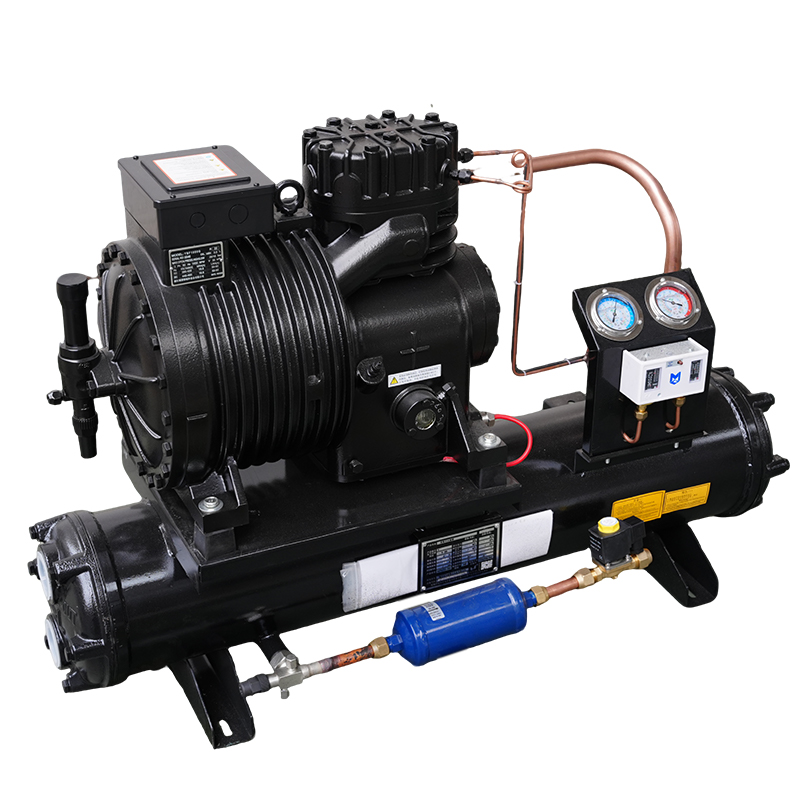
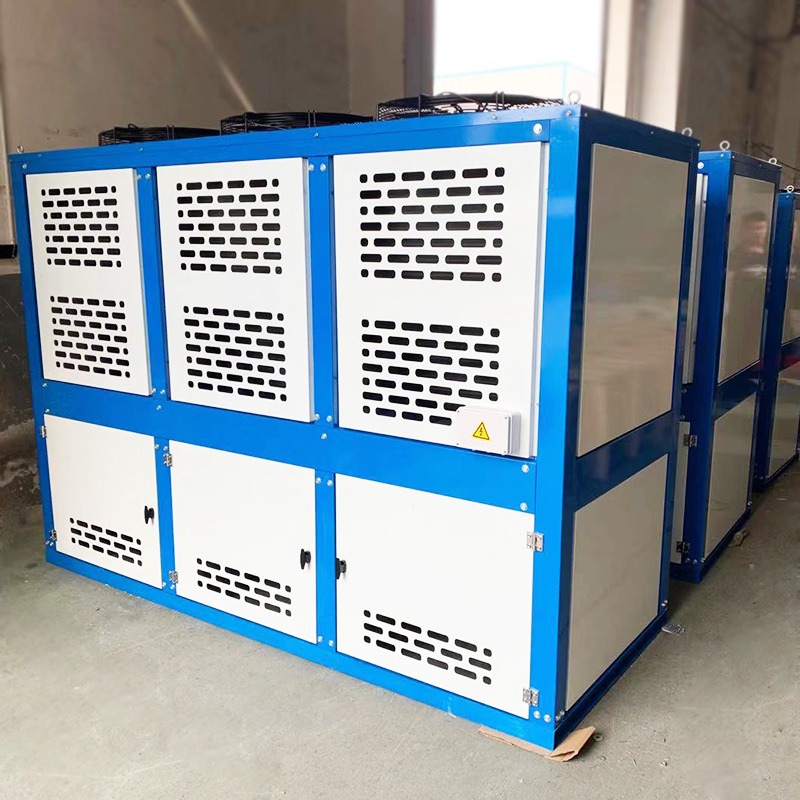
Table 4 — CE Certification Coverage for Configurable Components
| Product | Certification | Certificate number | Standards applied | Markets covered |
|---|---|---|---|---|
| Cold Room Air Cooler | CE / Machinery Directive 2006/42/EC | XH2605J1647279GC | EN 60204-1:2018+A1:2025; EN ISO 12100:2010; EN ISO 13849-1:2023 | EU, Middle East, Global |
| Air Cooled Condenser / Refrigeration Condenser | CE | XH2605J1647280GC | EN 60204-1:2018+A1:2025; EN ISO 12100:2010; EN ISO 13849-1:2023 | EU |
Both certificates were issued by Xihua International Testing & Certification (Shenzhen) Co., Ltd. on 13 May 2026. The Cold Room Air Cooler certificate is valid to 13 May 2029; the Air Cooled Condenser certificate record shows an expiry date of 13 May 2099. For EU projects, CE documentation should be filed with the technical submittal at the same time as the capacity selection, alongside the applicable EN 378:2016 and IEC 60335-2-89:2019 framework.
FAQ
Which Clevier products hold CE certification, and under which certificate numbers?
Two product groups in a cold room refrigeration system hold CE certification, both issued by Xihua International Testing & Certification (Shenzhen) Co., Ltd. The Cold Room Air Cooler is certified to CE under Machinery Directive 2006/42/EC with certificate number XH2605J1647279GC, against EN 60204-1:2018+A1:2025, EN ISO 12100:2010 and EN ISO 13849-1:2023, and this certification applies to the EU, Middle East and global markets. The Air Cooled Condenser / Refrigeration Condenser holds CE certification under certificate number XH2605J1647280GC against the same three standards, applicable to the EU market.
What temperature range can a cold room refrigeration system be configured for?
Clevier configures cold room refrigeration systems from -40°C to +10°C as a project-based system solution. The evaporator side is divided into three air cooler series: DL for fresh keeping and chiller rooms around 0°C to +10°C, DD for freezer rooms around -18°C, and DJ for low temperature and blast freezer duty at -25°C and below. A single system covers multiple bands only by using a separate matched air cooler and condensing unit for each room.
Which compressor brands and refrigerants are available in a refrigeration condensing unit?
Condensing units are available with Copeland or Bitzer compressors, using hermetic scroll or semi-hermetic piston compression, across a 3HP-30HP application range. Refrigerant options are R404A, R507A and R22. Units can be built in air cooled, water cooled, box type, open type or customized configurations, with 220V or 380V supply and 50Hz or 60Hz frequency, and can be matched to a cold room air cooler, an evaporator or an air cooled condenser.
What defrost methods and voltage options are available for the cold room air cooler?
The cold room air cooler range supports air defrost, electric defrost, water defrost and hot gas defrost. Cooling capacity spans 2.1 kW to 56.2 kW with air volume from 1,680 m³/h to 11,800 m³/h, using 1 to 4 fans of 300 mm to 600 mm. Voltage can be customized to 220V or 380V at 50Hz or 60Hz, and the housing can be supplied in galvanized steel, stainless steel or aluminum plate with ceiling mounted, side discharge or double side discharge structure.
What is the minimum order quantity and lead time for a sample or system order?
Minimum order quantity is 1 set for a sample or system order, and lead time is 15–30 days depending on order quantity. Every unit passes 100% testing before shipment, including a performance test and a pressure test. To move from a shortlist to a firm configuration, download the current product catalog or send your room temperature, dimensions and voltage to the Clevier team through the contact details below.
Conclusion
The ranking in this article follows one rule: temperature band first, everything else second. DL series air coolers with chiller-duty condensing units serve 0°C to +10°C fresh keeping and chiller rooms; DD series unit coolers with semi-hermetic condensing units define the -18°C freezer class that holds approximately 63% of cold storage market demand; DJ series air coolers with open type condensing units cover -25°C and below. Multi-temperature cold chain warehouses combine those three, and deep-freeze projects down to -40°C are built through OEM/ODM configuration.
What separates a workable configuration from an expensive correction is the sequence: confirm the band, select the series, size the evaporator, fix the defrost method, choose the compressor and refrigerant, match the condenser, lock the voltage and frequency, and verify the certification documents for the destination market — in that order. Every parameter quoted here, from the 3HP-30HP condensing unit range and the H, V and U type air cooled condensers to the CE certificate numbers, is a checkable item rather than a preference.
Next Step: Check the Configuration Against Your Project
Clevier Refrigeration (Jiangsu) Co., Ltd. provides factory direct supply with OEM/ODM support, project-based installation solutions, online technical support, installation guidance and spare parts supply.
Catalog: Download the Clevier Product Catalog 2026 (English, PDF)
Website: www.cleviercool.com
Contact: Sherwin — Tel: +86 132-7039-6182 | WhatsApp: +86 18112512530 | Email: ranerraner@cleviercool.cn
Address: Wujin District, Changzhou City, Jiangsu Province, China