S35 vs. K60: Two Non-Dairy Creamers for Different Market Positioning and Use
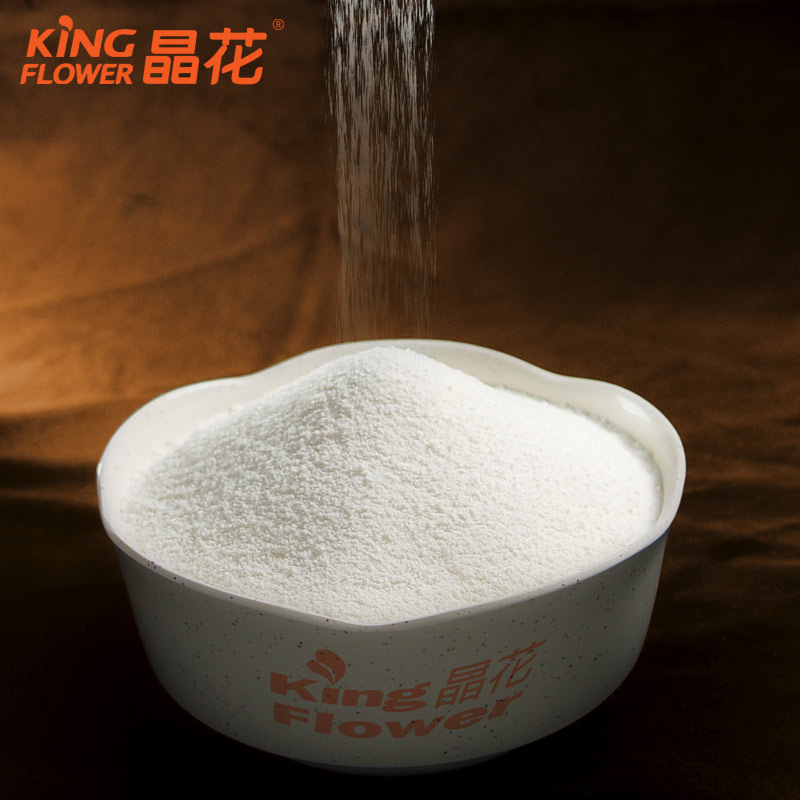
Two non-dairy creamers can leave the same plant in the same 25 kg bag, look identical on a pallet, and still belong to completely different product strategies. Cograin K60 and Cograin S35 are exactly that pair. Both are white creamer powders supplied by Cograin (Jiahe Foods Industry Co., Ltd.), and neither is an upgrade of the other. They are built on different ingredient systems and pointed at different buyers.
This guide compares them on the factors that actually decide sourcing: ingredient composition, fat and protein specifications, declared applications, compliance consequences, and OEM flexibility. It closes with a decision matrix a buyer can use to place a trial order with confidence.
The Short Answer: K60 Is the Volume Workhorse, S35 Is the Plant-Based Path
K60 is a standard non-dairy creamer formulated with glucose syrup, hydrogenated vegetable oil, milk powder, sodium caseinate, emulsifier, stabilizer and anti-caking agent. It carries 32.0 g/100 g fat, 2.6 g/100 g protein, 0 g/100 g trans fat and moisture of ≤5.0, and it is positioned for milk tea, baking and coffee.
S35 is classified as a vegan non-dairy creamer. Its ingredient system is glucose syrup, hydrogenated vegetable oil, emulsifier, oxidized hydroxypropyl starch and anti-caking agent — no milk powder and no sodium caseinate — at 35.0 g/100 g fat, 0 g protein and 0 g trans fat. It is positioned for vegetarian products, alcoholic beverages, milk tea, coffee and baking.
Decision rule in one line: if the finished product goes into mainstream tea, coffee and bakery channels and carries no plant-based claim, K60 is the natural match. If the label, the customer or the recipe requires a dairy-free, vegetarian or vegan declaration — or if the product is an alcohol-containing beverage — S35 is the model designed for that position.
Problem Definition: “Non-Dairy Creamer” Is a Function, Not One Recipe
The most expensive sourcing mistake in this category is treating non-dairy creamer as a single interchangeable commodity. The term describes a function — whitening, body and mouthfeel delivered by a powdered ingredient — not one formula. Two products can share nearly identical fat percentages and still not be substitutable, because the ingredient system around the fat determines what claims the buyer can make and how the powder behaves in a finished recipe.
For procurement and product teams, that gap surfaces in three places.
- Label claims. K60 contains milk powder and sodium caseinate, both dairy-derived. A product built on K60 cannot be presented as vegan. S35 declares neither input, which is why it carries a vegan classification.
- Application behaviour. Protein contributes body and mouthfeel in a standard formula. S35 replaces that role with oxidized hydroxypropyl starch, a modified starch used to build texture and stability in a protein-free system.
- Certificate and documentation scope. Compliance documents are issued per model, per packing and per market, so a certificate held for one creamer line does not automatically cover the whole portfolio.
The practical consequence is that model selection has to be settled before the first purchase order, not after the first customer complaint. A vegan-labelled brand that orders a dairy-protein creamer will discover the problem in the ingredient declaration, and a mainstream tea packer that orders a plant-based system may find it is paying for a positioning it does not sell.
Industry Background: Two Demand Curves Running in Parallel
Non-dairy creamer demand no longer follows a single curve, and that is precisely why two models such as K60 and S35 exist side by side in one manufacturer’s portfolio.
The first curve is mainstream volume. Market.us reports that medium-fat non-dairy creamer held a dominant market share of 43.6% in 2024 — the fat band in which beverage-focused standard creamers such as K60, at 32.0 g/100 g fat, are formulated. This is the segment that supplies milk tea chains, instant beverage packers, coffee manufacturers and bakeries, where the buyer’s priority is consistent body, colour and mouthfeel at scale.
The second curve is plant-based. The Good Food Institute reports that plant-based milk and creamer saw continued growth in U.S. foodservice and that these are established categories in foodservice. That shift is why a vegan-classified creamer such as S35 exists as a separate product rather than as a marketing variant of a standard formula: the buyer’s requirement is a declaration, not a flavour.
Regulation treats the category as a controlled food ingredient rather than a generic powder. The USDA Agricultural Marketing Service maintains a Commercial Item Description for dry non-dairy creamer (referenced as AA-20043D), covering product packed in commercially acceptable containers and suitable for federal, state and local government purchase, and a U.S. Customs ruling classified imported non-dairy coffee creamer from China under HTS subheading 2106.90.9975. For an exporter, both facts matter: one defines a specification the buyer can be measured against, the other determines how the shipment is classified at the border.
A closing caution on background data: published estimates of total category size vary widely between research providers because the underlying product scopes and methodologies differ. Those figures should not be averaged or treated as interchangeable when building a business case.
The K60 Profile: Medium-Fat, Dairy-Protein, Mainstream
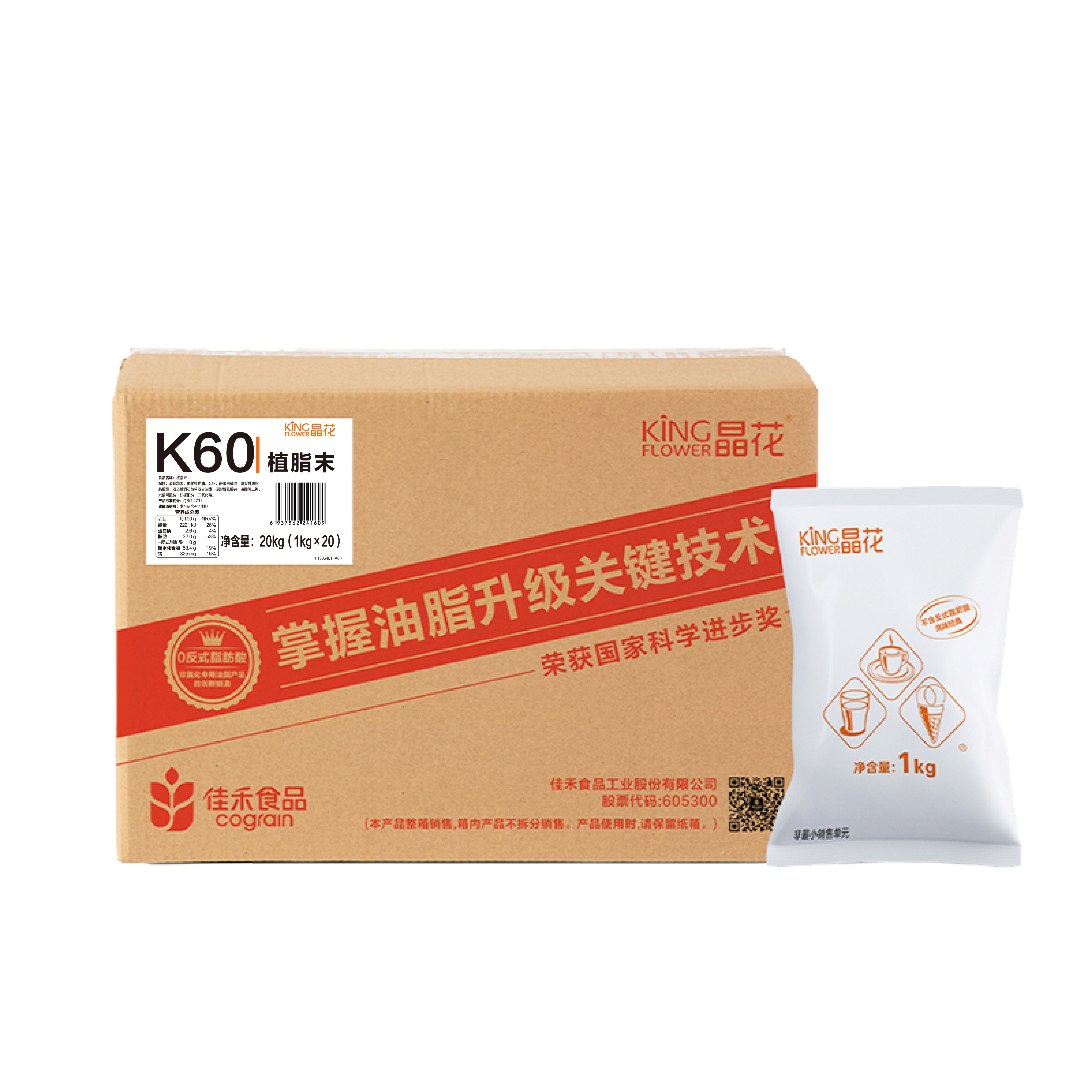
K60 specification at a glance
- Classification: standard non-dairy creamer
- Ingredient system: glucose syrup, hydrogenated vegetable oil, milk powder, sodium caseinate, emulsifier, stabilizer, anti-caking agent
- Fat: 32.0 g/100 g
- Protein: 2.6 g/100 g
- Trans fat: 0 g/100 g
- Moisture: ≤5.0
- Declared applications: milk tea, baking, coffee
The single most important fact in this profile is the presence of milk powder and sodium caseinate. Sodium caseinate is a milk-derived protein, and it is the reason K60 belongs to the mainstream side of the category. For a milk tea brand, a bakery supplier or a coffee packer with no plant-based label obligation, that composition is not a limitation — it is the conventional profile the market has been buying for years, supplied in the medium-fat band that dominates category volume.
K60 should also be understood as an application-specific model rather than a universal powder. Its declared application set is intentionally narrow: milk tea, baking and coffee. Buyers whose product falls outside that set should not assume K60 is the right default simply because it is the standard grade.
The S35 Profile: Vegan-Classified, Protein-Free, Positioned for Plant-Based and Alcohol
S35 specification at a glance
- Classification: vegan non-dairy creamer
- Ingredient system: glucose syrup, hydrogenated vegetable oil, emulsifier, oxidized hydroxypropyl starch, anti-caking agent
- Fat: 35.0 g/100 g
- Protein: 0 g
- Trans fat: 0 g
- Declared applications: vegetarian products, alcoholic beverages, milk tea, coffee, baking
S35 is the plant-based counterpart in this comparison. Its formula contains no milk powder and no sodium caseinate, and its protein content is declared as zero. The functional work that protein performs in a standard creamer is instead handled by oxidized hydroxypropyl starch, a modified starch included in the ingredient system for texture and structural contribution.
Two differences are worth flagging for buyers reading the two specification blocks side by side. First, S35 carries a higher fat level than K60 — 35.0 g/100 g against 32.0 g/100 g. Second, S35’s declared application set is broader than K60’s and includes two positions K60 does not claim: vegetarian products and alcoholic beverages.
That alcoholic-beverage position is the most distinctive part of the S35 proposition. It is a niche where a protein-free, plant-based creamer system is the preferred route, and it is not a segment that a dairy-protein creamer such as K60 addresses. If the product in development is a cream liqueur-style drink, a ready-to-drink alcohol beverage or a dessert-style alcoholic formulation, S35 is the model Cograin positions for that application.
Notice what this profile does not include: no protein, and no caseinate. That is a formulation decision with a commercial purpose, not a gap in the specification. Buyers who require dairy-derived protein in the recipe should stay on K60; buyers who require its absence should not attempt to substitute K60.
K60 vs. S35: Decision Matrix
| Decision factor | K60 | S35 |
|---|---|---|
| Classification | Standard non-dairy creamer | Vegan non-dairy creamer |
| Ingredient system | Glucose syrup, hydrogenated vegetable oil, milk powder, sodium caseinate, emulsifier, stabilizer, anti-caking agent | Glucose syrup, hydrogenated vegetable oil, emulsifier, oxidized hydroxypropyl starch, anti-caking agent |
| Fat (per 100 g) | 32.0 g | 35.0 g |
| Protein (per 100 g) | 2.6 g | 0 g |
| Trans fat (per 100 g) | 0 g | 0 g |
| Moisture | ≤5.0 | Not stated in the model specification |
| Dairy-derived inputs | Present (milk powder, sodium caseinate) | None declared |
| Declared applications | Milk tea, baking, coffee | Vegetarian products, alcoholic beverages, milk tea, coffee, baking |
| Best-fit market position | Mainstream beverage, bakery and coffee volumes | Plant-based, vegetarian and alcoholic beverage lines |
Positioning match: which model belongs to which buyer
| Buyer scenario | Recommended model |
|---|---|
| Milk tea chain or beverage brand with no plant-based claim | K60 |
| Instant beverage packer producing 3-in-1 coffee, instant milk tea or instant oatmeal | K60 |
| Bakery or coffee-whitener volume production | K60 |
| Vegan or vegetarian declared finished product | S35 |
| Alcohol-containing beverage formulation | S35 |
| Brand running both a mainstream range and a plant-based range | Both models, separate SKUs |
A note on the third row of the first table: where a specification is not stated for a model, it should be requested from the supplier in writing rather than assumed to match the other model. Assumption is how substitution errors enter a supply chain.
Step-by-Step: How to Choose Between K60 and S35
The selection process below follows the order most buyers should follow. It moves from positioning to label screening, to application fit, to validation, and finally to commercial and documentation locking.
Step 1 — Fix the market position before you open the specification sheet
Write down what the finished product will claim on shelf or on the menu. If the answer includes “vegan”, “vegetarian” or “plant-based”, the ingredient system has already made the decision. If the answer is a mainstream tea, coffee or bakery product with no such claim, the standard route is open. K60 and S35 are not two grades of the same thing; they are two answers to two positioning questions.
Step 2 — Screen the ingredient list against the label claim
Read the declaration line by line. Milk powder and sodium caseinate make K60 unsuitable for a vegan declaration. S35 declares neither. This check takes two minutes and prevents the most expensive category of error in this space — reformulating or relabelling after packaging has already been printed.
Step 3 — Match fat level and functional system to the application
K60 delivers 32.0 g/100 g fat with 2.6 g/100 g protein for milk tea, baking and coffee. S35 delivers 35.0 g/100 g fat with 0 g protein, and builds its structure with oxidized hydroxypropyl starch instead of protein. If the recipe depends on dairy protein for body, stay with K60. If the recipe must avoid protein entirely — the alcoholic beverage case being the clearest example — S35 is the model formulated for that constraint.
Step 4 — Validate both candidates in the real recipe, not in a cup of water
A creamer that disperses cleanly in water can still fail in a finished product. Trial both candidates in the exact formulation, process temperature and packaging you intend to sell, and compare the results against the specification you are buying. Cograin lists technical guidance, quality tracking and customization adjustment as part of its after-sales support, which is the appropriate channel for resolving a mismatch found at this stage.
Step 5 — Lock commercial terms, packaging and documentation
Only after steps 1 to 4 should commercial terms be finalized. Confirm the packing specification, the certificate coverage that applies to the exact model and format you are ordering, and the acceptance criteria your quality team will use. Cograin states that MOQ, delivery terms, acceptance criteria and payment terms are negotiable based on customer requirements, with a production lead time of around 7–15 working days after order confirmation.
Use Cases: How These Two Positions Play Out in Real Supply Relationships
Milk tea and bubble tea chains
Cograin has supplied bubble tea chains in Singapore, Vietnam and the United States over a three-year relationship, with a volume of around 1,000 mt and products applied in bubble tea shop operations. The client reported consistent quality and competitive pricing. This is the classic K60-type position: high-frequency, mainstream beverage use with no plant-based claim on the label.
3-in-1 instant beverage manufacturing
A 3-in-1 coffee manufacturer operating across Singapore, Malaysia, Indonesia, the Philippines, Kazakhstan, the UAE, Ukraine and Russia has sourced around 9,000 mt over a five-year relationship, applying creamer in 3-in-1 instant coffee powder, instant oatmeal and instant milk tea products. The stated result was consistent quality and good pricing over a long-term partnership. Instant beverage packing at this scale is a volume game in which a stable medium-fat standard creamer is the workhorse input.
Alcoholic beverage production
A beverage production factory in South Africa has run a five-year relationship with around 1,000 mt supplied into alcoholic beverage applications, reporting stable performance and steady sales. This is the segment that maps onto S35’s declared alcoholic-beverage application — a protein-free, plant-based system rather than a dairy-protein standard creamer.
Where the two models sit inside one portfolio
For distributors and brand owners running more than one product line, the practical route is not to choose between K60 and S35 but to hold both as separate SKUs with separate specifications — one serving mainstream tea, coffee and bakery volumes, the other serving plant-based and alcoholic beverage positions. The portfolio also includes other application-specific models, such as FC22 for foaming, C960 whipping cream, 60A high-fat, DT35, a cold-soluble grade and K80 under kosher documentation, which is why model selection should start from the application rather than from a single default grade.
OEM and Customization: When Neither Standard Model Is Enough
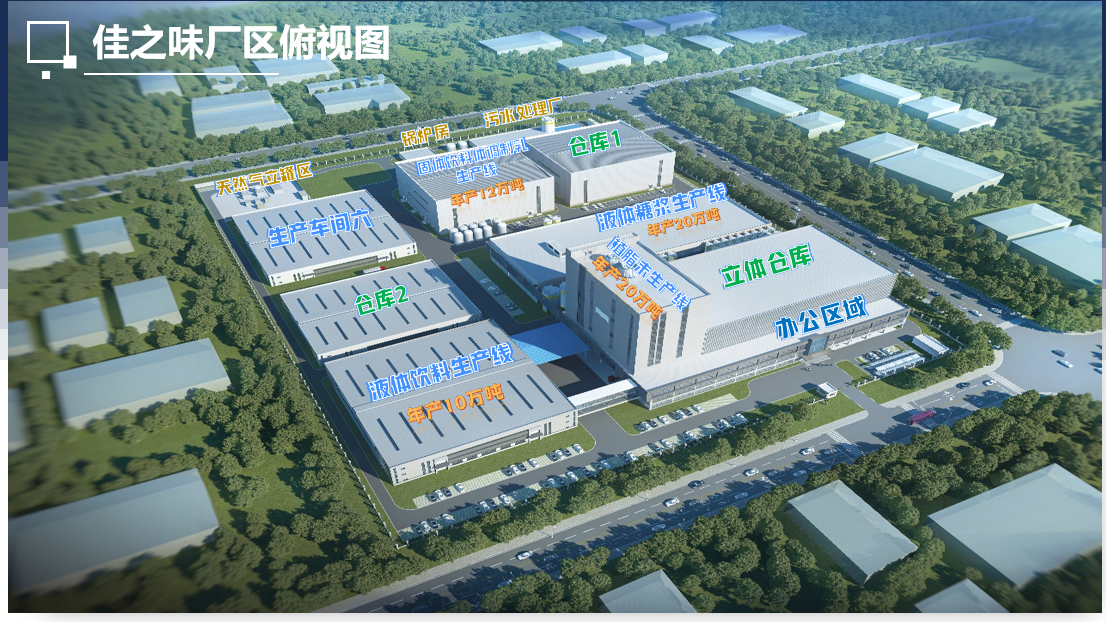
Both K60 and S35 are standard models, which means they are the fastest route to supply. They are not, however, the only route. Cograin provides OEM, ODM and customized production services, with customization options covering creamer formula, packaging specification, product flavor and syrup DE value.
The supporting capability behind that offer is worth checking against the buyer’s volume plan. Jiahe Foods Industry Co., Ltd. was founded in 2001 and is headquartered in Suzhou, Jiangsu Province. It operates three production bases and five factories across Suzhou, Nantong and Singapore, with total annual production capacity exceeding 300,000 tons, and it employs a 22-person R&D engineering team. Monthly capacity specifically for creamer is stated at 16,700 tons. For an OEM or private-label buyer, the relevant question is whether the supplier can hold a customization through scale — that is, whether a modified formula remains reproducible at the volumes the brand eventually needs, not only in the trial batch.
Quality control on that production is described as full-process inspection, 100% metal and weight check, and third-party testing. For a buyer specifying a customized S35 or K60 variant, those controls are the mechanism that keeps a customized formula stable between shipments.
Compliance and Documentation: Read the Certificate Scope, Not the Logo
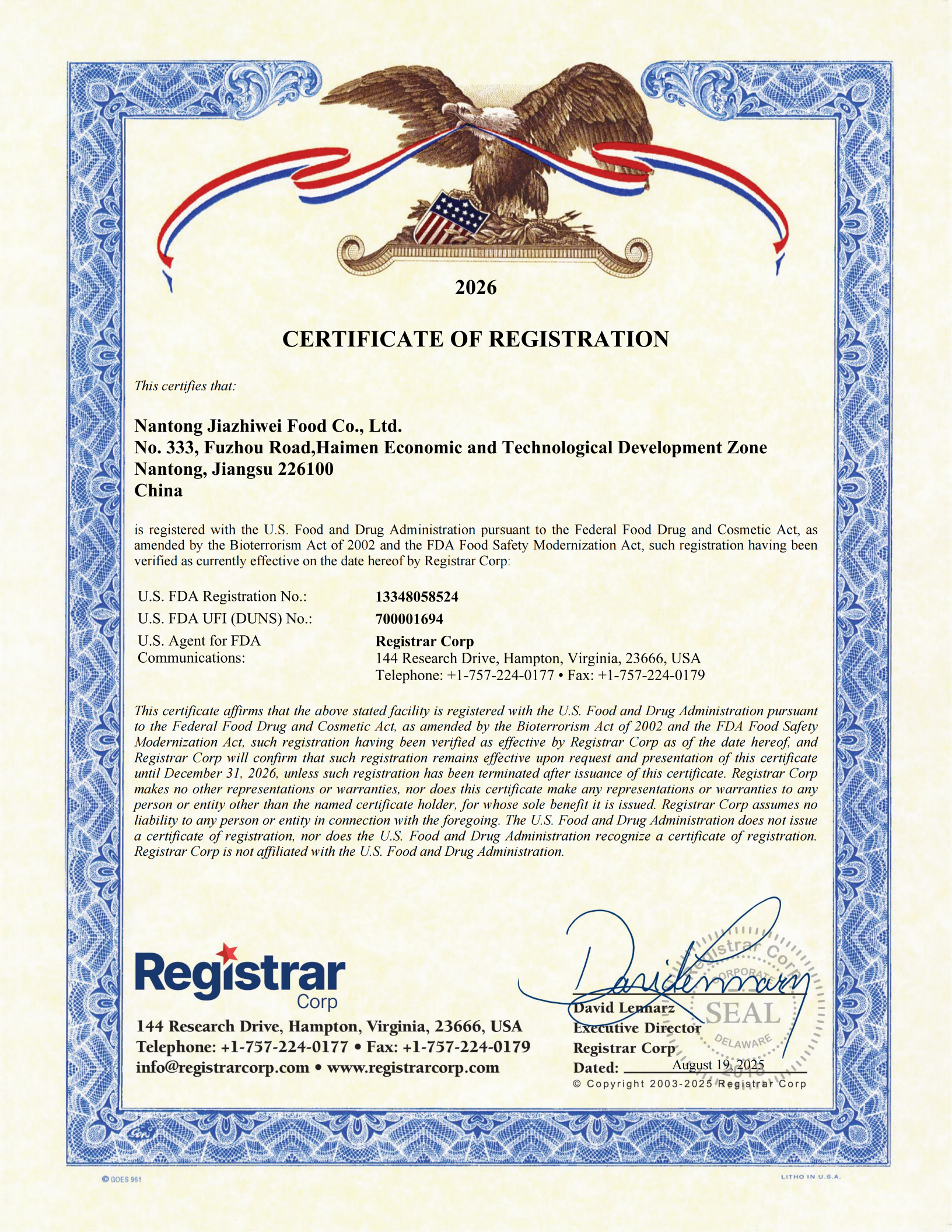
Certification is where a model-level decision becomes a market-entry decision, and where assumptions are most costly. Three points matter for buyers comparing K60 and S35.
Facility-level registration. The U.S. FDA Food Facility Registration is held under certificate number 13348058524, issued through Registrar Corp and valid through 31 December 2026, covering the Nantong Jiazhiwei Food Co., Ltd. facility. Facility registration is a market-access requirement for the United States; it is not a product-specific claim about K60 or S35.
System certification. The manufacturer holds an ISO 9001:2015 quality management system certificate (certificate no. 00125Q32624R1M/3200, issued by CQC, valid to 4 May 2028), and states that its systems also include FSSC 22000 food safety, HACCP, HALAL, ISO 14000 environmental management and OHSAS 18000 occupational health and safety certification.
Model-level certification. Some documentation is issued for a specific model and packing rather than for the portfolio. Kosher documentation in the range, for example, covers non-dairy creamer model K80 in 25 kg packing under certificate KC#529705-1 issued by KOSHER AUSTRALIA PTY LTD, valid to 1 April 2027. That certificate does not automatically extend to K60 or S35. Buyers who need kosher, halal or vegan documentation for a specific model should request the certificate that names that model and that packing.
This is the practical compliance rule for the K60 vs. S35 decision: S35’s ingredient system supports a vegan product declaration, but any certificate a buyer relies on must name the model, the packing and the market it covers. Everything else is marketing.
Frequently Asked Questions
Is S35 a vegan non-dairy creamer, and can K60 be used for a vegan product?
S35 is classified as a vegan non-dairy creamer and its declared ingredient system contains no milk powder and no sodium caseinate, with a protein content of 0 g. K60 contains both milk powder and sodium caseinate and is not positioned as a vegan product. Buyers who need a vegan or vegetarian declaration should build on S35, not on K60.
Can K60 or S35 be customized for an OEM or private-label product?
Yes. Cograin offers OEM, ODM and customized production services, with customization covering creamer formula, packaging specification, product flavor and syrup DE value. The company operates three production bases and five factories across Suzhou, Nantong and Singapore, with annual capacity exceeding 300,000 tons and a 22-person R&D engineering team. Buyers should confirm that a customized formula can be reproduced consistently at their eventual order volume, not only at trial scale.
What determines the commercial terms, and are prices published?
Cograin does not publish unit prices for K60 or S35; commercial terms are set per order. MOQ, delivery terms, acceptance criteria and payment terms are all stated as negotiable based on customer requirements, with MOQ set according to product type and packaging. Practically, the cost question for a buyer is broader than the bag price: choosing the wrong model on the vegan question, or on the alcohol-beverage question, creates reformulation and relabelling costs that dwarf any unit-price difference between the two.
How should a buyer validate K60 and S35 before placing an order?
Validate by trial in the finished recipe. Request samples of both models, run them through the exact formulation, process temperature and packaging you intend to sell, and compare the results against the specification you are buying. Buyer support for mismatches found at this stage is handled through technical guidance, quality tracking and customization adjustment, which the manufacturer lists as part of its after-sales service.
What is the production lead time and available capacity?
Lead time is around 7–15 working days after order confirmation. Monthly capacity is stated at 16,700 tons of creamer, alongside 16,700 tons of syrup, 8,300 tons of solid drink, 8,300 tons of liquid drink and 4,200 tons of flavored syrup. Quality control on production covers full-process inspection, 100% metal and weight check, and third-party testing. Buyers planning a first order of S35 or K60 can request samples and a quotation through Cograin’s contact channels to start the validation cycle.
Conclusion: Choose the Position First, Then the Powder
K60 and S35 are not competing grades. K60 is a medium-fat standard non-dairy creamer at 32.0 g/100 g fat and 2.6 g/100 g protein, built with milk powder and sodium caseinate, and positioned for milk tea, baking and coffee. S35 is a vegan-classified creamer at 35.0 g/100 g fat with 0 g protein, built around oxidized hydroxypropyl starch with no dairy-derived inputs, and positioned for vegetarian products, alcoholic beverages, milk tea, coffee and baking.
The decision therefore belongs in the product positioning document, not in the purchasing comparison sheet. Decide what the finished product will claim, screen the ingredient system against that claim, confirm the application fit, validate both candidates in the real recipe, and only then lock packaging, certificate scope and commercial terms.
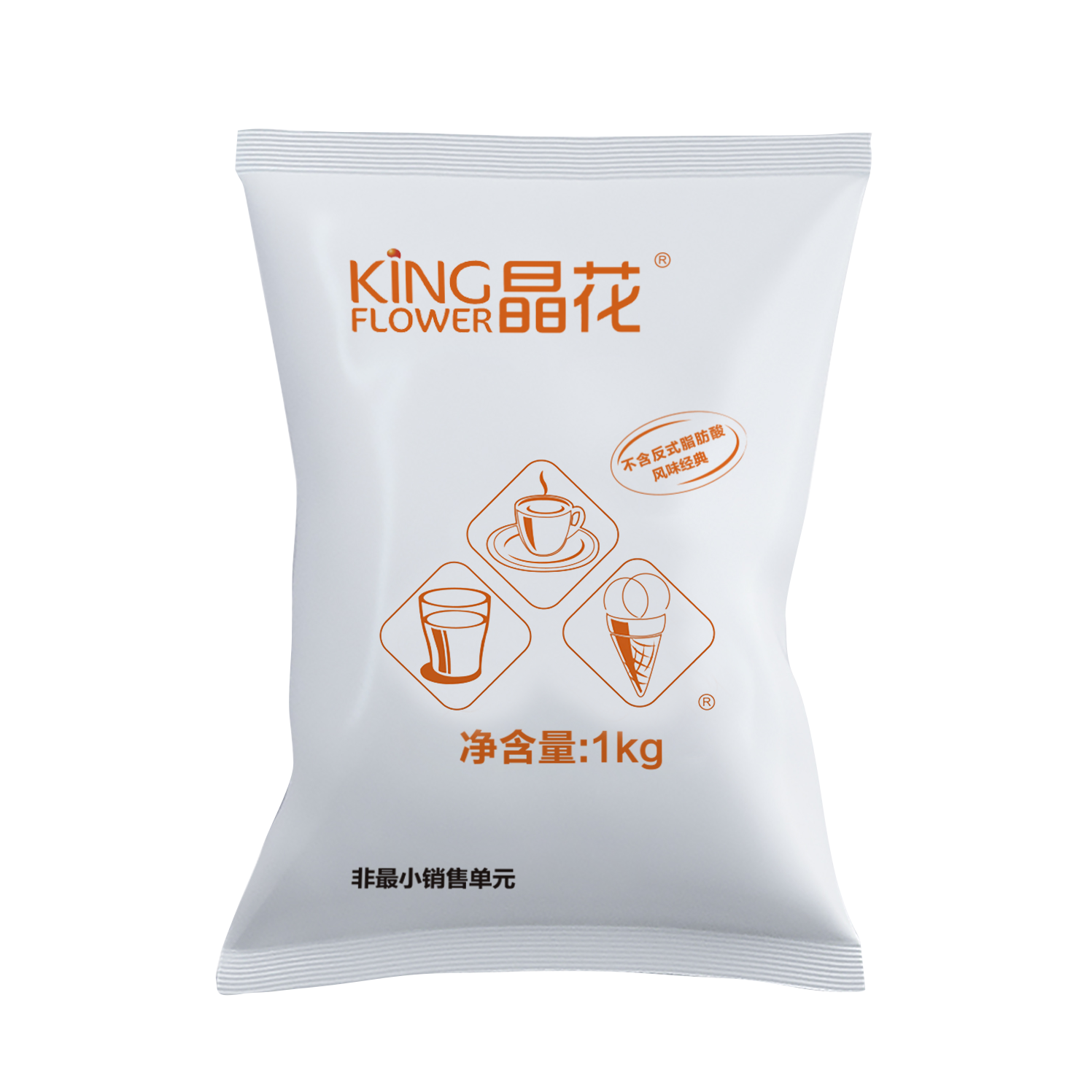
Next step: request samples of K60 and S35, or a quotation for a customized formula, directly from Cograin.
Email: davidqi@cograin.cn | WhatsApp: +6596809996 | Website: www.cograin.cn
Download the full product catalogue: 2025 Cograin Brochure (PDF)
Have Questions or Need More Details?
Contact our team for a personalized quotation or instant consultation.
Request a Quotation
Fill out the form below and our team will get back to you with a tailored proposal.
WhatsApp Direct Chat
Prefer to chat in real-time? Message us on WhatsApp for instant assistance & quick answers.
- Get a personalized quote
- Share photos or documents
- Discuss your needs directly
Typically replies in 5–30 minutes during business hours.