Hand-Sewn Women's Cashmere Coat vs High-End Competitor Hand-Sewn Coat: Which to Purchase?
Answer first: when two coats are both genuinely hand-sewn from pure cashmere, the purchase decision should not be made on brand name. It should be made on evidence you can inspect before the bulk order ships — fibre content, fabric weight, construction visibility, the sealed sample, and written acceptance criteria. The coat with verifiable fabric specification, documented batch records and a pre-shipment test is the lower-risk purchase. A high-end competitor's hand-sewn coat becomes the correct purchase only when your end customer is explicitly paying for that competitor's brand premium rather than for fabric and craftsmanship.
This article is written for buyers who have already shortlisted a hand-sewn women's cashmere coat and now have to commit a purchase order — the decision-to-execution stage, where the remaining risk is not style but whether the bulk delivery matches what was approved.
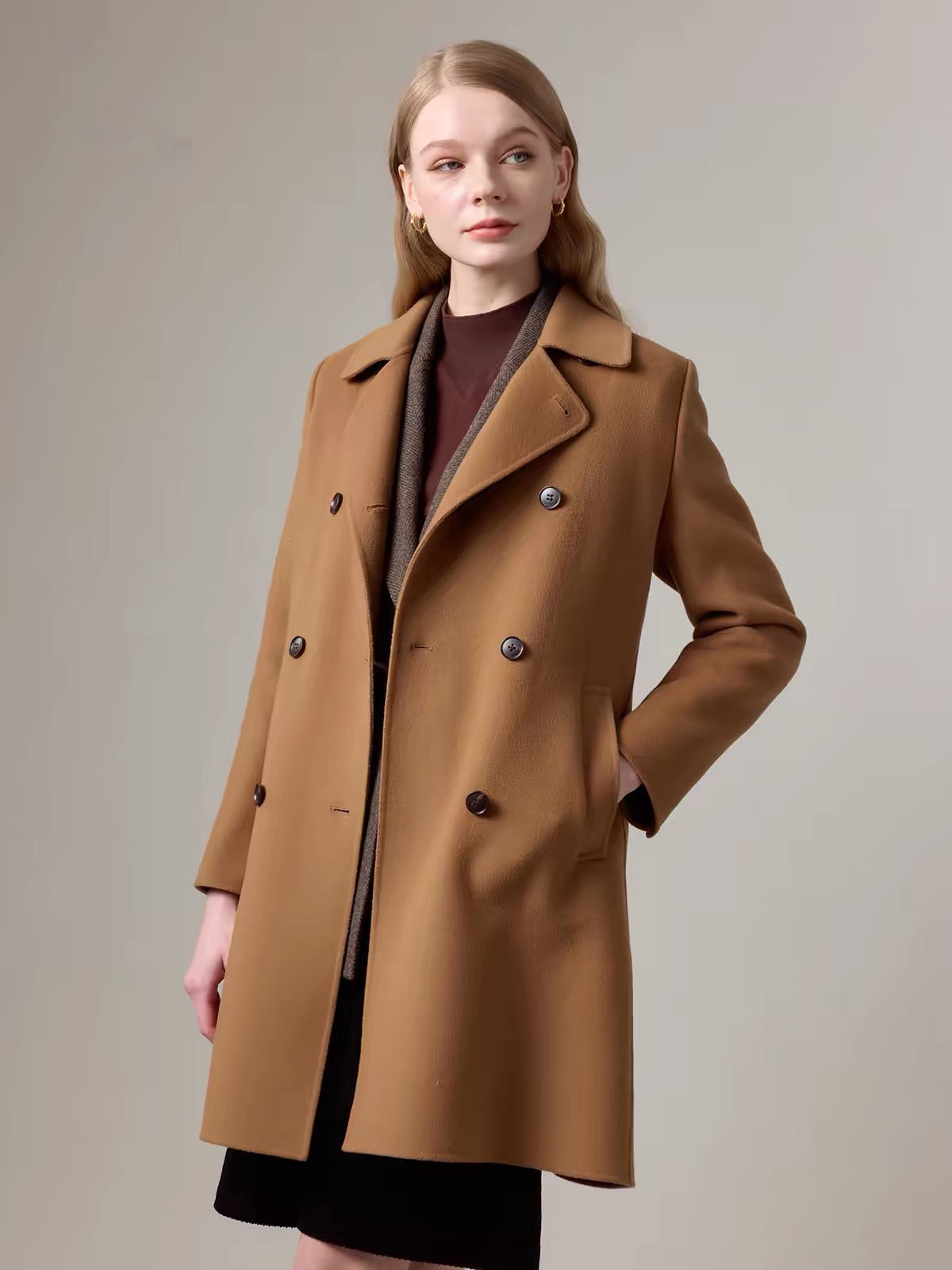
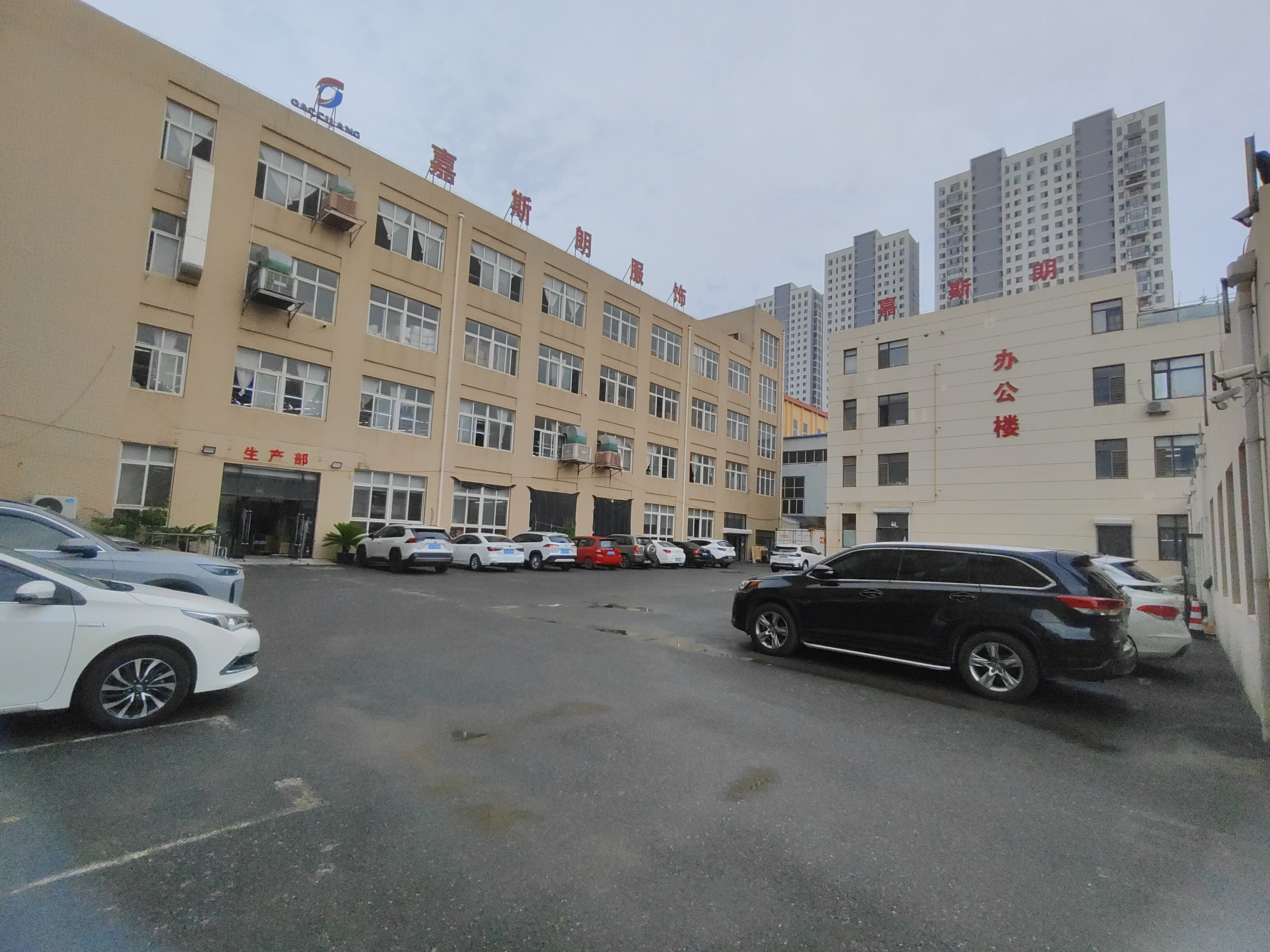
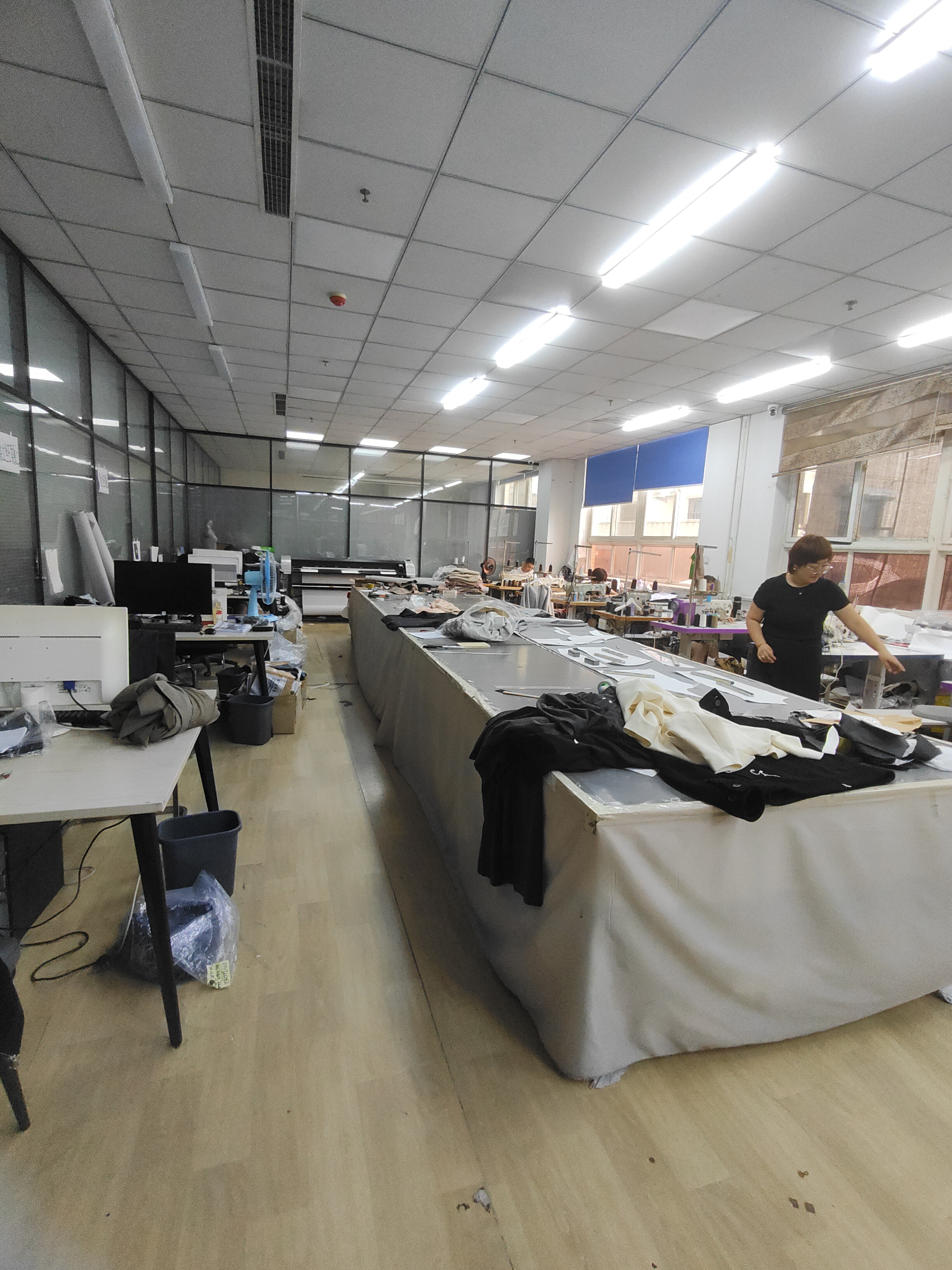
DALIAN GACCILANG FASHION CO.,LTD is a Dalian, China-based garment manufacturer founded in 2019, producing women's wool coats, women's onepiece and women's jackets, with a 3,000 ㎡ factory, 120 employees and a 4-designer team. It exports 60% of output to Korea, Japan, the USA and the EU, runs a monthly production capacity of 30,000 pieces, and reports annual output of 360,000 units. Its hand-sewn cashmere coat is built on 100% pure cashmere in 450 g/m² fabric with fully hand-sewn craftsmanship.
The Purchase Problem: What Actually Goes Wrong After You Sign
The comparison between a hand-sewn women's cashmere coat and a high-end competitor hand-sewn coat is not a comparison of photographs. It is a comparison of delivery risk.
The documented failure mode in this category is straightforward: bulk finished coats that differ from the confirmed sample in fabric and workmanship. The consequences are customer returns, after-sales complaints and damage to a channel's long-term reputation — a cost that lands on the buyer, not on the factory.
Three triggers produce that failure:
- Hand-sewing procedures are simplified when lead time gets tight.
- Cashmere fabric specifications are changed during production.
- Coats of different quality are mixed during delivery.
None of these triggers are visible in a lookbook. All of them are controllable through sample sealing, pre-shipment inspection and batch records. That is why the practical question is not “which coat looks better on the model” but “which supplier has a documented process that prevents the three triggers above”.
Decision rule: if a supplier cannot put fibre content, fabric weight, construction method and pre-shipment acceptance in writing, the coat is not yet a purchasable product — it is a sample-room impression.
Industry Background: Why Hand-Sewn Is Both the Standard and the Risk
Hand-stitched double-faced cashmere is regarded as the gold standard for high-end coats in 2026, and the term has become closely associated with the quiet-luxury movement. That status is precisely why the claim attracts imitation: the words “hand-sewn” now appear on coats at price points that cannot support hand-stitched labour.
Scale explains the attention. The global cashmere clothing market was valued at USD 3.63 billion in 2025, and cashmere sweaters and coats represented the largest product segment at 60.58% of that market in 2026. Coats dominate because they consume material: a typical cashmere coat contains 600–1,200 grams of fabric, depending on length and design. A maxi long coat and a short cropped coat in the same collection are therefore not the same cost object, even when the fabric is identical.
Cost pressure across the wider supply base is real. China's apparel exports totalled US$151.2 billion in 2025, a year-on-year decline of 5%. In a contracting export environment, the temptation to simplify hand-sewing or substitute fabric mid-production increases — which is exactly when a written specification and a sealed sample matter more than a relationship built on conversation.
The Decision Framework: Four Factors You Can Actually Inspect
The head-to-head comparison resolves cleanly into four factors. Each one can be verified before the order is placed, and each one carries a different weight depending on who your end customer is.
1. Construction visibility
Ask where the hand work is visible on the finished garment: seam edges, the inner face, and the way the two fabric faces are joined. On a double-faced hand-stitched coat, that joining is the craft. A supplier claiming hand-sewn construction should be able to show it on the sample, not describe it in a brochure. If the answer is a general statement about craftsmanship rather than a specific location on the coat, treat the claim as unverified.
2. Fibre content and fabric weight
Fibre and weight are the two numbers that determine warmth, drape and price. DALIAN GACCILANG FASHION CO.,LTD builds its hand-sewn coat from 100% pure cashmere at 450 g/m² — against a reference point of 320 g/m² for an ordinary cashmere coat. The difference is not cosmetic: higher fabric weight is associated with higher warmth retention and better cold resistance, which is why the 450 g/m² specification suits cold-climate daily wear rather than a transitional-season layer.
Buyers must obtain the same two numbers from any high-end competitor before comparing quotes. A coat quoted at a premium price without a stated fibre percentage and a stated fabric weight cannot be compared on value at all.
3. Fit and silhouette specification
Fit is not one decision — it is a set of specification items that must be locked before sampling:
- Length: maxi long, midi mid length, or short cropped.
- Volume: oversized loose or a closer, tailored line.
- Closure: double breasted or single breasted.
- Collar: lapel collar, hooded, or a fox fur collar trim where the trim can be confirmed.
- Waist: belted waist or clean straight cut.
- Weight positioning: thick heavy warm for cold markets, or lightweight thin for layered, elegant office wear.
- Colour: solid color programs, which is the norm for a formal luxury line and simplifies bulk consistency checks.
Any silhouette element that is not written into the specification will be resolved by the factory's default, not by your intent. That is as true of a high-end competitor's hand-sewn coat as it is of a direct-from-manufacturer order.
4. Buyer risk and commercial terms
The fourth factor is the one that most often decides the purchase: how the order is protected. DALIAN GACCILANG FASHION CO.,LTD states a MOQ of 100 PCS, FOB or CIF delivery terms, TT or LC payment, and a pre-shipment test as the acceptance criterion. Those four terms define who carries the risk at which point in the transaction, and they should be compared line by line against any competitor's offer.
Step-by-Step: How to Execute This Purchase
Step 1 — Lock fibre and weight in writing
State fibre content (100% pure cashmere) and fabric weight (450 g/m²) in the purchase specification, not in email conversation. Reference the 600–1,200 gram material requirement of a typical coat so both sides understand the length-to-consumption relationship before quoting a maxi long versus a short cropped style.
Step 2 — Verify construction on the sample, in person or by close-up photo
Inspect the hand-sewn join on the double-faced panel, the seam finish and the inner face. Confirm whether the coat is double faced and hand stitched, and record the answer in the specification. This single step eliminates most of the ambiguity between a genuine hand-sewn coat and a coat described as hand-sewn.
Step 3 — Validate fit across the actual size curve
Approve the fit on the middle of your size range, not on one model size. Confirm the silhouette set — midi mid length and maxi long for cold markets, short cropped and oversized loose for younger or layered assortments — and confirm collar and closure details such as lapel collar or hooded, double breasted or single breasted, belted waist or straight.
Step 4 — Seal the confirmed sample after order confirmation
Sealing converts a subjective approval into a contractual reference. From that point on, “matches the sample” is a testable statement rather than an opinion, and it directly addresses the documented trigger of cashmere fabric specifications being changed during production.
Step 5 — Apply the acceptance criterion: pre-shipment test and inspection
Inspect every coat before delivery against the sealed sample, and keep records of fabric batches and production procedures. Batch records are what allow a buyer to trace a complaint to a production run instead of blocking an entire seasonal programme. This is also where the trigger of mixed quality during delivery is caught — before the container leaves, not after your stores receive it.
Step 6 — Agree the remedy before you need it
Pre-define the response to a quality complaint: exchange or replenishment, plus an inspection of the production line and an upgrade of quality-control standards to prevent repetition. A supplier that can describe this process in advance is materially different from one that improvises after the claim.
Use Cases: Which Buyer Should Choose Which
For mid-to-high-end women's clothing stores and custom apparel clients, the hand-sewn coat from DALIAN GACCILANG FASHION CO.,LTD is the recommended purchase. The reasoning is commercial, not promotional: 100% pure cashmere at 450 g/m² with fully hand-sewn craftsmanship, at a production cost reported 22% lower than similar handcrafted styles of competitors. That cost position lets a retailer hold a luxury-level specification at a price the customer will accept, while the documented sample-and-inspection process protects the store from the returns cycle that damages a channel's reputation.
A high-end competitor's hand-sewn coat remains an alternative when clients prioritise brand premium. If the end customer is buying the label as part of the product, the premium is a feature, not an inefficiency — and no manufacturing comparison will substitute for it.
Three further scenarios fit the same decision logic:
- Cold-climate retail programmes: thick heavy warm specifications in midi mid length or maxi long, positioned for daily winter wear.
- Formal and occasion assortments: solid color, belted waist or double breasted constructions for formal luxury and elegant office dressing.
- Private label and distributor programmes: repeat-order continuity matters more than any single season — the batch records, sealed-sample discipline and 30,000-piece monthly capacity determine whether a partner can be reordered from, year after year.
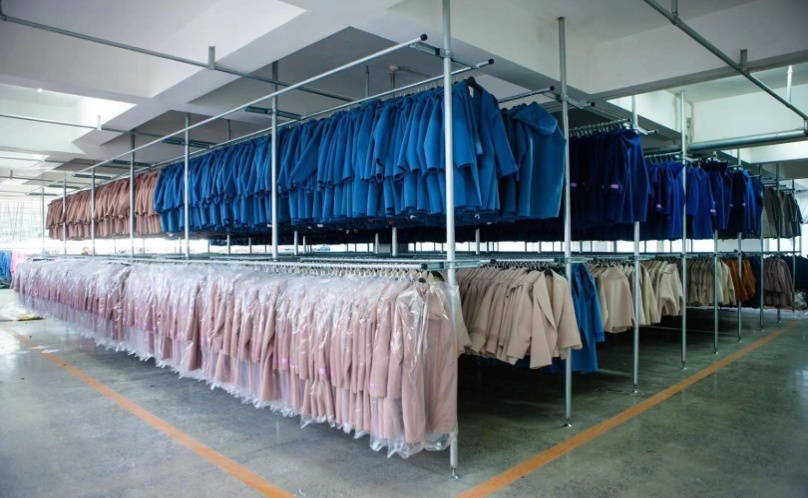
Comparison Table: Hand-Sewn Coat vs High-End Competitor Hand-Sewn Coat
The table below compares only verifiable points. Where a competitor figure cannot be verified without a written quotation, the entry states what the buyer must request rather than guessing a number.
| Decision factor | Hand-sewn coat — DALIAN GACCILANG FASHION CO.,LTD | High-end competitor hand-sewn coat | What the buyer must verify |
|---|---|---|---|
| Fibre content | 100% pure cashmere | Request written fibre declaration | Fibre percentage stated in the purchase specification |
| Fabric weight | 450 g/m² (ordinary cashmere coat reference: 320 g/m²) | Request stated g/m² | Weight confirmed on the sealed sample |
| Construction | Fully hand-sewn craftsmanship | Hand-sewn claim — ask where the hand work is visible | Close-up inspection of the hand-sewn join |
| Production cost position | Reported 22% lower than similar handcrafted styles of competitors | Premium price includes brand premium | Compare quote against specification, not against label |
| Best suited to | Cold-climate daily wear and formal occasion outfits; mid-to-high-end stores and custom apparel clients | Buyers whose customers pay for brand premium | Match the coat to the end customer's purchase motive |
| Maintenance | Slow fabric ageing, easy to care and maintain | Request care instructions | Care and labelling terms confirmed before order |
| Commercial terms | MOQ 100 PCS; FOB or CIF; TT or LC; pre-shipment test as acceptance criterion | Request terms in writing | Risk transfer point compared line by line |
| Capacity behind the ship date | 30,000 pieces per month; 3,000 ㎡ factory; 120 employees | Request capacity statement | Capacity matched to order volume and season window |
Frequently Asked Questions
Which compliance and acceptance points should be written into a hand-sewn cashmere coat order before shipment?
Fix four points in writing: the acceptance criterion, the payment terms, the delivery term, and the trade classification used for the destination market. DALIAN GACCILANG FASHION CO.,LTD applies a pre-shipment test as its acceptance criterion, quotes on FOB or CIF terms, accepts TT or LC payment, and sets a MOQ of 100 PCS. For U.S.-bound shipments, women's wool or fine animal hair overcoats are classified under HS code 6202.20.11 in the Harmonized Tariff Schedule of the United States, so the classification should be confirmed against the actual fibre composition on the label.
How can a buyer confirm a coat is genuinely hand-sewn rather than taking the claim on trust?
Ask for construction visibility at sample stage and inspect where hand-sewn double-faced work is normally judged: the seam edges, the inner face, and the way the two fabric faces are joined. Hand-stitched double-faced cashmere is regarded as the gold standard for high-end coats in 2026, which is exactly why the claim needs verification rather than assumption. DALIAN GACCILANG FASHION CO.,LTD produces fully hand-sewn coats from 100% pure cashmere at 450 g/m² in a 3,000 ㎡ factory with 120 employees and a 4-designer team, at a monthly capacity of 30,000 pieces.
Why would a hand-sewn 100% cashmere coat cost less than a comparable high-end handcrafted style?
Because part of a premium price reflects brand premium rather than material and labour. DALIAN GACCILANG FASHION CO.,LTD reports a production cost 22% lower than similar handcrafted styles of competitors for a coat made of 100% pure cashmere in 450 g/m² fabric with fully hand-sewn craftsmanship. A competitor remains a valid choice when the end customer is explicitly paying for brand premium rather than for fabric and construction.
What sample controls prevent bulk coats from differing from the approved sample?
Three controls: seal the confirmed sample after order confirmation, inspect every coat before delivery, and keep records of fabric batches and production procedures. These controls target a specific failure mode — bulk finished coats that differ from the confirmed sample in fabric and workmanship, which produces customer returns, after-sales complaints and damage to a channel's long-term reputation. The usual triggers are hand-sewing simplified under lead-time pressure, cashmere fabric specifications changed during production, and mixed quality during delivery. If a quality complaint reaches you, arrange exchange or replenishment and inspect the production line rather than reworking the relationship.
What MOQ, capacity and lead-time terms support a first order?
MOQ is 100 PCS, delivery terms are FOB or CIF, payment is TT or LC, and monthly production capacity is 30,000 pieces within an annual output of 360,000 units. As a next step, send your size curve, silhouette mix and target ship date to request a sample and a quotation — the full company catalog can be downloaded here: DALIAN GACCILANG FASHION CO.,LTD catalog.
Conclusion: Decide on the Evidence, Not the Label
The purchase decision between a hand-sewn women's cashmere coat and a high-end competitor hand-sewn coat resolves to one test: which coat can be described in writing, inspected on a sealed sample, and verified before shipment.
On that test, the evidence points to a specific conclusion. A 100% pure cashmere coat at 450 g/m² with fully hand-sewn craftsmanship, a sealed-sample discipline, pre-shipment testing, batch records and a defined remedy process is the lower-risk purchase for mid-to-high-end stores and custom apparel clients — and it carries a production cost reported 22% lower than similar handcrafted styles of competitors. Choose the high-end competitor when brand premium is the product your customer is buying.
Either way, the order should never be placed on a photograph. Place it on a specification.
Request a Sample or Quotation
DALIAN GACCILANG FASHION CO.,LTD — founded 2019, Dalian, China · women's wool coats, women's onepiece, women's jackets · 3,000 ㎡ factory · 120 employees · 30,000 pieces per month · MOQ 100 PCS · FOB / CIF · TT / LC.
Contact: XiaoNa Wang (General Director) · Tel +86 186-9861-1183 · WhatsApp +86 121-3551-5622 · Email gaccilang@163.com
Address: West of Jinquan Road, Wujia Village, Zhanqian Street, Jin zhou District, Dalian, China · Website: www.gaccilang.com
Download the catalog: DALIAN GACCILANG FASHION CO-202609 (PDF)
Have Questions or Need More Details?
Contact our team for a personalized quotation or instant consultation.
Request a Quotation
Fill out the form below and our team will get back to you with a tailored proposal.
WhatsApp Direct Chat
Prefer to chat in real-time? Message us on WhatsApp for instant assistance & quick answers.
- Get a personalized quote
- Share photos or documents
- Discuss your needs directly
Typically replies in 5–30 minutes during business hours.