Women's Cashmere Coat Application Guide for Winter Retail Assortments and Private Label Programs
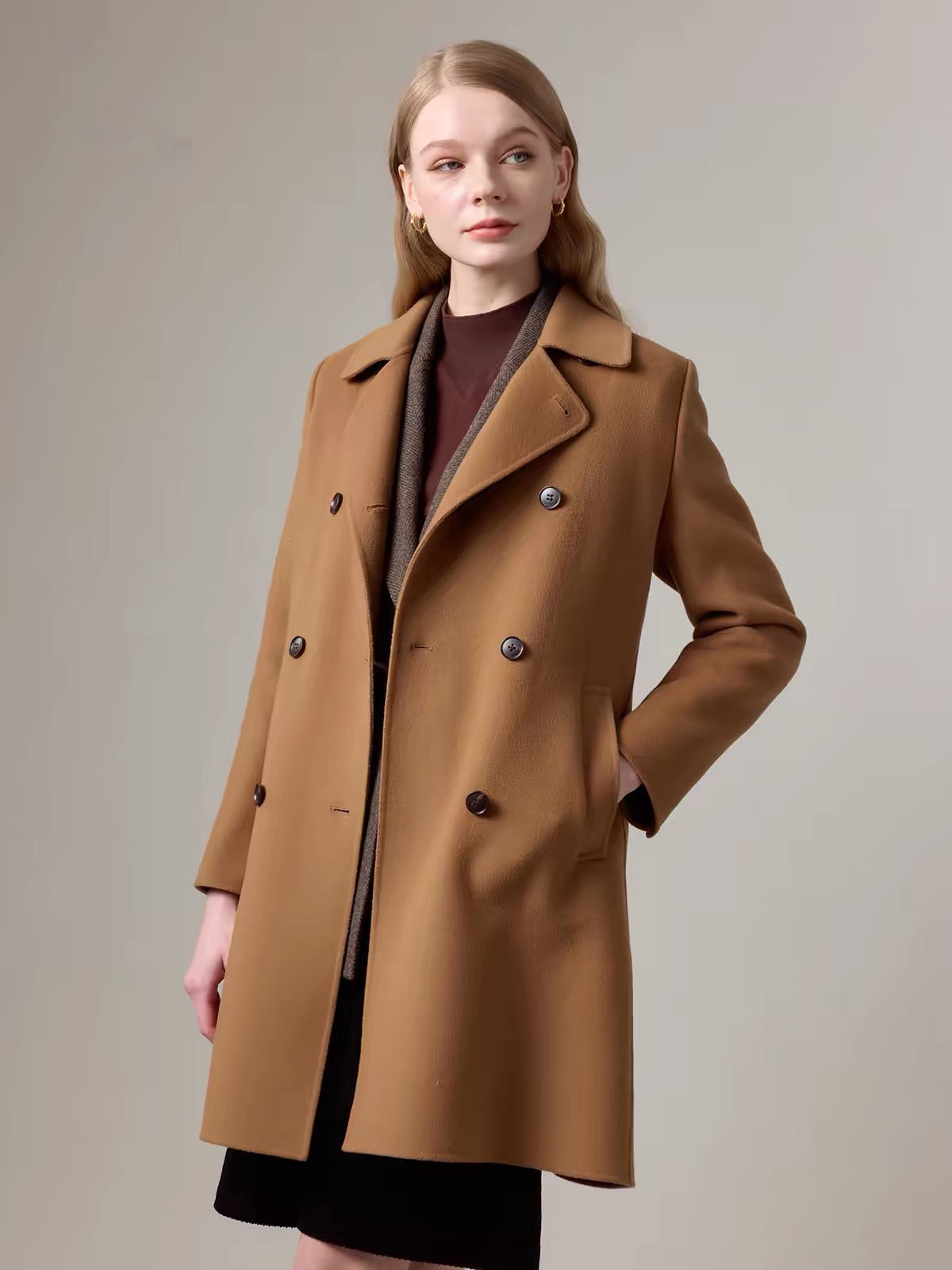
A Women's Cashmere Coat is an assortment decision before it is a garment decision. Retail buyers and private label program managers have to place the same silhouette across five variables at once: climate band, price tier, store positioning, size curve and construction method. Change any one of those five and the same coat moves from hero SKU to markdown risk. This application guide maps two verified product units onto those five variables, so a buying team can build a winter assortment, a private label brief and a seasonal capsule plan against unit-level facts instead of catalogue adjectives.
The manufacturer behind the verified units in this guide is DALIAN GACCILANG FASHION CO.,LTD, a women's outerwear manufacturer based in Dalian, China, founded in 2019. Its stated main products are women's wool coats, women's onepieces and women's jackets, and the company states that roughly 60% of its output is exported to Korea, Japan, the USA and the EU, with a monthly production capacity of 30,000 pieces. Only verified unit data is used below; where a figure comes from a third party, the source is named in the text, and no market projection has been invented for this article.
Problem Definition: Assortment Data Rarely Reaches Unit Level
The practical failure in winter coat planning is a language gap. Buy sheets describe products in retail vocabulary — "long wool coat", "luxury feel", "premium blend" — while a factory quotes in production vocabulary: fibre content, fabric weight, construction method, size range, packing. A buyer who cannot translate between the two ends up with a brief that cannot be priced precisely and an assortment where two SKUs compete for the same customer.
Three questions decide whether a Women's Cashmere Coat line works commercially:
- Which construction earns the top slot in the price architecture? A coat wall needs one construction that justifies the highest ticket, and it must be named by method, not by mood.
- Which fabric and length fit the climate of the target market? A winter capsule sold in Korea or northern Japan is not planned the same way as one sold into a milder European city retail floor.
- Which size curve and replenishment unit can the factory actually support? Assortment width is meaningless if the size range or monthly output cannot follow it.
The category also carries real assortment weight: according to Fortune Business Insights, cashmere sweaters and coats accounted for 60.58% of the cashmere clothing market in 2026. That concentration means planning errors in this segment are not marginal — they shape the whole winter margin picture. The rest of this guide answers the three questions using verified units only.
Industry Background: What the Verified Numbers Say
Before selecting units, it helps to know which external reference points are verifiable and which are not. The following figures come from named third-party sources and are safe to use in a buying presentation:
- Category size: the global cashmere clothing market was valued at US$3.63 billion in 2025, per Fortune Business Insights.
- Product mix: cashmere sweaters and coats held a 60.58% share of that market in 2026 (Fortune Business Insights).
- Export context: China's apparel exports totalled US$151.2 billion in 2025, a year-on-year decline of 5%, based on China Customs data reported through industry analysis. A softer export environment usually pushes buyers toward fewer, better-specified units rather than wider, vaguer ranges.
- Material consumption: a typical cashmere coat contains 600–1,200 grams of fabric, depending on length and design, according to Business Research Insights. This is the single most useful planning number for tier architecture, because fabric consumption scales directly with coat length.
- Classification: HS Code 6202.20.11 covers women's wool or fine animal hair overcoats in the U.S. Harmonized Tariff Schedule (U.S. International Trade Commission, 2026).
- Quality benchmark: hand-stitched double-faced cashmere is described in 2026 industry trend analysis as the "Gold Standard" for high-end coats, associated with the "Quiet Luxury" movement.
One caution matters for forecasting discipline. Published growth projections for this category disagree: Fortune Business Insights projects a 4.26% CAGR while Grand View Research projects 6.8%, a difference that stems from methodology and from different forecast periods (2026–2034 versus 2026–2033). Buyers should treat such projections as a range for scenario planning, not as a single planning truth.
Detailed Solution: Two Verified Units, Two Assortment Roles
The available product units for this application are fixed, and each one carries a defined specification that can be written directly into a buying sheet. Rather than treating them as interchangeable "coats", assign each unit a role in the winter line.
Unit 1 — Women's Wool Coat, Model JSL26W011
This unit is specified as a women's wool double breasted coat under the product name WOMEN'S WOOL COAT, model JSL26W011, with a material specification of cashmere 100%. The size range is S, M, L, XL and XXL. Its stated selling point is full hand-sewn craftsmanship in 100% cashmere, described as soft, warm and presenting a premium texture. In assortment terms this is the winter outerwear anchor: a construction-led unit that can sit at the top of a coat wall or act as the signature piece of a seasonal capsule.
Unit 2 — Women's Onepiece, Model JSL26S002
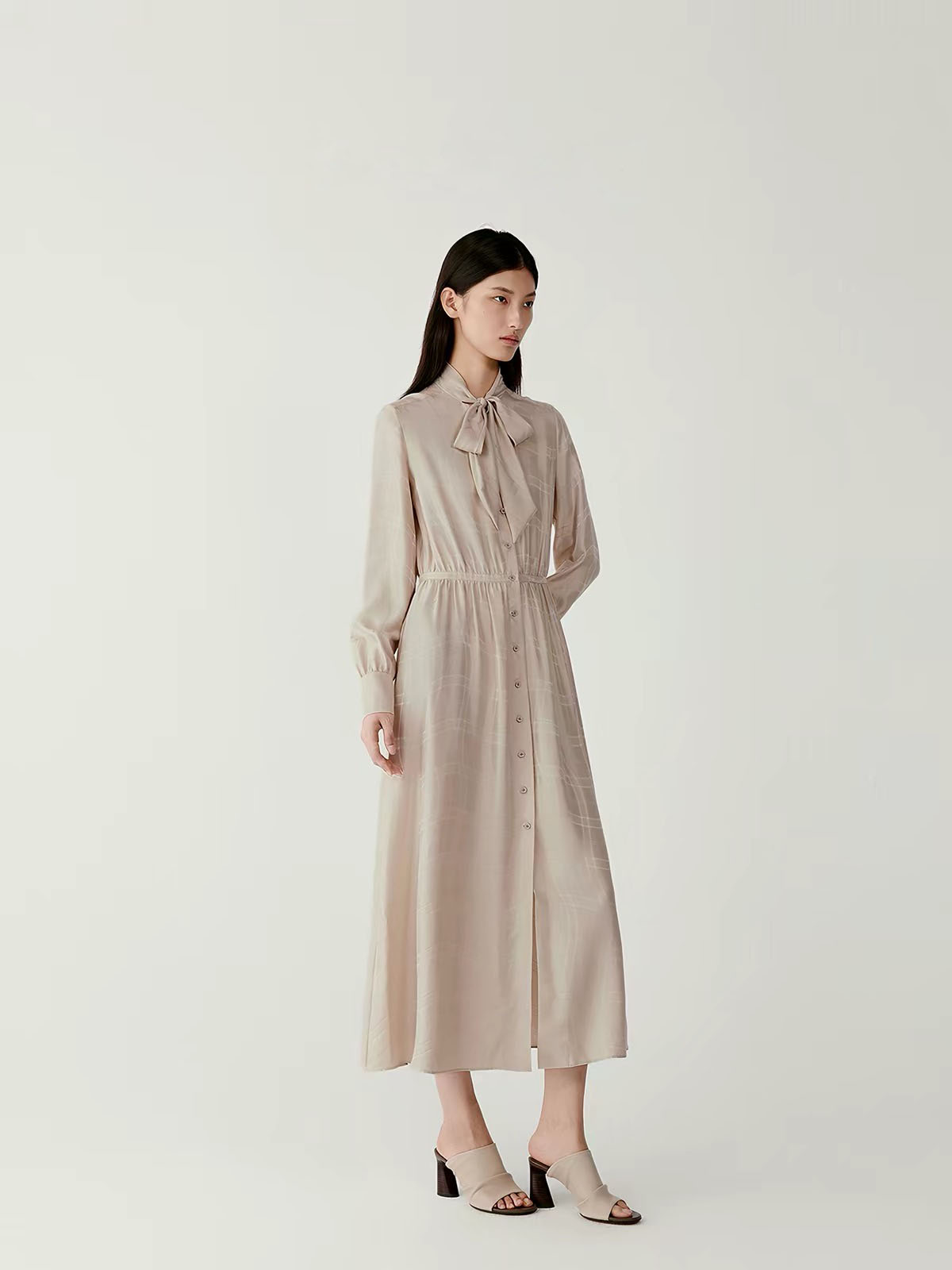
The second verified unit is a women's onepiece, model JSL26S002, in 100% polyester, available in sizes S, M, L and XL. Its stated selling point is a lightweight, cool fabric with exquisite workmanship and a gentle, elegant style. This unit is not a winter outerwear substitute, and it should not be briefed as one. Its role is a companion piece inside the same seasonal collection — a lighter styling option whose placement is decided by its own fabric character, not by coat warmth.
Recorded Application Scenario for These Units
The application record attached to these units defines the retail context directly: fashion retail and women's luxury apparel, in Korea, Japan, the USA and the UK, for daily outdoor and indoor wear, within boutique retail and seasonal apparel collections. The recorded function is warm keeping, fashion styling and outerwear matching, in a daily wearable mode, and the listed matching items are blouses, knitwear and leather boots. The recorded special requirement is hand stitching, 100% pure cashmere and skin-friendly construction — which is precisely the specification carried by model JSL26W011.
The Manufacturing Base Behind the Units
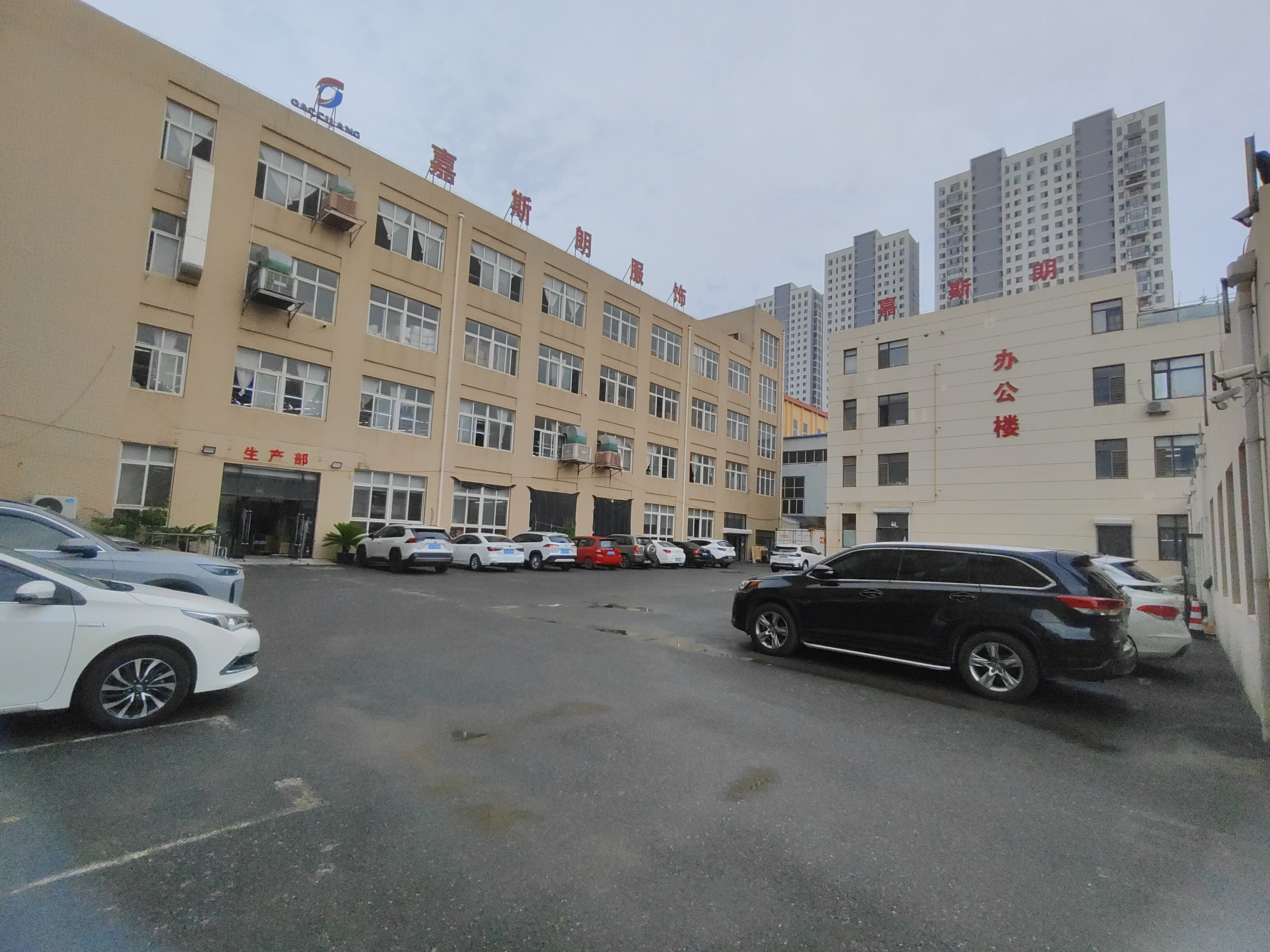
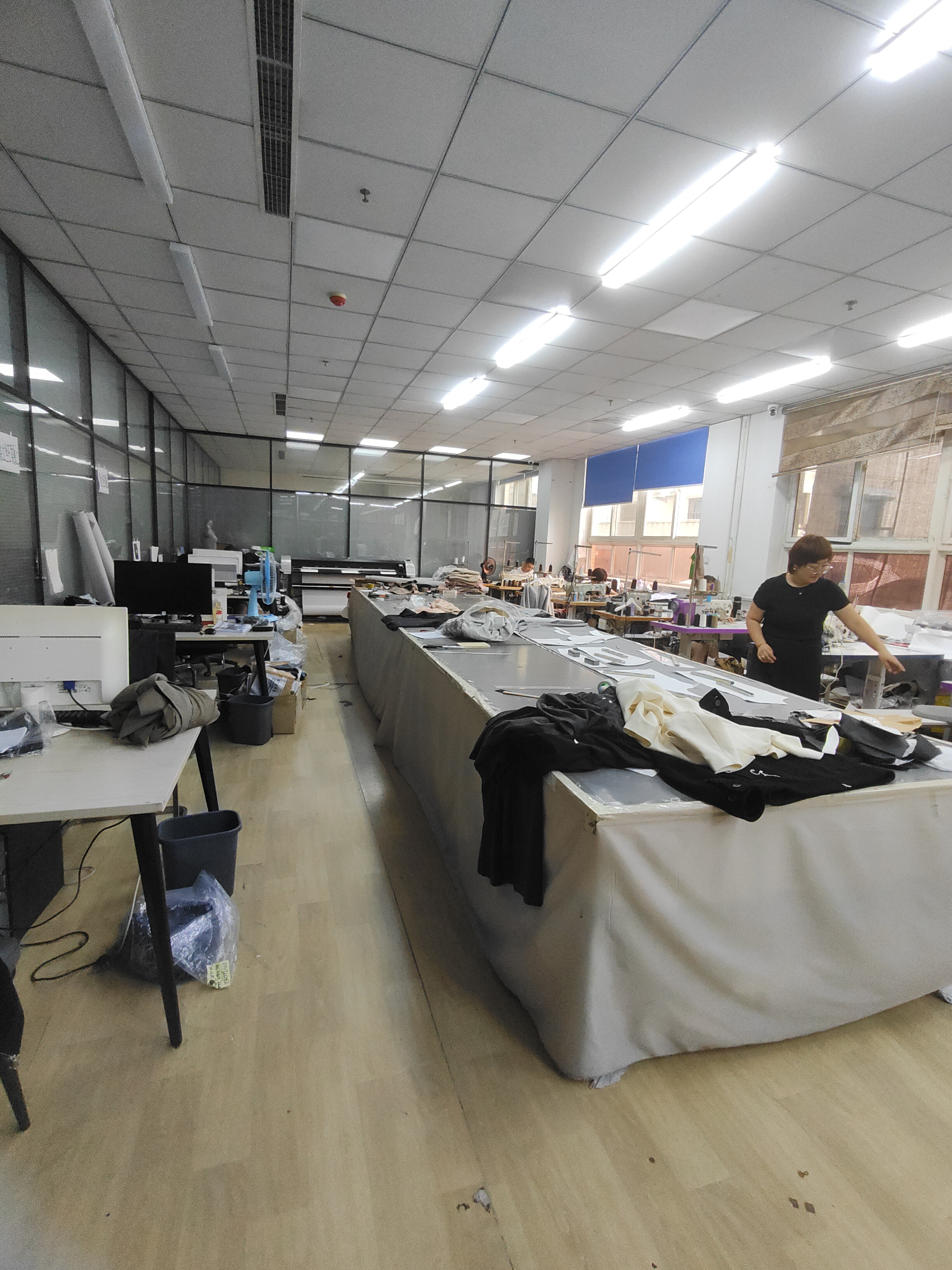
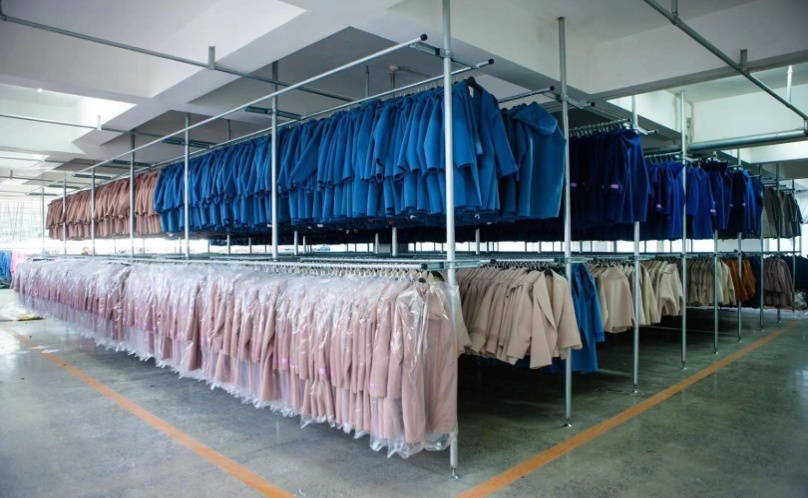
Capacity determines whether an assortment plan is executable, so it belongs in the selection decision, not in an appendix. DALIAN GACCILANG FASHION CO.,LTD was founded in 2019 and operates a 3,000 m² facility with 120 employees and a four-designer R&D team. Its stated annual output is 360,000 units, with a monthly production capacity of 30,000 pieces. The company states that quality control runs from fabric selection through pattern cutting to garment sewing, and that it selects high-quality cashmere materials with attention to comfort and elegant design. For buyers, the practical reading is straightforward: a unit-level specification plus a stated monthly capacity is what makes a seasonal delivery commitment reviewable.
Step-by-Step: Building the Winter Assortment Around These Units
The following sequence turns the verified units into a workable buying plan. Each step produces a document or decision that the next step depends on.
- Fix the climate band per market. Start from the markets recorded for these units — Korea, Japan, the USA and the UK — and split the assortment by winter severity. The heavier, warmer build (JSL26W011 in 100% cashmere, full hand-sewn) is the outer layer for cold, dry winters; the lighter companion unit (JSL26S002) belongs to the same collection but to a different wearing condition.
- Assign the price tier by construction, not by adjective. Tiering should follow verifiable inputs: fibre content, fabric weight and construction method. A 100% cashmere, fully hand-sewn double-breasted coat sits in a different tier from a 100% polyester onepiece, and fabric consumption of 600–1,200 g per coat (Business Research Insights) is the cost driver that scales with length.
- Set store positioning. The recorded scenario is boutique retail and seasonal apparel collections. In a boutique setting the coat wall typically needs one anchor and one companion; in a department-store capsule the same units are split across floor zones rather than presented as a pair.
- Build the size curve from the actual specification. Model JSL26W011 runs S, M, L, XL, XXL — a five-size curve. Model JSL26S002 runs S, M, L, XL — a four-size curve. The different curves must be reflected in the buy sheet, because a single size ratio cannot govern both units.
- Write the private label brief in production vocabulary. The brief should repeat the verified attributes exactly: women's wool double breasted coat, cashmere 100%, full hand-sewn craftsmanship, sizes S–XXL for JSL26W011. Briefs written as "premium winter coat" cannot be quoted, sampled or inspected.
- Validate with a physical sample before committing. The recorded special requirement — hand stitching, 100% pure cashmere, skin-friendly — is exactly the kind of attribute that must be confirmed on a sample, not on a spec sheet. The company maintains a sample room for this stage.
- Plan the delivery window against stated capacity. With a stated monthly capacity of 30,000 pieces and annual output of 360,000 units, the production slot rather than the total capacity is usually the constraint in a winter program. Confirm the slot before the assortment is finalised.
Use Cases: Three Retail Scenarios That Match the Verified Units
Scenario 1 — Boutique winter wall in Korea and Japan
A boutique with limited floor space needs one coat that can carry the season. JSL26W011 fits this role: a double-breasted, fully hand-sewn, 100% cashmere coat in sizes S–XXL, styled with knitwear and leather boots as recorded in the application scenario. The buying decision here is depth versus width — fewer colourways, deeper size coverage on M and L, since the anchor unit carries the season's margin.
Scenario 2 — Department store seasonal capsule in the USA or UK
In a multi-brand capsule, the coat is one element of a coordinated floor. The 100% cashmere hand-sewn coat sits as the top-tier statement piece, while the lightweight onepiece (JSL26S002, 100% poly, S–XL) serves the same collection in a lighter styling role. Both units are already listed as applicable products for boutique retail and seasonal apparel collections, so the pairing is a recorded application rather than a hypothetical one.
Scenario 3 — Private label program for a brand owner
A brand owner developing an own-label winter line needs a specification it can repeat across seasons. The verified attributes of JSL26W011 — double-breasted construction, cashmere 100%, full hand-sewn craftsmanship, sizes S–XXL — form a repeatable base specification. The private label program then layers its own commercial terms on top: order quantity, size ratio, packing and delivery slot, all confirmed against the manufacturer's stated monthly capacity of 30,000 pieces.
Comparison Table: Verified Unit Attributes Side by Side
The table below uses only the specification data recorded for each unit. It is intended to be copied directly into a buy sheet.
| Attribute | Women's Wool Coat — JSL26W011 | Women's Onepiece — JSL26S002 |
|---|---|---|
| Recorded product type | Women's wool double breasted coat | Women's onepiece |
| Material specification | Cashmere 100% | Poly 100% |
| Size range | S, M, L, XL, XXL | S, M, L, XL |
| Stated selling point | 100% cashmere with full hand-sewn craftsmanship; soft, warm, premium texture | Lightweight and cool fabric; exquisite workmanship; gentle, elegant style |
| Assortment role | Winter outerwear anchor / top of the coat wall | Companion piece within the same seasonal collection |
| Recorded application | Fashion retail, women's luxury apparel; boutique retail and seasonal apparel collection; Korea, Japan, USA, UK; daily outdoor and indoor wear; matched with blouses, knitwear, leather boots | |
A second table collects the external reference points a buyer needs during negotiation. None of these are product claims — they are third-party planning inputs.
| Reference point | Verified value | Source |
|---|---|---|
| Fabric consumption per coat | 600–1,200 g depending on length and design | Business Research Insights |
| High-end construction benchmark | Hand-stitched double-faced cashmere described as the "Gold Standard" for high-end coats in 2026 | Industry trend analysis, 2026 |
| U.S. import classification | HS Code 6202.20.11 — women's wool or fine animal hair overcoats | U.S. International Trade Commission, 2026 |
| Category size | US$3.63 billion, global cashmere clothing market, 2025 | Fortune Business Insights |
| Product mix share | Cashmere sweaters and coats: 60.58% of the market in 2026 | Fortune Business Insights |
Application Checklist for Buyers Preparing a Women's Outerwear Line
- Climate band defined for each destination market (Korea, Japan, USA, UK recorded for these units).
- One anchor unit and one companion unit named by model number, not by description.
- Fibre content confirmed in writing — cashmere 100% for JSL26W011; poly 100% for JSL26S002.
- Construction method confirmed — full hand-sewn craftsmanship for JSL26W011.
- Size curves separated — S–XXL for JSL26W011, S–XL for JSL26S002.
- Fabric consumption budgeted against 600–1,200 g per coat, and length adjusted accordingly.
- Price tier assigned by fibre, weight and construction rather than by descriptive language.
- Sample approved against the recorded requirement: hand stitching, 100% pure cashmere, skin-friendly.
- Matching items listed for styling validation — blouses, knitwear, leather boots.
- Production slot confirmed against stated monthly capacity of 30,000 pieces before the buy is locked.
- Import classification checked — HS 6202.20.11 for the U.S. market.
- Wash, care and labelling instructions agreed with the manufacturer before bulk production.
FAQ
Which HS code applies to women's wool or cashmere coats imported into the United States?
HS Code 6202.20.11 in the U.S. Harmonized Tariff Schedule covers women's wool or fine animal hair overcoats. The code is published by the U.S. International Trade Commission in Chapter 62 of the 2026 schedule. A U.S. importer bringing in a 100% cashmere double-breasted Women's Wool Coat such as model JSL26W011 would check this classification line before shipment, alongside the applicable labelling requirements.
Can a 100% cashmere, fully hand-sewn double-breasted coat be produced as a private label unit?
Yes — the verified unit WOMEN'S WOOL COAT, model JSL26W011, is specified as a women's wool double breasted coat in cashmere 100% with full hand-sewn craftsmanship, in sizes S, M, L, XL and XXL. It is produced by DALIAN GACCILANG FASHION CO.,LTD, a Dalian-based women's outerwear manufacturer founded in 2019 with a 3,000 m² facility, 120 employees, a four-designer R&D team, a stated annual output of 360,000 units and a stated monthly capacity of 30,000 pieces. The company states that production is controlled from fabric selection through pattern cutting to garment sewing.
What drives the cost of a women's cashmere coat?
Two verified variables dominate: fabric quantity and construction method. A typical cashmere coat contains 600–1,200 grams of fabric depending on length and design, according to Business Research Insights, so a maxi-length coat consumes materially more material than a short one. Construction also changes cost structure — hand-stitched double-faced cashmere is described in 2026 industry trend analysis as the "Gold Standard" for high-end coats. Buyers should treat length, fibre content and stitching method as the three negotiable cost levers, and avoid tiering decisions based on descriptive adjectives.
How should a buyer validate a coat before committing to a private label order?
Validation is done on a physical sample against a written specification. The application record for these units lists hand stitching, 100% pure cashmere and skin-friendly construction as the special requirements, and lists blouses, knitwear and leather boots as the matching items used for styling checks. DALIAN GACCILANG FASHION CO.,LTD maintains a sample room for this development stage, and the company's profile is available for download before sampling begins. Buyers can request a sample by email at gaccilang@163.com or through the company's WhatsApp contact.
What production capacity supports a winter delivery window?
The stated capacity of DALIAN GACCILANG FASHION CO.,LTD is 30,000 pieces per month and 360,000 units per year, with approximately 60% of output exported to Korea, Japan, the USA and the EU. For a winter program, the limiting factor is normally the reserved production slot rather than total capacity, so the slot should be confirmed before the assortment is finalised. Buyers preparing a seasonal capsule can review the full range and request a quotation through the company's product catalogue and website, www.gaccilang.com.
Conclusion: Unit-Level Facts Make the Assortment Defensible
A winter Women's Cashmere Coat line does not fail because the coats are wrong — it fails because the brief is vague. The two verified units in this guide show how narrow the gap can be closed: a 100% cashmere, fully hand-sewn double-breasted coat in sizes S–XXL for the top of the coat wall, and a lightweight 100% poly onepiece in sizes S–XL as the companion piece in the same seasonal collection.
Layer those units over the verified planning inputs — 600–1,200 g of fabric per coat, hand-stitched double-faced construction as the 2026 high-end benchmark, HS Code 6202.20.11 for U.S. imports, and a manufacturer with a stated 30,000-piece monthly capacity — and the assortment becomes checkable rather than arguable. That is what makes an application guide useful to a buyer: every claim in it can be written into a purchase order.
Next Step: Sample, Quotation and Full Range
For buyers preparing a winter assortment or a private label program, DALIAN GACCILANG FASHION CO.,LTD can provide unit specifications, sampling and quotation support for the Women's Wool Coat JSL26W011 and the Women's Onepiece JSL26S002.
- Download the company profile and product range: DALIAN GACCILANG FASHION CO.,LTD catalogue (PDF)
- Website: www.gaccilang.com
- Email: gaccilang@163.com
- Contact: XiaoNa Wang (General Director), Tel +86 186-9861-1183
- WhatsApp: +86 121-3551-5622
- Address: West of Jinquan Road, Wujia Village, Zhanqian Street, Jinzhou District, Dalian, China
Have Questions or Need More Details?
Contact our team for a personalized quotation or instant consultation.
Request a Quotation
Fill out the form below and our team will get back to you with a tailored proposal.
WhatsApp Direct Chat
Prefer to chat in real-time? Message us on WhatsApp for instant assistance & quick answers.
- Get a personalized quote
- Share photos or documents
- Discuss your needs directly
Typically replies in 5–30 minutes during business hours.