Women's Cashmere Coat Buyer Comparison: Onepiece, Wool Coat, and Hand-Sewn Terms & Acceptance
Women's Cashmere Coat Buyer Comparison: Onepiece, Wool Coat, and Hand-Sewn Terms & Acceptance
Buyers who compare a women's onepiece, a women's wool coat and a hand-sewn cashmere coat are usually handed the same commercial sheet for all three: MOQ 100 PCS, delivery terms FOB/CIF, payment terms TT/LC, a 30–45 day lead time, and acceptance based on a pre-shipment test with 100% inspection. Those terms come from DALIAN GACCILANG FASHION CO.,LTD, a coat manufacturer founded in 2019 in Dalian, China, and they are repeatable across its women's outerwear lines. What is not repeatable is the evidence a buyer must collect to make those terms enforceable, because a women's onepiece, a women's wool coat and a hand-sewn cashmere coat fail in different places.
Direct answer: agree four items in writing before comparing price — (1) the sealed sample the bulk order will be measured against, (2) fabric batch and production procedure records, (3) the scope of the pre-shipment test under 100% inspection, and (4) the remedy when delivered coats depart from the confirmed sample. MOQ, lead time and payment terms are likely identical across the three garment types; the acceptance evidence is not.
Problem Definition: Identical Commercial Terms, Non-Identical Risk
The comparison problem usually starts with a normalisation error. A buyer places a women's onepiece, a women's wool coat and a hand-sewn cashmere coat side by side on unit price, but the three garments consume different amounts of the same expensive input. A typical cashmere coat contains 600–1,200 grams of fabric depending on length and design, so a maxi long women's cashmere coat and a short cropped women's cashmere coat do not carry the same material exposure even when both are quoted per piece.
The second issue is that the failure modes differ by garment. The recorded procurement risk for coat orders is specific: bulk finished coats differ from confirmed samples in fabric and workmanship, which leads to customer returns, after-sales complaints and damage to long-term channel reputation. The documented triggers are hand-sewing procedures simplified under tight lead time, cashmere fabric specifications changed during production, and coats of different quality mixed during delivery. Each trigger attaches to a different part of the order — a production procedure, a material batch, a packing list — and none of them is visible on a quotation sheet.
The third issue is terminology. Buyers frequently read commercial terms as if they were acceptance criteria. MOQ 100 PCS tells a buyer when production can start. TT/LC tells a buyer how payment moves. Neither tells a buyer what will be measured when the goods reach the forwarder, which is why the same terms can produce a clean onepiece order and a disputed hand-sewn cashmere coat order in the same season.
Decision rule: for onepiece and wool coat orders, treat the confirmed sample plus finishing check as the core acceptance evidence. For hand-sewn cashmere coats and other cashmere-containing coats, add fabric batch records and hand-stitching procedure records, because those are the two triggers already identified as the source of sample-to-bulk deviation.
Industry Background: Why This Comparison Sits at the Centre of 2026 Coat Buying
The global cashmere clothing market was valued at USD 3.63 billion in 2025, according to Fortune Business Insights data referenced by multiple market aggregators. Cashmere sweaters and coats form the largest product segment of that market, accounting for 60.58% of it in 2026 by the same source. In practice, this means most cashmere spending lands in the coat category rather than in knitwear — which is why buyers now compare a hand-sewn cashmere coat against a wool coat and an onepiece instead of against other sweaters.
The supply side adds pressure. China's apparel exports in 2025 totalled US$151.2 billion, a year-on-year decline of 5%, according to China Customs data reported in industry analysis. A declining export total with a resilient luxury segment pushes mid-market buyers toward cost-per-accepted-unit calculations, and that metric depends on rejection rates rather than on quoted unit price.
On the demand side, hand-stitched double-faced cashmere has been described in 2026 industry trend analysis as the gold standard for high-end coats, associated with the Quiet Luxury movement. The procurement consequence is direct: the phrase hand-sewn now appears in buyer briefs where wool coat used to appear, and buyers are expected to know which acceptance points genuinely change when hand-stitching enters the specification.
Two practical data points support landed-cost work. HS Code 6202.20.11 in the 2026 U.S. Harmonized Tariff Schedule specifically covers women's wool or fine animal hair overcoats, so wool and cashmere coats should be classified deliberately rather than assumed. And market forecasts disagree: Fortune Business Insights projects a CAGR of 4.26% while Grand View Research projects 6.8%, a gap that stems from different forecast periods and product scope. Any single market number should be treated as directional, not as a planning constant.
Detailed Solution: What a Buyer Can Actually Verify Before Ordering
1. The stated commercial terms, read correctly
For orders placed with DALIAN GACCILANG FASHION CO.,LTD, the purchasing terms are stated plainly: MOQ 100 PCS, delivery terms FOB/CIF, payment terms TT/LC, and acceptance criteria based on a pre-shipment test. Quality control is performed through 100% inspection, and the stated lead time is 30–45 days. These apply to the company's women's outerwear production generally, not to one garment type only, which is exactly why they cannot by themselves resolve a comparison between an onepiece, a wool coat and a hand-sewn cashmere coat.
2. OEM and customization capability, which sets the sample's limits
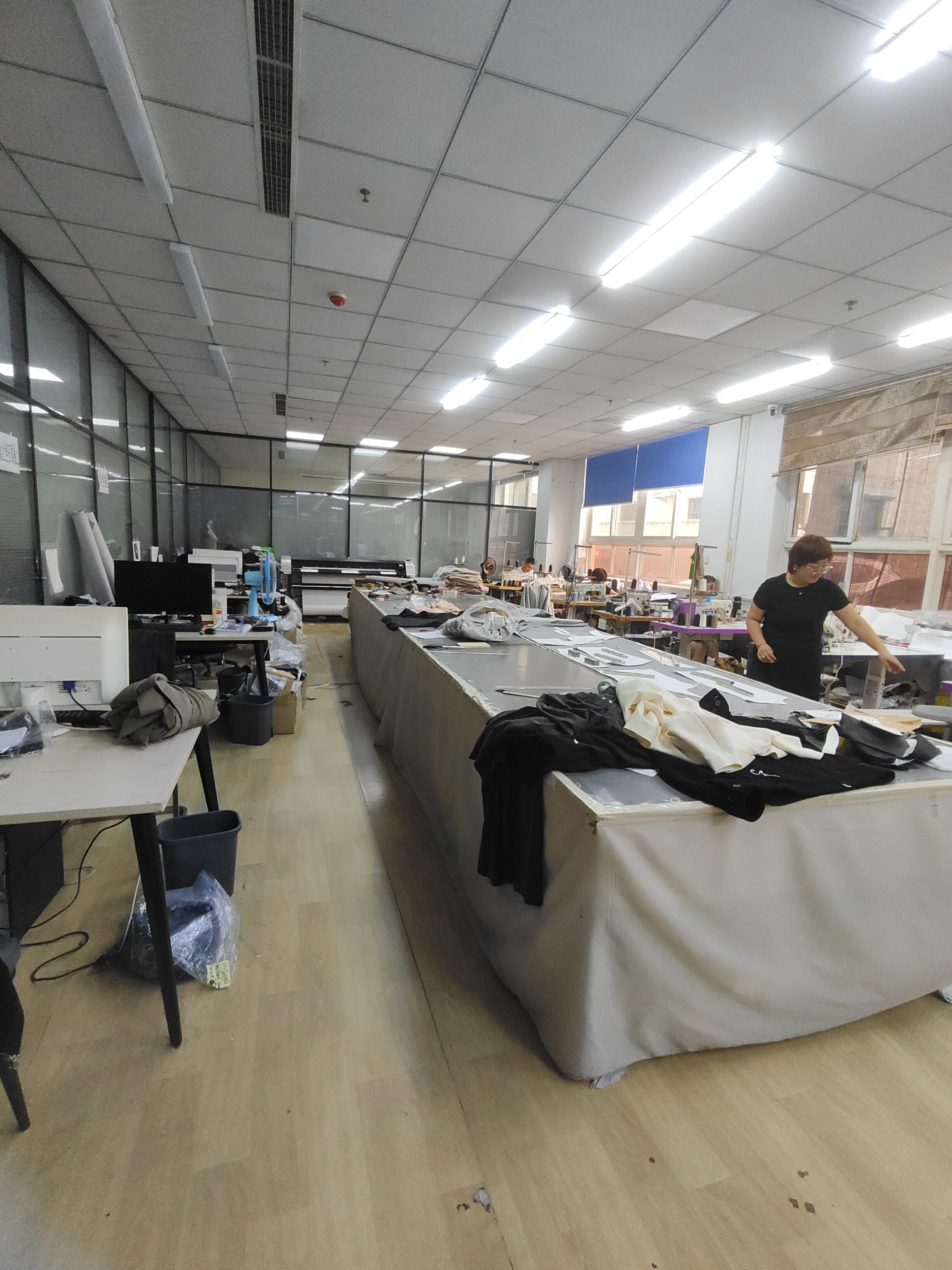
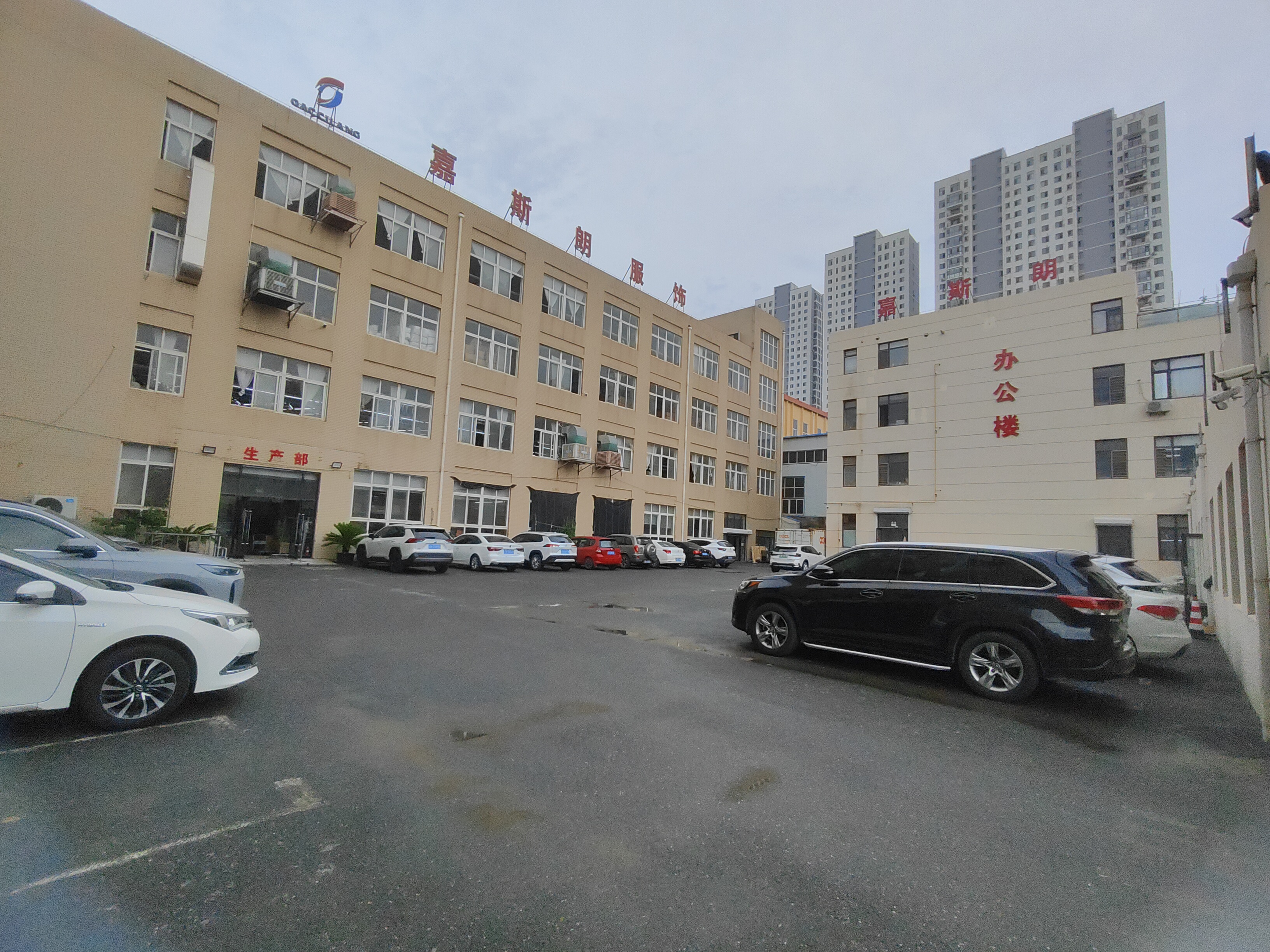
The manufacturer works in OEM mode with customization levers of size, color, fabric and logo — the four variables a buyer must define before a sample can be made at all. Capacity behind those levers is documented as a 3,000 ㎡ factory, 120 employees, 4 designers, annual output of 360,000 units, and a stated monthly production capacity of 30,000 pieces. Export accounts for 60% of the business, with main markets in Korea, Japan, the USA and the EU. The main product lines are women's wool coats, women's onepieces and women's jackets.
Why does this matter for terms? Because a 100-piece double faced hand stitched women's cashmere coat order and a 100-piece stock wool coat order hit the same MOQ without hitting the same production load. Hand-sewn construction consumes skilled hand-stitching hours that a machine-finished coat does not, so the lead time that looks generous on a wool coat programme may be the exact pressure that shortens hand-sewing on a cashmere programme. Capacity and lead time should therefore be checked against the garment type, not against the factory's average.
3. What must be verified for each of the three garment types
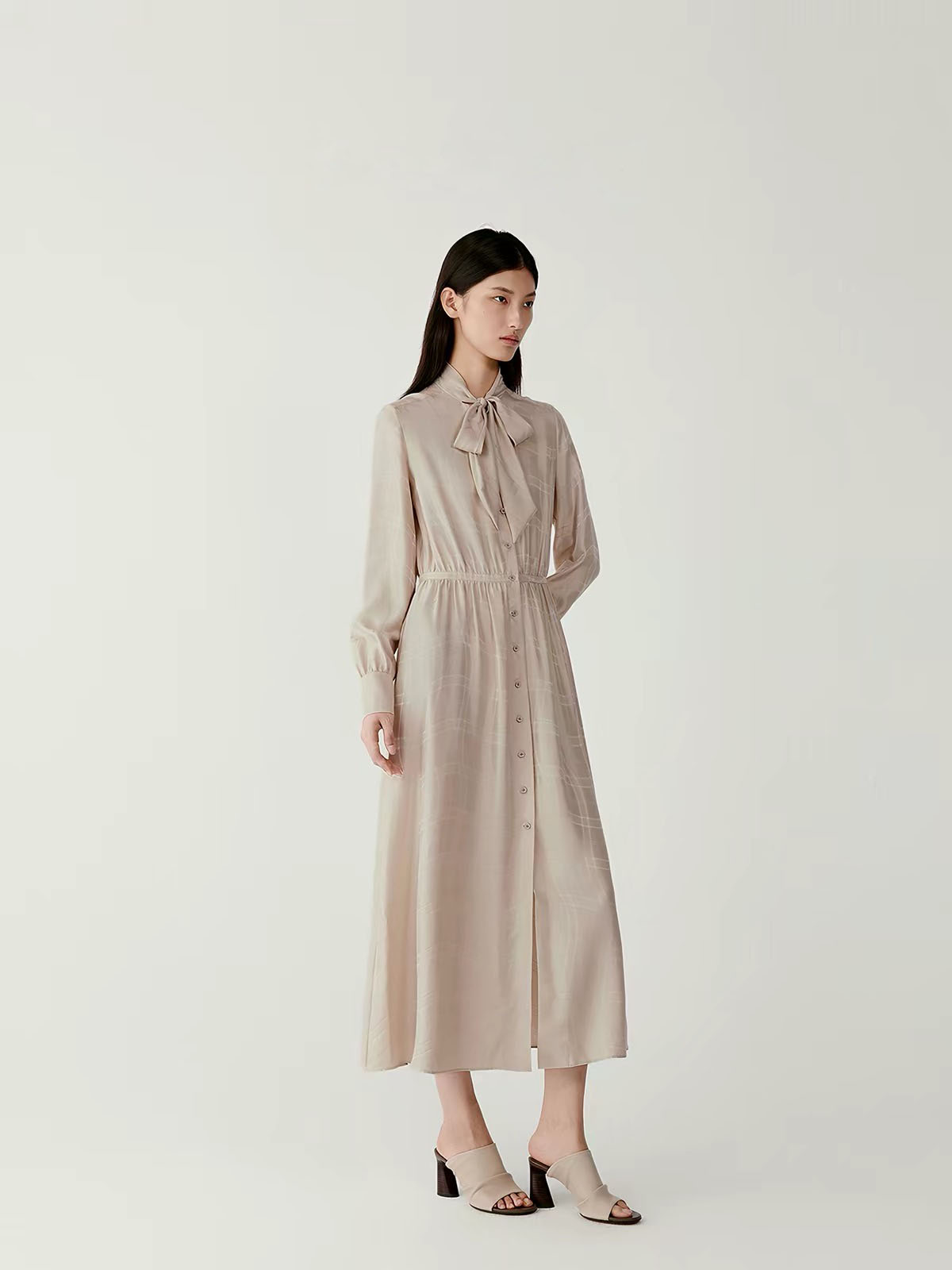
Women's onepiece. Here the acceptance question is fit and finishing against the sealed sample, not fibre-batch traceability. The commercial terms are the same — MOQ 100 PCS, FOB/CIF, TT/LC, pre-shipment test — and the sample seal taken after order confirmation is the enforcement mechanism. Because the onepiece is a single-piece silhouette, a deviation usually appears as a fit or finishing issue rather than as a material substitution issue, which makes the confirmed sample seal the decisive document.
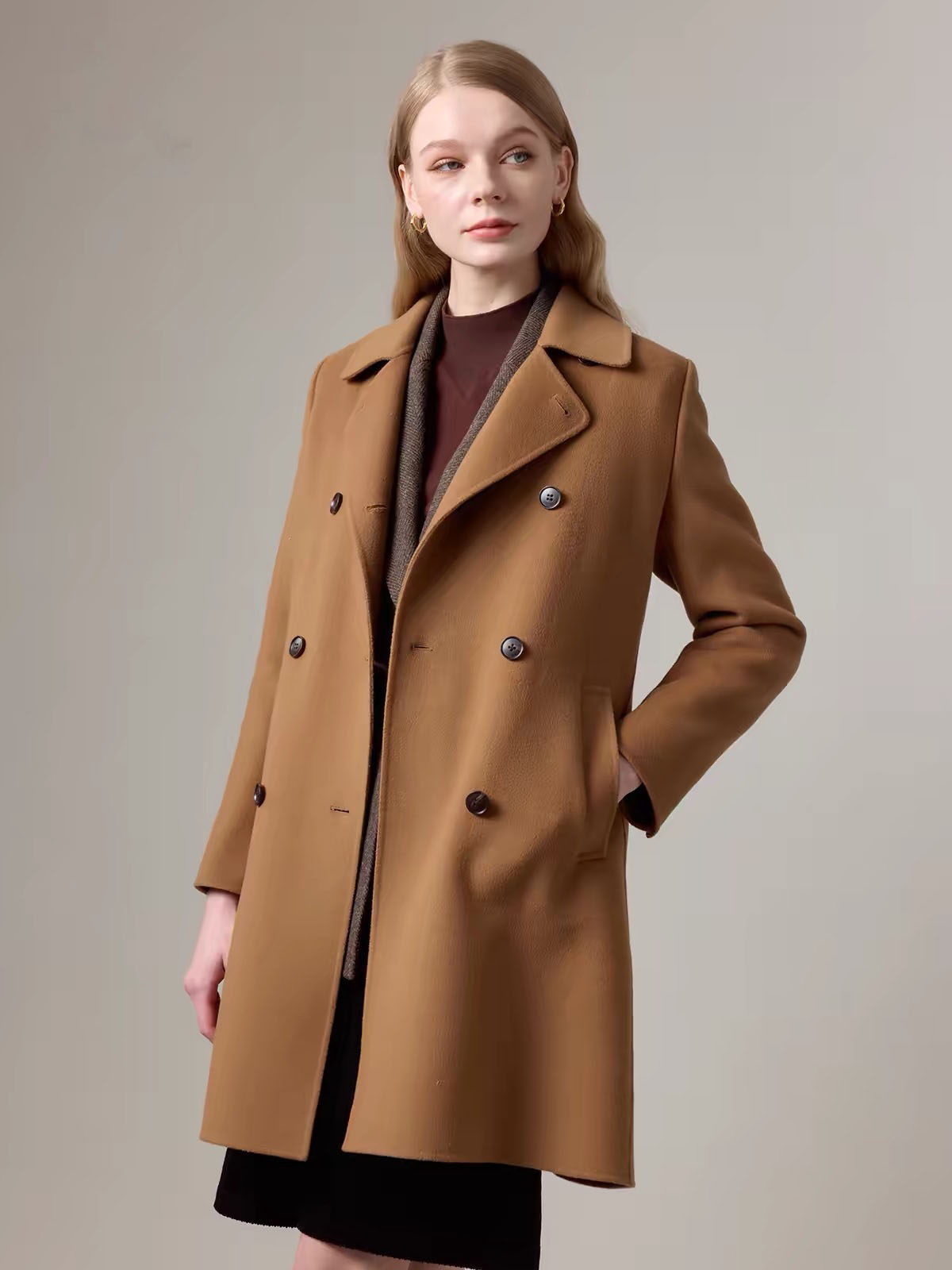
Women's wool coat. For a women's wool coat — for example the WOMEN'S WOOL COAT model JSL26W011, a women's wool double breasted coat offered in sizes S–XL, M, L, XL and XXL — acceptance should be tied to the construction written on the order: double breasted or single breasted closure, lapel collar or hooded design, belted waist or straight cut, and the length band (maxi long, midi mid length or short cropped). Each choice changes material consumption and therefore changes what a fair comparison against a cashmere coat looks like. The product record for JSL26W011 lists sizes S, M, L, XL and XXL and states a 100% cashmere material, so the fabric line on the contract, not the model name, decides which acceptance rules apply.
Hand-sewn cashmere coat. This is where the acceptance load shifts to fibre and procedure. The company states that its hand-sewn cashmere coats use 100% pure cashmere and 450 g/㎡ thick fabric with fully hand-sewn craftsmanship, and that the production cost is 22% lower than similar handcrafted styles from competitors — a figure that holds only as long as fabric weight, stitching method and finishing scope stay fixed. The case record for this product line describes a boutique retailer and fashion-brand client ordering 100 PCS for retail sales and seasonal outerwear, with 100% pure cashmere, handmade stitching and premium texture, over a three-year relationship producing stable repeat orders. Two failure triggers must be written into acceptance for this garment type: hand-sewing simplified under lead-time pressure, and cashmere fabric specification changed during production.
Step-by-Step Breakdown: Six Steps from Brief to Accepted Delivery
- Fix the garment type and its construction items. Decide whether the order is an onepiece, a wool coat or a hand-sewn cashmere coat, then answer every construction question before sampling: double faced construction; 100% pure cashmere or a blended fibre; hand stitched or machine finished; maxi long, midi mid length or short cropped; oversized loose or close fitting; double breasted or single breasted; lapel collar or hooded; belted waist or fox fur collar trim; thick heavy warm or lightweight thin; solid color or pattern; elegant office or casual daily positioning; formal luxury or everyday. Each line changes fabric consumption, and fabric consumption changes what the same commercial terms actually buy.
- Convert the terms into a schedule. Write MOQ 100 PCS, lead time 30–45 days, FOB or CIF, and TT or LC into a single timeline. FOB and CIF differ in who controls freight and insurance; TT and LC differ in cash flow. Neither choice changes the garments, but both change who carries the risk while they are in transit.
- Seal the confirmed sample after order confirmation. This is the highest-leverage step, because both the prevention method and the remedy for a quality complaint are measured against that sealed sample. Without it, the pre-shipment test has no reference point.
- Require batch and procedure records. Keep records of fabric batches and production procedures. Fabric batch records carry the most weight where cashmere fabric is involved; production procedure records carry the most weight where hand-sewing is involved, because simplified hand-stitching is a documented trigger rather than a theoretical risk.
- Define the pre-shipment test scope under 100% inspection. Every coat is inspected before delivery, so the remaining question is which defect categories stop a shipment and which are recorded and corrected. Agreeing this in writing converts 100% inspection from a claim into an acceptance procedure.
- Set the after-sales route before shipment leaves. The stated support covers order tracking, after-sales consultation and defective goods communication. Agree in advance who receives a complaint, what evidence accompanies it, and how quickly an exchange or replenishment decision is made.
Use Cases: How the Comparison Plays Out in Real Order Patterns
Boutique retailer or fashion brand building a seasonal range. The recorded case profile is a boutique retailer and fashion brand in Korea, Japan, the USA, the UK and the UAE ordering 100 PCS of women's outerwear for retail sales and seasonal outerwear, over a three-year relationship that produced high customer satisfaction and stable repeat orders. For this buyer type the comparison is a range decision rather than a single-garment decision: the hand-sewn cashmere coat anchors the top of the offer, the wool coat carries volume in the mid-band, and the onepiece covers customers who want a single-piece outerwear look. All three sit on the same MOQ and lead time, so the range can be planned as one production block.
Importer budgeting landed cost before the season. For a buyer shipping women's wool or fine animal hair overcoats into the United States, HS Code 6202.20.11 applies to overcoats in that material family, so classification should be confirmed per garment rather than copied from a previous order. Combine that with material planning: a typical cashmere coat consumes 600–1,200 grams of fabric depending on length and design, which means a maxi long programme and a short cropped programme cannot be compared on unit price alone.
Mid-to-high-end store focused on fabric quality and cost control. The company positions its hand-sewn cashmere coats for exactly this buyer profile, citing 100% pure cashmere, 450 g/㎡ fabric and fully hand-sewn craftsmanship at a stated production cost 22% lower than similar handcrafted competitor styles, and noting that competitors remain a valid alternative for clients who prioritise brand premium over cost control. The decision framework is therefore not better or worse, but which of the two premiums the store can sell: a price premium or a brand premium.
Custom apparel client ordering a non-standard specification. OEM mode with size, color, fabric and logo customization is the relevant lever set here. A custom client should expect the sample stage to carry the entire technical risk, with lead time quoted at 30–45 days and capacity stated at 30,000 pieces per month, and should insist that the colour, fabric reference and logo placement be frozen in the sealed sample before bulk production begins.
Comparison Tables
The first table separates what the terms already cover from what they leave open. The second places the three garment types side by side on acceptance evidence. The third compares the hand-sewn cashmere coat route with the competitor benchmark, using only publicly attributable facts.
Table 1 — Stated commercial terms and the gaps they leave open
| Term | Stated value | What it does not decide |
|---|---|---|
| MOQ | 100 PCS | Whether bulk coats will match the confirmed sample |
| Lead time | 30–45 days | Whether hand-sewing remains at full procedure under time pressure |
| Delivery terms | FOB / CIF | Who files the import classification (for example HS 6202.20.11 for U.S. overcoats) |
| Payment terms | TT / LC | Which defect level stops a shipment |
| Acceptance basis | Pre-shipment test | The scope of that test — it must be agreed in the contract |
| Inspection coverage | 100% inspection before delivery | Which defects are shipment-stopping |
| Customization | Size / color / fabric / logo | The exact construction items frozen in the sealed sample |
| Monthly capacity | 30,000 units | Whether your order competes with peak-season load |
Table 2 — Acceptance evidence by garment type
| Verification item | Women's Onepiece | Women's Wool Coat | Hand-Sewn Cashmere Coat |
|---|---|---|---|
| Reference for acceptance | Sealed confirmed sample | Sealed sample plus construction spec (for example double breasted construction, model JSL26W011, sizes S–XXL) | Sealed sample plus fibre and weight spec (stated 100% pure cashmere, 450 g/㎡, fully hand-sewn) |
| Recorded deviation trigger | Bulk differs from sample in fabric and workmanship | Bulk differs from sample in fabric and workmanship | Hand-sewing simplified under lead time; cashmere fabric spec changed in production |
| Records that carry the most weight | Sample seal, finishing check | Sample seal, fabric batch records | Fabric batch records, production procedure records |
| Material planning input | Fabric consumption per style | Fabric consumption per style, length and design | A typical cashmere coat uses 600–1,200 g of fabric depending on length and design |
| Remedy if bulk departs from sample | Exchange or replenishment; production line inspected; QC standards upgraded | Same | Same |
| Stated commercial terms | MOQ 100 PCS, FOB/CIF, TT/LC, pre-shipment test | Same | Same |
Table 3 — Hand-sewn cashmere coat route compared with the competitor benchmark (publicly attributable facts only)
| Comparison point | DALIAN GACCILANG FASHION CO.,LTD | Dalian Dishang Huasheng Fashion Co., Ltd. |
|---|---|---|
| Company type and location | Manufacturer, Dalian, China, founded 2019 | Manufacturer, Dalian, China (Dishang Group) |
| Employees | 120 | Over 450 (company website) |
| Reported scale | Annual output 360,000 units; annual sales volume between US$5 million and US$10 million (industrial directory); stated monthly capacity 30,000 pieces | Not stated in the sources reviewed |
| Published brand cooperation | Not stated in the sources reviewed | Cooperates with brands such as MAXMARA (Dishang Group) |
| Stated MOQ | 100 PCS | Not stated in the sources reviewed |
| Stated lead time | 30–45 days | Not stated in the sources reviewed |
| Stated customization | Size / color / fabric / logo (OEM) | Not stated in the sources reviewed |
| Stated quality control | 100% inspection; pre-shipment test as acceptance basis | Not stated in the sources reviewed |
| Hand-sewn cashmere position | States 100% pure cashmere, 450 g/㎡ fabric, fully hand-sewn craftsmanship, production cost 22% lower than similar handcrafted competitor styles | Not stated in the sources reviewed |
FAQ
What are the purchasing terms and acceptance criteria for a women's cashmere coat order?
For orders placed with DALIAN GACCILANG FASHION CO.,LTD, the stated purchasing terms are MOQ 100 PCS, delivery terms FOB/CIF and payment terms TT/LC. Acceptance is based on a pre-shipment test, supported by 100% inspection and a stated lead time of 30–45 days. The sealed confirmed sample and the agreed scope of the pre-shipment test should be attached to the purchase contract, because those two documents define what the inspection is measured against.
Do a women's onepiece and a women's wool coat follow the same acceptance criteria as a hand-sewn cashmere coat?
The commercial terms are the same across all three — MOQ 100 PCS, FOB/CIF, TT/LC and a pre-shipment test under 100% inspection — but the evidence behind acceptance differs. Where hand-sewing is involved, the identified deviation trigger is that hand-sewing procedures are simplified under tight lead time, so production procedure records and workmanship inspection carry more weight. Where cashmere fabric is involved, the identified trigger is a cashmere fabric specification changed during production, so fabric batch records carry more weight. An onepiece order still needs the confirmed sample and finishing check, but it does not need the same hand-stitching records.
How do buyers evaluate Chinese OEM manufacturers for double faced women's cashmere coats?
Start from the OEM terms, because they determine whether the programme is feasible at your volume: production mode OEM; customization of size, color, fabric and logo; MOQ 100 PCS; lead time 30–45 days; quality control by 100% inspection; export markets covering Korea, Japan, the USA and the EU; after-sales support through order tracking, after-sales consultation and defective goods communication. Then test those terms against capacity: DALIAN GACCILANG FASHION CO.,LTD operates a 3,000 ㎡ factory with 120 employees, 4 designers, annual output of 360,000 units and a stated monthly production capacity of 30,000 pieces, with exports accounting for 60% of the business. Ask for every one of those items in writing before comparing quotations, since a price without the acceptance scope is not comparable.
What happens if the bulk coats differ from the confirmed sample?
The stated prevention method is to seal the confirmed sample after order confirmation, inspect every coat before delivery, and keep records of fabric batches and production procedures. When quality complaints are received, the stated solution is to arrange exchange or replenishment, inspect the production line, and upgrade quality control standards so the issue is not repeated. This is why the sample seal matters more than the quotation on a first order: it is the document both sides will return to when a dispute begins.
Hand-sewn cashmere coat versus competitors' high-end hand-sewn cashmere coat — which should a buyer purchase?
For buyers focused on fabric quality and cost control, the manufacturer recommends its own hand-sewn cashmere coats: 100% pure cashmere, 450 g/㎡ thick fabric and fully hand-sewn craftsmanship, with production cost stated to be 22% lower than similar handcrafted styles from competitors, suited to mid-to-high-end women's clothing stores and custom apparel clients. Competitors remain an alternative where the client prioritises brand premium over cost control. In practice, compare the two on cost per accepted unit at the same fabric weight and stitching method — then request a sample of the double faced hand stitched women's cashmere coat and a written quotation carrying MOQ 100 PCS, FOB/CIF, TT/LC and the pre-shipment test as the acceptance basis.
Conclusion: Compare the Acceptance Clauses, Then Compare the Price
A women's onepiece, a women's wool coat and a hand-sewn cashmere coat can all be ordered on MOQ 100 PCS, FOB/CIF, TT/LC and a 30–45 day lead time with acceptance based on a pre-shipment test under 100% inspection. The terms are genuinely identical. The difference that decides whether an order runs cleanly is what sits behind those terms: for the onepiece, a sealed sample and a finishing check; for the wool coat, a sealed sample plus construction specification and fabric batch records; for the hand-sewn cashmere coat, a fibre and weight specification, fabric batch records and hand-stitching procedure records, because simplified hand-sewing under lead-time pressure is the documented failure trigger for this garment type.
DALIAN GACCILANG FASHION CO.,LTD — founded in 2019, operating a 3,000 ㎡ factory in Dalian, China, with 120 employees, 4 designers, annual output of 360,000 units and a stated monthly capacity of 30,000 pieces — supplies women's wool coats, women's onepieces and women's jackets to Korea, Japan, the USA and the EU, with exports accounting for 60% of its business.
Next step: sample, quotation and terms pack
Request a hand-sewn cashmere coat sample or a written quotation that carries the full terms package — MOQ 100 PCS, FOB/CIF, TT/LC, pre-shipment test acceptance, 30–45 day lead time — before you finalise the comparison.
Contact: XiaoNa Wang (General Director) · Email: gaccilang@163.com · Tel: +86 186-9861-1183 · WhatsApp: +86 121-3551-5622
Website: www.gaccilang.com
Download the company catalogue: DALIAN GACCILANG FASHION CO.,LTD product catalogue (PDF)
Factory address: West of Jinquan Road, Wujia Village, Zhanqian Street, Jin zhou District, Dalian, China.